
A recent development in the dispute between Nintendo and PalWorld is that the United States Patent and Trademark Office (USPTO) has initially rejected a Nintendo patent. This patent, granted in September 2025, covers a gameplay feature where players summon a character to help in battle. The gaming community quickly questioned the patent after it was issued, and now a USPTO examiner appears to agree with those concerns. This is a positive sign for PalWorld as the case moves forward.
This ruling isn’t a decisive victory, for several reasons: this patent is being challenged in a different court than the main lawsuit, it’s just one of many patents involved, and Nintendo can still fight back, make changes, or appeal. However, the decision confirms what many legal professionals suspected – that the patent was approved too easily and without enough examination. While the outcome of the case is still uncertain, this development could change how the overall legal battle plays out.
What the Patent Actually Covers
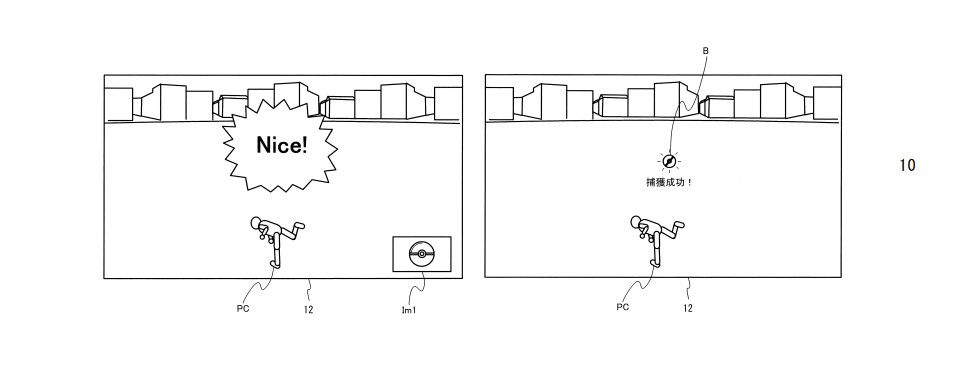
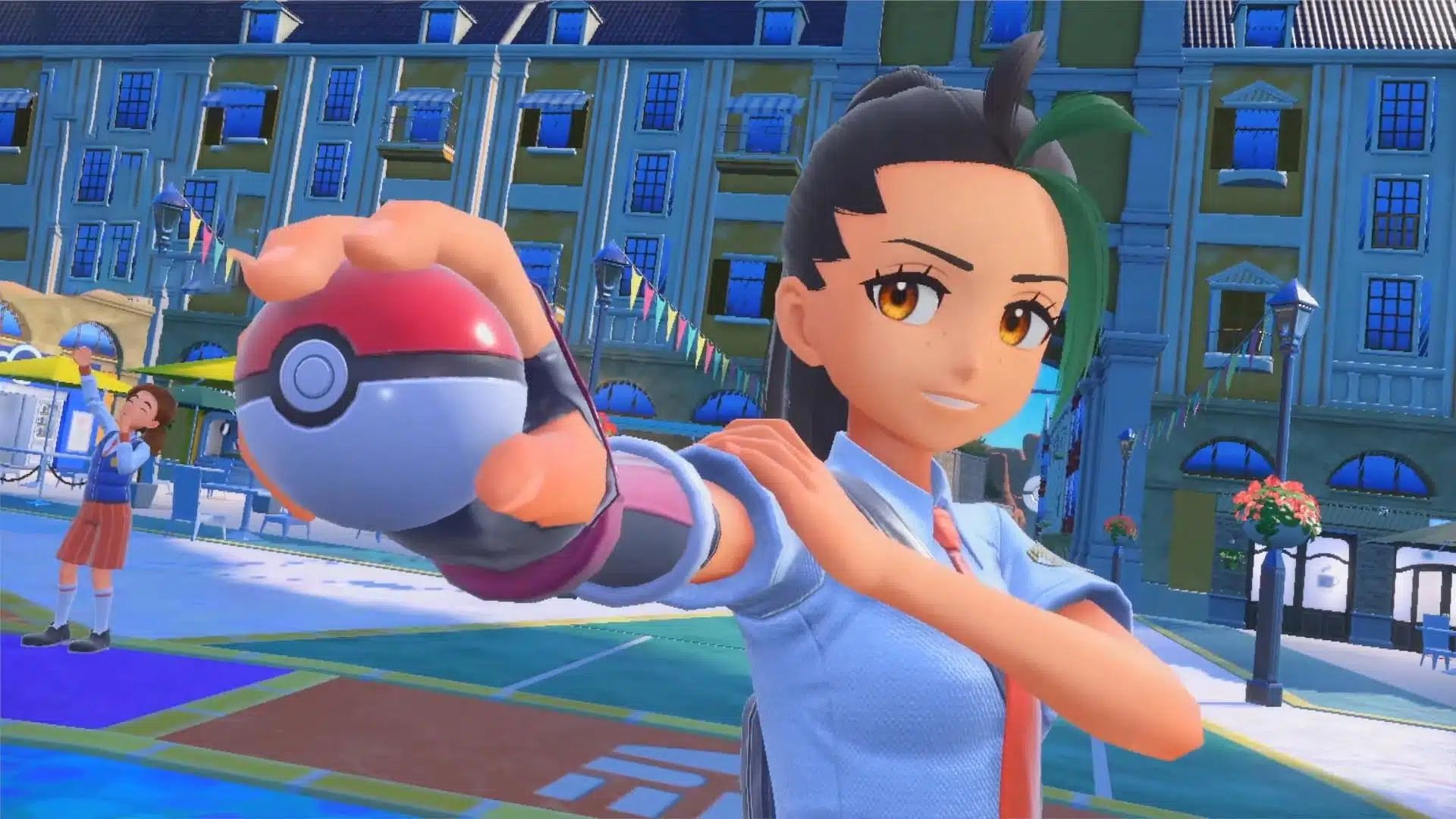
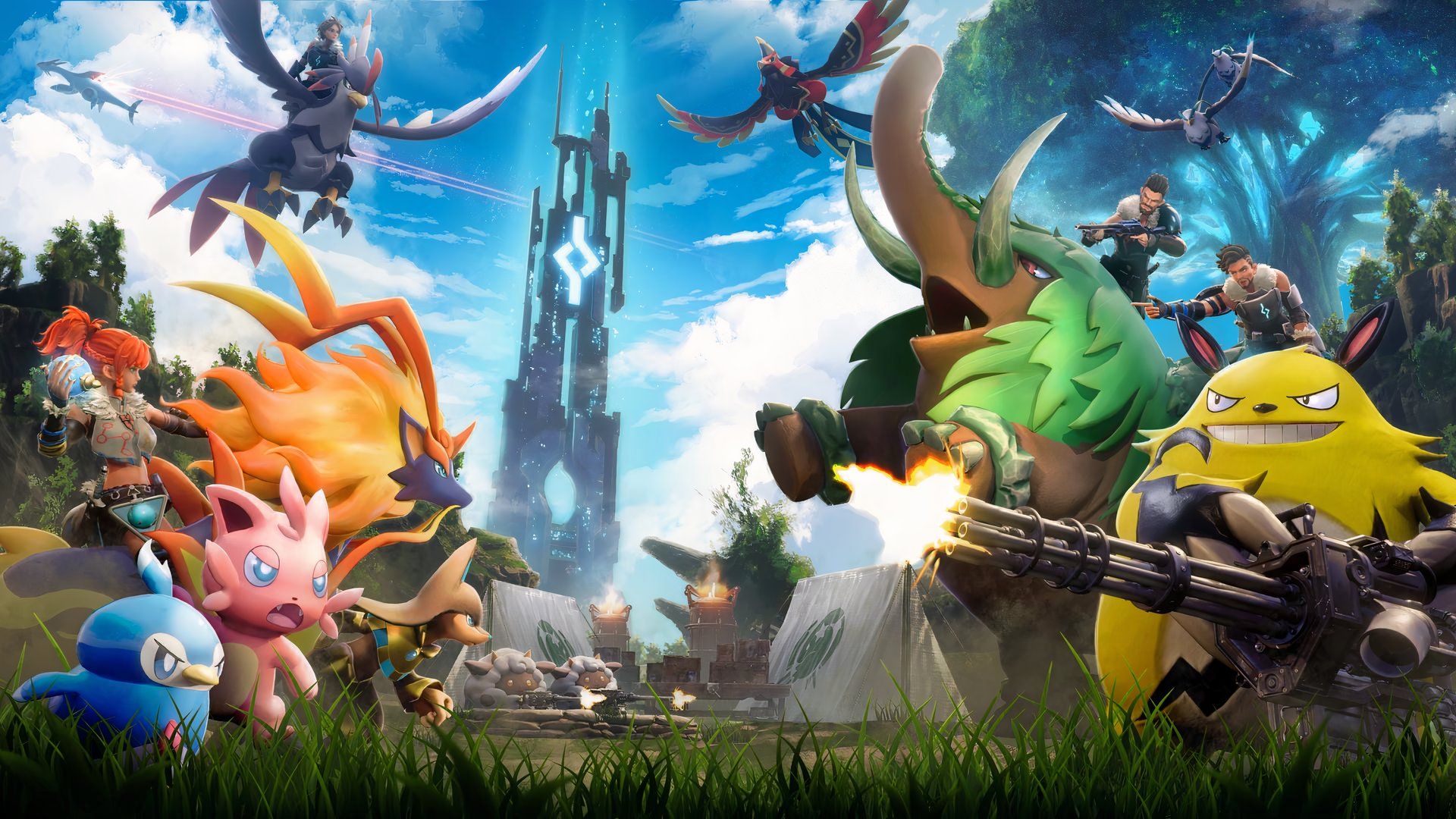
Understanding the impact of this rejection on games like PalWorld requires a closer look. The patent itself (US12403397B2), officially titled “Storage medium, information processing system, information processing apparatus, and game processing method,” is vague, and the legal details are complicated by being in two languages. Essentially, the Nintendo patent protects a specific technical way a game allows a player to summon a creature – referred to as a “sub-character” – to fight an enemy, using one of two different methods.
- Manual mode: If an enemy is already present at the summoning location, the battle proceeds under player control.
- Automatic mode: If no enemy is immediately nearby, the sub-character moves in a player-specified direction and automatically initiates battle if it encounters one.
The patent’s wording is deliberately unclear, but it generally seems to cover any game where you send out a creature to battle. The problem is, legal experts worry this broad language could allow Nintendo to claim ownership over many different games. While PalWorld is the most talked-about example, games like Elden Ring could also potentially be affected if Nintendo were to pursue legal action.
How Nintendo Got to This Point
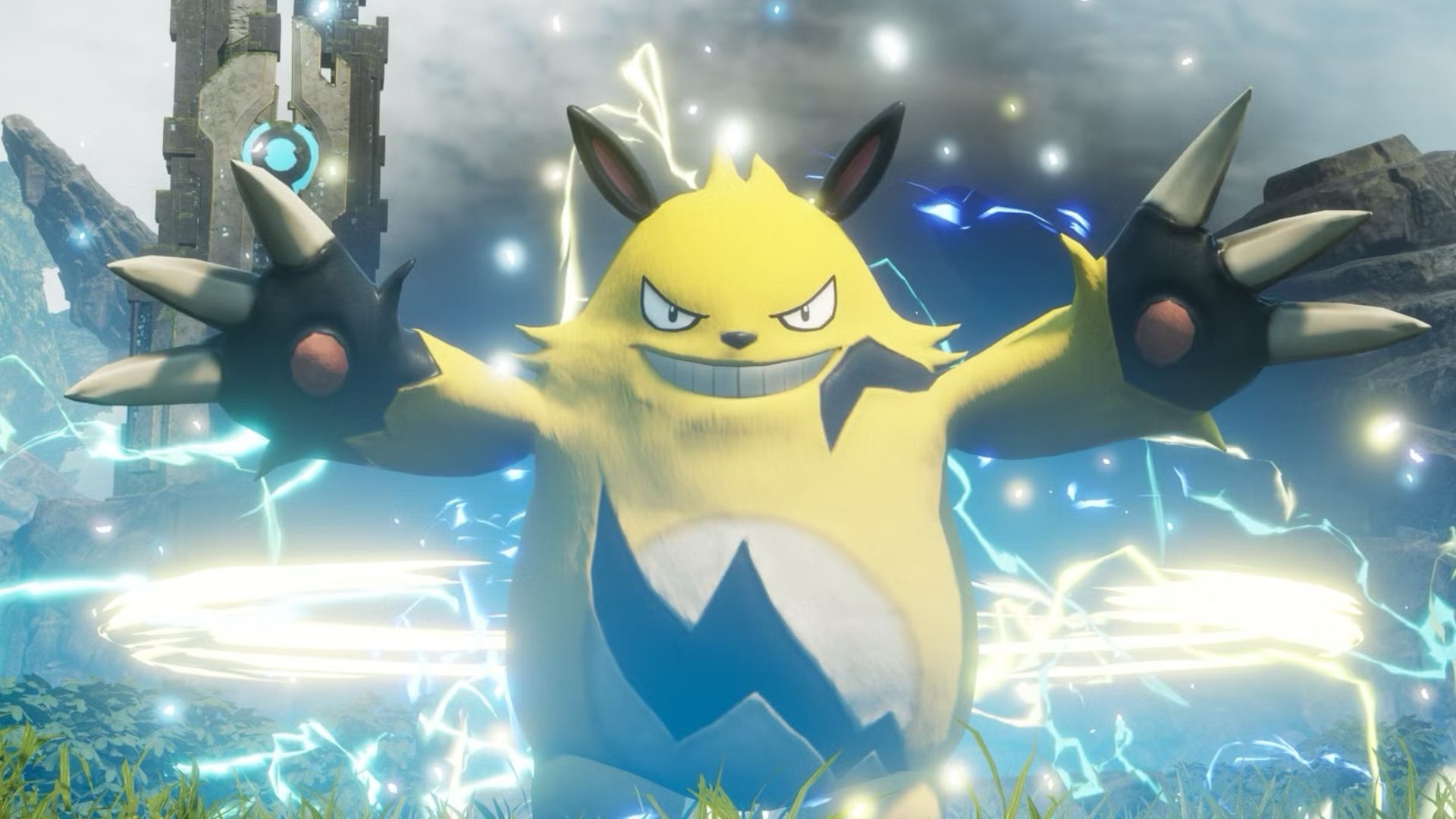
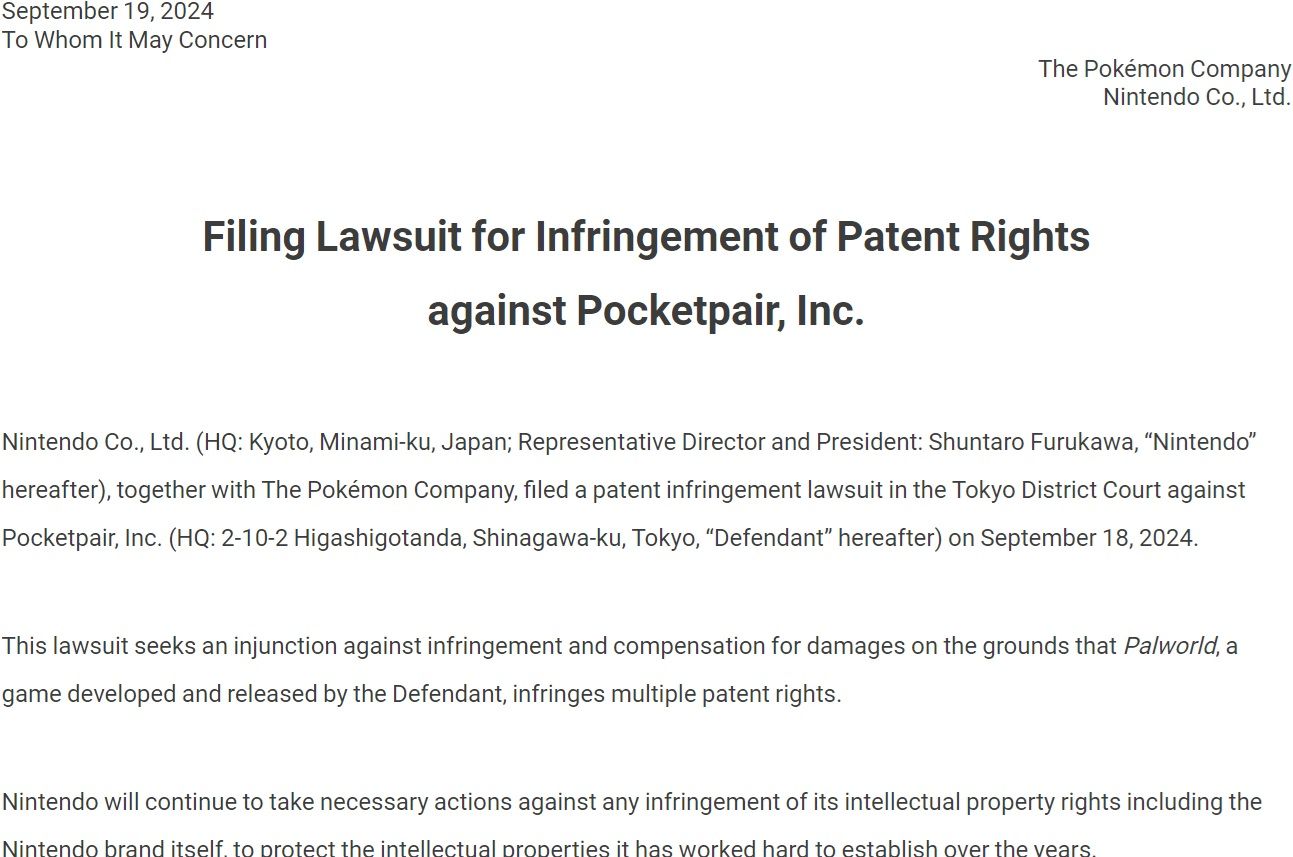
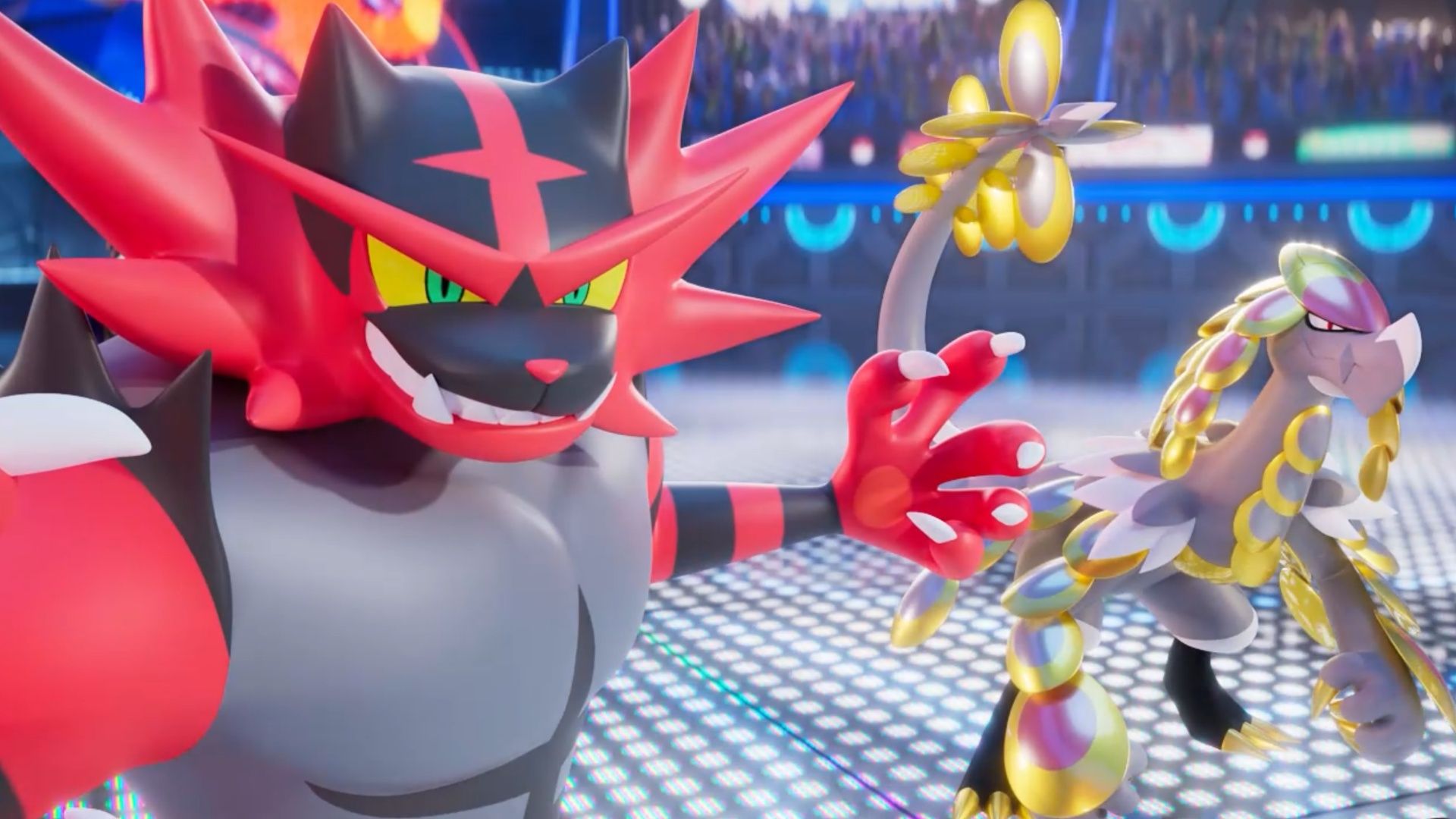
Nintendo applied for this patent in March 2023, and it was approved in September 2025. The application process was surprisingly smooth – the patent office didn’t initially reject or require changes to the claims, which experts found unusual. Soon after, people in the gaming community pointed out numerous existing games that already used similar ideas, and legal experts were highly critical. Patent analyst Florian Mueller described the situation as a clear example of intimidation tactics.
Due to significant criticism, the Director of the USPTO ordered a review of the patent in November 2025, excluding input from one of the parties involved. By March 2026, the examiner issued a lengthy 104-page response, rejecting all 26 claims. This rejection was based on a combination of four existing technologies from companies like Konami, Bandai Namco, and Nintendo, arguing that the invention wouldn’t have been considered new or inventive enough to patent, given what was already known in the field at the time.
Law firm Baker Botts, specializing in intellectual property, notes that the USPTO director hasn’t ordered a review like this since 2003.
What “Non-Final” Actually Means
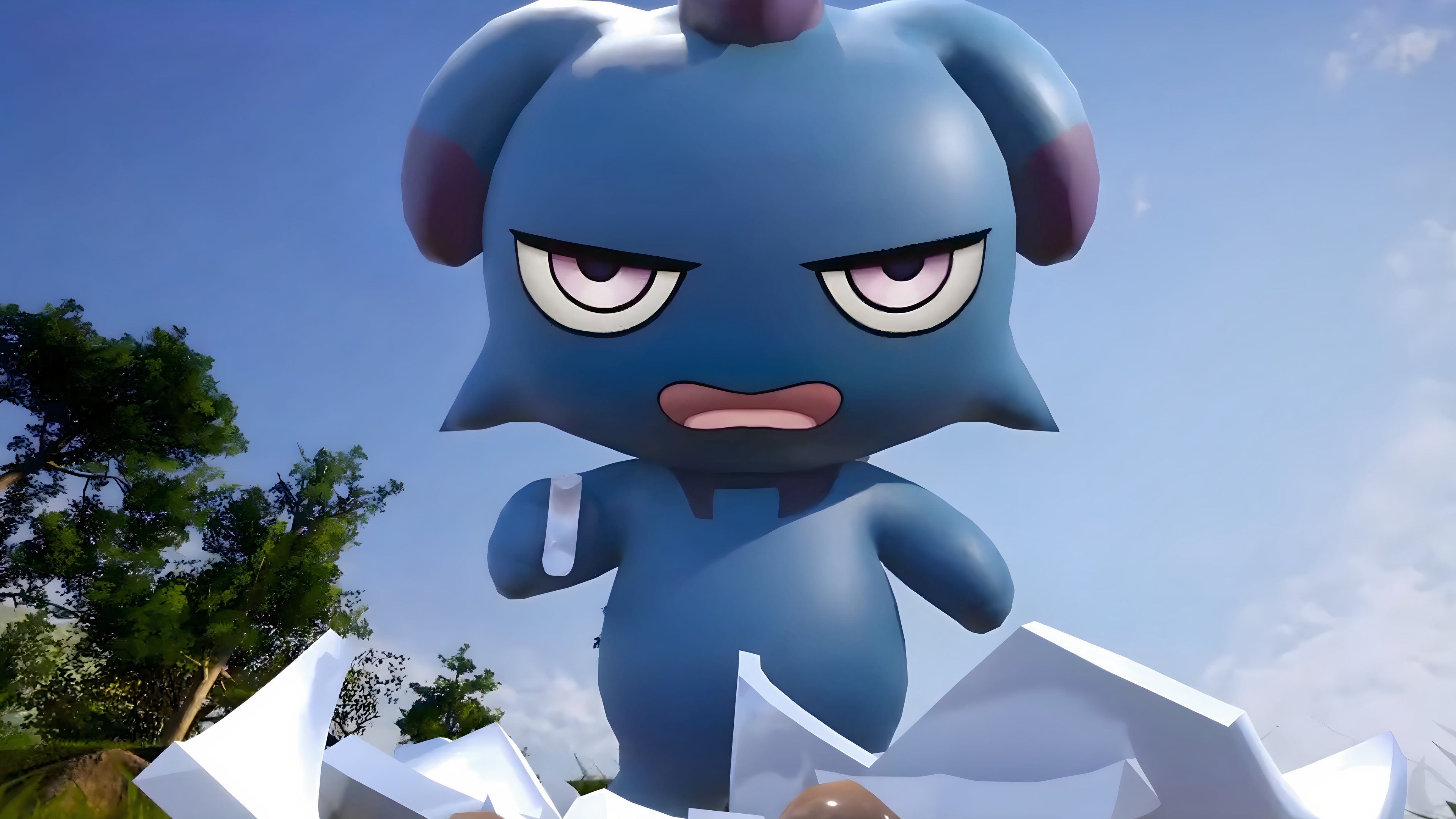
Okay, so this initial rejection seems like a big deal, but honestly, it’s more like a first attempt at a decision. Nintendo has at least two months to come back with changes. The tricky part is, if they do change things to get the patent approved, they might have to narrow down what it covers. And that’s a problem, because the original patent was so strong because of how broad it was – that’s what made it useful in their fight against the makers of Palworld, Pocketpair, to begin with. It’s a real balancing act for them.
The Bigger Picture: Japan and Nintendo’s US Portfolio
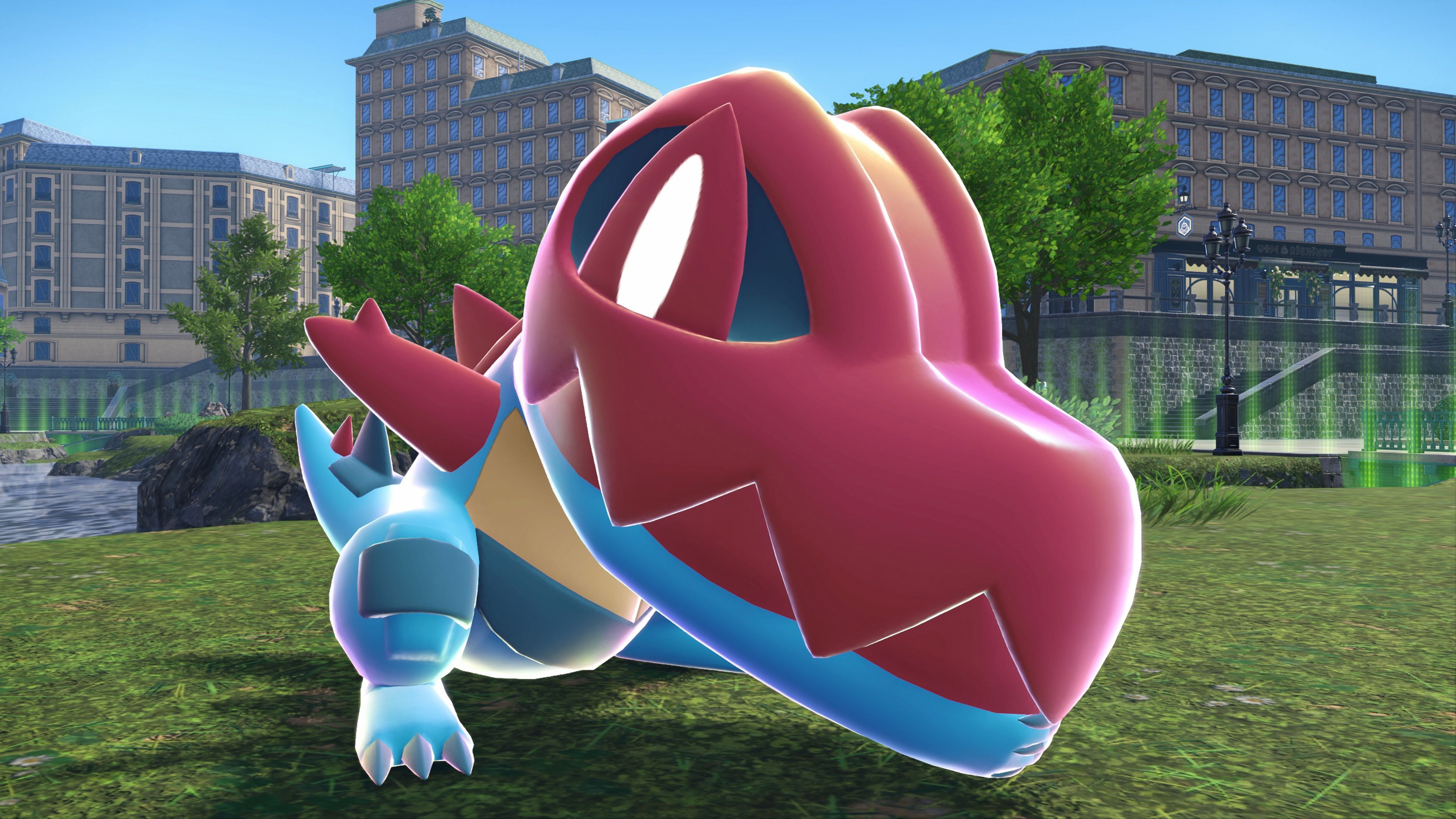
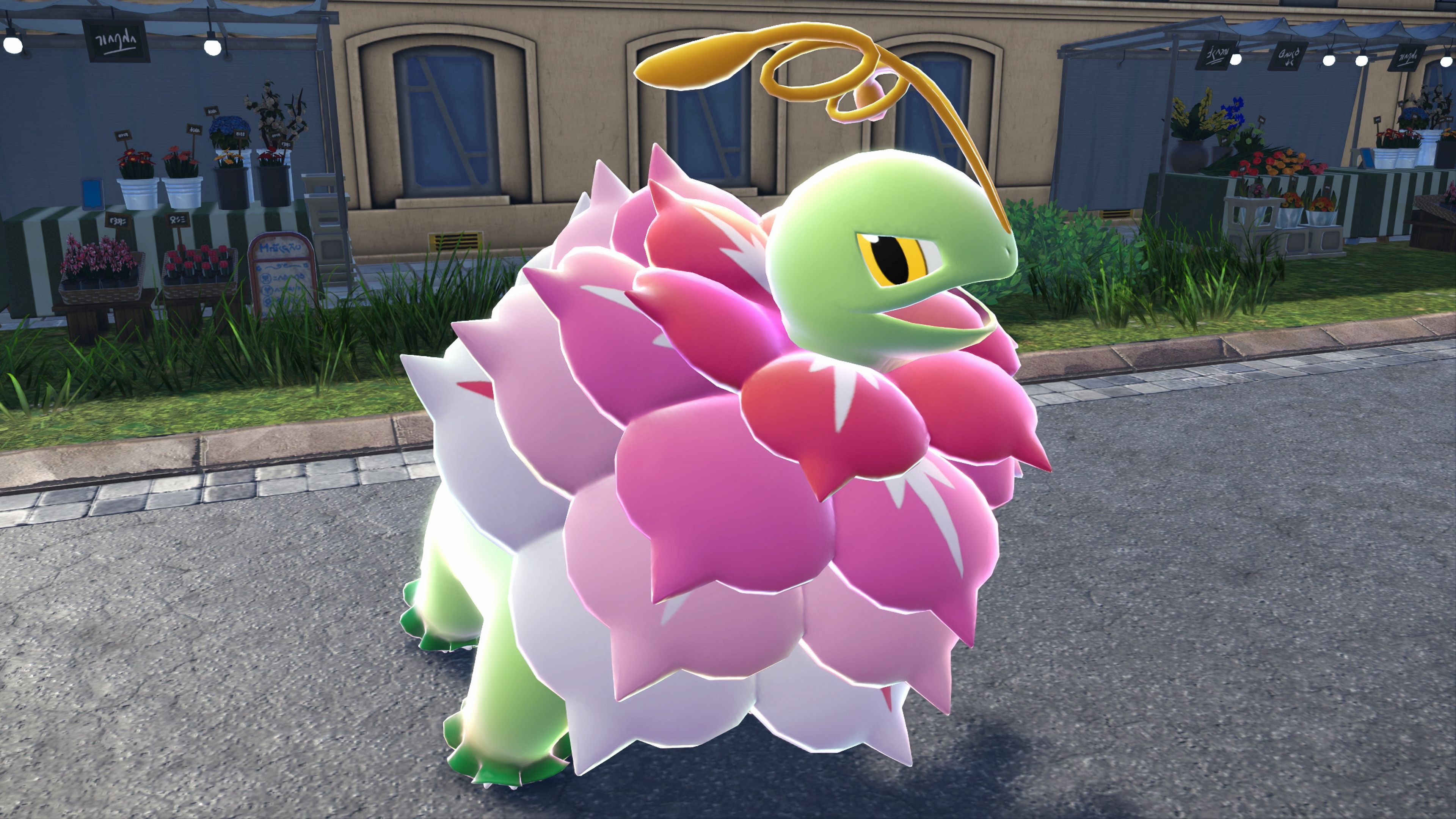
Just to clarify, the current lawsuit against PalWorld is happening in Japan, filed with the Tokyo District Court in September 2024. While the US Patent and Trademark Office (USPTO) activity isn’t directly relevant to this Japanese case, it’s closely connected. Nintendo has been proactively building a separate set of US patents, with several being quickly approved in late 2024. These US patents mirror the Japanese patents involved in the PalWorld lawsuit, which would allow Nintendo to pursue legal action in the US if they choose to do so.
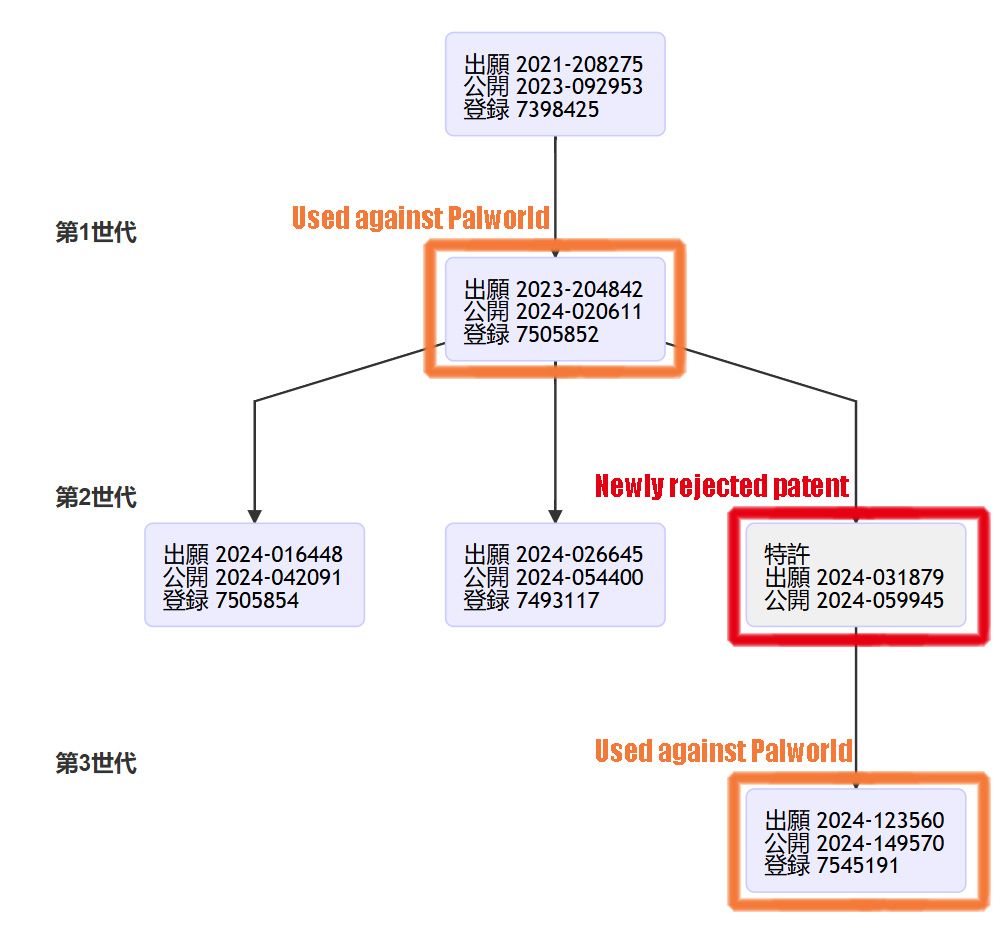
Even though this reexamination doesn’t directly impact the current legal case, it does raise concerns about the strength of Nintendo’s overall approach to enforcing its US patents. This concern is amplified by a recent decision from the Japanese Patent Office (JPO) which initially rejected a related patent application (No. 2024-031879) – the foundation for two of the patents Nintendo is using in this case. The JPO cited games like ARK: Survival Evolved and Monster Hunter as evidence that these mechanics were already known. While JPO decisions aren’t immediately final, Pocketpair will likely use both the USPTO reexamination and the JPO refusal to challenge Nintendo’s lawsuit, and the courts may well consider how different patent offices view these same game mechanics.
What The Rejection of Nintendo’s Patent Means for the Industry
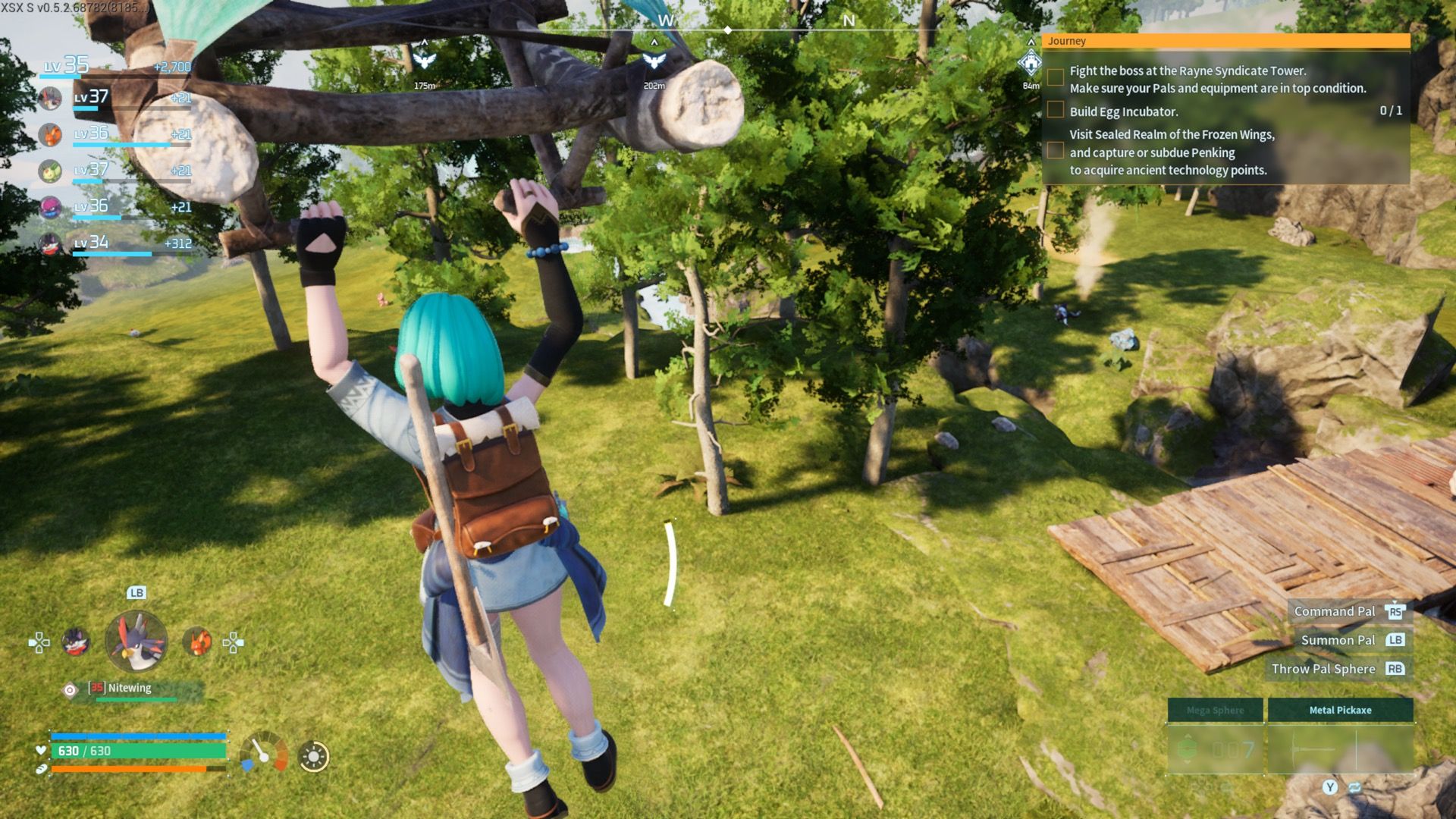
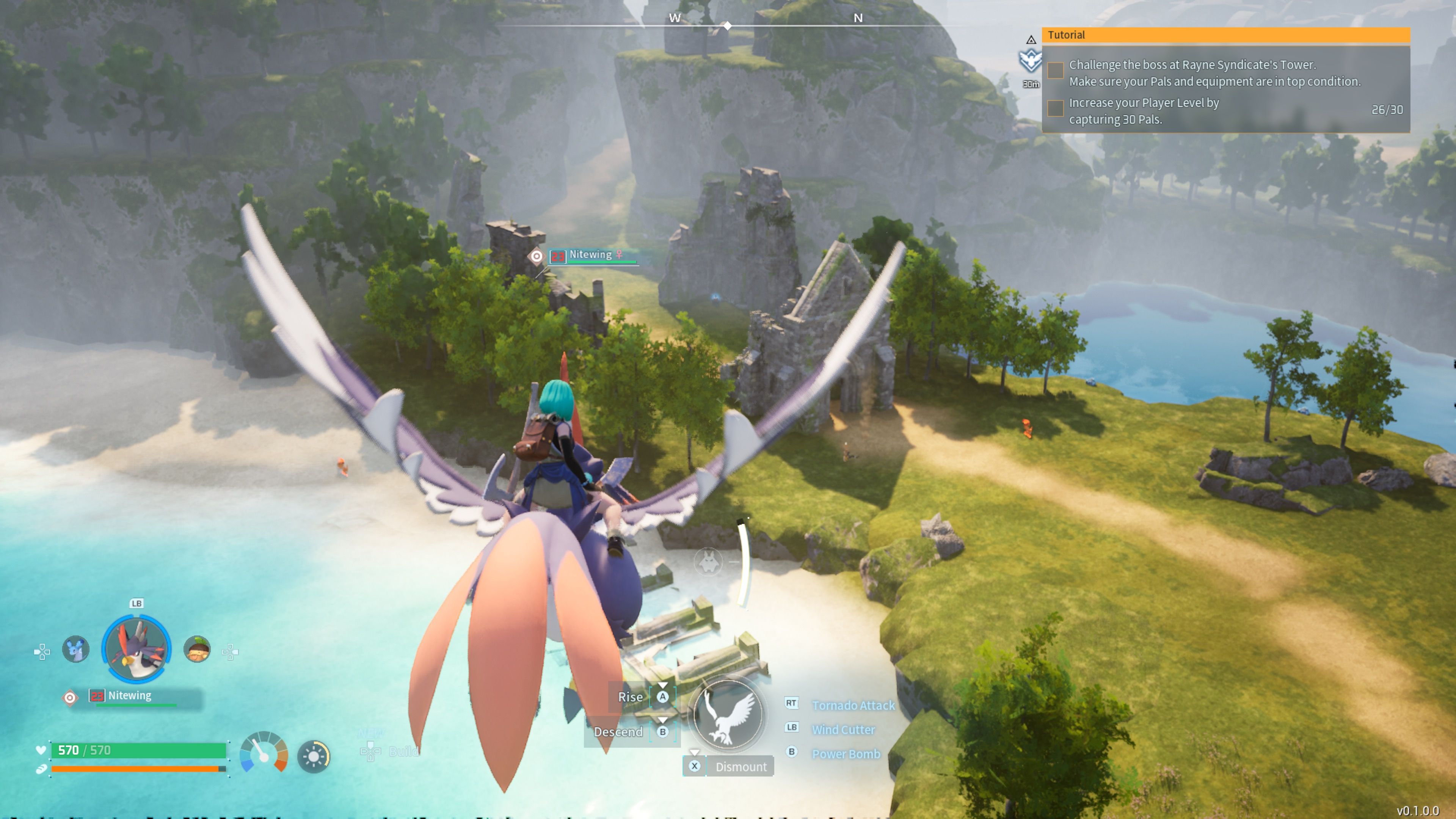
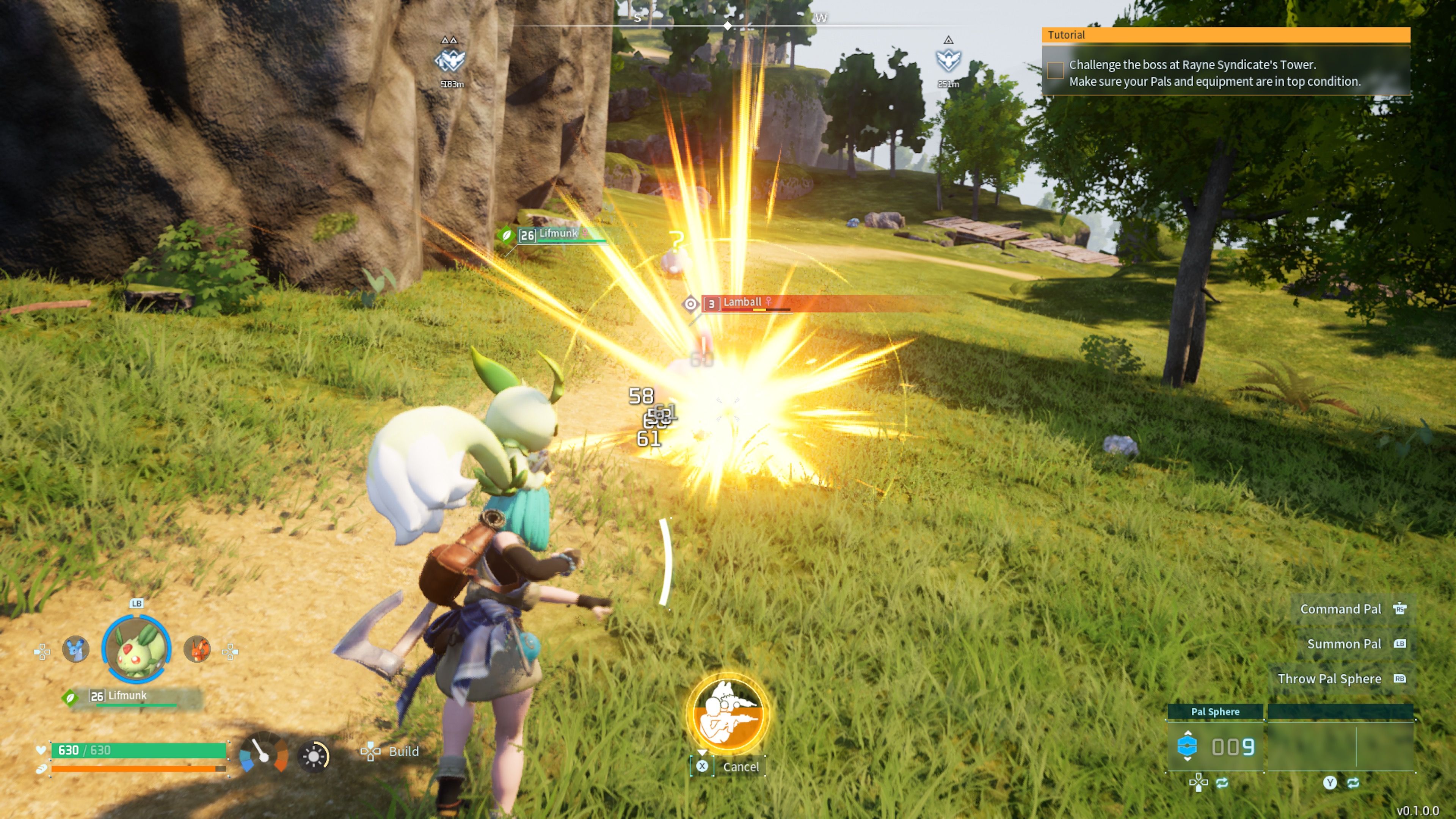
For now, Pocketpair, the game’s developer, has scored a PR win. They’d already changed how the game works after Nintendo sued them in Japan, taking out the ability to glide on companions and adding a separate item instead. This situation also provides public evidence suggesting Nintendo’s patents on game mechanics might be too wide-ranging and weren’t thoroughly reviewed. Looking ahead, the outcome of this case could be very important. If the US Patent and Trademark Office rejects Nintendo’s claims – finding they’re simply obvious – it would send a strong signal about how these types of patents are handled.
The legal case between Nintendo and Pocketpair in Japan is still ongoing. Nintendo is now in a difficult position: they can either strongly defend their original claims – which will be challenging considering how carefully the patent examiner reviewed them – or agree to weaker claims that offer less protection. Regardless of the final outcome, this legal fight has already influenced how games are being designed.
Read More
- All Skyblazer Armor Locations in Crimson Desert
- How to Get the Sunset Reed Armor Set and Hollow Visage Sword in Crimson Desert
- All Shadow Armor Locations in Crimson Desert
- Marni Laser Helm Location & Upgrade in Crimson Desert
- All Helfryn Armor Locations in Crimson Desert
- All Golden Greed Armor Locations in Crimson Desert
- One Piece Chapter 1180 Release Date And Where To Read
- Best Bows in Crimson Desert
- All Icewing Armor Locations in Crimson Desert
- How to Beat Stonewalker Antiquum at the Gate of Truth in Crimson Desert
2026-04-08 20:05