Summary
- The Super Mario Bros. Movie was a huge success for Nintendo, grossing over a billion dollars.
- The Legend of Zelda movie faces challenges in adaptation due to its fantastical elements and live-action format.
- Fans expected a Zelda film to be animated like Mario, making its live-action approach potentially risky.
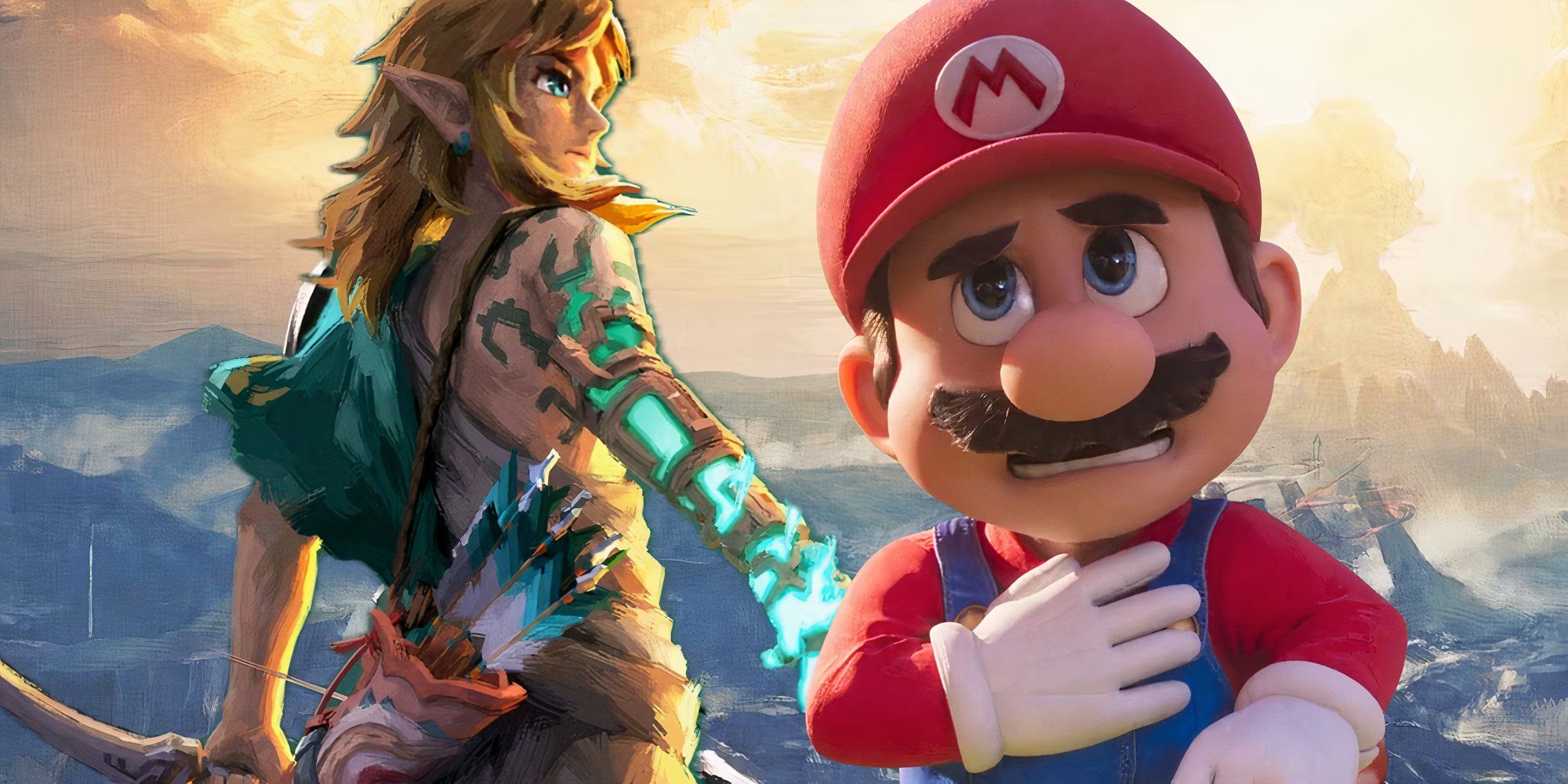
Nintendo hit a home run when they brought their flagship franchise, Super Mario Bros., to the big screen, setting a new record for highest-grossing video game adaptations. But now, Zelda is up at bat, and it could prove tricky to nail down the perfect adaptation.
In 2023, The Super Mario Bros. Movie raked in more than a billion dollars at the box office, and it’s clear why. Nintendo masterfully blended respect for the game’s rich history with an approachable format for newcomers. Their collaboration with Illumination Entertainment, initially considered unconventional, proved to be a brilliant decision as the studio’s vibrant and lively designs perfectly captured Mario’s essence of cheerful, family-friendly entertainment. The movie didn’t redefine video game adaptations, but it didn’t have to. It was just what the first Mario movie needed to be – proof that Nintendo could excel in video game adaptations. However, Nintendo executives like Shigeru Miyamoto might find adapting The Legend of Zelda to traditional media more challenging compared to other franchises.
The upcoming “Zelda” movie has finally been given a release date: it will hit cinemas on March 26th, 2027. But before that, there are several hurdles to overcome for the film to become another box office smash for Nintendo. At present, not much is known about this adaptation. The creative force behind the project so far has been director Wes Ball, who worked on the “Maze Runner” series and received mixed reviews. Shigeru Miyamoto, creator of the “Zelda” video game franchise, will be a major producer. What might surprise many fans is that unlike its “Mario” counterpart, this movie won’t be animated – it will instead feature live-action performances. This decision to go with live action could bring new challenges for Ball as he tries to adapt one of Nintendo’s most imaginative properties.
Live-Action Adaptations Are Difficult, And The Legend of Zelda Movie Is No Different
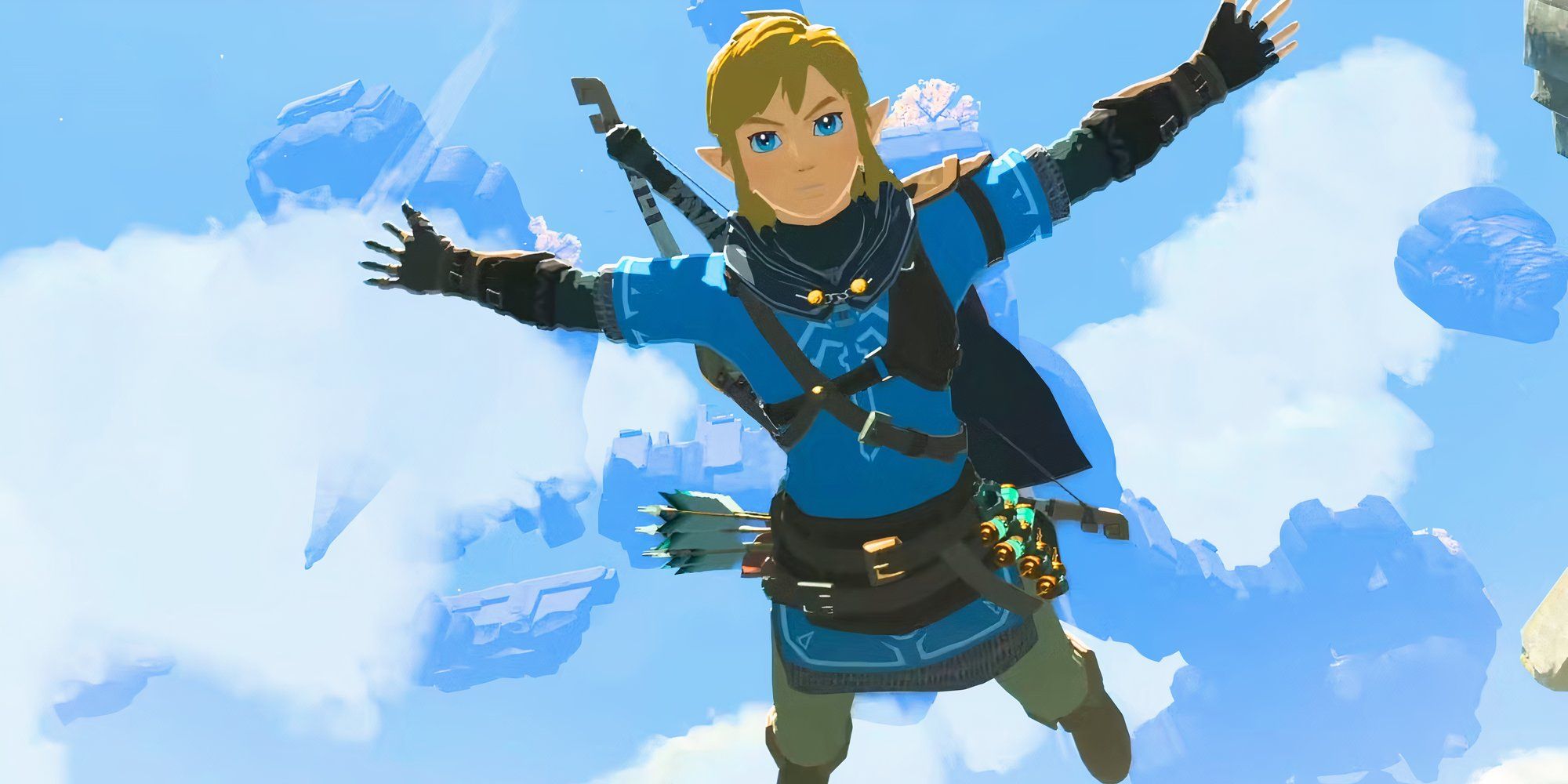
Many fans who have followed the Zelda series for a long time had expected any movie to continue in the tradition of animation, as it had done before. After all, ever since the transformation of the series’ visual style with Ocarina of Time into something more three-dimensional, most Zelda games have featured a cartoonish world and characters. More recently, even the cell-shaded design of Breath of the Wild was very similar to the distinctive style of Studio Ghibli films. So, when it was announced that the Zelda series would be taking a live-action direction, there was much debate within the online community.
Despite popular belief that Mario, due to his wacky and outlandish nature, is better suited for animation, this doesn’t mean Zelda is a straightforward, grounded drama. In fact, when considering the series as a whole, Zelda is an incredibly complex high-concept fantasy tale with numerous surreal elements. To most audiences, it may appear as a simple story about a small elf warrior rescuing a fairytale princess, but beneath this surface lies a rich and intricate lore. Interestingly, Mario’s narrative of a common Italian plumber navigating fantastical realms to save a damsel-in-distress shares many similarities with the adventures of the Hylian hero.
When considering a live-action adaptation of a Zelda film, several logistical challenges must be tackled. Beyond its humanoid characters, the Zelda universe boasts diverse magical races such as treefolk, merpeople, and mountain dwellers who consume boulders. These species, along with the vast and varied landscapes – from volcanoes to underwater cities, sky islands, and subterranean caves – are far more extensive than those in Lord of the Rings. The Kingdom of Hyrule itself even floods at times!
Dungeons are integral to any Zelda storyline, and their intricate designs demand advanced set construction. Moreover, the unusual enemies that populate these dungeons, like the Bokoblins resembling pigs, sentient rock formations called Stone Taluses, or Ganon’s pig-like monster form, present unique challenges when translating them into live-action.
Even with cutting-edge CGI or surround LED volumes, it is challenging to make Zelda feel at home in a live-action setting; and if successful, the cost will likely be substantial.
The Legend of Zelda Movie Has A Missed Ghibli Opportunity
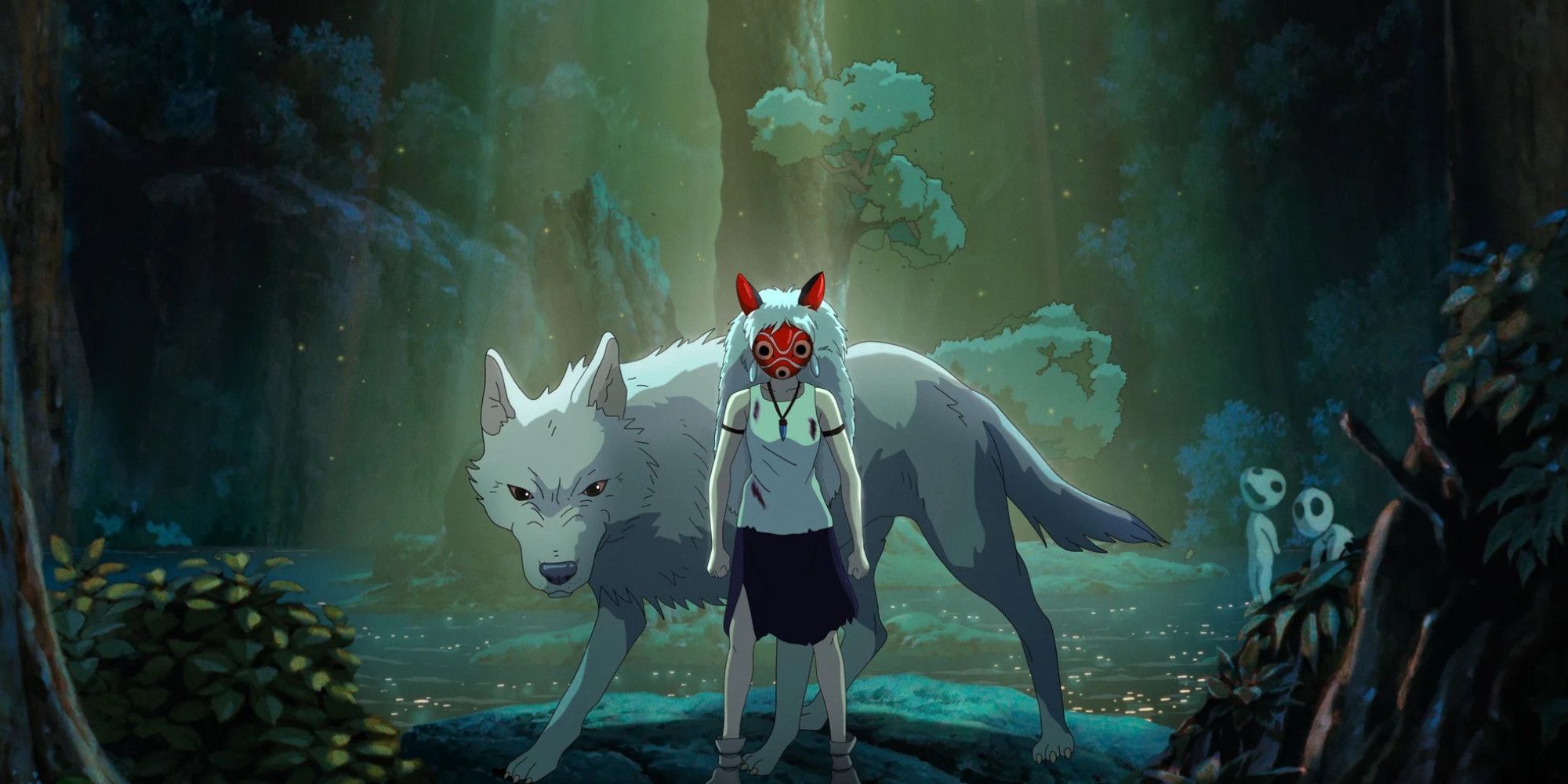
Despite Studio Ghibli seemingly scaling back its output due to its reliance on Hayao Miyazaki’s retirement status for new productions, the studio’s enduring legacy remains just as captivating. One of their timeless masterpieces, Princess Mononoke, was re-introduced this March in IMAX cinemas, amassing an estimated $4 million at the box office from 330 screening venues.
Among all animation studios, Studio Ghibli would undoubtedly be the best choice for a Zelda movie, as fans have eagerly anticipated seeing their beloved video game depicted in Miyazaki’s distinctive style. In many ways, Zelda bears resemblance to Princess Mononoke, another action-packed fairy tale that follows the journey of a wandering knight who endeavors to save a princess from ancient, enigmatic perils. The director of the upcoming live-action adaptation has openly acknowledged that he drew significant inspiration for his work from Miyazaki’s films, particularly noting the magical and whimsical atmosphere that is characteristic of Studio Ghibli’s masterpieces.
In the spirit of Studio Ghibli’s animation style, a silent Zelda character could potentially be portrayed with greater finesse and expertise. Characters without dialogue have been a part of Ghibli productions before, and they’ve managed to captivate audiences, sometimes even becoming beloved by fans. Characters like Turnip-Head from Howl’s Moving Castle or Yakul from Princess Mononoke serve as perfect examples. Animation allows for a more organic representation of a character’s internal thoughts through visual storytelling.
It’s unfortunate that Nintendo chose not to explore the potential collaboration for a “The Legend of Zelda” movie, given its potential fit for animation. If Nintendo aims to delve deeper into the emotional complexity and darker aspects of its characters through live-action, it could potentially be a fitting choice tonally. For Nintendo to maintain its position as a leading force in video game adaptations, whether animated or not, it needs another major success with this release.
Read More
- All Skyblazer Armor Locations in Crimson Desert
- One Piece Chapter 1180 Release Date And Where To Read
- All Shadow Armor Locations in Crimson Desert
- How to Get the Sunset Reed Armor Set and Hollow Visage Sword in Crimson Desert
- Cassius Morten Armor Set Locations in Crimson Desert
- Grime 2 Map Unlock Guide: Find Seals & Fast Travel
- Amber Alert Secrets & CDs In Crime Scene Cleaner Act 2
- Euphoria Season 3 Release Date, Episode 1 Time, & Weekly Schedule
- New Avatar: The Last Airbender Movie Leaked Online
- How to Beat Stonewalker Antiquum at the Gate of Truth in Crimson Desert
2025-04-01 23:07