The significance of player autonomy is vital across all games, yet its precise definition can be elusive. It changes from one developer to another, from genre to genre, and even from game to game, ultimately being shaped by the individual player. When discussing ‘significant’ player autonomy, it refers to the degree of influence a decision in a story or gameplay has, taking into account how the illusion of choice affects this impact (it might seem counterintuitive, but creating this illusion can actually enhance real player autonomy). In essence, games like “Atomfall” wholeheartedly endorse the idea of player autonomy, offering a vast range of freedom to players.
In a fictional quarantine zone set in Northern England, five years after the Windscale Incident, the game titled “Atomfall” unfolds. Players assume the role of an amnesiac character tasked with uncovering the truth about this area. They will encounter mutants, a doomsday cult, rogue military personnel, and robots from B.A.R.D (British Atomic Research Division). As players progress, they’ll travel through different zones, interacting with both enemies and friendly NPCs to create a complex narrative and gameplay experience. The design of “Atomfall” emphasizes player freedom, encouraging exploration and curiosity. We had the chance to talk with Ben Fisher, lead designer at Rebellion Developments, about the intricacies of this game’s design. It’s evident that the focus is heavily on player agency and curiosity.
To truly grasp the reasoning behind certain design choices in Atomfall, it’s crucial to comprehend the concept of player agency as it’s defined within this game. Since each genre has its unique interpretation of player agency, the agency in an open-world RPG is distinct from a Metroidvania title. Atomfall falls into the category of action survival games with mystery/detective elements. This implies that the player’s agency should manifest through their actions (combat and how they engage with it), in terms of survival (both mechanics and their consequences), within the mystery (the storyline and its progression), and as a “detective” (including the protagonist, dialogue, and interactions with other characters). While the success of Atomfall in executing all these elements is yet to be determined, it’s evident that the overall design aims at eliminating constraints and promoting freedom.

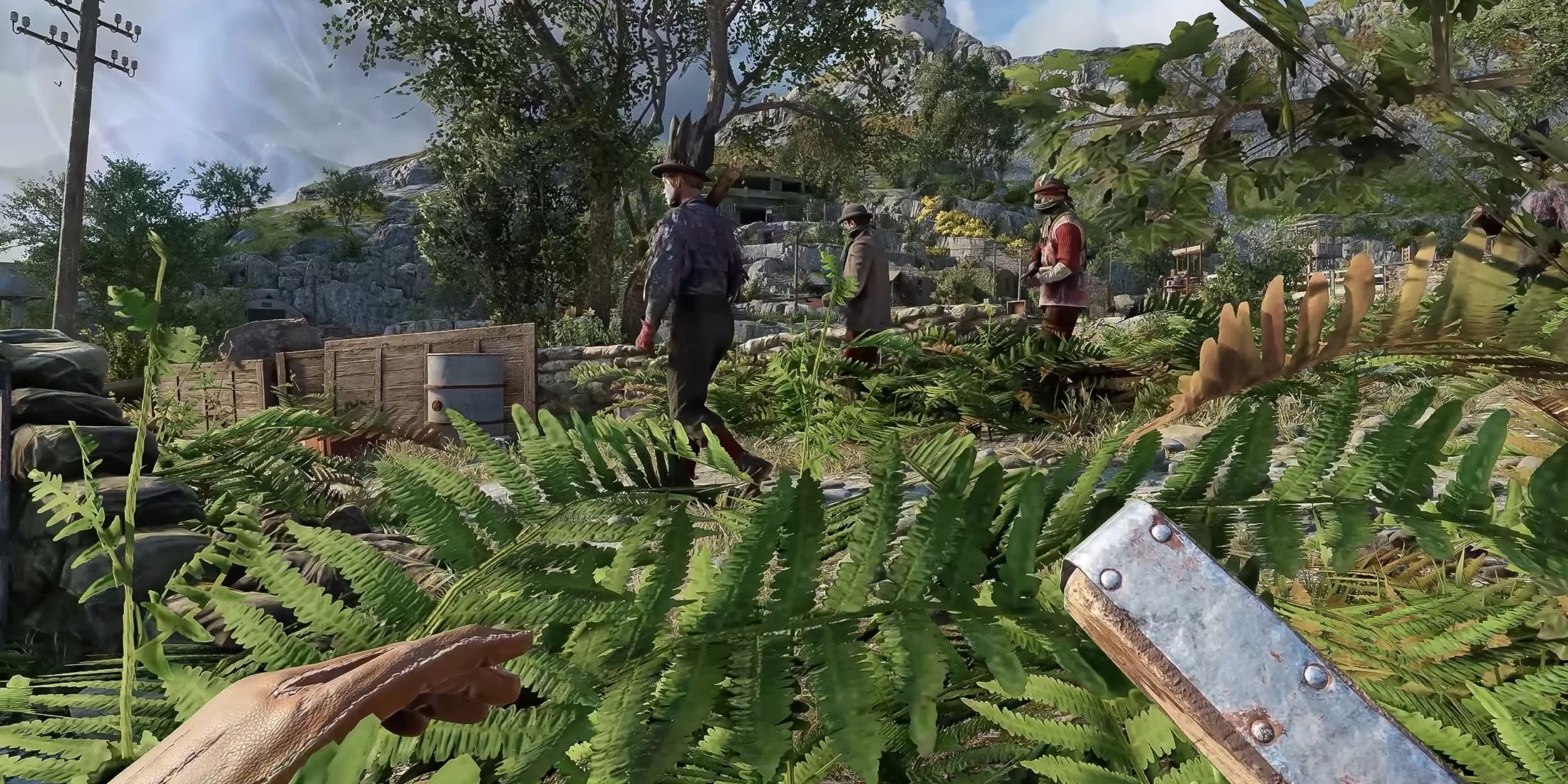
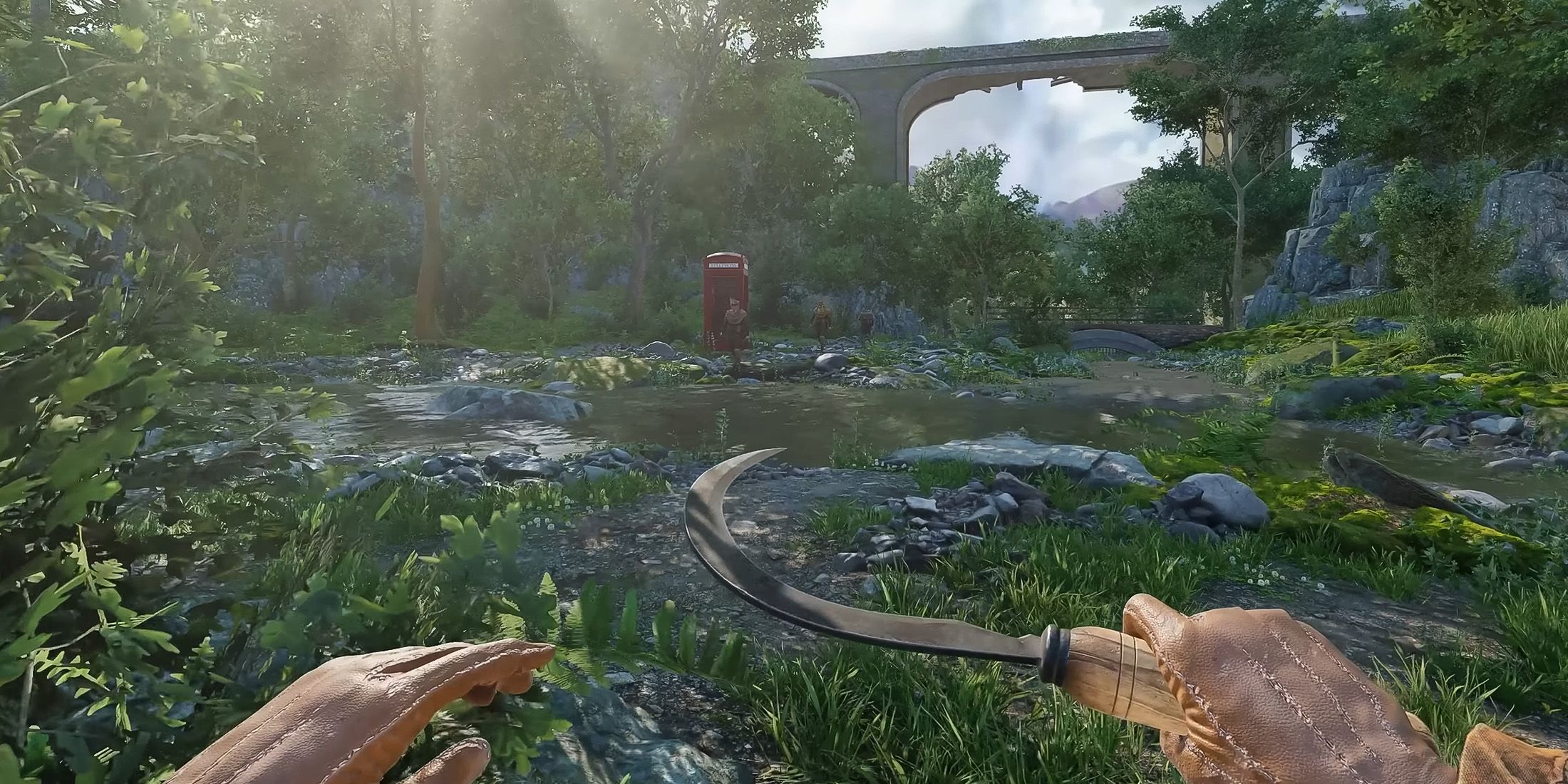
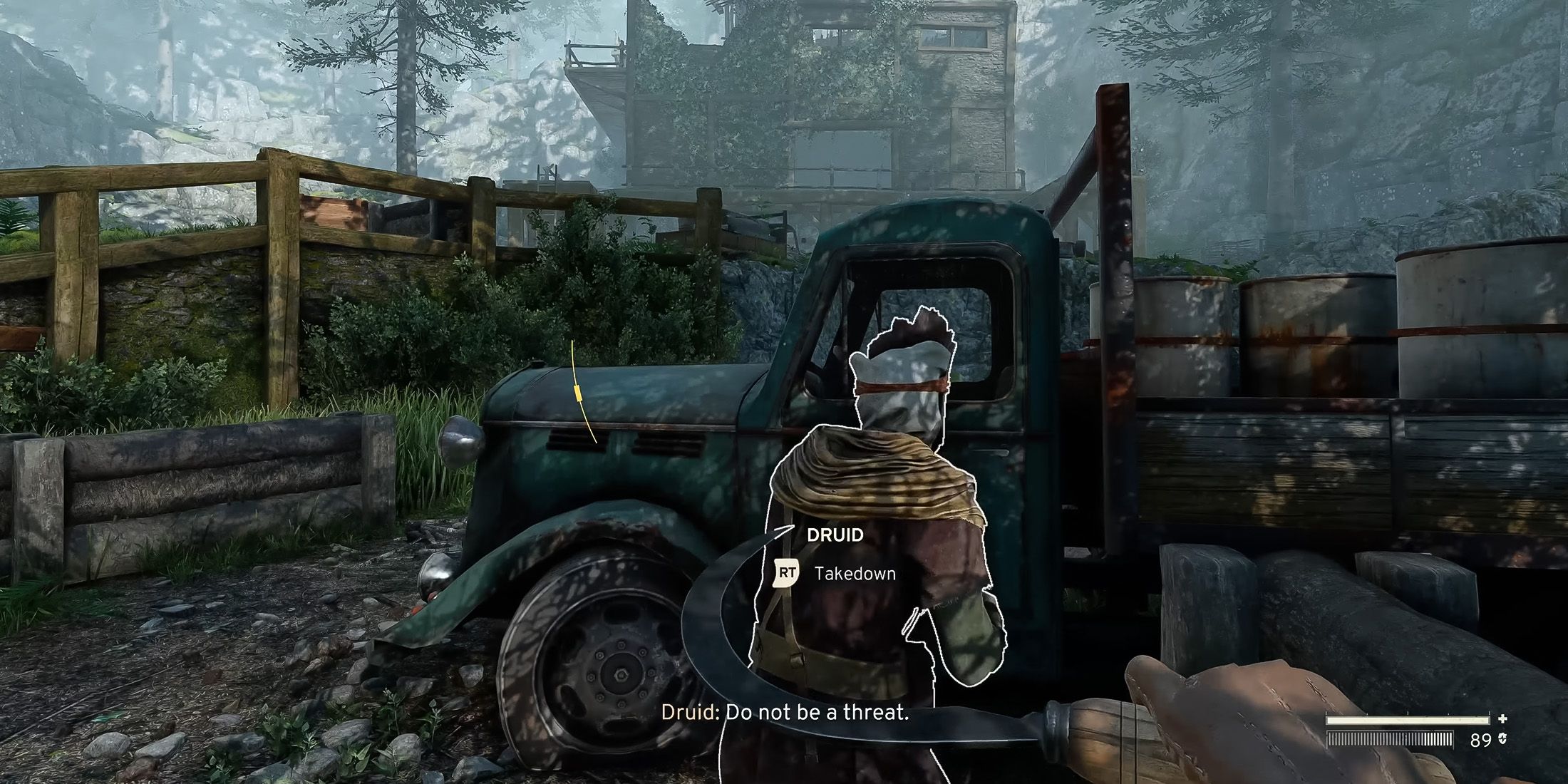
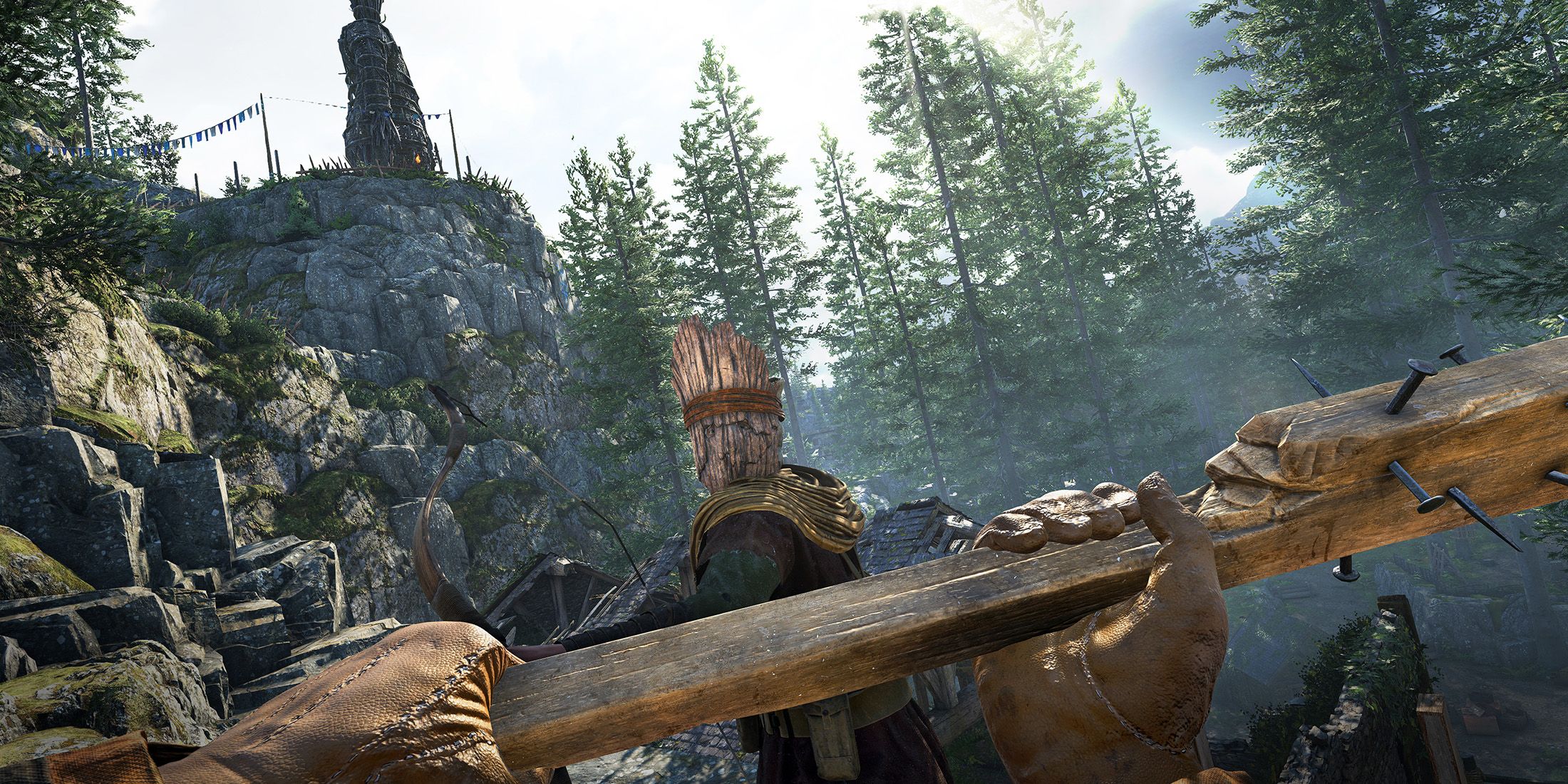
Protagonist Agency in Atomfall
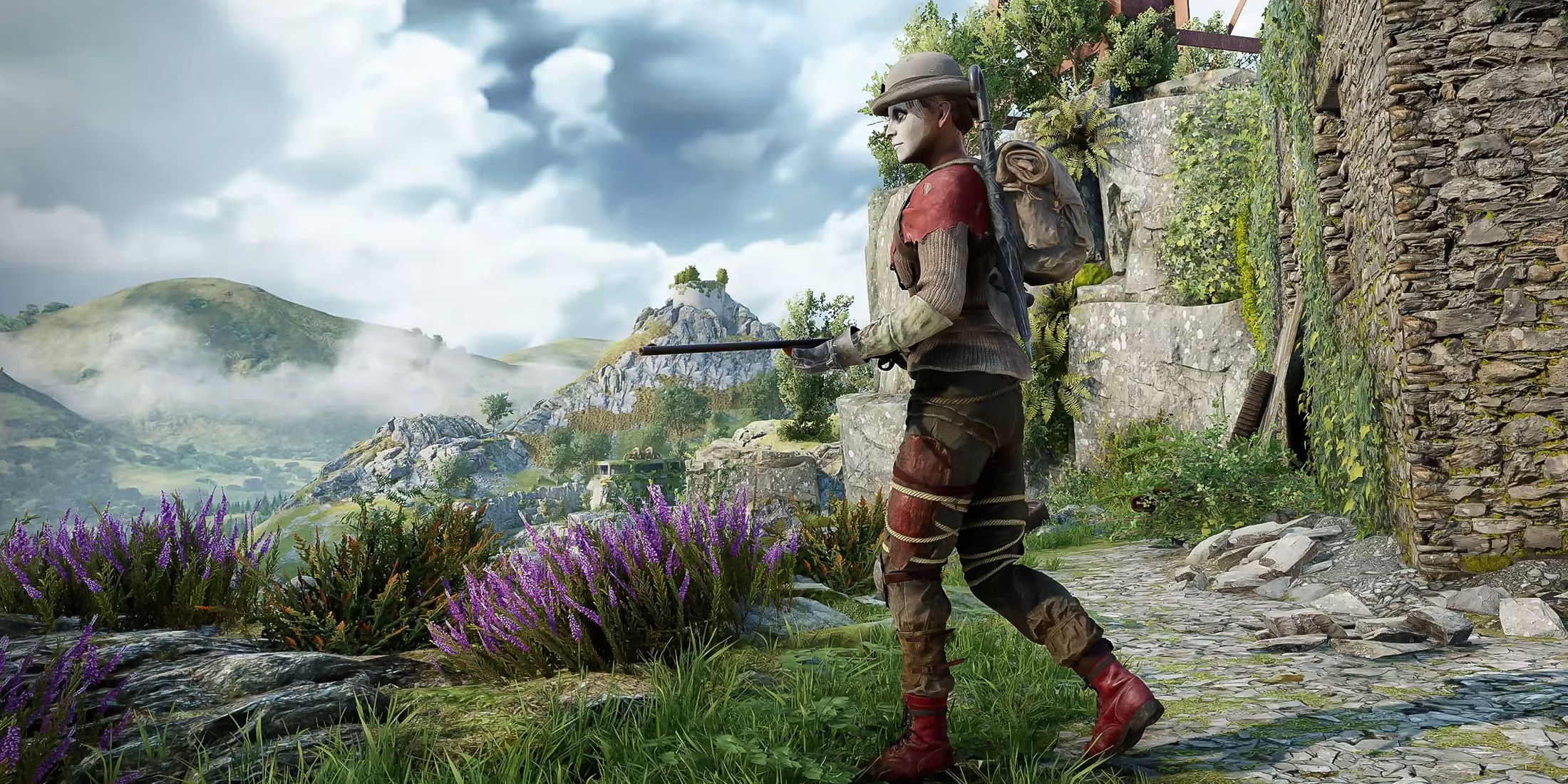
In any game, the character’s viewpoint is crucial as it shapes the player’s understanding. If a character knows all about the setting, but the player doesn’t, it can lead to a disconnect. This is why many games feature protagonists who are newcomers, or blank slates. However, some games manage to make players empathize with their characters. Fortunately, the protagonist in Atomfall is a mystery for players too, as they have amnesia and essentially start with a clean slate for players to mold. This gives players a great deal of agency in Atomfall, and even satisfies the “detective” aspect of the game by allowing them to uncover the protagonist’s past.
Stepping into the role of Atomfall‘s protagonist feels intuitive, regardless if their memories are restored or not. This seamless integration plunges players deep into the game’s intricate web of outcomes and choices, as they become invested in discovering everything the character is curious about. For instance, if a player decides to harm an innocent NPC, it’s more a reflection of their decisions rather than any constraint set by Atomfall. Similarly, if a player chooses to trust an unreliable NPC, this action showcases their autonomy instead of the game itself. Fisher praised Atomfall‘s NPCs as “realistic, fully-fledged characters–all acting based on what they believe is right in light of extreme circumstances.” To illustrate an NPC, Fisher also emphasized the dynamic nature of relationships with these characters, as they evolve over time.
In Atomfall’s realm, you’ll encounter individuals carrying significant weight, some potentially accountable for events that unfolded. The significance of these characters might hinge on your decisions. Initially, you may stumble upon Nat Buckshaw, strumming his guitar amid the remnants of an old residence. He is loquacious and eager to share all he knows; however, it will be up to you to judge whether he can be trusted.
In addition, interacting with characters from Atomfall significantly impacts the progression of your main storyline (or critical path/questline). These interactions, along with the information gathered, largely depend on trust. Fisher points out that “characters might have conflicting accounts of events and will try to convince you that their version is accurate.” If players are unsure whom to believe, eliminating them could be a possible solution. Since any non-player character (NPC) can perish, there are numerous paths for development. This can even involve searching the remains of deceased characters. Furthermore, the dialogue system in Atomfall allows players to further shape their protagonist’s personality and actions. Essentially, the dialogues serve as a means to establish and enhance your character’s influence within the game world.
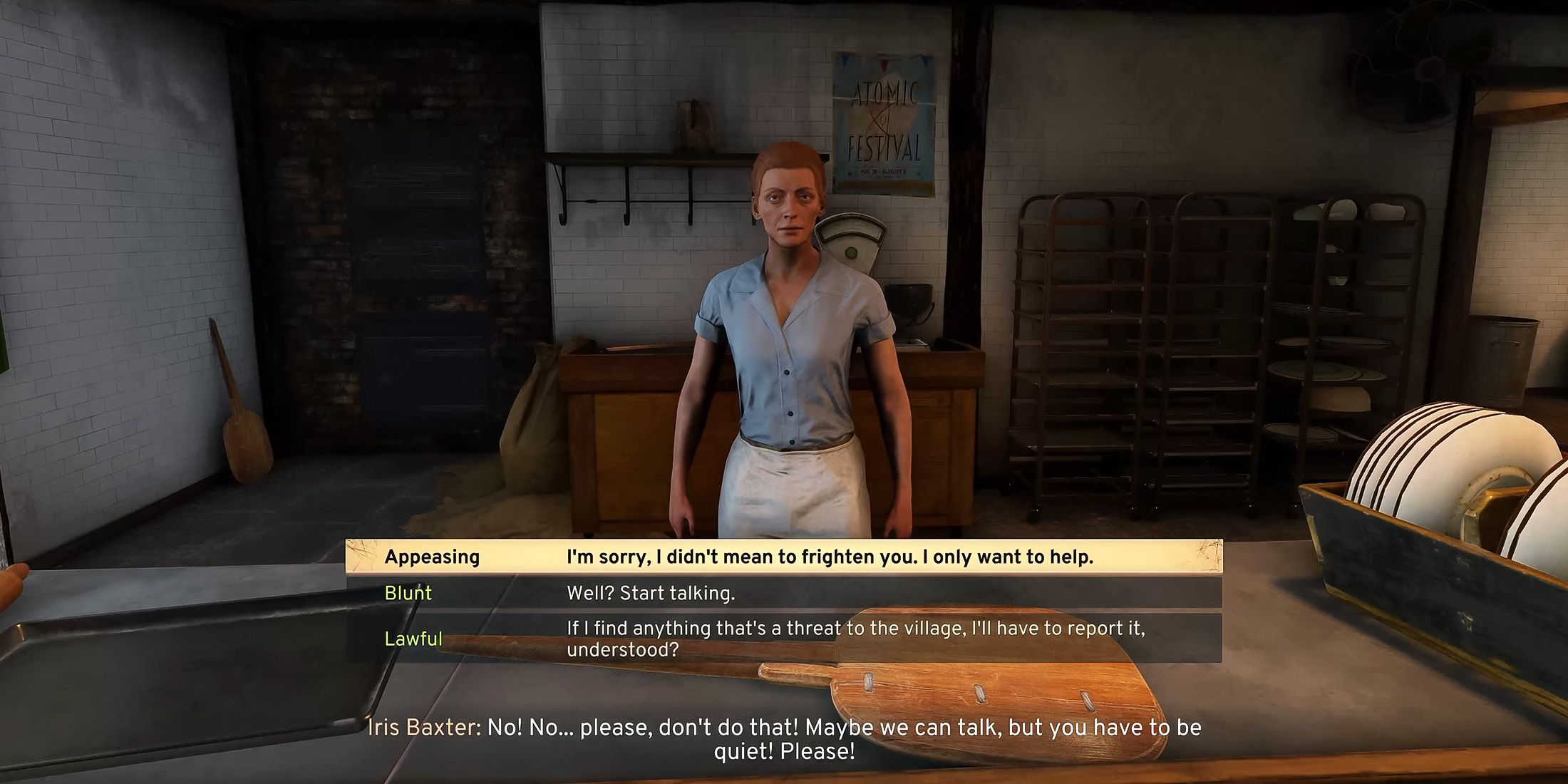
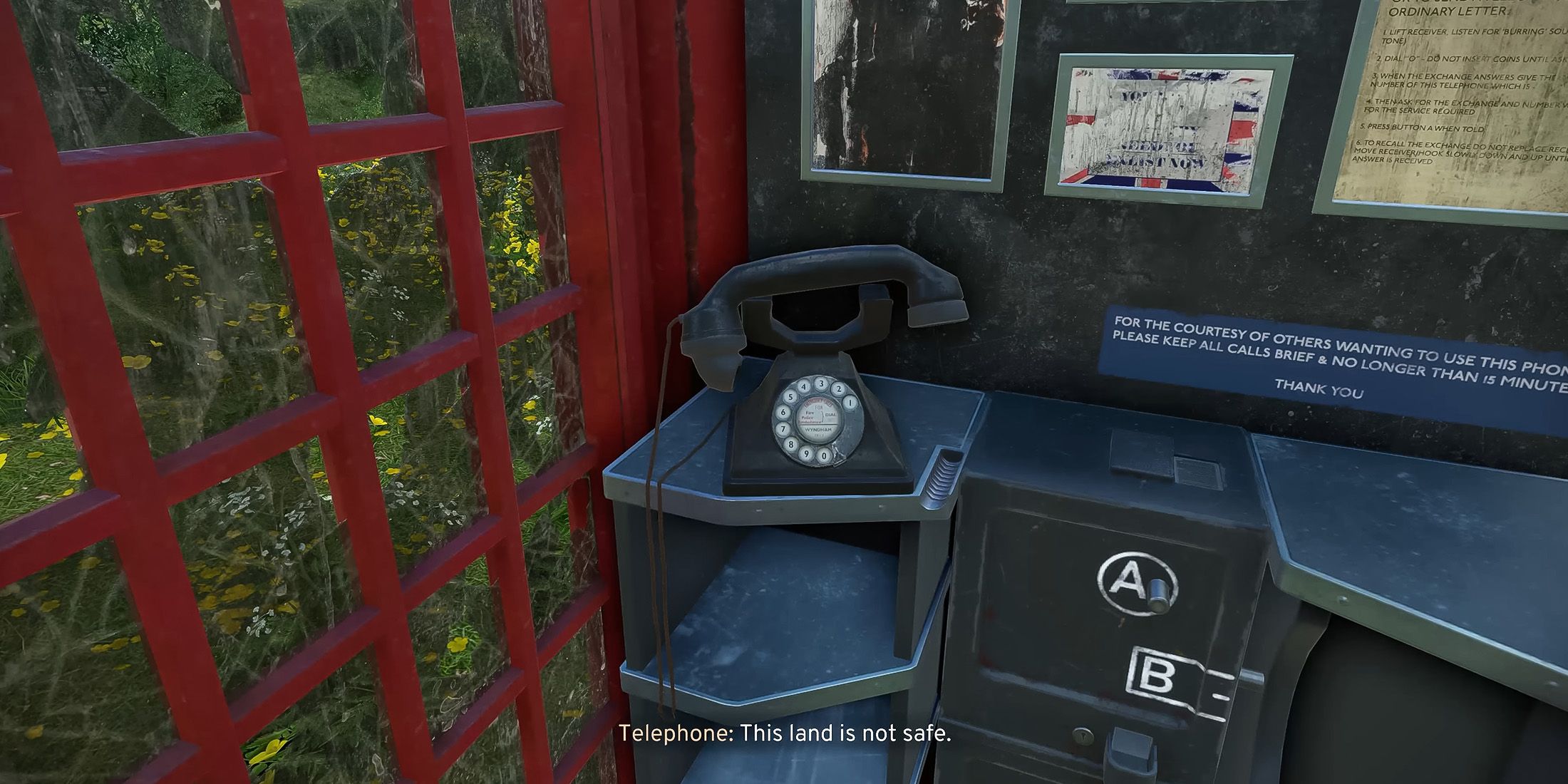
In the immersive world of Atomfall, it’s crucial for me as a player to clearly understand the conversations and their impact. To avoid any misunderstandings, Rebellion has meticulously designed its conversation system. You see, I’ve encountered situations in other games where my chosen dialogue option didn’t align with what was actually said, which can be amusing at times, but in a game like Atomfall where every conversation can shape the outcome significantly, this wouldn’t work. That’s why Rebellion has made sure that each dialogue choice comes with a descriptive tone, as Fisher explained, ensuring a seamless and engaging experience for me as I navigate through the story of Atomfall.
In our dialogue system, we’ve aimed to mimic real-life conversations where interpreting a line differently than intended can lead to unpredictable outcomes. Since the stakes in our interactions are high, we wanted to provide players with consistent choices. The tones used in these exchanges can differ greatly from conversation to conversation, but they are always tailored to the context and ensure a variety of responses based on what was previously said.
It’s worth mentioning that in Atomfall, players aren’t confined to a specific type of response; these responses can vary based on the conversation. This flexibility greatly enhances protagonist agency as players are free to shape their characters as they wish, employing their detective skills both during and outside of conversations. Rebellion has crafted the dialogue options, the lead system, and the protagonist, but ultimately, they leave all character definitions up to the players. In essence, the player gets to decide who the protagonist is in Atomfall.
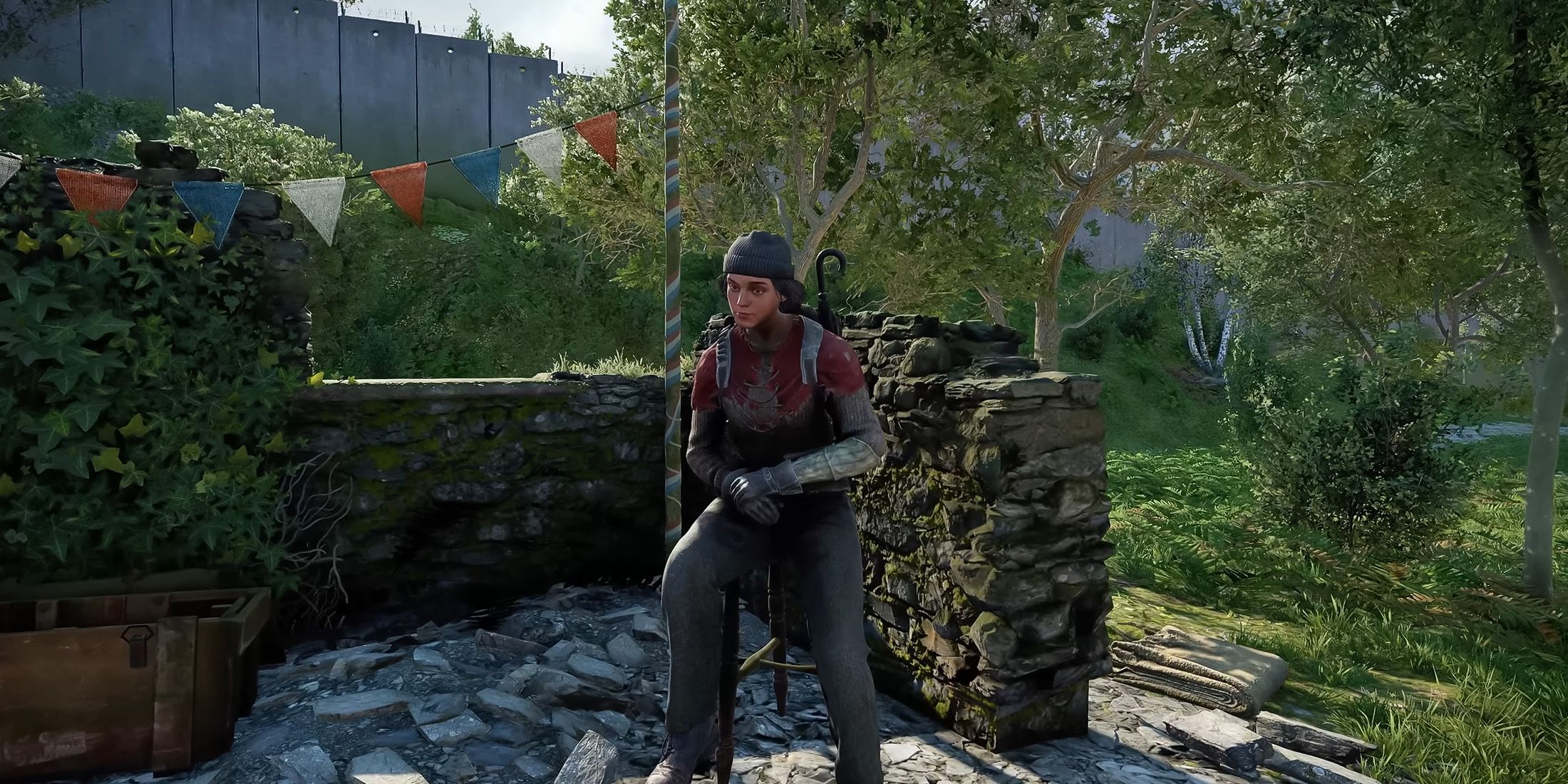
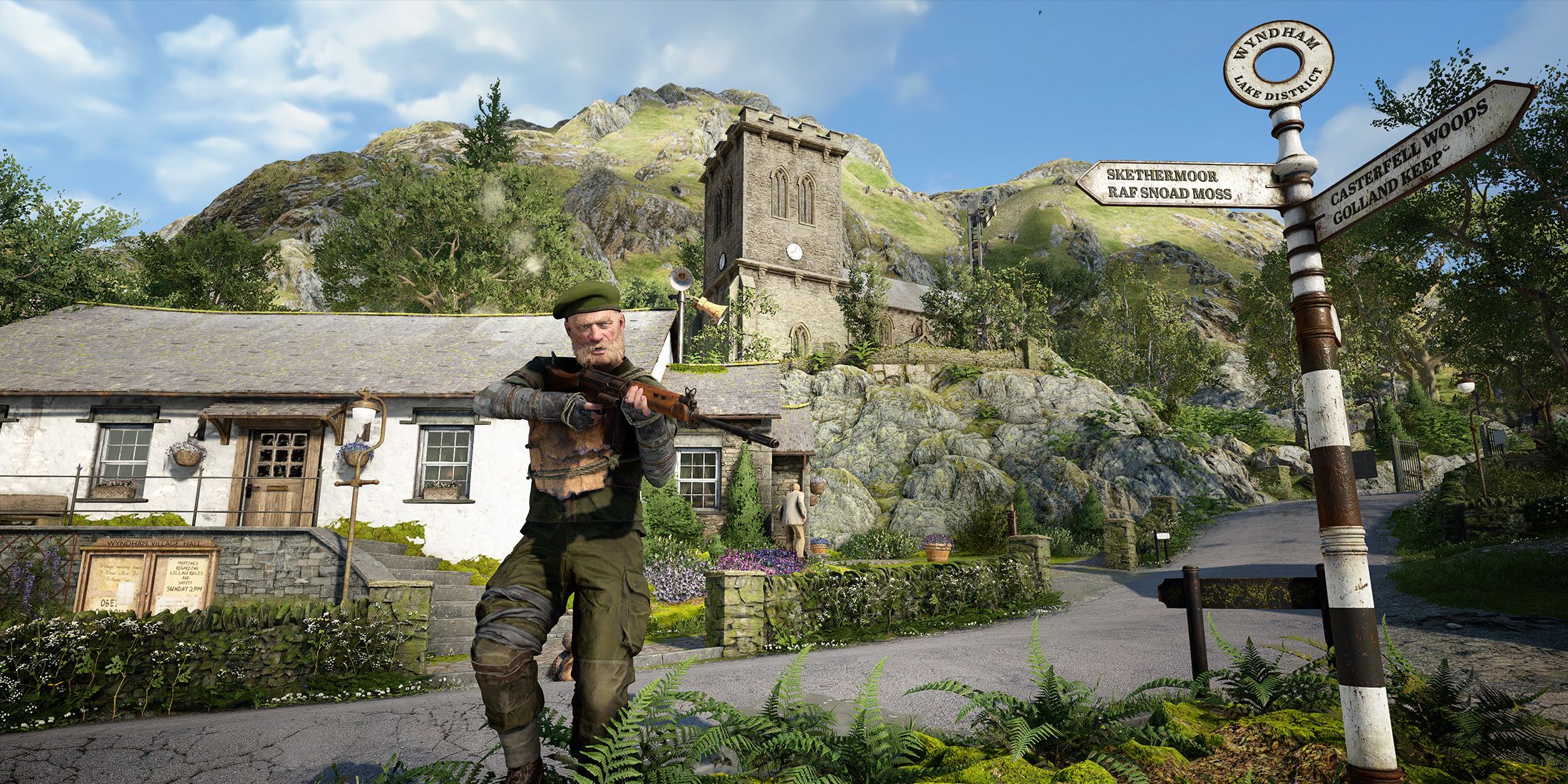
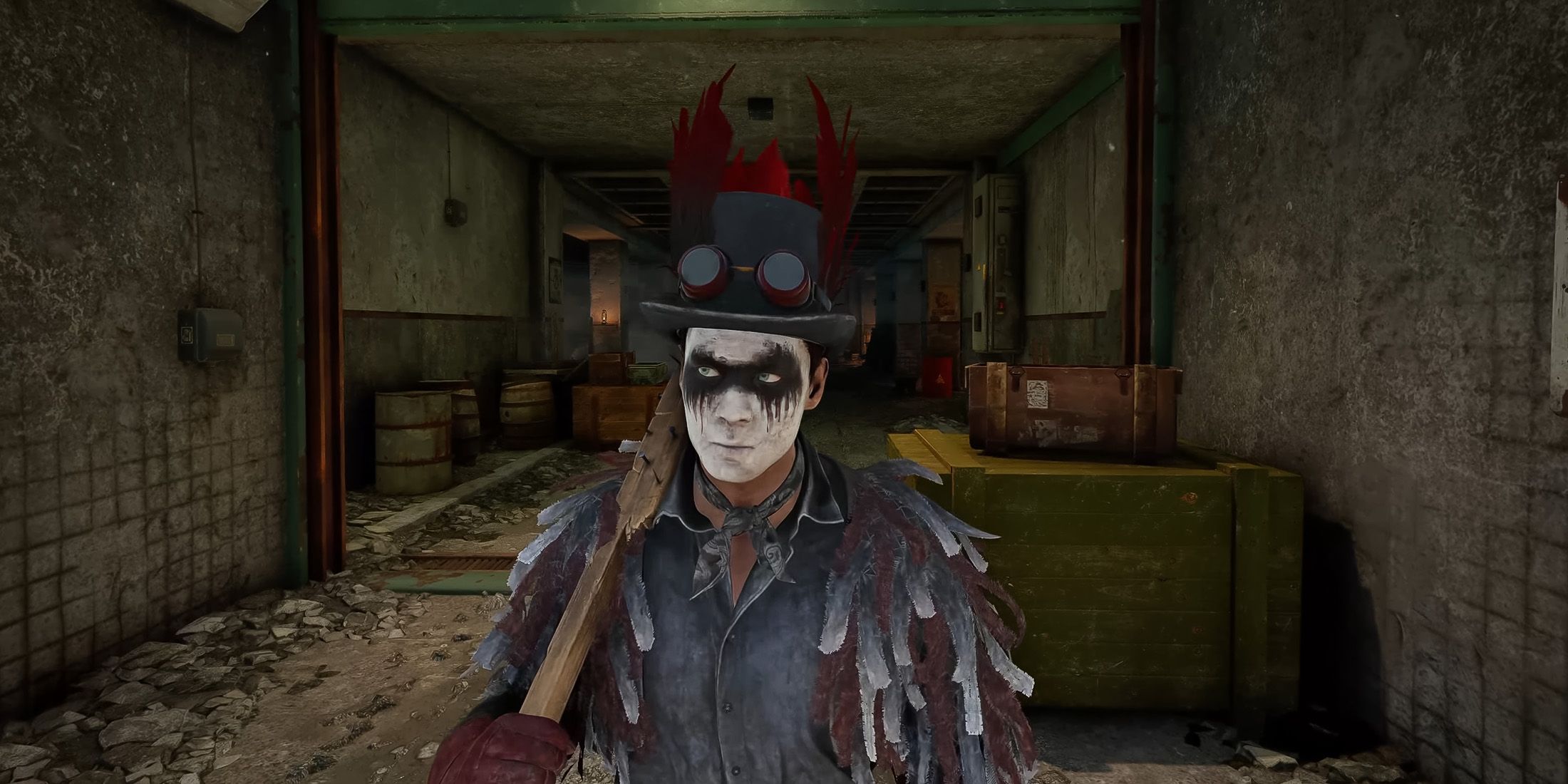
Narrative Agency in Atomfall
Players not only develop their open-ended/investigative protagonists in Atomfall, but they also shape their interaction with the narrative. However, this wasn’t always the case as Fisher explained that initially, Atomfall was designed with a structured open-but-linear approach, similar to a Metroidvania, where player progression was guided by tools and skill unlocks. Although enjoyable, the developers felt it didn’t fully utilize their creative ideals. They began questioning, “What if we remove the progression restrictions and let you explore freely? What if all characters are optional encounters? What if there’s no one to kill or any quests at all?
As a gamer, I can share my experience: Crafting Atomfall’s Leads system was the result of pondering over these questions. Unlike traditional games that use map markers to guide players, we opted for an empty map that gradually fills with discoverable areas based on information from NPCs or chance encounters. Main locations do have a marker, but the game doesn’t dictate your path. You, as the player, are in control of your journey!
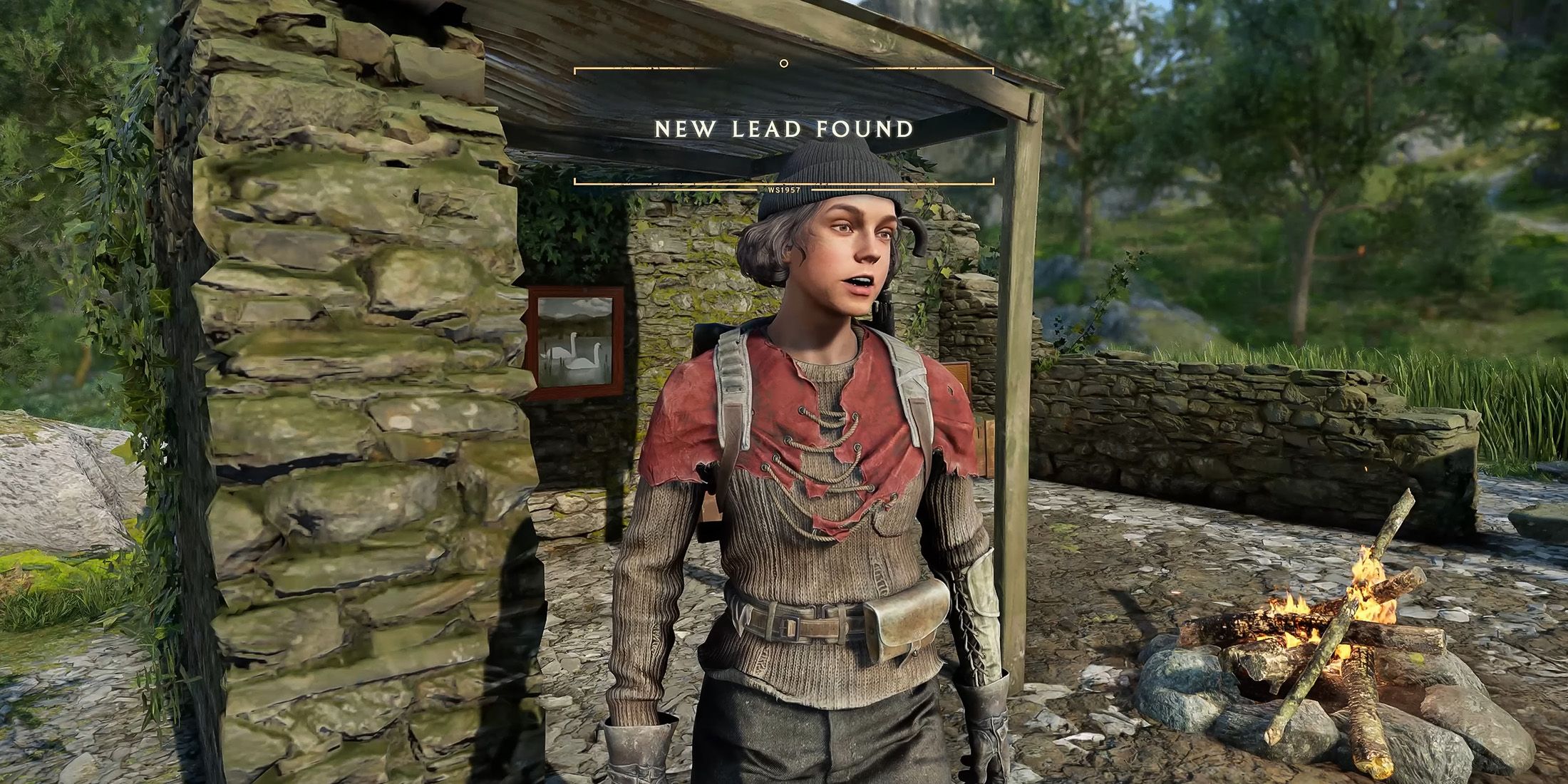
Instead of traditional quests, players receive “hints” or “clues” about locations or objects, which can sometimes be unreliable. This allows players to reach the same destination through various paths and methods, based on the source of the information. This setup encourages a flexible narrative and player engagement, as aptly put by Fisher, “It’s not just about reaching the end, but how you get there.
In Atomfall, instead of typical quests or missions, there are ‘Clues’ for you to find. These clues can be uncovered during conversations or by discovering letters and items within the quarantine zone. Finding a new clue will offer guidance on where to go next, but they act as puzzles that you must solve independently. The destination of these clues is uncertain, and it’s hard to tell if you’re heading in the right direction because your sources may have conflicting agendas.
As a gamer, I’d put it this way: Fisher shared that our team aimed to eliminate the sensation that there was a single ‘correct’ or ‘preferred’ path through the game. While traditional quest markers can be helpful in many games, they would actually detract from how Atomfall is meant to be played and enjoyed. The freedom and control we offer ensures that the story of Atomfall remains in our hands as players right up until the very end. With multiple endings, each requiring a separate playthrough, every decision we make matters. For instance, choosing one route might shut off others, making each player’s choice significant within the game. Yet, regardless of who survives or how we navigate Atomfall‘s intricate narrative web, Fisher emphasized that “All of these threads connect to form a single, continuous story from start to finish.
Opting for non-modern game design might appear risky as some gamers could feel disoriented without clearer guidance or traditional objectives. However, Rebellion has thoughtfully included an optional, easier-to-follow objective system within its accessibility options. While it’s not the standard mode, when asked, Fisher explained that the Leads system design aligns well with the game’s main storyline. The Leads system doesn’t dictate a single outcome or path, but rather encourages open-ended gameplay where subtle hints maintain the game’s enigmatic nature from start to finish. In Fisher’s own words, he stated that the Leads system enhances the core narrative in a way that results remain open-ended and the mysterious aspects are preserved throughout the entire game.
Essentially, Atomfall’s design prioritizes the value of personal freedom during gameplay. By offering multiple paths to reach an objective, it avoids the monotony of a single solution. Instead of giving explicit instructions, the Leads provide open-ended starting points for players, allowing them to embark on their adventure from various locations. These Leads can also branch out in diverse ways, suggesting that there isn’t one ‘correct’ method and encouraging exploration and experimentation.
Due to its Leads system, Atomfall empowers players to shape and discover the game’s narrative based on their interaction with it.
Action Agency in Atomfall
In the opening scene of Atomfall, players are set free into the game’s world with a primary goal: locate Mother Jago in the Old Mines, but the urgency is left to the player’s discretion. The picturesque landscapes of mid-1900s Britain stretch out before them, and if players decide to veer off course, they may stumble upon a village and engage in side missions. Alternatively, they can opt for a more perilous path leading to unrelenting combat. Within the first 90 minutes of Atomfall, players will encounter diverse experiences, demonstrating the extent of agency provided. This freedom continues to branch out further. For instance, while not common in all video games, Atomfall offers the option for a peaceful gameplay style or the elimination of every non-player character (NPC). Each NPC’s fate lies in the player’s hands, yet they will still receive an ending to the game. This underscores the significant influence that player actions can have on the world of Atomfall.
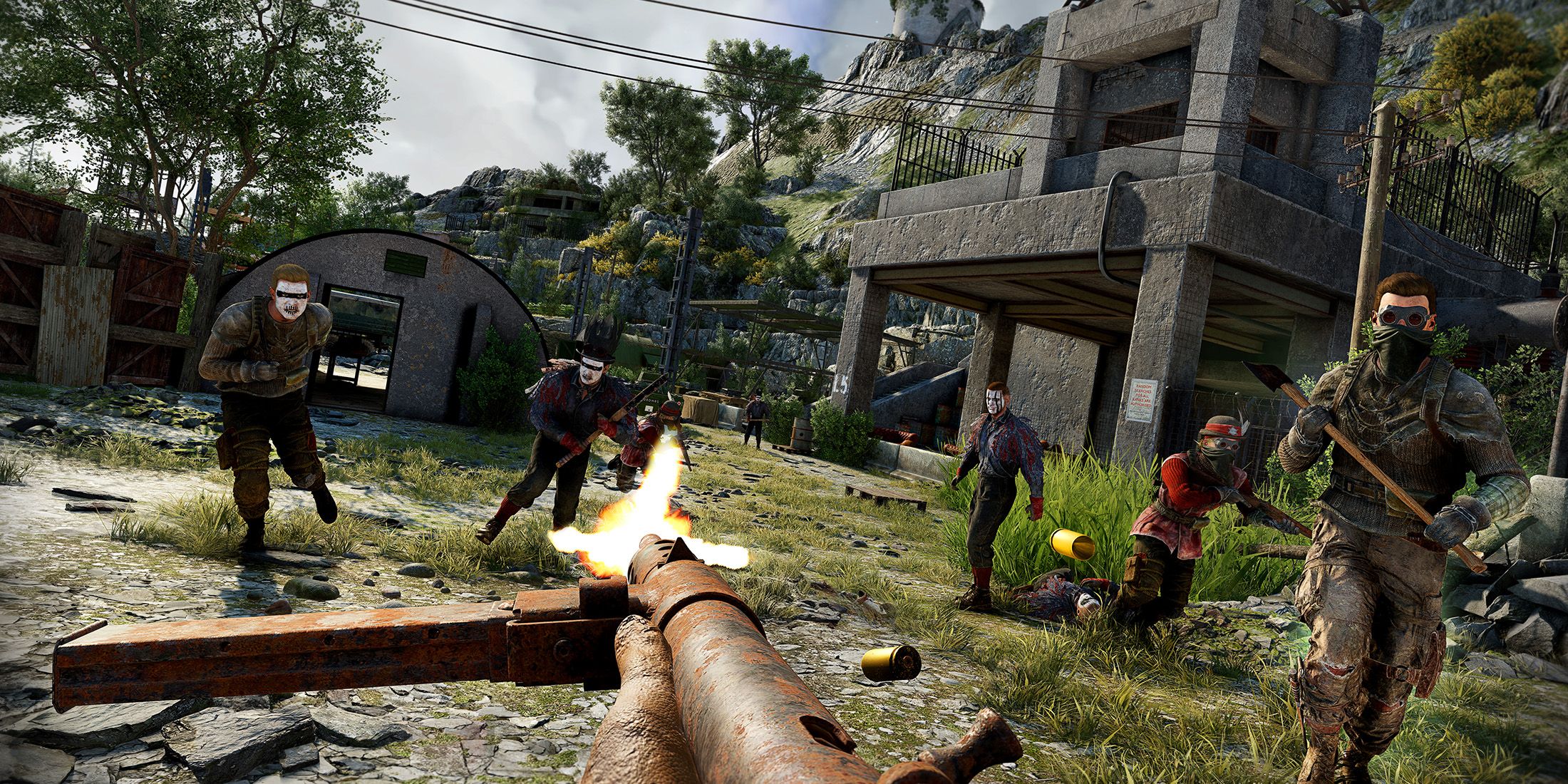
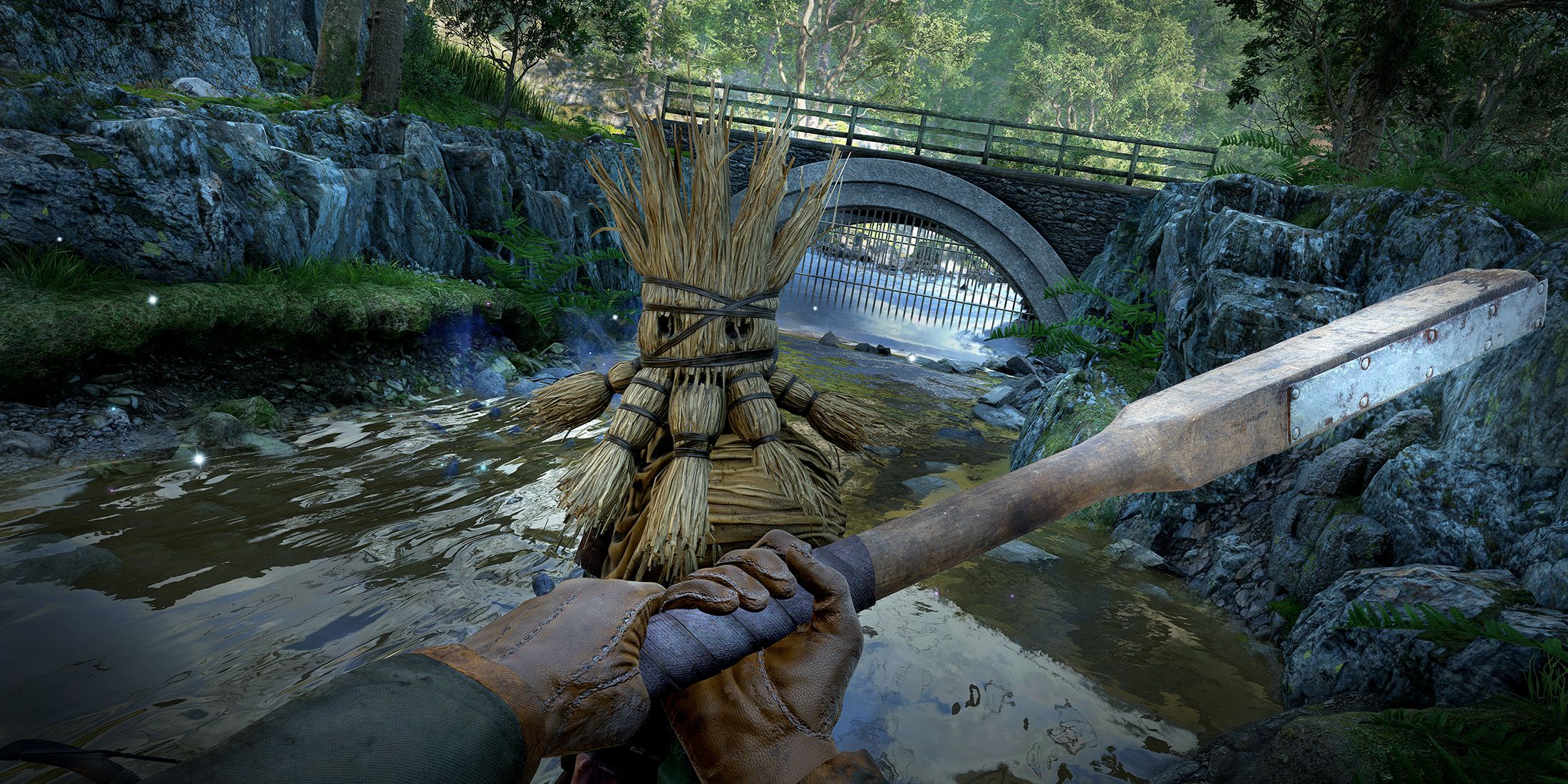
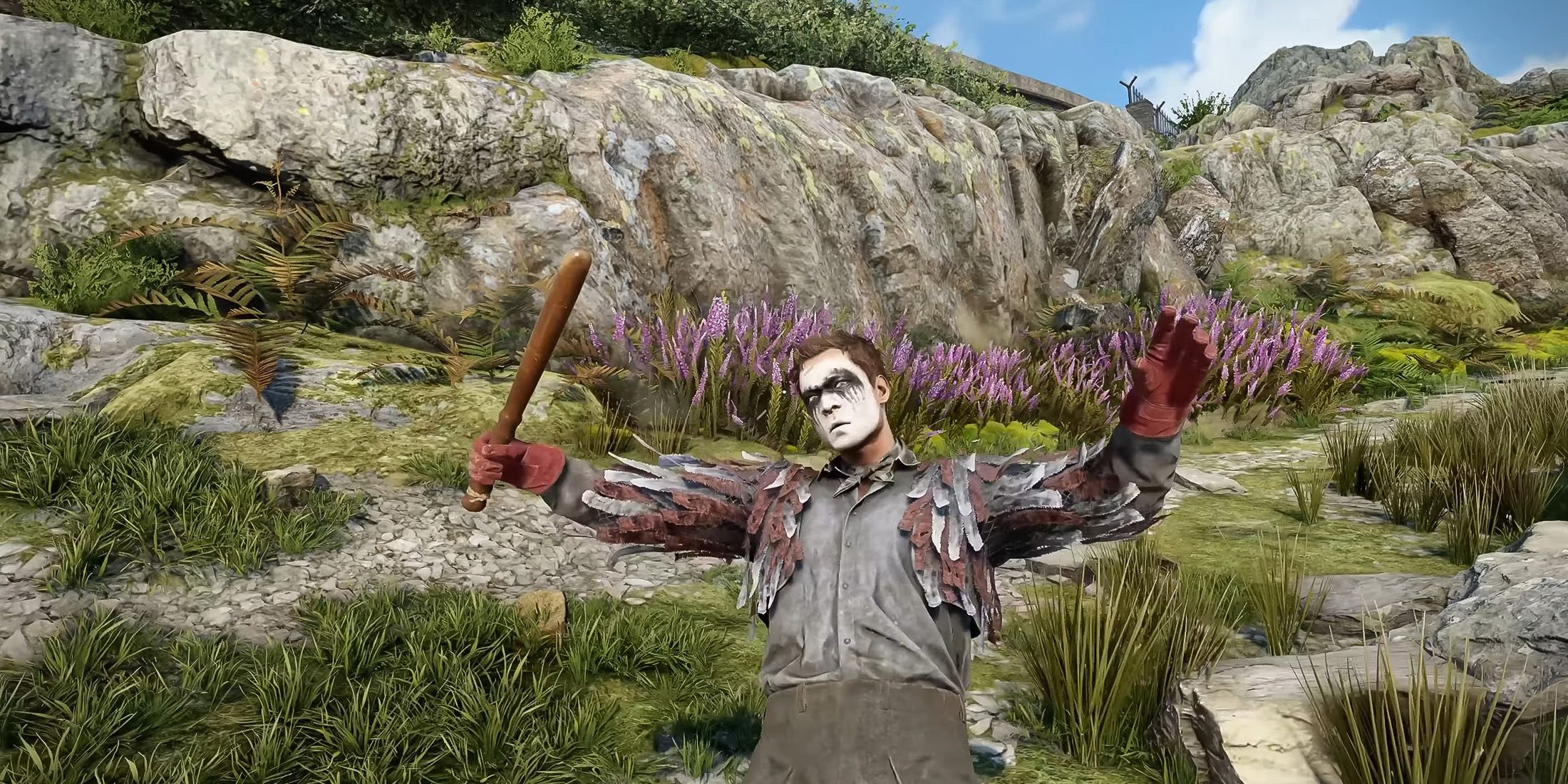
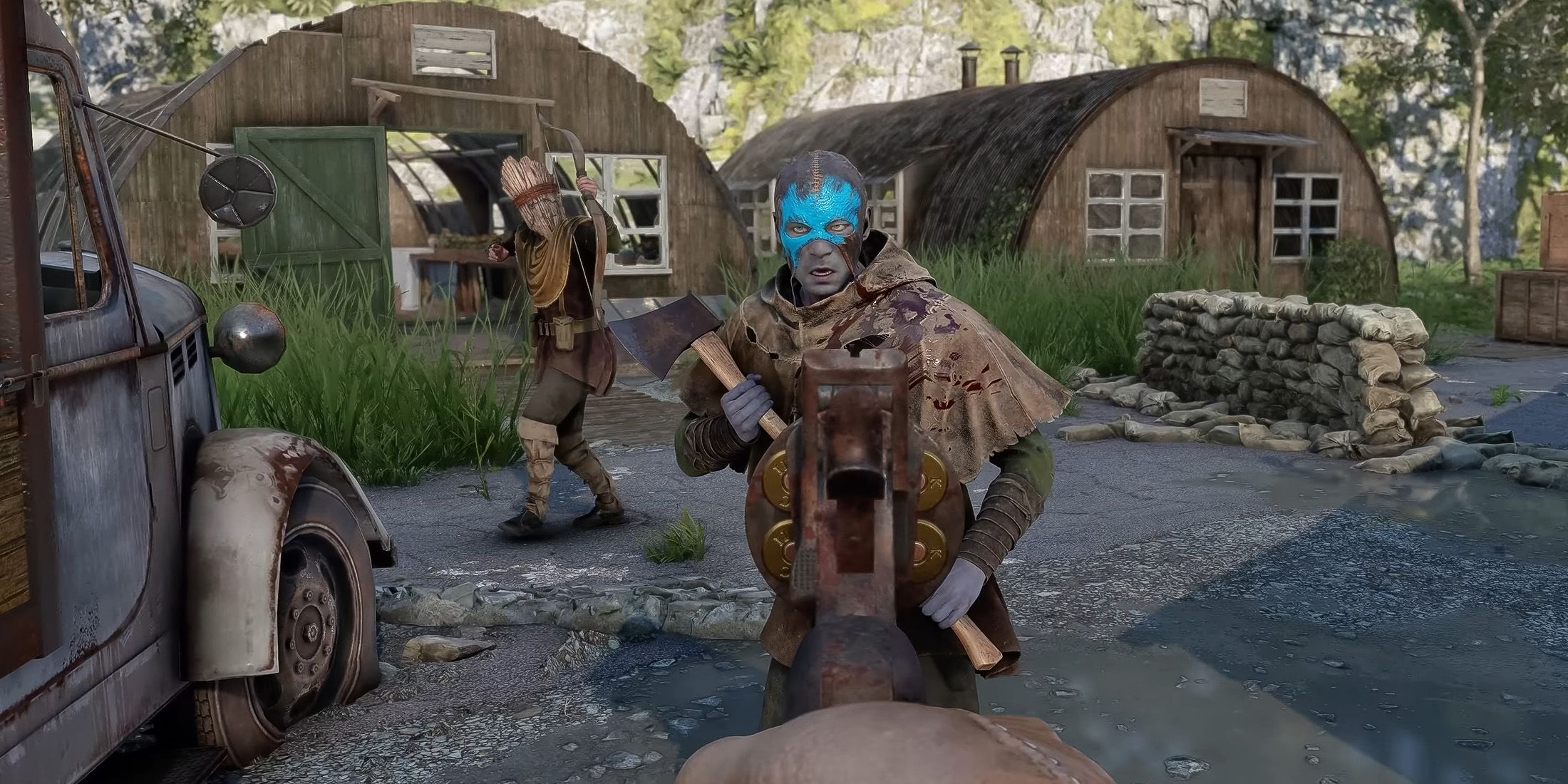
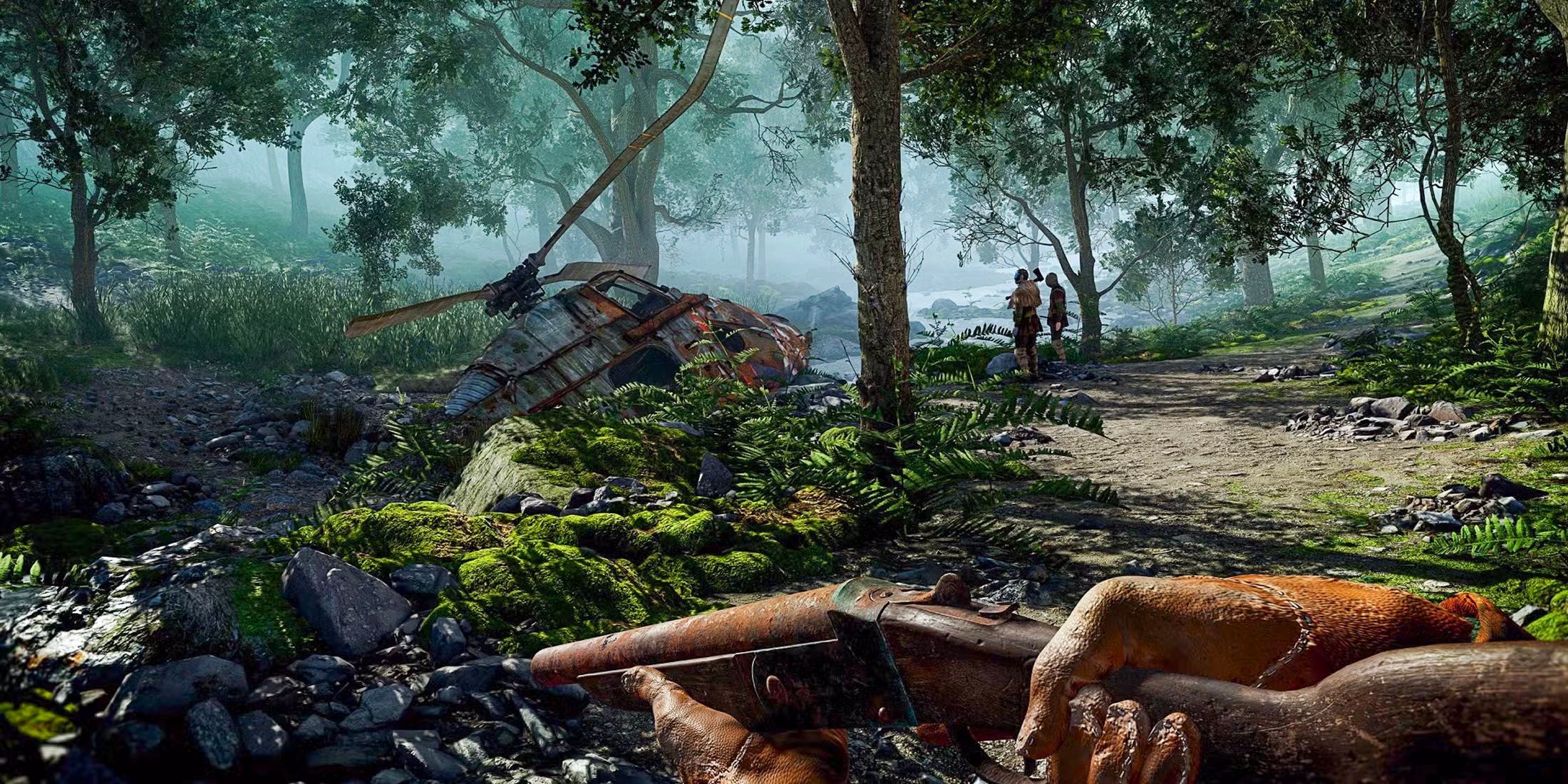
In the game Atomfall, the primary avenue for action lies in battles, offering players a wide array of melee and ranged weapons to use as they progress. These weapons can be enhanced by acquiring new skills, but even the fundamental aspects of the game design provide ample opportunities for player expression. It’s fascinating how restricting a developer’s creativity can sometimes lead to more engaging experiences, and in this case, imposing limitations on the player enhances their agency.
For instance, there are basic melee weapons like a cricket bat that players can wield in combat, but the challenge comes when relying solely on these. Melee isn’t always the best option, and mastering it requires overcoming the imposed restrictions. The game controls how skills are unlocked, limits the amount of ammo available in the world, and restricts the amount a player can carry. This ensures that certain combat situations necessitate some creative problem-solving on the player’s part.
In certain scenarios, long-range weaponry might be advantageous, but players often fail to gather enough ammunition, leading to them running out too quickly. Players need to strike a balance between their combat tactics and exploration, yet they can still find a way to progress if they don’t. Freedom isn’t just about doing whatever the player desires, but understanding the consequences of their actions. To put it simply, Atomfall isn’t an active war zone, and bullets aren’t found everywhere. As Fisher noted,…
In the game Atomfall, the weapons mirror the scarcity of resources within the quarantine zone. You’ll need to forage and improvise your arsenal, as some of the strongest weapons are even held together with adhesive! We’ve aimed to make melee and ranged combat equally effective so players can decide their approach based on preference. However, ammunition for ranged weapons is incredibly rare, making it risky to solely depend on gunfire – it’s wise to always carry a melee weapon as backup!
Atom bestows actions upon the player, encouraging them to discover a path to freedom within the confines of the playset’s boundaries that have been set for them.
Survival Agency in Atomfall
Intriguingly, the game Atomfall seamlessly merges combat survival elements. While players need to gather essential supplies like meds and ammunition for fighting, they also have to navigate, stay alert, and adapt to survive in general. The way players traverse the world of Atomfall should engage their desire for action and decision-making, as well as their survival skills. Ultimately, it’s up to the player whether they live or die. Some players might choose a systematic approach, examining every nook and cranny to find every bullet available. Others might opt for scavenging, looting items from defeated foes and proceeding. Some players may trade with NPCs in the game. Others might play as ruthless killers who take everything they can without giving anything back. In Atomfall, players are free to shape their characters however they wish, and the game will respond accordingly.
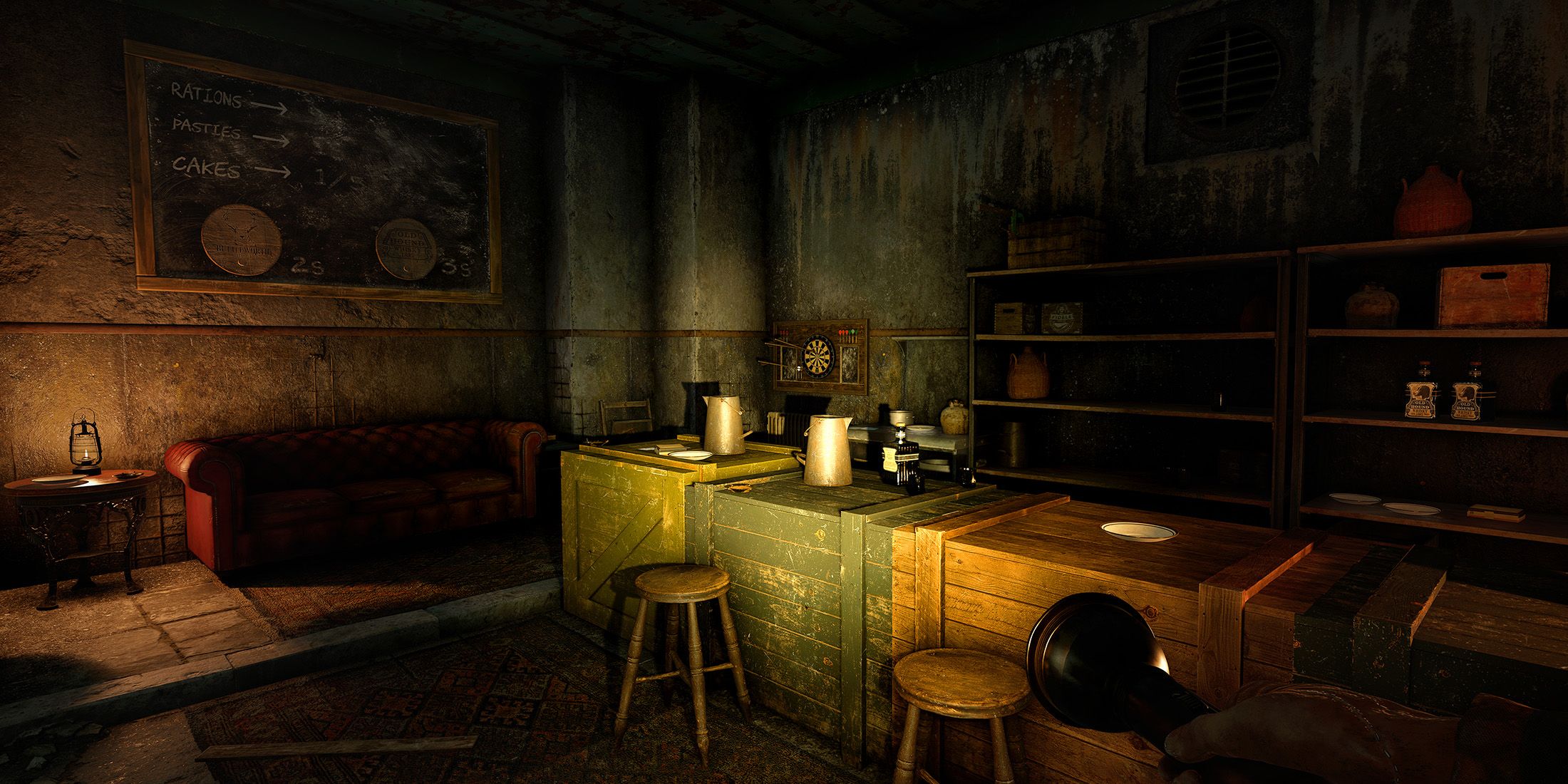
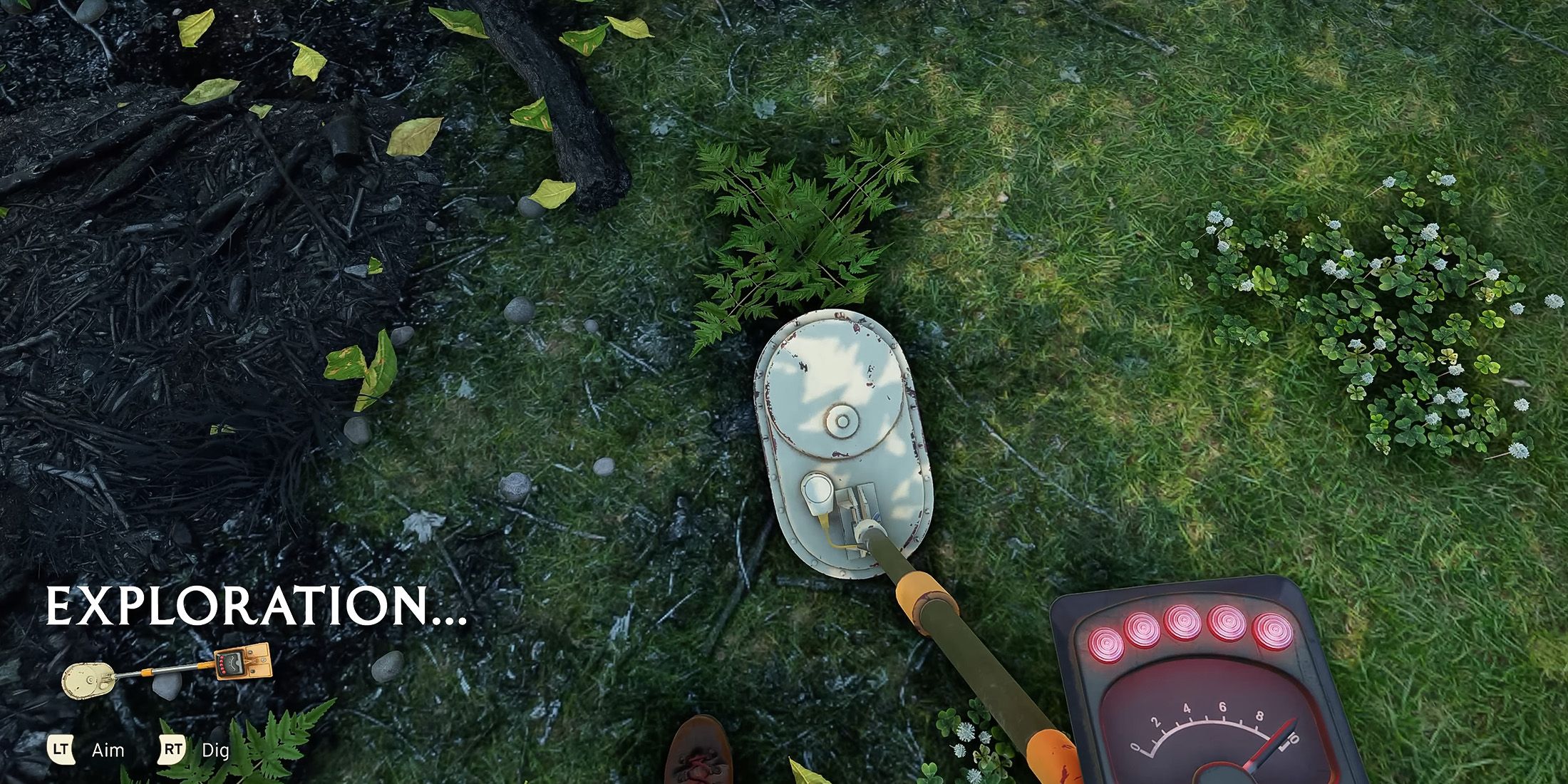
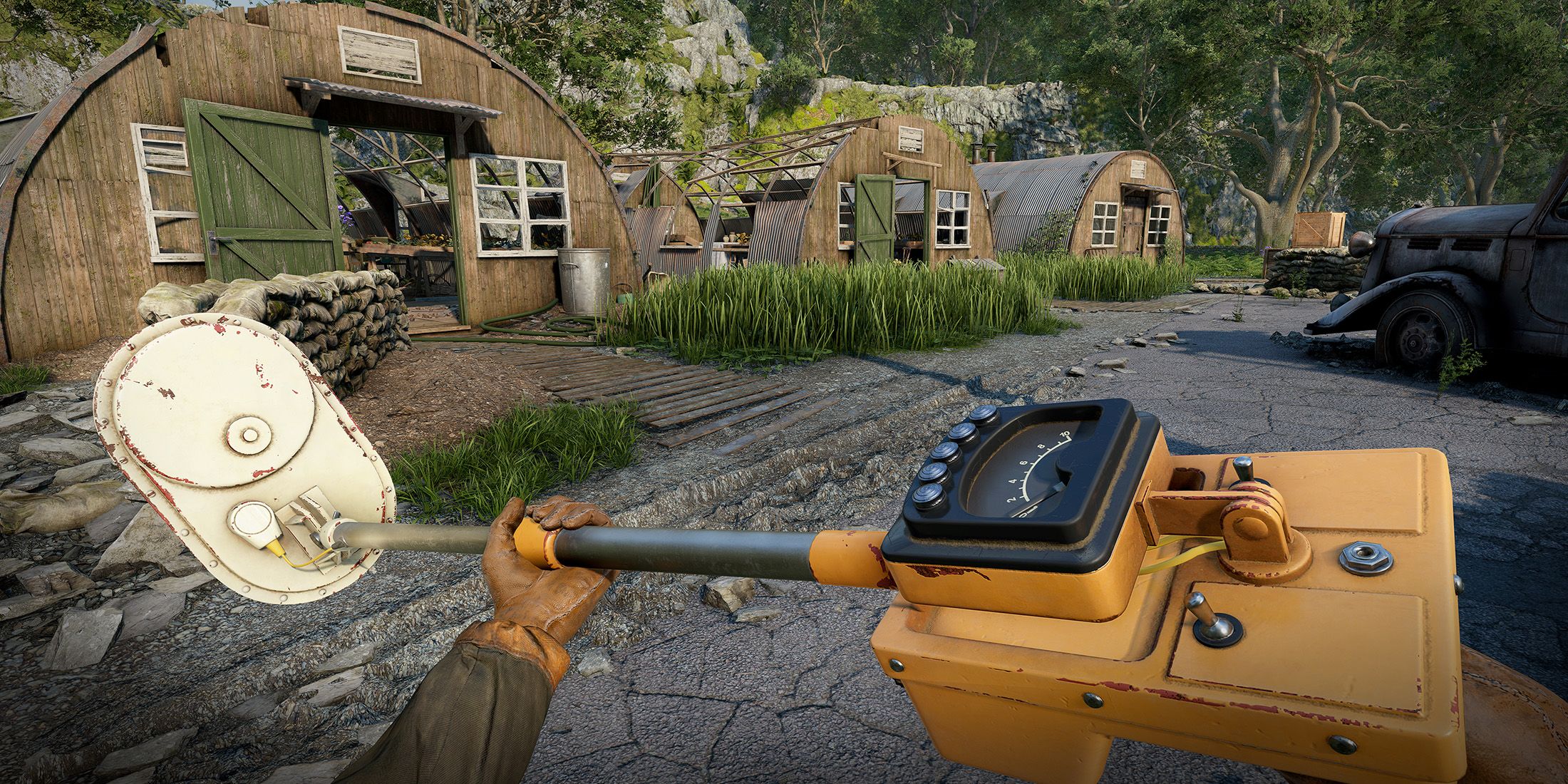
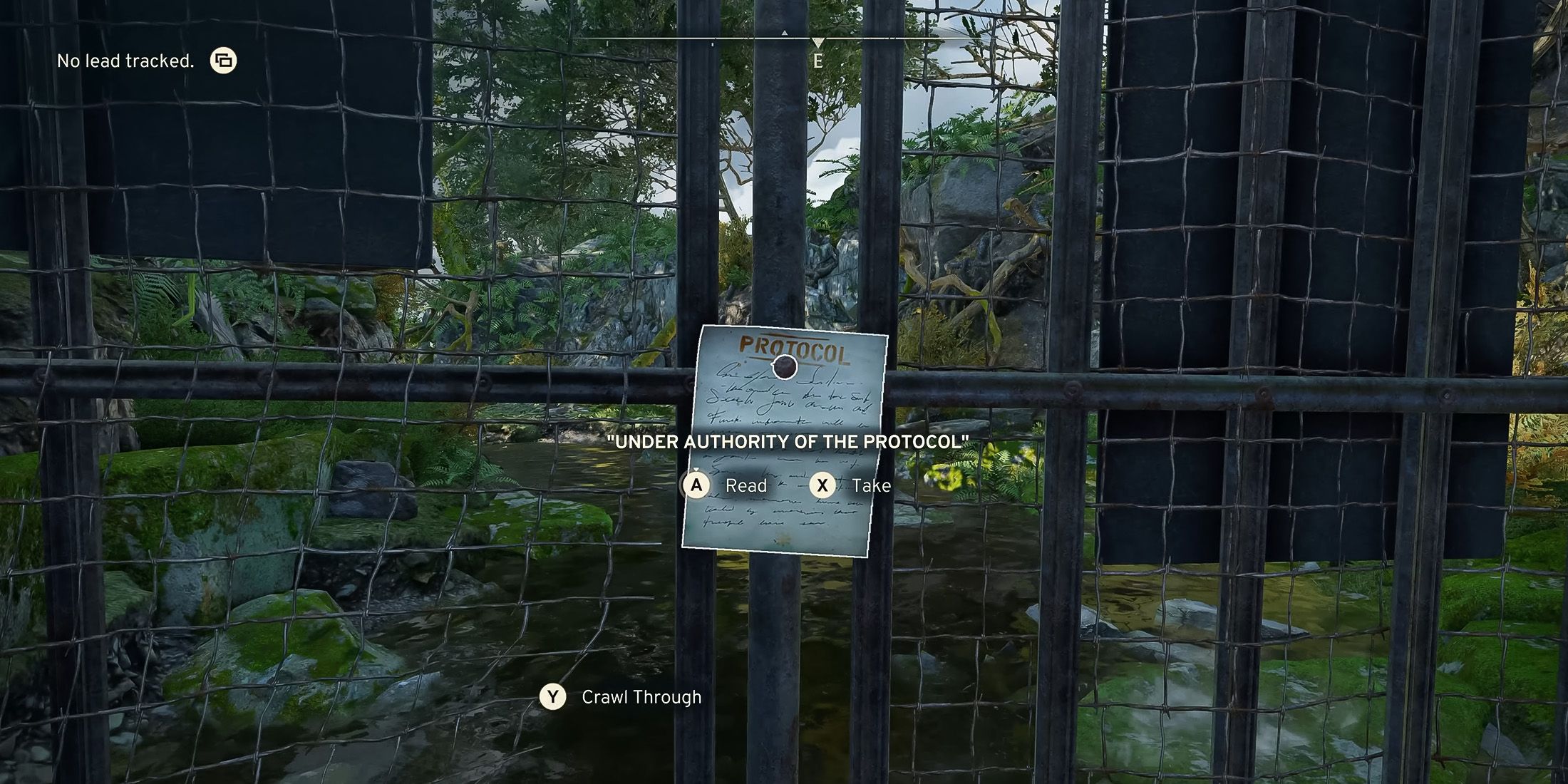
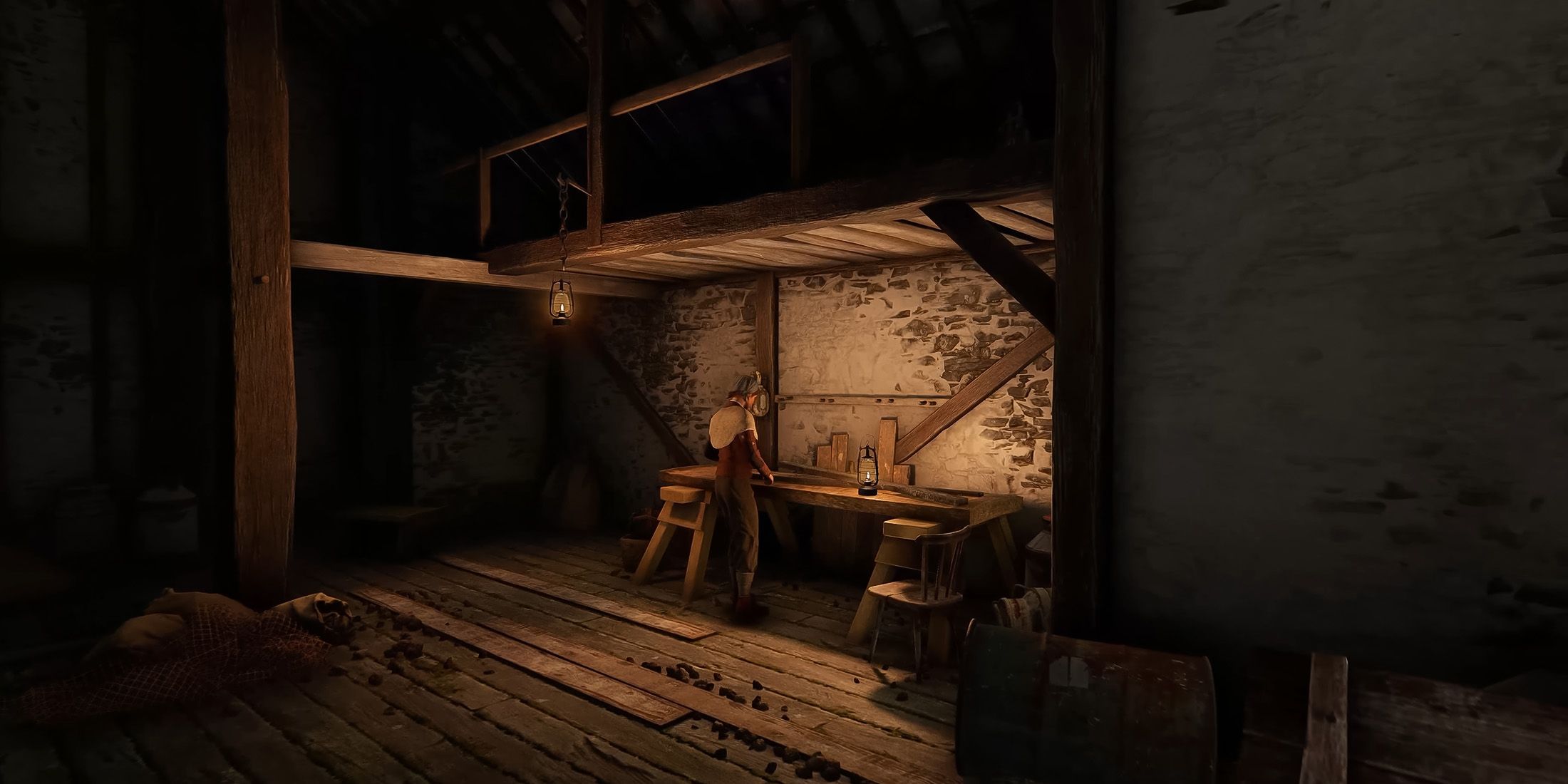
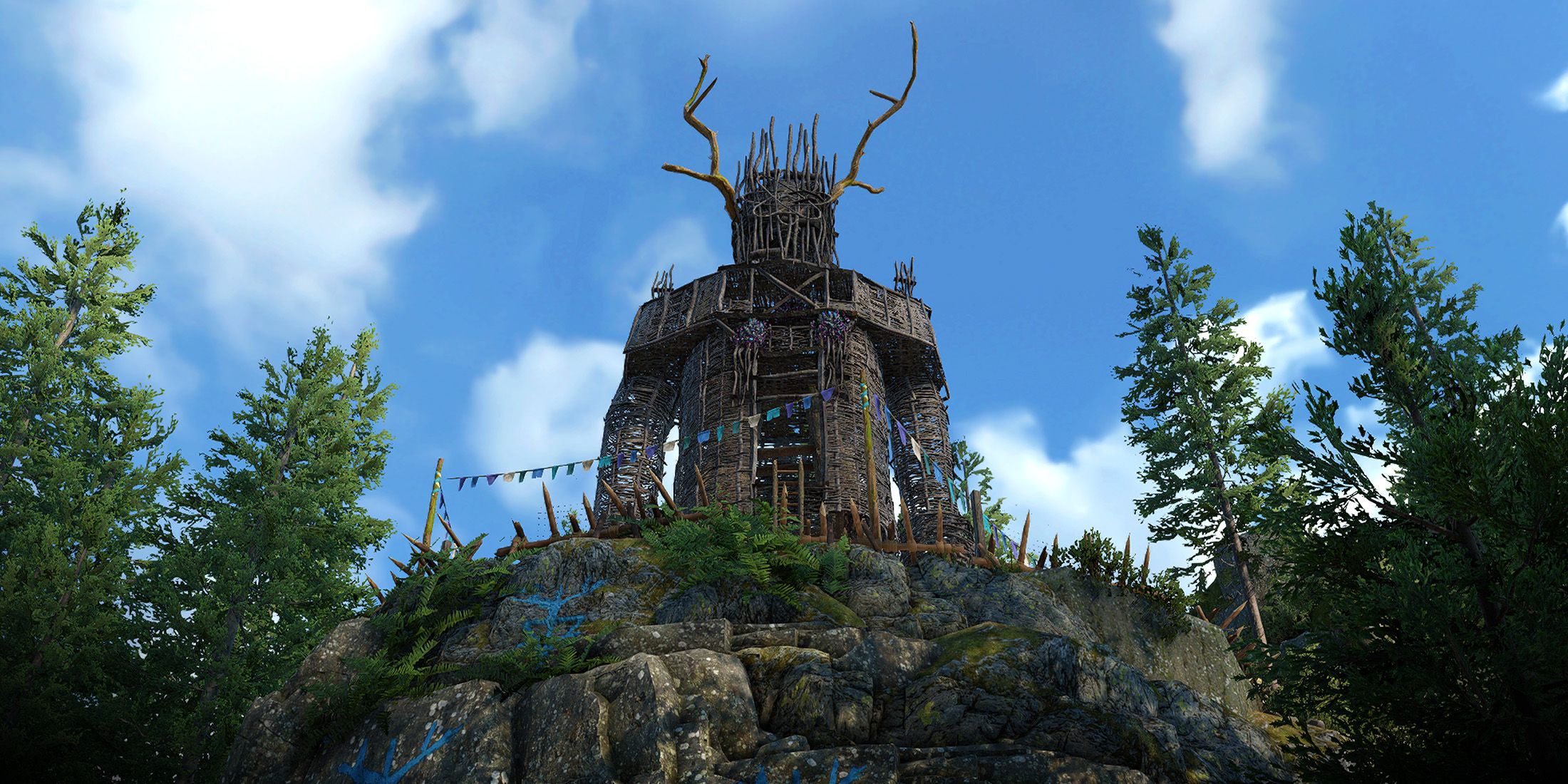
In Atomfall, there are various approaches to navigating the game world, ranging from peaceful to aggressive or somewhere in-between. The ultimate goal for players is survival, and they must interact with their environment to locate manuals that unlock skills. These acquired abilities then enable players to further customize their playstyles. As Fisher puts it, “Players must engage with the world around them to find manuals, which are essential for unlocking skills, allowing them to refine their gameplay even more.
In the game Atomfall, the “skill system” enhances players’ gaming experience by focusing on scavenging, survival, and battle. Players can discover these skills by locating training manuals hidden throughout the world of Atomfall. This makes exploring every deserted house, cave, and bunker even more rewarding.
In these game manuals, along with other valuable items, there’s a focus on encouraging players to delve into everything, and they are rewarded with improved combat abilities, better looting capabilities, and enhanced survival skills. For instance, it might involve expanding the range of throwable objects or disarming/retrieving traps. Due to the freedom offered in the action and survival aspects of Atomfall, players have the opportunity to express themselves and interact with the world in ways that are influenced by their own actions as well. Players are given a world to conquer, but it’s their decision on how they go about surviving within it.
Survival Features
In the game called Atomfall, players will frequently have to create various items throughout their playtime, including medicines essential for staying alive. Consequently, they’ll find themselves persistently gathering resources, particularly in terms of ammunition, and under constant stress to stay alive. Furthermore, managing one’s heart rate is crucial. Unlike other survival games that prioritize resources like food, rest, and water, Atomfall emphasizes heart rate as a key factor in the intensity of combat and encounters with enemies. Neglecting heart rate management may lead to mistakes, which could prove detrimental, as Fisher pointed out.
Incorporating a player’s heart rate, in addition to their health meter, intensifies the feeling that each combat situation is a life-or-death struggle. Our goal was to create intense battles where players must strategically utilize an assortment of weapons, some makeshift and others conventional, to survive. When your heart rate increases, aiming becomes more challenging, and both player and enemy’s damage capacity decreases, leading to fast-paced, frenzied fights.
Atomfall’s Post-Nuclear World is Yours to Behold
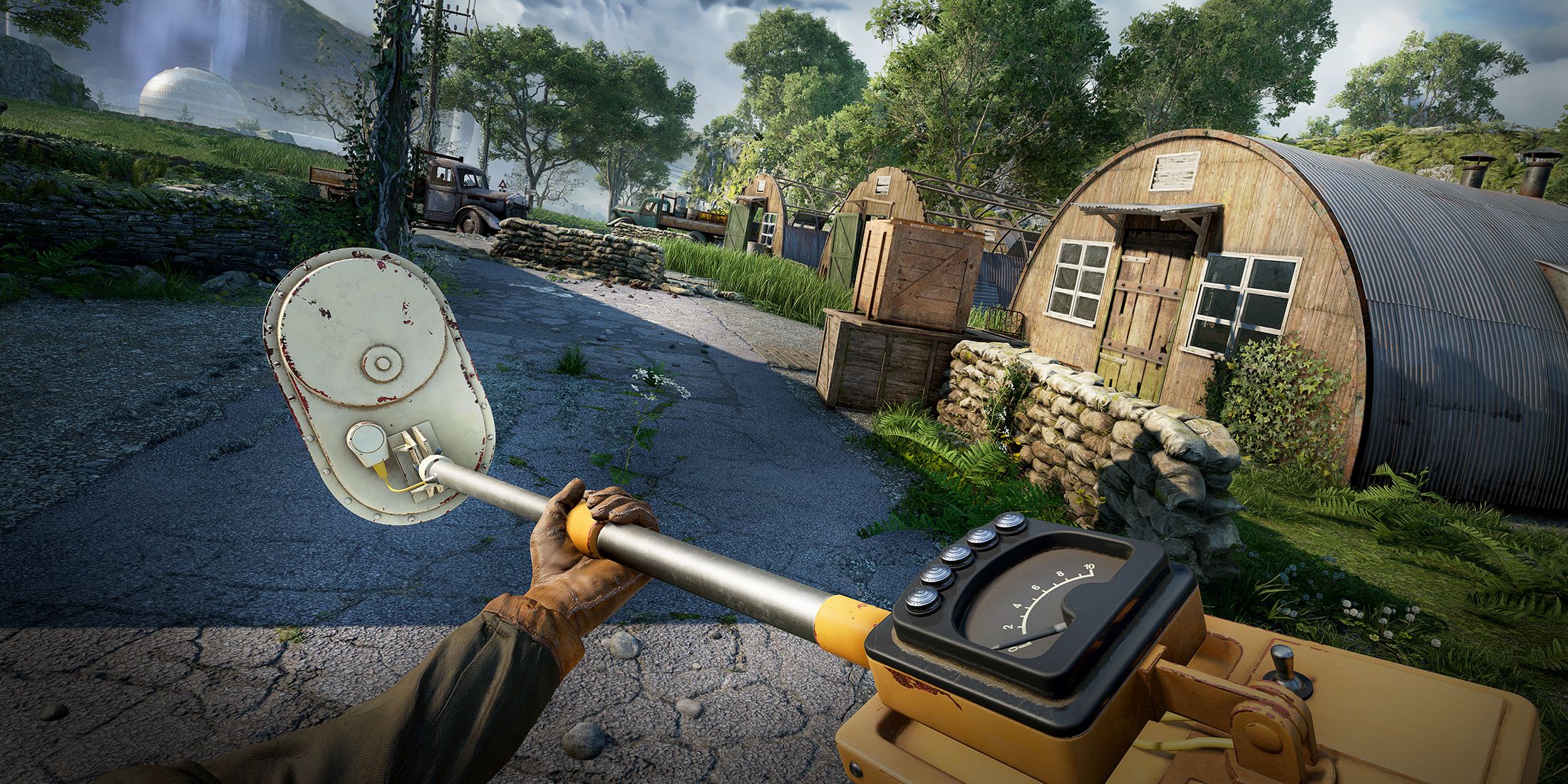
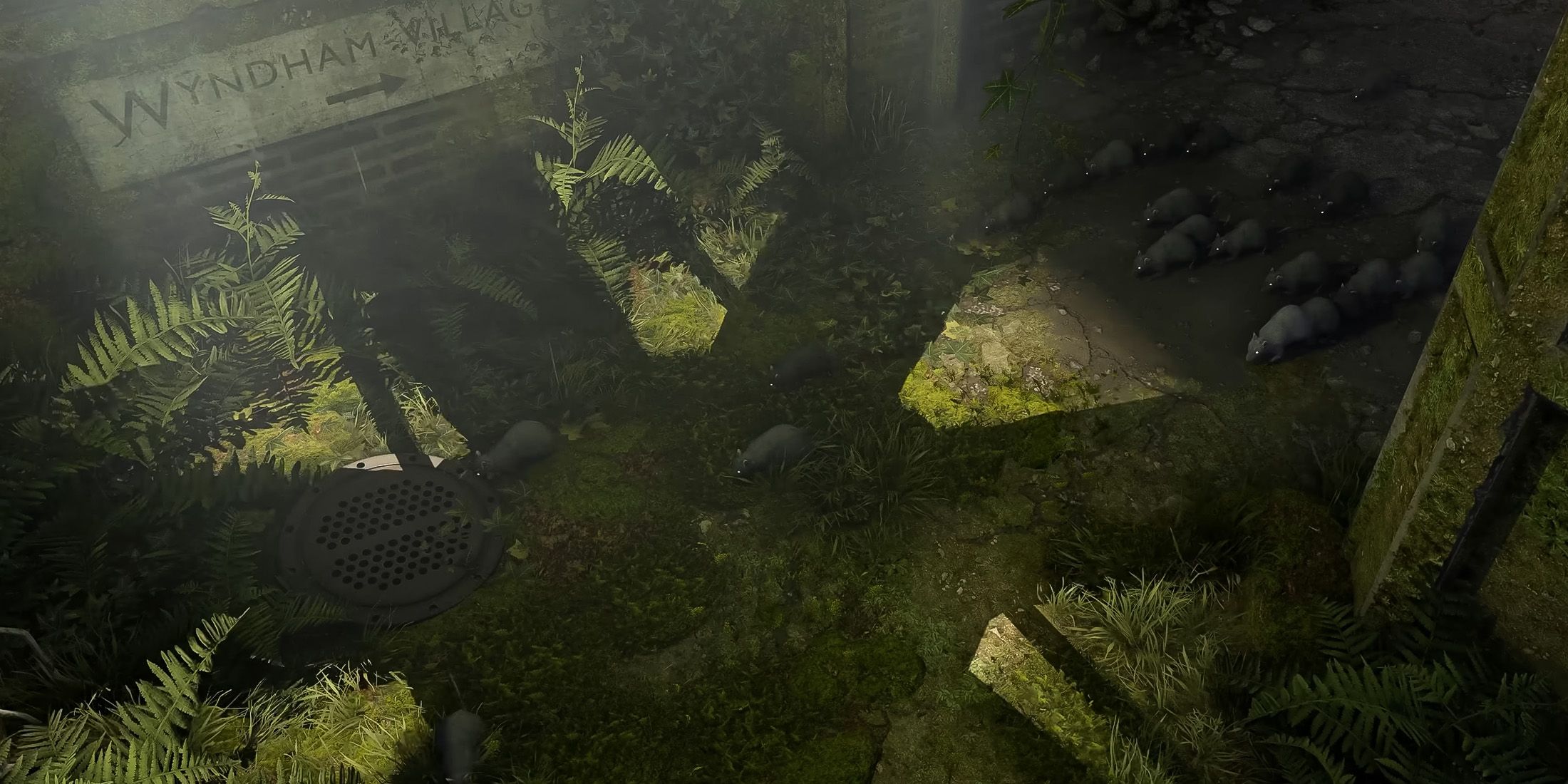
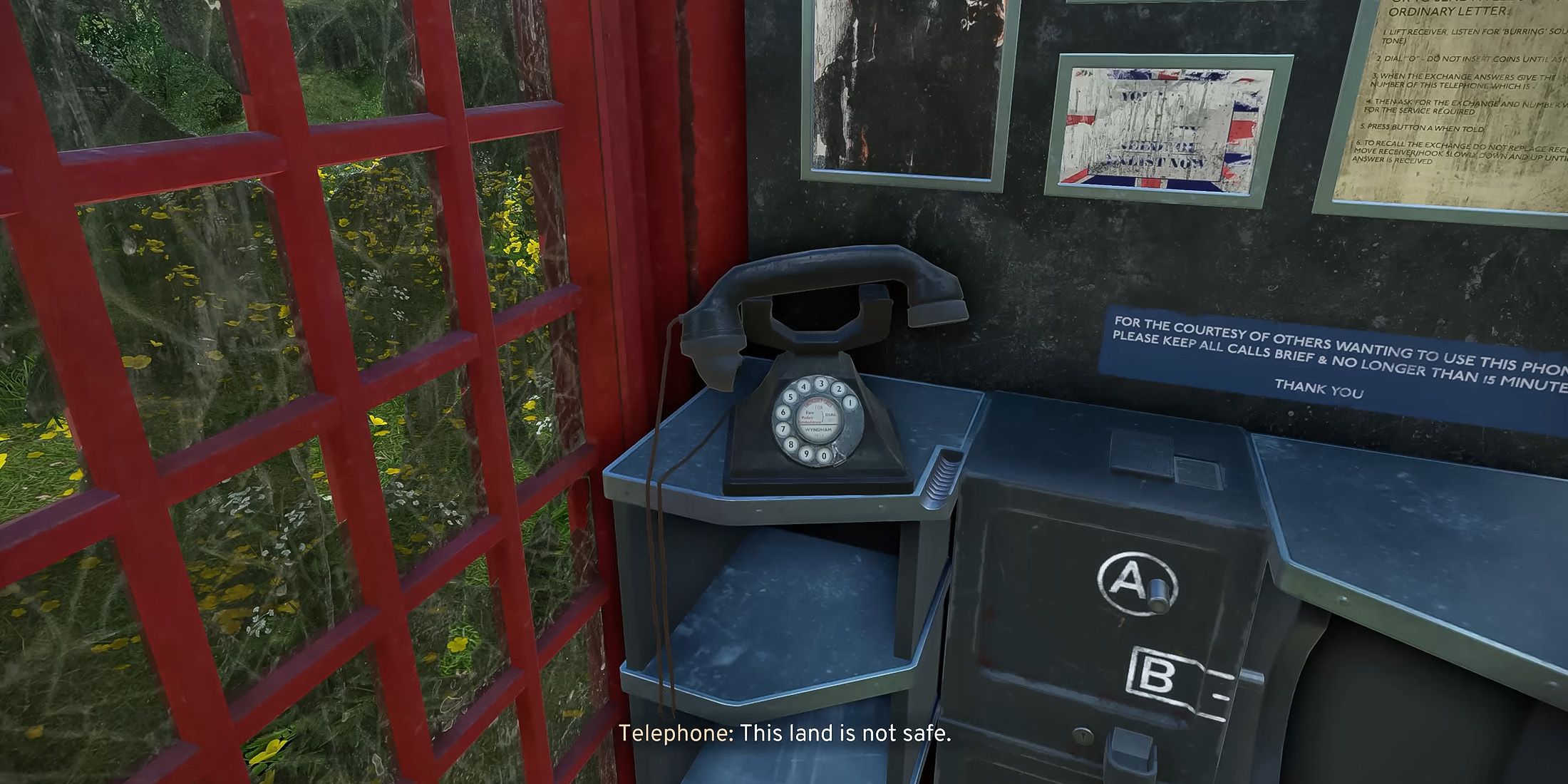
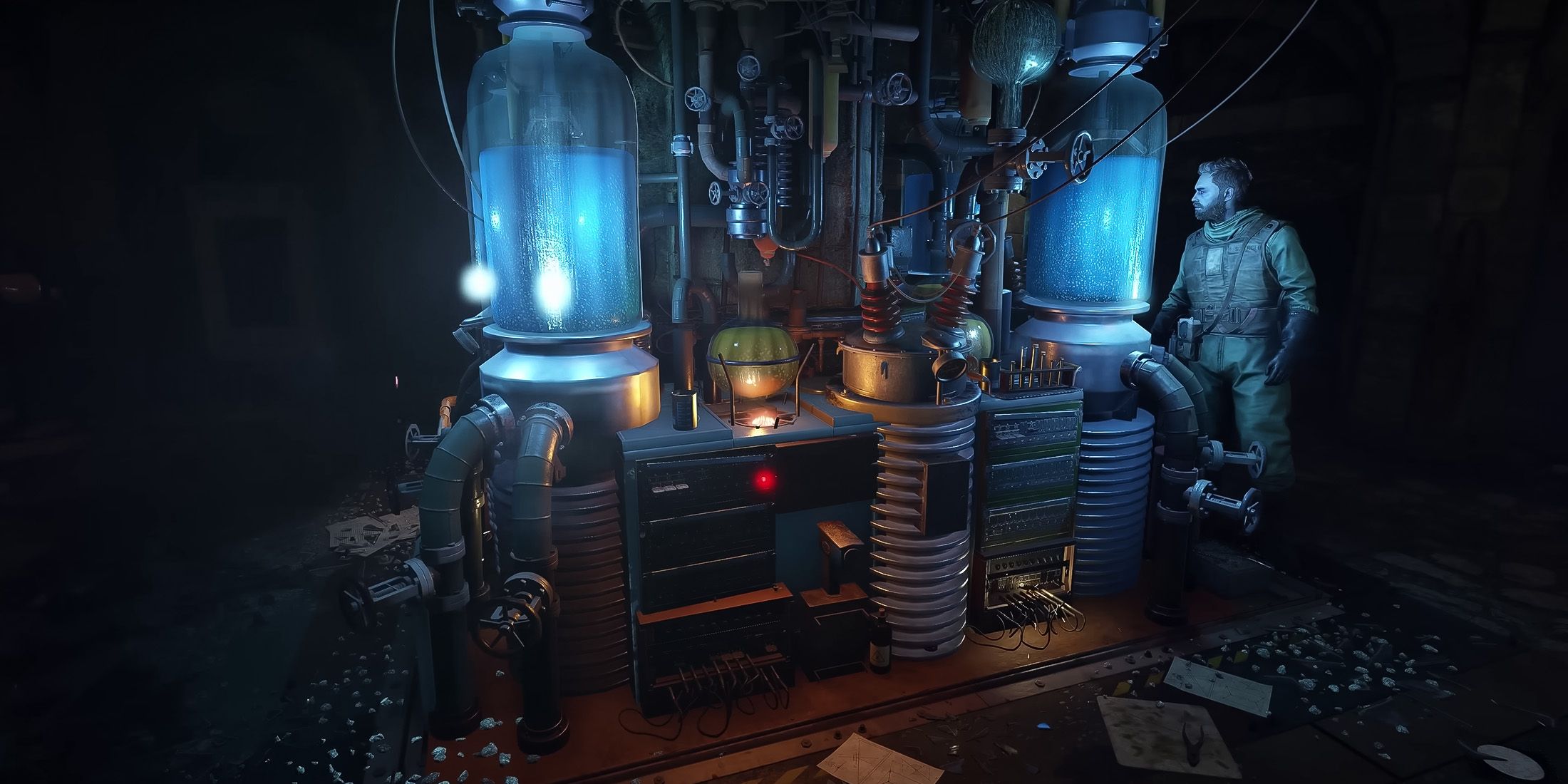
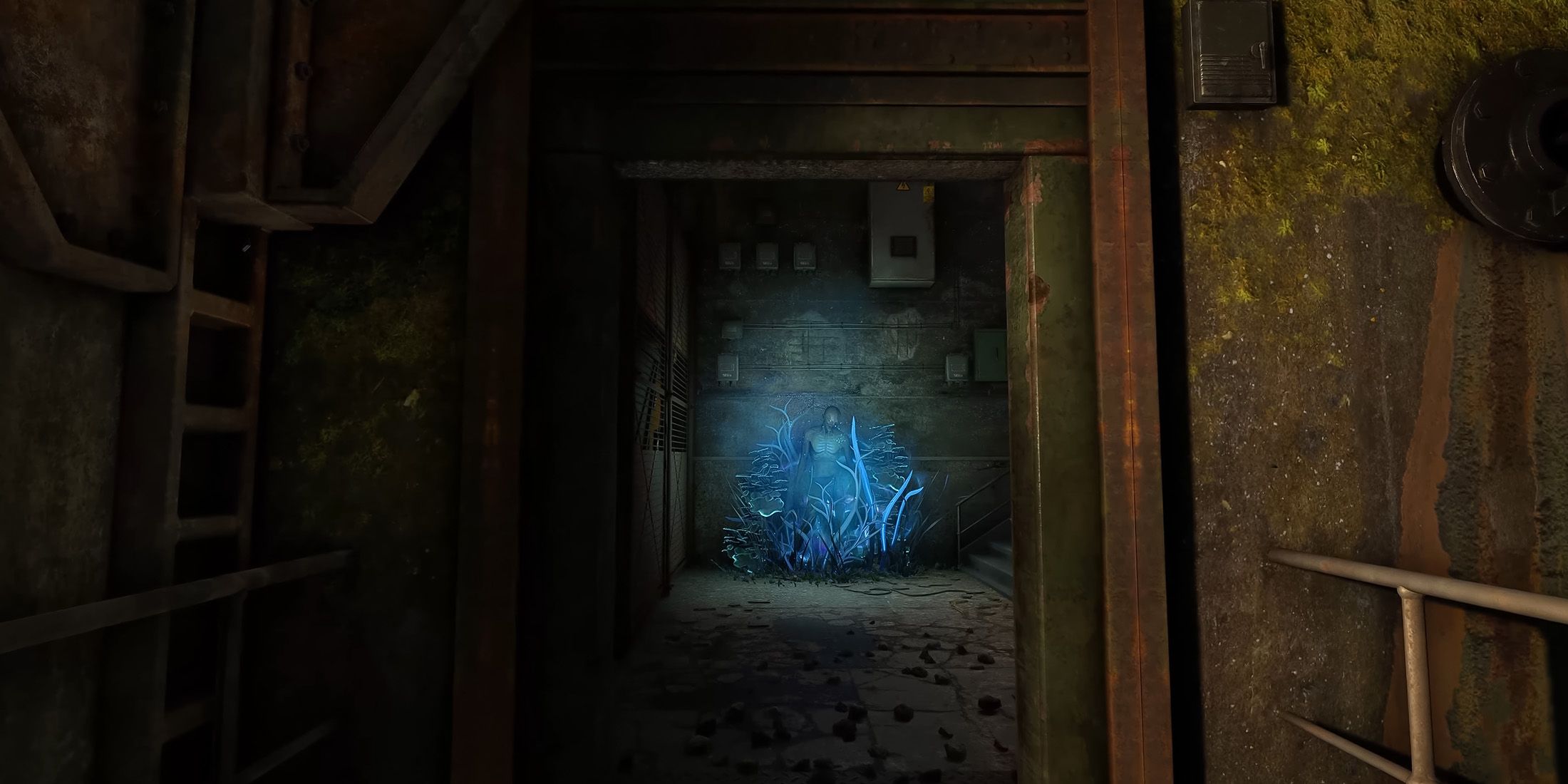
Rebellion Developers crafted the realm of Atomfall with the intention of giving it to players. Upon its launch on March 27, Atomfall will cease to be solely Rebellion’s playground, but rather a canvas for players to express their creative whims. They can fashion their protagonist in their image, interact with the story and sandbox according to their preferences, participate in combat and survival gameplay at their discretion, and ultimately shape an experience that is truly their own Atomfall journey.
Read More
- All Skyblazer Armor Locations in Crimson Desert
- One Piece Chapter 1180 Release Date And Where To Read
- How to Get the Sunset Reed Armor Set and Hollow Visage Sword in Crimson Desert
- All Shadow Armor Locations in Crimson Desert
- Marni Laser Helm Location & Upgrade in Crimson Desert
- All Golden Greed Armor Locations in Crimson Desert
- All Helfryn Armor Locations in Crimson Desert
- How to Beat Stonewalker Antiquum at the Gate of Truth in Crimson Desert
- All Icewing Armor Locations in Crimson Desert
- Black Sun Shield Location In Crimson Desert (Buried Treasure Quest)
2025-03-20 16:17