Many of us grew up with Pokémon, so it’s easy to assume it’s a simple game. After all, if a young child can complete it, how challenging could it really be? But that assumption is misleading! Pokémon is actually a surprisingly deep and complex competitive game. Its huge variety of Pokémon abilities and moves create countless unique interactions that aren’t always obvious, making it a truly strategic experience.
Pokémon Champions has been great for bringing competitive Pokémon to a larger audience, highlighting the incredible strategies and deep thinking that players have developed over the past 30 years of the game.
If you’re new to the game, you’ve probably discovered a lot of things you weren’t expecting. This is because the developers, Game Freak, have hidden explanations within conversations with characters and in special schools throughout the game’s towns.
Okay, so I’m gonna let you in on some secrets about Pokémon that most players, honestly, have no clue about. A lot of this stuff was added in newer games without much fanfare, so don’t feel bad if you’re just finding out about it now! I didn’t know about a bunch of it myself until recently.
Now without further ado, here are 10 hidden Pokémon mechanics the games don’t teach you.
10. Burn Reduces Enemy Damage By Half
Neutralize Physical Sweepers and Bulkier Teams
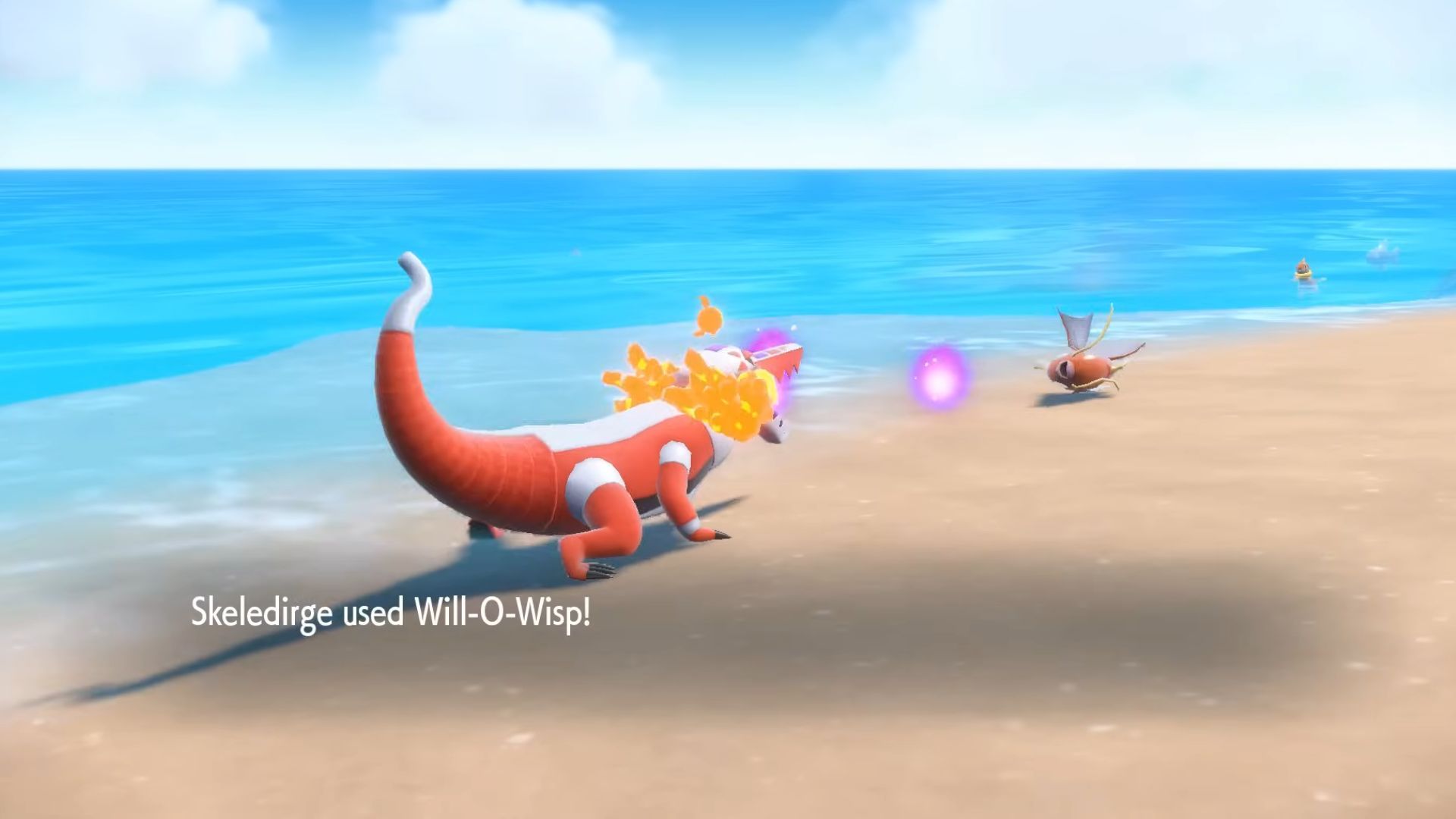
Using status moves – moves that inflict conditions like poison, paralysis, or sleep – can be a key strategy in battles. For instance, Toxic is still a great way to slowly damage tough opponents or wear down bulky Pokémon. Paralyzing or putting an opponent to sleep can also stop powerful attackers from quickly defeating your team.
Because the Pokémon Toxic consistently gets stronger over time, the Burn status effect often seemed unnecessary. Many players didn’t realize Burn had a significant secondary effect until the game Pokémon Champions explained it in the tutorial. Burn doesn’t just slowly damage opponents; it also cuts their attack power in half. This makes it a particularly useful strategy against Pokémon that rely on powerful physical attacks, especially those using moves like Belly Drum to boost their strength.
9. Different Weather Types Can Have Unique Interactions
An Extra Bonus to Hail or Sandstorm

Weather effects have always been a special part of Pokémon games, but they really took center stage in the fifth generation, which fans later called “The Weather Wars.”
Weather is a surprisingly useful element in Pokémon battles. It doesn’t just boost the power of certain attacks, but also creates a variety of interesting effects and strategies.
Most Pokémon players are familiar with how frustrating weather effects like Sandstorm or Hail can be – they drag out battles and cause a little bit of damage each turn. However, many players aren’t aware that these weather conditions can actually make some Pokémon more durable.
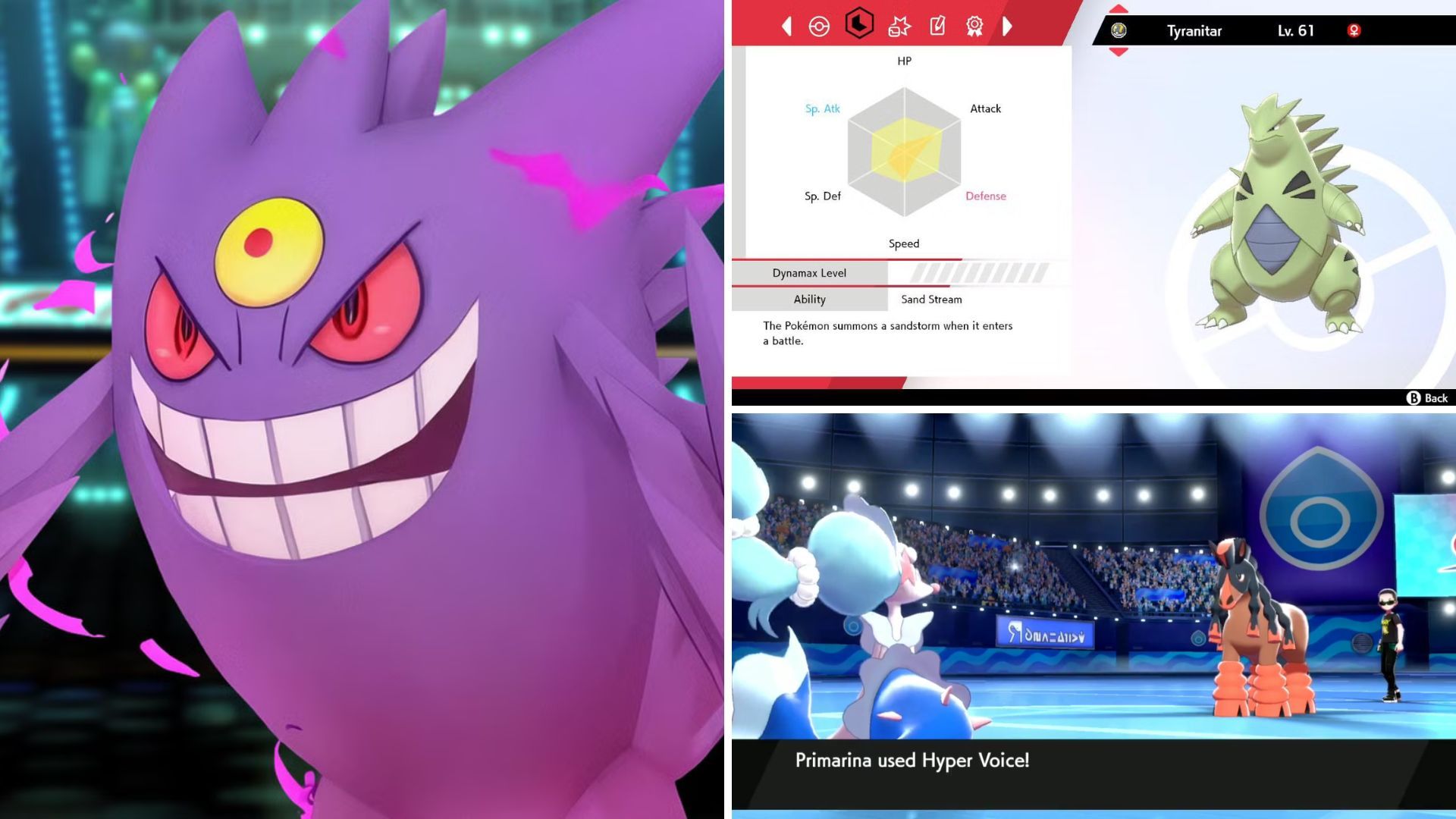
During a Sandstorm, Rock-type Pokémon get a 50% boost to their special defense, making Pokémon like Tyranitar and Steelix very hard to defeat. Similarly, when it’s hailing (now called Snow in newer games), Ice-type Pokémon get a 50% boost to their physical defense.
8. Grass Types are Immune to Powder
Shut Down Enemy Set-Ups By Switching
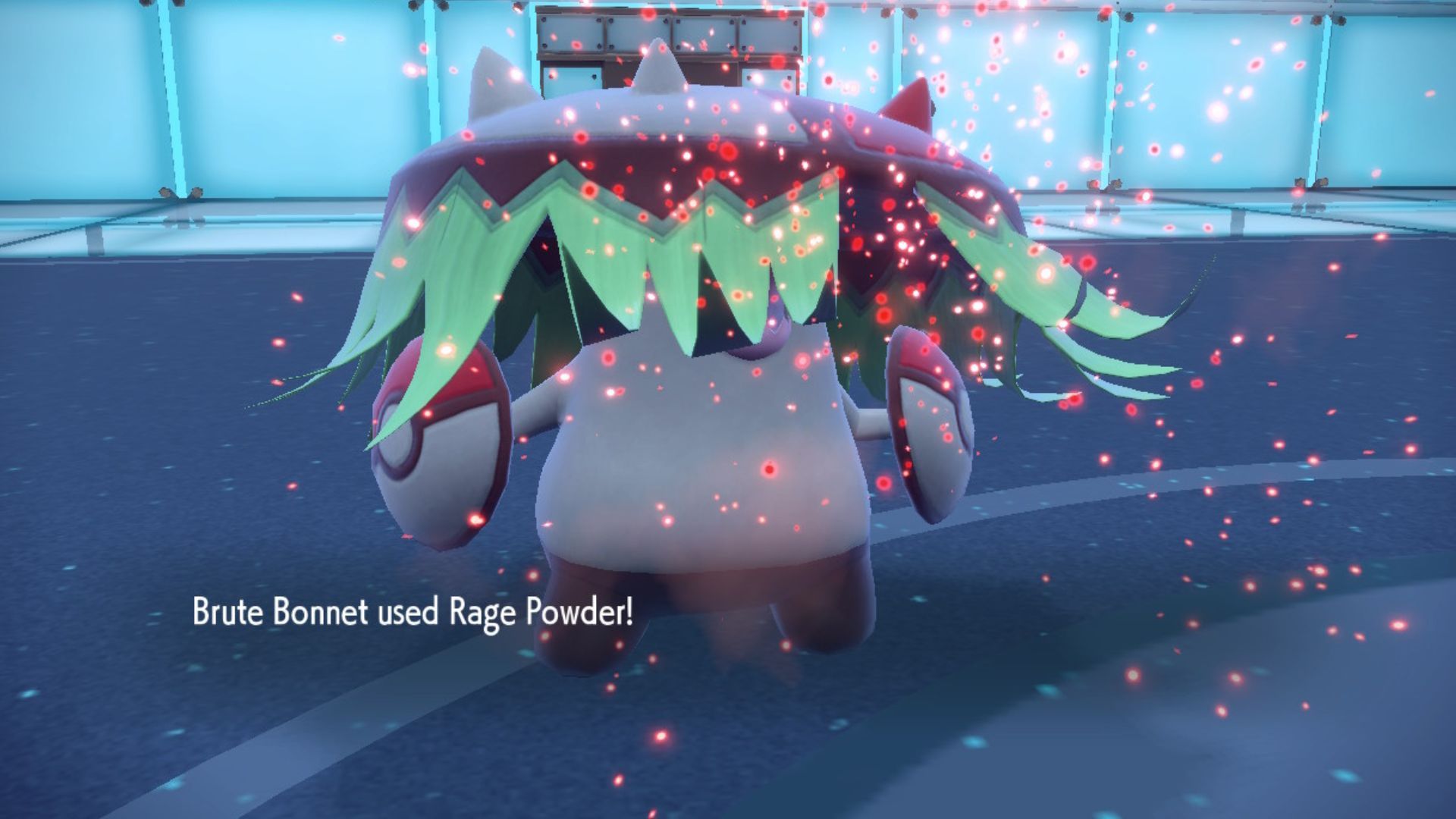
Nuzlocke players are familiar with powder moves – special attacks used mainly by Bug and Grass Pokémon that can cause unique status conditions in opponents. Though often helpful when first starting out, these moves are also surprisingly effective in competitive battles, giving players extra ways to stop powerful attackers or change how the battle plays out.
Some moves have straightforward effects, such as putting opponents to sleep or paralyzing them. Others are more unique – for example, certain moves can damage Fire-type Pokémon, or redirect an opponent’s attack to the user instead of their original target.
The game doesn’t explicitly state this, but Grass-type Pokémon are completely unaffected by powder moves. So, if you anticipate your opponent using a powder move to disrupt your strategy, you can safely switch to a Grass-type Pokémon to avoid the effect.
7. Dark-Type Pokémon are Immune to Prankster
Keep Priority in Battle
Priority moves are incredibly useful in Pokémon battles. They let a Pokémon attack before others, even if it’s slower, which can disrupt an opponent’s strategy or quickly defeat a weakened Pokémon without taking damage.
Some moves happen faster than others, and each one has a specific speed value – for example, Extreme Speed has a +2 value, and Fake Out has a +3. If your Pokémon has the Prankster ability, its priority moves become even faster, potentially allowing it to move before Fake Out.
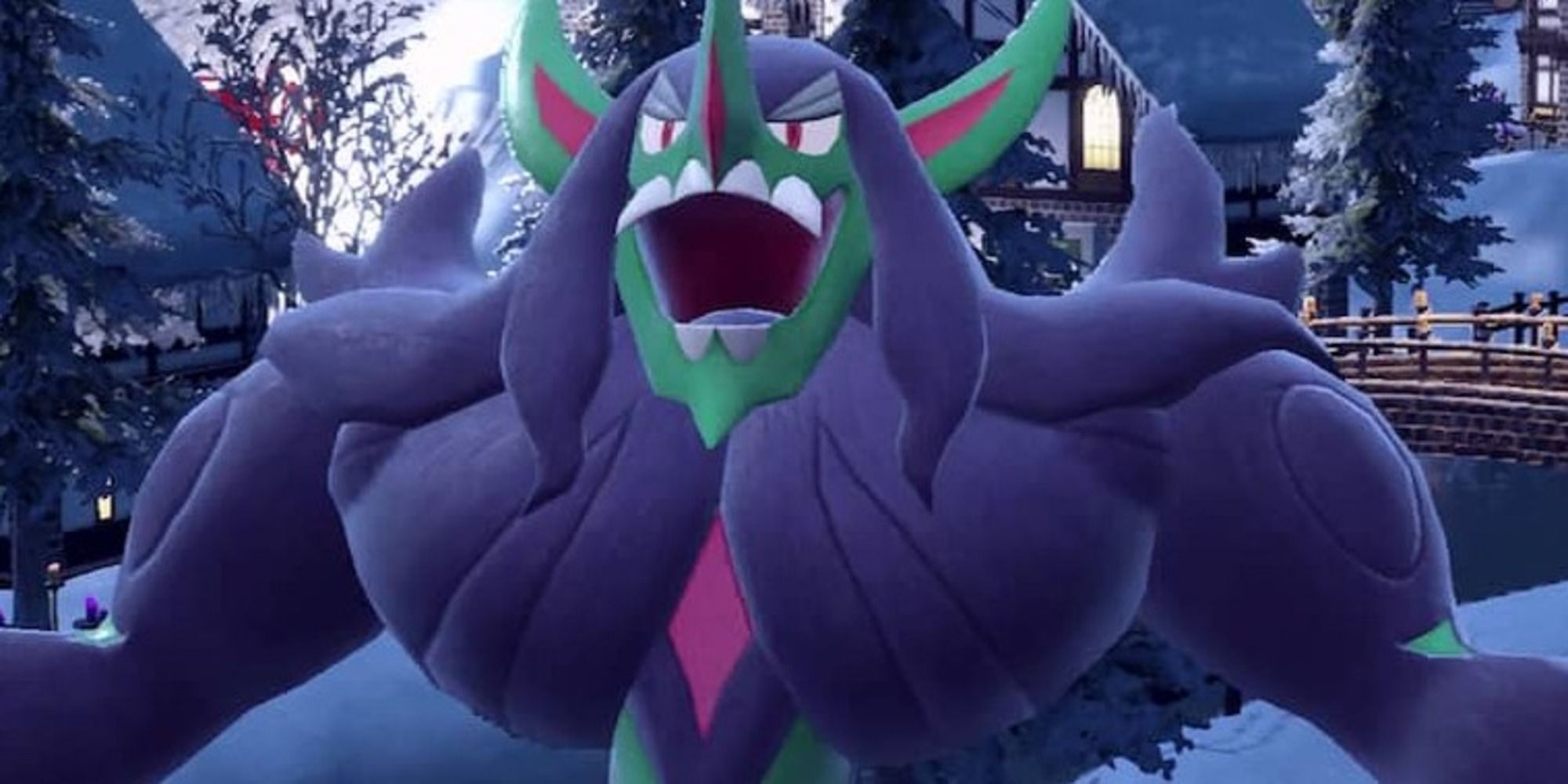
Until the seventh generation of Pokémon games, Dark-type moves didn’t automatically bypass the Prankster ability. Once updated, Dark-types gained immunity, allowing priority moves to function as intended. For example, you can now use the move Fake Out on a Pokémon like Grimmsnarl, preventing it from setting up defensive moves like Light Screen and potentially knocking it out on the very first turn.
6. Poison-Type Pokémon Never Miss with Toxic
Set Up Your Stall Comp with Ease

Anyone who’s played Pokémon competitively knows how annoying Toxic can be. It badly poisons a Pokémon, causing more and more damage every turn. When used by a tough Pokémon with moves and items that let it defend and heal, it can really drag out a battle, preventing you from even getting to face your opponent’s next Pokémon.
To keep this move from being too powerful, the developers gave it a 90% accuracy rate. In competitive Pokémon battles, anything less than 100% accuracy is often considered unreliable, effectively making it a 50% chance to hit. However, if the Pokémon using the move is a Poison-type, it will always connect, even if the target tries to dodge with moves like Fly or Dig.
This battle tactic gets even more complex with certain Poison-type Pokémon. If they have the Corrosion ability, they can poison Pokémon that are normally unaffected by poison. Combining this with a Toxic Orb creates a unique situation: the Pokémon can poison itself. While this is unusual and rarely used strategically, it can briefly confuse your opponent, making them question if they’ve seen a bug in the game.
5. Combining Abilities in Duo Battles Can Be Deadly
Beat Your Opponents With the Power of Friendship
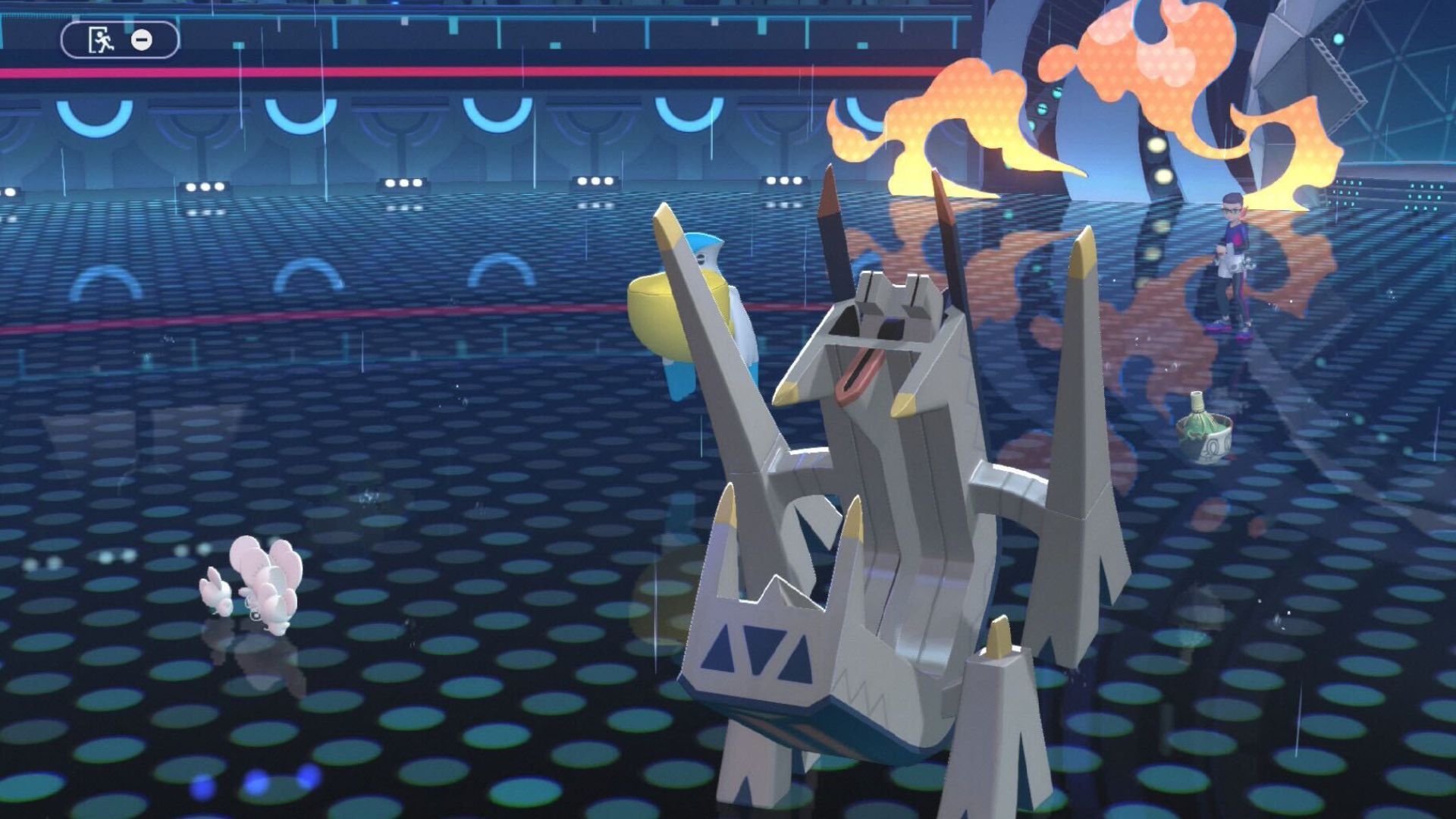
Smart Pokémon trainers often combine Pokémon with abilities that work well together to create strong teams. A common strategy in competitive battling is pairing Maushold with Archaludon, especially one built to maximize Stamina – this ability increases Archaludon’s Defense each time it’s hit by an attack.
The plan is to have Maushold use its Population Bomb attack, which hits the opponent ten times with small amounts of damage. Because Archaludon is naturally resistant to this type of attack, it can quickly boost its defenses and become a very durable tank in just one turn.
You can also create powerful combinations by using your Pokémon’s abilities together. Durant, though not a popular choice, has a unique ability called Truant, which prevents it from attacking on alternating turns. But it learns the move Entrainment, which lets it swap abilities with an opponent, even a hindering one. Combining Durant with a Pokémon like Gothitelle, who has the Shadow Tag ability to prevent switching, can trap the opponent and give you a free turn to prepare for a strong attack.
It makes sense why the in-game Trainer School doesn’t cover these advanced techniques, but these moments of brilliant strategy show just how complex Pokémon can be. It’s unfortunate that most players don’t experience this depth simply by playing through the main game.
4. Ghost-Type Pokémon Can’t Be Trapped On the Field
Haunt(er) the Battlefield
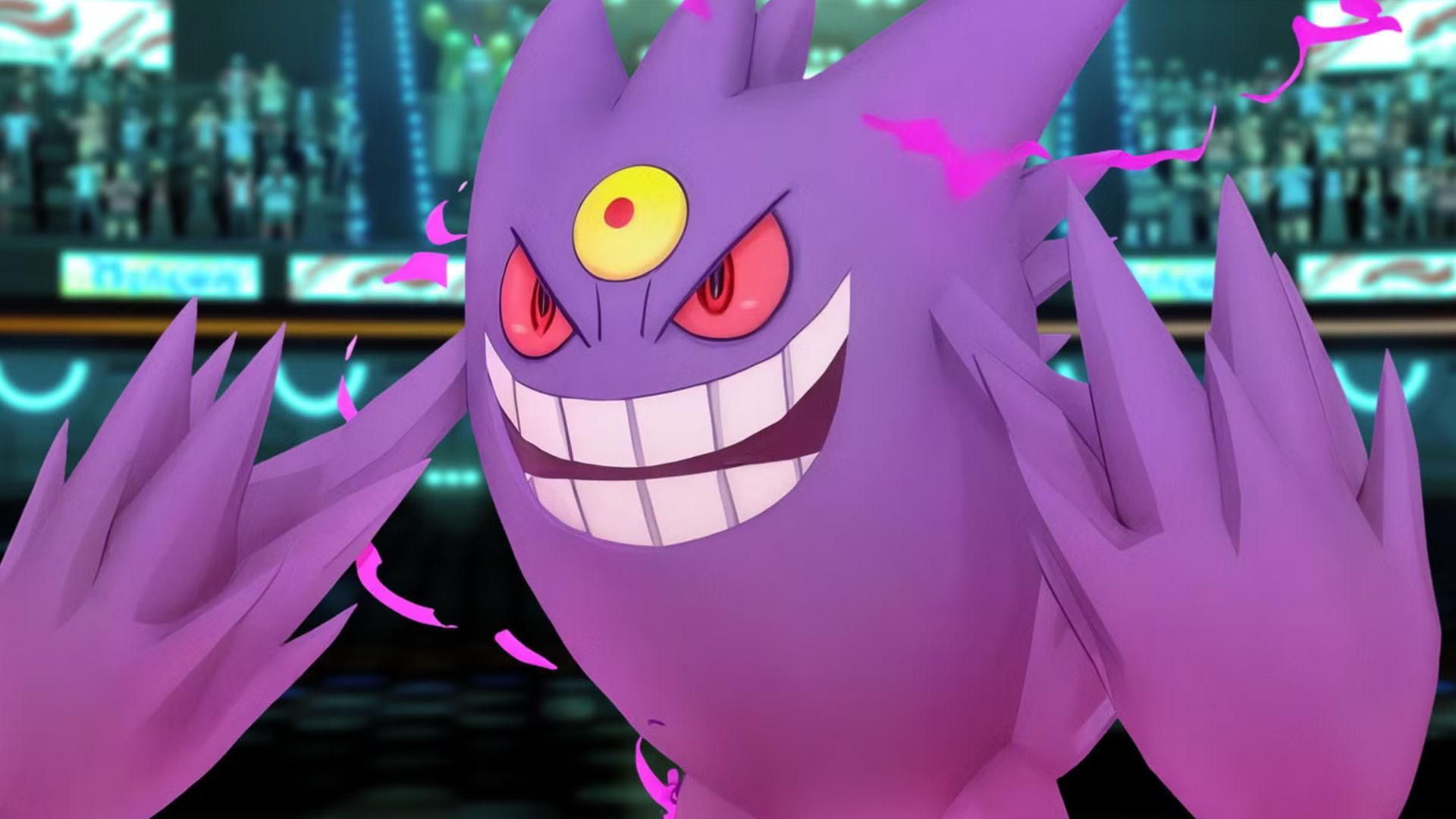
Ghost-type Pokémon are notoriously hard to catch and can quickly change the course of a battle. Because of this, many players prioritize eliminating them quickly and safely to prevent them from becoming a major problem.
Ghost-type Pokémon are excellent for preventing opponents from removing hazards like Stealth Rock. They can block moves like Rapid Spin, keeping those hazards in play. Starting with Generation 6, they also counter the Perish Song strategy because they’re immune to moves that trap opponents. This means abilities like Shadow Tag and moves like Mean Look have no effect on them, allowing them to switch freely and stay on the battlefield, disrupting your opponent’s plans.
As Wolfe Glick, the Pokémon World Champion, would explain, this situation is the biggest fear for anyone using the move Perish Song. That’s because Perish Song needs a Pokémon to stay in battle for three full turns before it faints. It’s a useful tactic in slower, defensive teams, helping trainers eliminate strong attackers like Tatsugiri or Dondozo. However, if your opponent sends out a Dragapult or a Goldango, it’s probably best to just concede – you’re almost guaranteed to lose.
3. Rollout & Ice Ball Double in Power if Defense Curl was Used
Make Whitney’s Miltank Proud
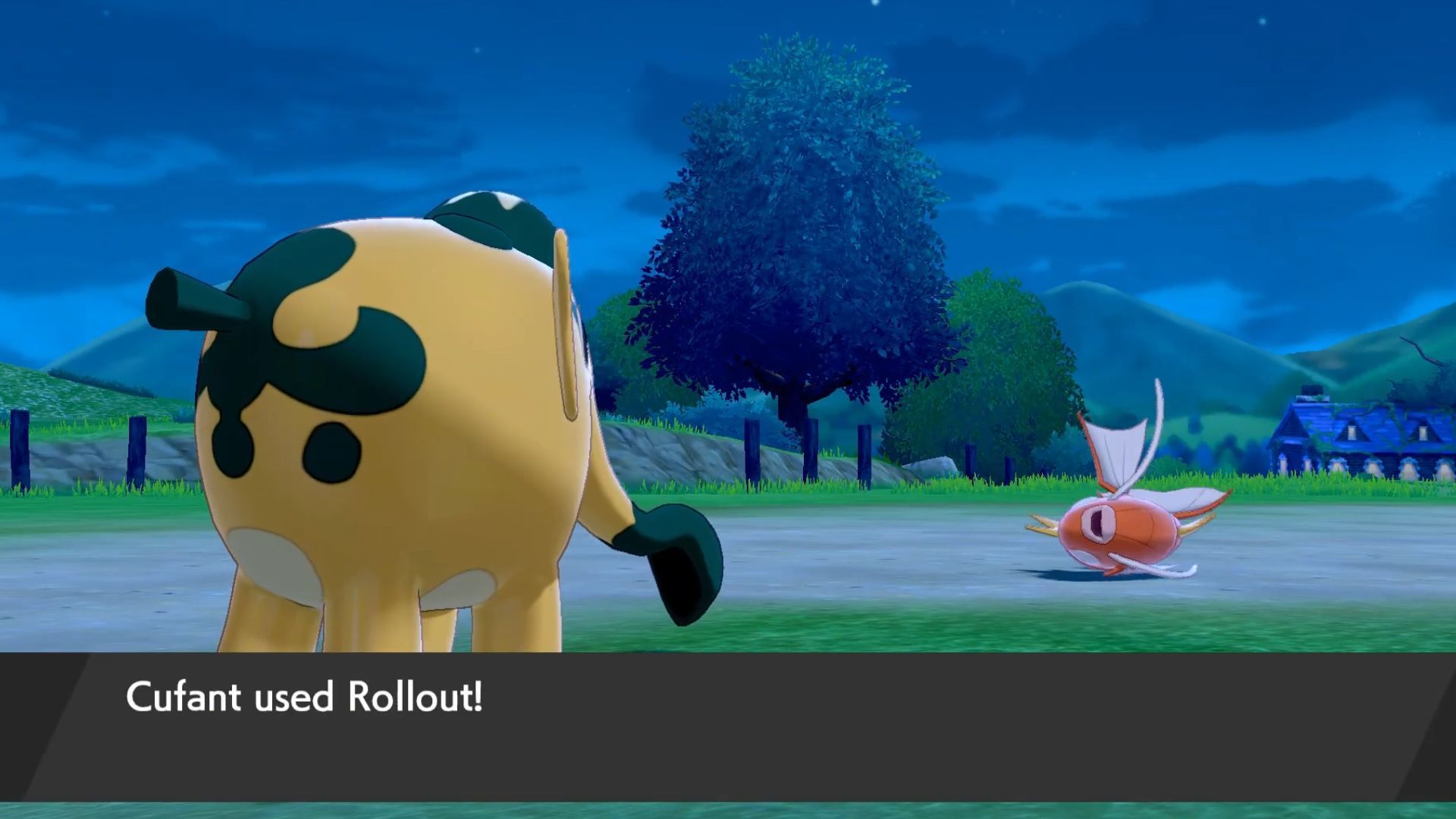
Many Pokémon players remember being frustrated by Whitney’s incredibly strong Miltank and its devastating Rollout attack. You might have even tried using Rollout yourself, wondering why it wasn’t nearly as effective. A key to boosting Rollout’s power is using Defense Curl first, which will double the damage it deals.
It’s true that Whitney’s Miltank doesn’t learn the move Defense Curl, and you might suspect cheating in most Pokémon games. However, if you want to surprise your opponent with an unexpected strategy, this little-known technique can give you a real advantage.
Subscribe to our newsletter for hidden Pokémon tech
Like other strategies, using Defense Curl also increases the damage of Ice Ball, creating a surprisingly powerful physical Ice-type attacker before your opponent has time to react.
2. Substitute Doesn’t Block Against Sound-Based Moves
Primarina Stocks Go Up!

While often overlooked in the main Pokémon games, sound-based moves offer unique strategic possibilities in VGC battles.
Certain Pokémon have special abilities that boost their sound-based attacks. For example, Sylveon’s hidden ability, Pixilate, changes sound moves into strong Fairy-type attacks. Similarly, Primarina’s Liquid Voice ability transforms moves like Hyper Voice into Water-type attacks that can strike both opponents in a double battle without affecting allies – a benefit Surf doesn’t offer.
What’s really powerful is that certain moves can bypass an opponent’s Substitute, dealing full damage directly to the Pokémon hiding behind it. Normally, Substitute protects a Pokémon, giving the player a turn to prepare a strong attack or safely gather information. However, with Pokémon like Sylveon or Primarina, you can ignore Substitute and quickly defeat the opponent, which feels great when you anticipate their strategy.
1. IVS / EVS
A Grind that Gatekept Competitive PokémonfFor Years
Since the beginning of competitive Pokémon, players have been hindered by this secret, but essential, game element.
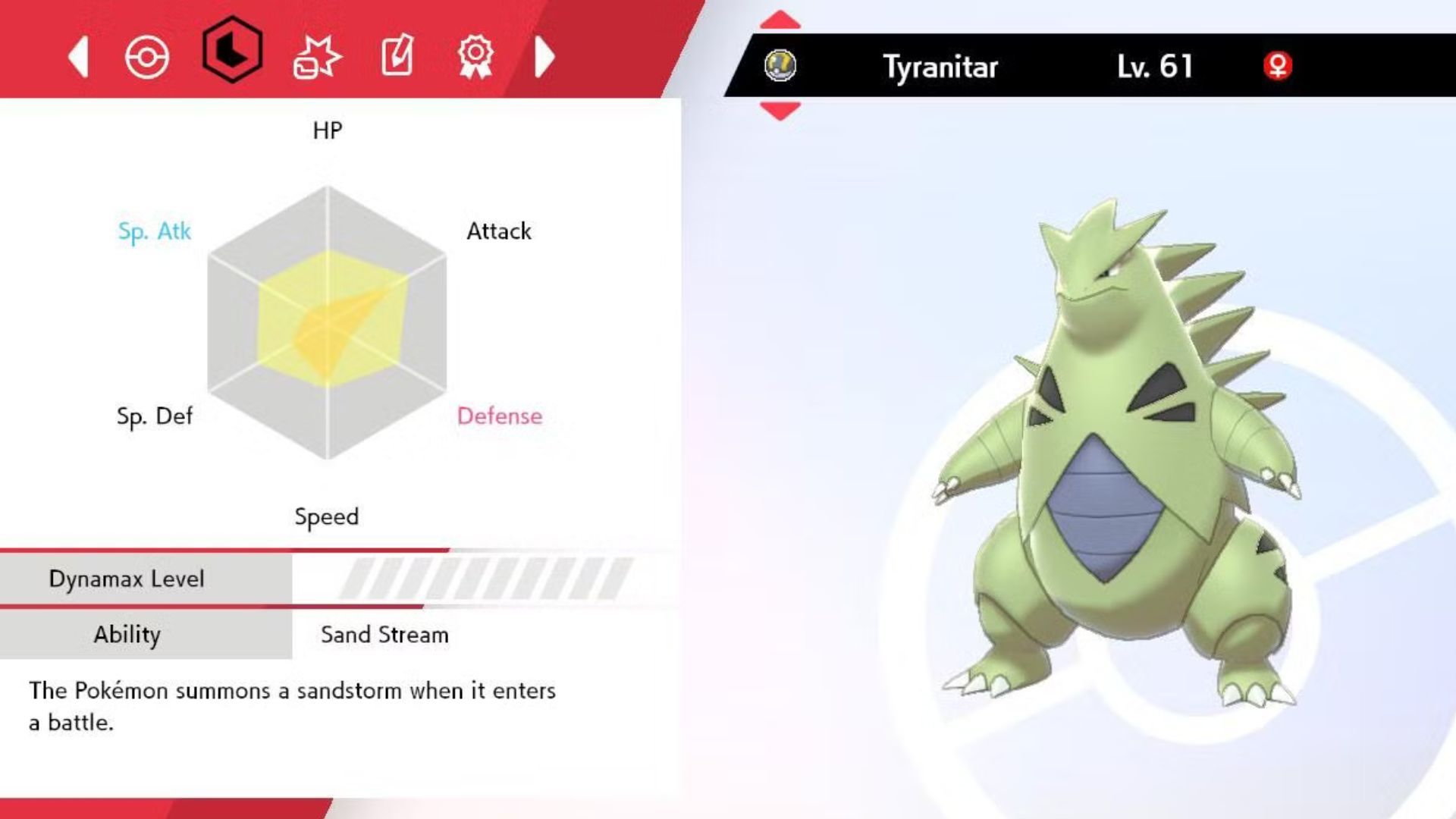
Pokémon have hidden stats called Individual Values (IVs) and Effort Values (EVs) that make each one a little different. These stats affect how strong a Pokémon is in various areas, and even two Pokémon of the same type can be trained differently. A trainer might focus on boosting certain stats to create a Pokémon suited to their preferred way of playing the game.
The idea behind this system is fantastic – it allows for creative team building and unexpected strategies in Pokémon battles. However, in practice, it’s incredibly time-consuming, and a big reason why competitive Pokémon hasn’t become more mainstream despite the games being so popular. Between finding Pokémon with the right abilities, natures, special types (Teratypes), egg moves, and even shiny hunting, pro players often spend weeks preparing a team for tournaments.
Training Pokémon for tournaments can be a really lengthy process, and it’s become so involved that some fans have turned it into a profession.
Pokémon Champions makes it much easier to get started with competitive battling. Players can now quickly customize their Pokémon’s strengths and abilities using in-game currency, skipping the usual time-consuming process of training. While the game isn’t flawless, this feature is a huge improvement and has allowed many new players to join the competitive scene.
Read More
- Forza Horizon 6: Find the Ohtani Treasure Chest Location
- NTE Drift Guide (& Best Car Mods for Drifting)
- LEGO Batman Legacy of the Dark Knight Batcave Minikits & WayneTech Caches
- Skyblivion Gets Encouraging Development Update
- How to Open Locked Door in Tenryu River in Nioh 3 (Dirty Key)
- Sega’s “Super Game” is Said to Release Next Month, But Nothing is Known About It
- Dead as Disco Best Songs (Clear Beats & Stable BPMs)
- GameRant Daily Crossword (February 10, 2026)
- Asmongold reveals shocking detail about how much money he makes
- New Steam Game is Like Pokemon If It Were a Sci-fi Shooter
2026-05-10 00:42