
The first Pokémon games, Red and Blue, set a clear pattern: catch Pokémon, defeat the Gym Leaders, conquer the Elite Four, and become a Pokémon Master. While this core idea was simple, it didn’t explain the franchise’s incredible success. Over the years, Pokémon games have constantly evolved, introducing new features and surprising twists to stay popular.
The core Pokémon games generally follow a familiar pattern, but many spin-off titles have boldly explored new ideas and gameplay styles, often showcasing different sides of the Pokémon universe. When these spin-offs are announced, fan reactions are all over the map – from curious interest to complete bewilderment – but one thing is certain: they’re usually full of surprises.
We’re mainly interested in how different these games are from traditional Pokémon games, not necessarily how good they are overall.
10. Pokémon Trading Card Game
A Game of a Game of a Game
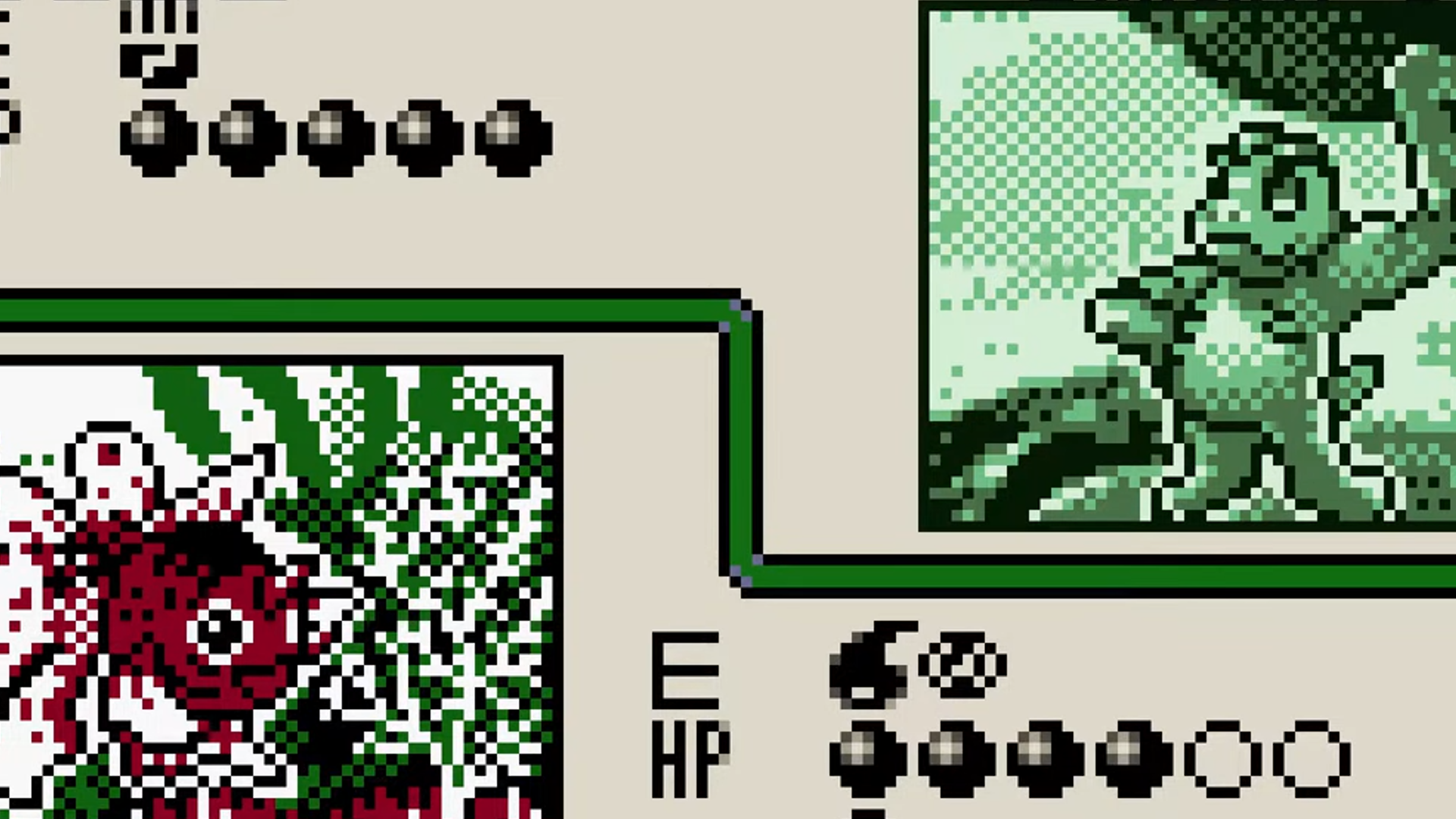
When Pokémon first became popular with the original games and the anime, the Pokémon Trading Card Game quickly followed. I remember seeing cards everywhere in my school cafeteria, even though none of us knew the rules! We didn’t need to, though – we enjoyed the card game as something separate from the video games. That is, until I discovered there was a Pokémon Trading Card Game for the Game Boy.
As a Pokémon fan, the Trading Card Game on Game Boy Color was a really cool idea! Back in the 90s, trading card games were still pretty new to a lot of people in the US, and we were getting used to the idea of playing games with physical cards. So, seeing a digital version of the Pokémon TCG on the same handheld system as the Pokémon games themselves was just mind-blowing!
This Game Boy game uses cards from the first three sets and includes a basic storyline where you play as a new player traveling around to battle others. Interestingly, Pokémon themselves aren’t part of this world – it’s entirely focused on the trading card game, which makes the in-game characters’ dedication to it even more humorous.
9. Pokémon Conquest
Pokémon Plus Nobunaga’s Ambition Equals… Profit?
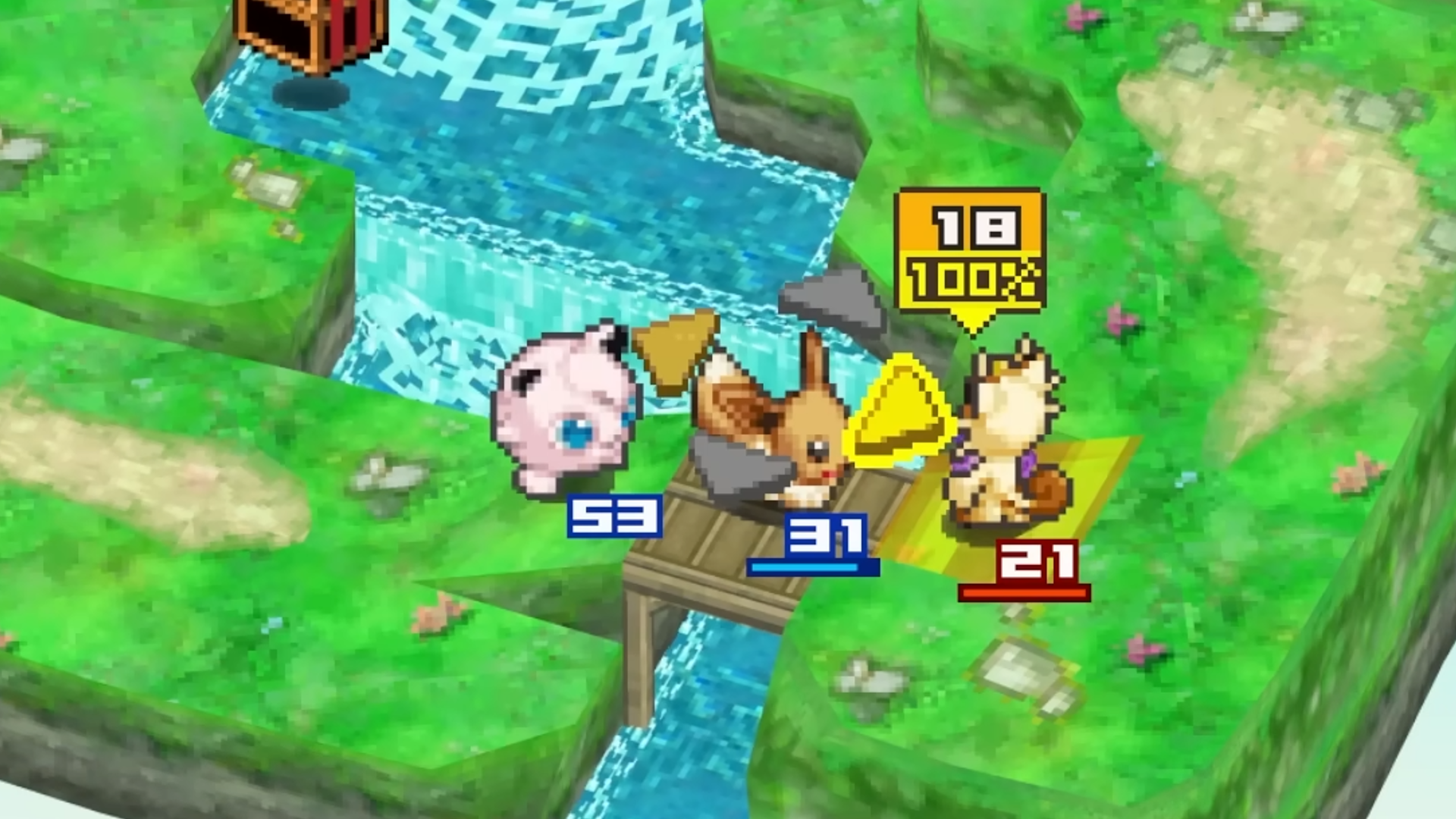
Pokémon rarely teams up with other franchises, generally sticking to collaborations within Nintendo games like Super Smash Bros. The Pokémon Company carefully protects its family-friendly image, which is hard to do when mixing with other brands they don’t fully control. However, around the mid-2000s, Pokémon did make a unique connection with Tecmo Koei’s Nobunaga’s Ambition series, creating the game Pokémon Conquest.
The Nobunaga’s Ambition series, a strategy game focusing on the life of Japanese feudal lord Oda Nobunaga, hasn’t been very popular in the US. Pokémon games typically aren’t strategy games, so this crossover felt incredibly unexpected. Many assumed it would remain exclusive to Japan, but surprisingly, it was released in the West that same year, leaving fans unsure how to feel.
Players generally enjoyed the game, finding the combination of Pokémon and feudal Japanese warfare to be surprisingly effective. However, it’s still a very unusual direction for the Pokémon series. It’s surprising to see Pokémon involved in a war-like setting, although hints of conflict have appeared in other Pokémon games.
8. Hey You, Pikachu!
Every Kid Wanted a Pikachu of their Own
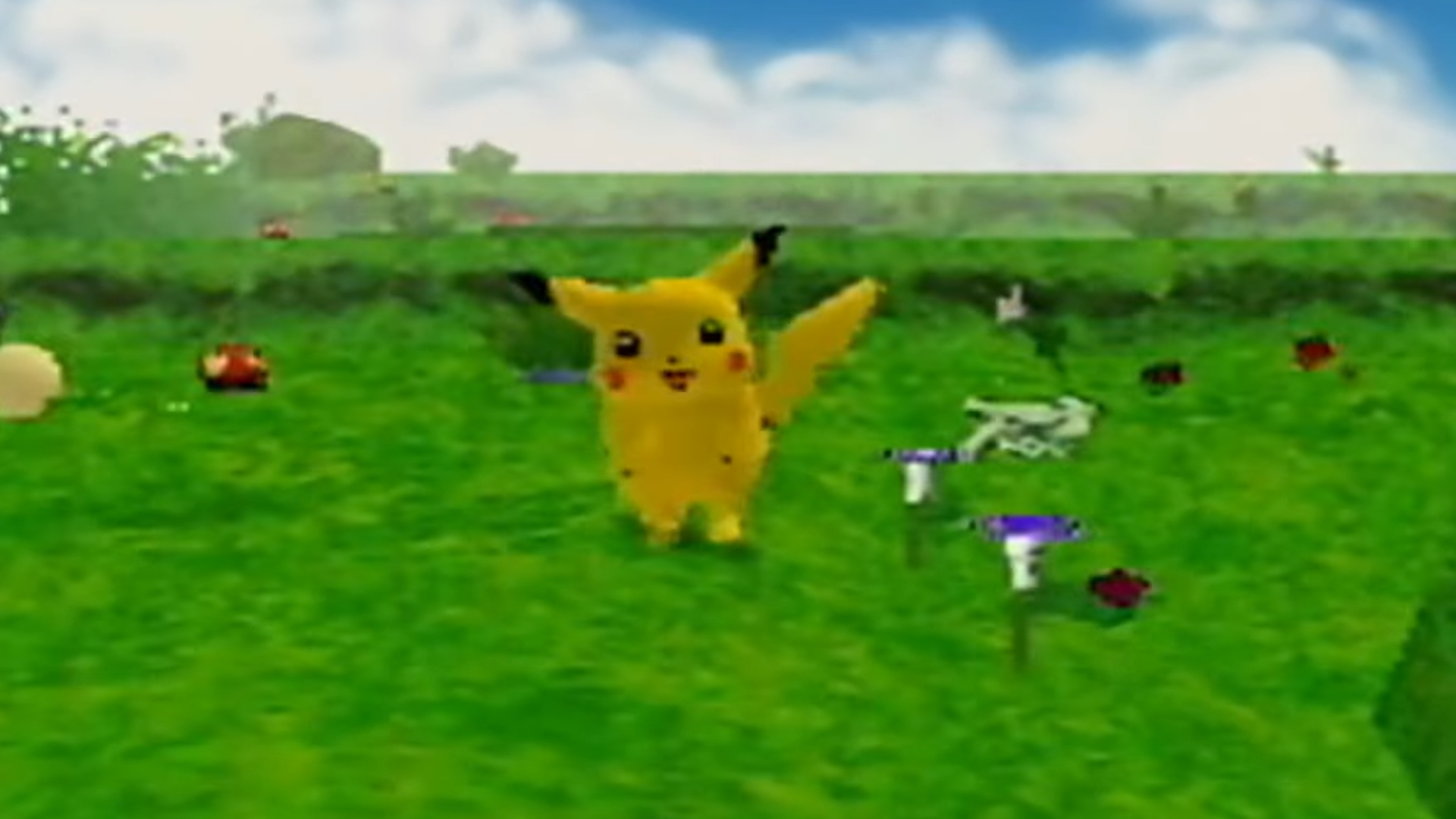
Pikachu was a huge reason Pokémon became popular worldwide. It was an instantly recognizable character used everywhere – as the face of the games, the anime, and all sorts of merchandise. Naturally, everyone wanted their own Pikachu! While plush toys were common, the Hey You, Pikachu game for the Nintendo 64 offered a truly unique experience.
In 2000, the concept of a video game you could truly control with your voice was revolutionary. Before that, interacting with game characters felt impossible – the closest we had were simple toys that reacted to sound. But this game actually let you talk to characters, and it required a special microphone for the Nintendo 64 to work.
I call it “the real deal,” but honestly, the game itself wasn’t that great. The technology just wasn’t advanced enough, and it definitely wasn’t as good as the Nintendo 64. Still, it really surprised all the kids who loved Pokémon, and that’s something to appreciate.
7. Pokémon Sleep
I Have Always Wanted to Sleep on a Snorlax

Most Pokémon games have titles that give you a good sense of what the game is about, especially the spin-off titles. That’s why the announcement of Pokémon Sleep was so surprising – we truly had no idea what to expect!
It took a long time after Pokémon Sleep was announced before we knew what the game would actually be like, so everyone was just guessing. From the beginning, we knew it would be a mobile game that somehow involved sleep. Pokémon have slept in many games before, but it was hard to imagine how that could be a game itself.
The game combined Pokémon with sleep tracking. You’d leave your phone by your bed, and it would monitor how well you slept. Better sleep meant more Pokémon would appear in the game. It was a really unusual idea, but ultimately, being completely unexpected was exactly what made it stand out.
6. Pokémon Snap
Gotta Frame ‘Em All
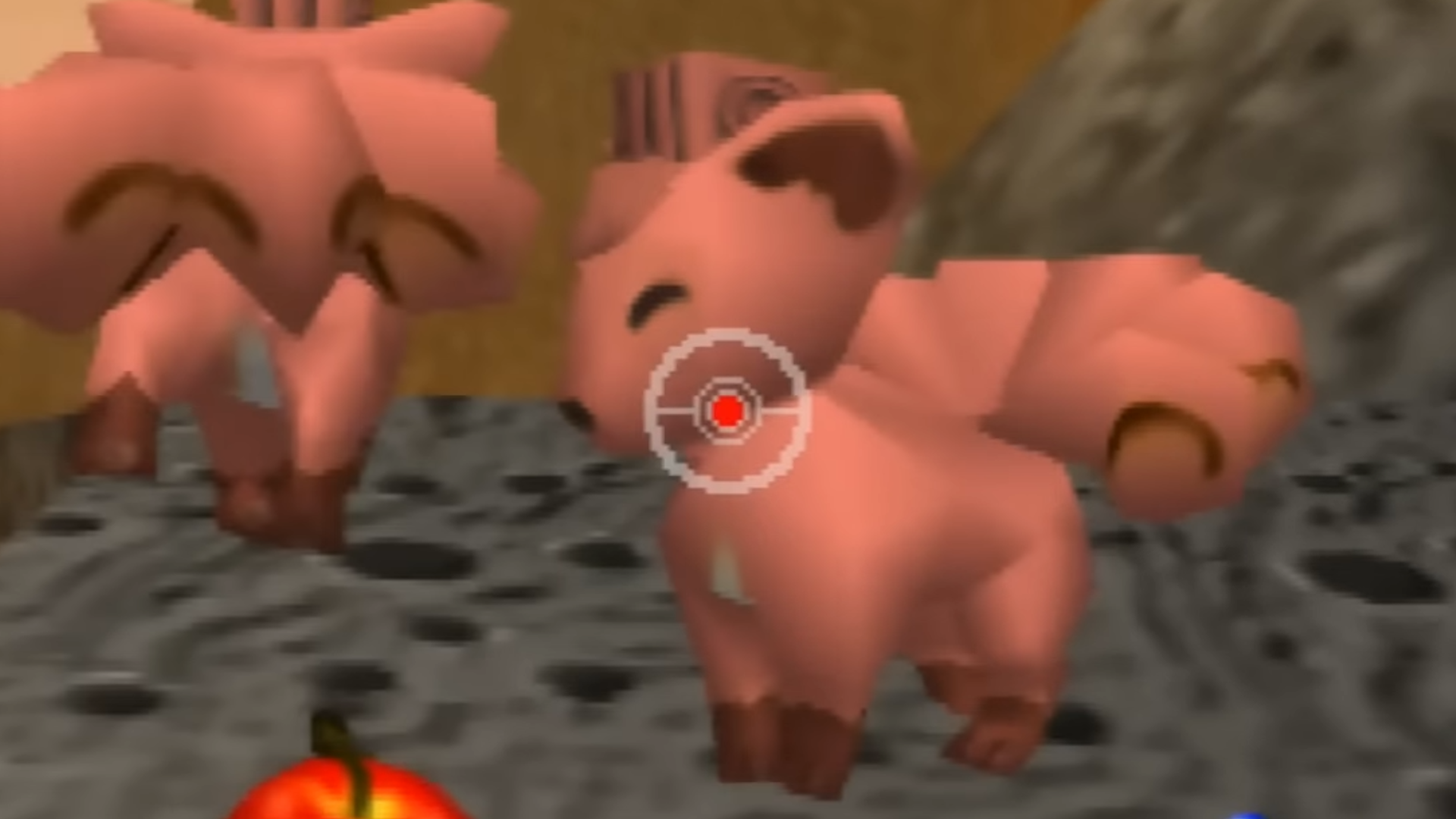
I remember 1999 so well – everyone had Pokémon on their Game Boy! Honestly, we never thought it would come to consoles like the N64. Then, out of nowhere, they announced Pokémon Snap! It wasn’t the RPG we expected, but this photography game was totally unique and blew us all away.
Unlike traditional Pokémon games where you travel and catch creatures, Pokémon Snap put you on a guided track, taking pictures of Pokémon to complete research. It wasn’t about battling or leveling up, and it was groundbreaking for its time – many Pokémon were shown in 3D for the very first time, moving away from the familiar pixel art style. This gave players a rare look at Pokémon living in their natural habitats, making the world feel more immersive and realistic than ever before.
Pokémon Snap was also a great example of companies working together. Nintendo partnered with Blockbuster Video to let players print stickers of their in-game photos at special kiosks. My sister and I absolutely covered our school stuff with those stickers!
5. Pokkén Tournament
We Don’t Take Turns in This House
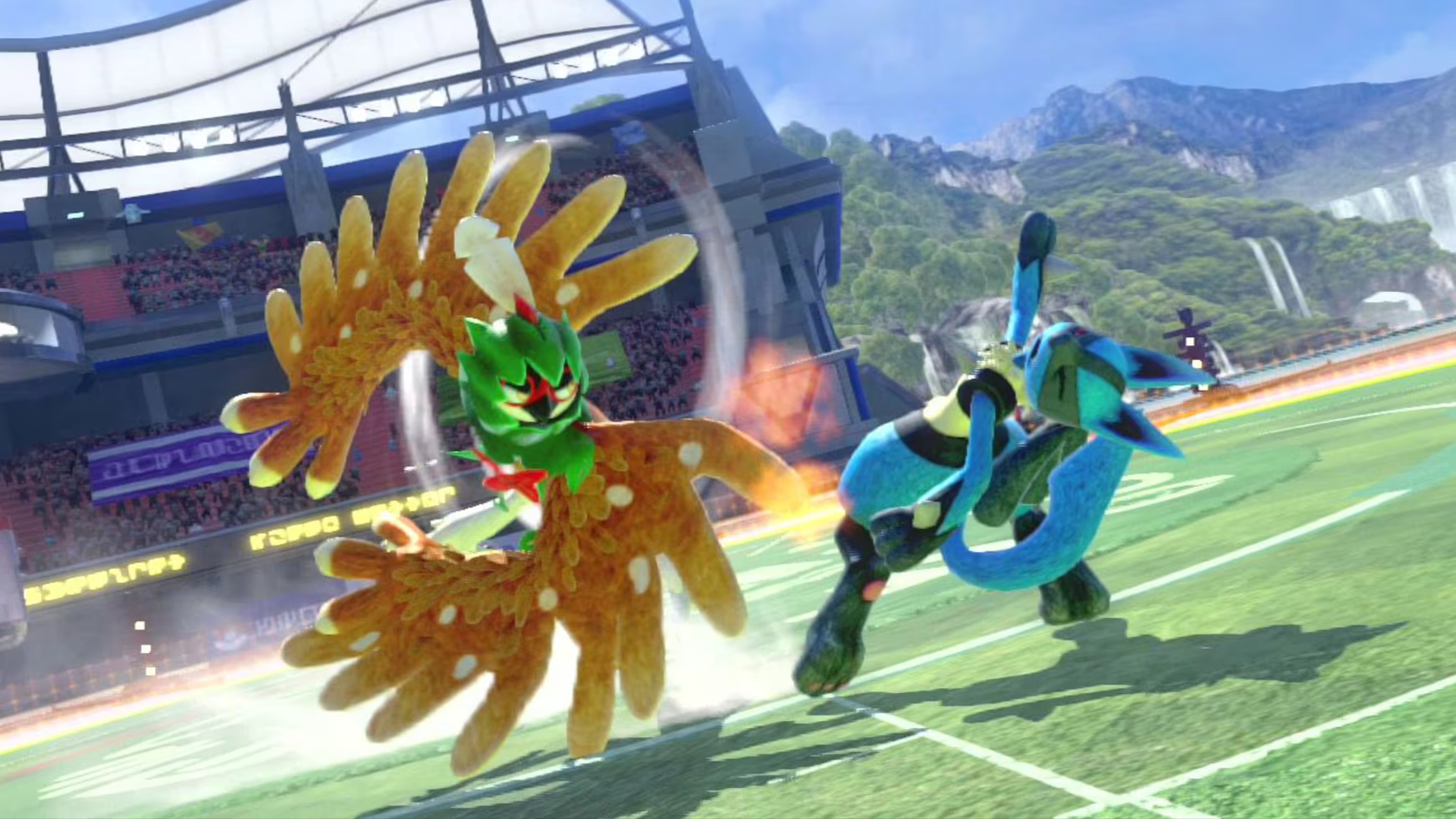
Battles have always been central to the Pokémon experience – the original idea was to collect creatures and then have them fight! For a long time, these battles were shown in a traditional turn-based style with simple animations. Pokkén Tournament was one of the first games to truly capture the excitement of Pokémon fighting with more dynamic and visually impressive action.
Pokkén Tournament was the first official Pokémon fighting game, initially launched on Wii U and later updated for the Switch. While fans had previously made their own Pokémon fighting games using programs like M.U.G.E.N., Pokkén Tournament was the real deal – and it took inspiration from the popular Tekken fighting series.
Pokkén Tournament wasn’t like most fighting games. Instead of typical 2D or 3D battles, it had a unique system where Pokémon moves changed depending on where they were on the screen. A cool feature was that both players could use the Wii U GamePad, giving each a camera angle similar to Pokémon battles in the main series games. It was an unusual game with a quirky system, but it was certainly a memorable experience.
4. Pokémon Mystery Dungeon: Blue/Red Rescue Team
Forget Catching, You Are the Pokémon
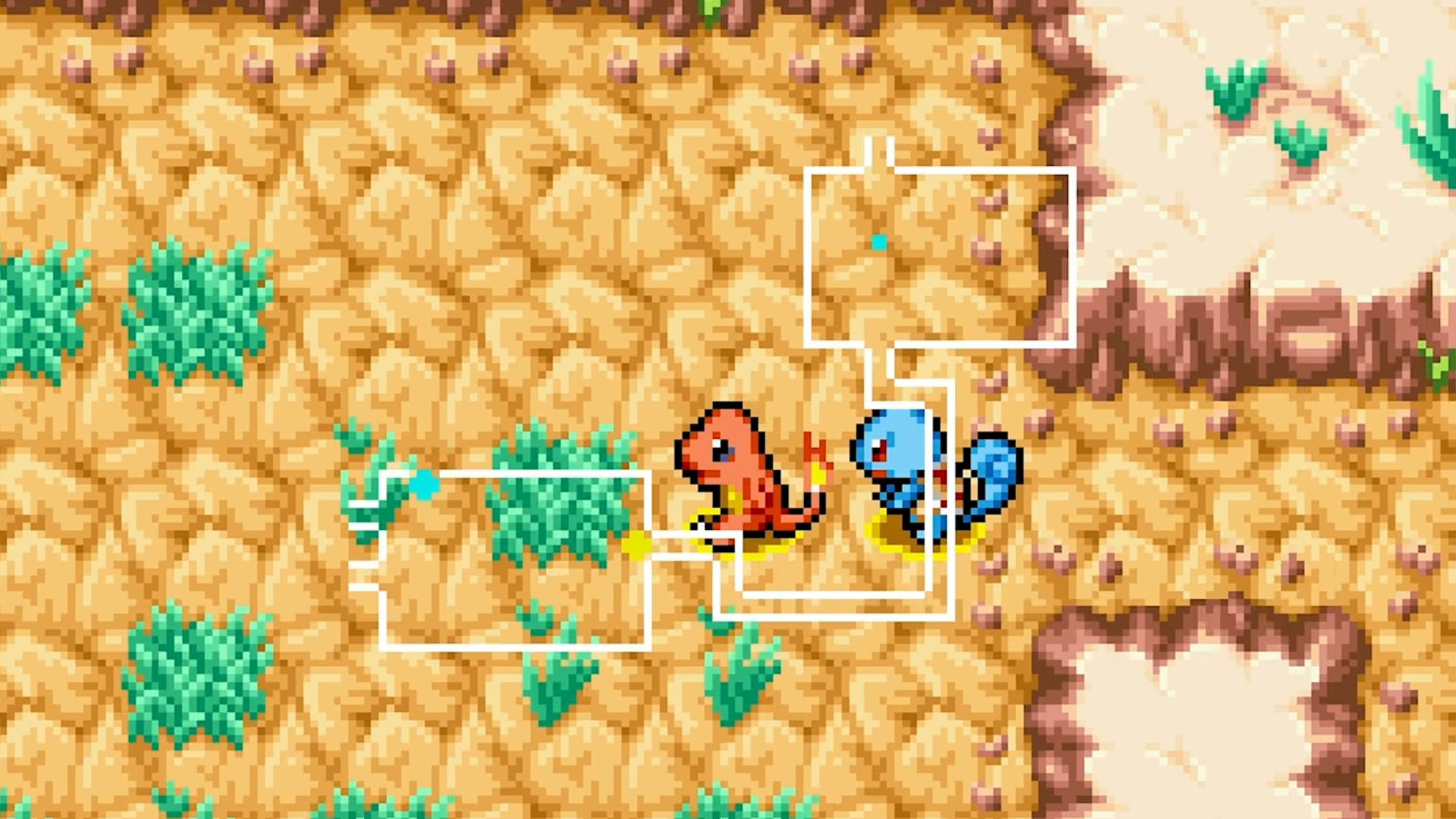
The Mystery Dungeon series, which started in 1993 with a game that combined elements of Dragon Quest, has always enjoyed bringing different worlds together. Given its history of crossovers with popular franchises, it wasn’t surprising to see Pokémon considered for a similar project. However, it was the story itself within Pokémon Mystery Dungeon that really captured people’s attention.
Unlike typical Pokémon games where you’re a trainer, Pokémon Mystery Dungeon puts you as a Pokémon – a human mysteriously transformed and transported to a world inhabited by Pokémon. This game also featured Pokémon speaking more than ever before, using full sentences instead of just repeating their names or making simple sounds.
Unlike Hey You, Pikachu, which focused on simple communication between a trainer and a Pokémon, Mystery Dungeon truly showed us what Pokémon society was like – how they lived and saw the world. While the game was enjoyable, it was the unique story idea that really captured everyone’s imagination.
3. Pokémon Go
Brought Us Out in Droves

Connecting with others has always been a core part of enjoying Pokémon, ever since the very first games. When I traveled, I always packed my Game Boy Color, Pokémon Blue, and a link cable, hoping to find someone to trade or battle with. Before Pokémon Go, the Pokémon community outside of the games was largely informal and unorganized. Pokémon Go changed that, creating a much larger and more connected community in the 2010s.
Pokémon Go was brilliantly designed – it encouraged players to explore their surroundings by walking around with their phones, visiting local spots to find and catch rare Pokémon and battle other players. This got many people active and created a strong sense of community, bringing Pokémon fans of all ages together in large numbers.
Subscribe to the newsletter for more wild gaming detours
Soon after the game came out, a friend and I were walking around town trying to catch Pokémon. We surprisingly ran into two other groups of friends doing the same thing! We were all young adults, but we felt like kids again, laughing and having fun together. We didn’t play for very long, but those first few days felt really special.
2. Pokémon Colosseum
Don’t Act Like You Never Tried to Steal a Pokémon
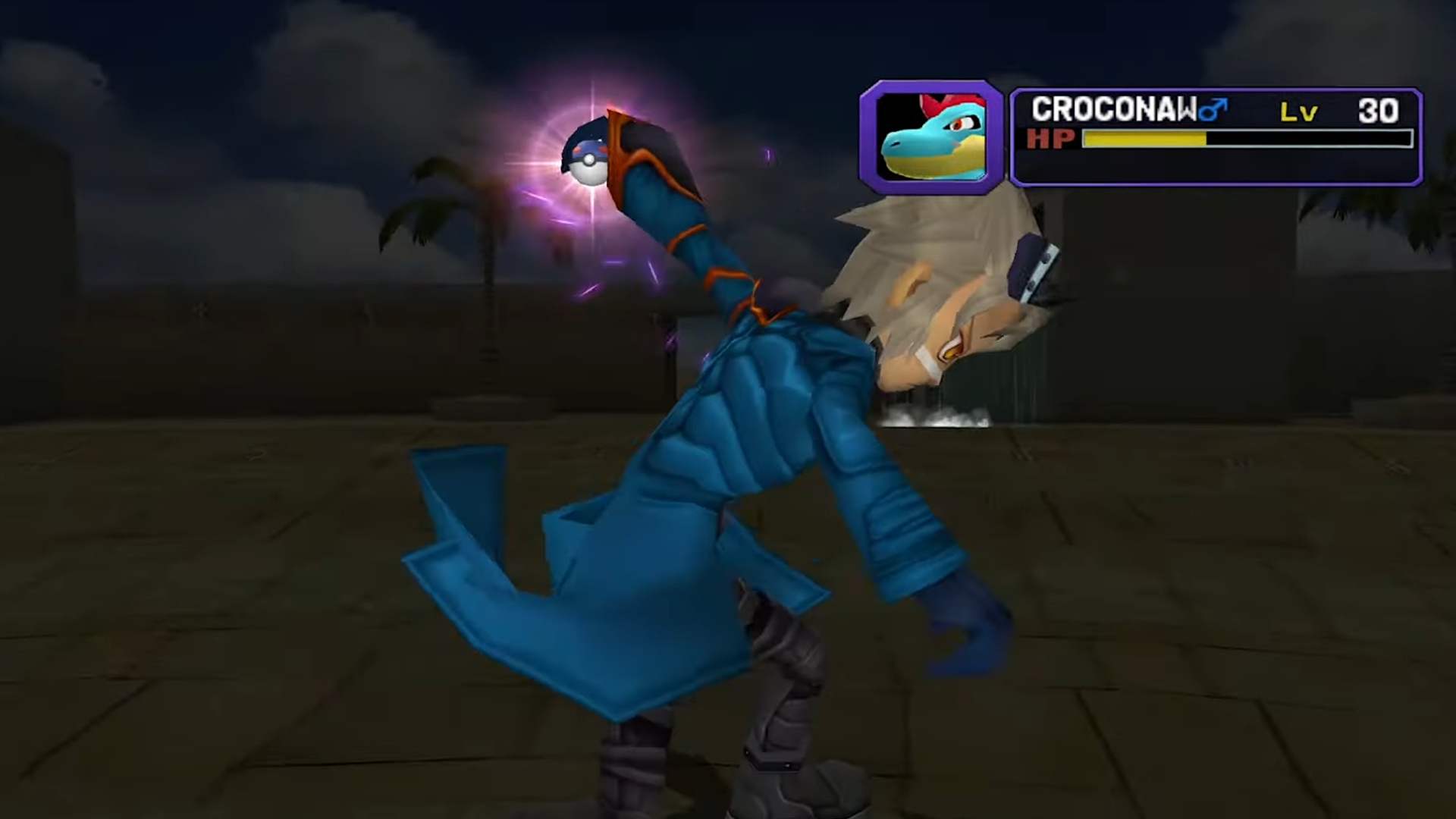
When you start playing most Pokémon games, you quickly learn that you can only use Poké Balls to catch wild Pokémon. Trying to use one on another trainer’s Pokémon always failed and was considered stealing. This rule was consistent for the first three generations of games, but in 2004, Pokémon Colosseum changed things, allowing you to catch Pokémon from other trainers, though not in a direct way.
The first trailers for Pokémon Colosseum really focused on a unique feature that set it apart from other Pokémon games: the ability to steal Pokémon from other trainers. It was a completely new idea! My friends and I were shocked – it felt like a core rule of Pokémon was being broken. We were probably overreacting, since we were kids, but it was still a big deal to us.
You couldn’t simply steal any Pokémon you encountered. Using the Snag Machine excessively would result in a scolding. The game intended for you to steal only the corrupted Shadow Pokémon from dishonest Trainers, with the goal of restoring them. So, despite the marketing suggesting a rebellious character, you weren’t really an anti-hero. Still, this was a different approach for the Pokémon series, and players recognized that.
1. Pokémon Legends: Arceus
That Pokémon Wants You Dead
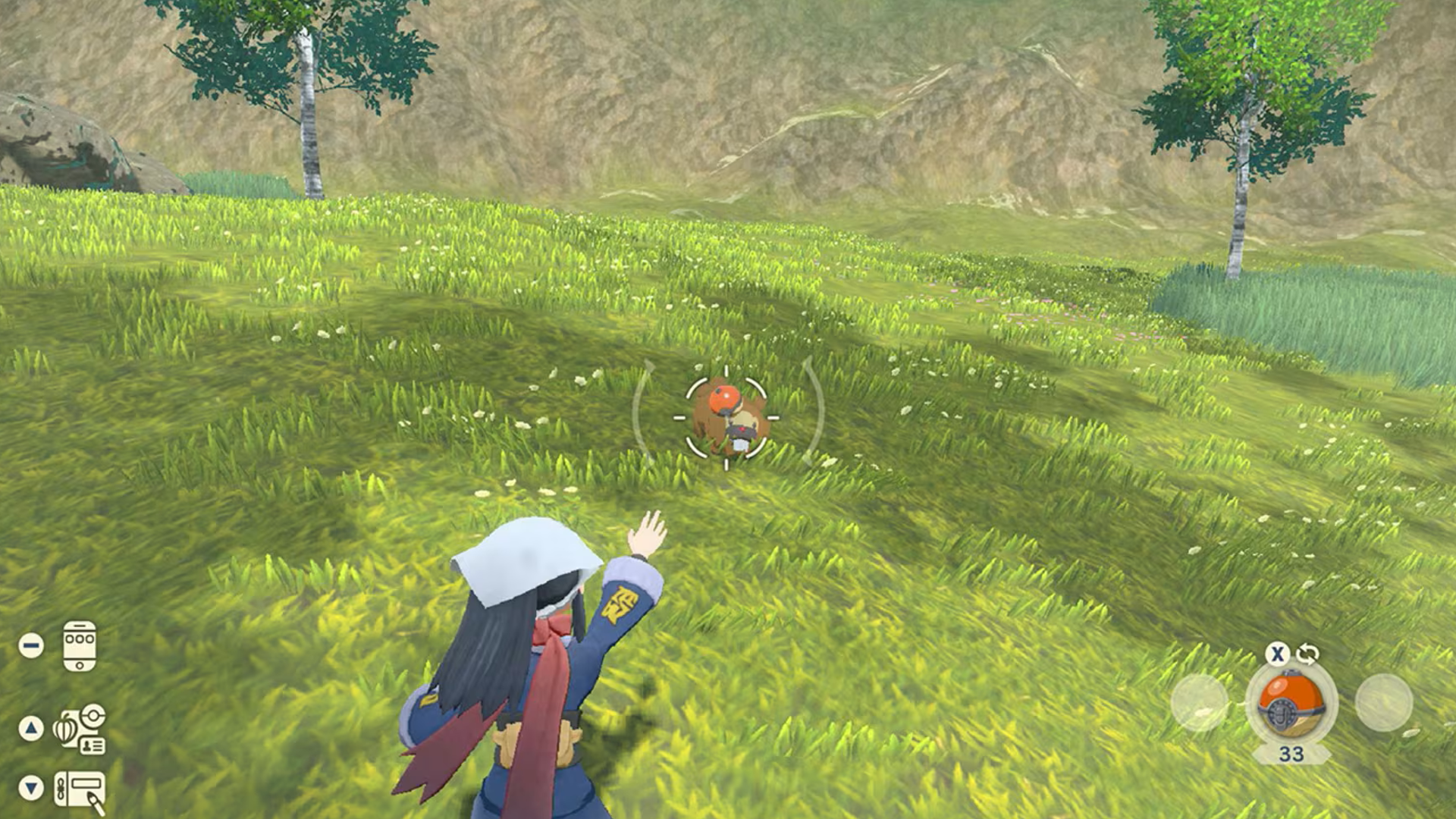
In the Pokémon world, people and Pokémon typically live together peacefully, helping each other and forming strong bonds. Because of this close relationship, it’s easy to imagine things have always been this way. That’s what made Pokémon Legends: Arceus so surprising – it takes place long ago, at a time when humans and Pokémon didn’t get along and were actually in conflict.
The traditional Pokémon games were starting to feel familiar, so Pokémon Legends: Arceus tried something different: what if you were on your own? The game takes place in the Hisui region, a wild and largely undeveloped land where Pokémon are often hostile and will attack on sight, meaning you have to be quick and avoid danger.
The game immediately grabbed attention by showing wild Pokémon as openly aggressive, and the dodging mechanic even reminded some players of the challenging game, Dark Souls. While it eventually evolves into more traditional Pokémon battles, the ability to encounter and provoke Pokémon outside of battles – and then try to catch them – was a completely new idea.
Read More
- Forza Horizon 6: Find the Ohtani Treasure Chest Location
- LEGO Batman Legacy of the Dark Knight Batcave Minikits & WayneTech Caches
- Diablo 4 Best Loot Filter Codes
- NTE Drift Guide (& Best Car Mods for Drifting)
- USD RUB PREDICTION
- USD CNY PREDICTION
- Top 10 Must-Watch Isekai Anime on Crunchyroll Revealed!
- GBP CNY PREDICTION
- Cookie Run Kingdom Timeline of Fate Update Guide
- PS Plus Monthly Games for June 2026 Wish List
2026-04-14 22:12