Over the decades, starting in the 1980s, many iconic anime series have been created, like Naruto, Attack on Titan, and Dragon Ball Z. While some quickly became hits, others faced significant challenges just to finish being made.
Many highly praised anime series are considered masterpieces of storytelling and animation. However, creating them wasn’t easy. The production process was fraught with difficulties, including issues with the mental health of staff, financial problems, and the challenge of finding enough animators. Despite these struggles, these iconic shows managed to finish their run.
One Punch Man
Hiring Chaos
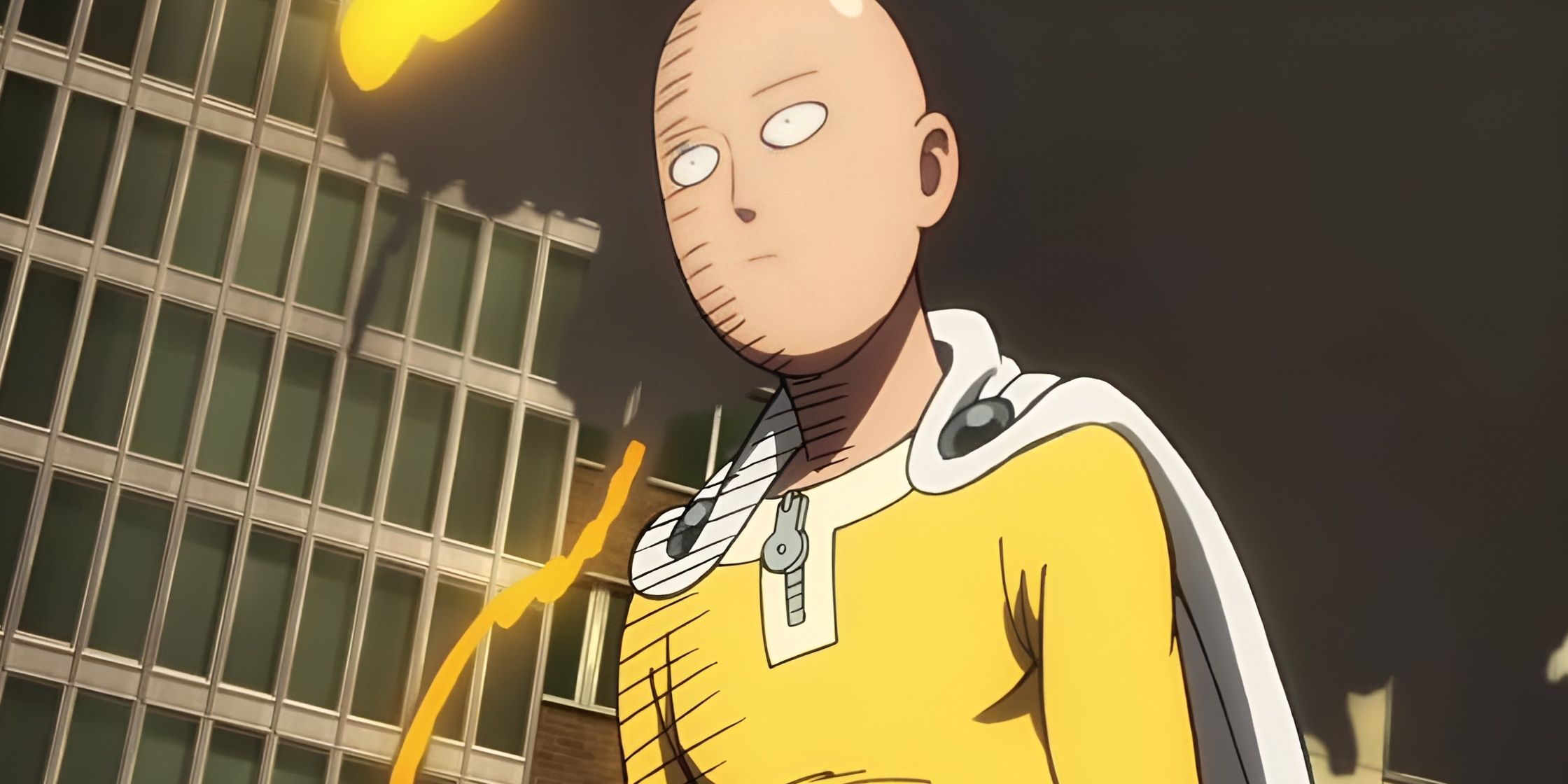
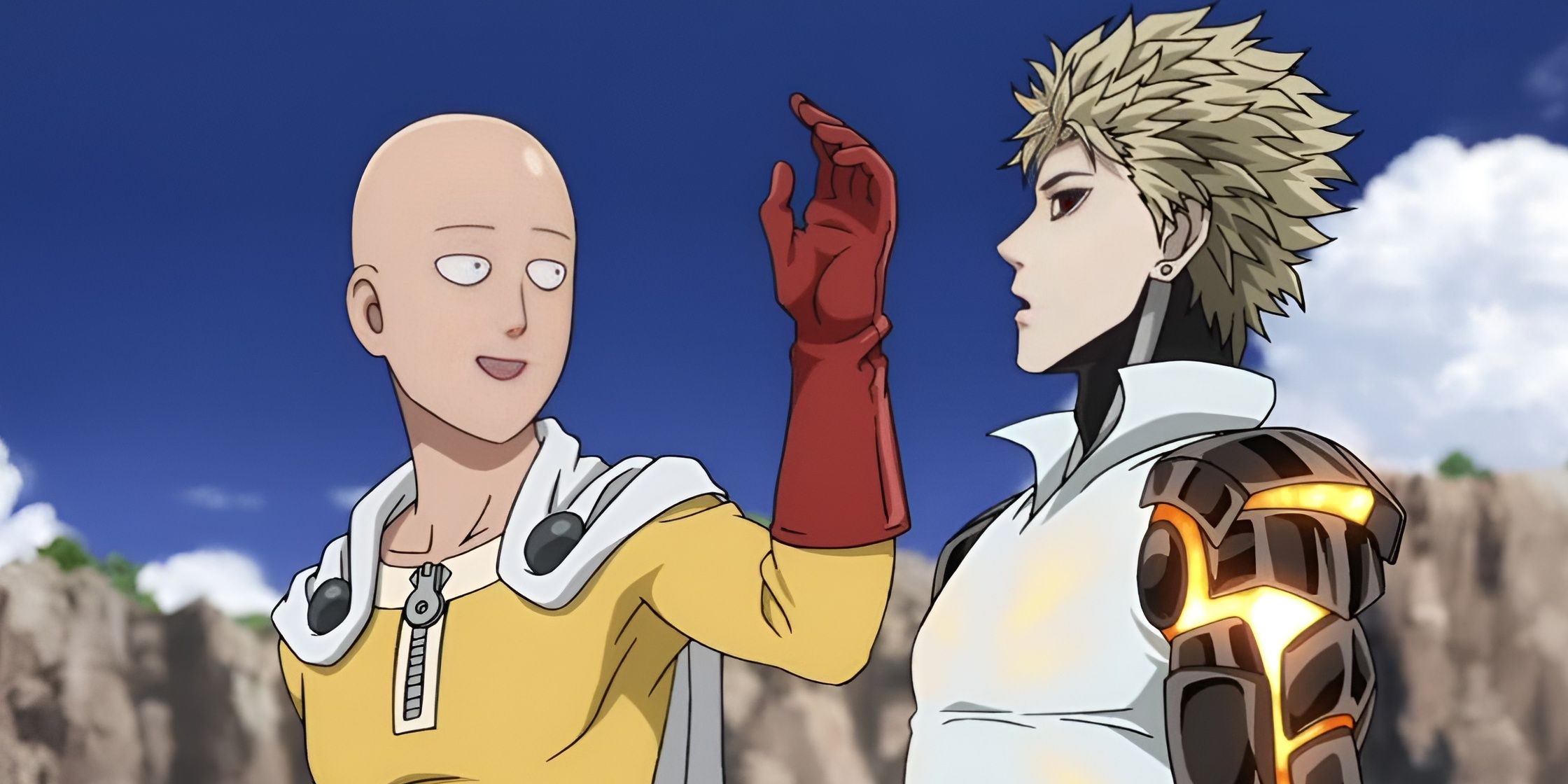
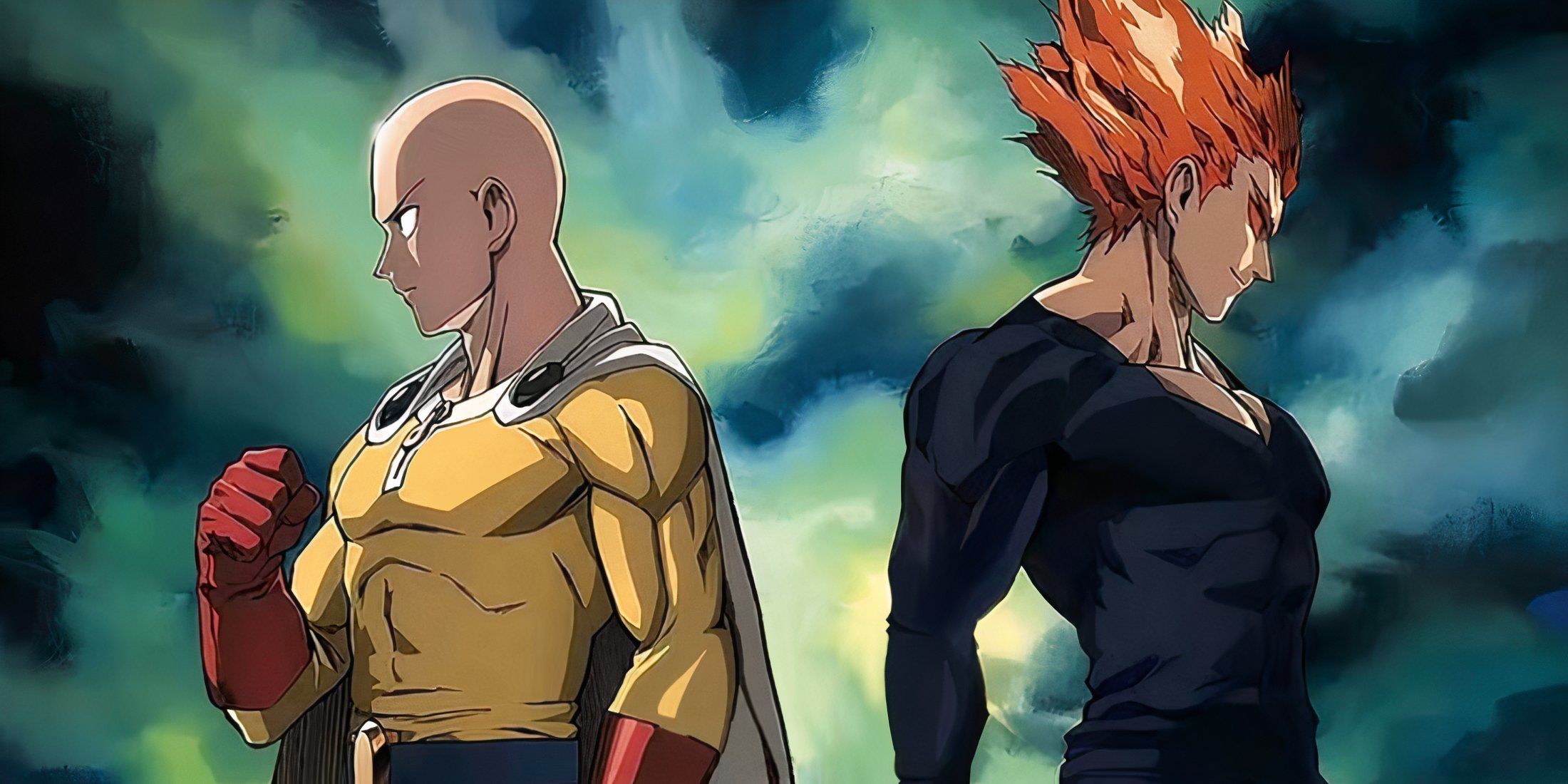
Many fans consider the first season of One Punch Man a truly exceptional anime adaptation, but its production was surprisingly challenging. While the studio Madhouse was in charge, they didn’t have a dedicated animation team. Instead, they relied on hiring individual freelance animators for each episode. This meant the animation style varied from episode to episode, and the team often faced difficulties finishing episodes on schedule.
I was really relieved to see the series pull through this time, and a lot of that is thanks to director Shingo Natsume. He did a fantastic job of blending all the different animation approaches and keeping the feel of One Punch Man consistent – the humor and action felt just right. Eventually, the animation moved over to J.C. Staff, and things became much more stable with their own team handling everything.
Nana
Writer Illness
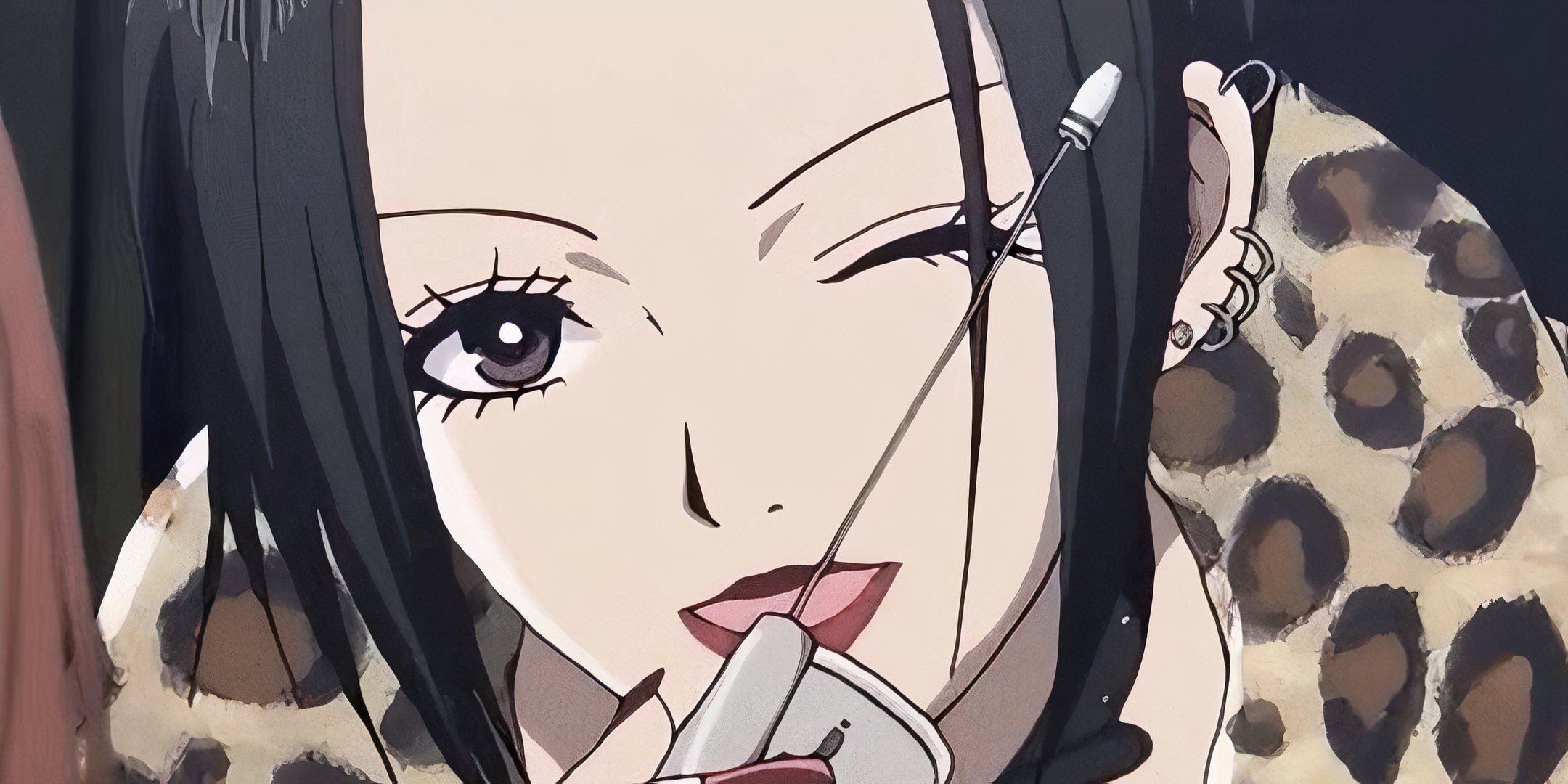
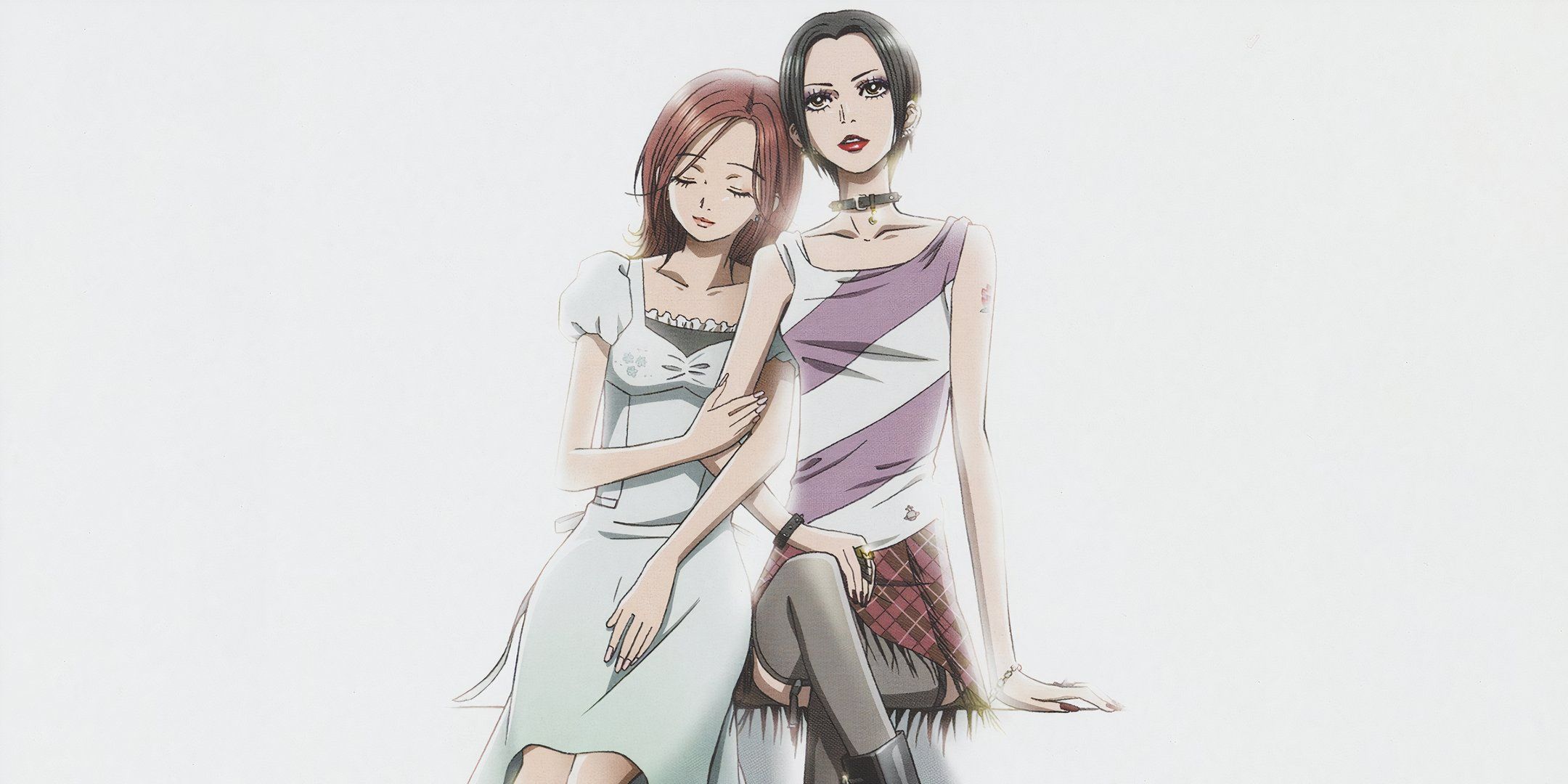
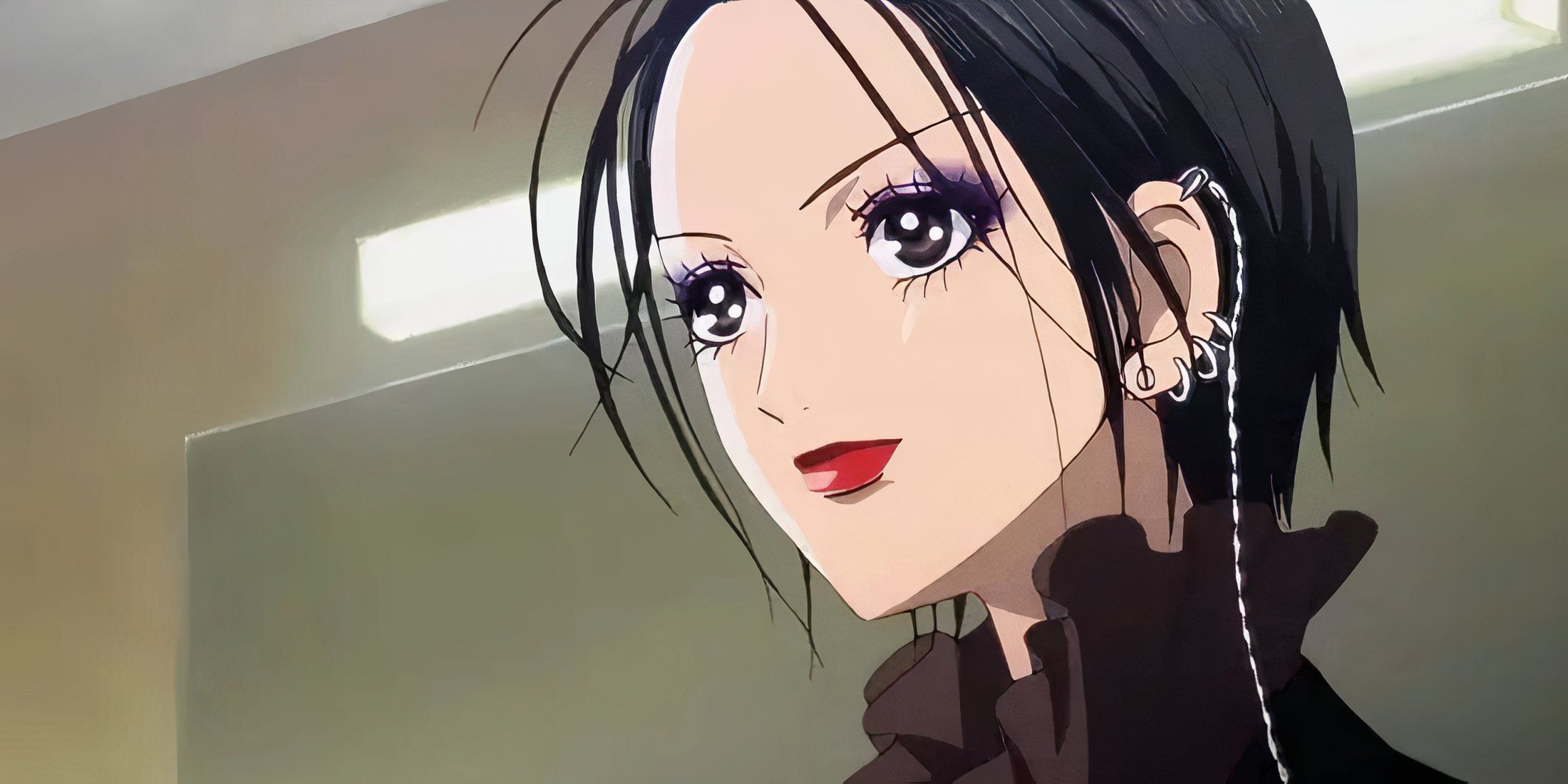
Nana is a well-loved anime series adapted from the manga by Ai Yazawa. It tells the story of two young women, both named Nana, who share an apartment in Tokyo. Produced by Madhouse, the anime aired from 2006 to 2007 and covered a significant part of the manga, but unfortunately, it ended unexpectedly without a conclusion.
I was absolutely hooked on this series, but sadly, the author, Ai Yazawa, got really sick and couldn’t finish it. It ended on such a crazy cliffhanger, and so many of us fans have been desperately hoping she’d pick it up again someday. Unfortunately, it’s still unfinished, though I’ve heard little whispers here and there about a possible return in the future, which keeps my hopes alive!
Demon Slayer
Impossible Standards
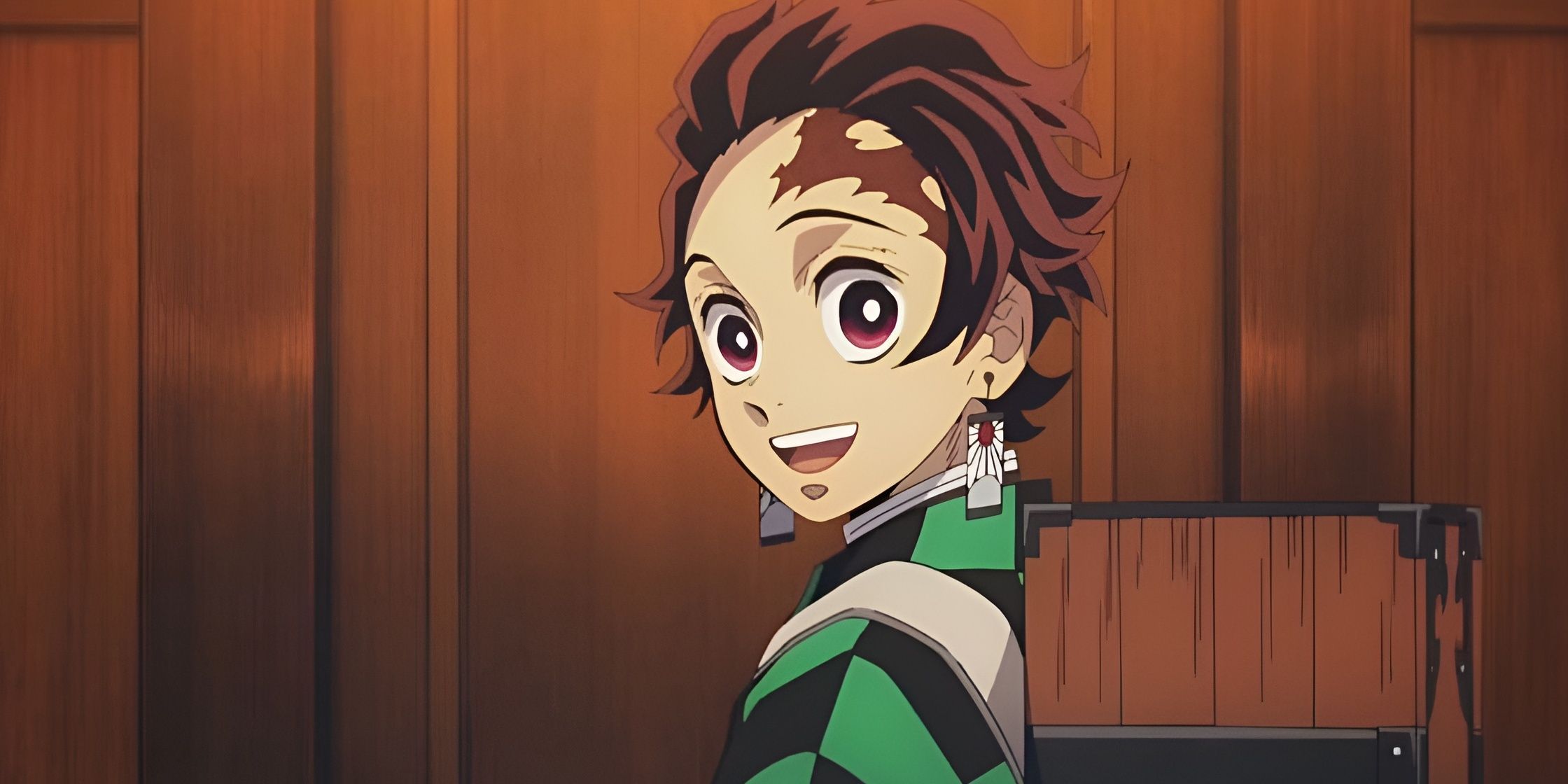
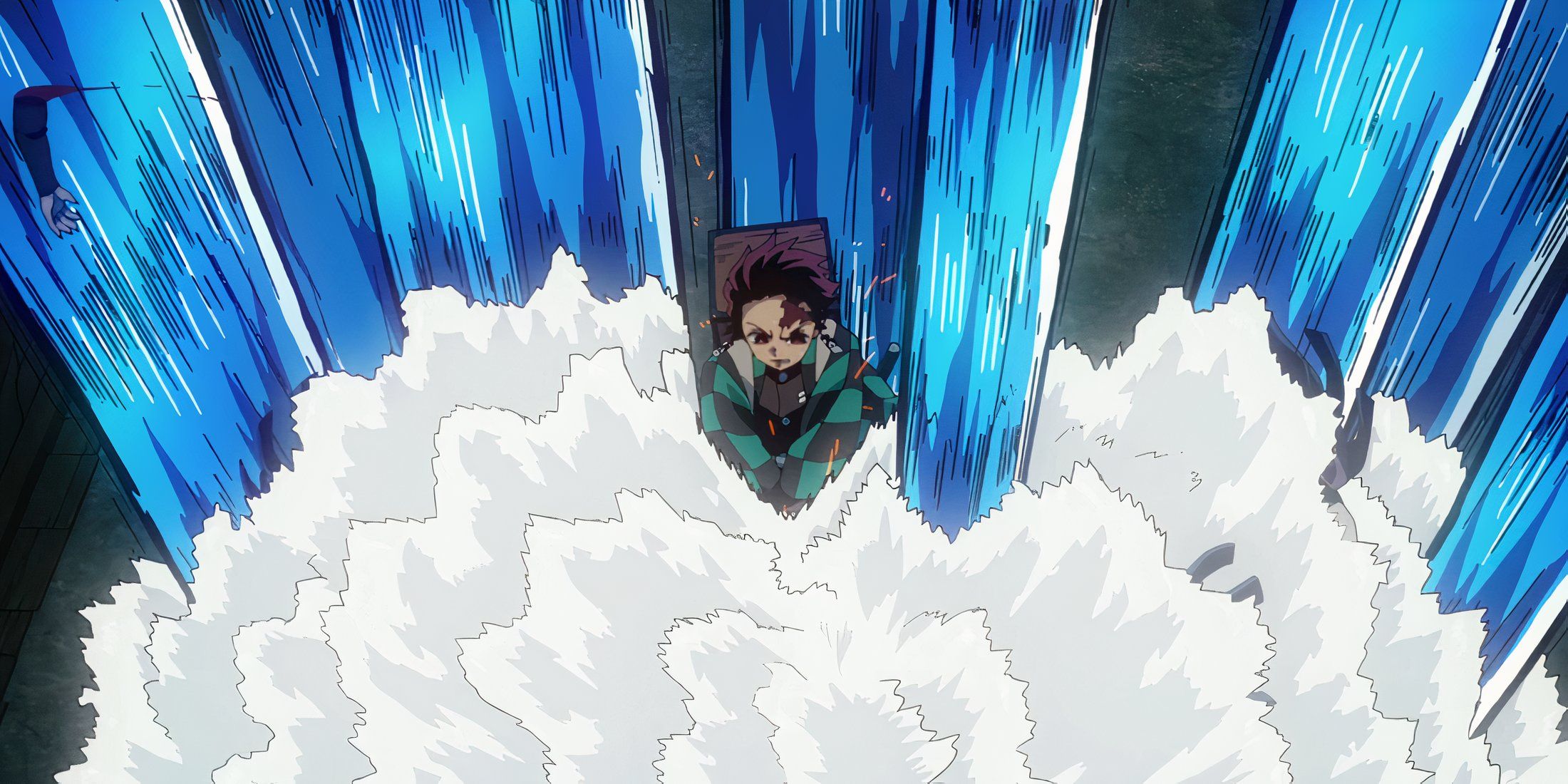
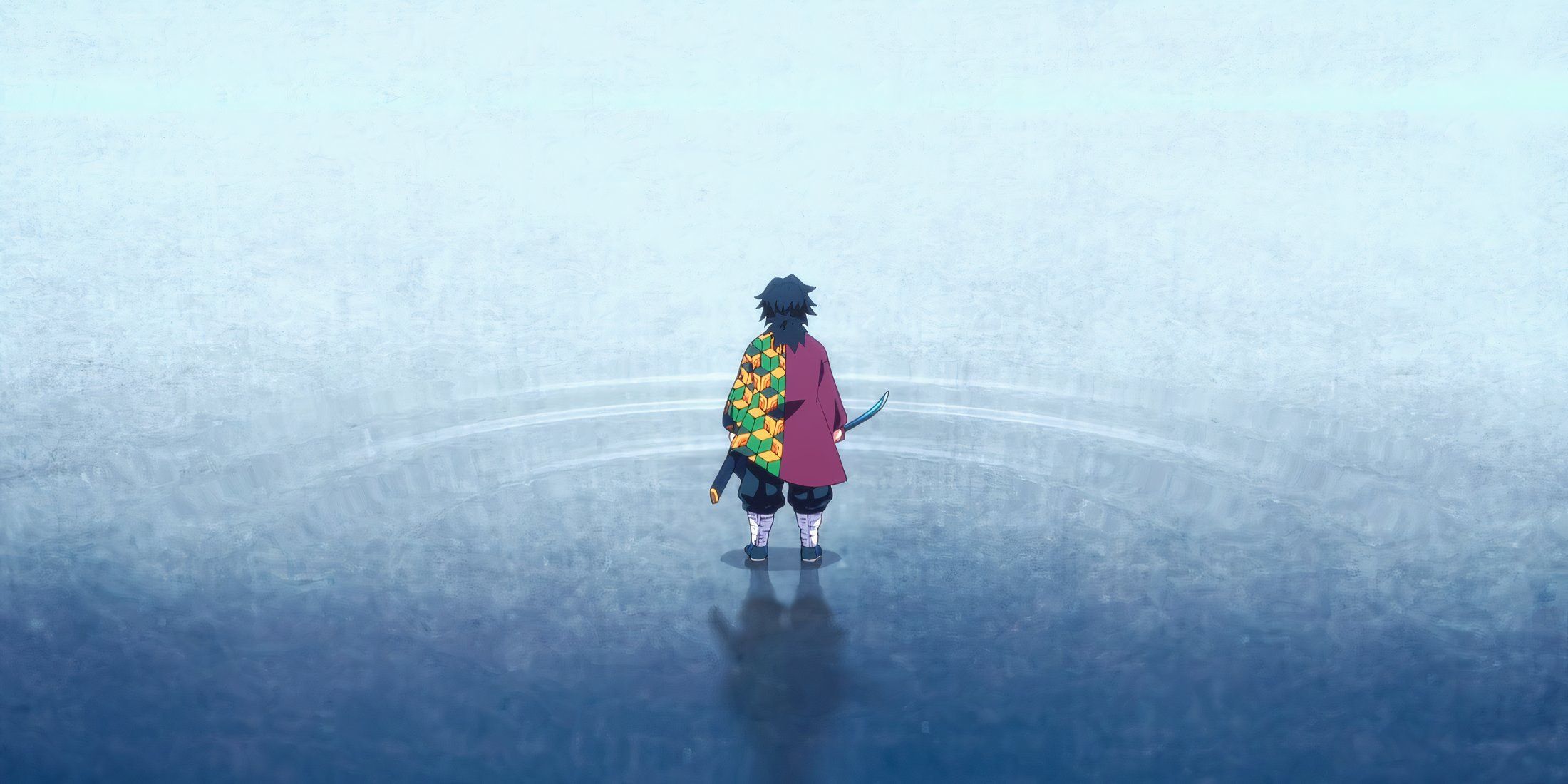
Demon Slayer is famous for its stunning animation, especially its flawlessly choreographed battles and impressive visual style. Because a new episode aired weekly, the animation team faced a huge challenge: consistently delivering high-quality, movie-like visuals. This created a very demanding workload.
The animators faced a demanding workload and were constantly expected to deliver exceptional quality. Fortunately, the studio, ufotable, was well-organized and preferred to handle production internally. They also limited the number of projects they took on, allowing them to focus most of their efforts on Demon Slayer.
 Guess the anime from the emojis.
animeji
Guess the anime from the emojis.
Title
Clues
Results
Title
— Clues
—
Cowboy Bebop
Censorship Issues
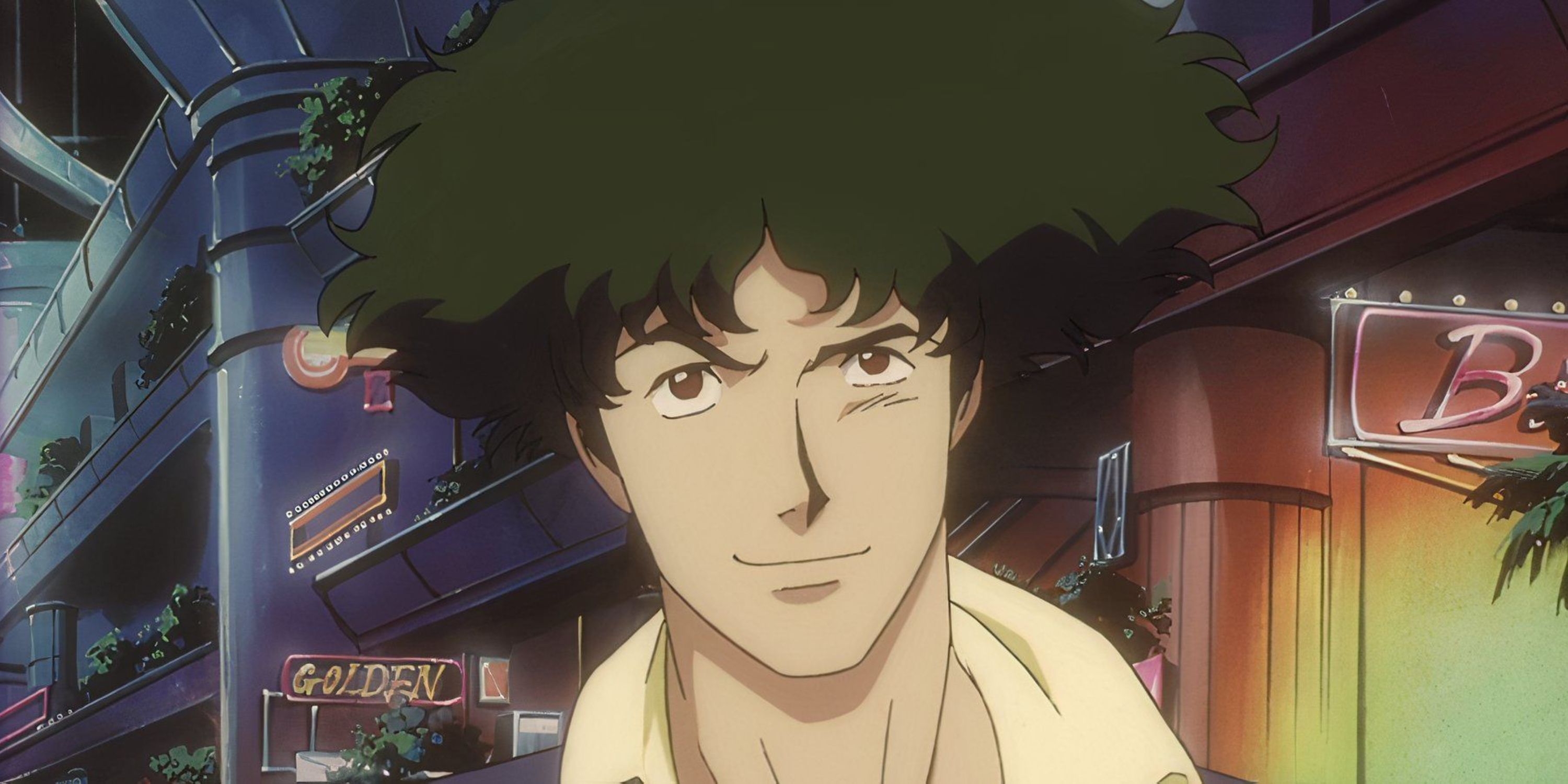
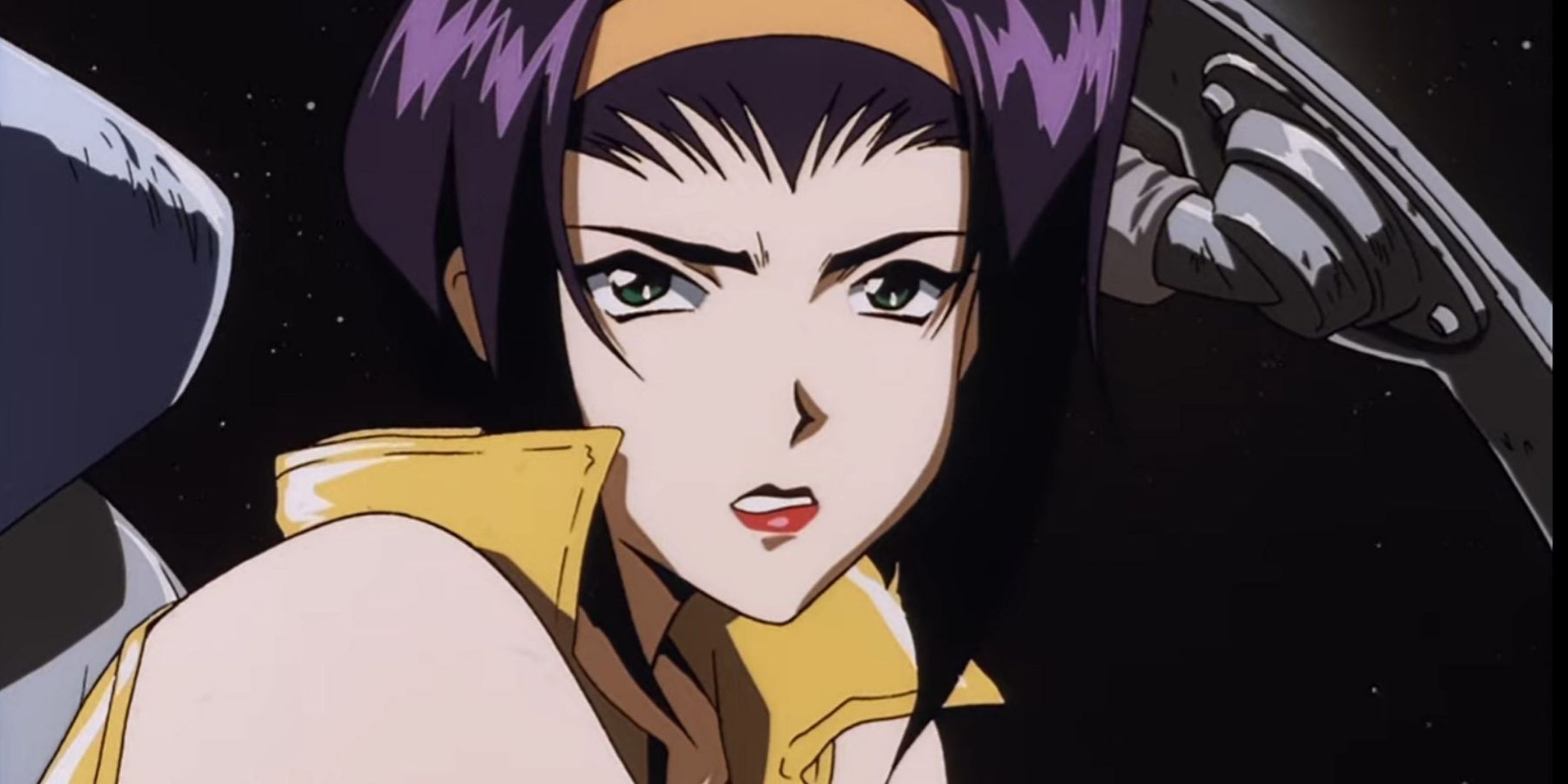
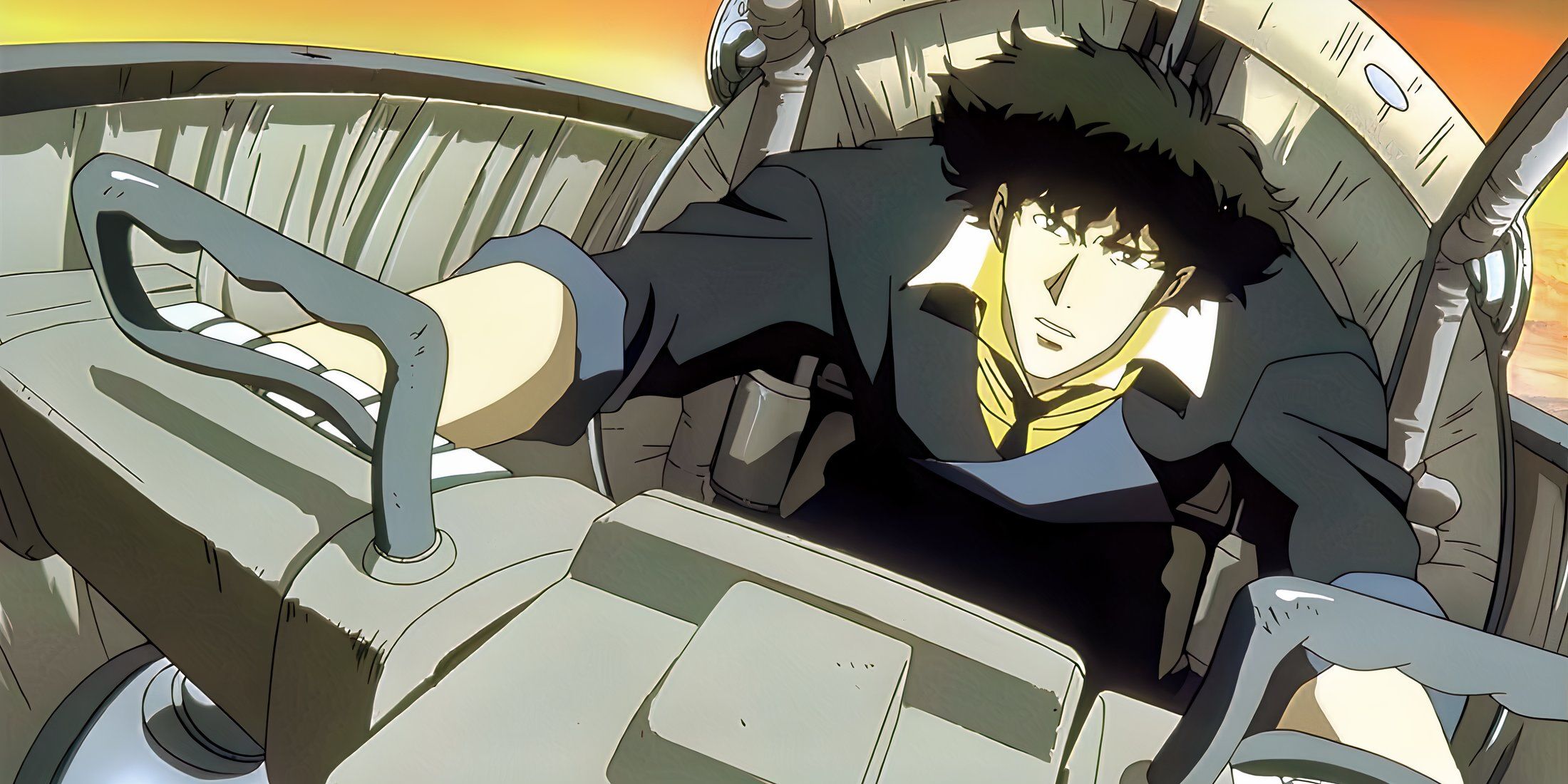
Watching Cowboy Bebop is a really unique experience. It blends genres you don’t often see together – sci-fi, film noir, and jazz – and the characters are incredibly well-developed. What surprised me, though, was learning that despite how amazing it is, the show almost got cancelled several times because it wasn’t initially very popular. Plus, a lot of scenes had to be altered due to some mature themes and content.
Despite facing budget problems and pressure from sponsors that almost led to its cancellation, Cowboy Bebop persevered and ultimately became a beloved classic. It gained a large international following and remains a truly one-of-a-kind anime.
Attack on Titan
Exhausting Production
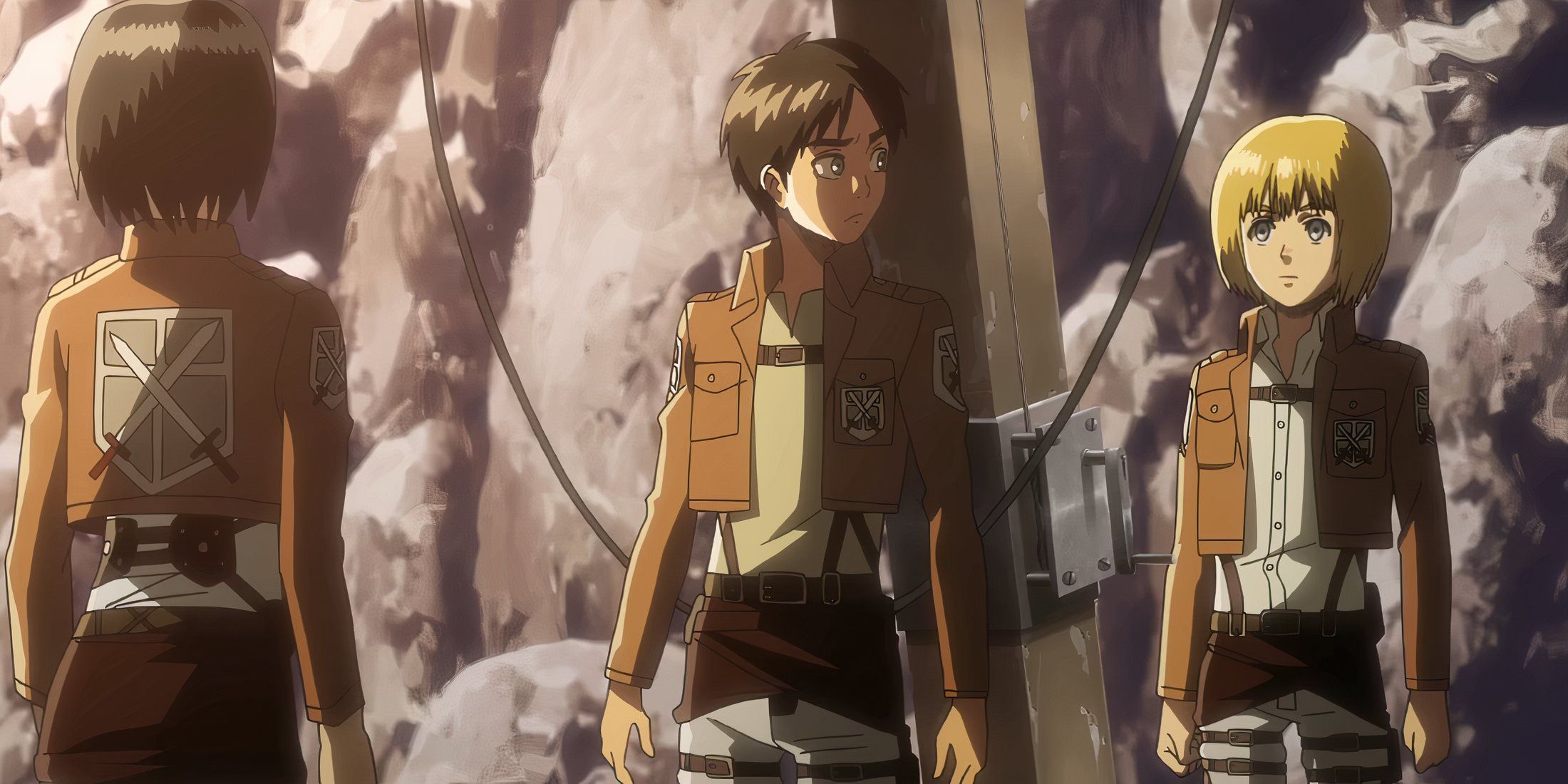
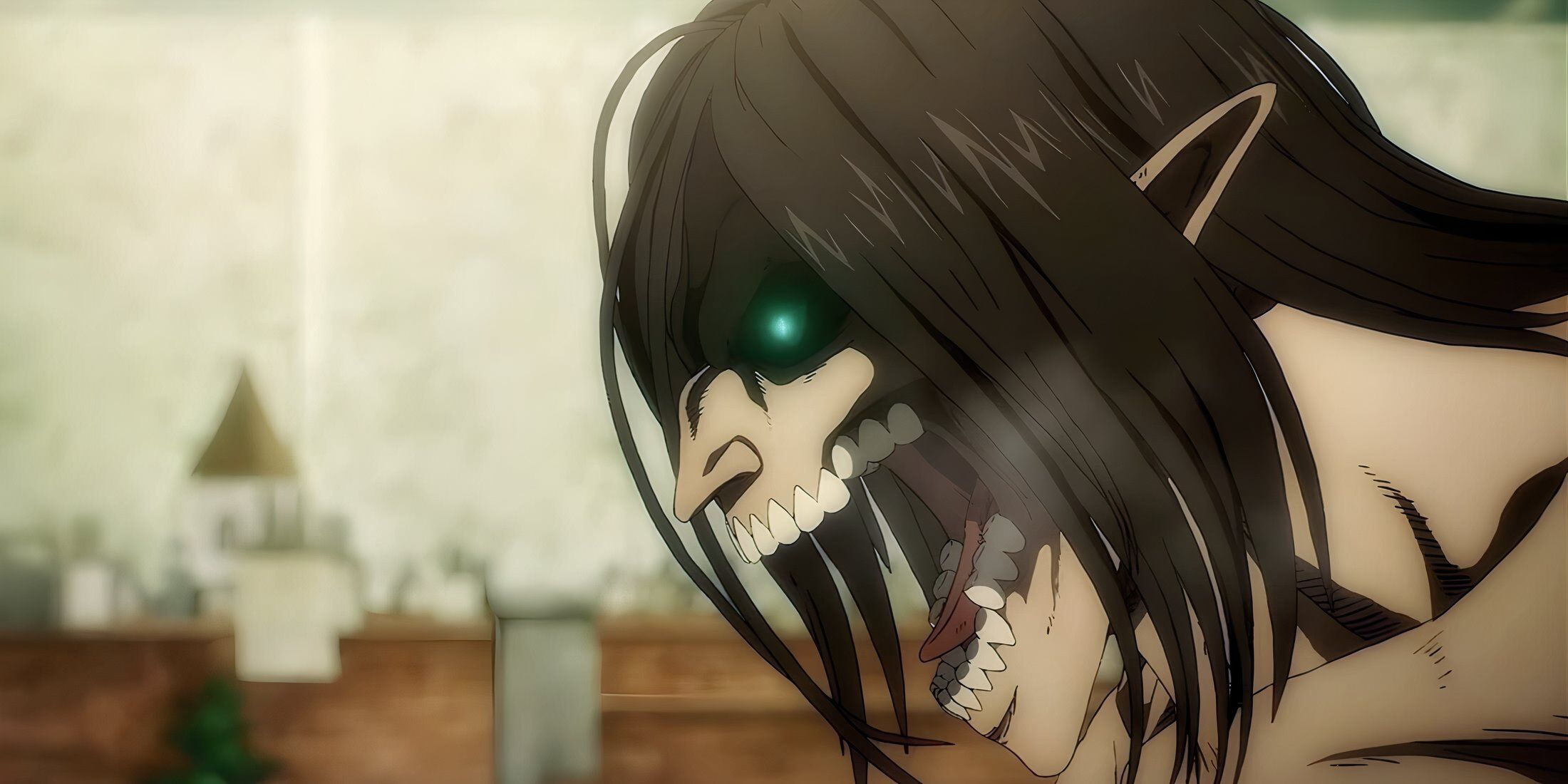
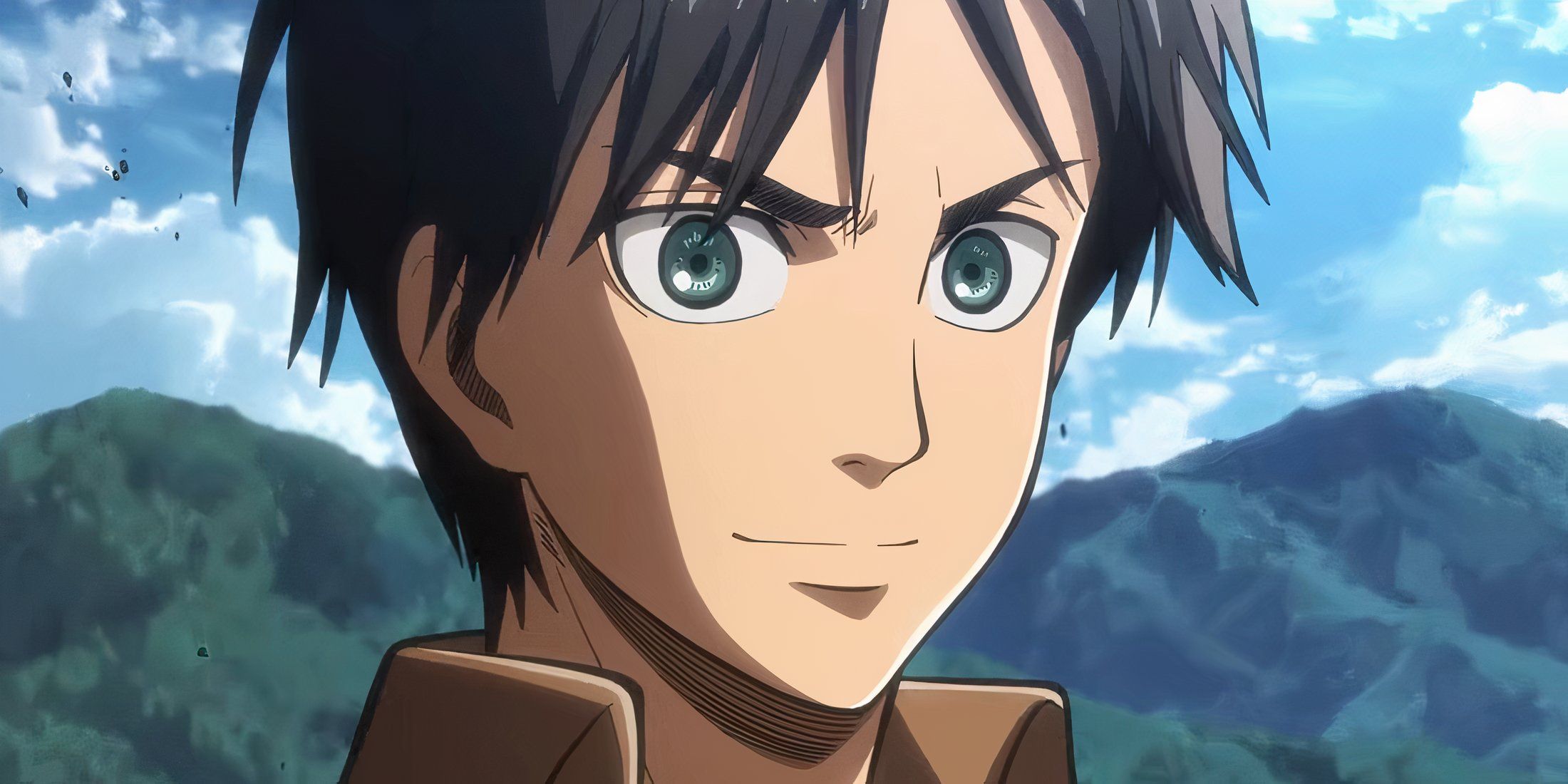
Attack on Titan has consistently featured impressive animation, blending 3D movement with traditional 2D techniques. The show was created with a cinematic style, and many scenes were painstakingly animated by hand, frame by frame. This detailed work often meant the team at Wit Studio faced challenges in meeting their deadlines due to the sheer amount of labor involved.
For the final season, the animation production moved to studio MAPPA, and they used a significant amount of computer-generated imagery. The team at MAPPA faced tight deadlines and worked long hours, often finishing episodes just before they aired. Even with these challenges, Attack on Titan remains a visually stunning and detailed anime, known for its distinctive artistic style.
Neon Genesis Evangelion
Mental Health Struggles
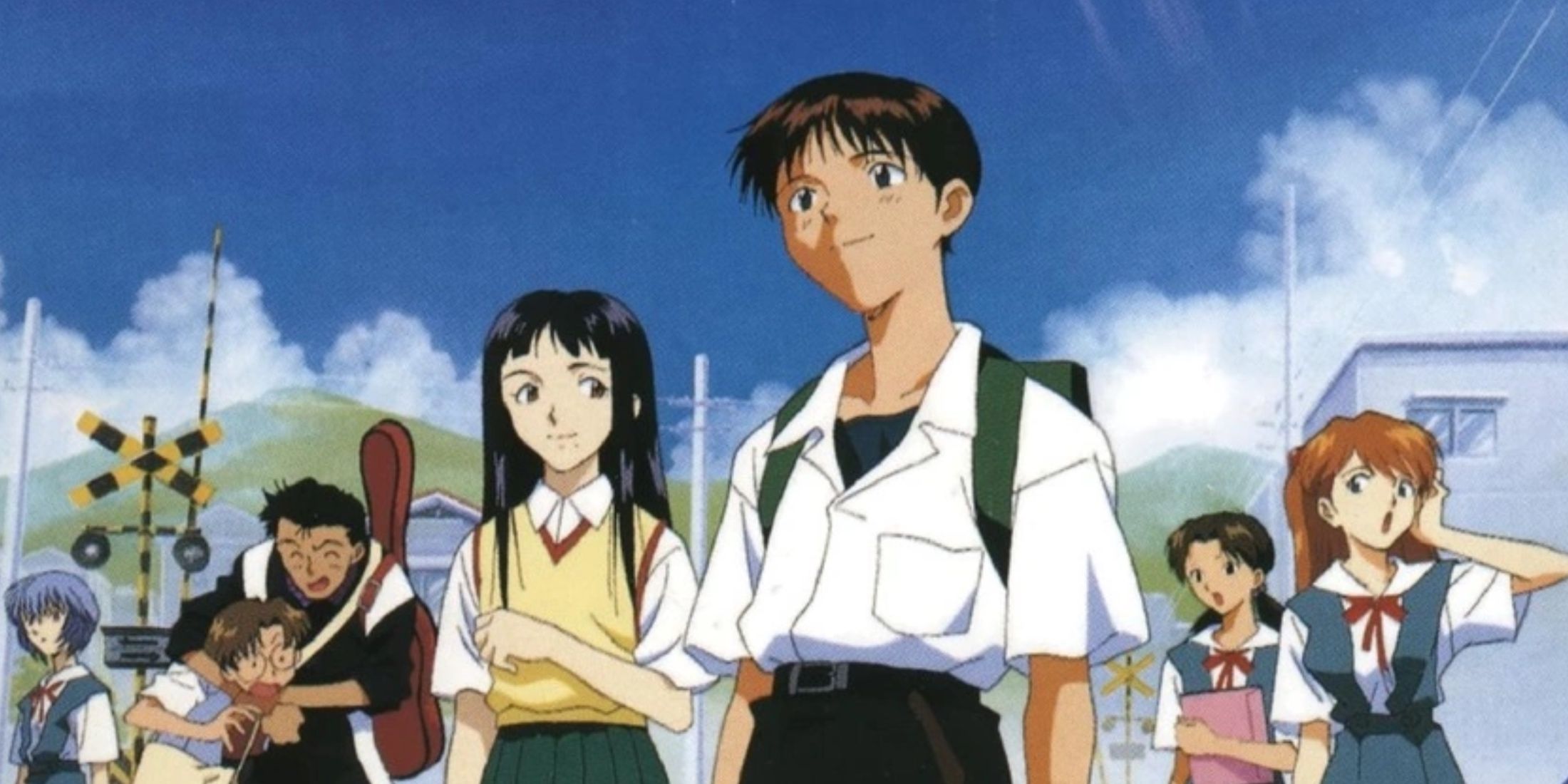
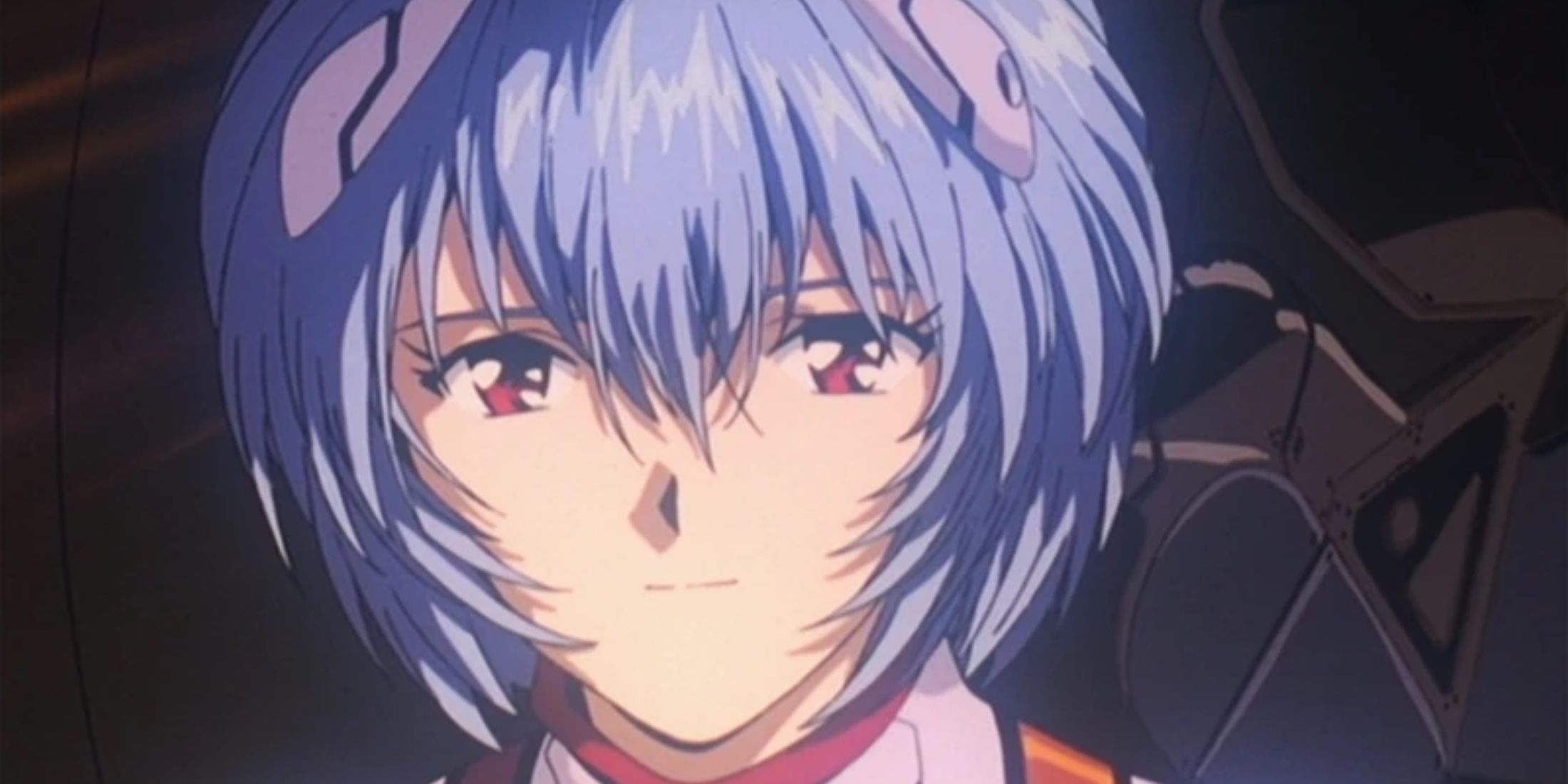
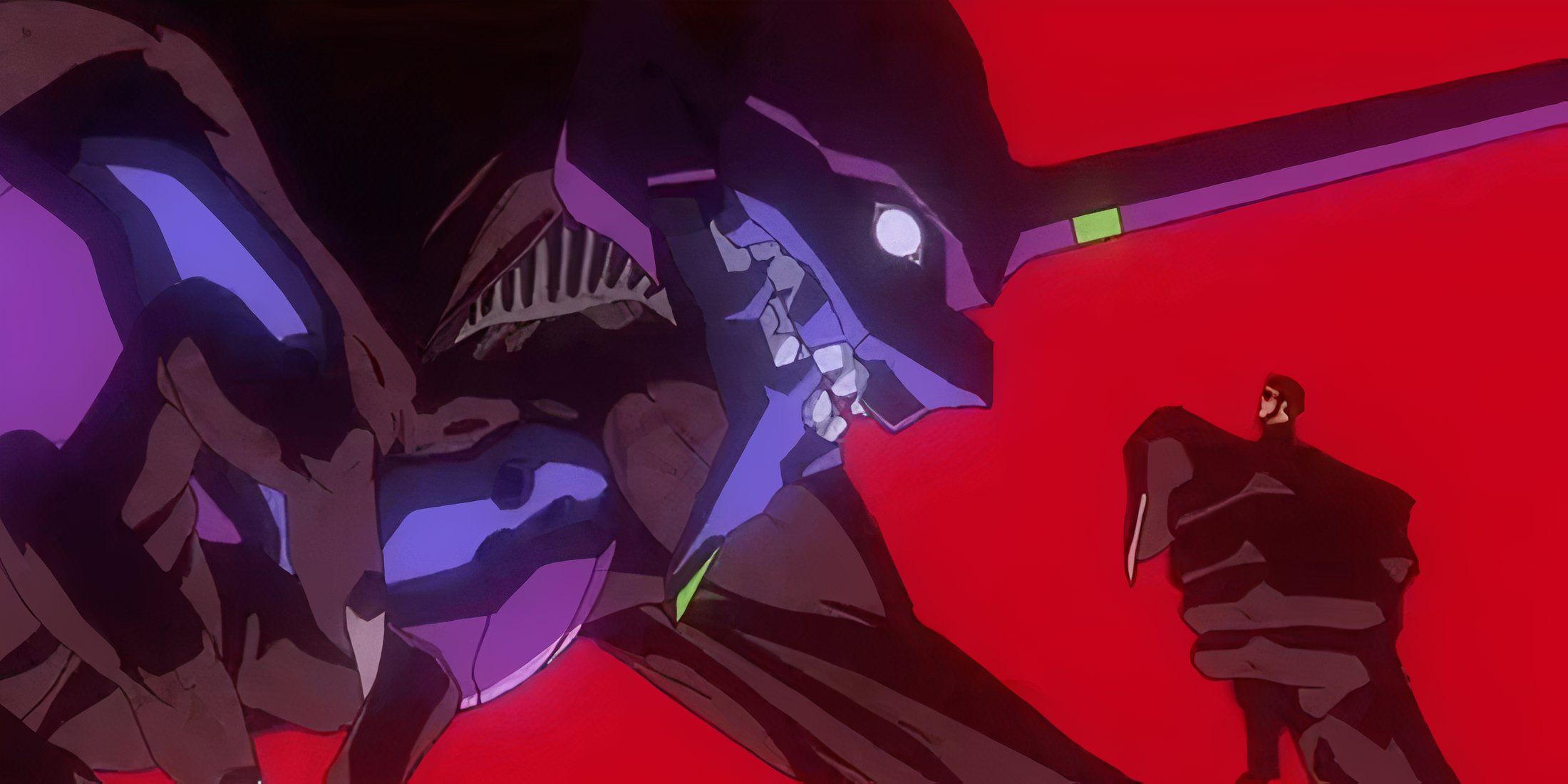
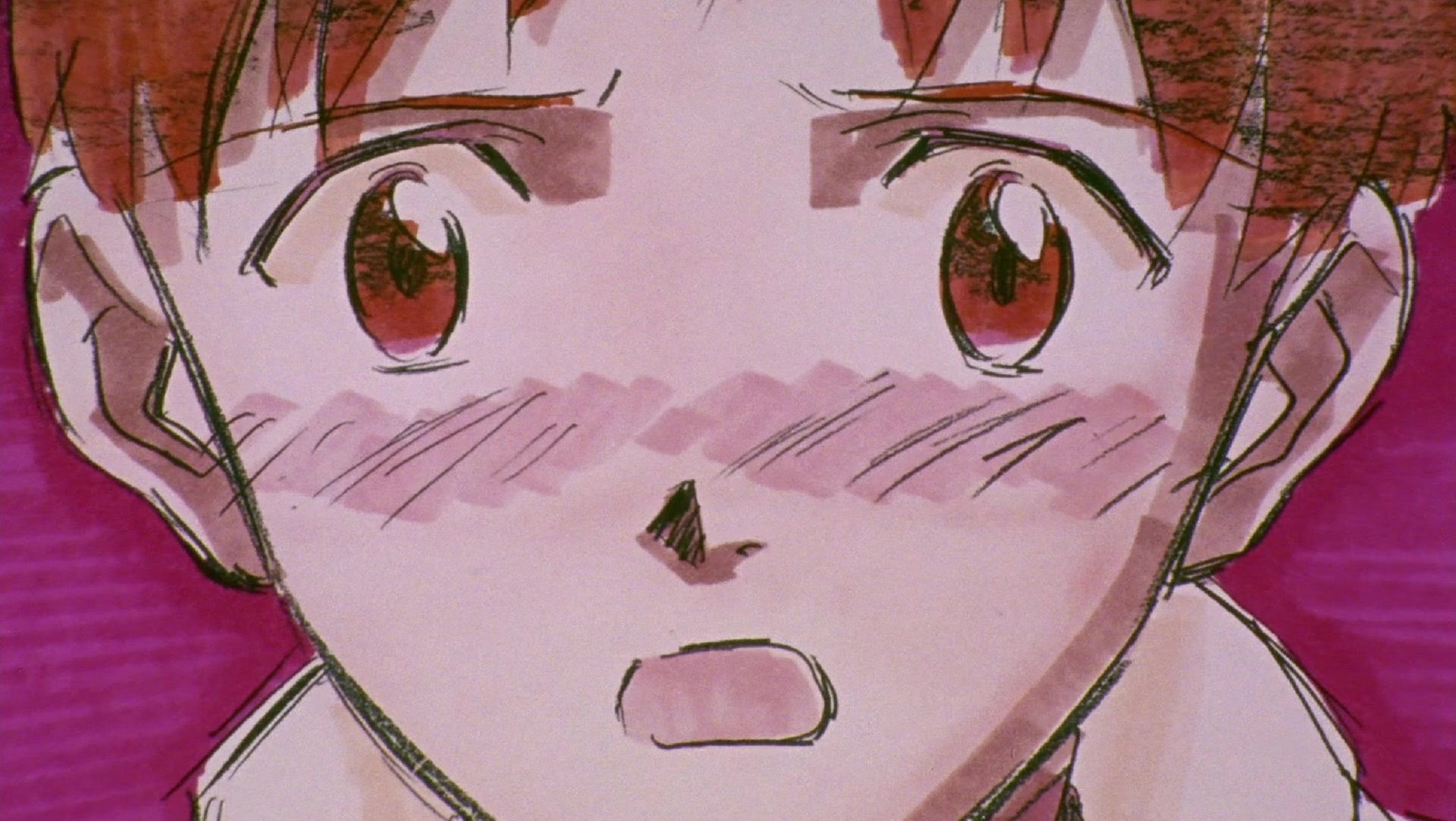
The making of Neon Genesis Evangelion was famously difficult. Director Hideaki Anno battled severe depression during production, which significantly impacted the show’s direction. Initially intended as a typical mecha anime, it evolved into a series focused on complex psychological themes. The story was often in flux, leading to frequent script revisions as the production team struggled to determine where it was headed.
Near the end of its production, Neon Genesis Evangelion faced significant budget cuts. This led to a noticeable drop in animation quality, with the team often reusing footage. Like many other shows, episodes were frequently finished just hours before they aired. Despite these challenges, Neon Genesis Evangelion stood out for its deep exploration of characters’ feelings and its willingness to experiment with storytelling, going beyond typical action anime.

Read More
- Forza Horizon 6: Find the Ohtani Treasure Chest Location
- LEGO Batman Legacy of the Dark Knight Batcave Minikits & WayneTech Caches
- Diablo 4 Best Loot Filter Codes
- NTE Drift Guide (& Best Car Mods for Drifting)
- USD RUB PREDICTION
- USD CNY PREDICTION
- Cookie Run Kingdom Timeline of Fate Update Guide
- PS Plus Monthly Games for June 2026 Wish List
- Top 10 Must-Watch Isekai Anime on Crunchyroll Revealed!
- GBP CNY PREDICTION
2026-04-14 20:40