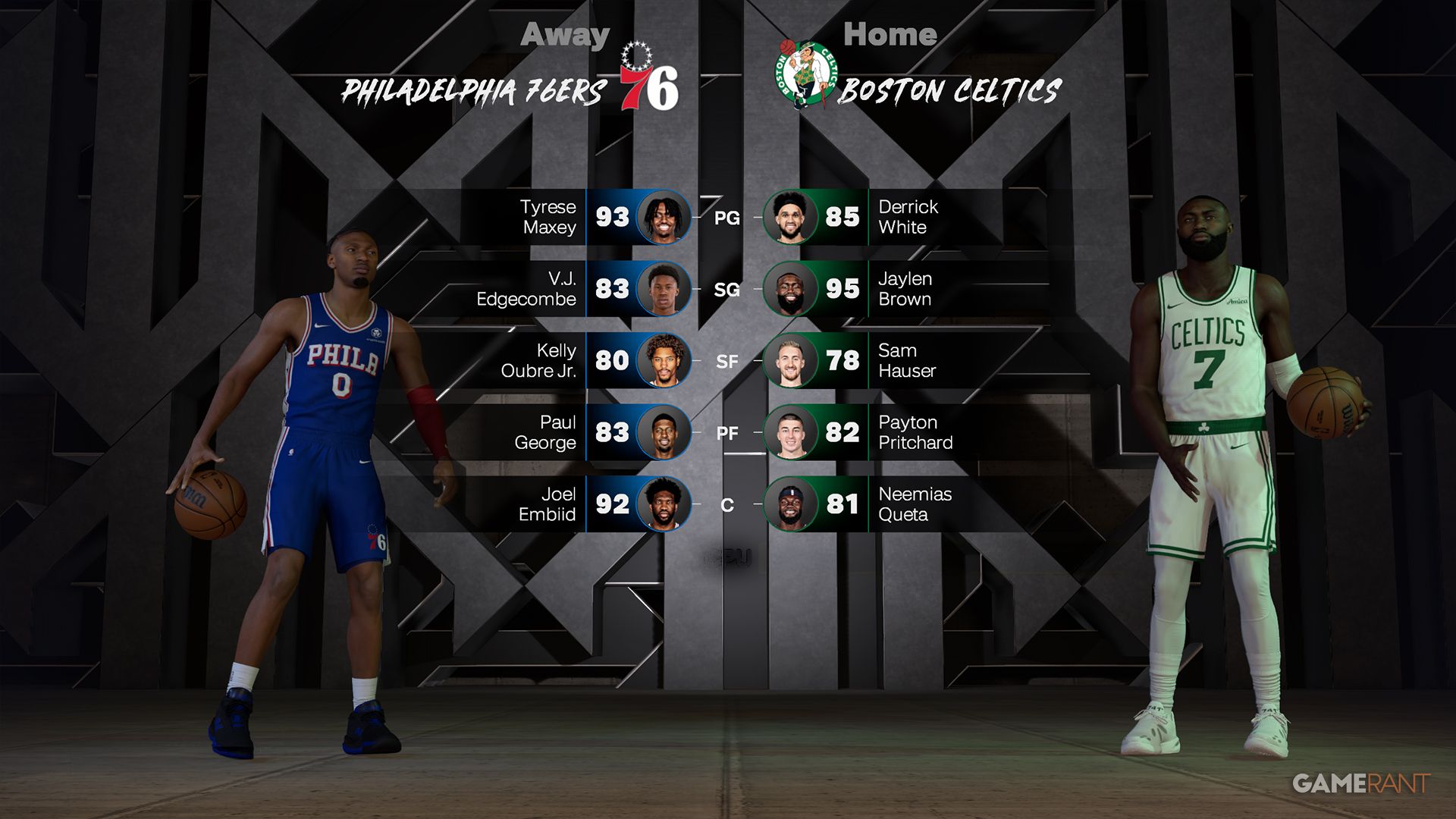
Joe Mazzulla of the Boston Celtics was named NBA Coach of the Year after a remarkable season. He guided the team to second place in the Eastern Conference despite key players like Jayson Tatum being injured for much of the year, and losing Kristaps Porziņģis and Al Horford. While the Celtics were surprisingly eliminated from the playoffs by the 76ers after leading 3-1 in the series, their overall performance was still noteworthy, and they’re expected to be even better next season.
Joe Mazzulla’s season brings attention to a common flaw in sports video games like NBA 2K: they don’t accurately represent coaches. Most sports games treat coaches as unimportant, limiting their role to things like choosing starting lineups or adding a small boost to players’ stats. This doesn’t reflect how much coaches actually contribute to the strategy and success of teams in basketball, soccer, football, and other sports.
Who’s That Character?  Identify the silhouettes before time runs out.
Results
High Score: 0 —
1. The Coaching Staff of the Year System
Let Us Actually Hire Assistant Coaches Again
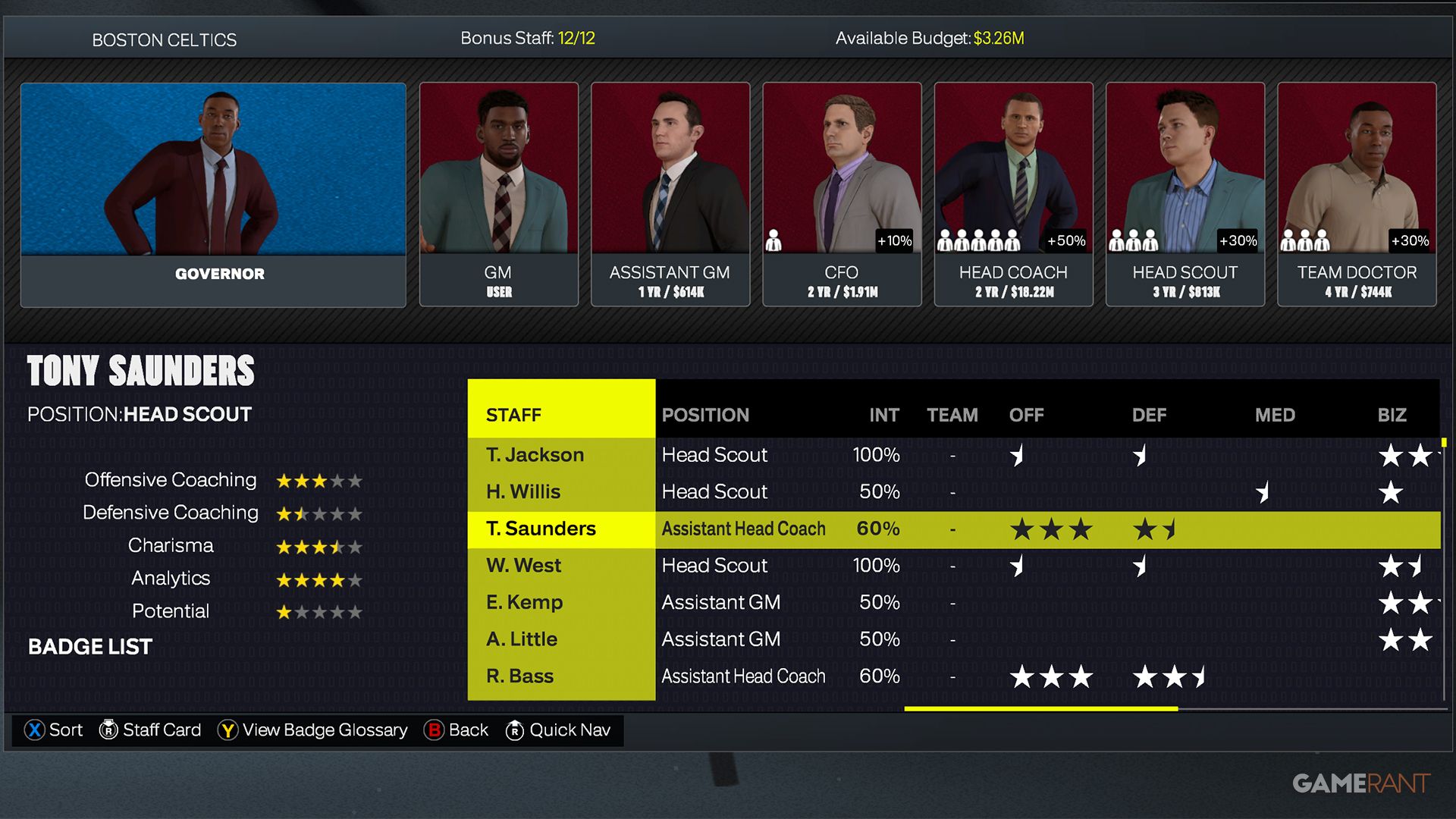
Before ultimately winning the award, Coach Mazzulla surprisingly called Coach of the Year “stupid,” explaining that it doesn’t recognize the contributions of the entire team – including assistants and support staff. He believes a truly successful team isn’t built on just star players and a head coach, but on the efforts of everyone involved in creating a winning environment. This contrasts sharply with the way the video game NBA 2K handles coaching staff. In the game, assistant coaches are reduced to simple stat boosts, and you can’t actually hire specific coaches – you just hire a generic face with a good rating to improve a player’s skills, and their identity doesn’t matter.
So, how can 2K improve this aspect of the game? The most straightforward solution is to create a robust coaching staff system. Assistant coaches should be more than just names – they should have distinct personalities, specialize in certain strategies like zone defense, and build relationships with players to help them improve or unlock new team strategies. The idea is to build a well-rounded team, considering both players and staff. While assistant coaches used to be a more significant feature in past NBA 2K games, they’ve been largely removed. Currently, you can’t even hire assistant coaches in NBA 2K26, let alone customize them to fit your team’s needs.
As a huge basketball fan, I’ve always been fascinated by how certain teams build winning environments. The Miami Heat, for example, are famous for their “Heat Culture” – it’s all about incredibly hard work and mental toughness. They really believe that if you don’t fully commit to that, you don’t fit in, even if you’re a star player! And then you look at the San Antonio Spurs during their championship years – they were all about the team. The coaches and front office really drilled that team-first idea into everyone, and it was a huge part of their success.
2. Improved Adaptability
Don’t Just Do The Same Thing Over And Over Again
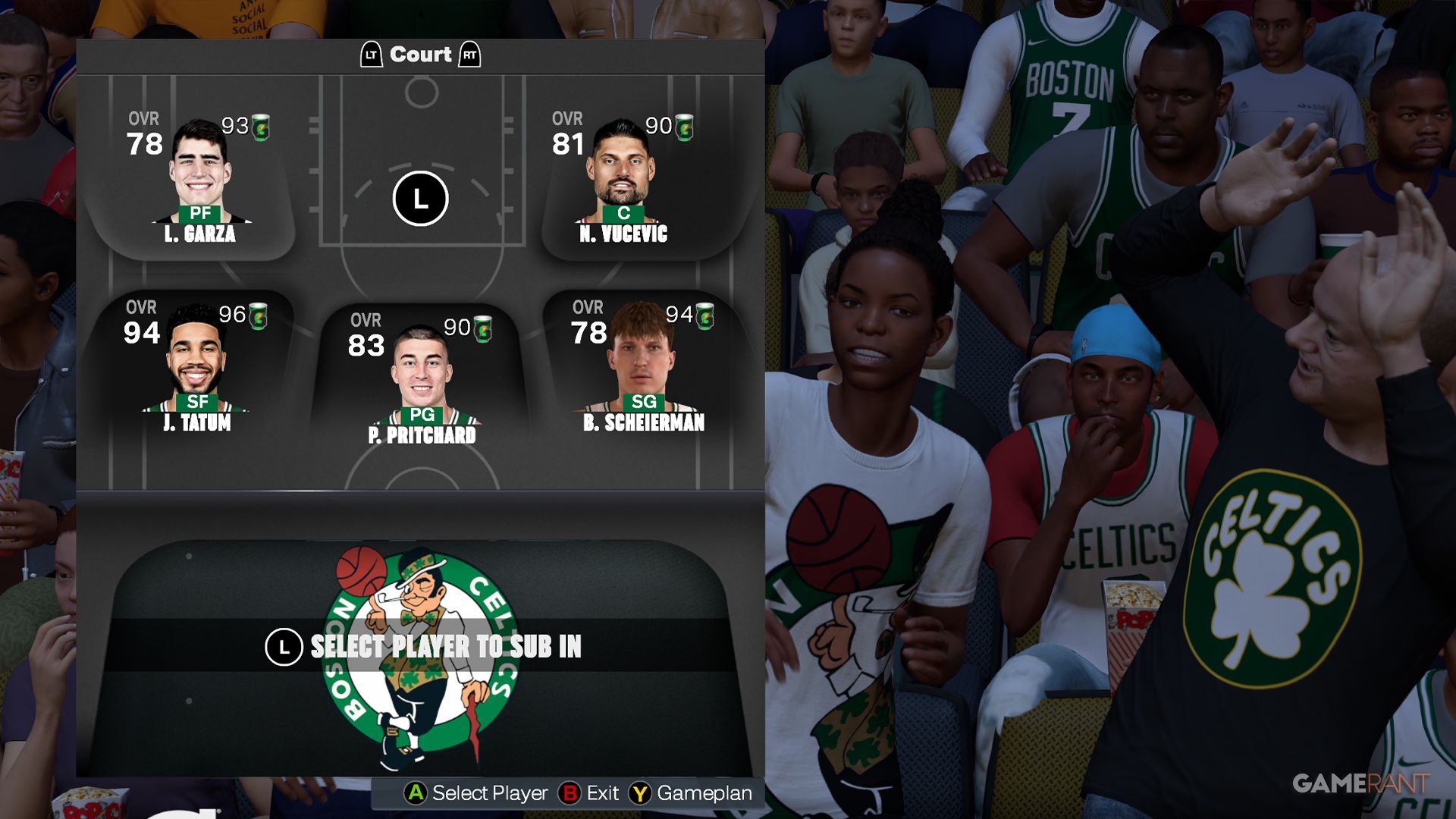
When Jayson Tatum was sidelined for most of the regular season, coach Mazzulla didn’t rely on a backup player to fill his shoes. Instead, he completely revamped the Celtics’ offensive strategies, empowering Derrick White and Payton Pritchard to lead the team to a 56-win season. Had he simply tried to find a replacement for Tatum, the Celtics likely wouldn’t have even made the playoffs.
In NBA 2K26, when a star player like a 96-overall rated athlete gets injured, the game doesn’t adjust the team’s strategy. It simply puts in a lower-rated player (like a 74-overall backup) and expects them to run the same plays, which often leads to the team performing much worse. While you could manually change the team’s tactics, many players prefer to simulate portions of the MyNBA season as a General Manager. In this mode, you’re stuck with the game’s existing system, meaning your coach won’t adapt if a key player like Jayson Tatum suffers a serious injury like an Achilles tendon tear.
This also applies to opposing teams – coaches in the game don’t adjust their strategies when something major happens that should force them to change. For example, if Giannis Antetokounmpo gets injured during a game, the opposing coach will simply put in his substitute player instead of altering their overall game plan.
Addressing this challenge won’t be easy, but teams and coaches could start by measuring how well they adapt when things don’t go as planned. Right now, a team’s ability to handle unexpected situations depends mostly on the players, and the coach’s role isn’t considered much.
I’m not sure if this is even possible, but I’m just throwing out some initial thoughts.
3. Bench Players As Specialists, Not Spare Bodies
They Aren’t There Just To Keep Seats Warm
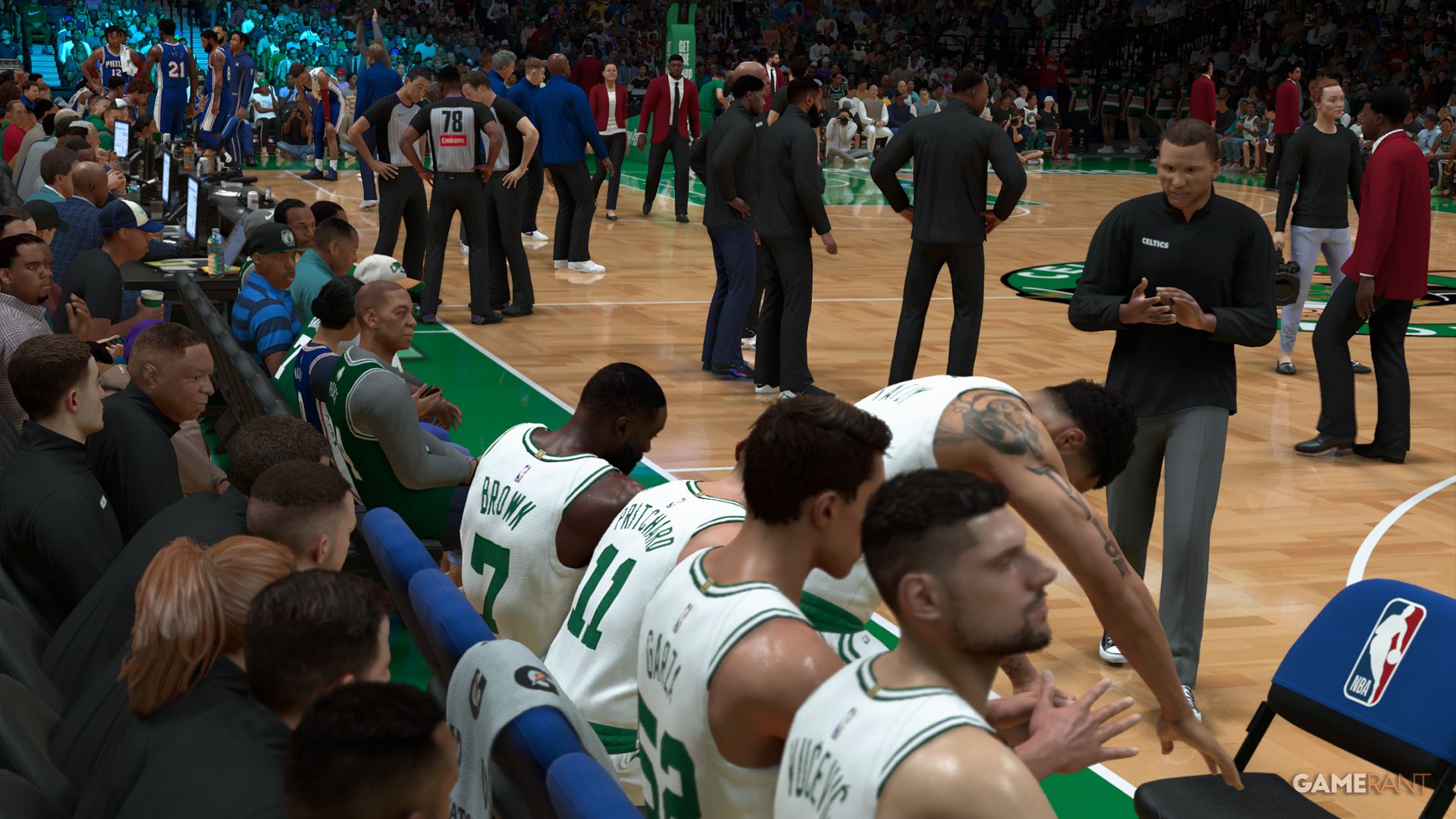
The way coaches utilize all players is key, and this season with the Celtics, Joe Mazzulla proved how valuable it is to help each player maximize their strengths instead of forcing them into roles that don’t fit. Despite losing key players like Al Horford, Kristaps Porzingis, and Jrue Holiday, the Celtics thrived because Mazzulla found ways for less experienced players to excel in very specific roles within the team’s system.
NBA 2K tends to lock players into specific categories – star players, key bench players, or promising rookies – and it’s hard to change that. A player’s overall rating heavily dictates their success, which means we rarely see underdogs develop into stars. I’m hoping to find a coach who can maximize each player’s strengths, allowing even players with weaknesses to thrive within the team’s strategy, even if they don’t become elite players.
4. More In-Depth Team Chemistry System
Team Chemistry Feeds Success, Not The Other Way Round
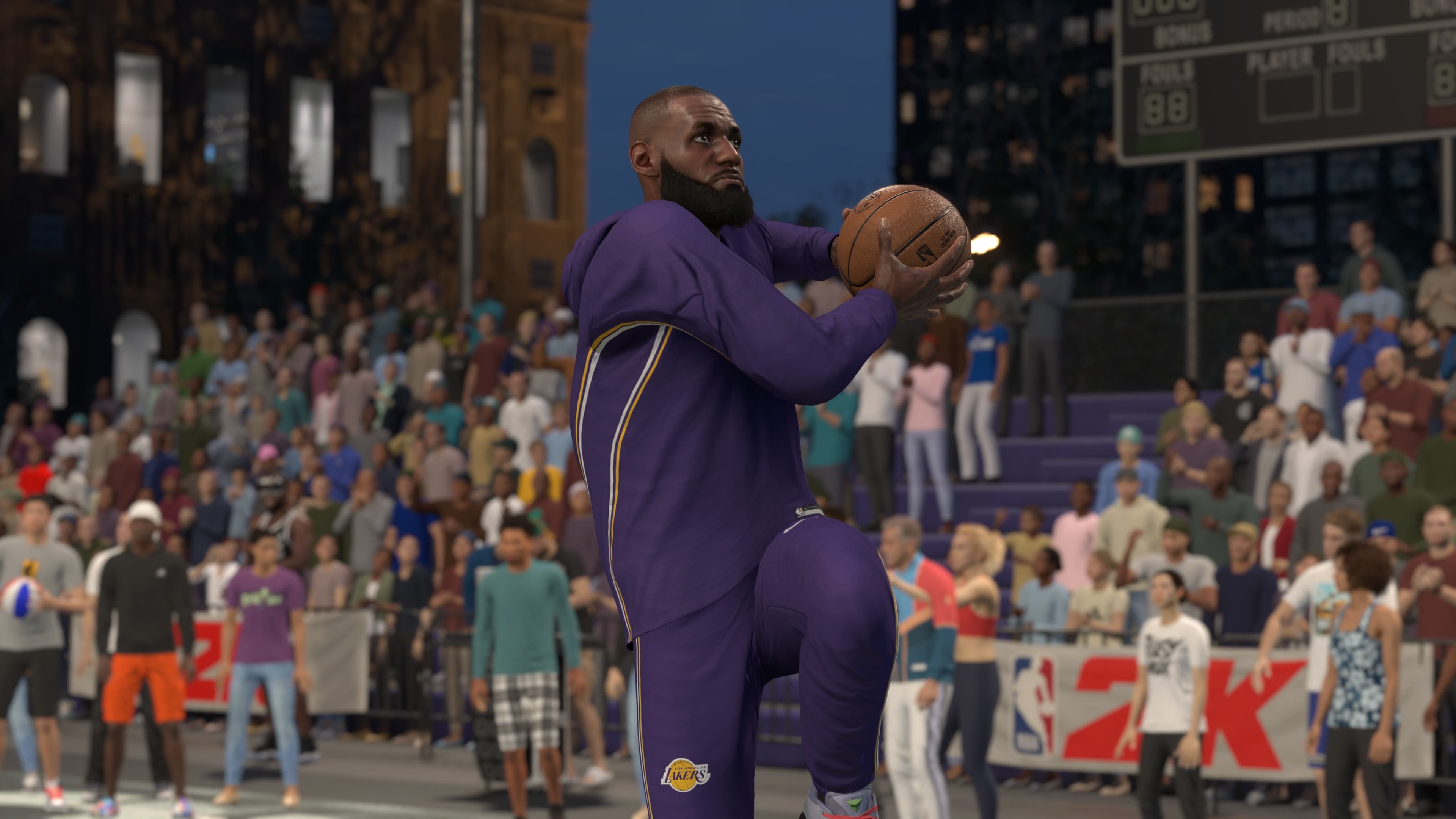
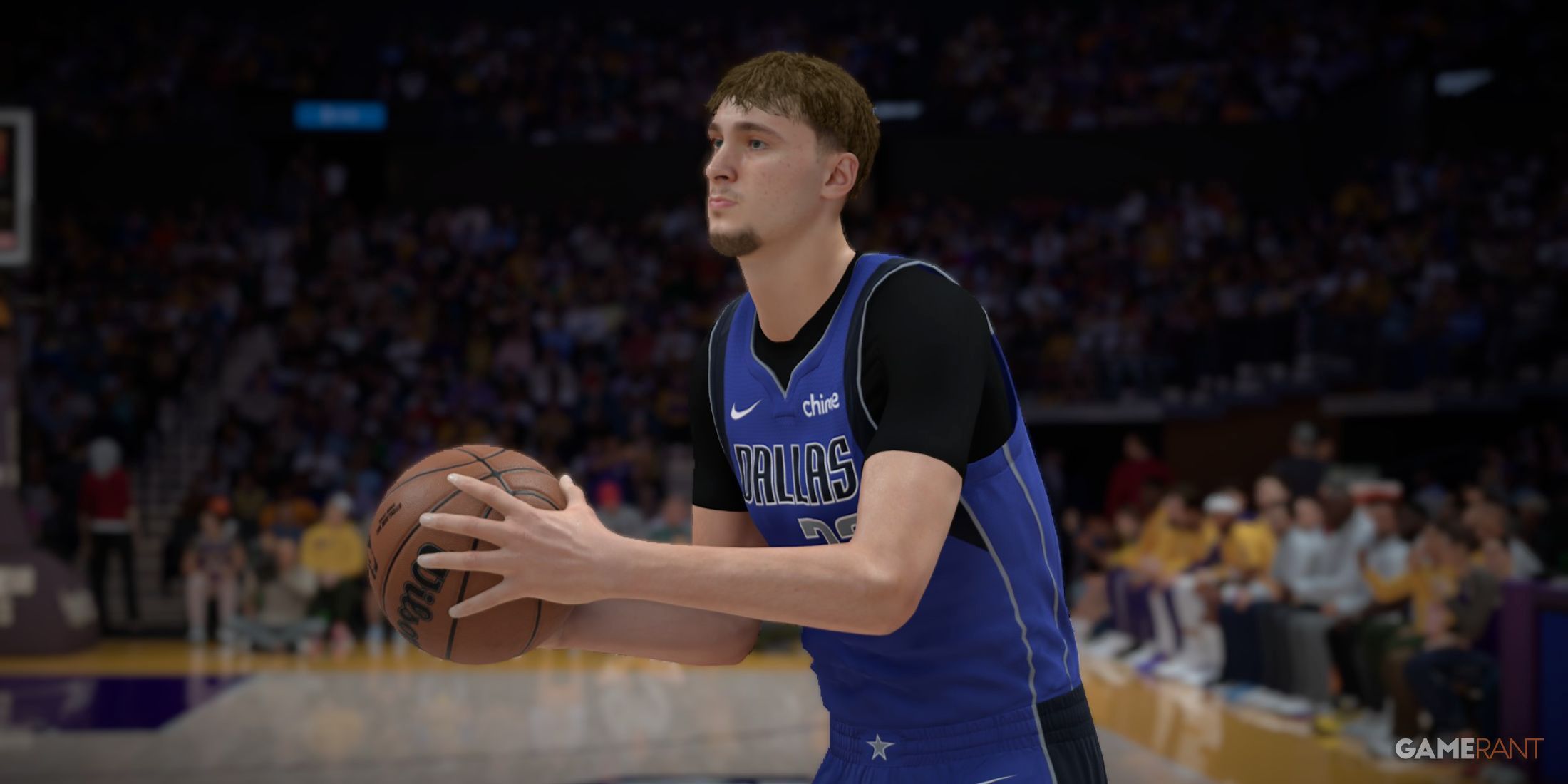
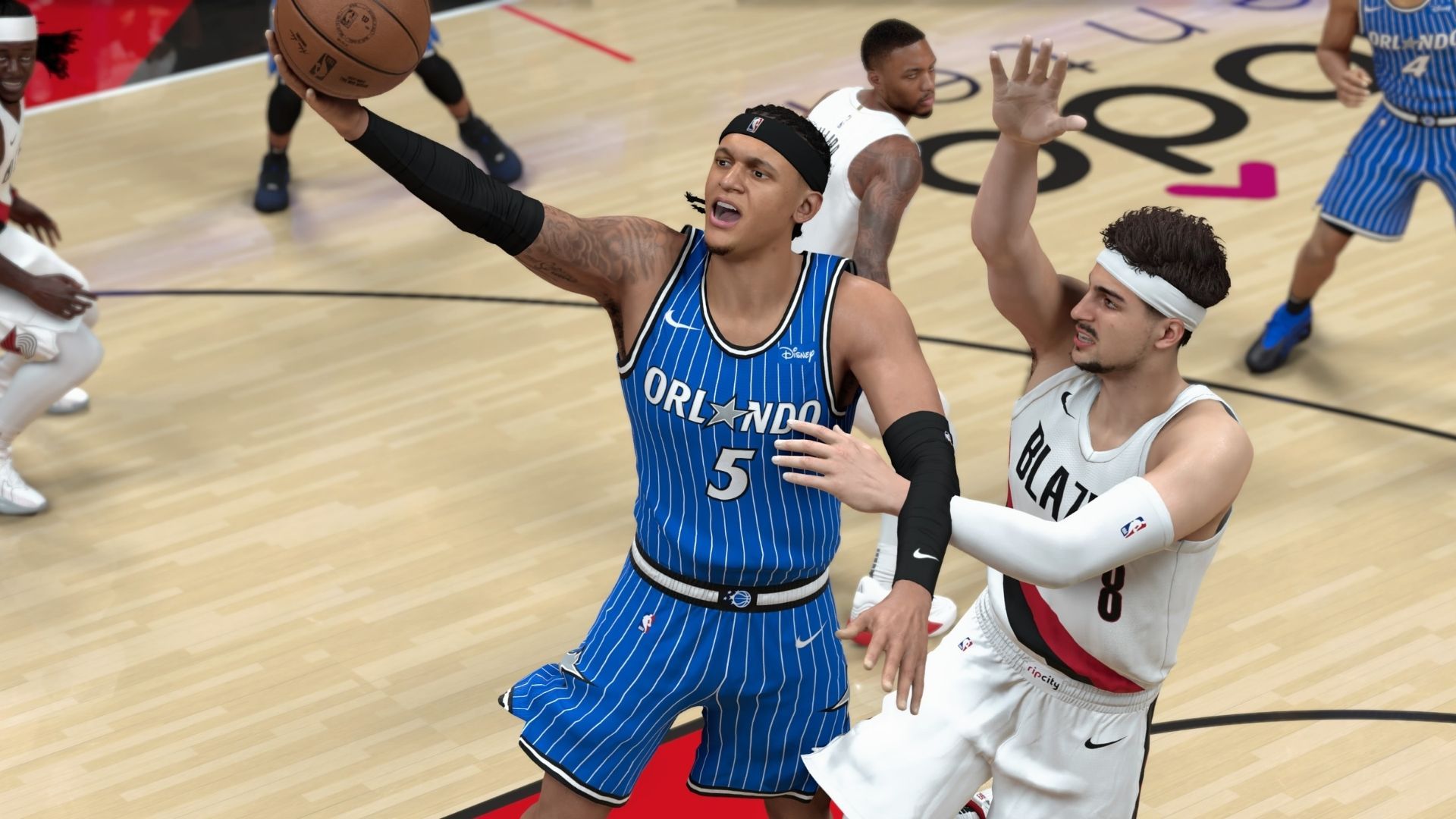
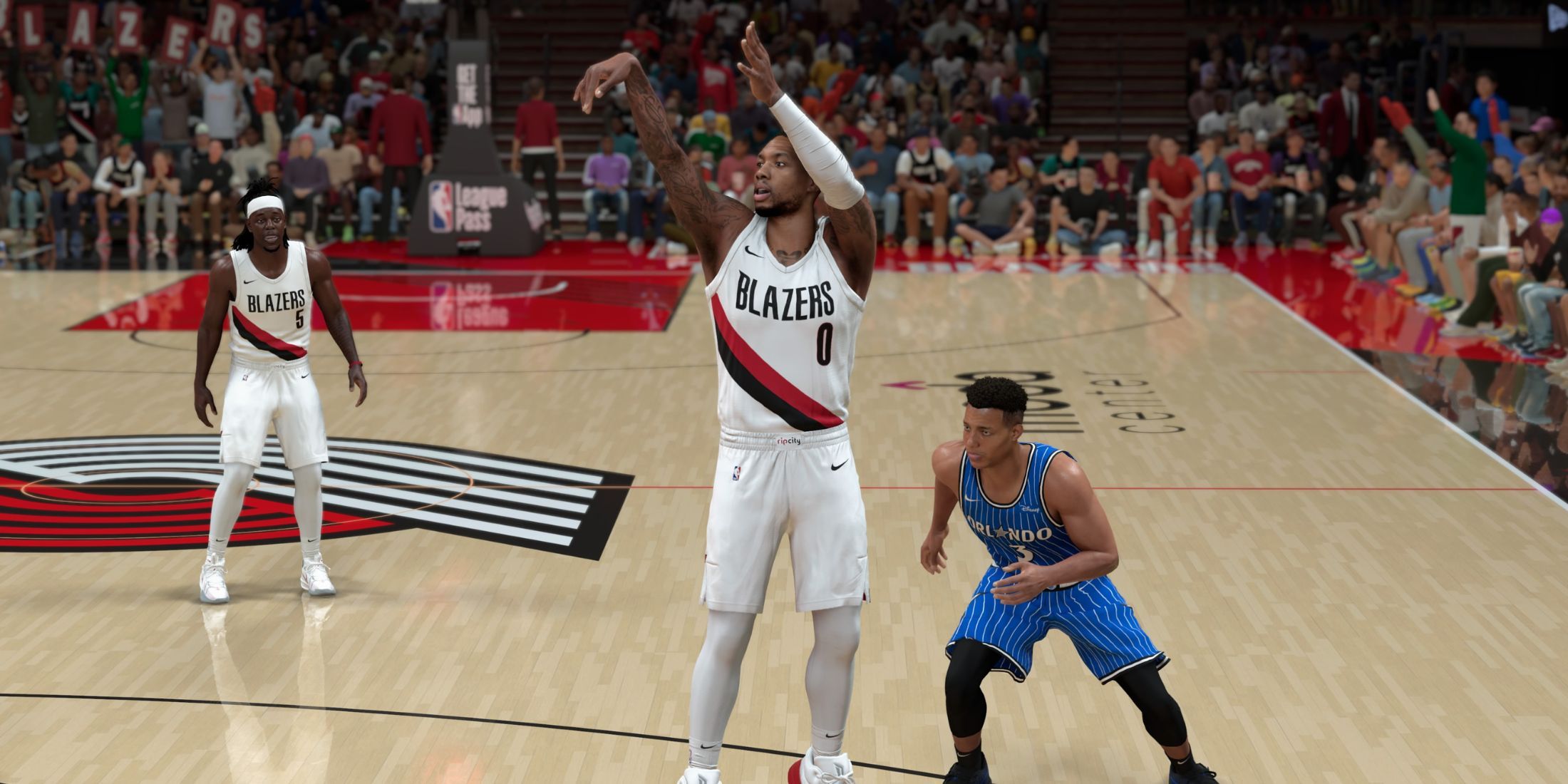
Right now, NBA 2K26 calculates team chemistry mostly based on whether you win or lose. Winning games improves chemistry, which unlocks boosts to player stats, helping you win even more. While the game emphasizes how important chemistry is, it gets the cause and effect reversed. In NBA 2K, winning creates good chemistry; in real basketball, good chemistry usually leads to winning. Of course, there are exceptions, like the Kobe and Shaq Lakers, but historically, truly successful teams have always had strong chemistry.
If NBA 2K27 wanted to improve how players respond to coaching, they could add a clear way to measure a player’s willingness to prioritize the team or adjust to new strategies. Coaches could also have different levels of influence, affecting how easily they get the team to accept their plans.
5. Playoffs And The Regular Season Should Be Different
Let Players And Coaches Become Playoff Juggernauts
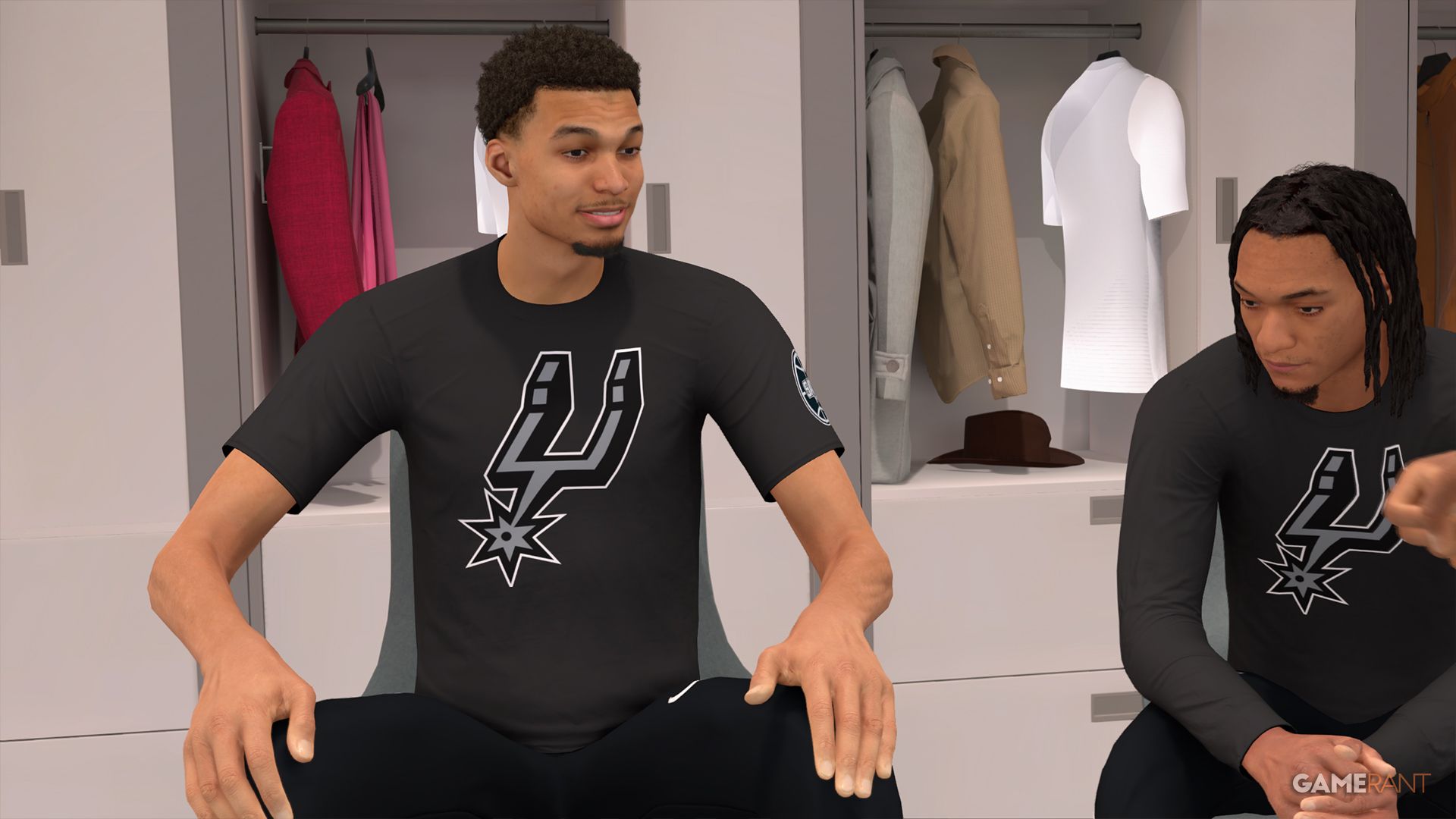
Joe Mazzulla had a season of contrasts. He won Coach of the Year by showing flexibility and trying new things during the regular season. But in the playoffs against the 76ers, he seemed unwilling to change his approach, and many believe this contributed to the Celtics losing the series. Had the voting taken place after the playoffs, he likely wouldn’t have won the award. The playoffs are a different challenge altogether, and what works during the regular season doesn’t always translate to success.
NBA 2K26 doesn’t make the playoff experience feel special, especially when it comes to how coaches behave. Whether it’s a regular season game or a crucial Game 7, coaches in the game act identically, failing to adapt their strategies to the stakes. I’d like to see coaches analyze past games in a series and adjust their approach accordingly, but they just stick to the same plan. It would be great if coaches had a ‘playoff performance’ stat that determined whether they stepped up under pressure or continued with their usual tactics.
6. A Coach’s Philosophical Identity
Buy In
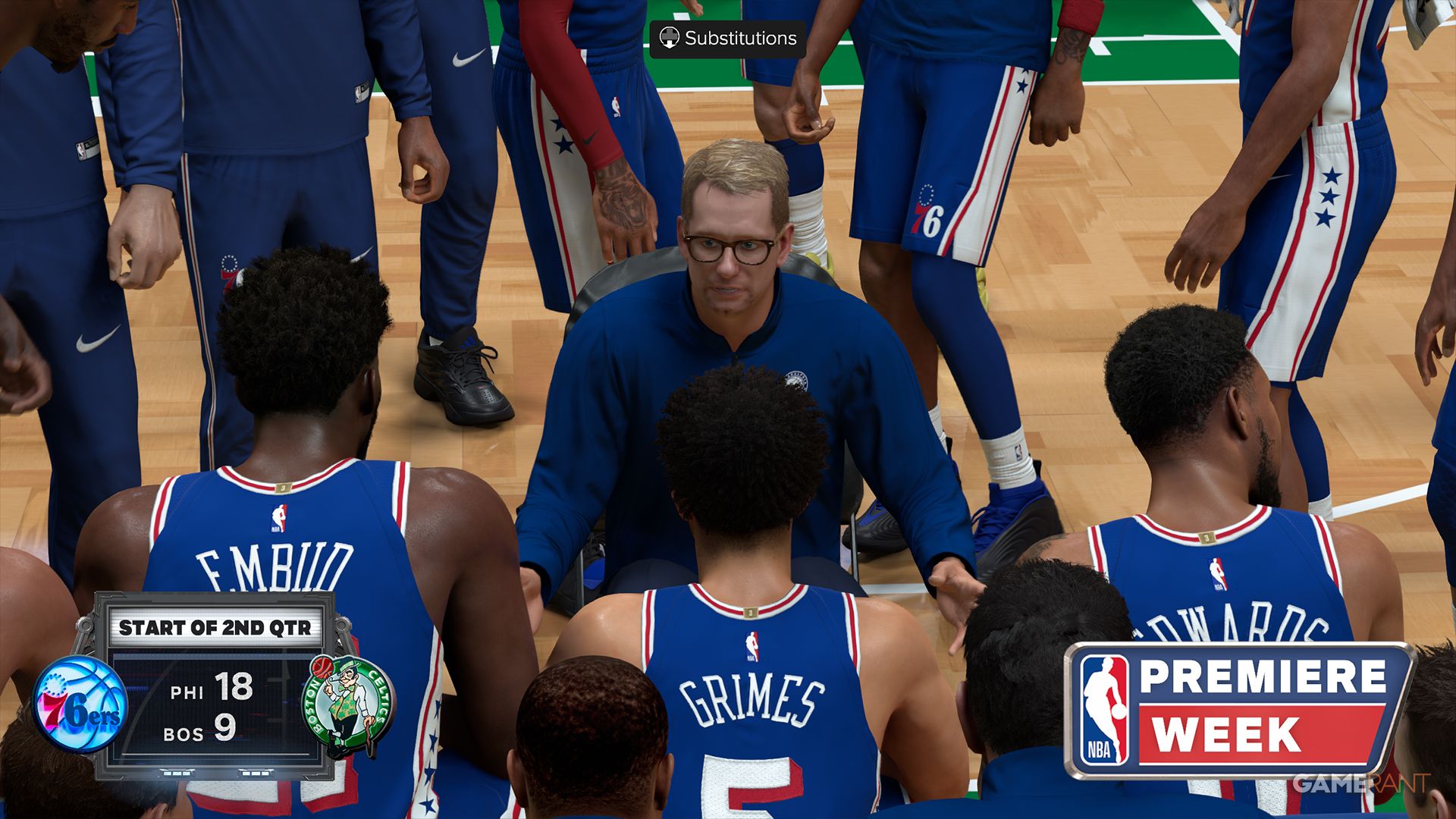
As a basketball fan, it just feels like coaches should have their own distinct styles, right? Like, you shouldn’t be able to confuse a veteran coach like Erik Spoelstra with some brand new, unknown coach. I’ve been watching Joe Mazzulla, and it seems like he has a really interesting approach – he bases things on data and even tries to get into opponents’ heads – but honestly, you don’t really see that strategy playing out when you watch his team. It’s like there’s a disconnect.
Coaches in the game should have distinct, noticeable strategies and unwavering beliefs built into their programming. For example, players should be able to choose a coach who strongly favors three-point shots and will push players to take them, even if they usually prefer mid-range shots. Or, they could select a coach focused on defense who might even sit a talented player if they aren’t putting in enough effort.
Read More
- Forza Horizon 6: Find the Ohtani Treasure Chest Location
- LEGO Batman Legacy of the Dark Knight Batcave Minikits & WayneTech Caches
- Diablo 4 Best Loot Filter Codes
- NTE Drift Guide (& Best Car Mods for Drifting)
- USD RUB PREDICTION
- USD CNY PREDICTION
- Cookie Run Kingdom Timeline of Fate Update Guide
- PS Plus Monthly Games for June 2026 Wish List
- Top 10 Must-Watch Isekai Anime on Crunchyroll Revealed!
- GBP CNY PREDICTION
2026-05-27 14:38