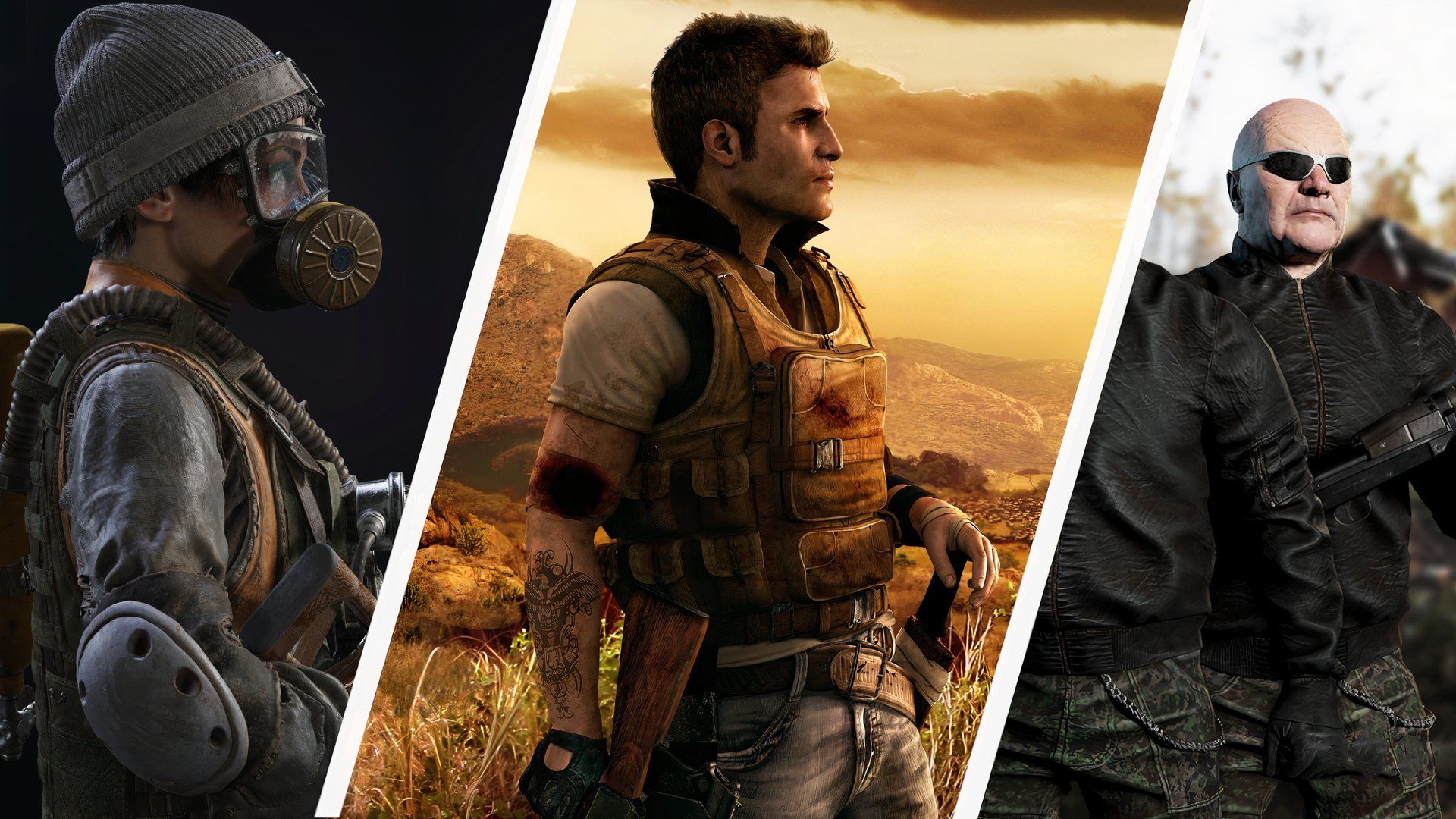
Have you ever played a game and wished it included a feature from another game? I definitely do! But it’s often discouraging to think about how many great ideas might be forgotten over time.
Despite the challenges, I’m hopeful for the future. While beloved features don’t always return as we expect, the surprising success of unique, independent shooting games suggests positive things for a genre that often struggles with innovation.
Playing this game left a lasting impression because of its unique mechanics. While some of these ideas are newer, most are from older games, and they all stand out as examples of when first-person shooters weren’t afraid to try something different. I often think back to these features when I remember a more experimental time for the genre.
9. RNG Gunplay
Suppressive Fire!
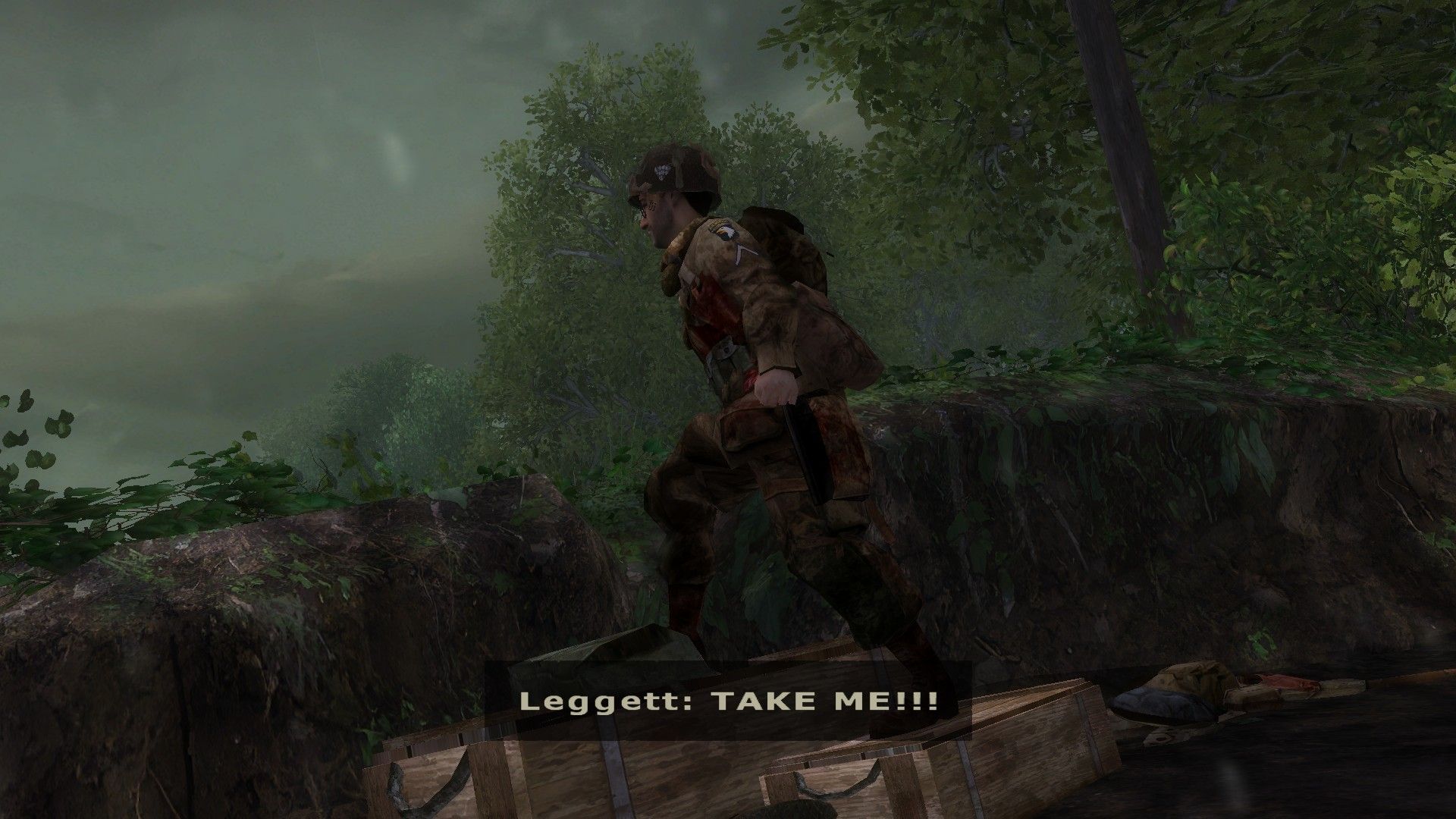
Gearbox is famous for the Borderlands games, but in my opinion, their best work is actually the Brothers in Arms series. I’m focusing on the first three games in the series, as the later ones weren’t very good.
Unlike most games where hitting your target depends on precise aiming, this game relies heavily on chance. Whether your shots connect when an enemy is hiding behind cover isn’t about where you aim, but luck. While a lucky shot is possible, the best way to defeat enemies is to move to their side or rear and attack them directly.
It’s frustrating to miss so many shots at first, but once you adjust, this game is surprisingly engaging. It requires strategy and smart thinking instead of just quick reflexes, and more single-player shooting games should try this approach. Squad attempted something similar with an update focused on realistic combat, but players preferred faster-paced action and weren’t patient enough for a more thoughtful experience.
8. Squad Permadeath
I Have Failed You, Brother
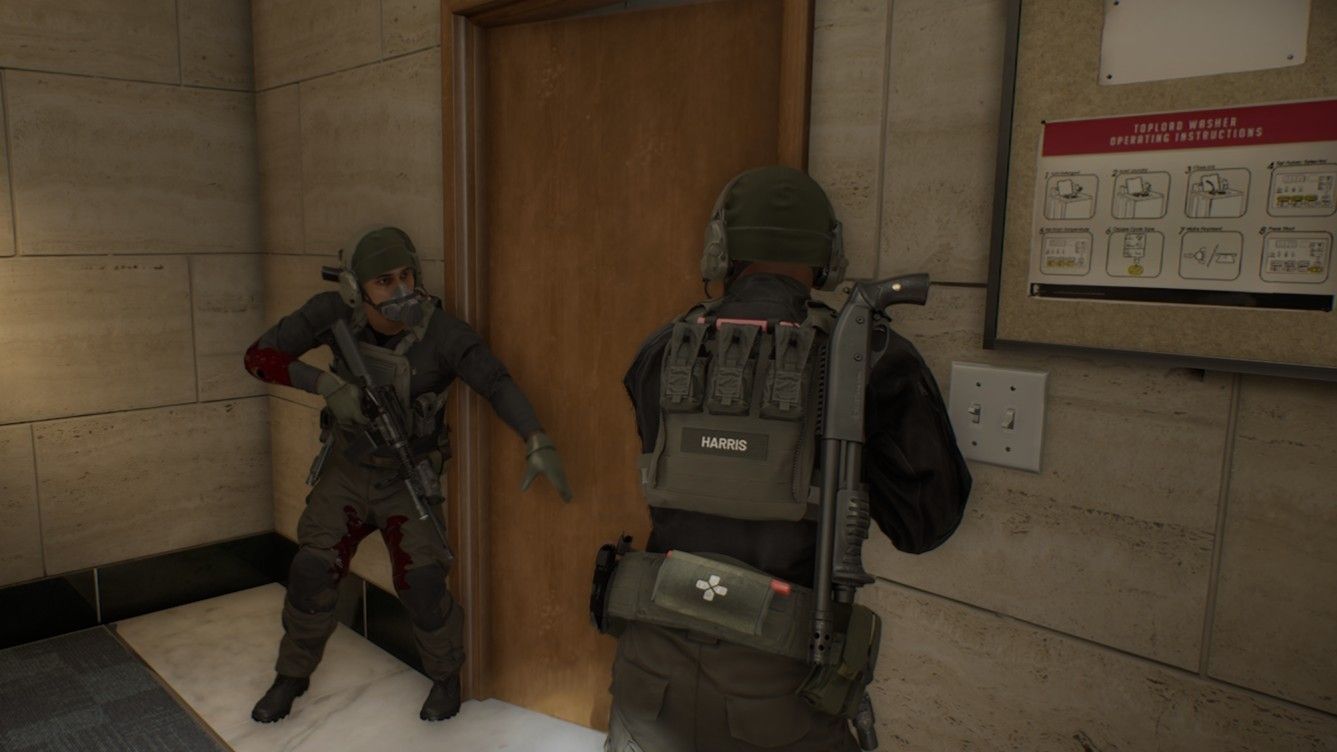
I tend to get really invested in the characters I play with in games, especially when I’m working with a consistent team. So, it’s always upsetting when a teammate gets defeated, but it’s even worse knowing they’re permanently gone if I make a mistake.
I first encountered this gameplay style in the original Ghost Recon. Failing to throw a grenade to clear a room, or not checking your corners, meant instant death. And even if you did everything perfectly, a single moment of carelessness would still get you killed.
Knowing that a mistake means losing your teammates – and their specific abilities – creates a level of pressure you just don’t get in a typical, action-packed Call of Duty firefight.
7. Tossing Picked Up Guns
It’s Called Borrowing, Look It Up
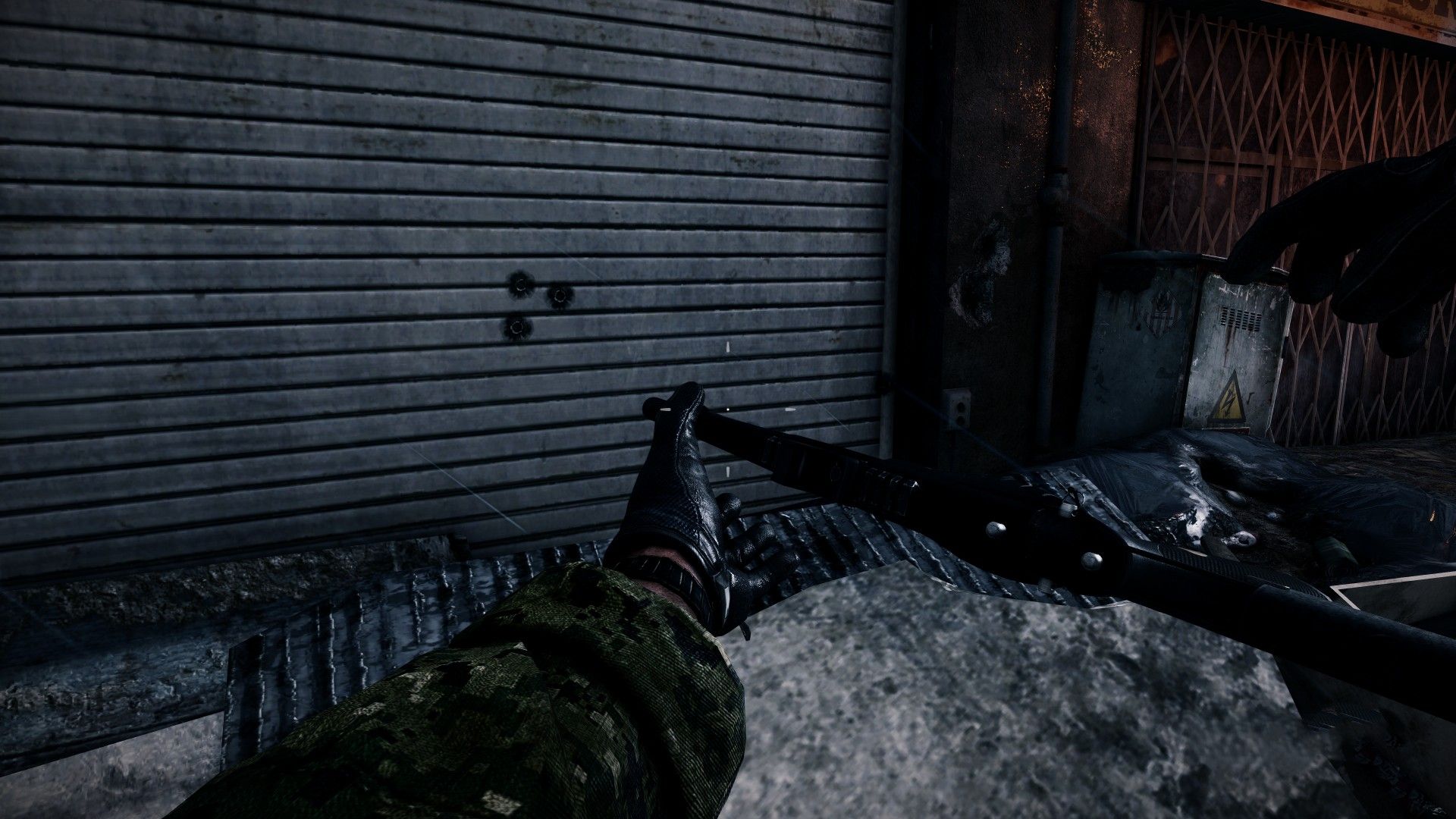
Do you think stepping over a weapon on the ground somehow lets you magically gain its ammo? And if you do pick up a new gun, would you just ditch your current one? Hopefully, both answers are no – and that’s what the developers of EA’s worst-received game also realized.
I won’t get into a detailed review of Medal of Honor: Warfighter, but I really liked how the game handled picking up weapons from fallen enemies. If you were low on ammo, you could quickly grab their gun and use it. Your character would then sling the captured weapon, and as soon as you ran out of ammo or switched back to your own gun, you’d simply drop it and continue fighting.
The game features a clever system where taking an enemy’s weapon feels like a desperate move, and it works really well with the team’s ability to share ammo. Because teammates can regularly give each other extra ammunition, using a captured weapon becomes a way to stay in the fight until you can find more of your preferred ammo.
6. Malaria Management
The Deadliest Mosquito in Gaming History
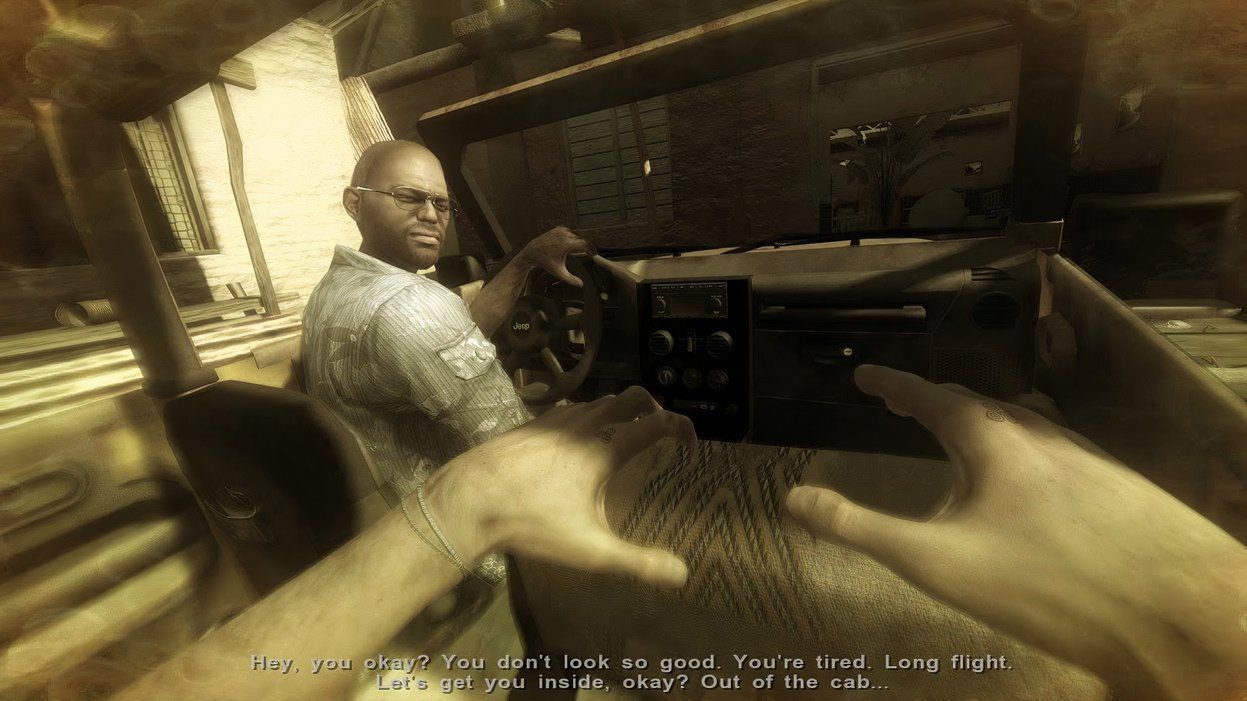
It’s common for heroes in stories to get sick or injured along the way, but often this only impacts the story during cutscenes. Far Cry 2, which many consider the best game in the series, was unique because it made the player actively manage their own health and deal with the consequences.
The new malaria mechanic is a fantastic addition to an already incredibly tense game. Getting sick throws your initial plans off track, and you’ll need to consistently take medication to manage it. The priest in Pala will give you the first dose, but after that, you’ll have to resupply yourself.
In Far Cry 2, you’ll frequently get malaria – at least once an hour. When you do, your character gets weakened until you take medication. If you don’t have any pills, you’ll eventually collapse, which is a consequence of not being prepared. It’s a harsh but realistic game mechanic.
5. Immersive Gas Masks
In the Metro, Everyone Can Hear You Breathe
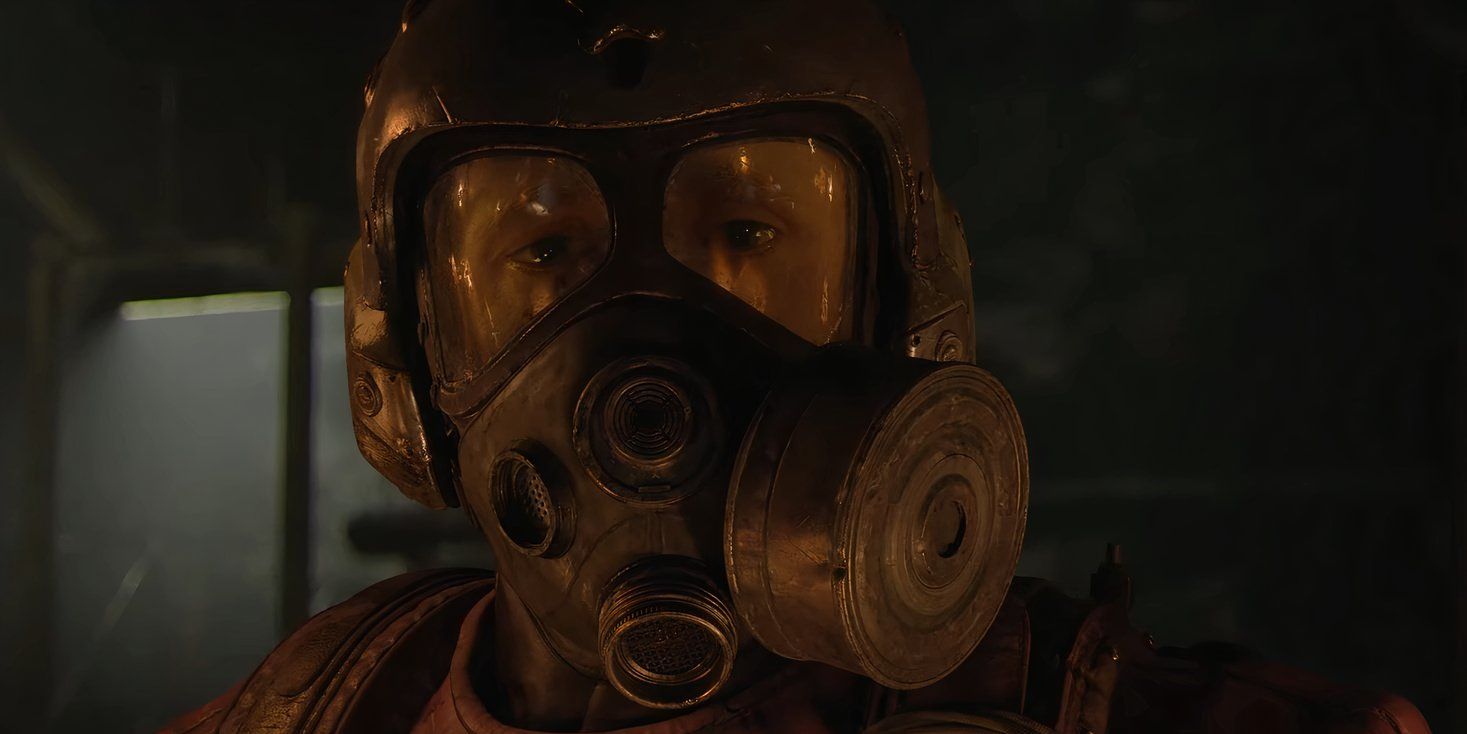
If you’ve never experienced the panic of quickly putting on a gas mask during an emergency drill, it’s difficult to understand how unsettling it feels. However, playing any game in the Metro series comes close to giving you that same sense of confinement and discomfort.
On top of wearing heavy protective suits, Artyom also has to wear a gas mask to protect himself from radiation when things get dangerous, and the sound and visuals powerfully enhance the feeling of being there.
You can hear your own ragged breaths clouding your vision, and blood and water drip down, obscuring your view. All you have to wipe it away is a thick, heavy glove. The solid thud of your hand hitting the glass makes it feel strangely responsive – it’s this level of immersive detail that was noticeably absent from the initial release of STALKER 2 in 2024.
In my opinion, whenever a video game uses a first-person perspective and the character wears a large helmet or headgear, it should feel as immersive as games like Metro Exodus and the earlier titles in that series.
4. Collaborative Hivemind AI
F.E.A.R. the Bots
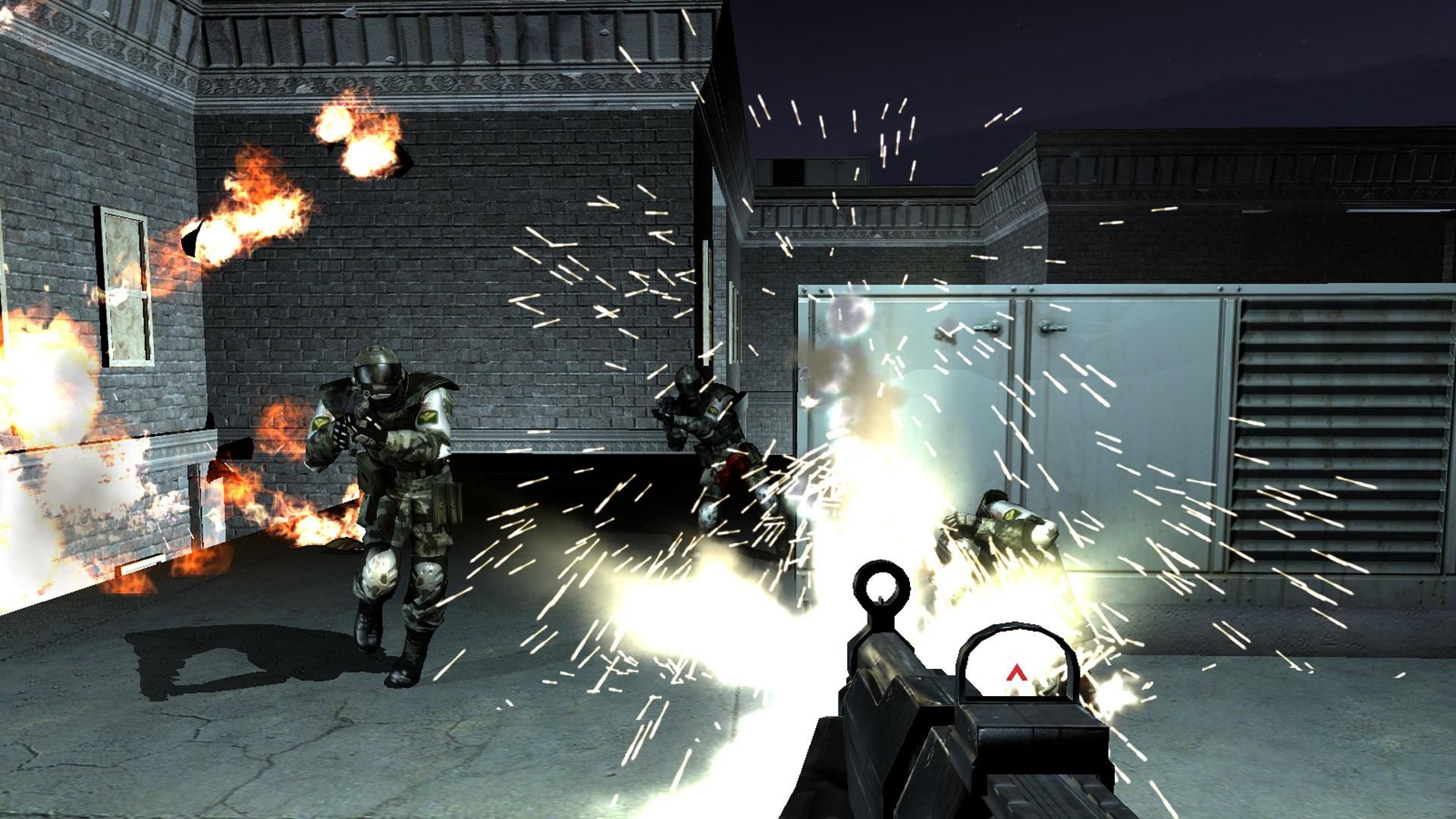
I’m a big fan of single-player shooters, and honestly, one of the things that always bothers me is the enemy AI. It’s usually one of two extremes: either the enemies are super predictable and easy to beat, or they feel like they’re cheating with perfect aim. Sometimes, a game even manages to be both bad in those ways! But F.E.A.R. is different – it really stands out from the crowd.
Before the current trend of airsoft players referencing the SCP Foundation, the game F.E.A.R. was the go-to for experiencing supernatural action. While the game is strong in many areas, its artificial intelligence during combat is still considered the best in the industry.
Monolith created an AI in F.E.A.R. that felt incredibly dynamic and responded to your choices in surprising ways. The enemy squad system was also well-designed, making opponents behave like a coordinated team. While the underlying technology was surprisingly straightforward, the game cleverly used voice communication and visual details to make the AI feel complex and intelligent. It’s something many gamers would love to see in future titles.
3. Freezing Time
A Super Hot Mechanic
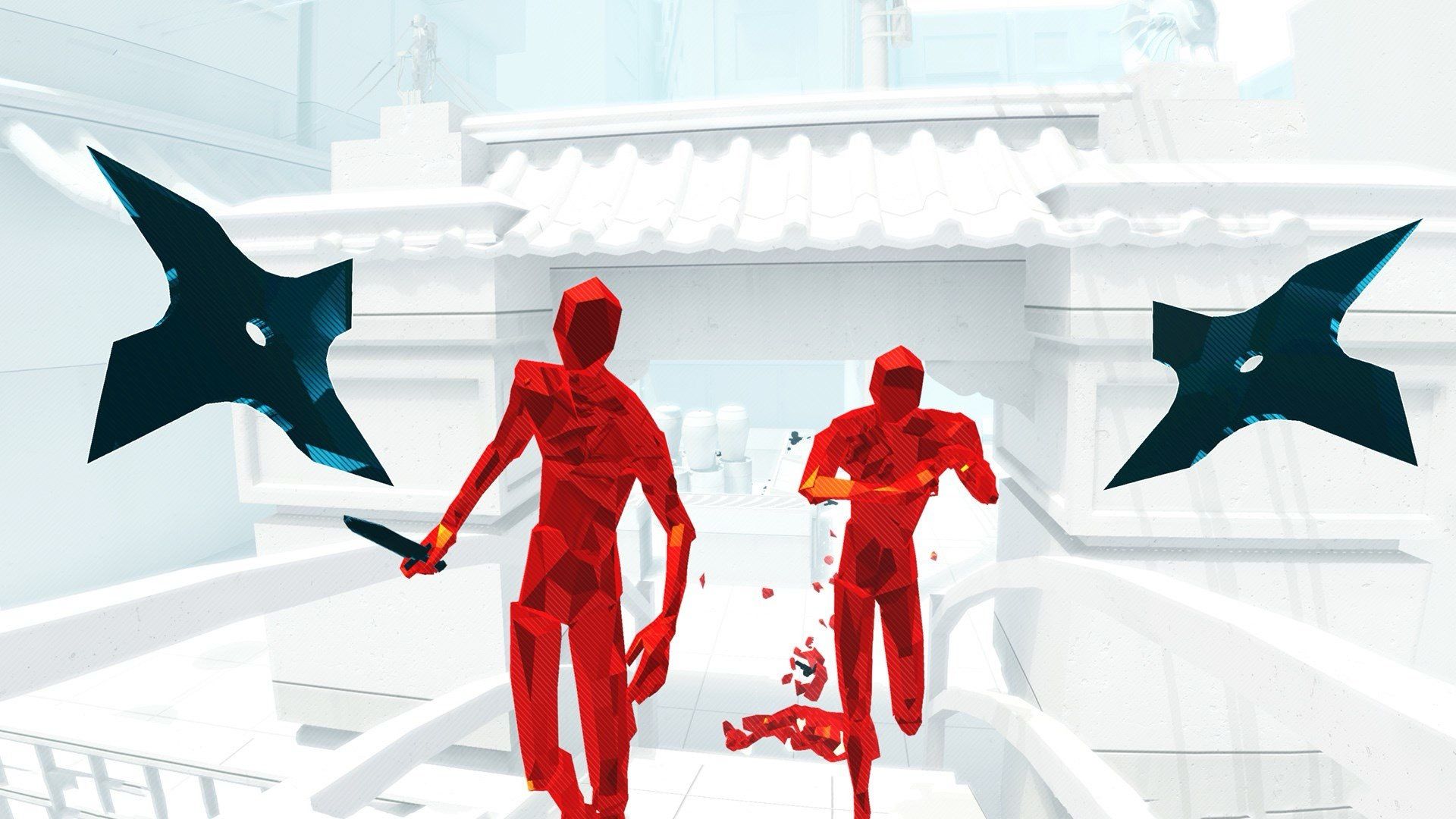
Ever wished you could manipulate time without the downsides seen in the movie Click? Then you’ll definitely enjoy SUPERHOT.
The core idea of the game is that time only progresses when you move, which surprisingly turns it into a strategy game, especially when you’re first learning. It’s a bit unusual to combine this careful, deliberate gameplay with fast-paced action and a lighthearted story, but that’s what makes it stand out – it’s a fresh take on the genre.
The unique way SUPERHOT handles time would be amazing in a more realistic shooter, one that feels like a strategy board game rather than a fast-paced action film. I’d love to see a game like that created.
2. Manual Reloads
Bolt-Action Minigames
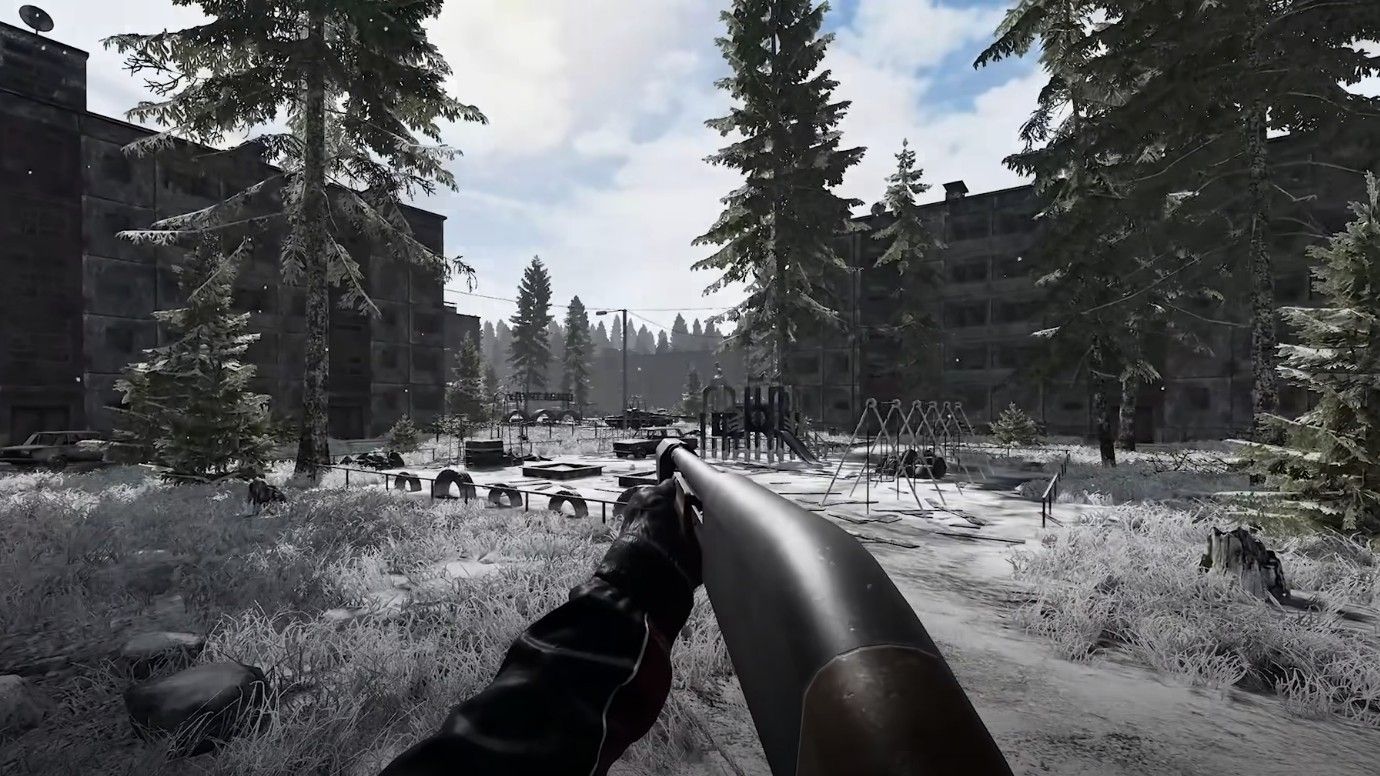
As a longtime FPS fan, I’ve noticed weapon handling hasn’t really evolved since the early days of games like DOOM, and honestly, it makes sense. You aim, you shoot, you reload – it’s simple and it works. Most game developers seem afraid to mess with that formula because everyone’s so used to it. But thankfully, Antti, a solo developer from Finland, decided to do something different with his survival shooter, Road to Vostok, and I’m really excited about it!
Many games simplify bolt-action rifles and pump-action shotguns by automatically reloading them, making the main difference between these and other weapons just a slower rate of fire. While this works well in practice, it doesn’t really capture how these weapons feel different to use in real life.
Many games simplify reloading, only requiring it when you release the fire button. Road to Vostok, however, takes a much more realistic approach. For example, with the classic Mosin-Nagant rifle, you must press ‘R’ after every shot to manually cycle the bolt and load the next bullet. A full reload isn’t automatic either – you need a separate button to pull back the bolt and then individually load each bullet, requiring a button press for every round.
It’s clunky and requires a lot of player input, and Road to Vostok clearly demonstrates why most games switched to more automated gun mechanics.
1. Thousand-Player Servers
War Never Changes
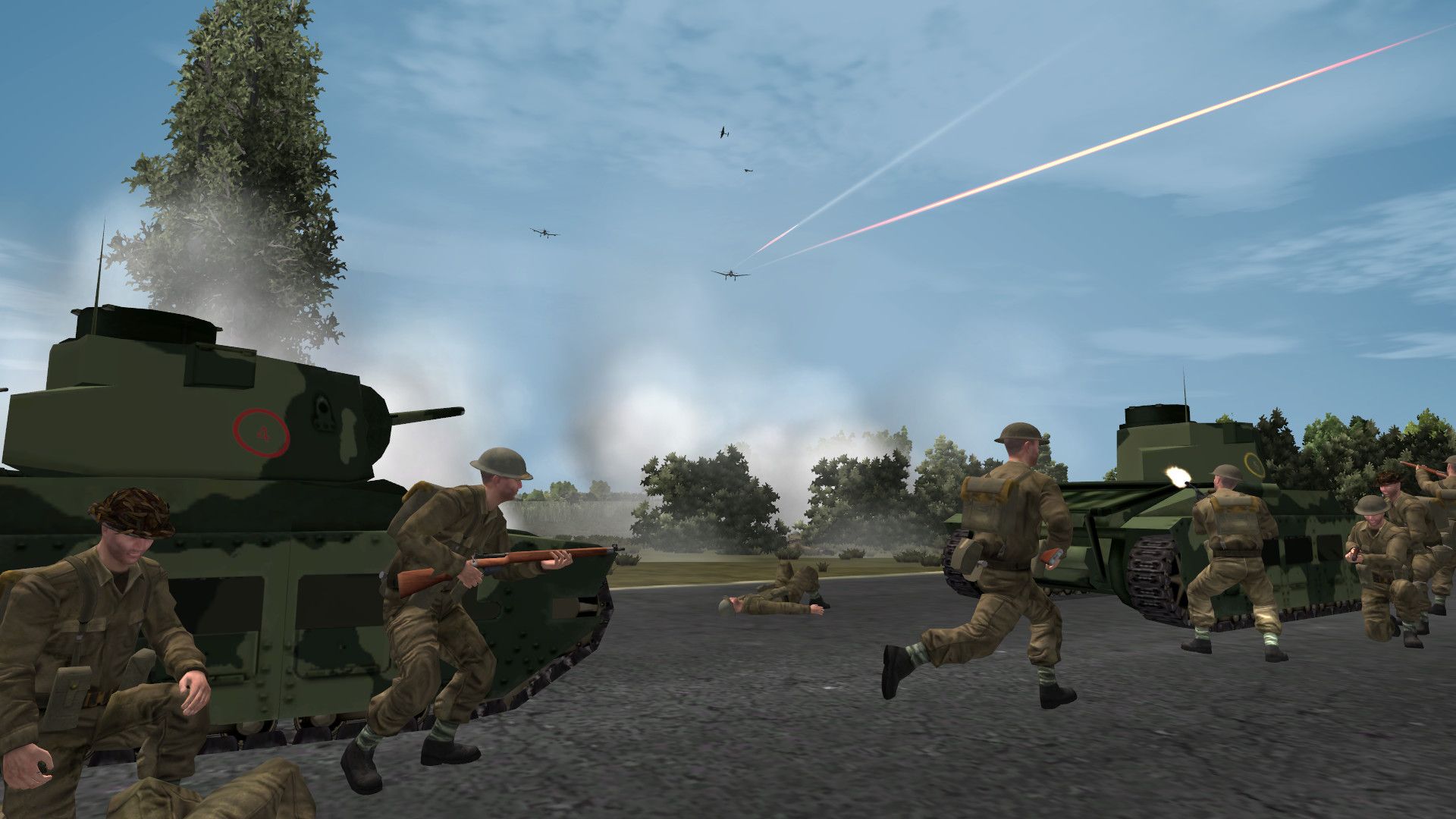
Since its release in 2001, World War II Online has continued to stand out as the only first-person shooter that truly captures the massive scope and intensity of modern warfare.
As a shooter fan, it’s frustrating to see so many games promise a huge, immersive experience but then fall short. Modern Battlefield maps feel tiny – seriously, smaller than my apartment! And while Squad has a great idea, it lacks that ongoing connection you want. Even ARMA Reforger, which has potential, is still bogged down by frustrating technical issues. It’s tough to find a shooter that really delivers on the large-scale promise.
While it might not be the prettiest game, World War II Online is unique because it allows up to 1,000 players to battle together on a single server, across a massive map covering several countries.
I doubt a subscription-based game would work well these days. However, I’d love to see a developer create a large-scale shooter that truly feels like a full-blown war.
Read More
- NTE Drift Guide (& Best Car Mods for Drifting)
- All Aswang Evidence & Weaknesses in Phasmophobia
- Diablo 4 Best Loot Filter Codes
- Conduit Crystal Location In Subnautica 2
- Where to Find Prescription in Where Winds Meet (Raw Leaf Porridge Quest)
- Boruto: Ikemoto Has Already Hinted At Sasuke’s New Eye After Return
- Best Burst & Full Auto Builds for the M16A4 in BF6
- USD RUB PREDICTION
- Deltarune Chapter 1 100% Walkthrough: Complete Guide to Secrets and Bosses
- Starsand Island’s Rarest Achievements and How to Earn Them
2026-05-21 15:43