Open-world games can be tricky to get into, as they often require players to understand how to navigate a large amount of content. A key part of this is how the game guides you – things like quest markers or waypoints that show you where to go. But some open-world games don’t offer much guidance, or even none at all.
Games designed like this feel much more natural and focus heavily on encouraging players to explore. The best discoveries – surprising quests and hidden locations – are often those players stumble upon themselves. Instead of constantly pointing players in the right direction, the game lets them discover things on their own, making even a casual walk through the world feel meaningful and satisfying.
The Elder Scrolls 3: Morrowind
Learning The World Instead Of Following It
- Directions are given through dialogue and in-game texts, not icons.
- Landmarks are crucial to exploration.
In The Elder Scrolls 3: Morrowind, players need to truly explore and understand the game world instead of just following a clear path. Quests are usually given through conversations and often involve figuring things out based on clues, landmarks, and what people tell you – without exact map markers. Plus, characters aren’t always truthful or helpful, so even small tasks can feel like investigations.
Truly understanding the cultures and groups in the game is key to making progress, and often, taking the time to listen and learn is more helpful than rushing ahead. The game doesn’t guide you step-by-step, which makes every discovery feel rewarding and creates a more immersive experience than many recent open-world RPGs.
Kingdom Come: Deliverance
Closer To Reality Than Anything Else
- Realistic maps without constant guidance.
- NPC routines and schedules dictate quests.
Kingdom Come: Deliverance moves away from typical quest markers, instead focusing on quests driven by the personalities of the characters you interact with. NPCs won’t always give you clear directions – their advice is based on their own knowledge, which isn’t always accurate. This means you’ll often need to investigate and figure things out for yourself.
The game requires players to use maps, find important locations, and interview people throughout the countryside, which transforms even simple tasks into challenging puzzles. This emphasis on detail and authenticity extends to the quests themselves, making the game world and its missions feel incredibly realistic.
Outer Wilds
Curiosity Is The Only Way Forward
- No quest markers at all.
- Knowledge becomes the main driving force.
Okay, so Outer Wilds is seriously one of the most free-form games I’ve ever played. There aren’t any quests telling you what to do, which is cool, but you’re thrown into this solar system where the sun… well, it explodes. You have to figure out why and how to stop it, and you do that by just exploring planets and slowly connecting all these little clues. It’s all about building the story yourself, piece by piece.
Your progress in the game depends entirely on what you discover, making learning key to moving the story forward. Unlike most open-world games, it never explicitly tells you where to go, even when reviewing past information. This makes each new discovery and step forward feel truly rewarding.
Elden Ring
Guided By The Desire To See More
- Subtle strands of light for basic guidance.
- Quests are scattered across the whole map and often stretch through the entire campaign.
Elden Ring drops players into the stunning but dangerous Lands Between with just basic armor and weapons to start their adventure. The game doesn’t hold your hand, offering only occasional side quests and a faint guiding light to hint at where to go next on the main story path.
Beyond a few hints, the game doesn’t offer much guidance on what to do or where to go, which can be overwhelming given its massive world. Players usually discover the next part of a quest by chance rather than following clear directions. While this can be frustrating, it allows them to explore and forge their own path instead of being constantly pulled away by unwanted side quests.
Pathologic 2
Surviving Through Trial And Error
- Investigation is at the core of the experience.
- Permanent consequences ripple out even from small actions.
Pathologic 2 throws you into a challenging experience where typical quests are absent, and figuring things out is key to staying alive. The game doesn’t tell you what the correct decision is – often, there isn’t one! You’ll receive incomplete and conflicting information from people struggling to survive, leading to errors and the need to try the game multiple times.
The game doesn’t hold your hand with obvious directions. Instead, players are constantly challenged by tight deadlines and limited supplies, often needing to make difficult choices without knowing what the best path forward is.
The Legend Of Zelda: Breath Of The Wild
Following Signs And Landmarks From Start To Finish
- Visual cues are the main source of guidance.
- Environmental puzzles are found through exploration.
The Legend of Zelda: Breath of the Wild redefined open-world gaming by proving that simply showing interesting places on the map is enough to guide players. Instead of being told what to do, players are inspired to explore and discover their own adventures and side quests, often without even following the main storyline.
The game relies on players following their instincts and exploring, but it never feels directionless. The world is so engaging that you’re naturally motivated to keep discovering things, without needing constant instructions or a specific goal.
Outward
Preparation Trumps All
- No minimap or fast travel safety net.
- Exploration is intentionally dangerous.
Okay, so in Outward, forget about those games that hold your hand and show you exactly where to go. This game throws you into the world and expects you to learn it. You actually have to pull out the maps and figure things out yourself, plan your routes, because getting lost isn’t just annoying – it’s legitimately dangerous! Seriously, wandering off the beaten path can be as deadly as fighting a monster. It’s a whole different level of immersion, and honestly, I’m really digging it.
In many quests, you won’t receive much guidance, encouraging you to try different approaches and react to what’s happening. The game allows – and expects – you to learn from your failures, as you’ll likely encounter plenty. Simply knowing things isn’t enough; understanding your surroundings is key to staying alive. This makes Outward a great choice for players who want a truly immersive and interactive experience, going beyond just looking at the game world.
Kenshi
A World That Explains Virtually Nothing
- Organic style of exploration that
- Lore discovered over time
Kenshi doesn’t have typical quests or hand-holding. The game world functions on its own, and figuring things out takes careful observation – players should expect to fail a lot before they get the hang of it.
The game doesn’t hold your hand; you’ll have to figure things out on your own – why events happen, who’s in charge, and how everything connects. This lack of clear direction makes every decision feel risky but also makes the world incredibly realistic and responsive, consistently surprising even seasoned gamers.
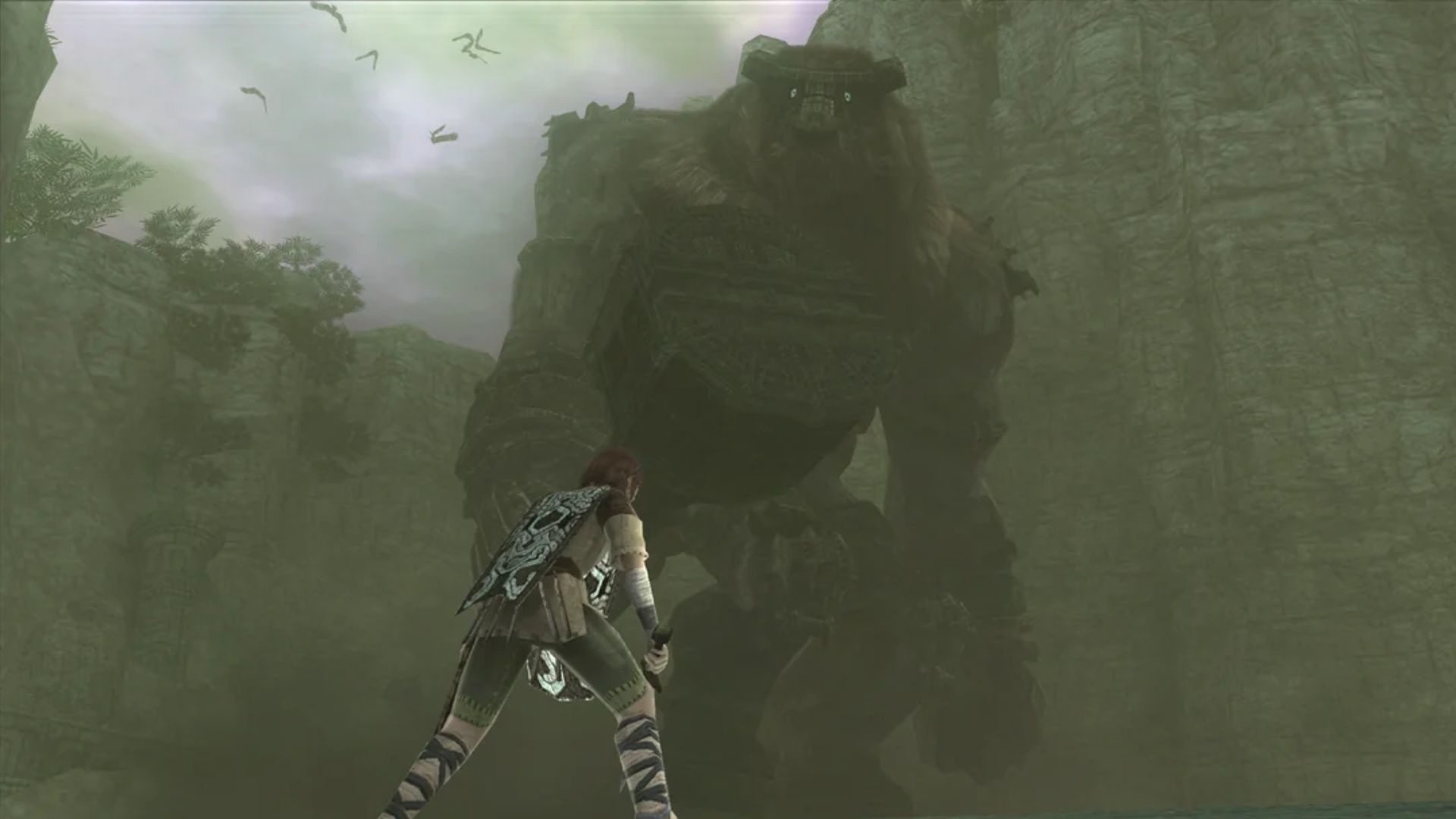
Shadow Of The Colossus
Minimalist But Deeply Alluring
- A lot of content is left open to interpretation.
- More intriguing locations exist on the outskirts of the map.
Shadow of the Colossus focuses exploration on its most essential parts. The game gives players a simple objective and a huge, peaceful world without much guidance. Locating each of the 16 colossi requires paying attention to the environment and carefully traversing the expansive landscapes.
With very little spoken guidance, players must figure things out by doing and discovering as they explore. This creates a truly free-form adventure – a personal journey of discovery that doesn’t push you towards any specific outcome.
Subnautica
Unraveling A Mystery Beneath The Waves
- A slow, gradually unfolding narrative.
- The environment is the primary source of information.
Subnautica is a fantastic game that tells its story through the environment. You explore an underwater world by scanning creatures and finding wreckage, and each discovery helps piece together the bigger picture of what happened there. It’s a compelling mix of investigation and survival.
The ocean isn’t just a setting; it guides players towards hidden locations and secrets. The game’s story and gameplay work so well together that you’ll rarely feel stuck – there’s always somewhere new to explore and a puzzle to solve.
Read More
- All Shadow Armor Locations in Crimson Desert
- Jujutsu Kaisen Season 3 Episode 12 Release Date
- Dark Marksman Armor Locations in Crimson Desert
- Top 5 Militaristic Civs in Civilization 7
- Keeping AI Agents on Track: A New Approach to Reliable Action
- How to Beat Antumbra’s Sword (Sanctum of Absolution) in Crimson Desert
- Sega Reveals Official Sonic Timeline: From Prehistoric to Modern Era
- How to Get the Sunset Reed Armor Set and Hollow Visage Sword in Crimson Desert
- Sakuga: The Hidden Art Driving Anime’s Stunning Visual Revolution!
- How To Beat Ator Archon of Antumbra In Crimson Desert
2026-01-24 08:36