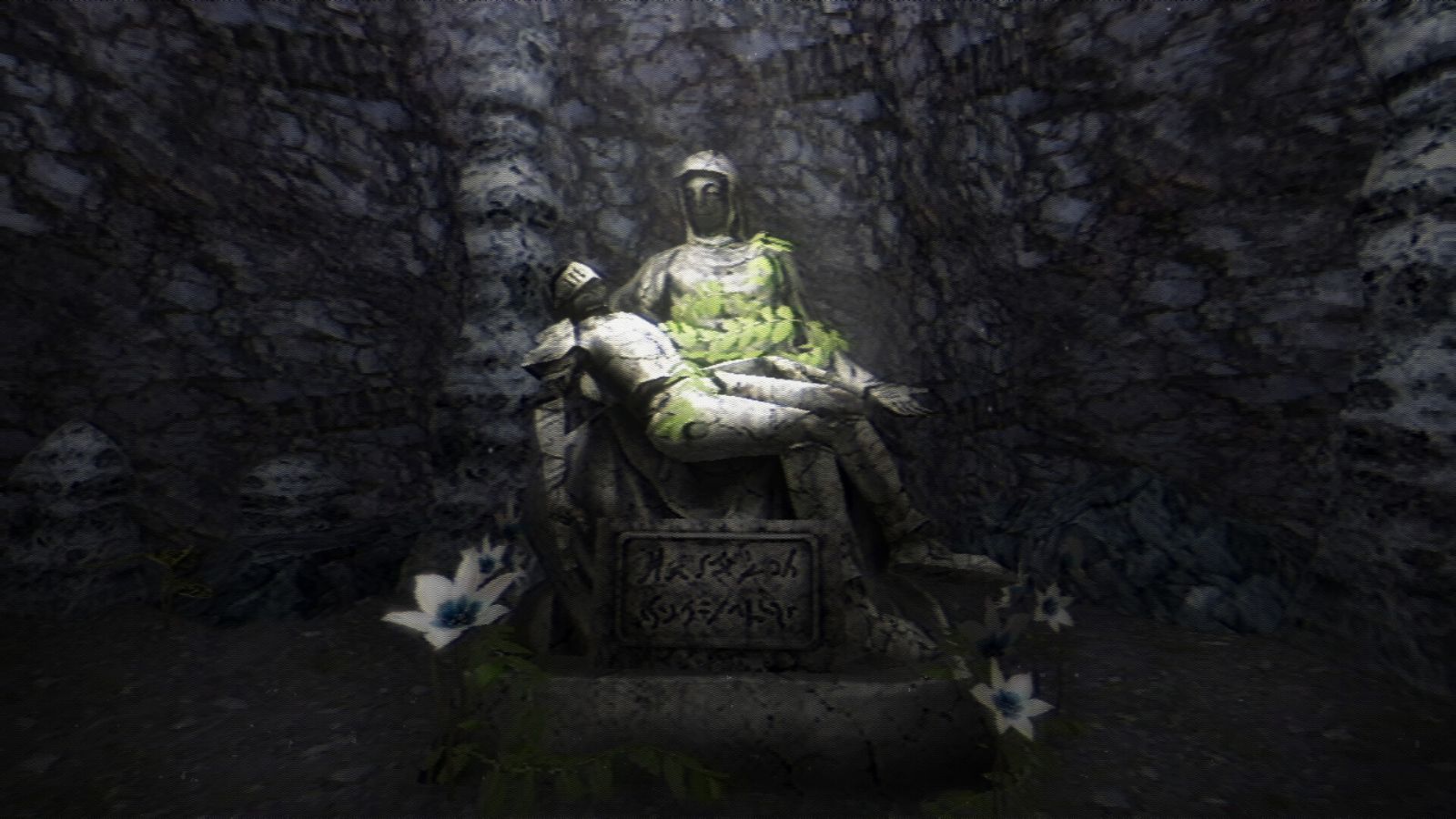
The “souls-like” style of game has been popular for a while, and many developers are now creating challenging but satisfying experiences for both longtime fans and new players. Most of these games draw heavily from established titles like Sekiro and Dark Souls, offering fantasy adventures in familiar settings – castles, temples, and more – with the same exciting third-person combat. However, some games are trying something different, using a first-person perspective to create a more immersive experience while still maintaining the core elements that define the genre.
When the camera is placed as if it’s your own eyes, the game starts to feel like a first-person shooter, and some games really emphasize that shooting feel. This doesn’t mean close-combat fighting can’t work, but it’s different from the quicker pace of a typical third-person soulslike. It encourages players to be more cautious and precise with their attacks, similar to the original games in the genre. While there are many excellent soulslike games both in the traditional style and using this first-person view, a few truly shine by capturing what makes a soulslike special, while also making the change in perspective feel natural and even essential.
FlyKnight
Small Scope Yet Perfect Execution
Details:
- Clean stamina-based combat
- Purposeful dungeon design
FlyKnight is a challenging, first-person action game inspired by the ‘souls-like’ genre. It doesn’t rely on flashy effects, but instead focuses on precise combat, a strong atmosphere, and a sense of vulnerability as you explore. Battles are tough but focused, requiring players to carefully watch enemies and manage their stamina, even when playing with a friend.
The game truly shines in how it successfully brings the core ideas of the soulslike genre to a first-person perspective without becoming overly complex. Combat and movement are easy to follow, and the level design is cleverly crafted – challenging enough to make you feel lost, but never truly trapped. True to the genre, death is punishing, keeping you constantly engaged. While it might not be as expansive as some other soulslike games, its refined gameplay and clear design prove how well the genre’s mechanics can work in first-person without sacrificing what makes them special.
Mohrta
Oppressive Atmosphere Driven By Fear
Details:
- Environmental hostility
- Fights under constant psychological pressure
Mohrta deeply emphasizes the psychological challenges typical of soulslike games. The first-person view makes the world feel even more unsettling, and battles are intensely claustrophobic and draining – something third-person soulslikes don’t quite achieve. Enemies are deliberately placed to create pressure, forcing players to rely on visual cues, sounds, and enemy movements while under stress. This leads to a cycle of uncertainty during difficult fights that will truly push experienced players to their limits.
The game’s environments are designed to challenge players, using darkness, tight spaces, and distorted visuals to throw them off balance. Though initially difficult, the world gradually becomes more understandable as you progress. Combat, typically the focus of games like this, relies heavily on precise timing and managing the stress caused by constant surprises. Ultimately, Mohrta strikes a good balance between challenging players and creating genuine discomfort, putting them in risky situations without easy solutions.
Lunacid
Rebirthing The Classics
Details:
- Minimal hand-holding
- Exploration-driven progression
Okay, so I’ve been playing Lunacid, and honestly, it feels like what FromSoftware might’ve made if they stuck with first-person Souls-like games. It really nails that old-school feel we loved, but updates it with smoother, more modern gameplay. Forget fast-paced action – this is all about taking your time, exploring creepy environments, and piecing together a mysterious story. It’s super isolating, which adds to the atmosphere. And the enemies? Forget quick reflexes; you’re facing genuinely terrifying, but strangely beautiful, creatures around every corner. It’s a dark, atmospheric descent into the unknown, and I’m hooked.
What truly sets this game apart is its deliberate ambiguity. You won’t be led by the hand; the world is open to explore with minimal guidance, making each discovery feel truly rewarding. While the game could be played from a different viewpoint, the first-person perspective makes the dark atmosphere and challenging gameplay much more immersive, elevating what could be a simple game into something truly special. If you’re interested in experiencing the roots of the ‘soulslike’ genre but want a smoother, more modern experience, this game is a perfect choice.
Witchfire
Soulslike Difficulty Meets FPS Precision
Details:
- High-speed action
- Shooter mechanics, but Souls-level punishment
Witchfire takes the challenging soulslike style and speeds it up, focusing on fast-paced, aggressive combat. Instead of swords and axes, you’ll use a variety of old-fashioned firearms. Like traditional soulslikes, mastering gunplay requires accuracy and careful resource management, and mistakes are heavily punished. Battles are intense and unpredictable, demanding constant vigilance and rewarding careful play – being too reckless or too hesitant will both lead to trouble.
Much of what makes this game enjoyable and successful is its excellent level design. Each arena is fun to play, and the placement and number of enemies create unique challenges that force players to constantly adapt. The game encourages an aggressive playstyle, much like Bloodborne, and presents frequent risk-reward scenarios. Every advance feels like a carefully considered gamble – a chance for great rewards or another defeat. While still being developed, this game is a bold attempt to combine the challenging design of ‘Souls-like’ games with fast-paced, first-person combat.
Honorable Mention: King’s Field
Where It All Began
Details:
- Originating a lot of the core soulslike elements
- Mechanically obsolete but still massively influential
Honestly, when I think about where the whole ‘Souls-like’ thing really started, I always go back to King’s Field. Before there were bonfires to save at, or even stamina bars, this game laid the groundwork for everything we love (and sometimes hate!) about the genre. It was all about slow, careful fights, levels designed to punish you, and basically figuring things out on your own. Plus, playing in first-person wasn’t just a style choice – it really added to how scary and intense the game was. You were right in the action, totally exposed to whatever was coming at you, and there was no way to step back and get your bearings. It was a truly unique and oppressive experience.
While historically important, these games haven’t aged well. Playing them today feels more like visiting a gaming exhibit than having fun. Slow movement and a lack of satisfying feedback make even challenging fights frustrating. Modern gamers used to fast-paced, responsive controls might struggle to appreciate the innovative gameplay that once made this series so groundbreaking and continues to influence games today. Despite being outdated, this game and its sequels are incredibly important because nearly every modern action RPG like Sekiro and Elden Ring owes a debt to this original title.
Read More
- All Skyblazer Armor Locations in Crimson Desert
- One Piece Chapter 1180 Release Date And Where To Read
- How to Get the Sunset Reed Armor Set and Hollow Visage Sword in Crimson Desert
- All Shadow Armor Locations in Crimson Desert
- Marni Laser Helm Location & Upgrade in Crimson Desert
- All Golden Greed Armor Locations in Crimson Desert
- All Helfryn Armor Locations in Crimson Desert
- How to Beat Stonewalker Antiquum at the Gate of Truth in Crimson Desert
- All Icewing Armor Locations in Crimson Desert
- Black Sun Shield Location In Crimson Desert (Buried Treasure Quest)
2026-02-07 02:38