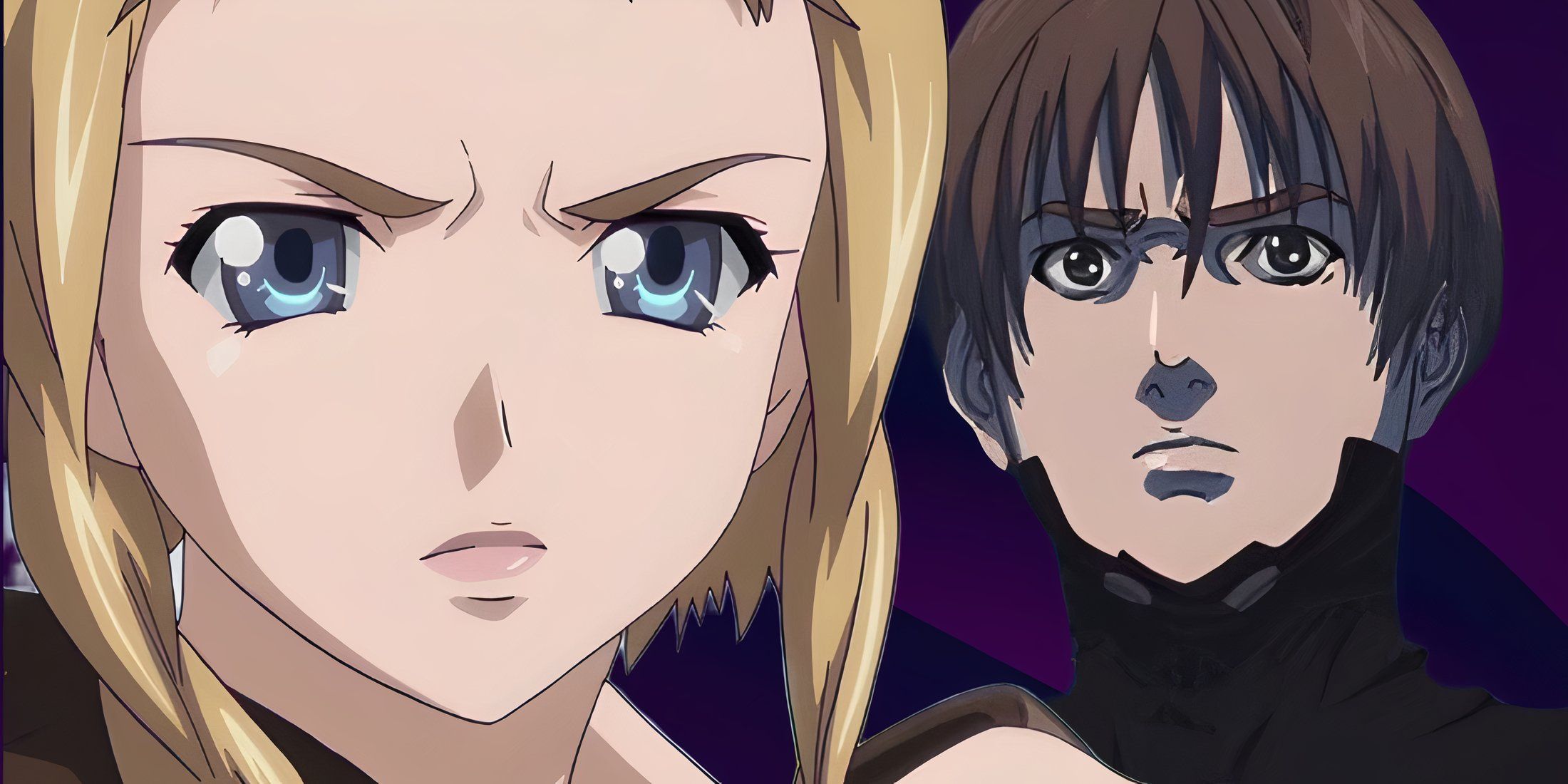
The 2000s are often considered the beginning of a golden age for seinen manga and anime – stories aimed at young adult men. This decade saw the medium gain mainstream popularity, allowing for the creation of critically acclaimed and thought-provoking works like Monster, Mushishi, and Ghost in the Shell: Stand Alone Complex. It was a time of experimentation with digital animation and a willingness to tackle more mature and challenging themes, pushing the boundaries of what was possible in televised animation. However, this growth wasn’t without its problems. While many brilliant new works revitalized the genre, there was also a wave of content that failed to understand or connect with its intended adult audience.
It’s always a gamble finding a show you’ll actually enjoy, and a truly good ‘Seinen’ anime can be especially hard to find. The 2000s proved that even shows aimed at mature audiences could be disappointing. While the decade did give us some incredible anime, it also produced a lot of poor adaptations that damaged the reputation of the genre.
2000: Argento Soma
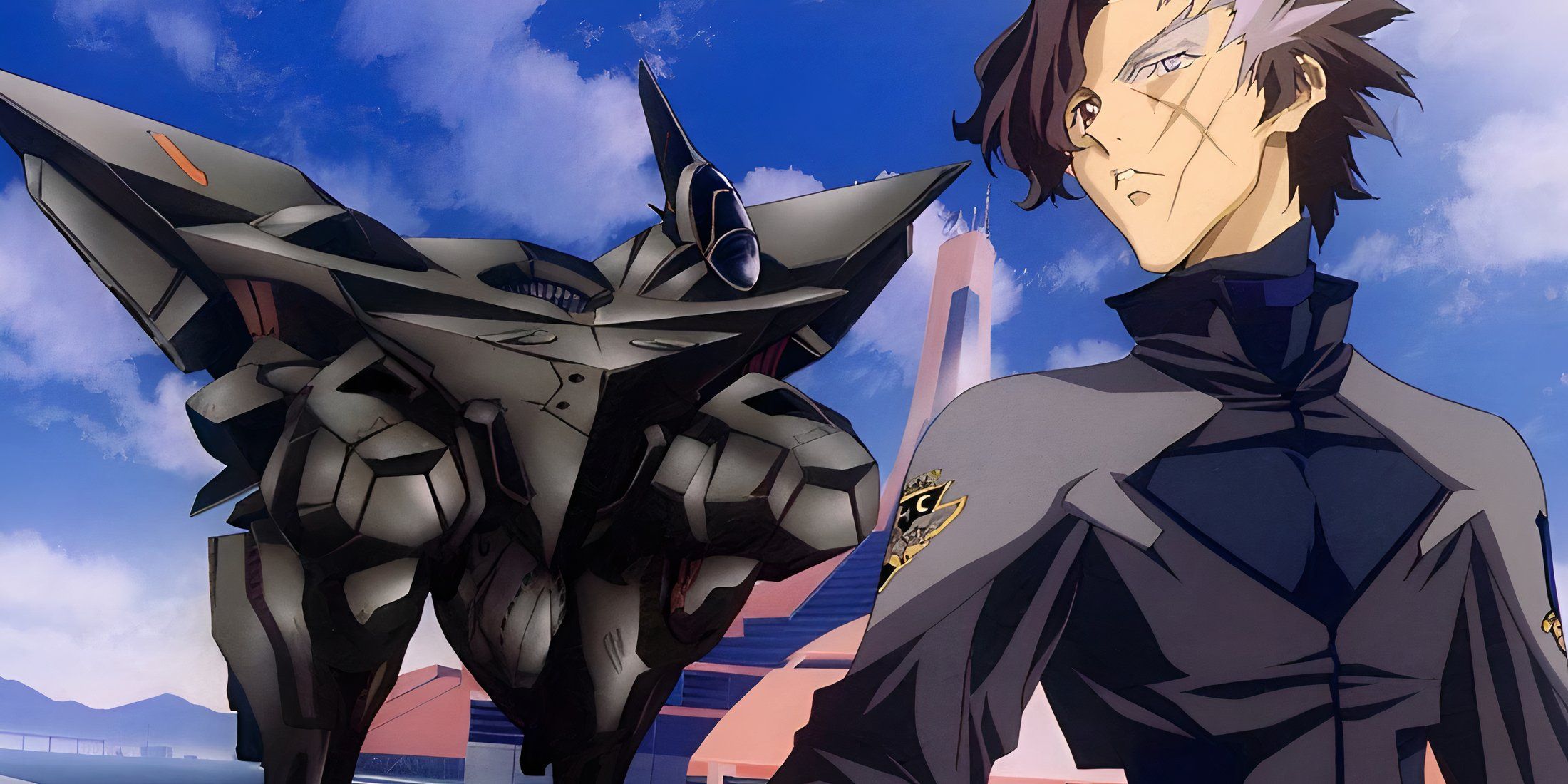
Argento Soma takes place in a dark, futuristic world under attack by strange, silent alien robots. The story centers on Ryu Soma, a man seeking revenge for the death of his lover, who was killed during a lab accident. He joins a skilled military team to hunt down “Frank,” a massive, biomechanical being he believes is responsible. The series attempts to blend a tragic story of vengeance with large-scale battles featuring giant robots, drawing inspiration from the popular mecha shows of the late 1990s, but it wasn’t successful.
The show is let down by a frustratingly obsessive main character and supporting players who feel like tired stereotypes. While it clearly aims for the epic scope of Evangelion, it often drags, particularly in the middle section which gets stuck in a cycle of predictable, standalone episodes. Ultimately, the central mystery doesn’t lead to a rewarding conclusion, leaving viewers confused and unsatisfied rather than feeling a sense of closure.
2001: Geneshaft
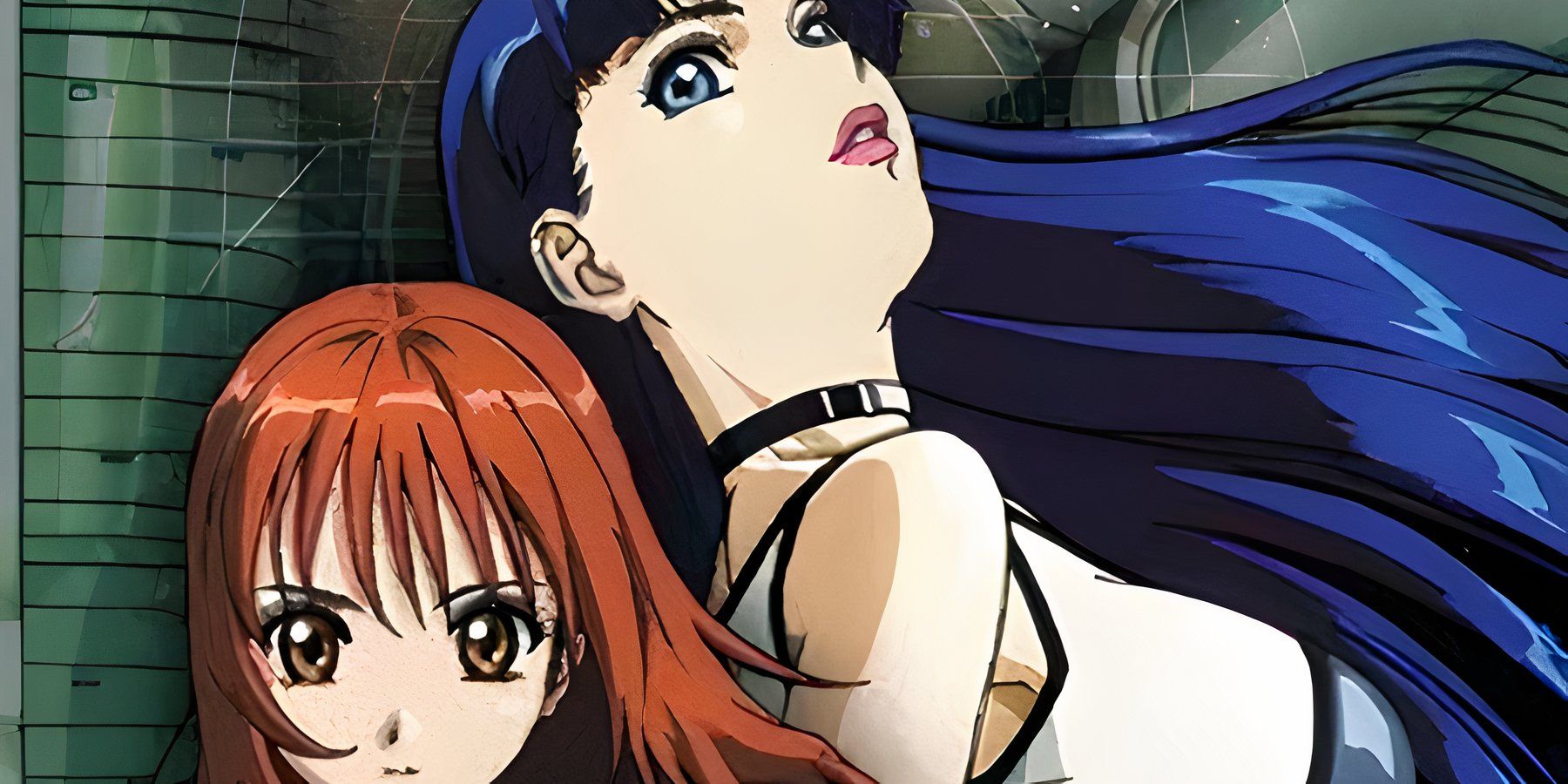
In the 21st century, after genetic engineering has eliminated emotions in humans and created a world with nine women for every man, Geneshaft takes place aboard the spaceship Bilkis. The crew embarks on a mission to investigate mysterious rings that have appeared in the sky, aided by a massive, cutting-edge robot called the Shaft. The show leans towards realistic science fiction, focusing on themes like genetic compatibility and the logical consequences of a society that has evolved beyond human emotion.
I have to say, this show is really known for its… unfortunate early 2000s CGI. Even back then, it just didn’t quite fit with the more classic character designs. And it wasn’t just the visuals; the script was packed with technical jargon, and the actors delivered their lines so flatly that everyone – even the spaceship itself – felt robotic. By the end of the 13 episodes, I found myself completely disconnected. All the big space battles just felt empty and didn’t leave much of an impression because there wasn’t a real emotional core to the story.
2002: Saikano
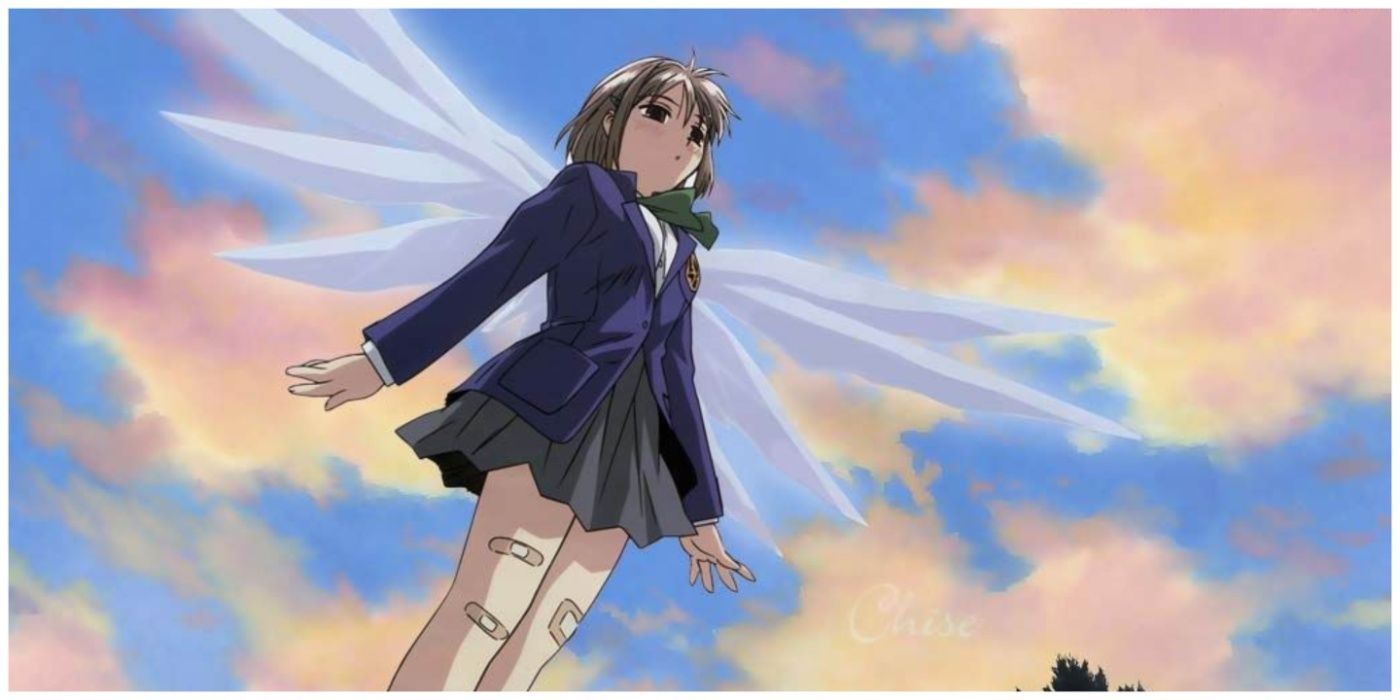
I remember starting to watch Saikano and being immediately drawn into the story of Chise and Shuji. They were just two clumsy teenagers trying to navigate a relationship, but their lives were unfolding against the backdrop of a massive, world-ending war. What really set it apart, though, was the shocking twist: Chise had been unwillingly transformed into a devastating weapon by the military. She literally grew wings and cannons, becoming capable of leveling entire cities. It was a really impactful and unusual premise.
Despite having a dedicated fanbase, the anime is often criticized for its wildly fluctuating art style – character proportions can change noticeably from scene to scene. The story frequently relies on overly dramatic and unbelievable emotional moments, asking viewers to feel sympathy for characters who act illogically. It prioritizes emotional drama over developing a believable world, leaving the central conflict feeling vague and underdeveloped rather than genuinely threatening.
2003: Shadow Star Narutaru
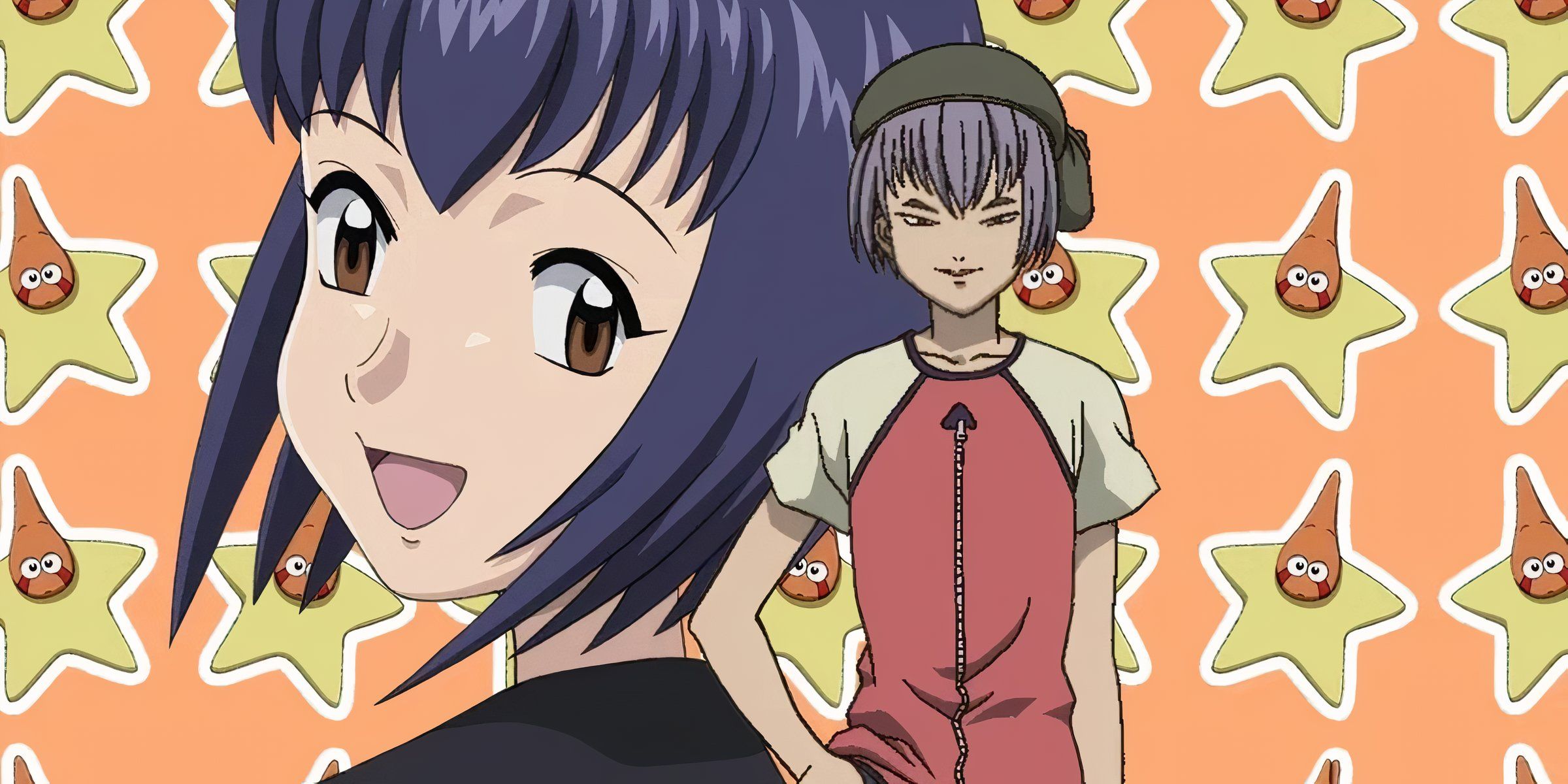
This series begins with a sweet story of a young girl, Shiina, who befriends a charming alien she names Hoshimaru. But the cute, childlike appearance quickly fades, revealing a dark story about bullying, loneliness, and intense violence. It’s a deconstruction of the ‘magical girl’ genre, exploring the terrifying consequences if troubled children were given immense power.
Fans of the original manga widely consider this adaptation a disappointment. It suffers from poor animation quality, noticeably stiff movements, and cheap-looking visual effects. To make matters worse, the anime ends abruptly while the story is building to its most complex parts, leaving major plot points and mysteries unresolved.
2004: Gantz
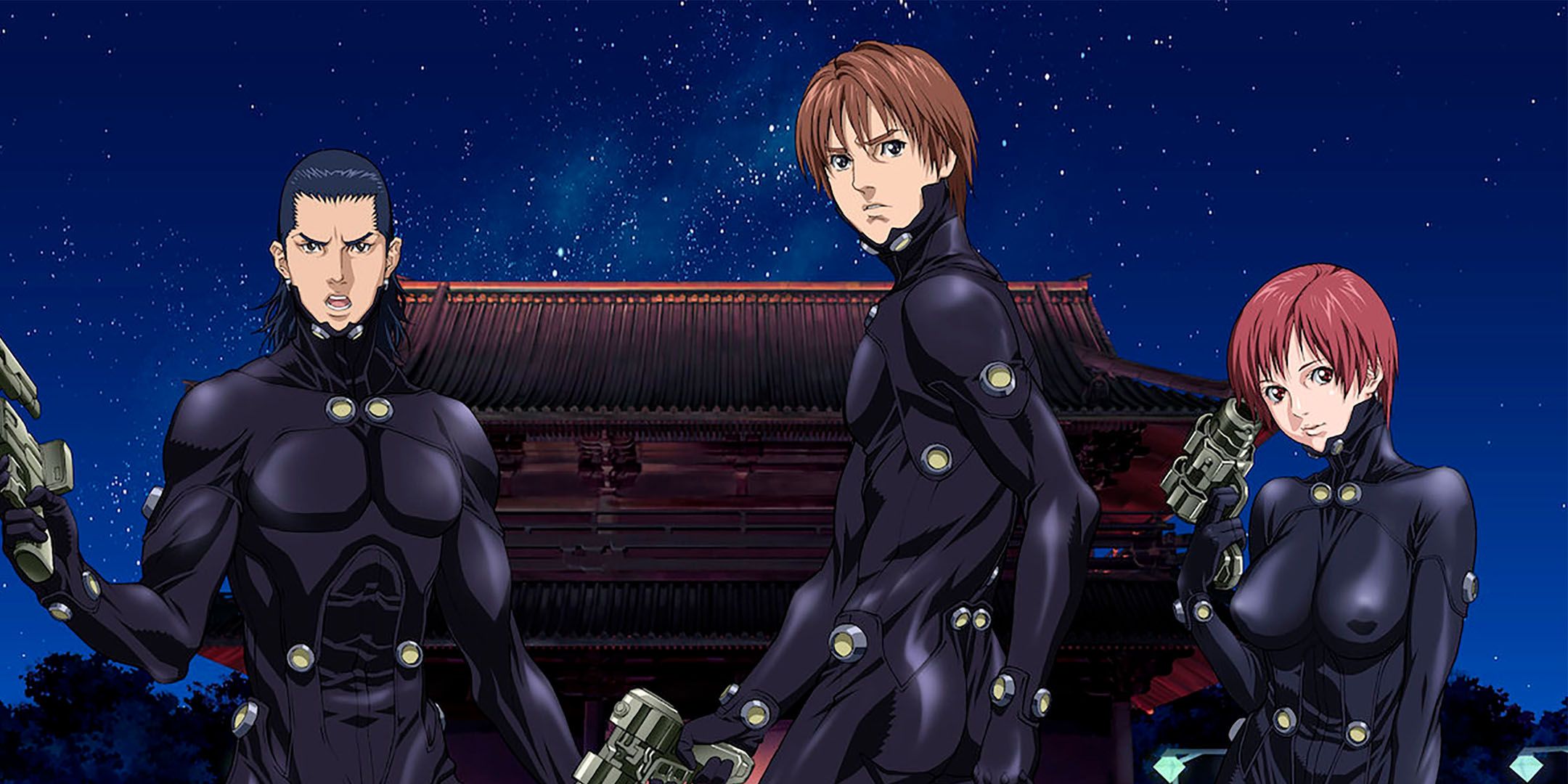
Gantz follows a group of people who die and find themselves in a mysterious room with a black sphere. This sphere forces them to participate in a deadly, alien-hunting game. The original manga is highly regarded for its stunning artwork and intense survival horror, exploring the darkest aspects of human nature when pushed to the limit. The anime adaptation tries to capture that same thrilling, high-stakes energy, focusing heavily on both gore and psychological tension.
The anime’s biggest flaws are its slow and drawn-out pacing, which kills the suspense and makes it boring. The animation hasn’t aged well either, with static images and awkward computer graphics. To top it off, the ending deviates from the source material, rushing the conclusion and replacing compelling storylines with confusing philosophical ideas that disappoint fans of the original manga.
2005: Mars of Destruction
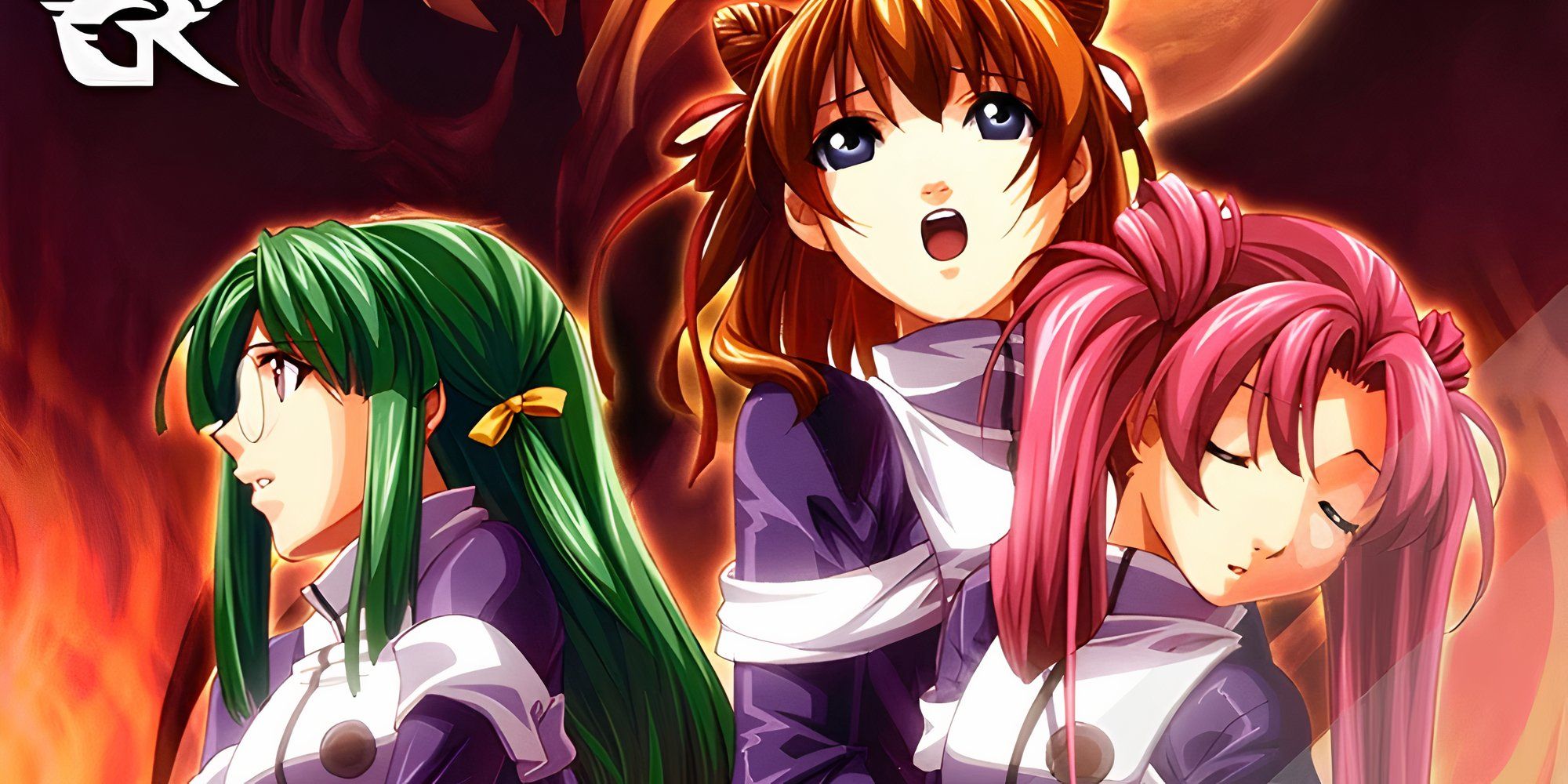
In the year 2010, Mars of Destruction tells the story of a troubled Mars mission where astronauts face off against the Ancients – strange monsters emerging on the planet. A dedicated team is formed to combat these creatures using advanced combat suits. They focus on a young man named Takeru, believed to be humanity’s only hope for survival.
This animated short is widely considered one of the worst pieces of media ever made. The sound is terrible, using stolen effects and abruptly cut-off music. The animation is choppy and poorly edited, making the 20-minute runtime feel much longer. It’s become famous for being hilariously bad, and there’s really nothing good about it. If you enjoy anime, it’s best to avoid this series altogether.
2006: Ghost Slayers Ayashi
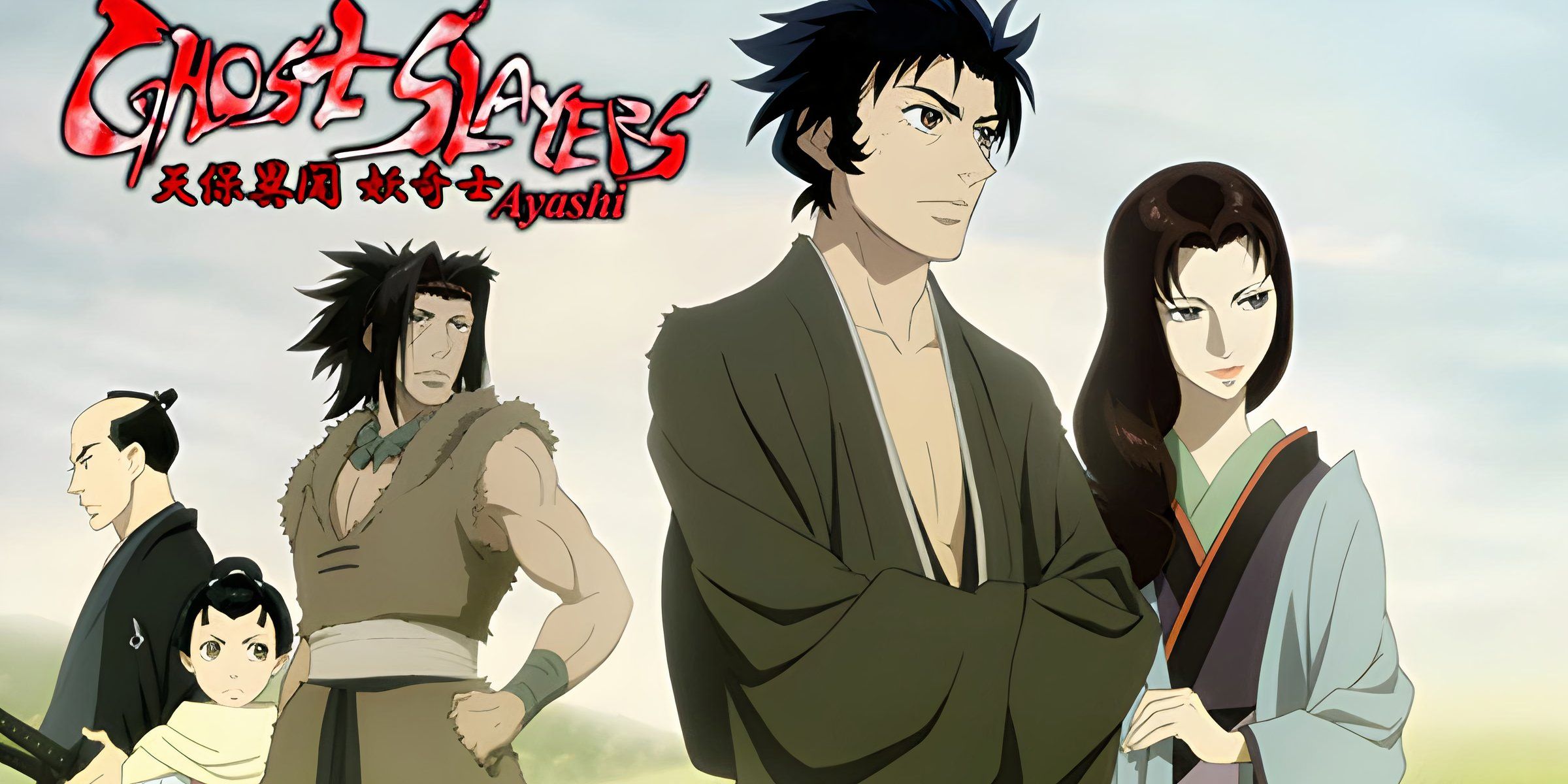
I’m so excited about Ghost Slayers Ayashi! It’s being made by Studio Bones, and knowing their work, I have high hopes for the animation. The story is set in Japan back in 1843, during the Tenpo period, and it follows this group called the Ayashi. They’re basically monster hunters with special powers, taking on these supernatural creatures called Youi. What really grabs me is that it’s aiming for a really authentic historical feel, weaving in Japanese folklore and even the politics of the time – it’s not just a simple monster-of-the-week story!
Honestly, despite where it came from, this series just didn’t take off – it was a real flop. It really lacked the fast-paced energy Studio Bones is known for, and instead felt slow and kind of repetitive. The characters just didn’t grab me, and the show suffered for it. The ratings were so bad, the network actually cut the episode count, forcing a rushed ending after a long delay. It’s a shame, but it just didn’t work.
2007: Shigurui Death Frenzy
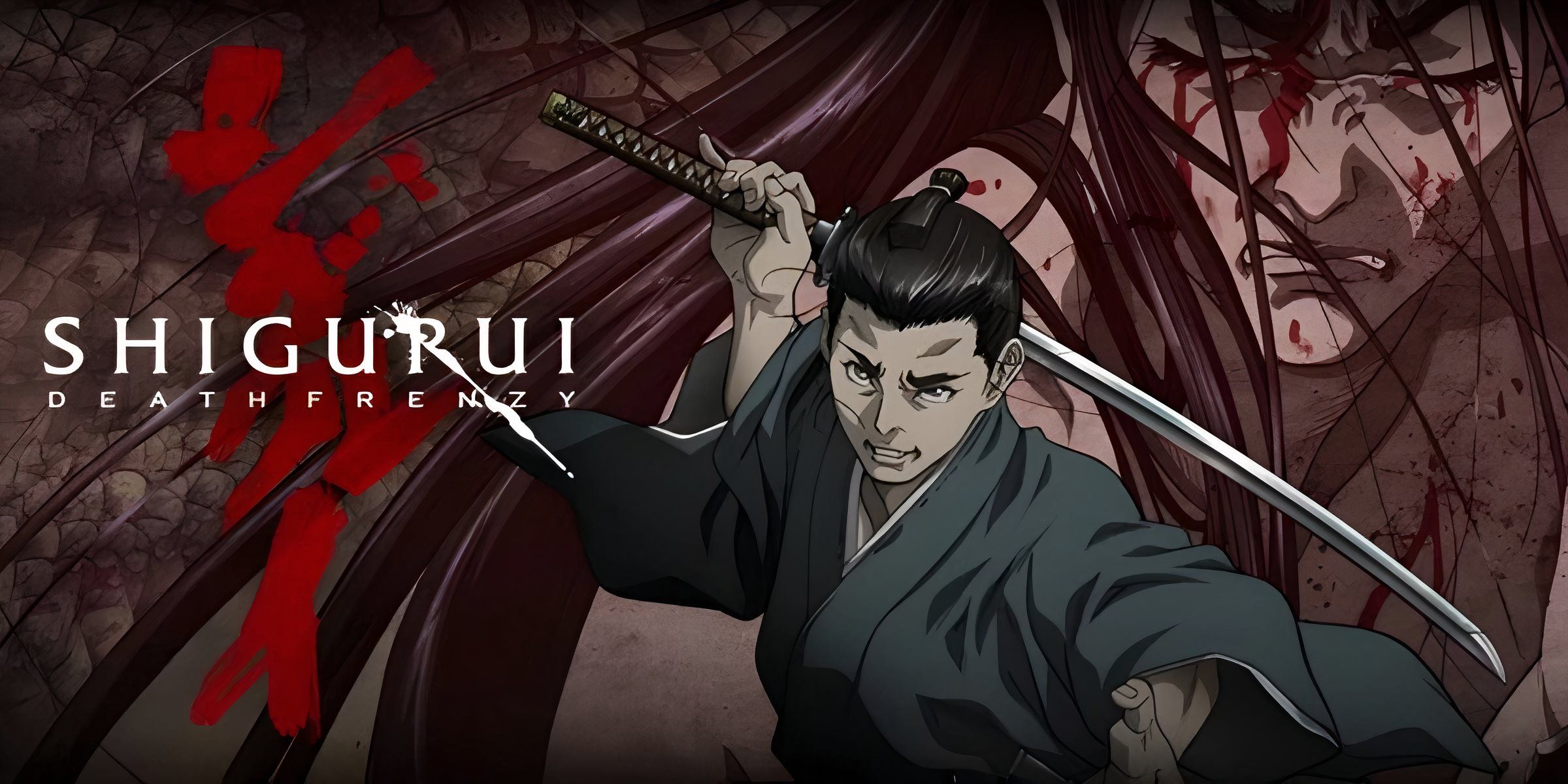
Shigurui is a brutally realistic depiction of the samurai era, centered around a twisted competition organized by a cruel lord. The story follows two damaged swordsmen, Fujiki and Irako, haunted by betrayal, ambition, and obsession. It’s a stark and often disturbing contrast to the idealized, romanticized image of samurai, leaning heavily into graphic violence.
This anime tends to strongly divide viewers – people either love it or hate it. However, many dislike it due to its deliberately slow pace and heavy atmosphere. The show relies heavily on static, lengthy shots and unsettling close-ups of things like internal organs and twitching muscles, which are meant to be artistic but often just feel disturbing. Like Narutaru, it ends on a major cliffhanger that only covers a small part of the original story, leaving viewers feeling unsatisfied after everything that happens.
2008: Sekirei
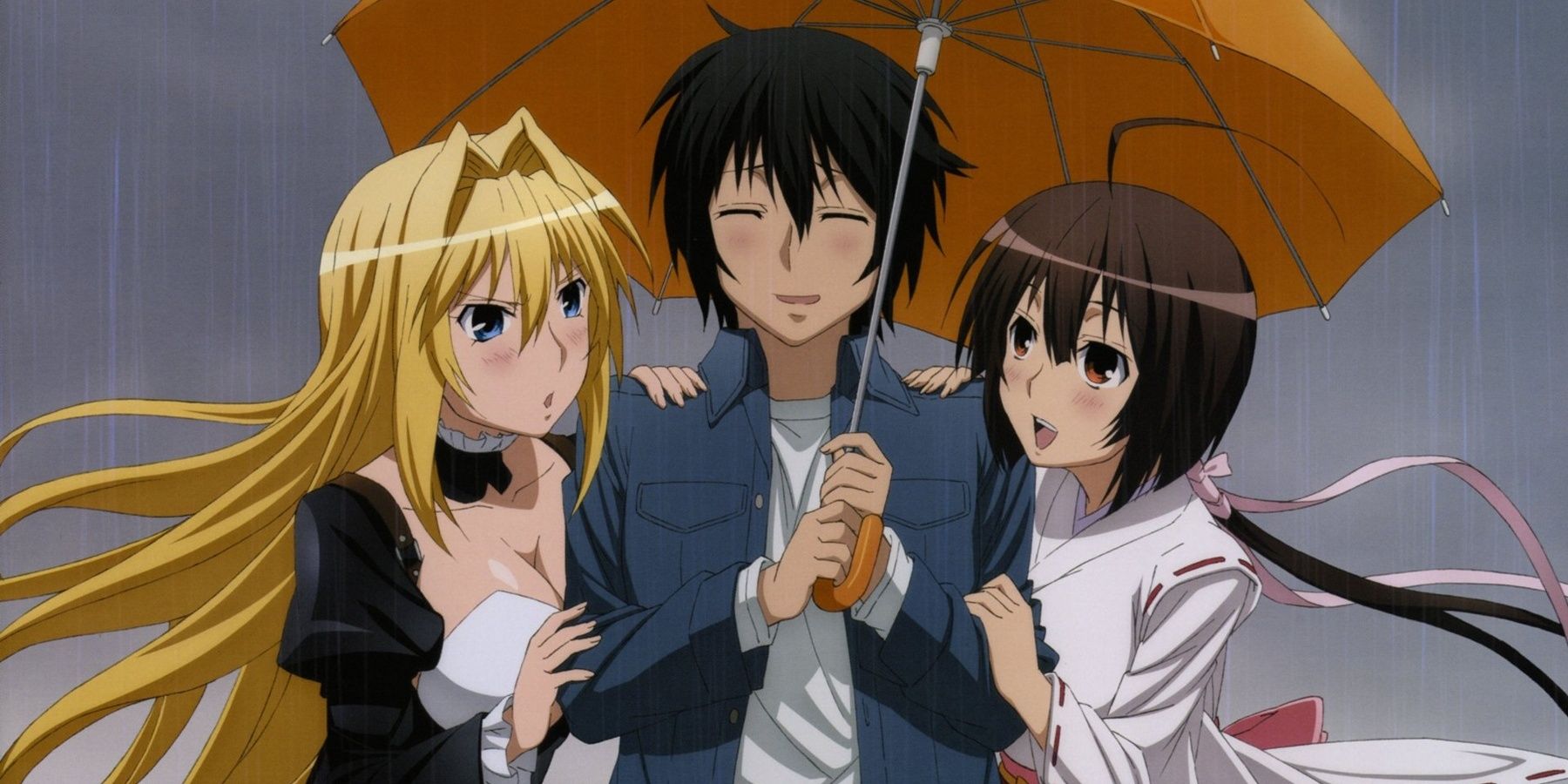
Sekirei centers around Minato, a struggling college student who suddenly finds himself caught in the Sekirei Plan – a large-scale battle where powerful beings called Sekirei fight to the death, each paired with a human. The series is a classic battle-harem anime aimed at young men, combining exciting supernatural fights with a strong focus on the growing group of women who become attached to the main character.
Okay, so I really wanted to love this show, but honestly, it’s frustrating! It’s got a cool idea for a tournament arc, but instead of focusing on developing the characters or building out the world, it gets bogged down in… well, let’s just say a lot of unnecessary fanservice. It’s constantly distracting, with everything being about suggestive moments and ripped clothes. If you’re hoping for a mature, serious action series, you’ll be disappointed. It feels really shallow, and the constant nudging and repetitive jokes just get old fast. I wish they’d spent more time on the story and characters instead!
2009: Queen Blade: The Exiled Virgin
-Cropped.jpg)
The name Queen Blade comes from historical books detailing combat tournaments held every four years to crown a new Queen. The story follows Leina, a princess living in exile, as she travels the land and encounters various female warriors—all of whom are preparing to compete in the upcoming tournament. It’s a classic example of a series focused on strong, female fighters.
Most reviewers agree this anime is primarily focused on suggestive content. The plot is weak and simply exists to link together scenes designed to be provocative, with action sequences often emphasizing inappropriate visuals and costume issues. It lacks the depth and complexity of a true mature anime, feeling more like an advertisement than a genuine story.
Who’s That Character?  Identify the silhouettes before time runs out.
Results
High Score: 0 —
Read More
- Forza Horizon 6: Find the Ohtani Treasure Chest Location
- LEGO Batman Legacy of the Dark Knight Batcave Minikits & WayneTech Caches
- NTE Drift Guide (& Best Car Mods for Drifting)
- Diablo 4 Best Loot Filter Codes
- USD RUB PREDICTION
- Boruto: Ikemoto Has Already Hinted At Sasuke’s New Eye After Return
- Deltarune Chapter 1 100% Walkthrough: Complete Guide to Secrets and Bosses
- Top 10 Must-Watch Isekai Anime on Crunchyroll Revealed!
- USD CNY PREDICTION
- Cookie Run Kingdom Timeline of Fate Update Guide
2026-03-25 18:37