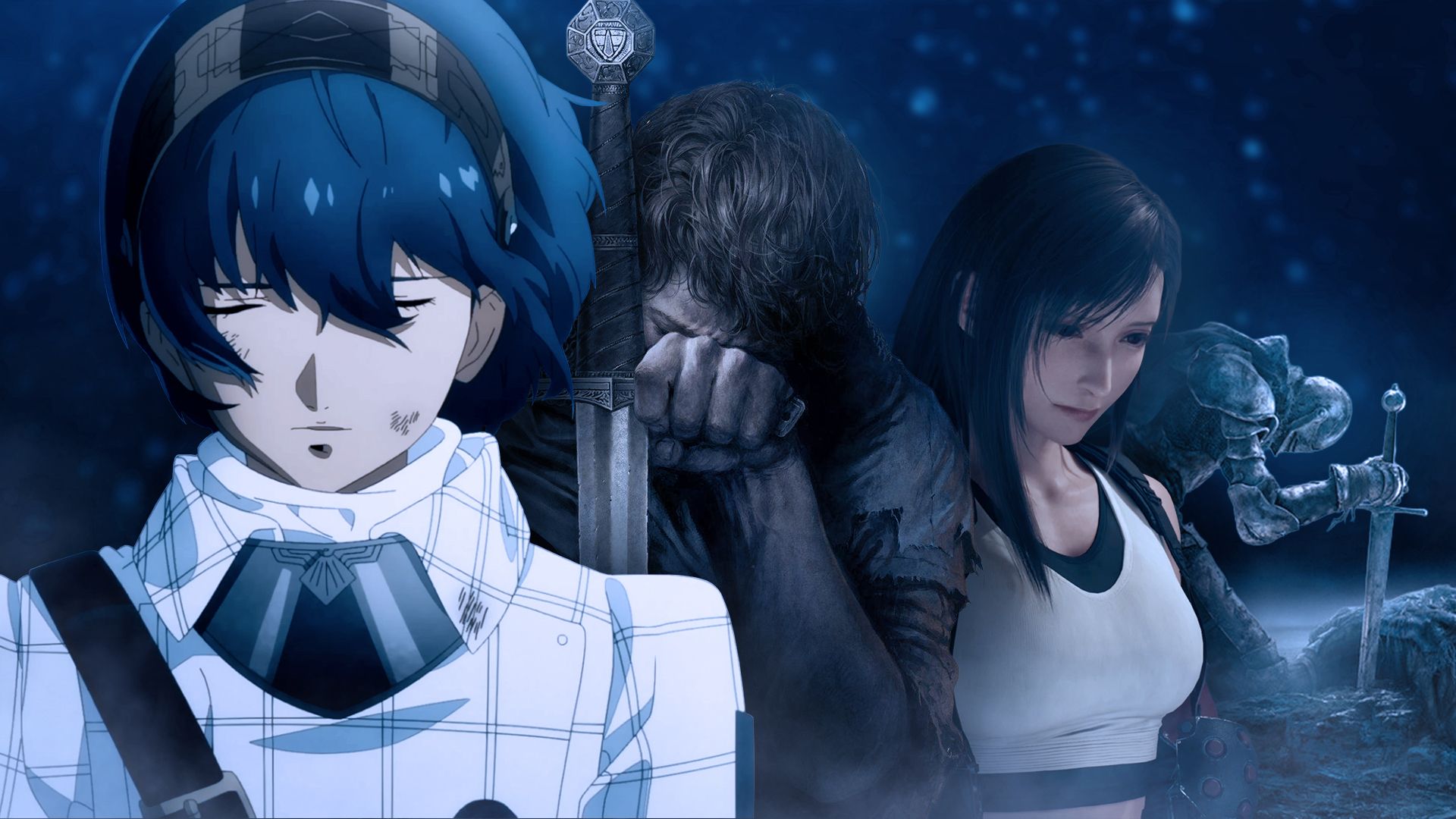
Have you ever felt surprisingly sad after completing a game you really enjoyed? It’s common to go from feeling satisfied at the end of a long or challenging game to feeling empty or even a little heartbroken, and it seems this happens to a lot of people – it’s not just a random occurrence.
A recent study in Current Psychology from the Stefan Batory Academy of Applied Sciences and SWPS University explored the phenomenon of feeling down after finishing a video game – something many long-time gamers have likely noticed. Researchers conducted two studies with almost 400 participants, most of whom played games daily or almost daily. They developed a way to measure this ‘post-game depression,’ which they call P-GD, and found that players of role-playing games (RPGs) may be particularly susceptible to it.
What Exactly Is Post-Game Depression, and Why Are RPG Fans at the Greatest Risk?
One of the most helpful discoveries in the research paper was a way to categorize the P-GD phenomenon into four distinct parts.
- Game-Related Ruminations: intrusive thoughts about a game while not playing
- Challenging End of Experience: negative or difficult emotions arising from the understanding that a game is truly over
- Necessity of Repeating the Game: the knowledge that it’s impossible to experience a game for the first time again
- Media Anhedonia: the inability to experience satisfaction from other forms of media
As a supporter of this research, I can tell you that the study broke down experiences into smaller parts, called ‘subscales,’ to get a better overall picture. We found that people who struggled with things like feeling bad after a loss or constantly thinking about games were also more likely to show signs of depression – things like feeling less satisfied with life and having trouble connecting with others. It seems like dwelling on games after they’re over – what they call ‘Game-Related Ruminations’ – was the most common issue, while a lack of enjoyment from media – ‘Media Anhedonia’ – was the least reported.
 Find all 10 pairs Results
Many veteran gamers will likely recognize these feelings. They all stem from the struggle of finishing a game and moving on, with even the experience of Media Anhedonia involving comparing other games or media to one you’ve really enjoyed. However, it’s not something everyone experiences equally – certain groups of people seem more prone to Problematic Game Disengagement than others.
It’s important to understand that ‘post-game depression’ isn’t a recognized medical diagnosis. It’s simply a pattern of feelings observed in this research.
RPGs May Be More Likely to Cause Post-Game Depression
Before being evaluated, each person in the study identified a game that brought on their symptoms of problematic gaming disorder (P-GD). The results showed that RPGs were the most common trigger, with over half (53.3%) of those experiencing P-GD reporting it. This means players were most likely to experience these issues after playing role-playing games. Action games were the next most common trigger, but much less frequent, at 18.6%. Since the study specifically separated MMORPGs, it suggests that single-player or story-focused RPGs are particularly linked to P-GD. According to co-author Kamil Janowicz…
Our studies suggest that players of role-playing games, or RPGs, are particularly prone to feeling down after finishing a game. This is likely because RPGs allow players to deeply shape their characters and form strong connections with them. The more invested someone becomes in the game’s world and their character, the harder it can be to readjust to everyday life when the game ends.
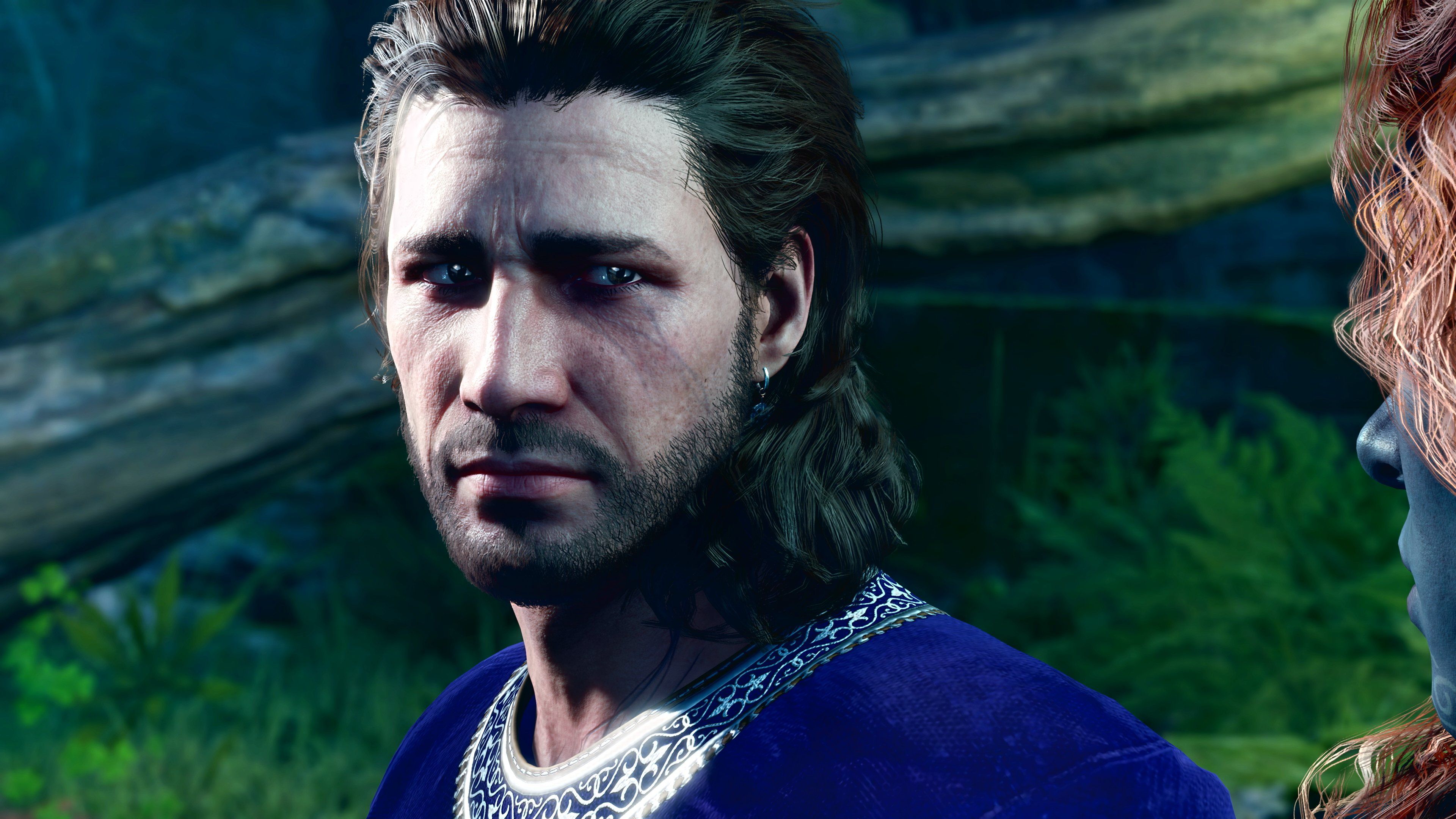
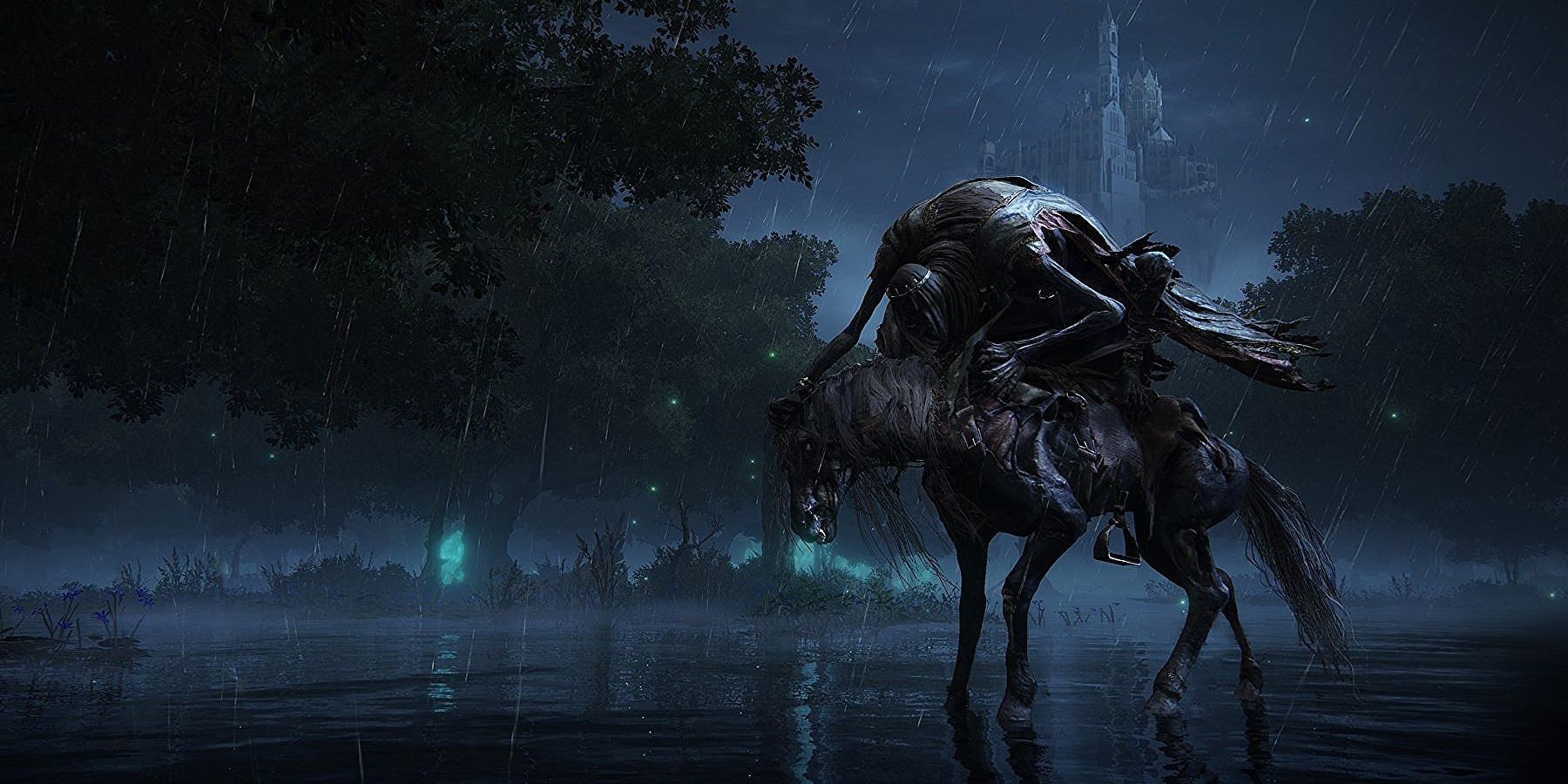
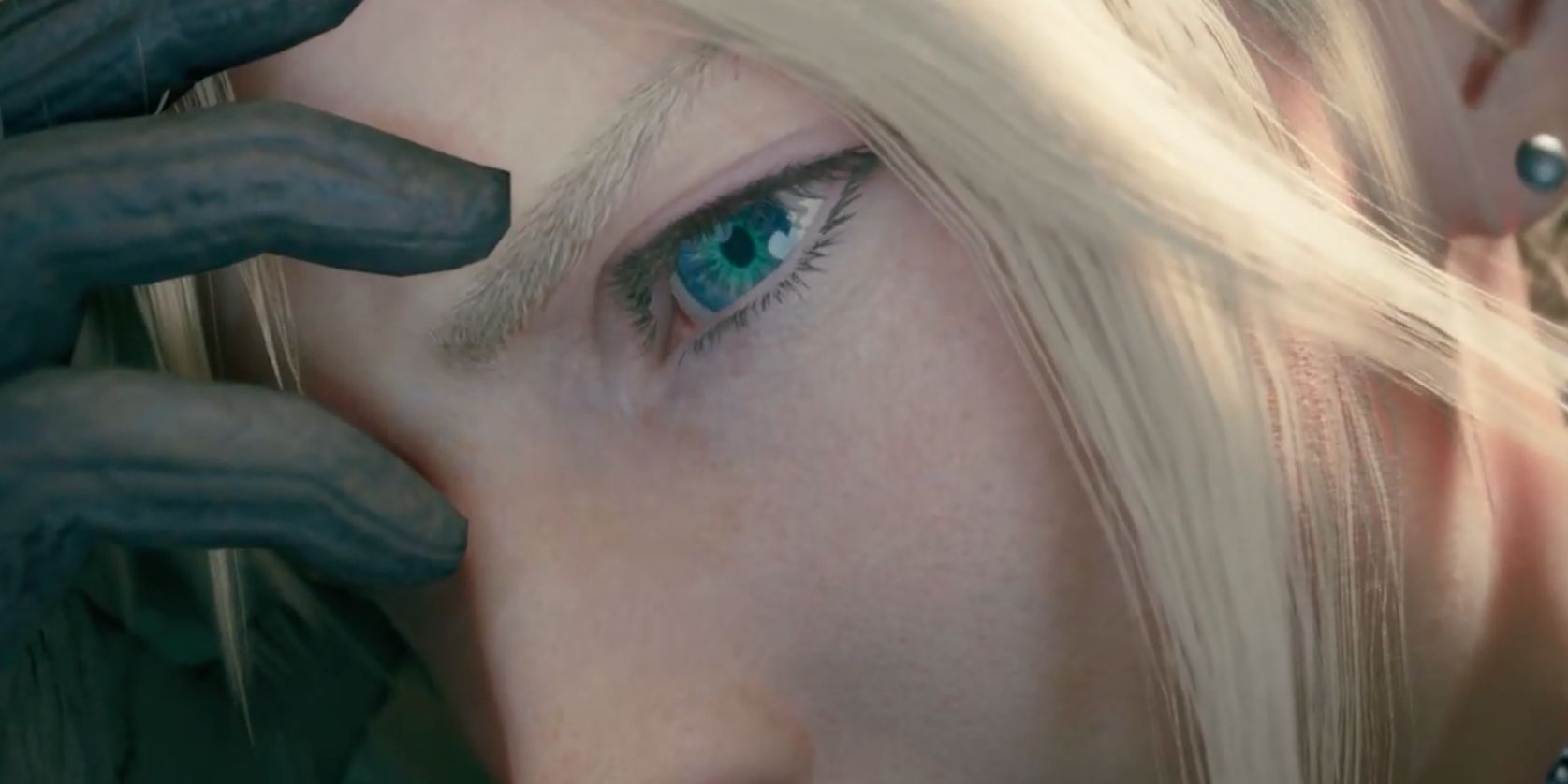
Long RPGs That May Be Extra Likely to Cause P-GD
- Elden Ring
- The Legend of Zelda: Tears of the Kingdom
- Final Fantasy 7 Rebirth
- Kingdom Come: Deliverance
- Metaphor: Refantazio
Complicating Factors and How to Avoid Post-Game Blues
The study highlighted a couple of important points. Players who felt the most down after games tended to be younger and played for longer periods. This raises the possibility that difficulty managing emotions might contribute to these feelings. Even more significantly, the study found that those who spent more time gaming were also more likely to experience strong post-game depression.
RPGs are often much longer than other video games, and this could be linked to problematic gaming behavior. The more time you spend in a game, the more absorbed you can become, especially after playing for many hours. However, it’s also important to consider whether spending so much time gaming might take away from other healthy activities, such as spending time with friends or getting exercise.
The link between general sadness and post-gaming depression is similar to the age-old question of which came first, the chicken or the egg. Researchers found that people who often dwell on negative thoughts – a hallmark of depression – were also more likely to experience depression after gaming. Likewise, those who felt particularly sad after a game were generally more prone to pessimistic thinking overall. This suggests that if someone is already vulnerable to depression, they may also be at risk of feeling depressed after gaming.
Achieving a good balance in life and prioritizing your mental wellbeing appears to be the most effective way to prevent post-gaming depression. It’s important to note that this research doesn’t suggest video games are harmful. Post-gaming depression is still being investigated, but it seems likely it’s a form of depression that can affect anyone, rather than something that only happens to healthy people after finishing a captivating game.
Read More
- Forza Horizon 6: Find the Ohtani Treasure Chest Location
- NTE Drift Guide (& Best Car Mods for Drifting)
- LEGO Batman Legacy of the Dark Knight Batcave Minikits & WayneTech Caches
- How to Open Locked Door in Tenryu River in Nioh 3 (Dirty Key)
- Skyblivion Gets Encouraging Development Update
- Sega’s “Super Game” is Said to Release Next Month, But Nothing is Known About It
- USD RUB PREDICTION
- Dead as Disco Best Songs (Clear Beats & Stable BPMs)
- Cookie Run Kingdom Timeline of Fate Update Guide
- God of War Shadow Drops New Game and Confirms Greek Trilogy Remake
2026-03-27 13:05