
Most game genres tend to revisit familiar concepts, but this is especially true for survival games. Whether it’s the lonely struggle in The Long Dark or the constant cycle of gathering materials and building, you usually know what you’re getting with the genre. However, a new open-world survival game called Category 6 on Steam seems to be doing things a little differently. It’s not abandoning what makes survival games fun, but it’s aiming to create pressure from more than just limited resources and dangerous environments.
Ultimately, the core of Category 6 lies in its take on survival. It goes beyond simply finding food and shelter, focusing on how players interact with others, the importance of resources, and the long-term well-being of their character. While similar to The Long Dark in these aspects, Category 6 introduces a more unpredictable and chaotic environment right from the start. Set to release on Steam in July 2026, Category 6 looks like a promising new game for fans of challenging survival titles like The Long Dark.
Category 6 Turns The Long Dark’s Isolation Into a More Chaotic Fight for Survival
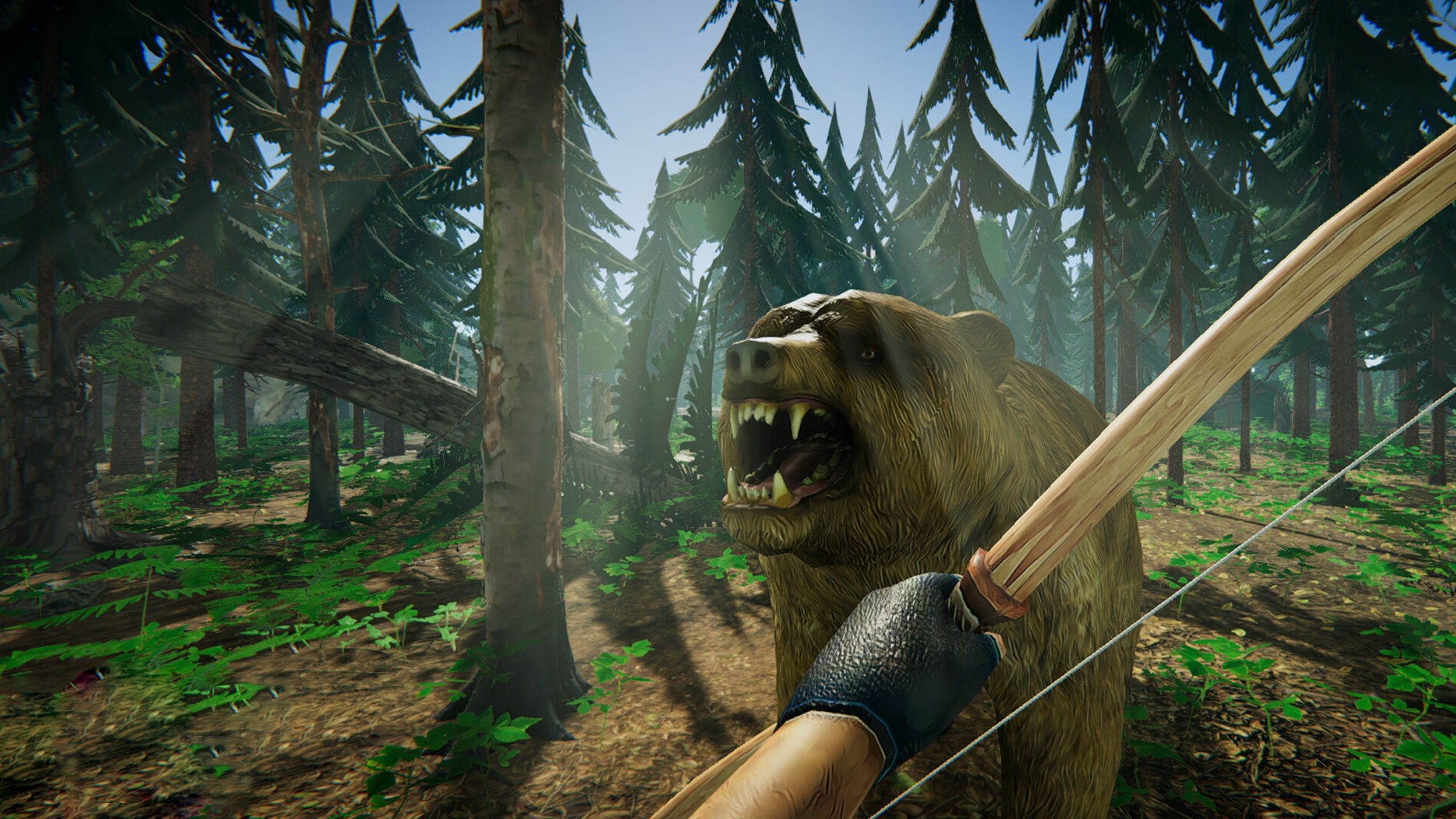
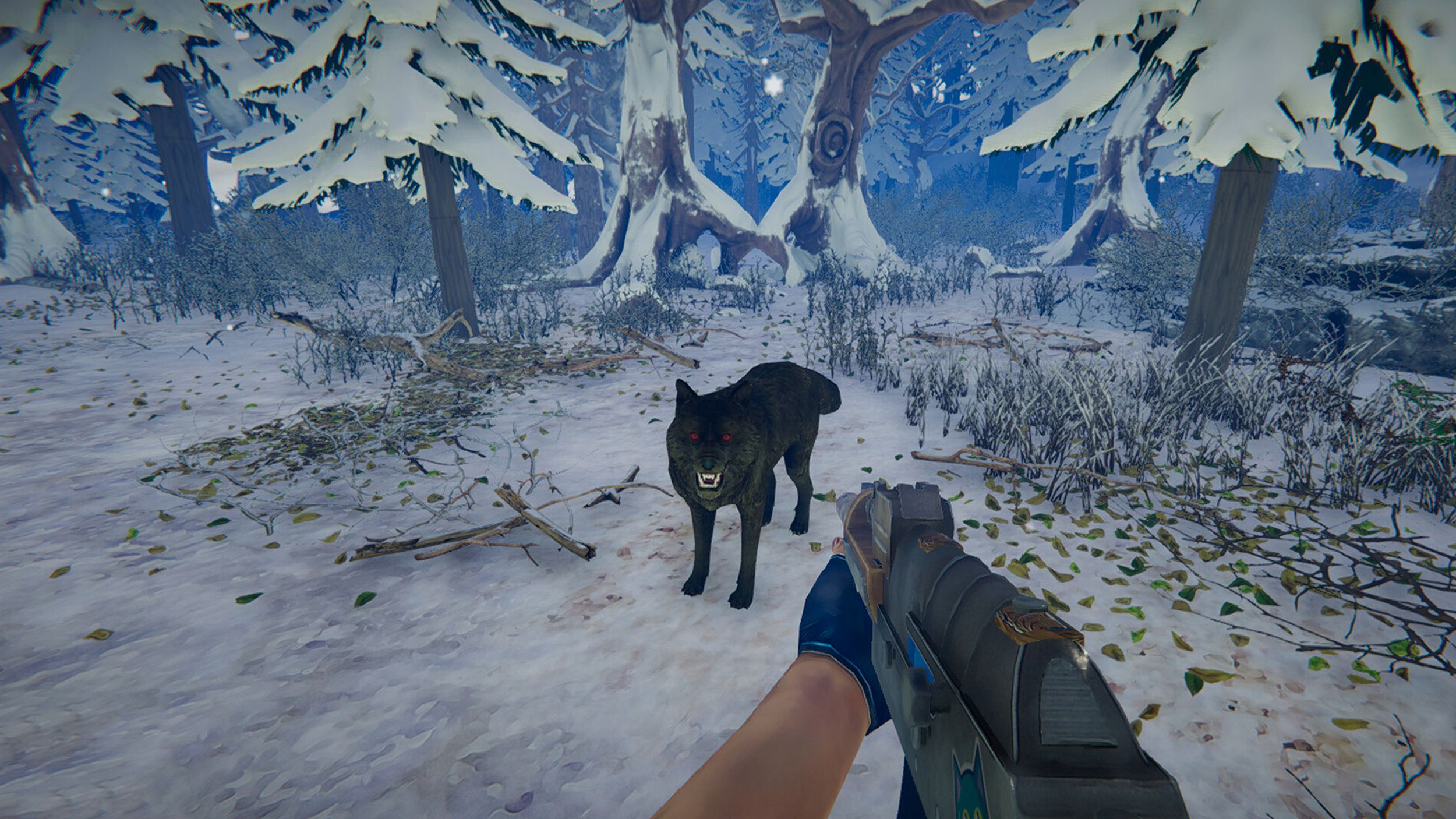
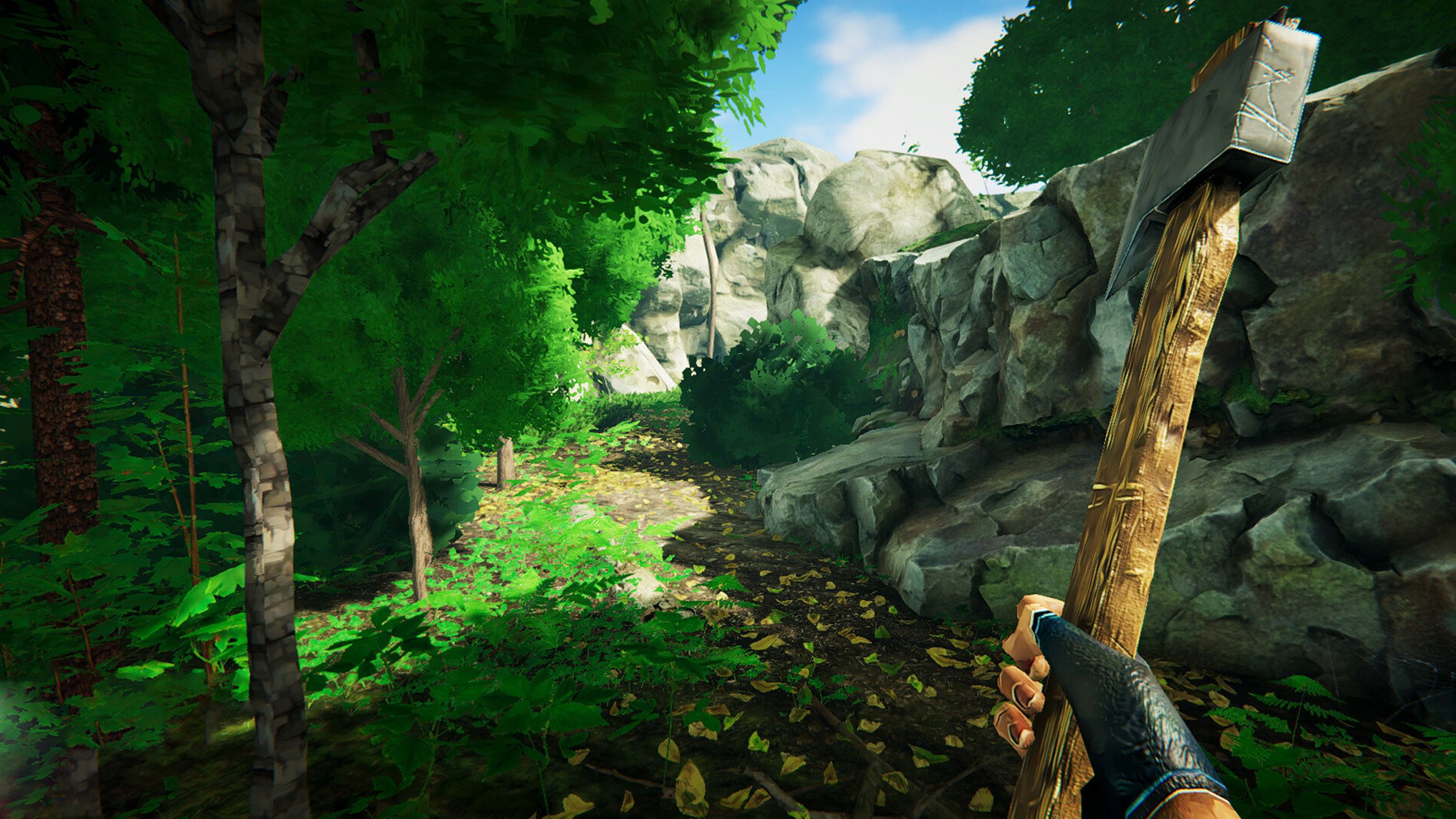
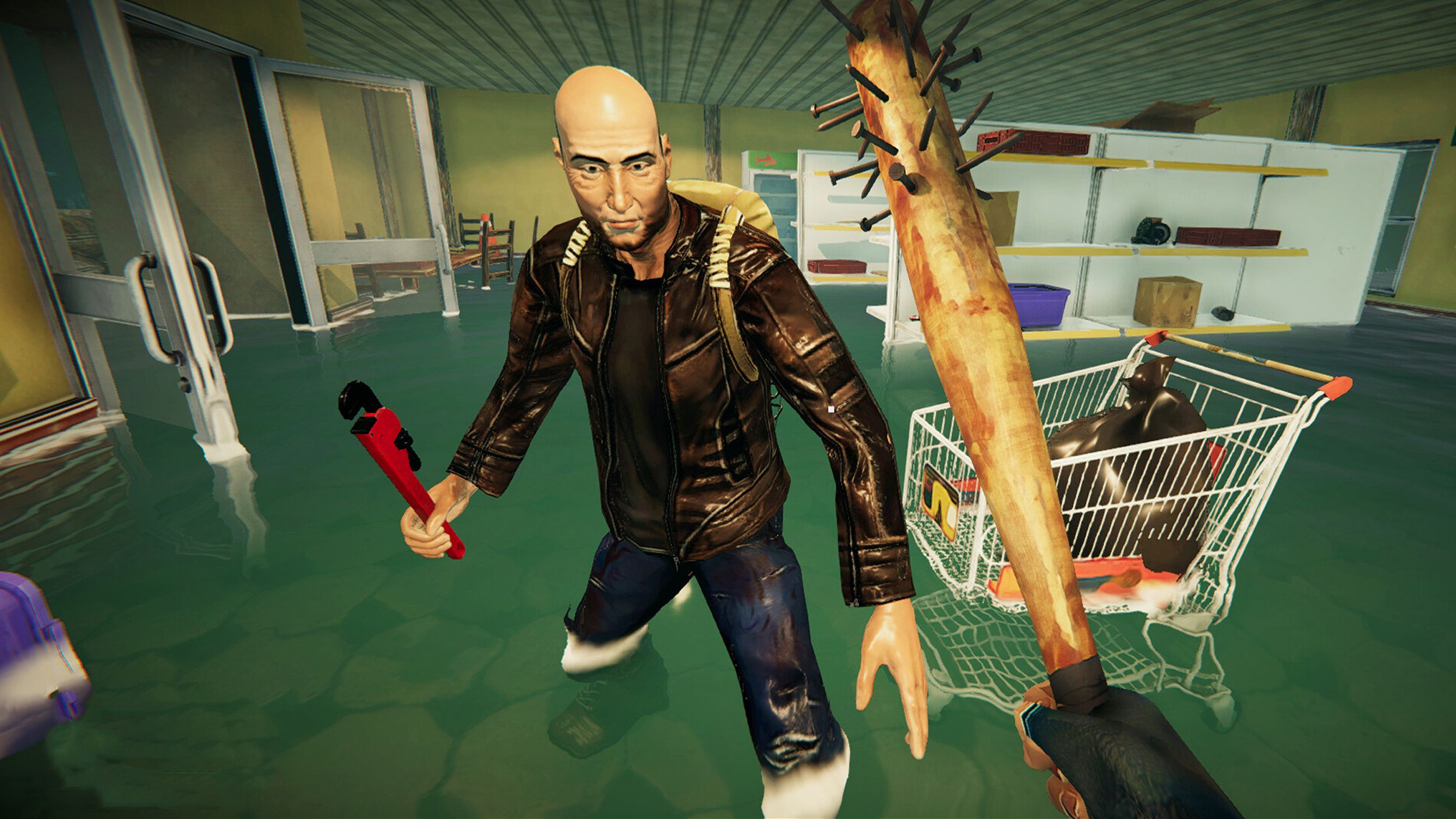
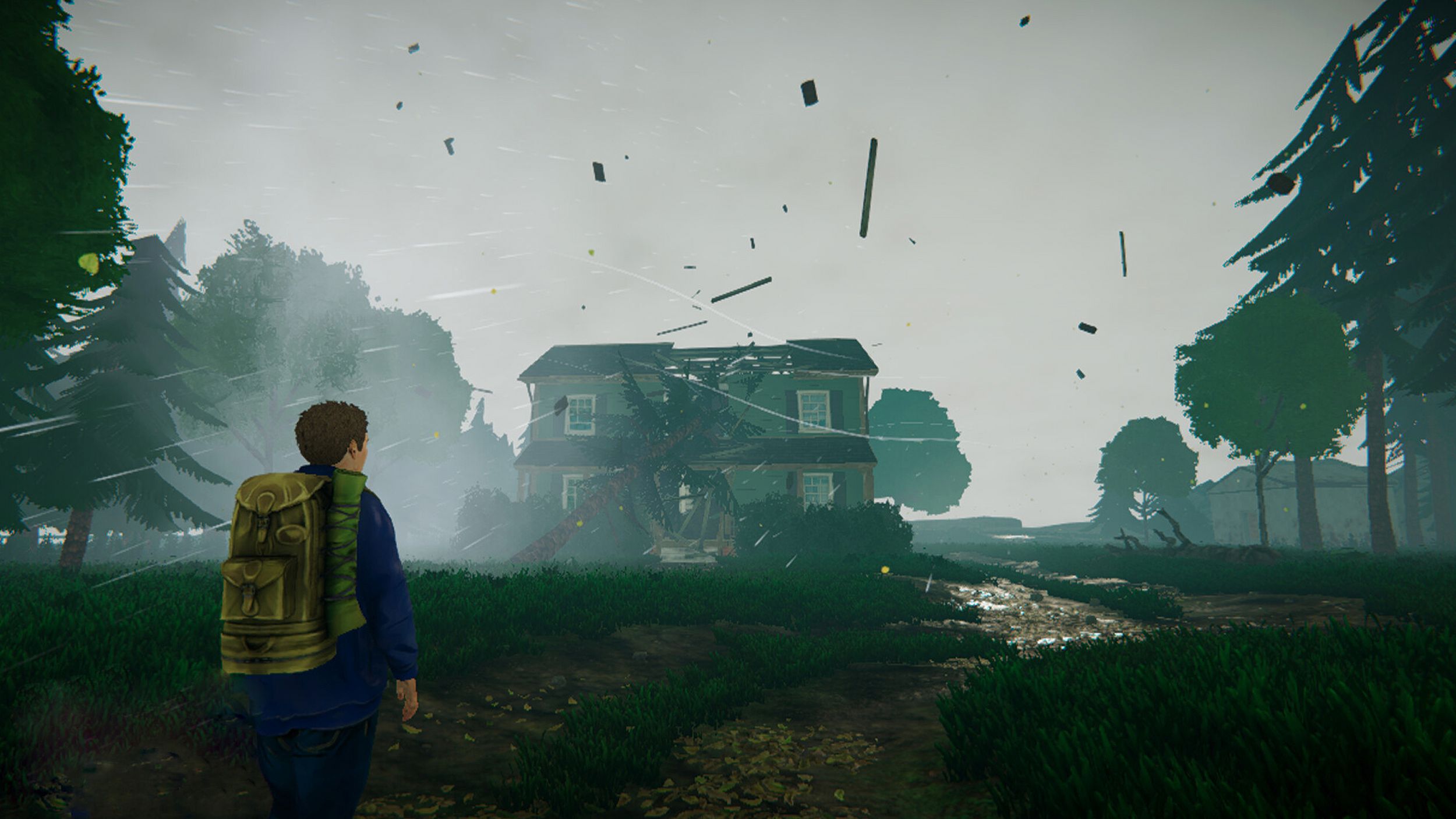
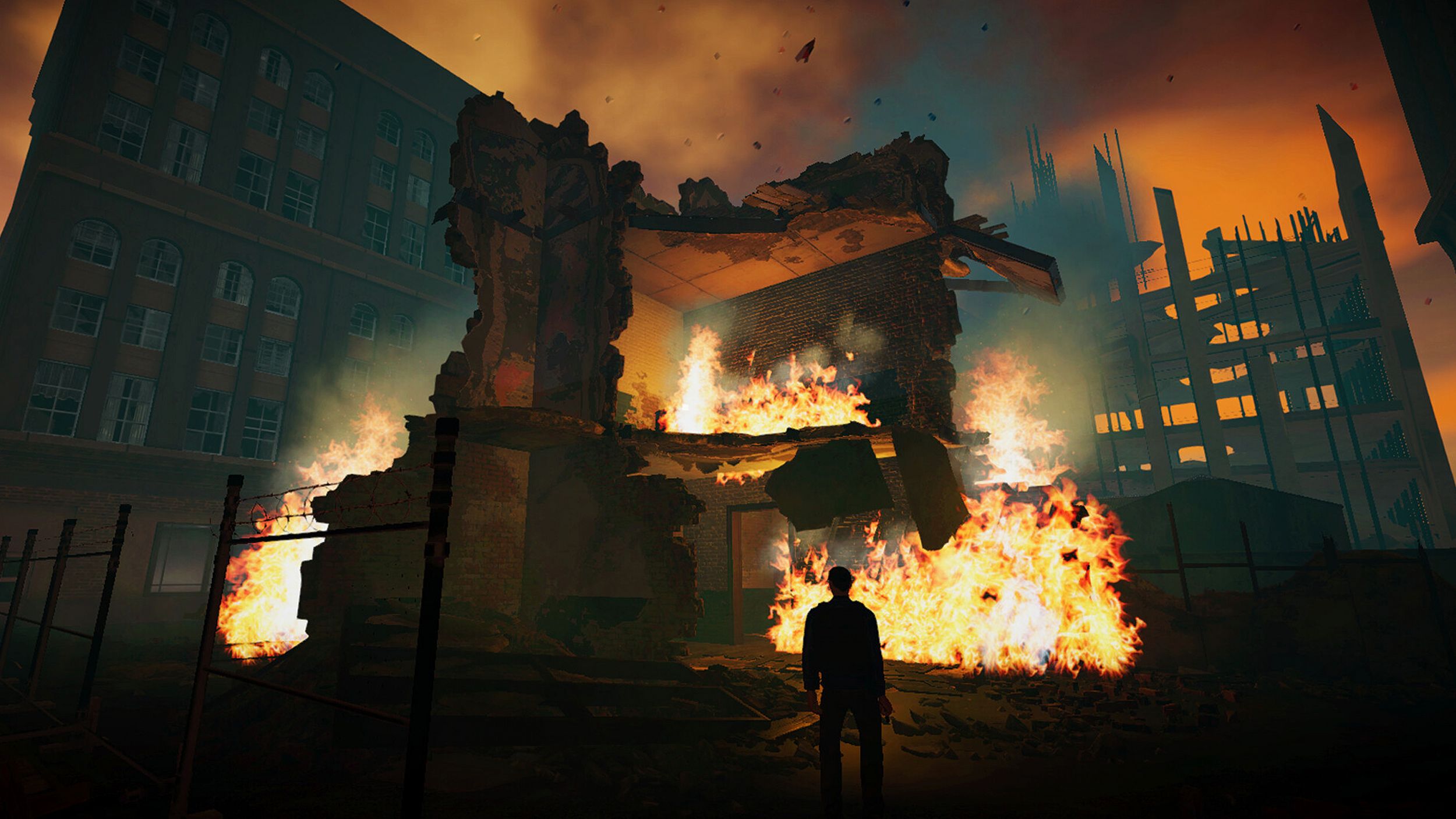
I’m really excited about Category 6! It’s set after a massive hurricane completely destroys everything, leaving this really dangerous and broken world behind. You play as someone who’s been separated from their family by over a hundred miles, and your main goal is to find them. You can follow a story, or just try to survive in this harsh new reality. It sounds like you’ll be scavenging for supplies, dealing with both wild animals and other people who are just trying to live, and really struggling to stay alive – both physically and mentally. The game seems to really capture what it would be like if a modern disaster just went completely off the rails.
Who’s That Character?  Identify the silhouettes before time runs out.
Results
High Score: 0 —
Category 6’s Core Features
- POST-HURRICANE SURVIVAL SETTING – World devastated by a record-breaking storm.
- OPEN-WORLD EXPLORATION – Large, dynamic environments with diverse biomes and hidden locations.
- SCAVENGE, CRAFT, TRADE LOOP – Gather resources, craft tools, and trade valuables for survival.
- STORY AND SURVIVAL MODES – Narrative-driven journey or sandbox endurance experience.
- HUMAN AND WILDLIFE THREATS – Aggressive animals and competing survivors fight over resources.
- PHYSICAL AND MENTAL SYSTEMS – Injuries, illness, anxiety, and depression impact gameplay.
- AUTO-SORT INVENTORY DESIGN – Streamlined UI removes manual inventory management.
- XP AND CHARACTER PROGRESSION – Earn experience to unlock upgrades and improve survivability.
- REALISTIC RESOURCE ECONOMY – Everyday items gain value in a collapsed society.
- IMMERSION-FOCUSED INTERACTIONS – Systems avoid unrealistic survival shortcuts like instant resource gathering.
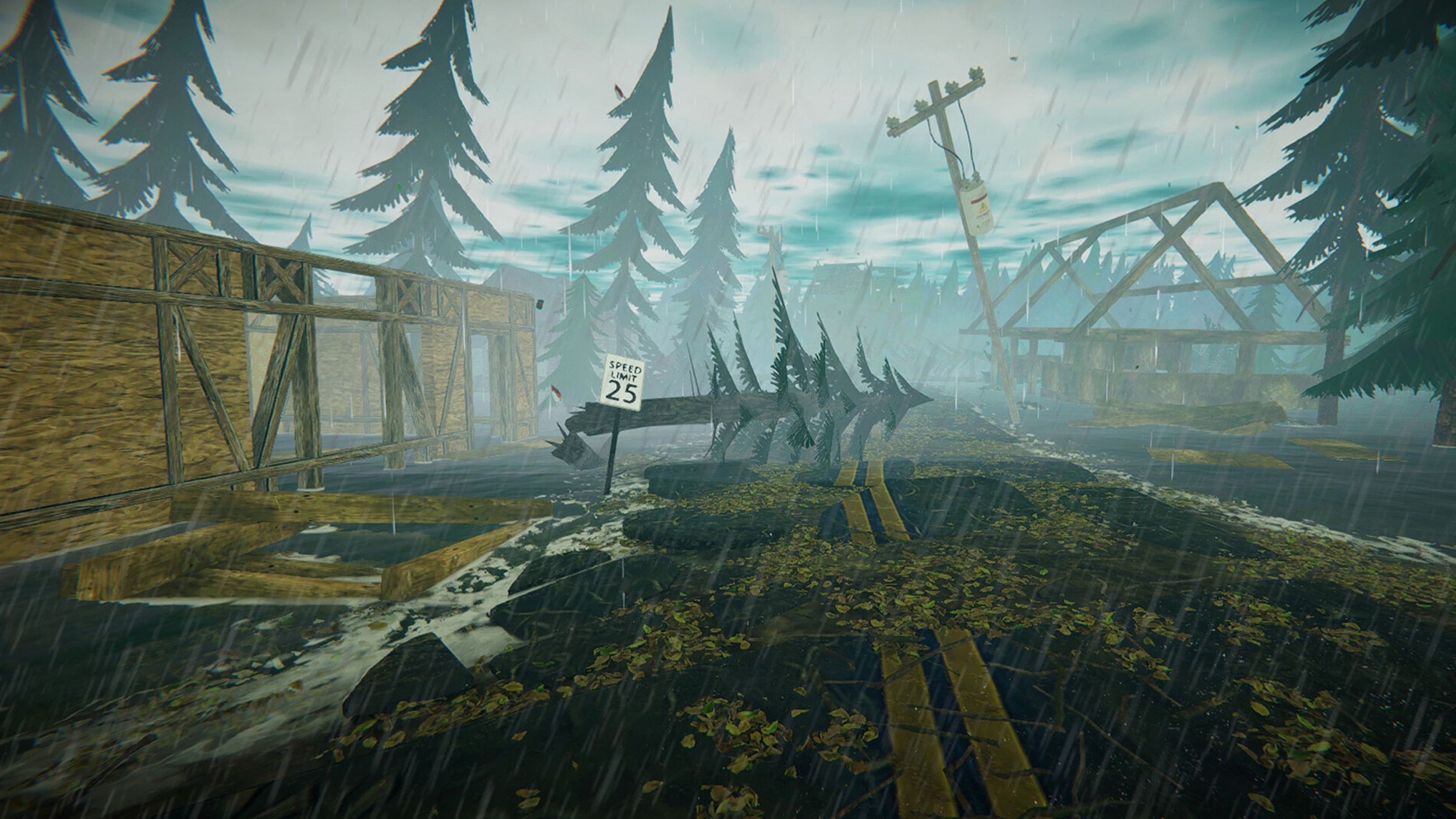
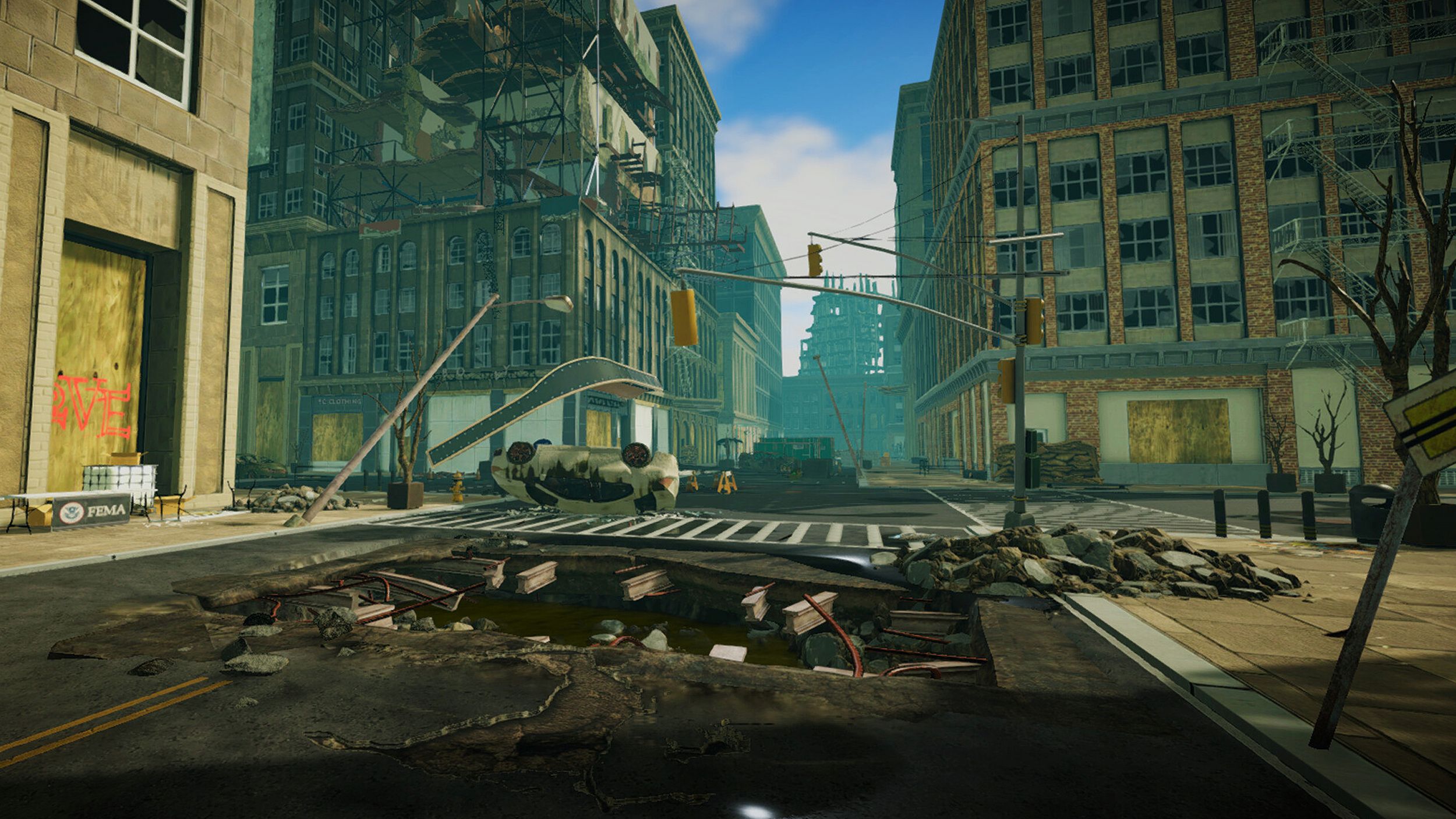
What immediately sets Category 6 apart from many other survival games is its grounded premise. Instead of a far-off or fantastical apocalypse, the game focuses on a devastating hurricane – one that’s realistically extreme in its power. The idea of a storm capable of collapsing structures, isolating towns, and overwhelming infrastructure provides a believable foundation, removing the need for typical fantasy or sci-fi elements. By concentrating on the hurricane’s aftermath, Category 6 can deliver a more authentic and immediate sense of danger, focusing on the struggles that arise when essential services fail.
That core idea naturally impacts how players experience the game world. Exploring in Category 6 is about scavenging through the remnants of a once-functional society, similar to the looting and exploration in ARC Raiders. The abandoned homes and broken technology emphasize that this world wasn’t designed for survival, but players must learn to live in it. This creates a different atmosphere than games like The Long Dark, which focus on controlled isolation. Instead, Category 6 feels more chaotic and even a bit bleak.
I’m completely lost in this incredible open world – it’s huge and always changing, and you can really feel the history of the people who lived here before. Honestly, just surviving feels like a huge win, and I get genuinely excited about the little things, like finding food or watching the sunrise. It’s a really immersive experience!
After the initial setup, the game really gets into that classic survival groove – you’re constantly scavenging for supplies, building things, and trying to stay alive. That’s all pretty standard for this type of game, but what I really like about Category 6 is how important trading is. If you’re missing something crucial, you can always barter with merchants – things like jewelry or even cigarettes can be lifesavers! It feels like a core part of how you progress, not just a side option.
Category 6 Shifts Survival Away From Pure Isolation
The Steam page for Category 6 also reveals that players will face threats from other survivors, wild animals, and scavengers. While details are scarce, it’s clear you won’t be alone in the world, and danger will come from sources beyond just the harsh environment. This is a key feature, suggesting a more interactive survival experience than games like The Long Dark, where survival often feels solitary – even though the specifics of these interactions are still unknown.
Category 6 takes survival gameplay a step further by offering a more detailed way to track the player’s overall condition. Beyond simply managing basic needs like food, water, and shelter, the game also includes physical injuries like broken bones and illnesses, and even tracks mental health, including conditions like anxiety and depression. This adds complexity to the core survival loop without making those systems overly complicated, and stays true to what’s been established in the game.
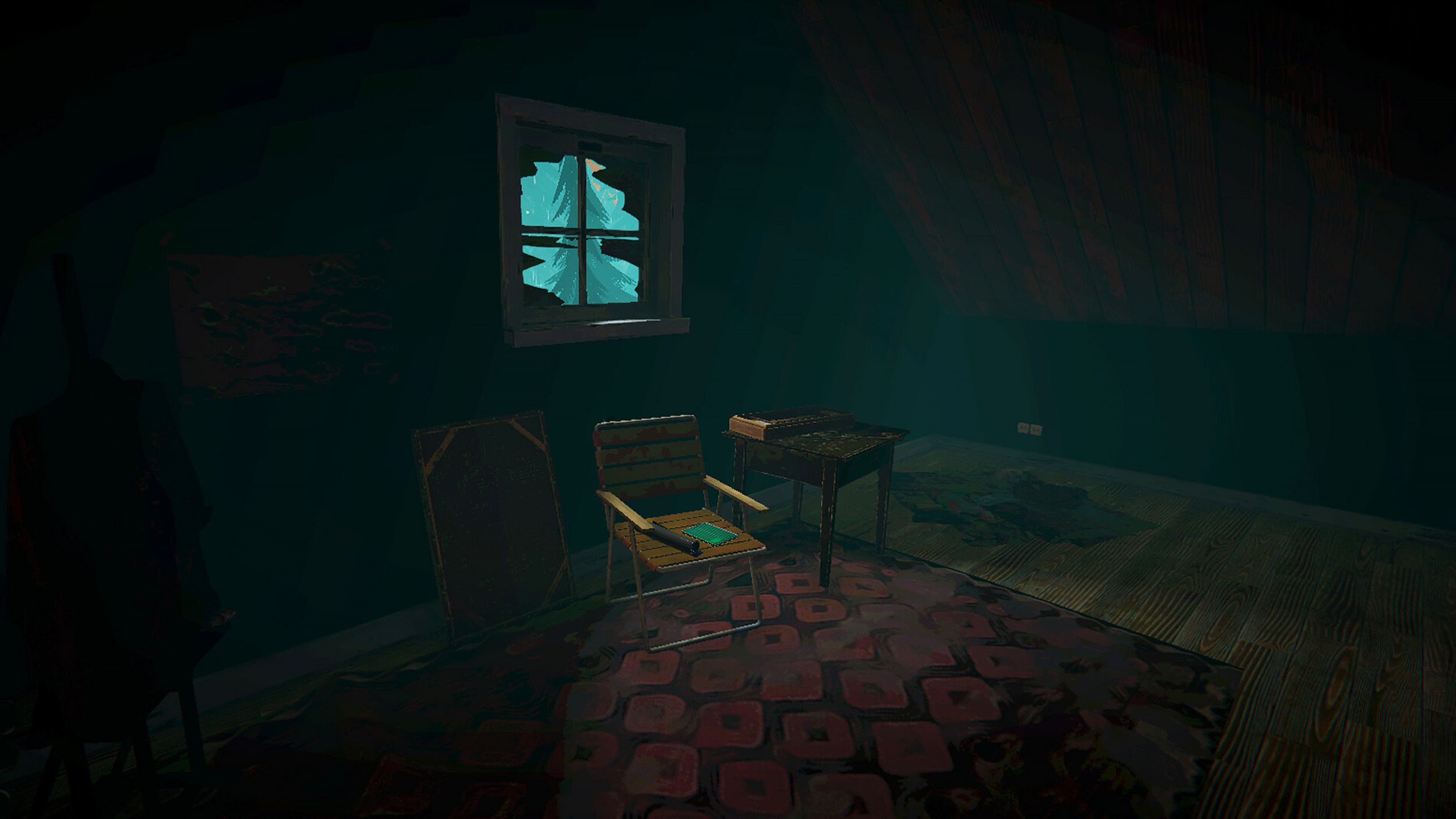
Beyond the core gameplay, Category 6 includes some thoughtful design choices that improve the player experience, and even poke a little fun at common survival game tropes. For example, the game automatically manages your inventory, so you don’t have to spend time sorting items. It also avoids unrealistic actions like instantly chopping down entire trees, instead making you gather fallen logs. These changes aren’t huge departures from the genre, but they demonstrate the developer’s intention to emphasize strategic choices over repetitive tasks.
Let’s skip the tree-chopping! It’s been overdone in other games and really breaks the feeling of being there. It just doesn’t feel realistic to take down an entire tree with only a few axe swings. You can gather wood from logs that have already fallen, though.
Ultimately, the way Category 6 is designed brings everything together nicely. Players have a choice: they can play a story mode centered around reuniting with family, or a survival mode that’s all about lasting as long as possible. This provides two distinct ways to play the game while keeping the core gameplay the same.
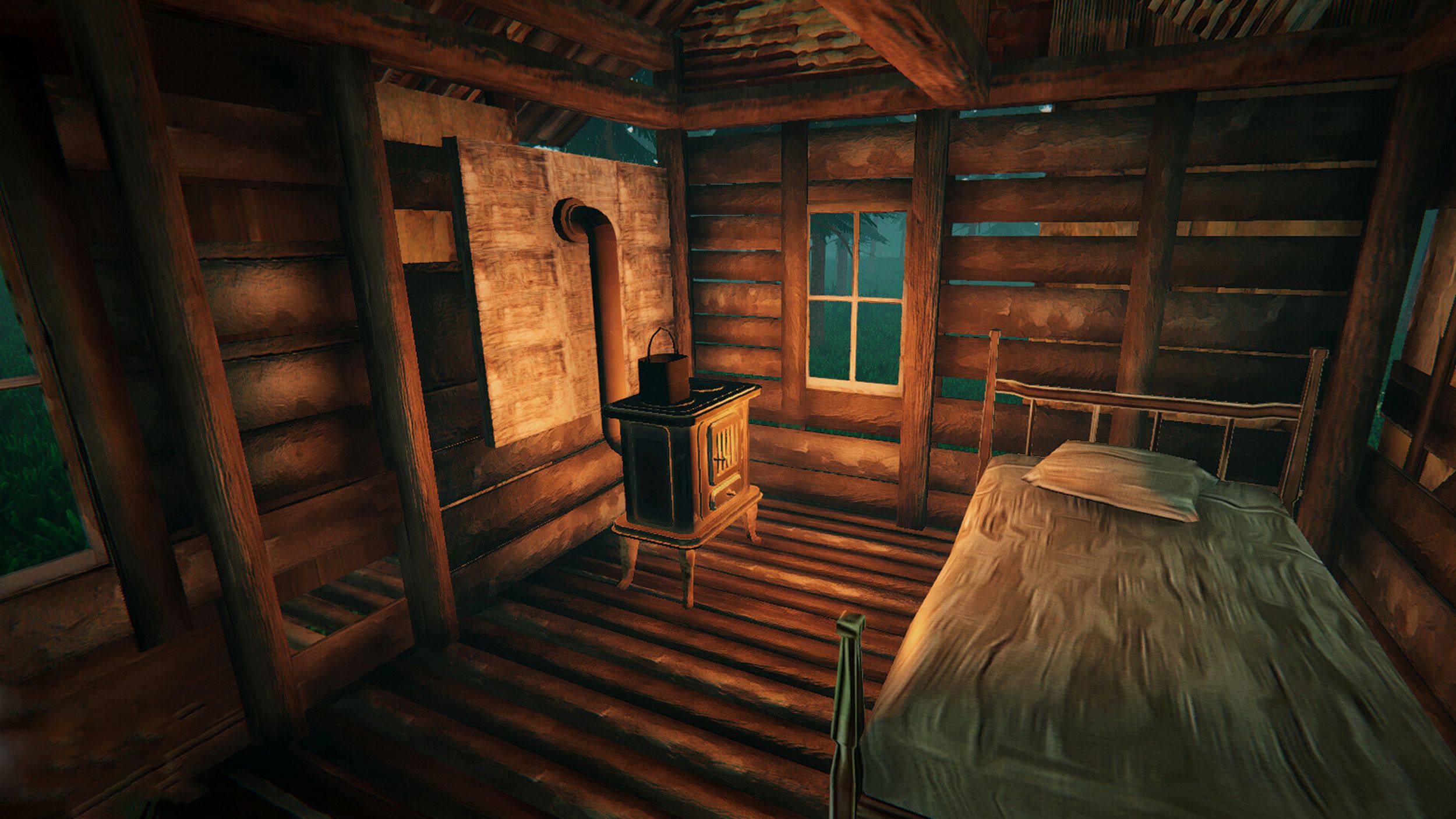
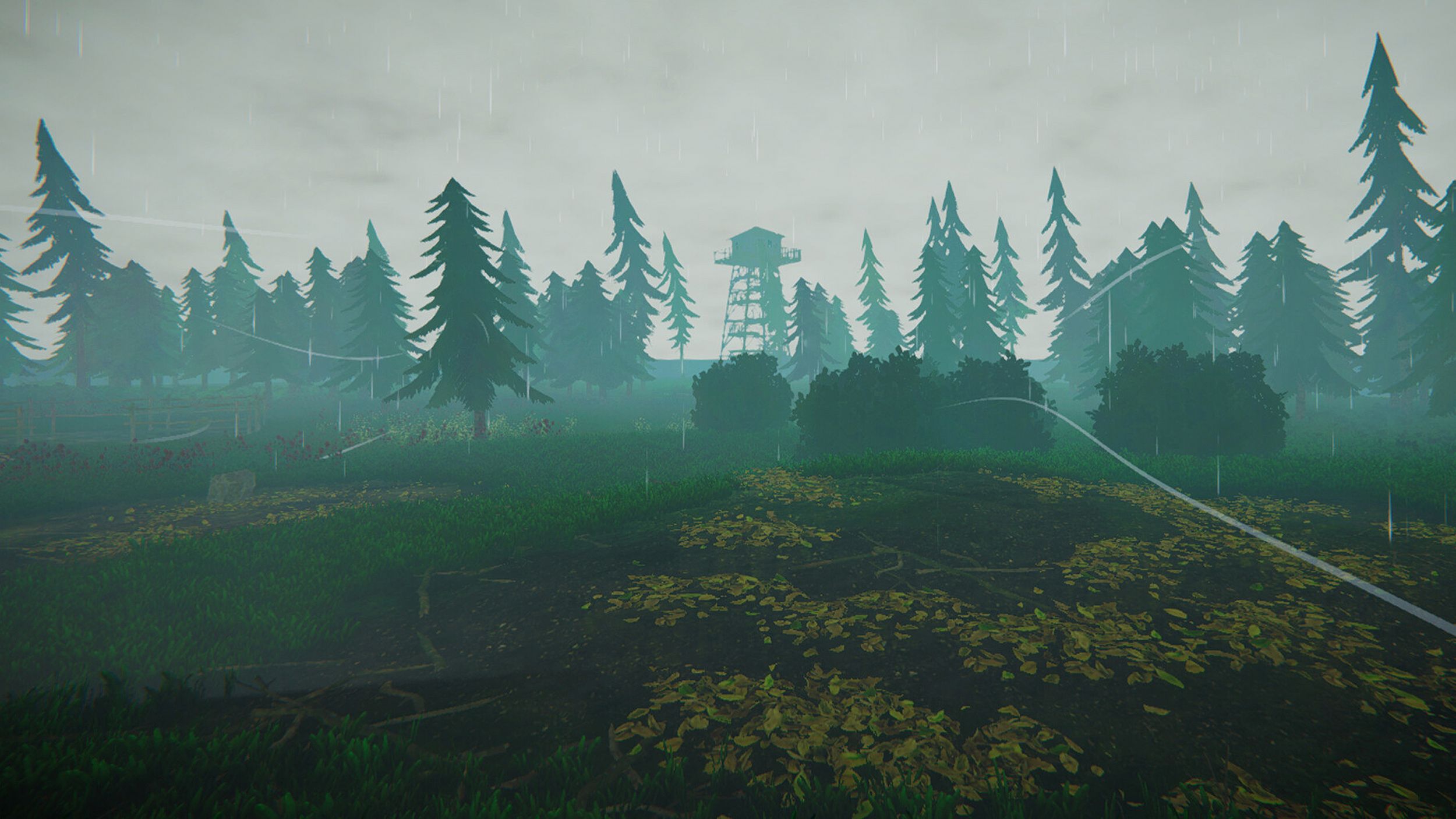
While Category 6 doesn’t radically change the survival game formula, it successfully blends familiar elements with a fresh, realistic setting. It’s more challenging than many open-world survival games thanks to a few new mechanics. Though it shares similarities with The Long Dark in its core gameplay, Category 6 distinguishes itself by placing those ideas within a contemporary disaster, rather than a purely natural environment.
Category 6 launches on Steam in May 2026.
Read More
- Forza Horizon 6: Find the Ohtani Treasure Chest Location
- NTE Drift Guide (& Best Car Mods for Drifting)
- LEGO Batman Legacy of the Dark Knight Batcave Minikits & WayneTech Caches
- USD RUB PREDICTION
- How to Open Locked Door in Tenryu River in Nioh 3 (Dirty Key)
- Skyblivion Gets Encouraging Development Update
- Sega’s “Super Game” is Said to Release Next Month, But Nothing is Known About It
- Dead as Disco Best Songs (Clear Beats & Stable BPMs)
- God of War Shadow Drops New Game and Confirms Greek Trilogy Remake
- Asmongold reveals shocking detail about how much money he makes
2026-03-27 14:06