I’ve been playing games for years, and it’s cool to see how open-world games became so popular. They really started with those older sandbox games from the early 2000s, and they took a lot of inspiration from the big world maps in RPGs from way back in the 80s and 90s. Now, there are tons of open-world games – shooters, action RPGs, you name it. But at their heart, these games are still connected to RPGs, so I think it’s worth looking at some of the key titles that helped shape the genre.
While not every game completely changed the open-world RPG landscape, titles like Dragon’s Dogma, Elden Ring, and Xenoblade Chronicles all tried something new. Many weren’t flawless when they first came out, but passionate fans—and sometimes developers who fixed issues with updates—helped them become classics. We’ll be ranking these games based on their scope, world size, combat, and overall ambition.
8. The Witcher 3: Wild Hunt
Expanding The Trilogy At The Last Minute
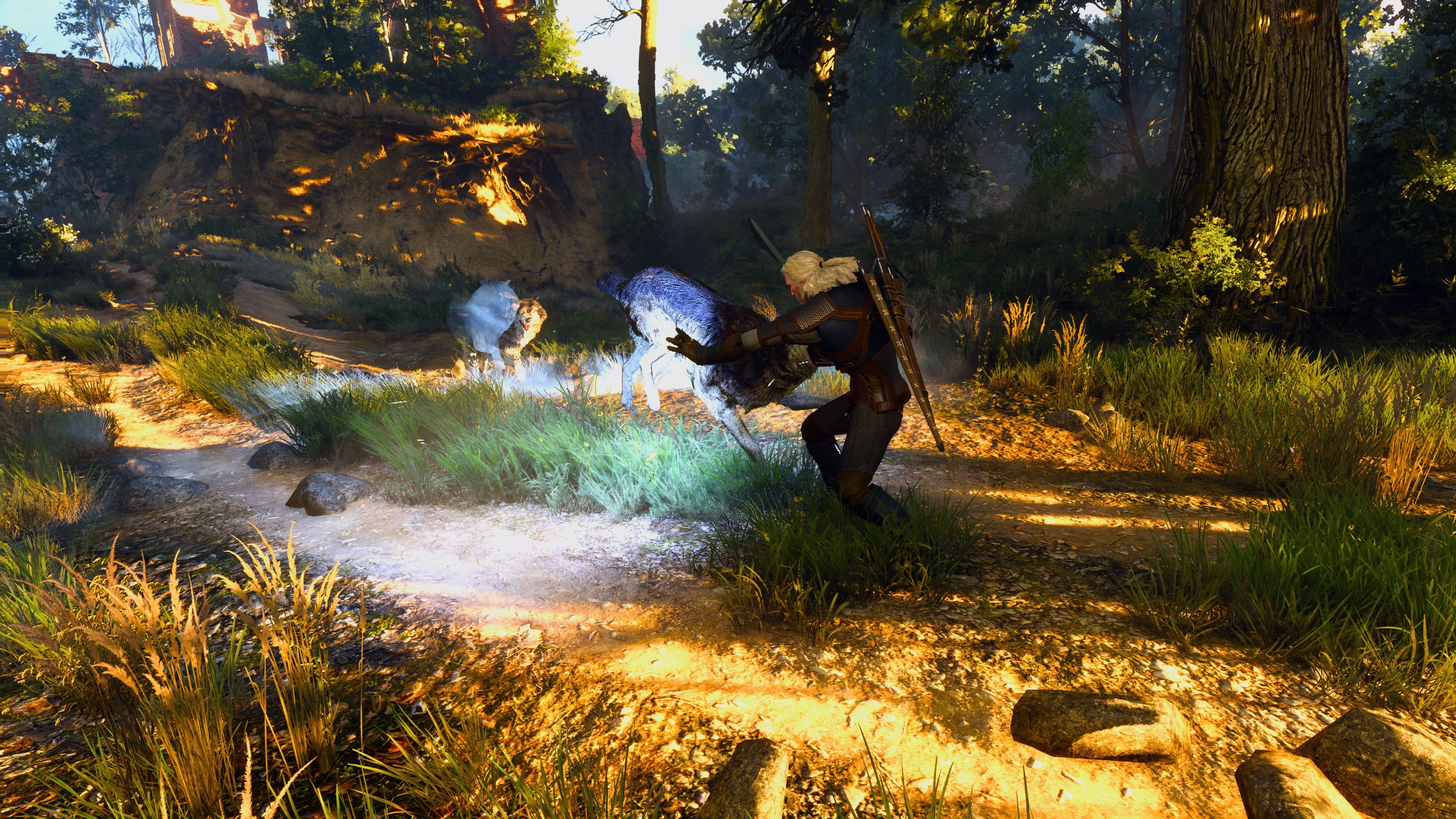
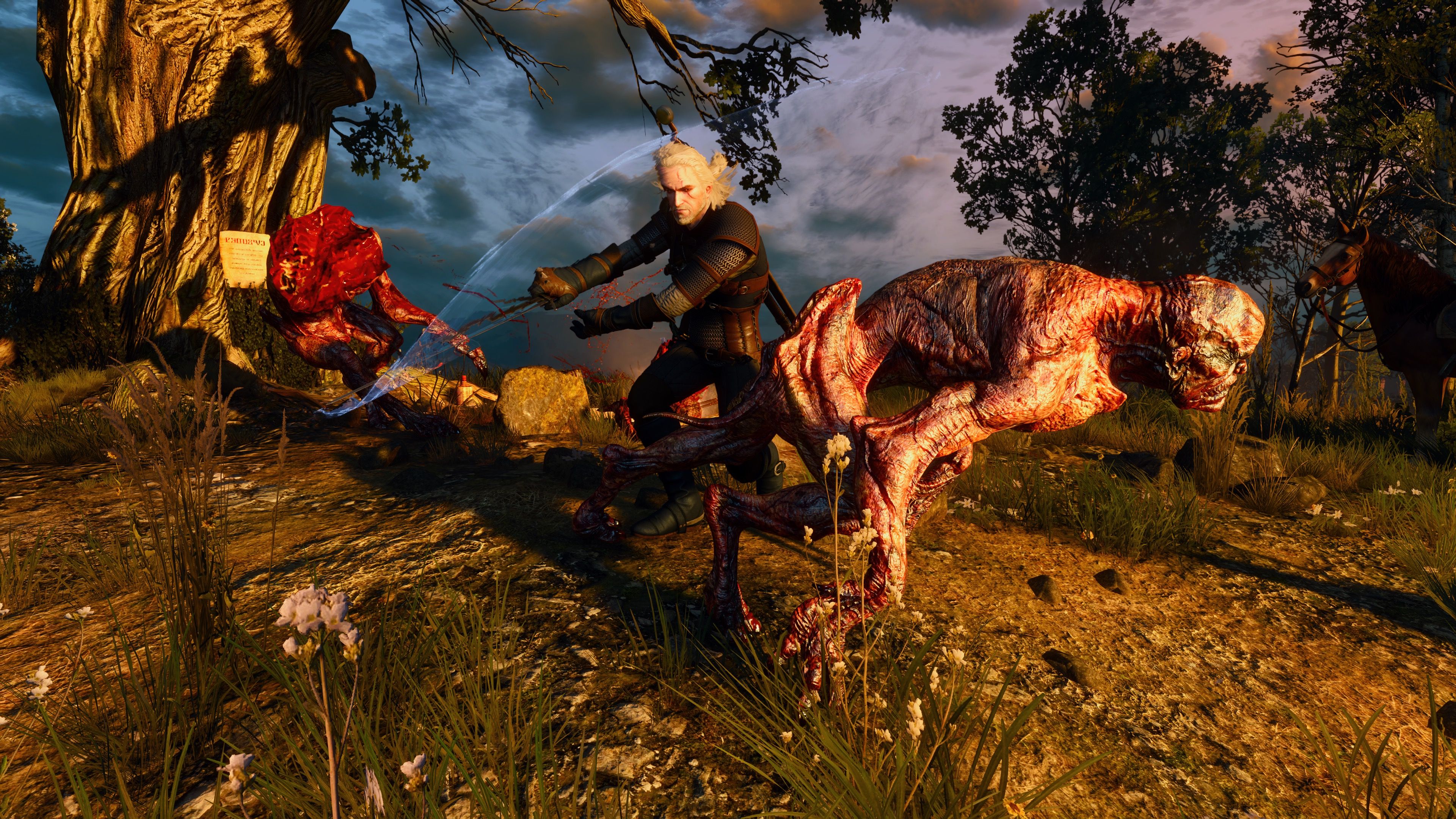
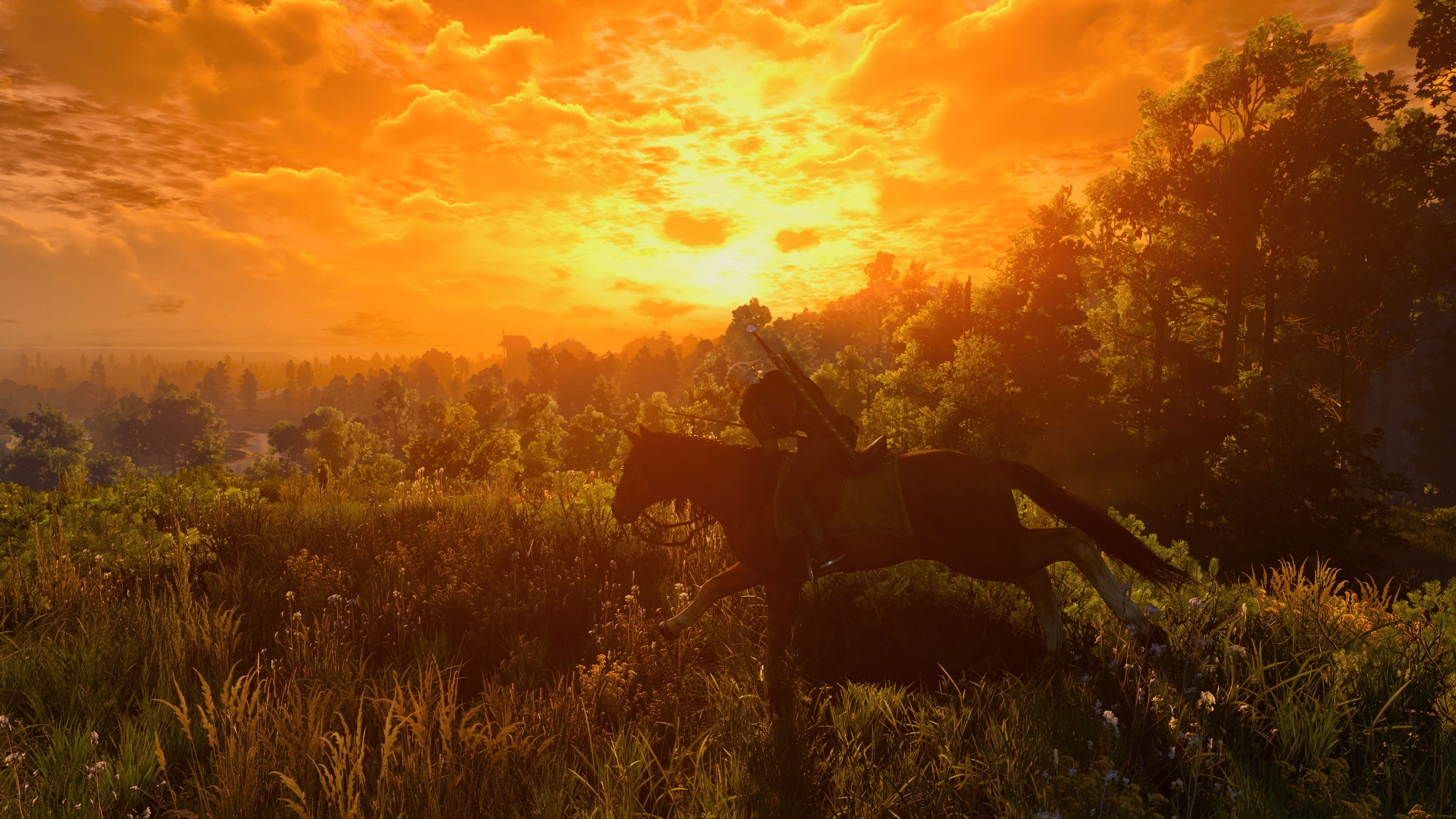
While still a grand game, The Witcher 3: Wild Hunt wasn’t as revolutionary for CD Projekt Red as its predecessors. The biggest challenge was creating a far larger open world than they’d attempted before. Compared to the first two Witcher games, the jump in scale and graphics was significant – almost like going from the original PlayStation to the PlayStation 4. That comparison might be a slight exaggeration, but The Witcher 3 really did change how the game played.
The game feels incredibly immersive, with a wide variety of quests to complete, and a beautiful world that looks stunning at any time of day. What’s really impressive is that it’s attracting completely new players, even those unfamiliar with the earlier titles. With millions of copies sold, it’s clear CD Projekt Red made the right decision.
7. Dragon’s Dogma
Capcom’s First Big New RPG In Decades
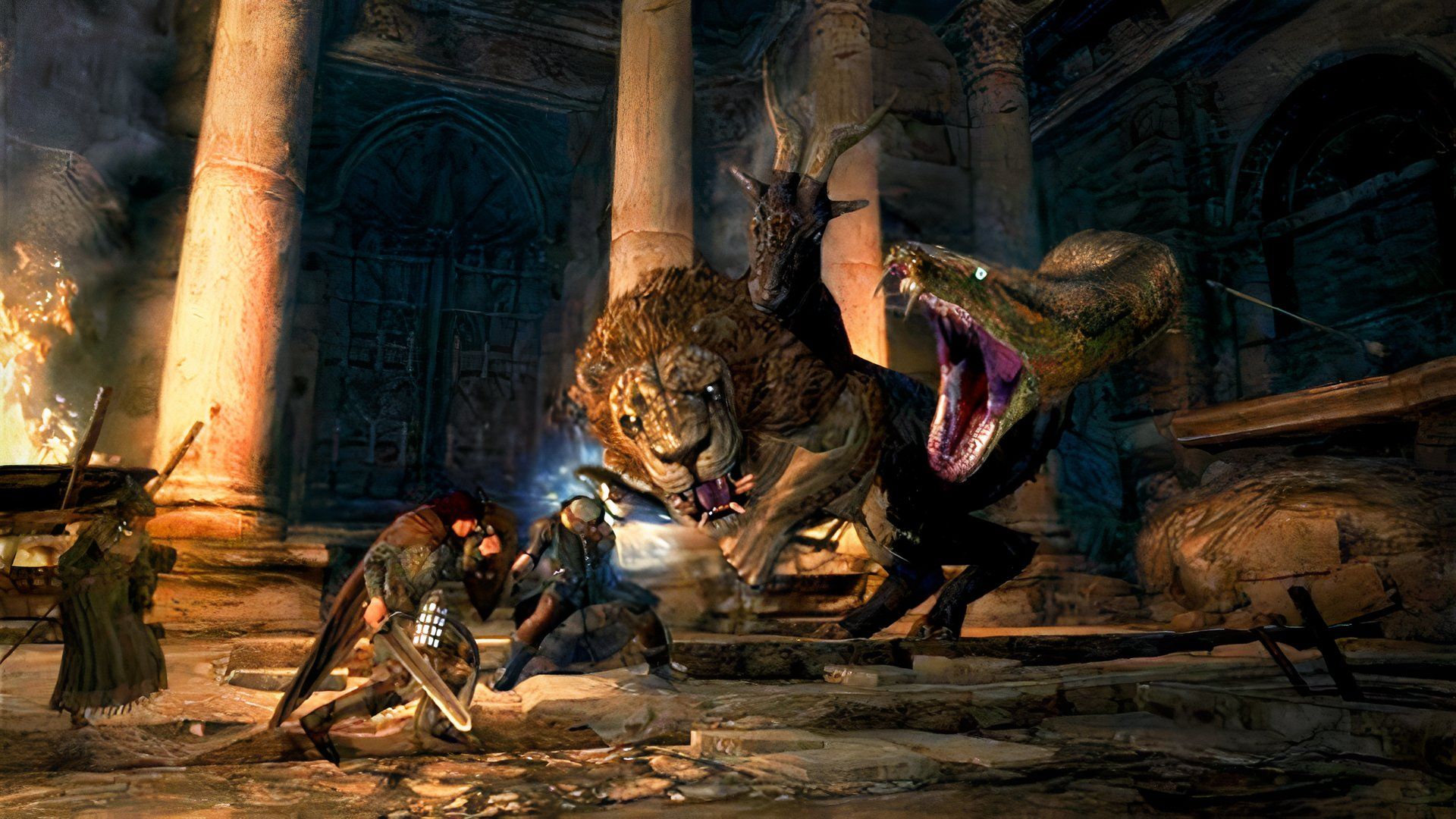

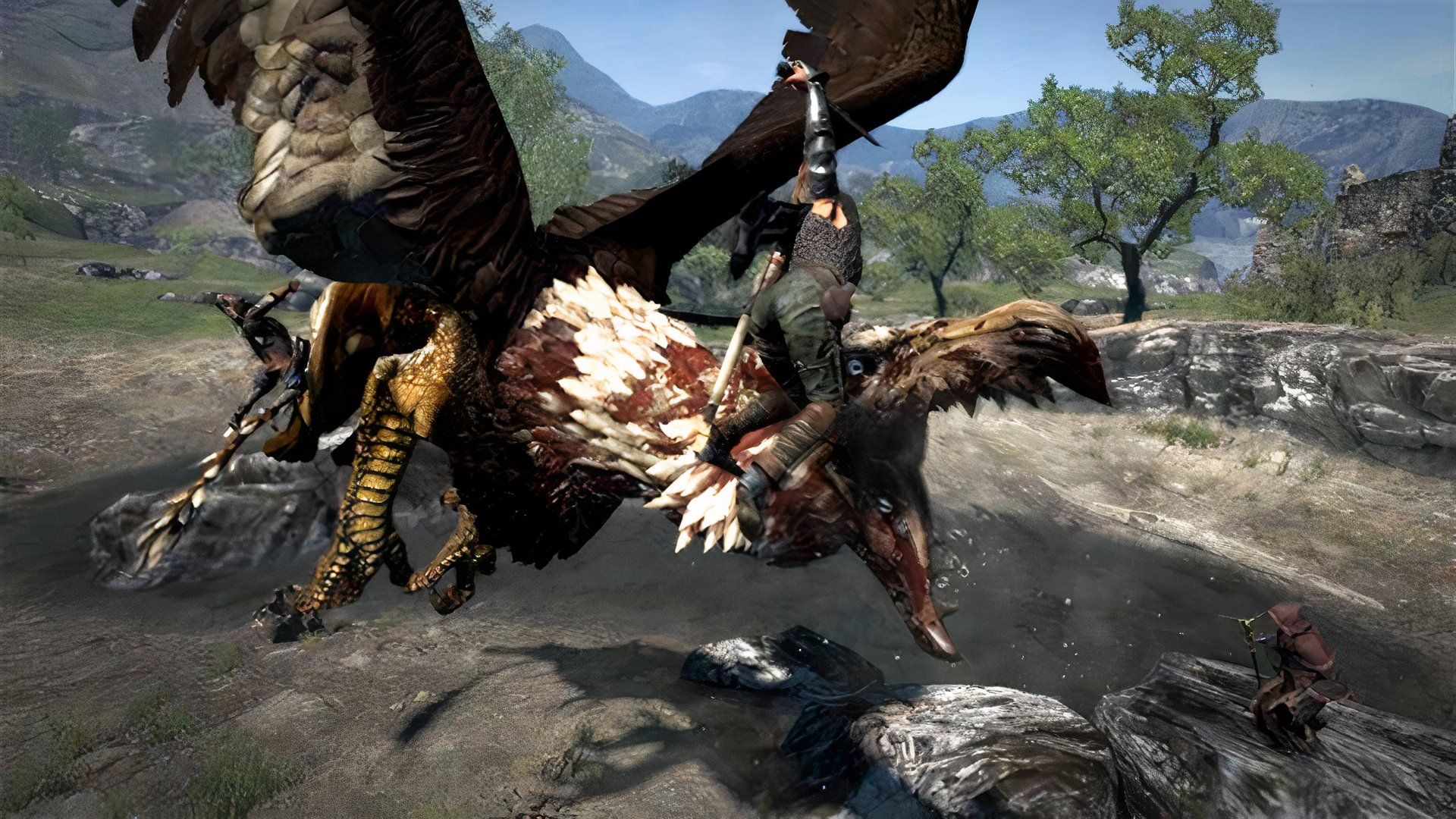
Capcom was once known for its role-playing games, such as Breath of Fire. However, they didn’t venture into the challenging action RPG style popularized by games like Demon’s Souls. While Monster Hunter is successful, it’s not a traditional RPG, making Dragon’s Dogma a gamble for Capcom. Similar to the ‘Souls-like’ genre, Dragon’s Dogma is very difficult and doesn’t offer much in the way of tutorials, which was a problem given its complex gameplay systems.
Players can customize their own character, pick a class, and create a team, or they can use pre-made characters online. The gameplay is generally simple, with one unique feature: you can climb onto and fight larger enemies. This climbing mechanic is what really makes the game special. Dragon’s Dogma is a bit of an underground hit – even with new content and a sequel – but fans of the series are incredibly dedicated.
6. Elden Ring
Bringing Soulslike Vibes To Open-World Games
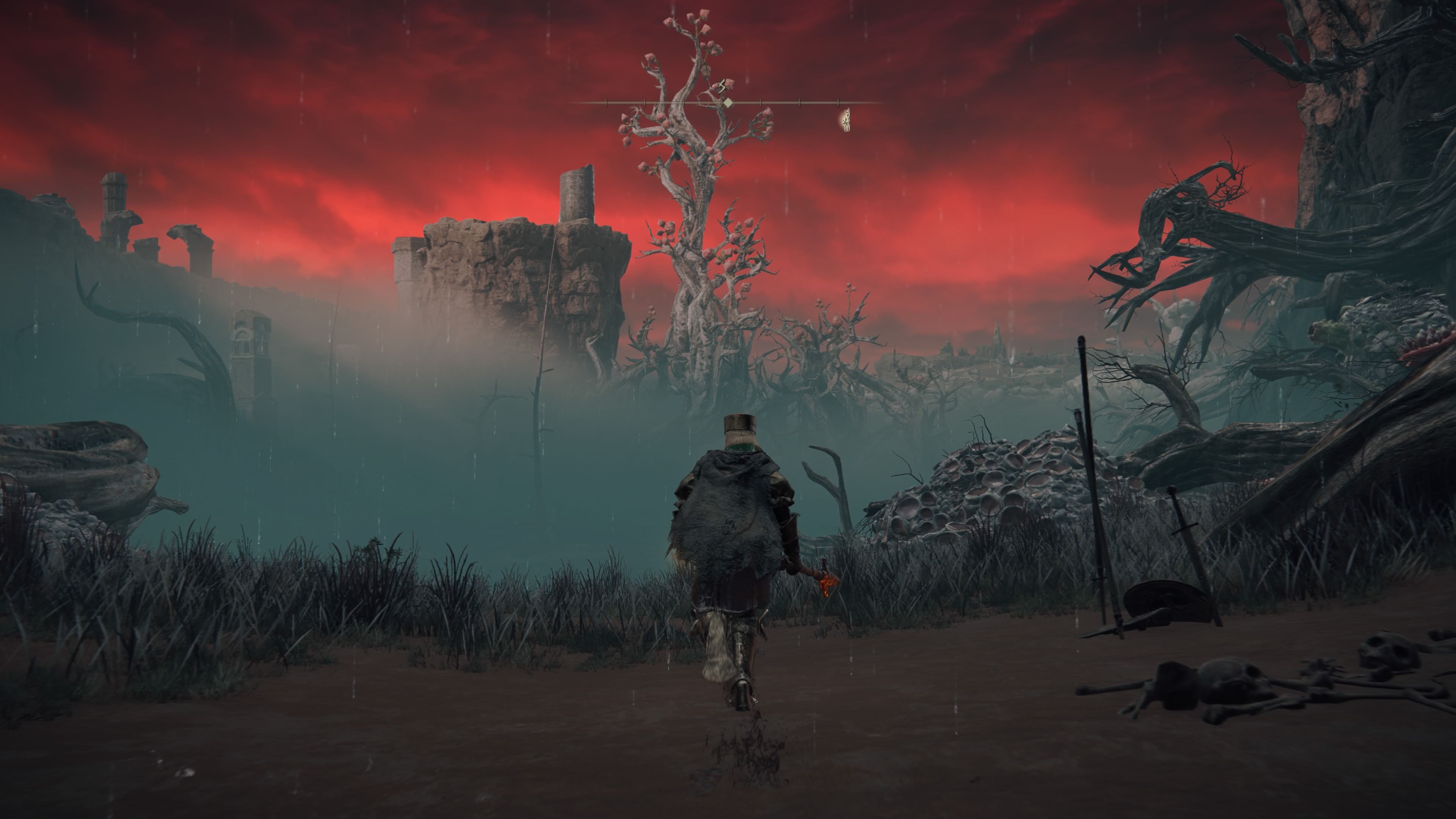
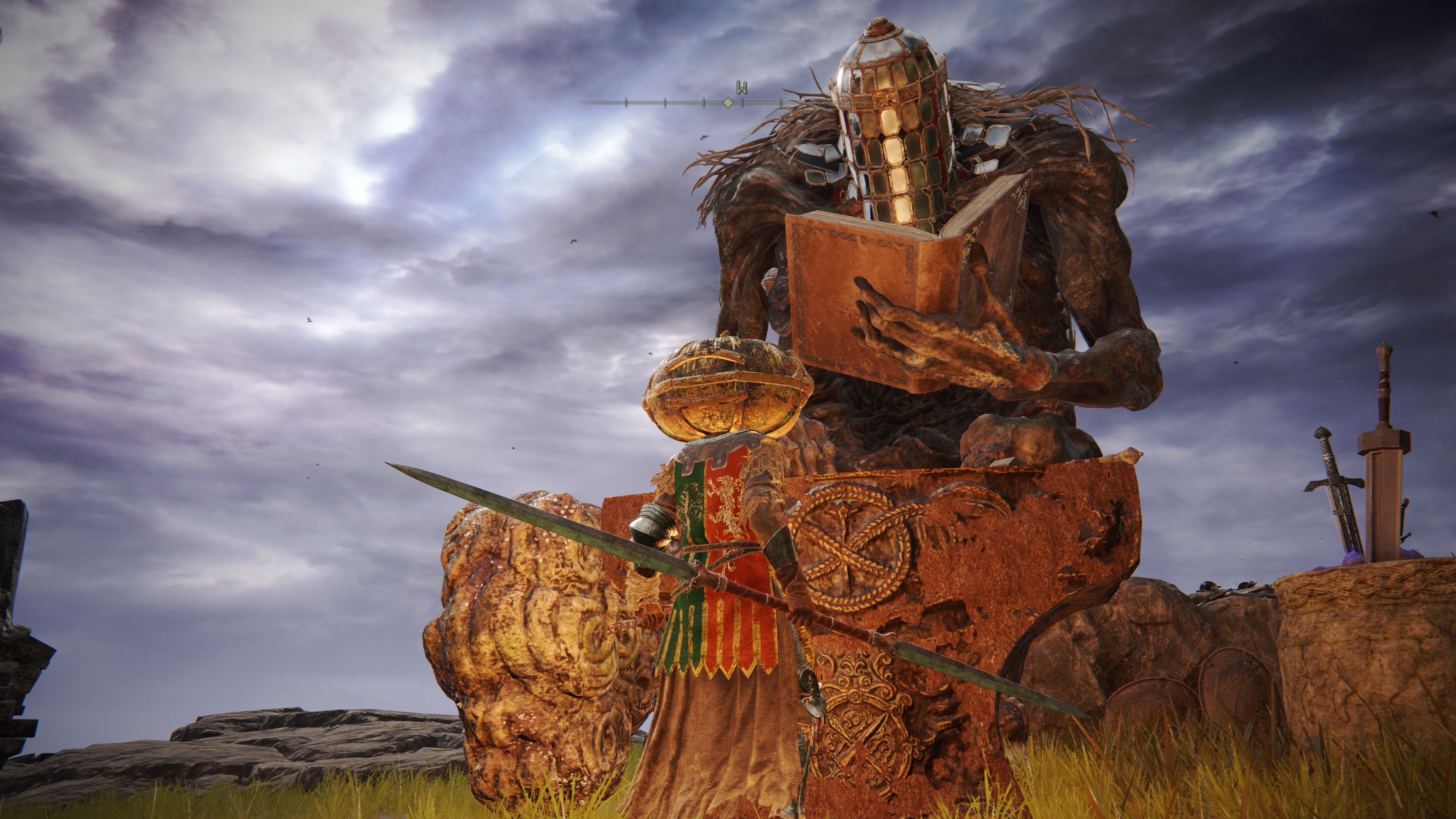
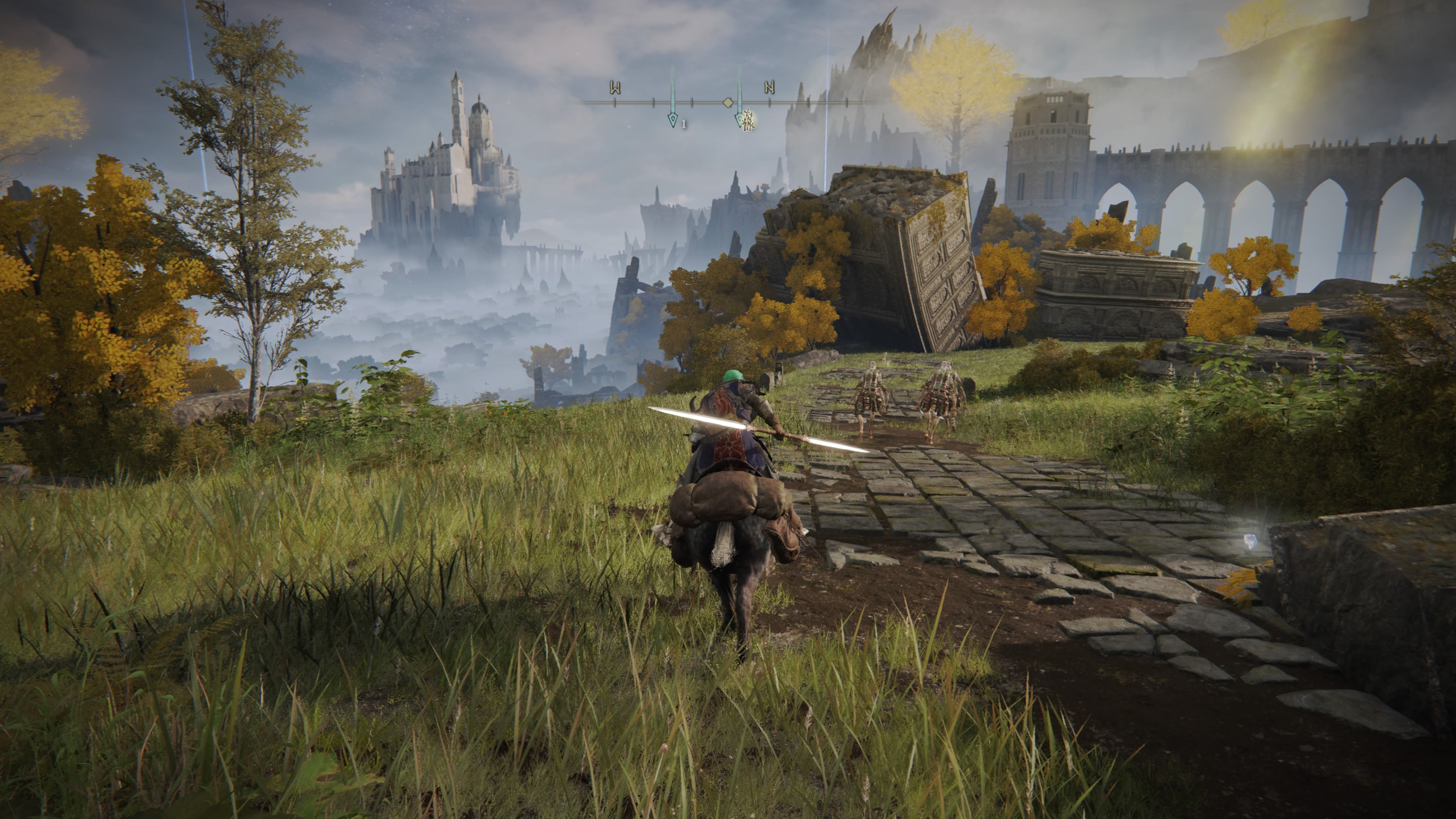
I’ve been a huge fan of FromSoftware ever since they created Demon’s Souls – it totally changed the action RPG landscape! They’ve made so many incredible games in that style since then, and I was so excited to see them tackle something really big with Elden Ring. I was really wondering if their signature, challenging gameplay would work in a massive open world, and if it could finally bring even more players into the ‘Souls’ family.
Elden Ring successfully brought more players into the challenging Soulslike genre with its engaging co-op mode and flexible gameplay. Importantly, it didn’t make the game easier for longtime fans while also allowing newcomers to progress at their own speed, creating a good experience for everyone.
5. Cyberpunk 2077
Adapting A Tabletop Legend
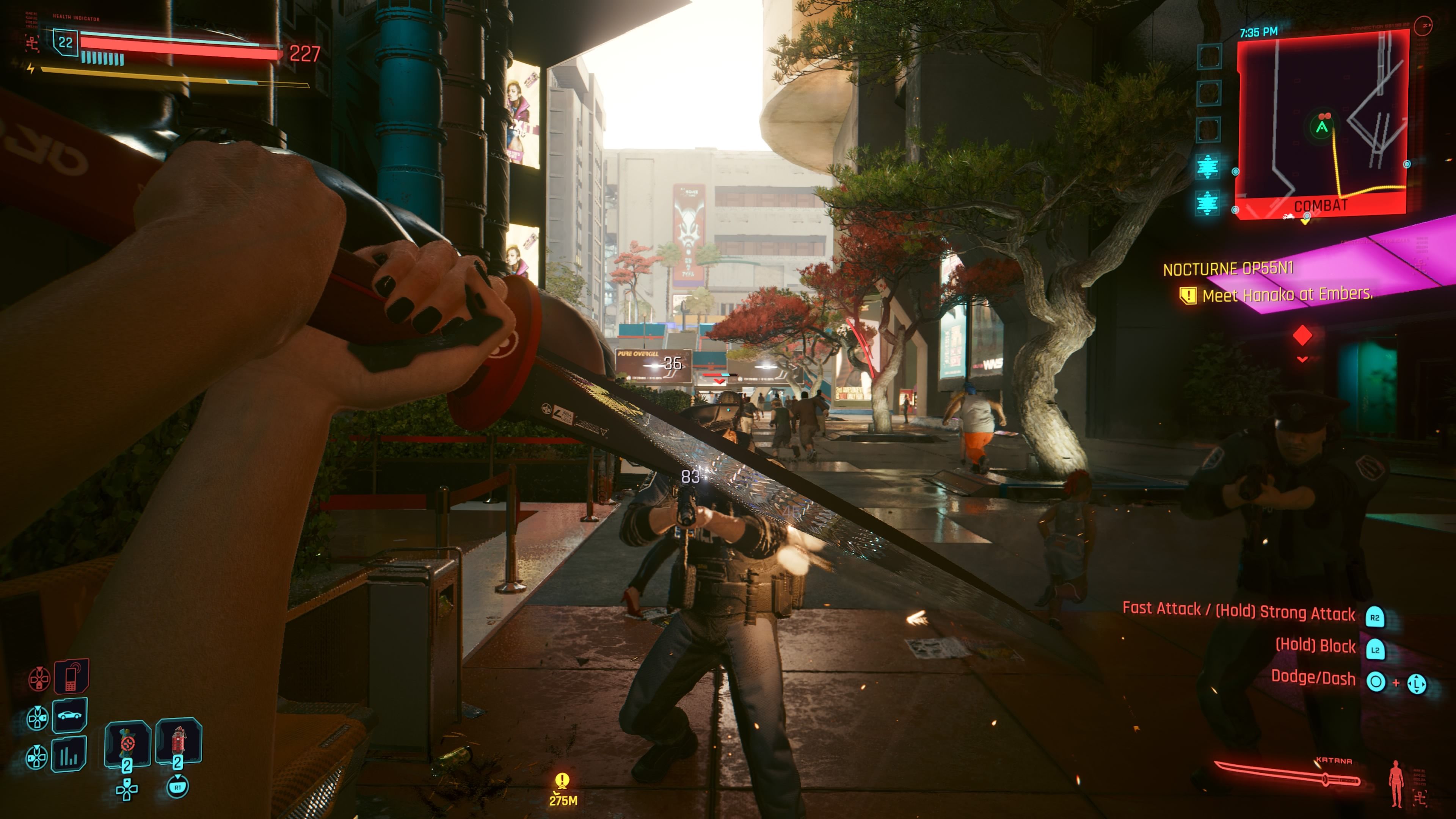
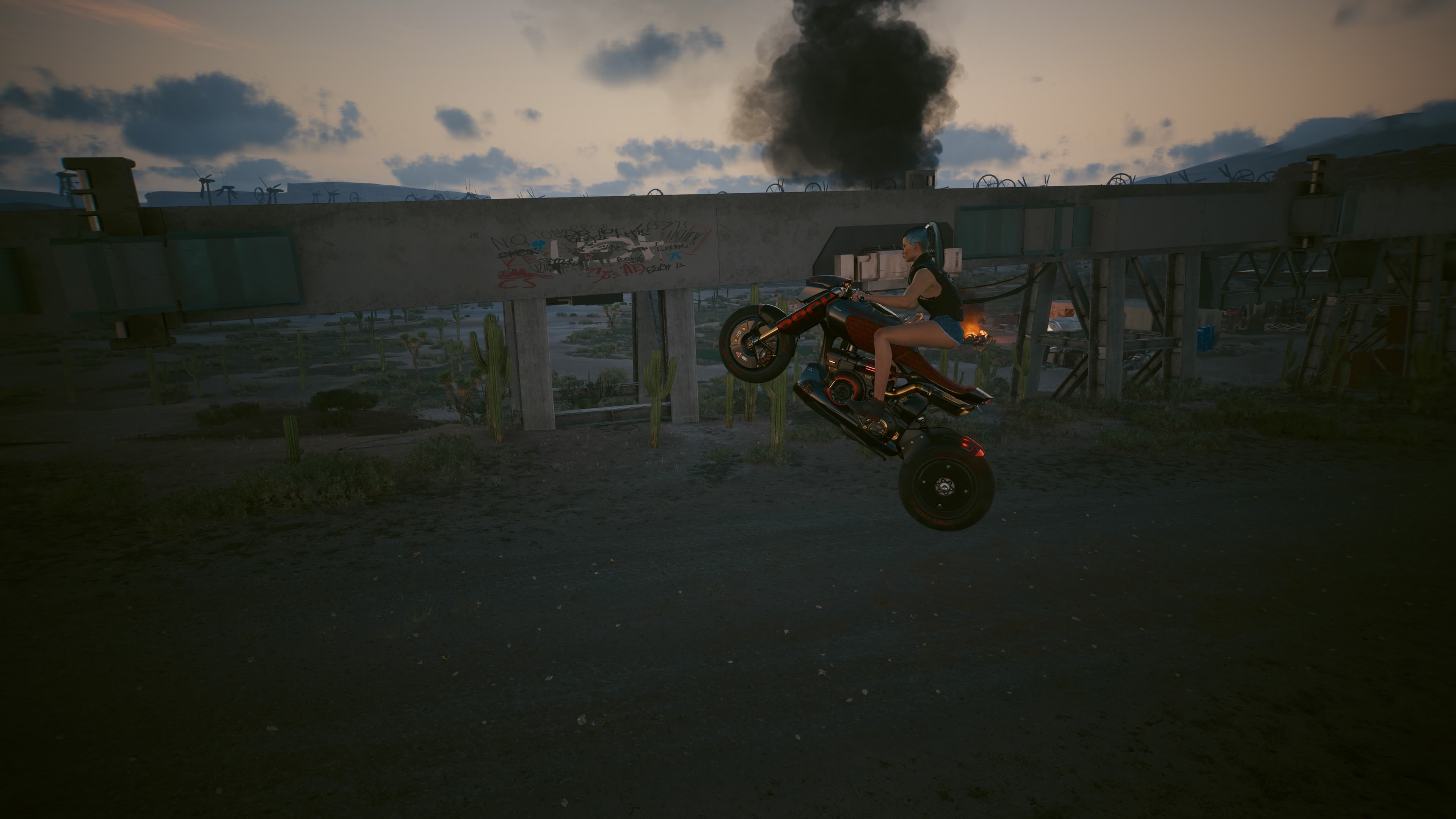
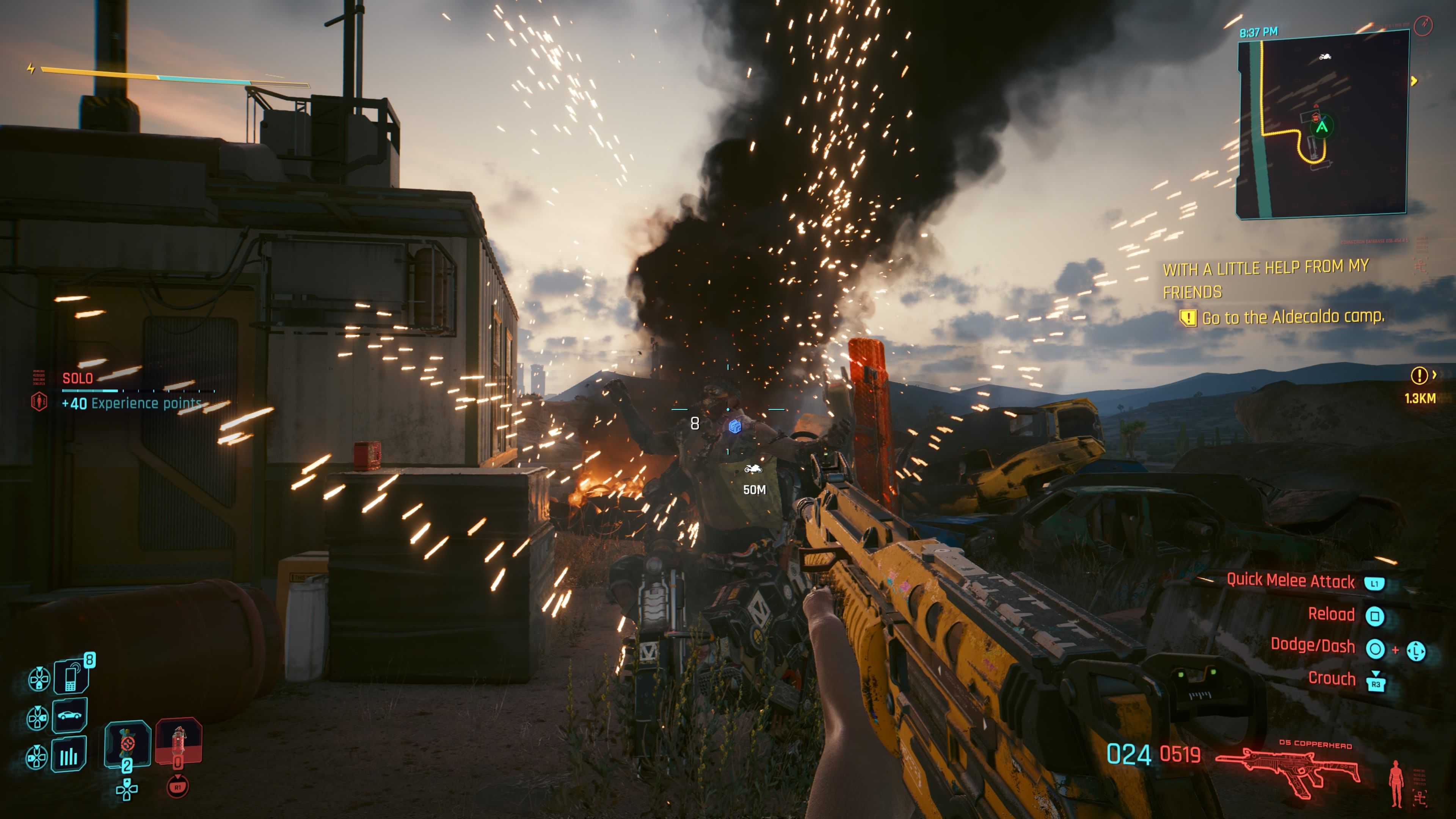
CD Projekt Red proved their ability to create expansive open-world games with The Witcher 3: Wild Hunt. However, their next project, Cyberpunk 2077, was much more ambitious and ultimately proved too challenging for them. The game launched with significant problems on PlayStation 4 and Xbox One, while the PC version was relatively stable. The issues were so severe that the game was temporarily pulled from some online stores.
After numerous updates, improvements, and expansions, Cyberpunk 2077 has finally become the game CD Projekt Red originally intended. Creating the game was a massive undertaking, as they built a completely new universe based on a long-standing tabletop game. While it had a rocky start, the world of Night City is now deeply immersive, and its gameplay – including shooting, open-ended missions, character upgrades, and driving – is among the best in the cyberpunk genre, essentially setting a new standard for others to follow.
4. Xenoblade Chronicles
Pushing The Wii To Its Limits
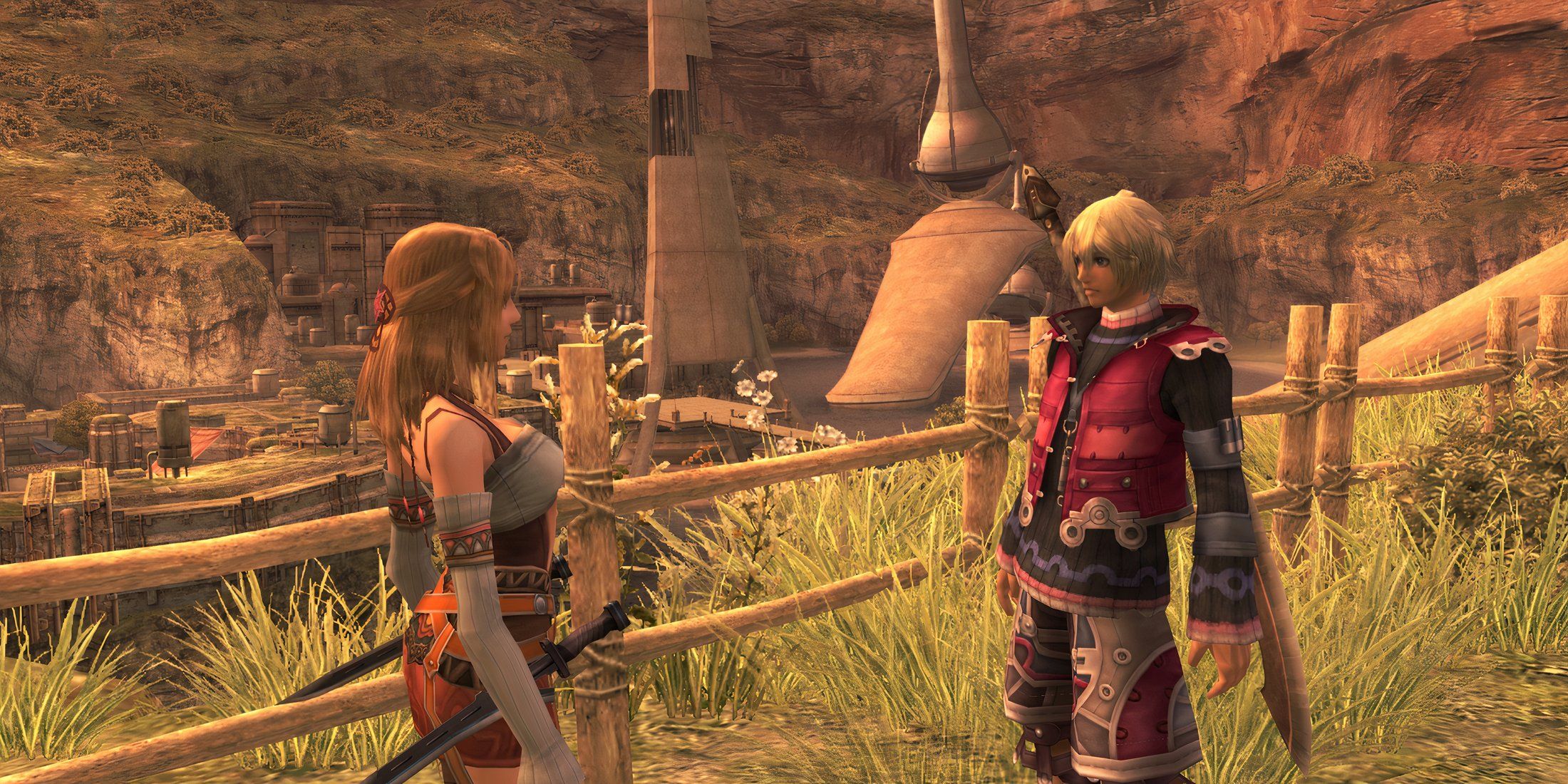
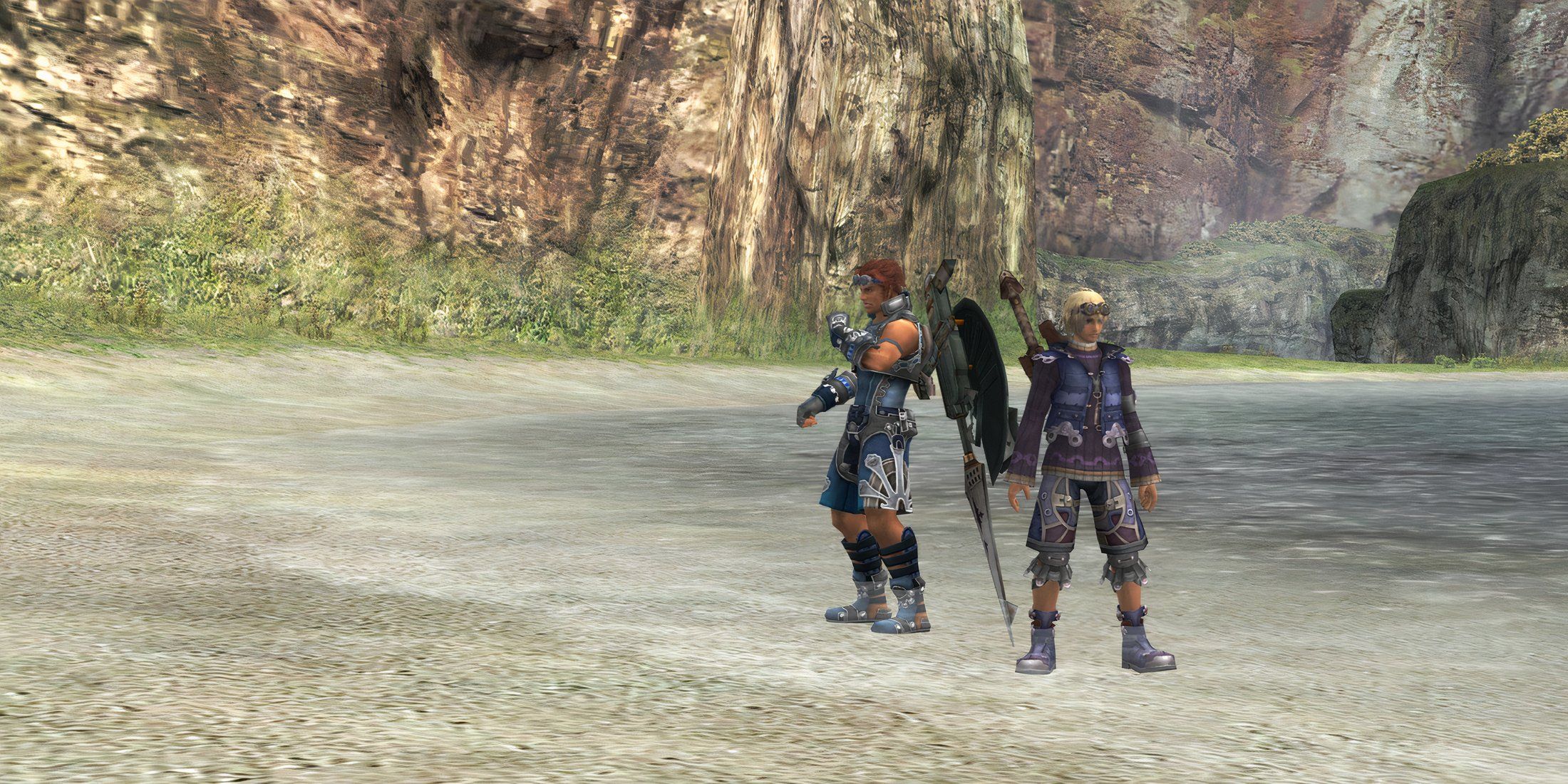
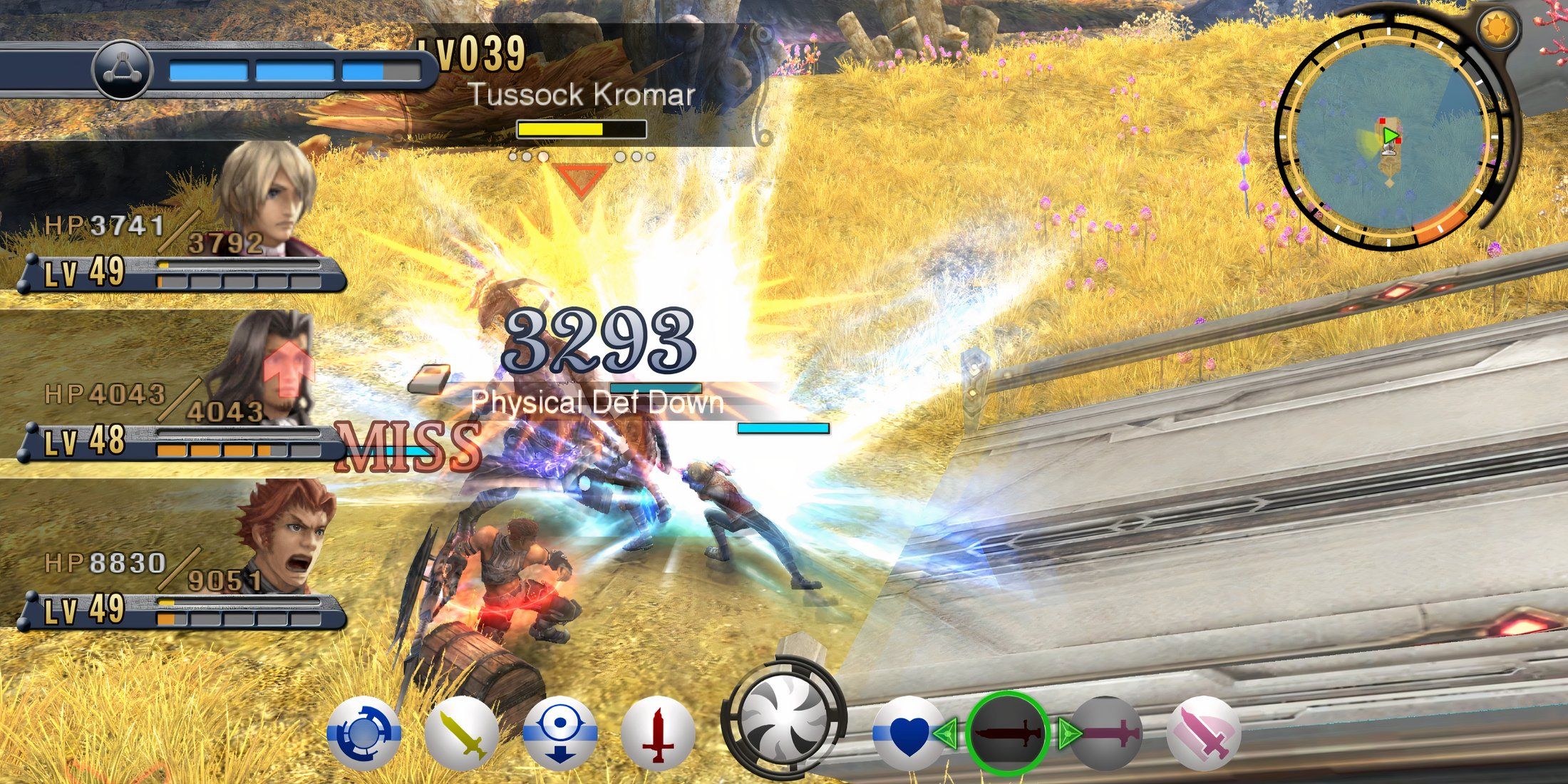
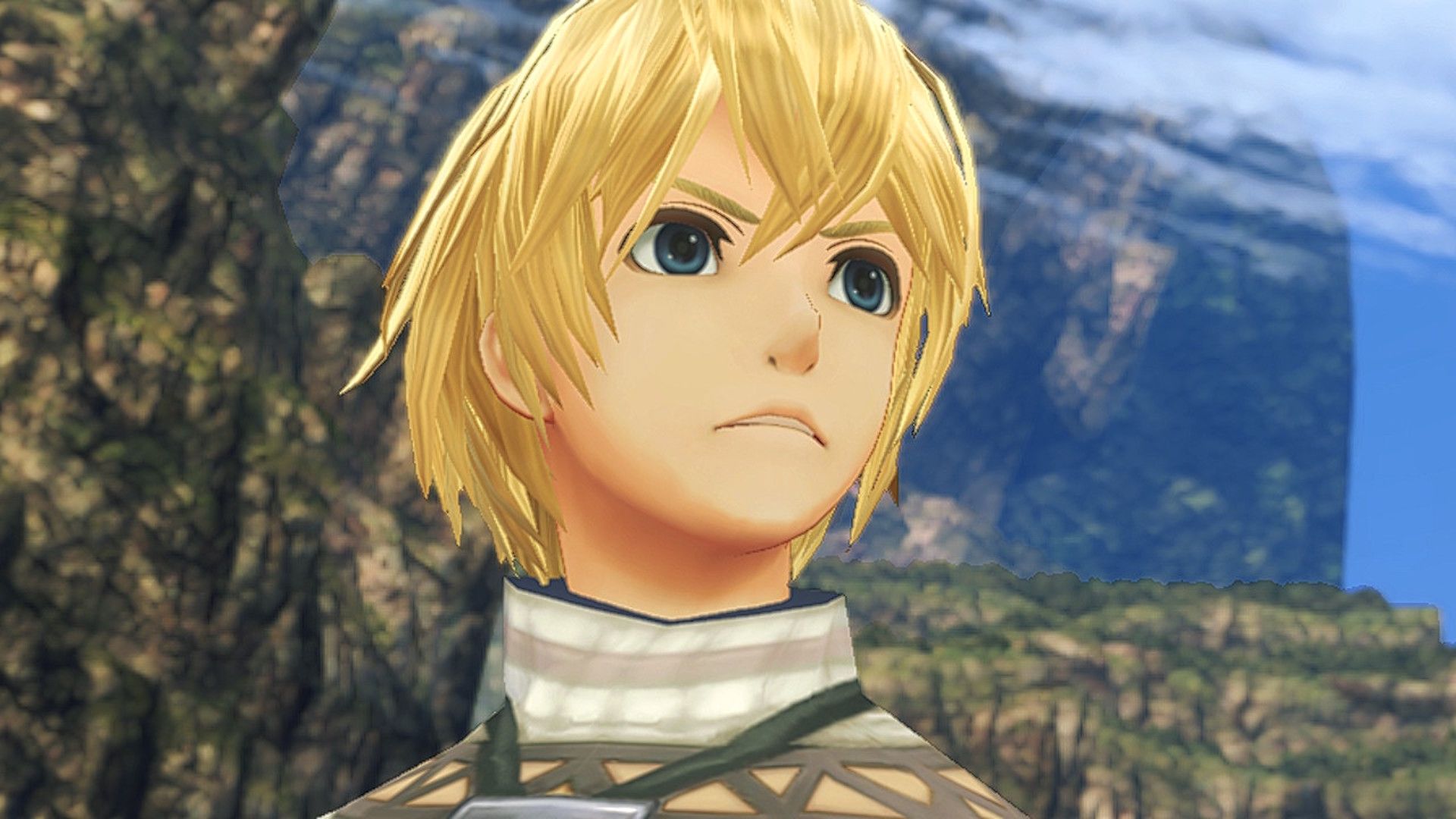
The Wii was a huge success, but it was missing two key types of games: role-playing games (RPGs) and open-world adventures. Because the Wii wasn’t as powerful as consoles like the PlayStation 3 and Xbox 360, many open-world games couldn’t be made for it. That’s what makes Xenoblade Chronicles so special – it’s an amazing RPG that really stretched the Wii’s capabilities, proving just how talented the developers at Monolith Soft are.
The game features a huge, unbroken world to explore, and it achieved this even before The Elder Scrolls 5: Skyrim came out. It’s incredibly immersive and makes players truly feel like they’re in danger while discovering new areas – and it did all this on the Wii, which is still remarkable to consider more than ten years later.
3. Kingdom Come: Deliverance
A Triple-A Indie-Like Attempt
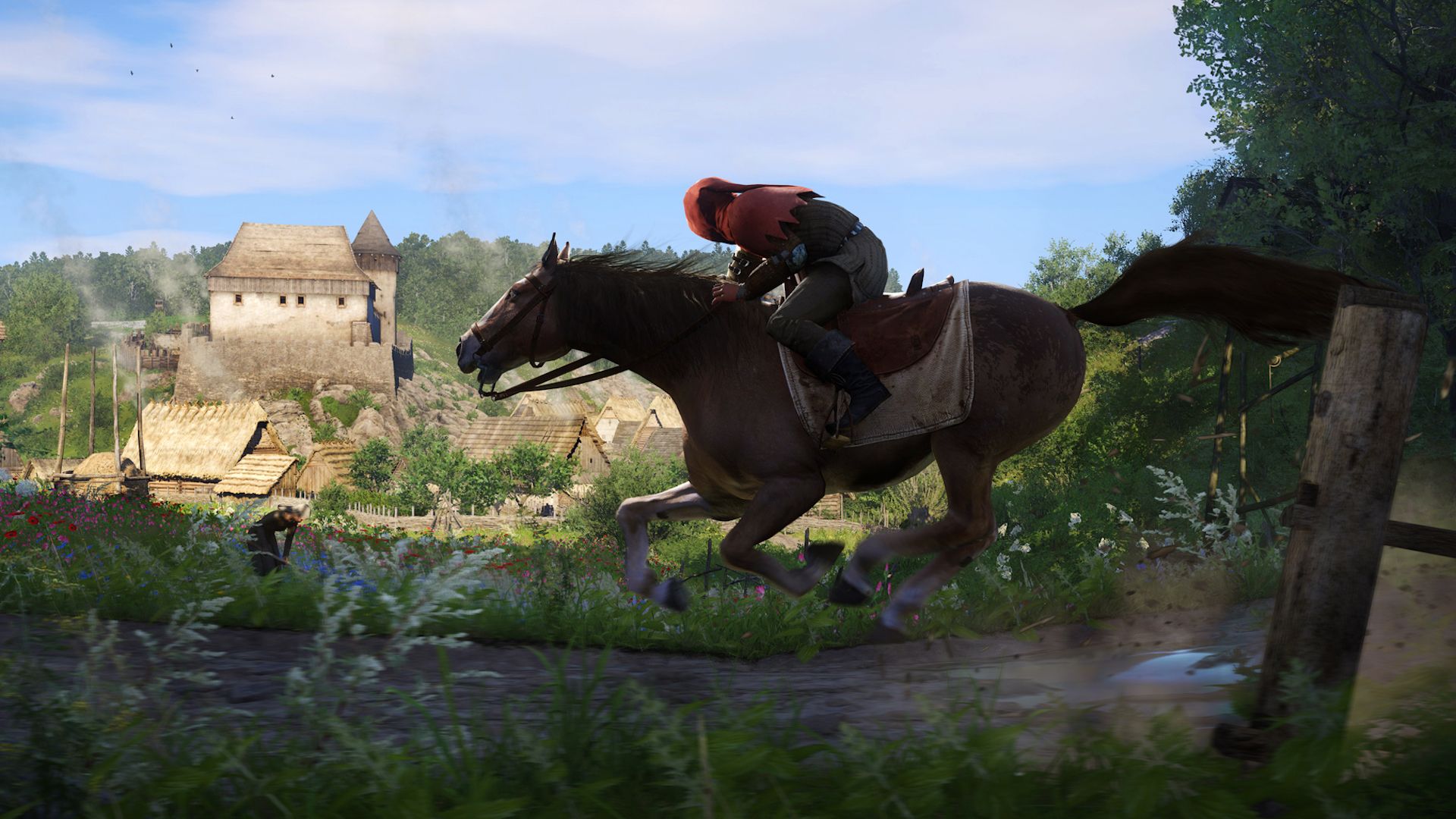
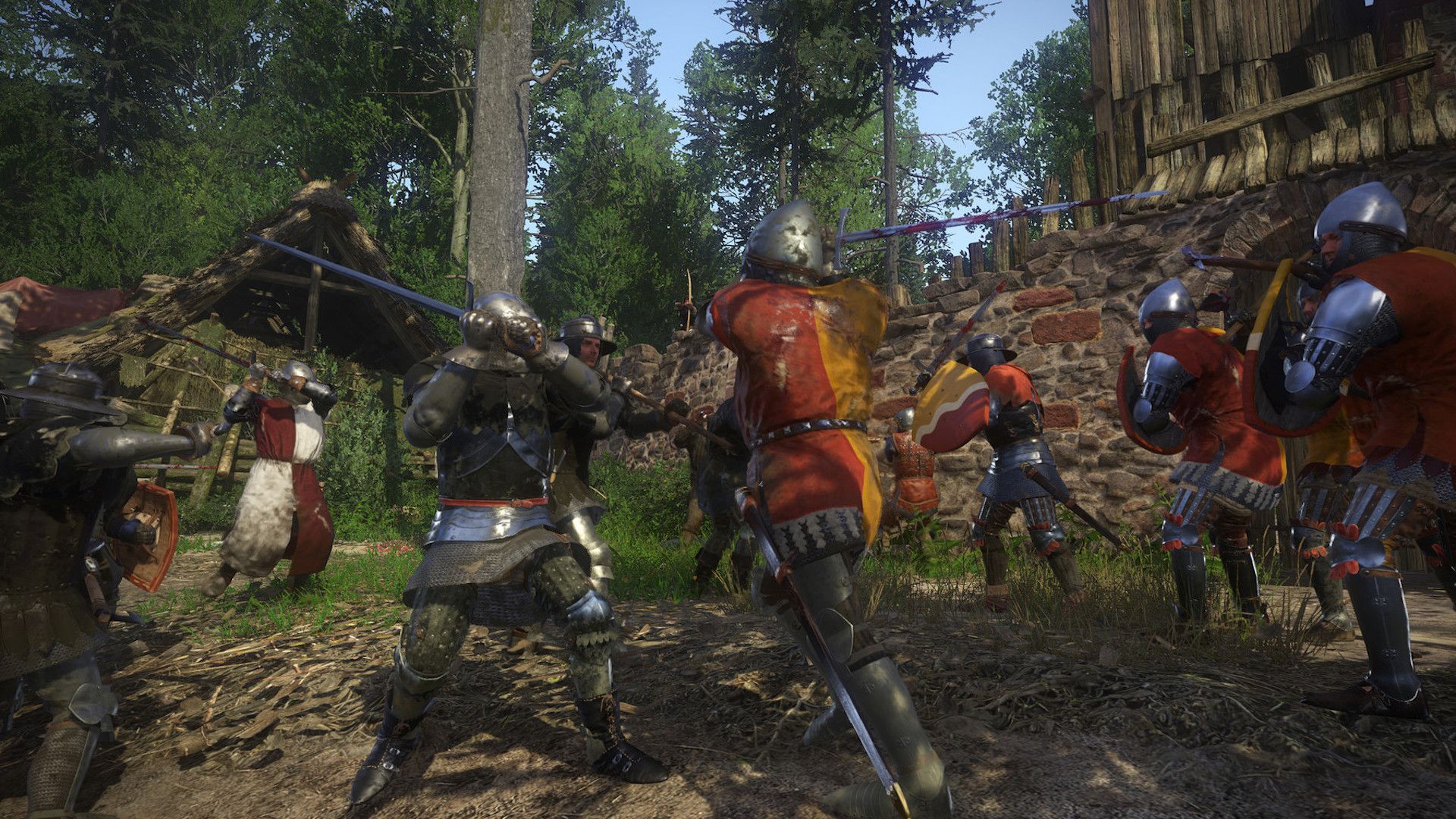
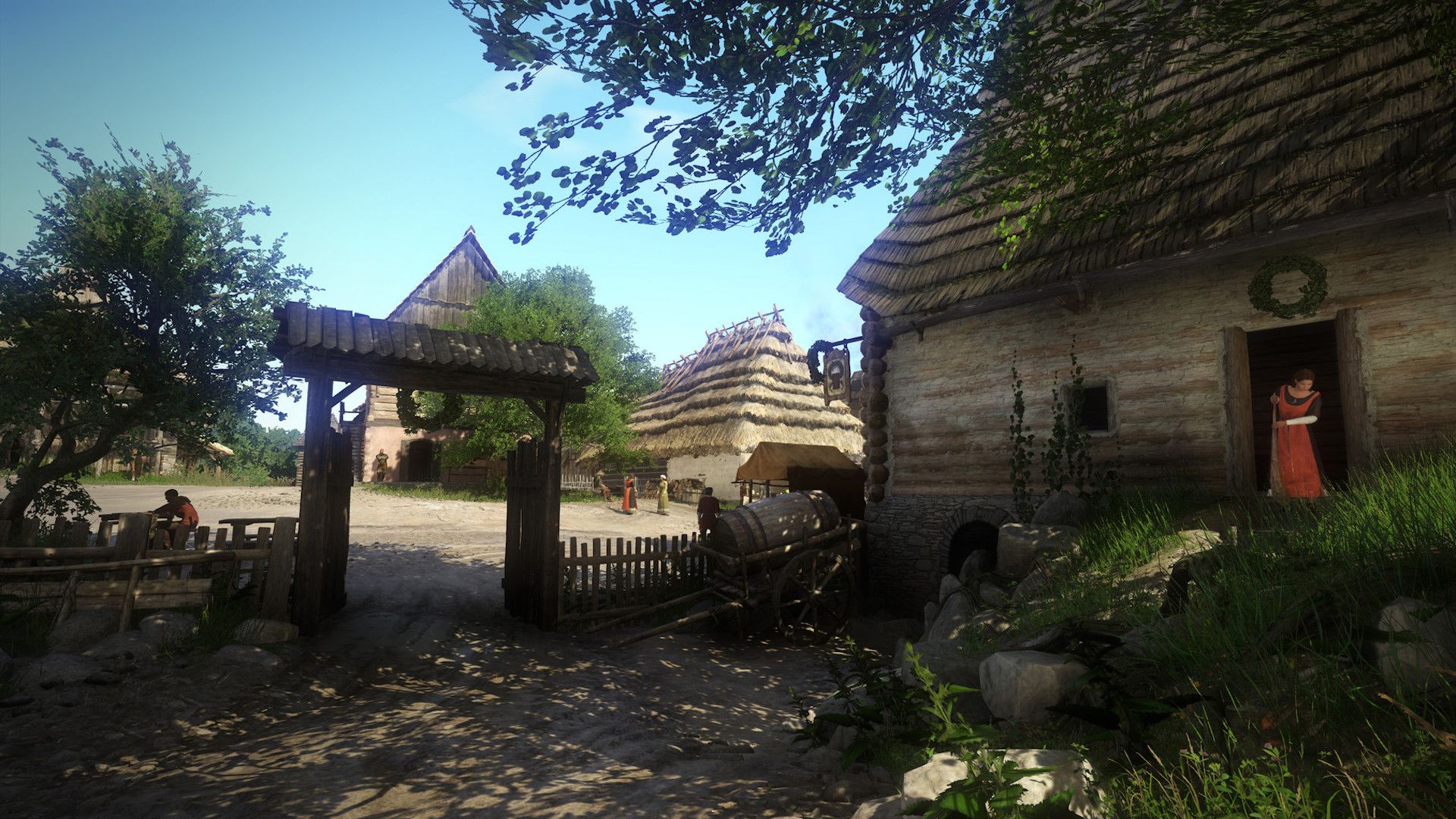
Kingdom Come: Deliverance was a bold move for the RPG genre. It’s an open-world game set in 15th-century Bohemia, featuring political conflicts and medieval knights, but notably avoids fantasy elements like magic or monsters. The game prioritizes realism in every aspect, from its expansive map and travel times to the way your character’s clothing gets dirty, impacting how characters react to you. Combat is also realistic, requiring players to carefully block and counter attacks rather than relying on fantastical abilities.
The game is remarkably immersive, even with occasional minor issues like characters floating or glitches when moving between areas. What really stands out are the incredibly fast loading times – amazing for a game released in 2018, before modern consoles had SSDs. While it starts a bit slowly, Kingdom Come: Deliverance is a game that truly pays off for patient players, and it’s a strong foundation for Warhorse Studios’ upcoming sequel, Kingdom Come: Deliverance 2.
2. Kenshi
A Dozen Genres In One
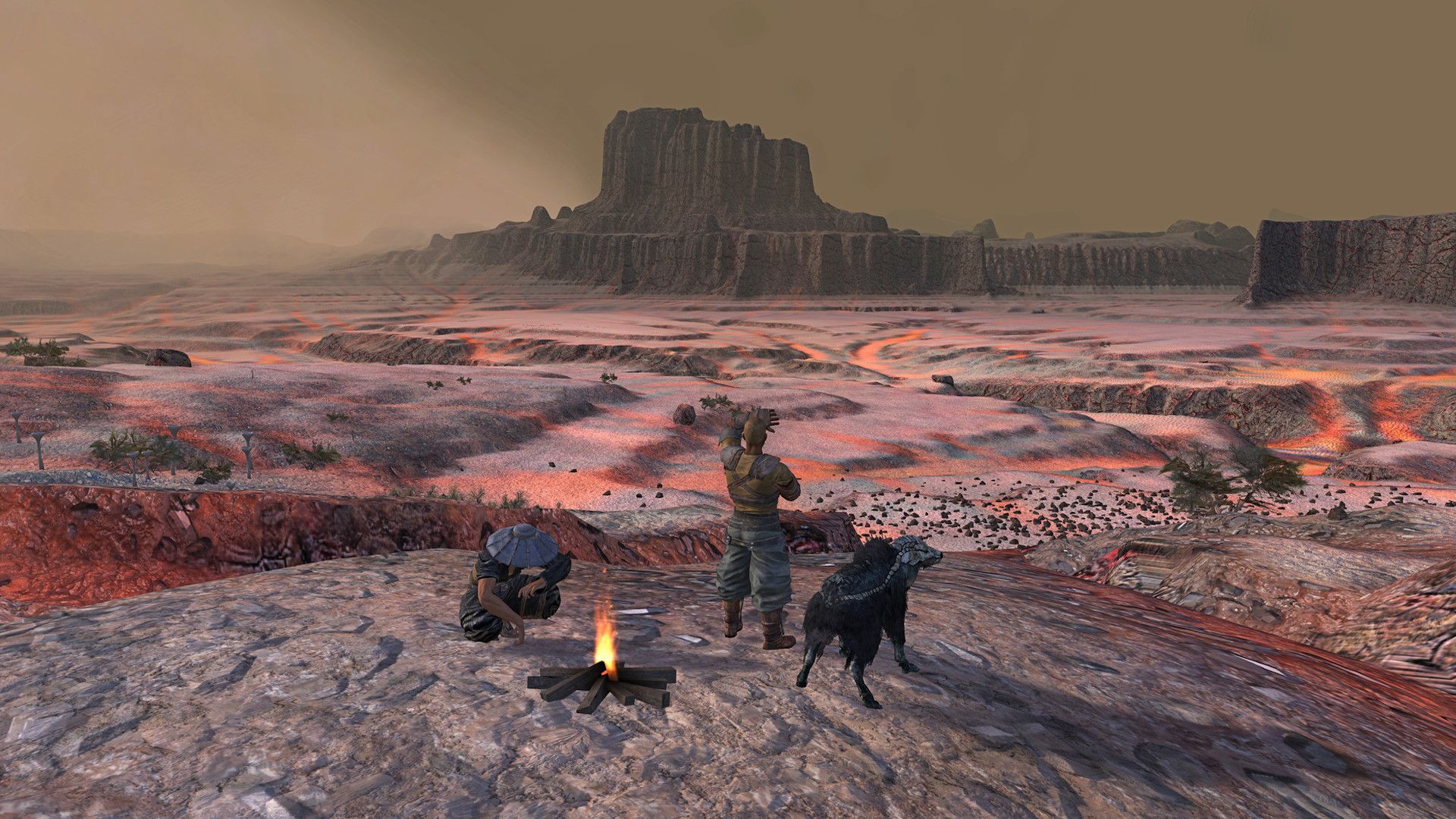
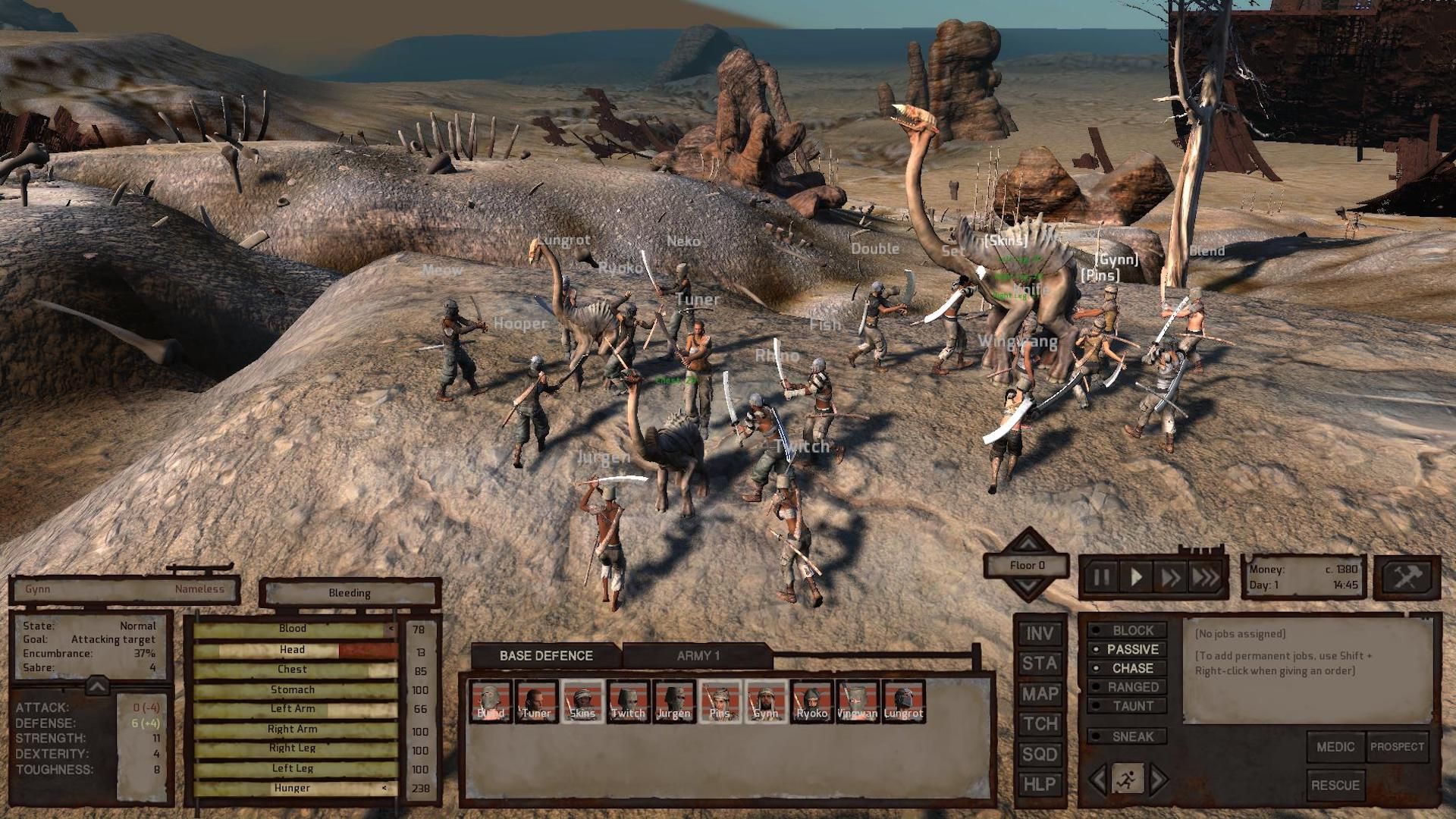
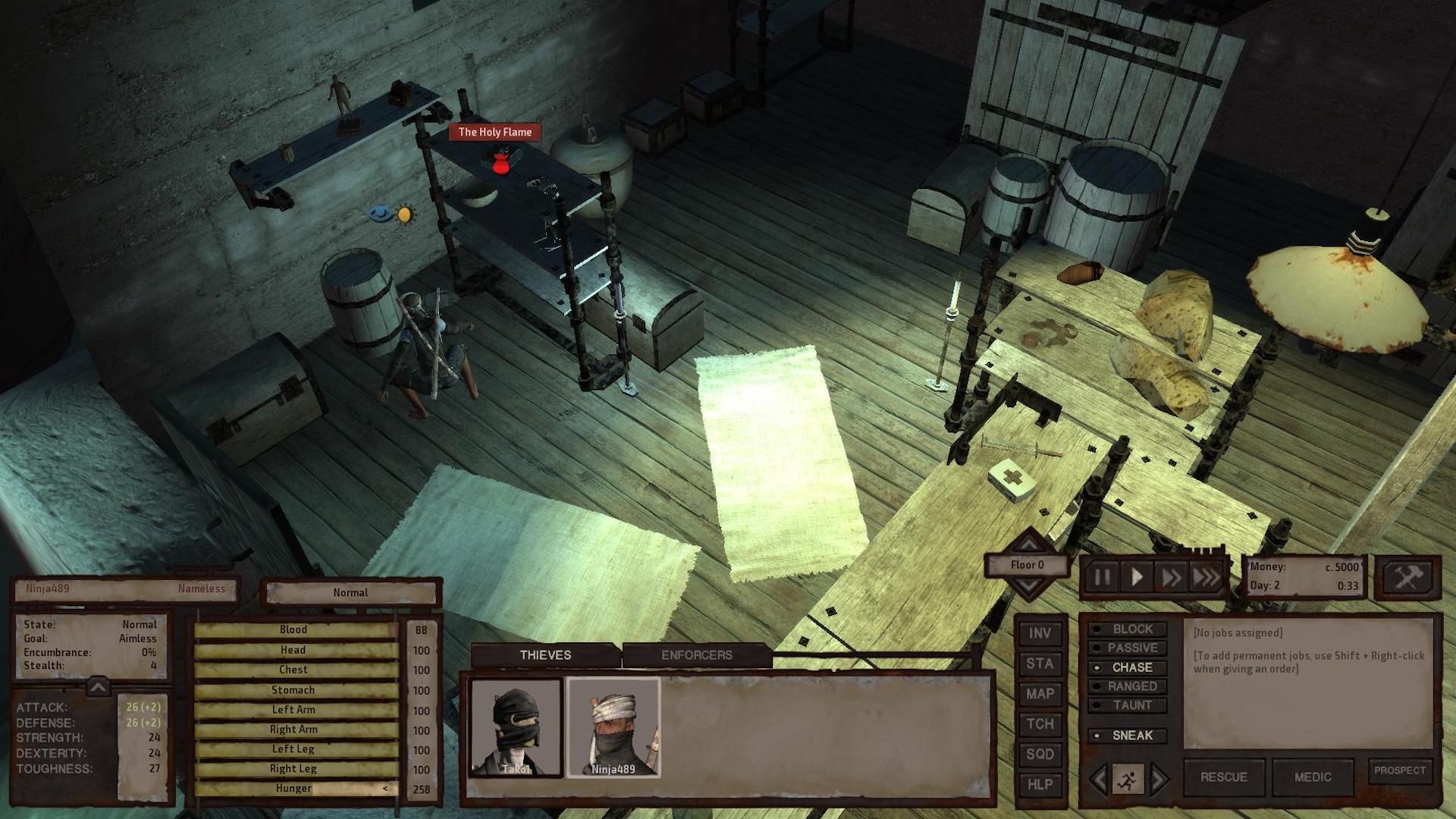
Kenshi is a brutally challenging game for those who found games like those made by FromSoftware (known for Dark Souls and Elden Ring) to be too easy. Its complex systems and world are often confusing, and players frequently need to consult online resources to understand what’s happening. The game offers very little guidance, leaving players to figure things out on their own. New characters start at level one with low stats, making early exploration dangerous and leading to frequent deaths. To make matters worse, combat can result in not just death, but also permanent injuries like the loss of limbs.
Although it can be incredibly challenging, Kenshi offers a huge and open-ended gaming experience that’s ultimately very rewarding, even if it’s a little rough around the edges. You can play however you want – become a lone wanderer, build an army, or focus on crafting – making it appealing to a wide range of players. It does take time and effort to learn, and that was a gamble for the developers, Lo-Fi Games. Creating such a difficult and unconventional game isn’t for everyone, but their dedication paid off with a dedicated fanbase. What began as a solo project eventually grew into a small team effort, and after five years in Early Access, Kenshi finally reached its full 1.0 release.
1. The Elder Scrolls 2: Daggerfall
We Owe It All To Bethesda
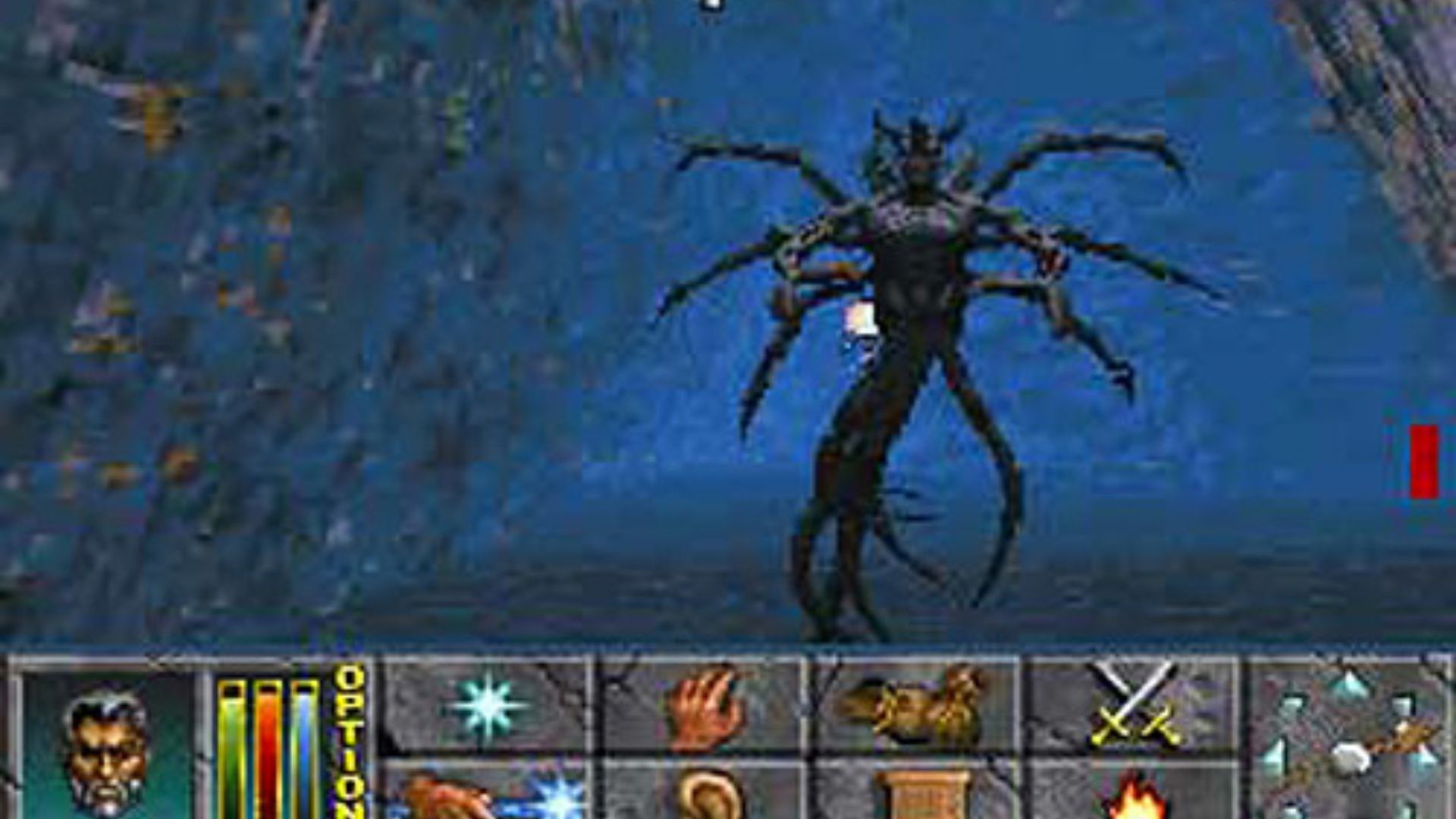
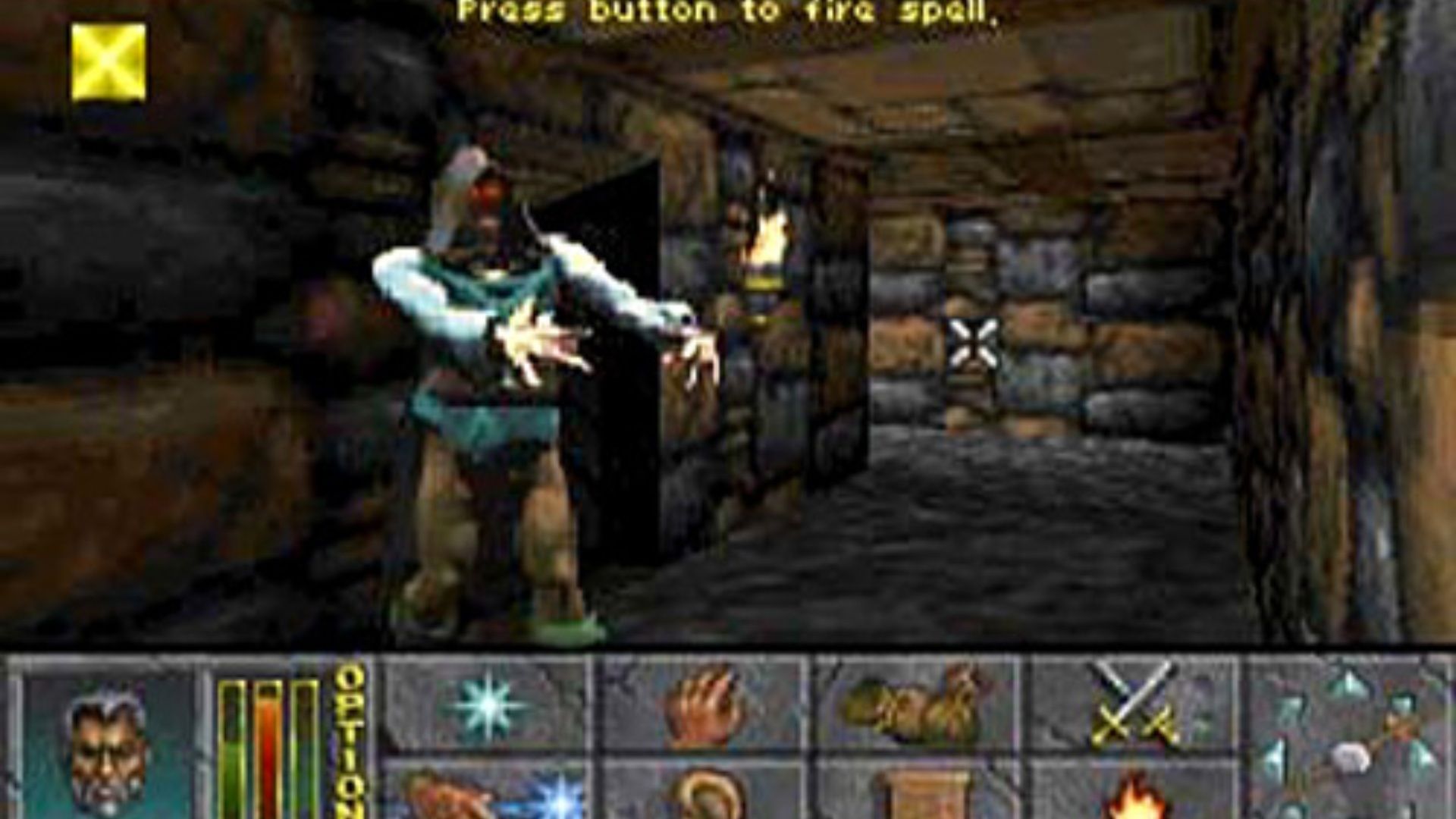
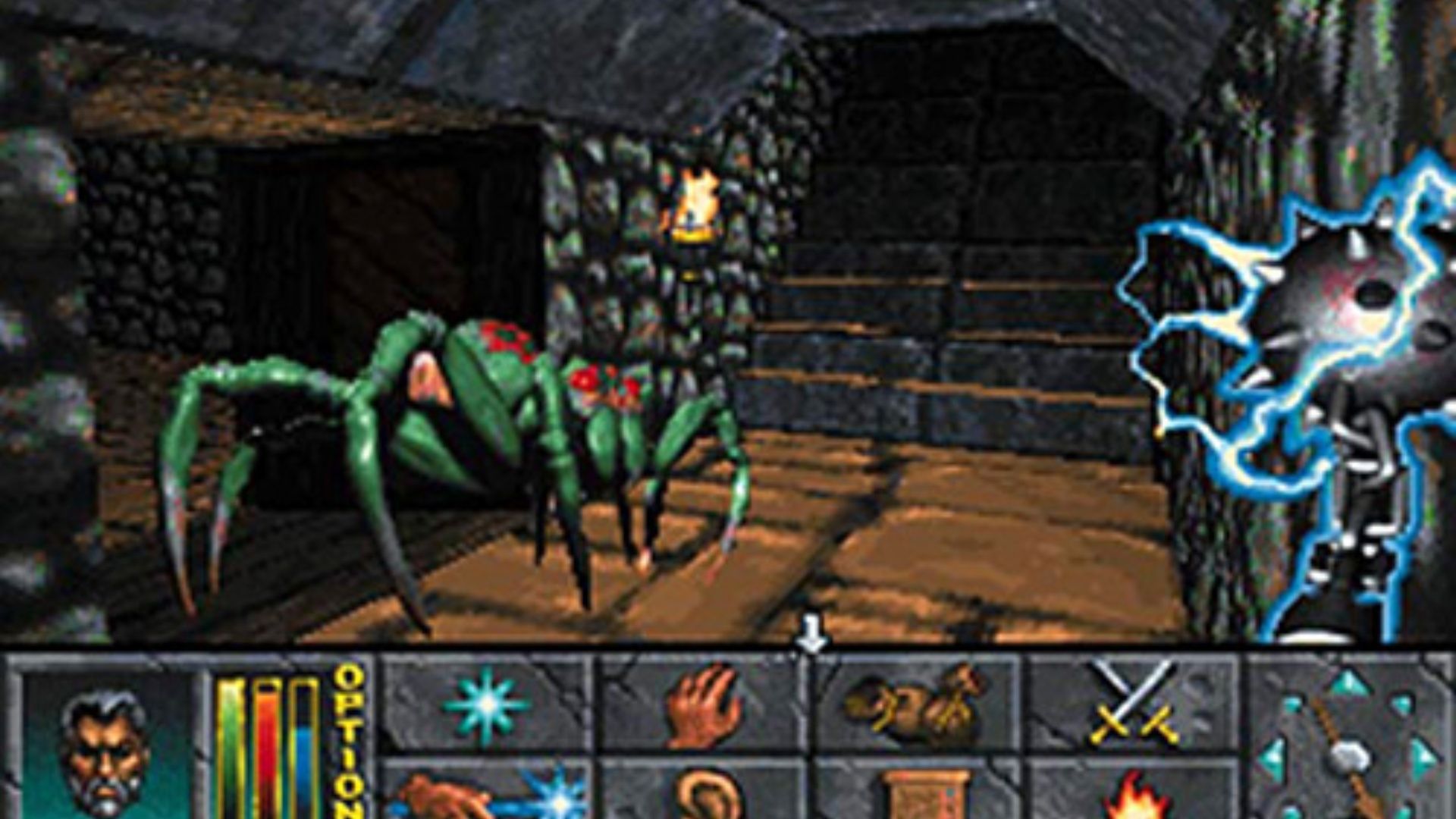
Okay, so if you didn’t play Daggerfall back in ’96, it definitely looks old now, and yeah, it is! But honestly, it was a huge step up from the first Elder Scrolls game, Arena. It really set the stage for everything the series would become over the next twenty years. The world is just unbelievably huge, and you can customize pretty much everything. Seriously, even if you’re a Baldur’s Gate 3 player who loves character creation, you’d be amazed by how much freedom Daggerfall gives you.
As you use skills in The Elder Scrolls 2: Daggerfall, they improve. You can pick a pre-defined class or create a character to your liking. While some dungeons are carefully designed with unique items, most are generated randomly. Beyond simple combat, the game is a robust life simulation RPG. Players can manage finances – taking out loans to purchase homes, horses, or even ships for exploration. The core elements of a great RPG were all present in this game, and Bethesda built upon that solid foundation.
Read More
- Forza Horizon 6: Find the Ohtani Treasure Chest Location
- LEGO Batman Legacy of the Dark Knight Batcave Minikits & WayneTech Caches
- NTE Drift Guide (& Best Car Mods for Drifting)
- Diablo 4 Best Loot Filter Codes
- PS Plus Monthly Games for June 2026 Wish List
- USD CNY PREDICTION
- USD RUB PREDICTION
- Cookie Run Kingdom Timeline of Fate Update Guide
- GBP CNY PREDICTION
- CNY RUB PREDICTION
2026-03-27 20:40