
What to know:
- Naoris Protocol launched its quantum-resistant blockchain to protect digital assets from future quantum computers that could break today’s encryption.
- The mainnet has been tested at scale, processing over 106 million transactions, blocking 603 million security threats, and onboarding an invite-only group of validator operators.
- Its native NAORIS token powers the network, helping secure transactions, enforce rules, and maintain trust across the blockchain.
As an analyst, I’ve been following the launch of Naoris Protocol’s new blockchain, which they unveiled yesterday. What’s particularly interesting is its focus on ‘quantum resistance’ – essentially, it’s built to remain secure even if quantum computers become powerful enough to crack the encryption used by most current blockchains. This proactive approach to future-proofing is a key differentiator.
Naoris Protocol’s main network is now fully operational, moving beyond testing and into real-world use. According to Nathaniel Szerezla, the company’s chief growth officer, the network has already processed over 100 million transactions using advanced, future-proof encryption. He emphasized this isn’t a future goal, but a current capability they’ve already achieved.
This launch happens as established cryptocurrencies like Bitcoin and Ethereum face a potential crisis – what some call “Q-Day.” This refers to the moment when future quantum computers could break the security that protects most blockchains.
This week, worries increased after Google announced that a quantum computer with fewer than 500,000 qubits—much less than previously thought—could potentially compromise Bitcoin’s security. Separately, a new report highlighted weaknesses in Ethereum that could endanger $100 billion worth of assets on the network.
Since blockchain transactions, like those using Bitcoin and Ethereum, can’t be changed once recorded, any security flaws present now could be taken advantage of in the future if powerful quantum computers become available.
Naoris is built different
Naoris differentiates itself by being designed from the ground up with advanced, future-proof security. It uses encryption methods endorsed by the U.S. National Institute of Standards and Technology to safeguard accounts, transactions, and other digital assets, as detailed in a recent press release to CoinDesk.
The system features a permanent security upgrade. Once a user switches to new, quantum-resistant keys, all transactions must use these secure signatures. The system will automatically reject any transaction attempting to use older, less secure methods, safeguarding assets if traditional security is compromised.
Currently, its advanced, quantum-resistant security is only available on its primary network. However, the system is designed to eventually integrate with wallets, exchanges, Layer 2 networks, and decentralized finance (DeFi) platforms.
The network officially launched with a select group of partners who established the first secure nodes, creating a solid base for future growth. Before opening up to everyone, the system underwent thorough testing. This testing phase successfully identified and resolved over 603 million potential problems, handled more than 106 million advanced transactions, and resulted in over 3.3 million digital wallets and over a million security nodes being activated worldwide.
The NAORIS token is central to how the network operates. It’s used to keep transactions secure, maintain the network’s rules, and foster trust between users. Currently, the token is valued at $36 million.

Bitcoin heads into holiday weekend exposed as ETF and CME flows go offline
5 hours ago

Todd Blanche, author of DOJ crypto enforcement memo, is now interim AG
9 hours ago
Crypto market structure bill release pushed back as industries view revised stablecoin yield compromise this week
11 hours ago

Here’s why bitcoin’s drop below $68,000 raises the risk of a crash under $60,000
15 hours ago

CFTC sues Illinois, Arizona, Connecticut over states’ sports prediction market efforts
17 hours ago

Coinbase wins initial bank regulator nod for trust charter, boosting custody push
17 hours ago

Bitcoin trims big loss, stocks erase 2% decline, as Iran signals cooperation on key shipping route
18 hours ago

How a Solana feature designed for convenience let attackers drain more than $270 million from Drift
18 hours ago

North Koreans hackers likely behind $286 million Drift Protocol exploit: Elliptic
18 hours ago
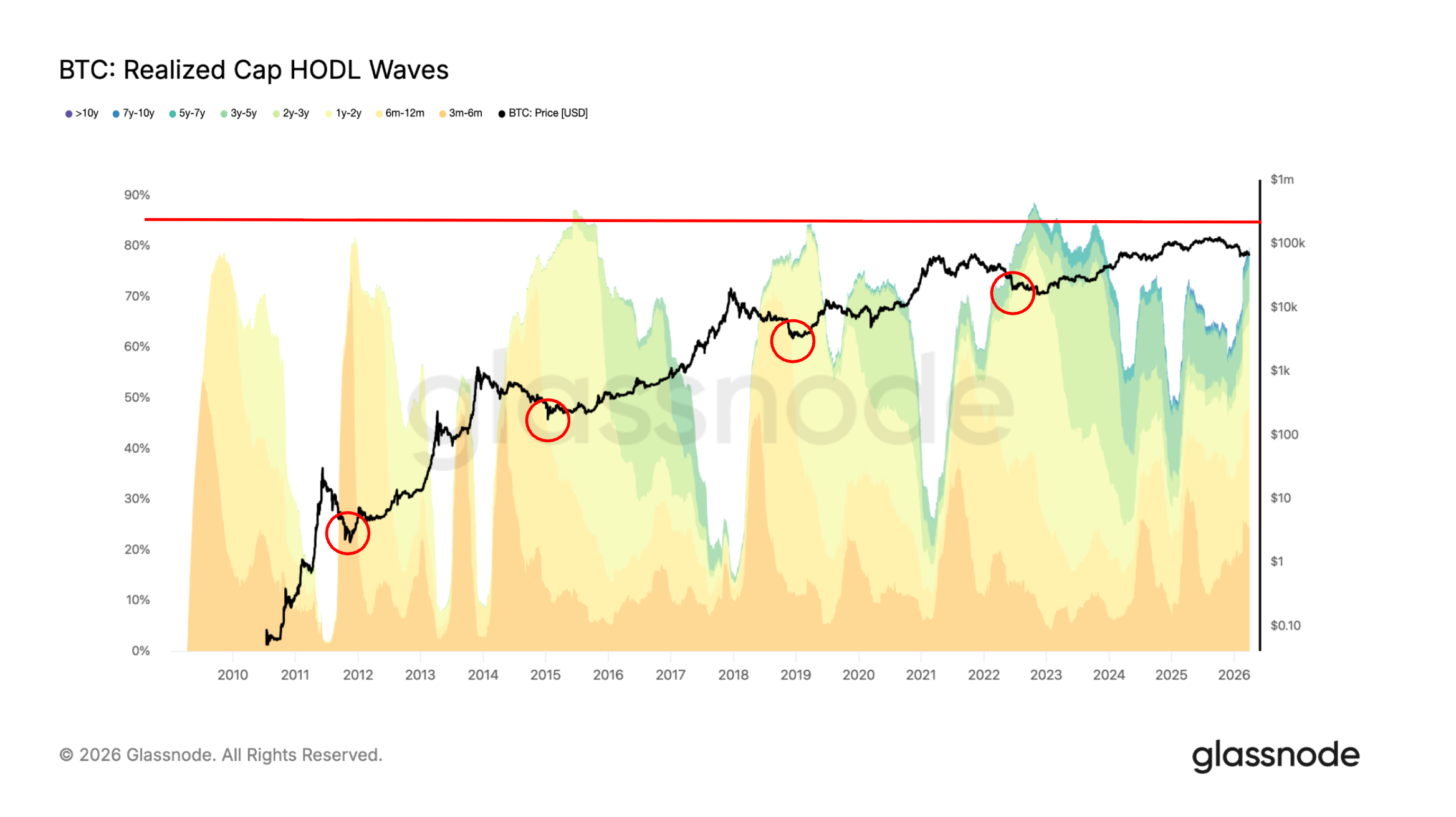
The ‘time pain’ trap: why bitcoin’s bear market might need a few more months of ‘boring’ to hit a true floor
19 hours ago

Coinbase’s AI payments system joins Linux Foundation, gathers support from Google, Stripe, AWS and others
20 hours ago

SoFi announces 24/7 banking hub that blends traditional cash with crypto
21 hours ago
Read More
- All Skyblazer Armor Locations in Crimson Desert
- All Shadow Armor Locations in Crimson Desert
- How to Get the Sunset Reed Armor Set and Hollow Visage Sword in Crimson Desert
- Marni Laser Helm Location & Upgrade in Crimson Desert
- All Golden Greed Armor Locations in Crimson Desert
- All Helfryn Armor Locations in Crimson Desert
- Best Bows in Crimson Desert
- Keeping Large AI Models Connected Through Network Chaos
- All Icewing Armor Locations in Crimson Desert
- How to Craft the Elegant Carmine Armor in Crimson Desert
2026-04-03 12:28