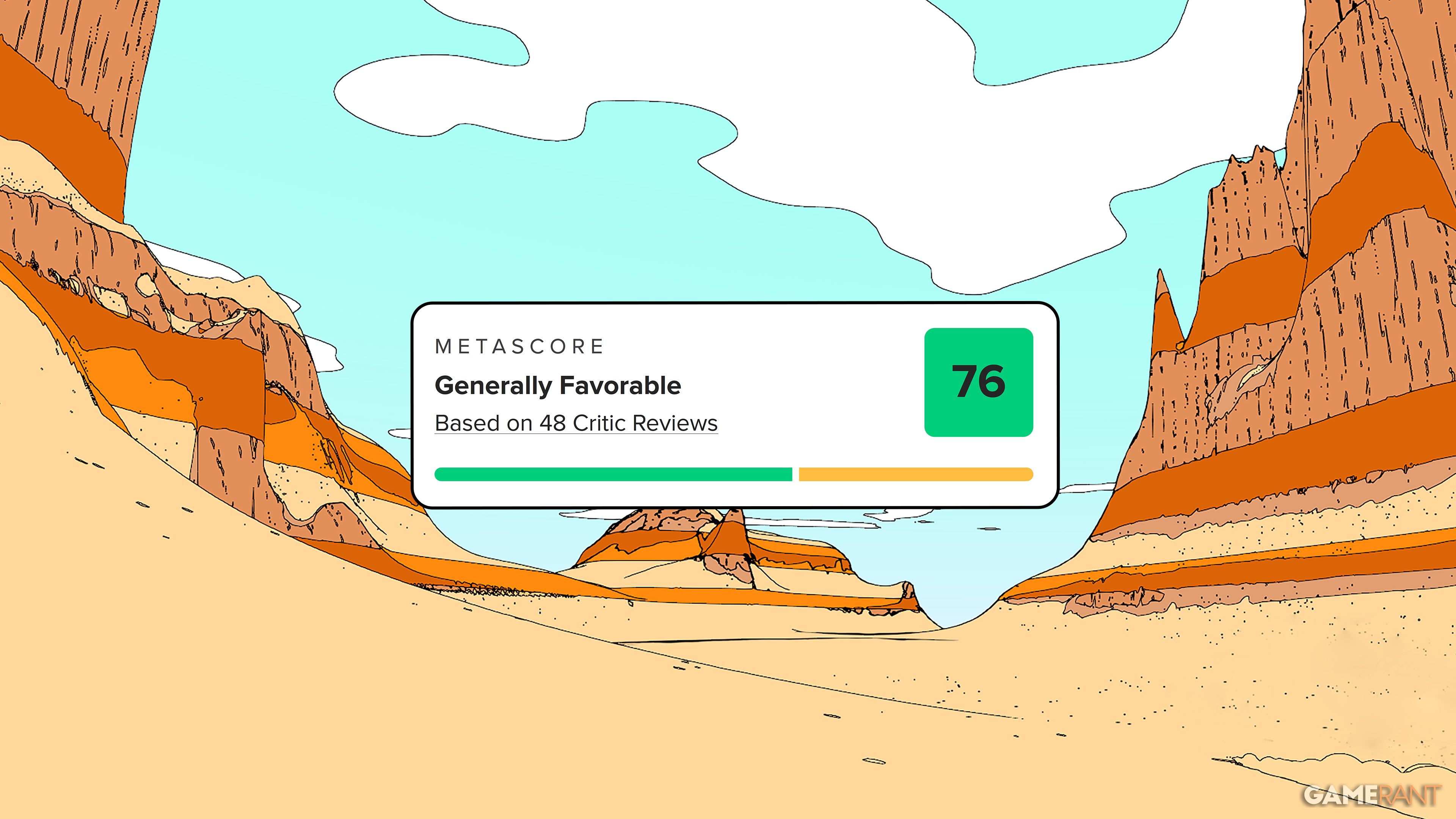
A Metacritic score of 76 might suggest that Sable is just an okay game, but its open world is actually exceptional, even compared to major, high-budget titles. Sable’s world, called Midden, is beautifully designed and offers a truly one-of-a-kind experience.
Sable excels at creating a vast and immersive open world thanks to its excellent sense of scale and beautiful artistic design. Playing it has actually made other, larger open-world games feel surprisingly empty in comparison.
What Sable Actually Is
Sable, released in 2021, is an open-world exploration game created by the indie developer Shedworks. It’s unique because it doesn’t have any combat or a traditional, detailed story. Instead, the narrative unfolds through conversations with characters, clues found in the game’s world, and the mysterious remains of a long-lost civilization, which players can interpret for themselves.
In Sable, you take on the role of a young woman embarking on a coming-of-age journey called a “Gliding.” As part of her tribe’s tradition, Sable sets off on a hoverbike to explore the vast desert landscape of Midden. Throughout her travels, she’ll climb ancient ruins, solve puzzles, and complete quests to collect masks and upgrade her hoverbike. Ultimately, this journey is about self-discovery – figuring out who she is and what path she’ll choose before returning home.
What “Perfect-Sized” Actually Means
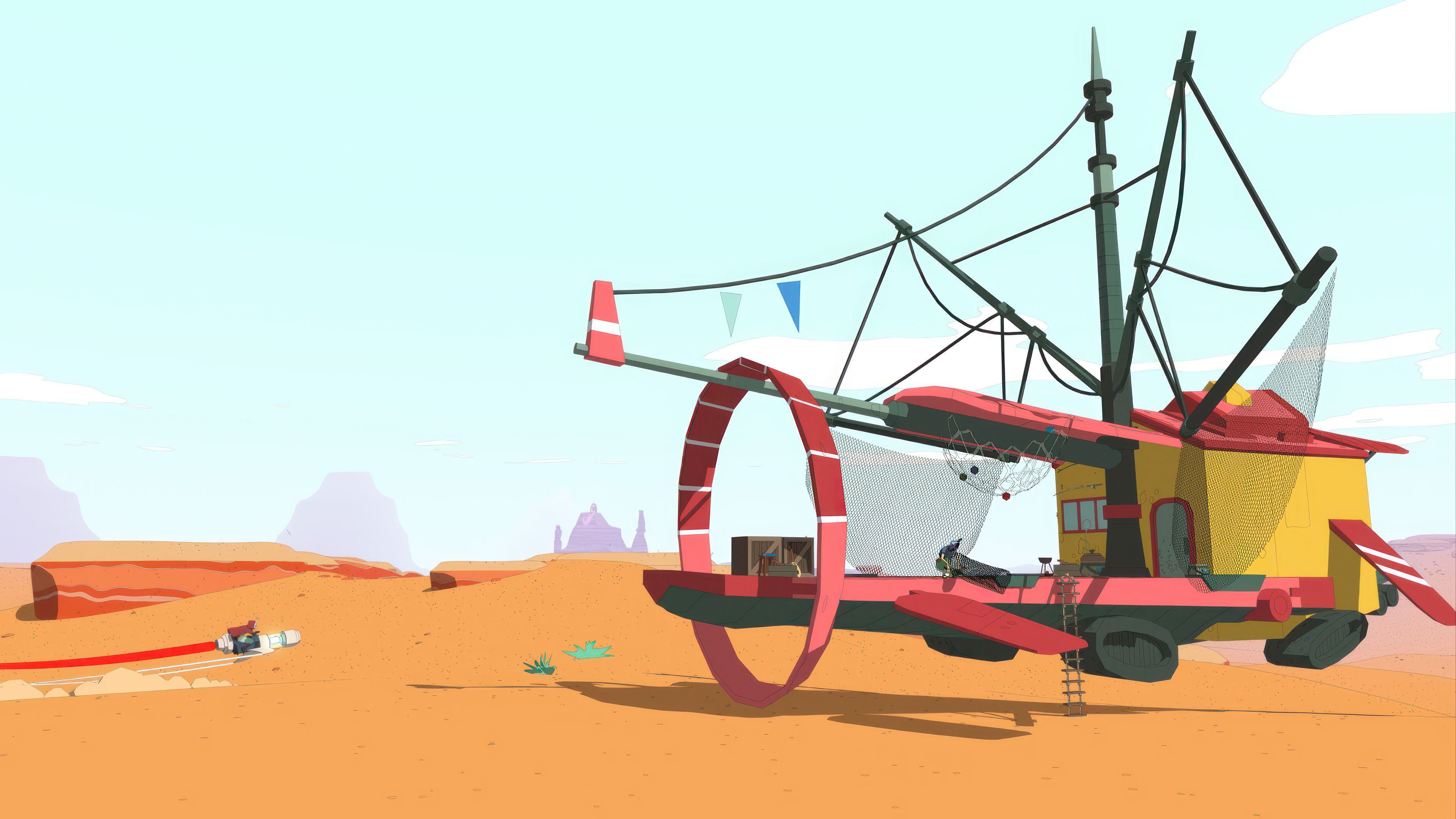
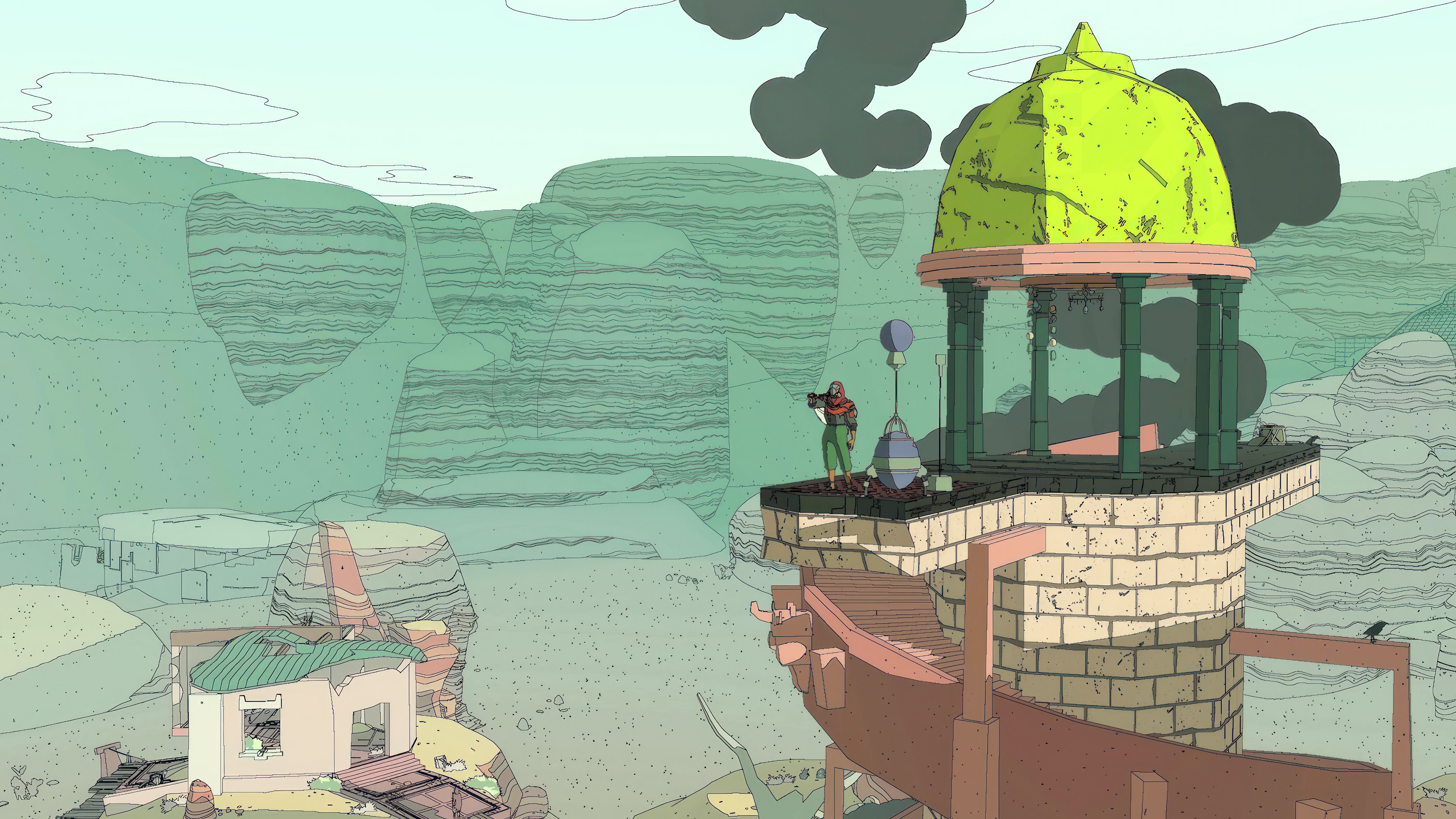
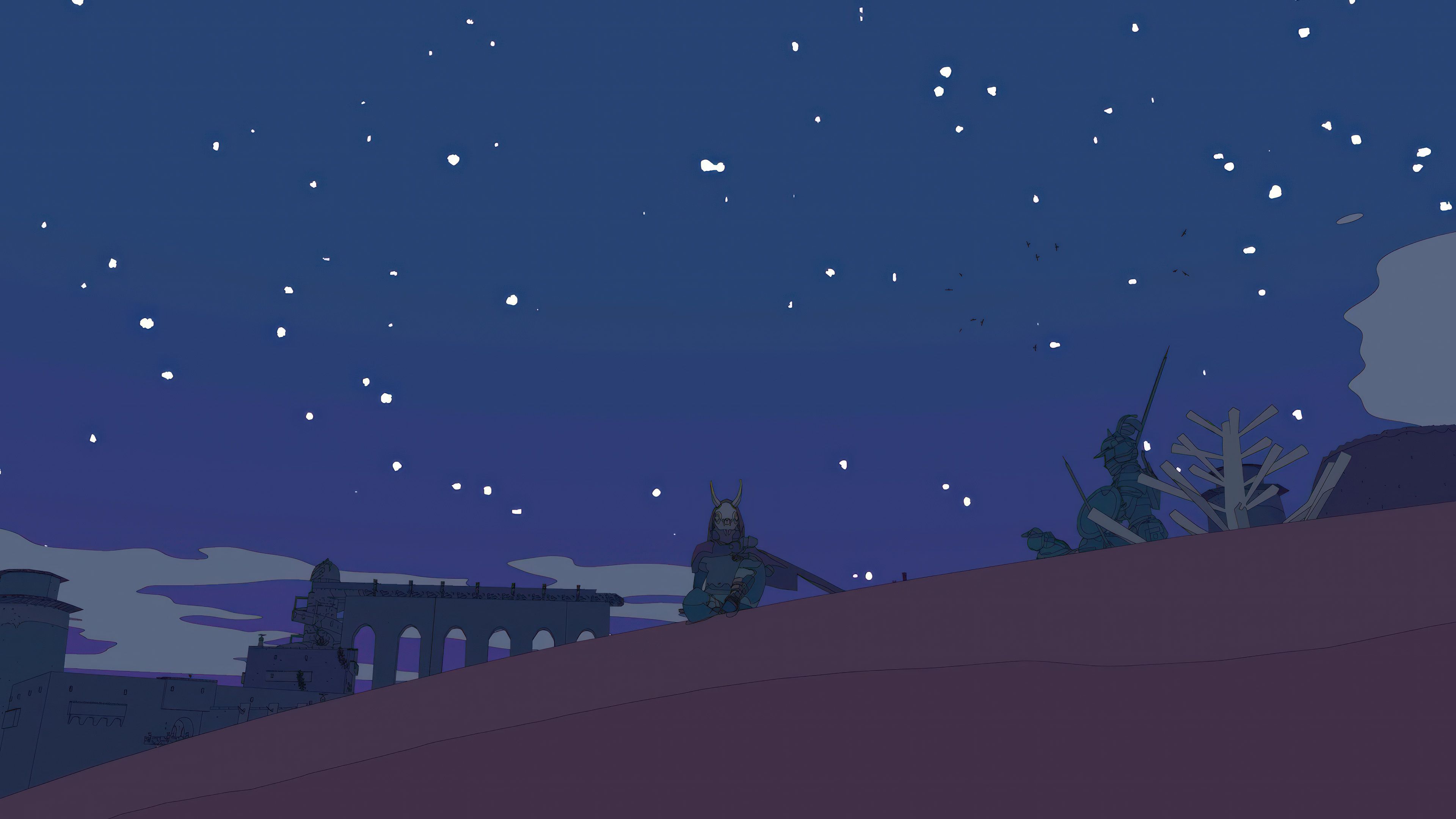
Sable excels as an open-world game because its world is perfectly scaled. It feels full without being overwhelming, and isn’t sparsely populated or overly crowded. This size allows the game’s artistic vision to truly shine – it’s just the right scope for an indie title, with every detail contributing to a cohesive experience. Expanding the world would actually detract from both the gameplay and the artistic impact. Let’s start by looking at what immediately grabs your attention: the game’s beautiful visuals and immersive sound design.
The game Sable draws clear inspiration from the artwork of Moebius, featuring a striking visual style with clean lines and a beautiful, dynamic color scheme that perfectly captures the shift between day and night – creating one of the most impressive day-night cycles in gaming. Complementing the visuals is a soundtrack by Michelle Zauner (Japanese Breakfast), which uses synthesizers, guitar, and atmospheric sounds to evoke the feeling of each desert area without being overwhelming. The music is grand when it needs to be, and subtly sparse at other times, creating a deeply immersive experience. These artistic choices are crucial to Sable‘s success, elevating both its visual and audio presentation. This artistic achievement is likely due to the game’s restraint – as an indie title developed with multiple creative influences – allowing a unique and cohesive vision to emerge.
That Restraint Extends to Sable’s Mechanics
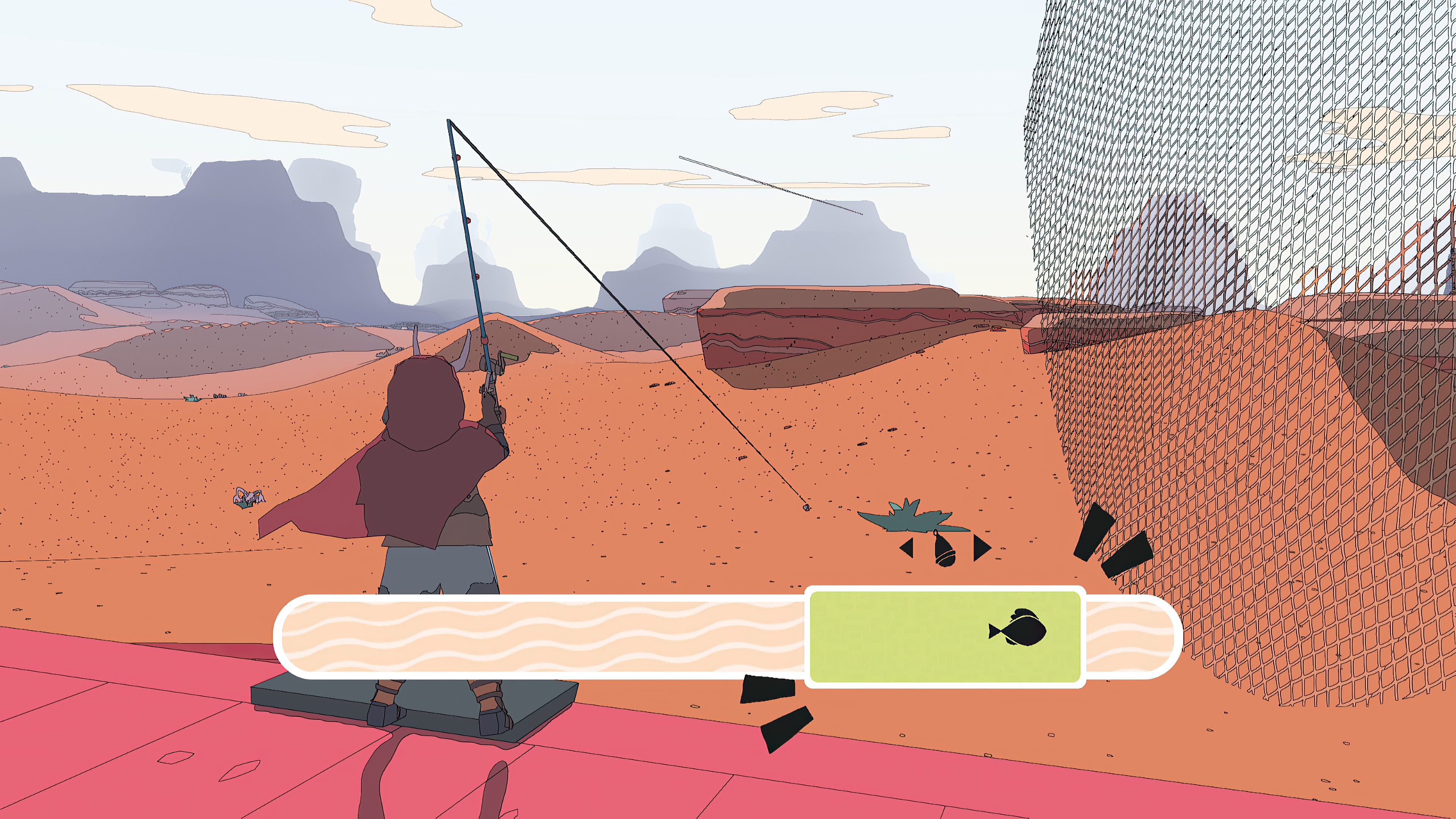
The beautifully scaled world of Sable extends to its gameplay as well. It’s similar to Breath of the Wild, but simpler – you explore a vast landscape to find masks and upgrade your hoverbike. The game avoids hand-holding with minimal map markers, instead relying on a compass, word-of-mouth directions, and a stunning open world filled with desert landscapes, wreckage, and ancient ruins. Sable trusts players to explore simply because its world is so compelling.
Midden Is Alive Whether You’re In It or Not
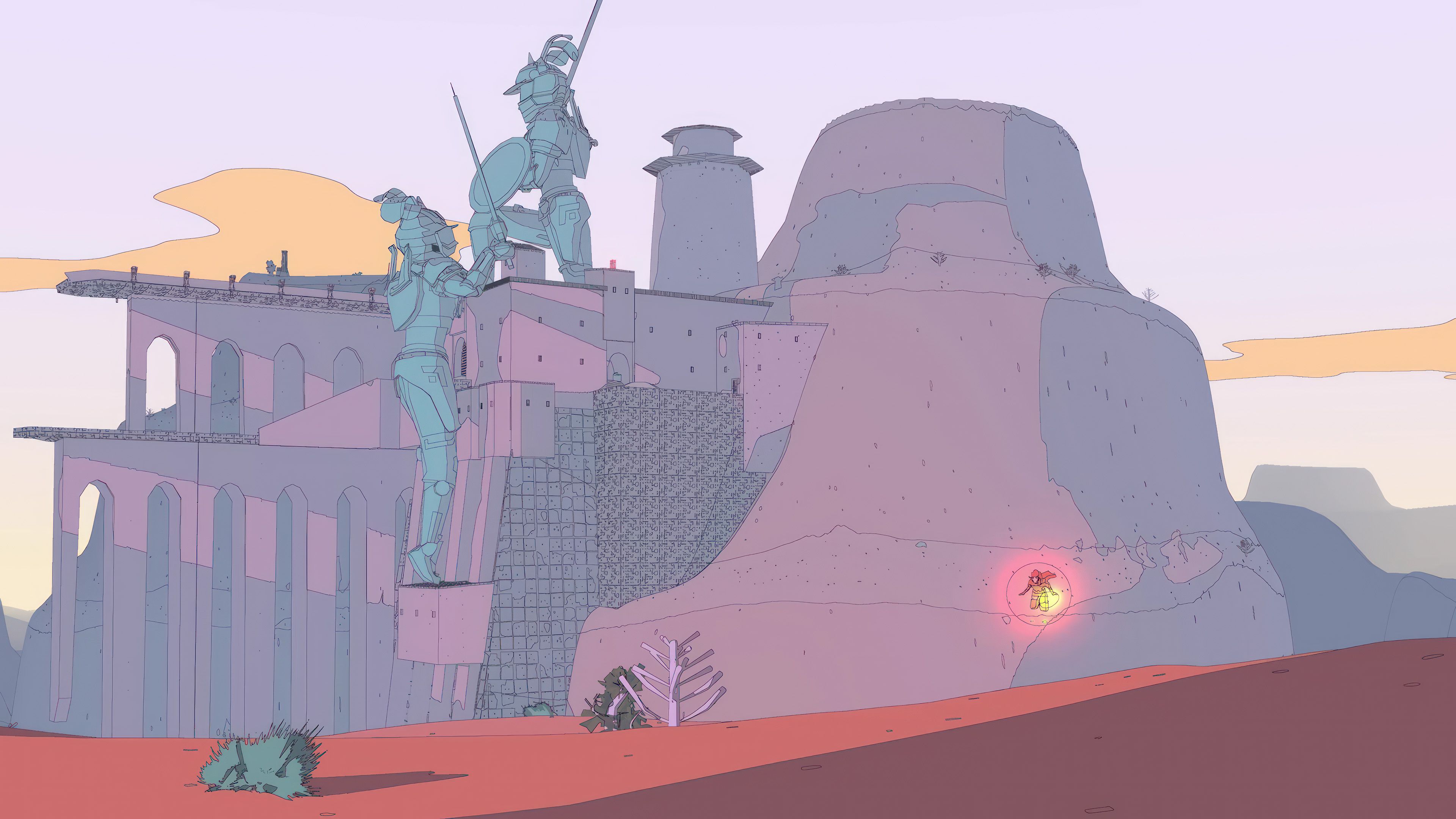
Don’t think of these systems as just simple upgrades, though. They actually add to the game’s story – the masks you collect represent finding your identity, and earning them through gameplay is like the game’s version of growing up. In Sable, even the parts you find for your hoverbike change how you experience the world, and in a game all about exploration and freedom, that makes a real difference.
Okay, so the game takes place during what’s called Sable’s Gliding, and it’s a lot like the Amish tradition of Rumspringa – basically, a time when you go off and explore before fully committing to your community. I play as Sable, and I’m trying to figure out where I fit in. My tribe does leave, but they come back pretty quickly, and honestly, I can go home and just end my journey whenever I want. There isn’t a traditional ‘game over’ – the ending is totally up to me. It’s super chill, but it actually means something; the way the game is structured really reflects that whole idea of finding your own path.
As a huge fan of Sable, I have to say that Meghna Jayanth, the writer, is a total star. She’s just as important to the game’s magic as the art style and music, but her work is so subtle and natural. The way she created the culture of the Ibexii people feels incredibly authentic – like a real, lived-in society with its own everyday routines and, importantly, complex inner lives. What really gets me is that the whole world of Midden feels like it exists independently of me, the player. It’s like Sable is just passing through, and the world was there before her and will continue on after she’s gone. That feeling really adds to the game’s themes of self-discovery and finding your place in something bigger than yourself.
Fit the 9 games into the grid.
Results
Pick a game
Most Open Worlds Don’t Do This
It’s incredibly difficult to create a truly believable culture within an open-world game. Most games treat culture as just scenery – something for the player to look at, but not something the characters actually live. In Sable, Jayanth has successfully done the opposite, and that accomplishment has fundamentally changed how I think about open-world games.
How Sable Has Ruined Other Open-World Games for Me
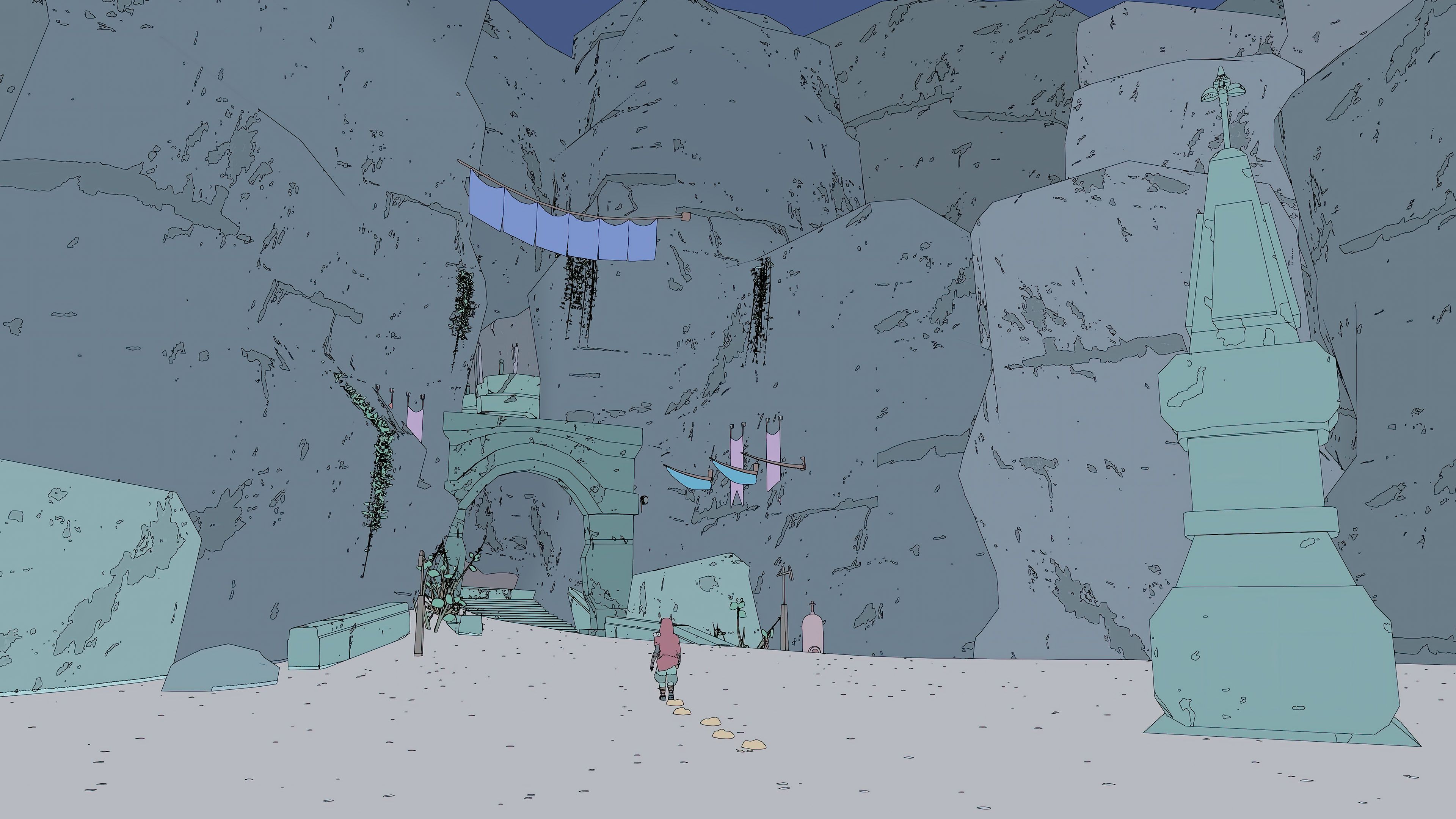
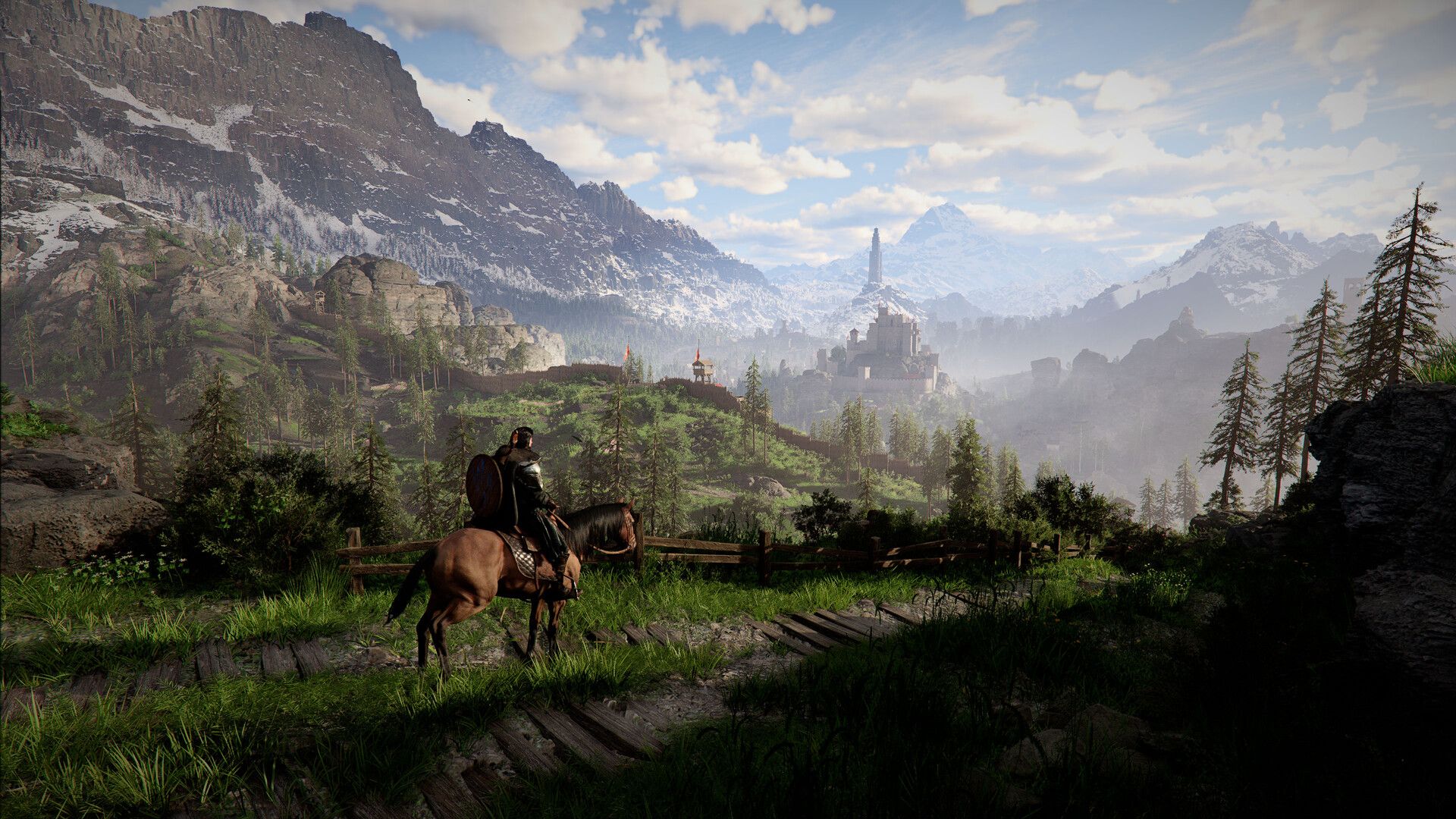
I need to be careful how I put this, because this isn’t about judging indie games versus big-budget titles, or saying any game is bad. Every game aims for something different, and we as players get what we’re looking for at the time. Sometimes we want a massive, visually stunning experience – like a theme park – that’s purely about fun and excitement, something you enjoy and then move on from. Games like Hogwarts Legacy, Crimson Desert, and most Assassin’s Creed games after Black Flag fall into this category, and that’s perfectly fine. However, they don’t offer the same depth and emotional resonance as a game like Sable. Once you’ve experienced that kind of richness, it’s hard to overlook its absence in other games.
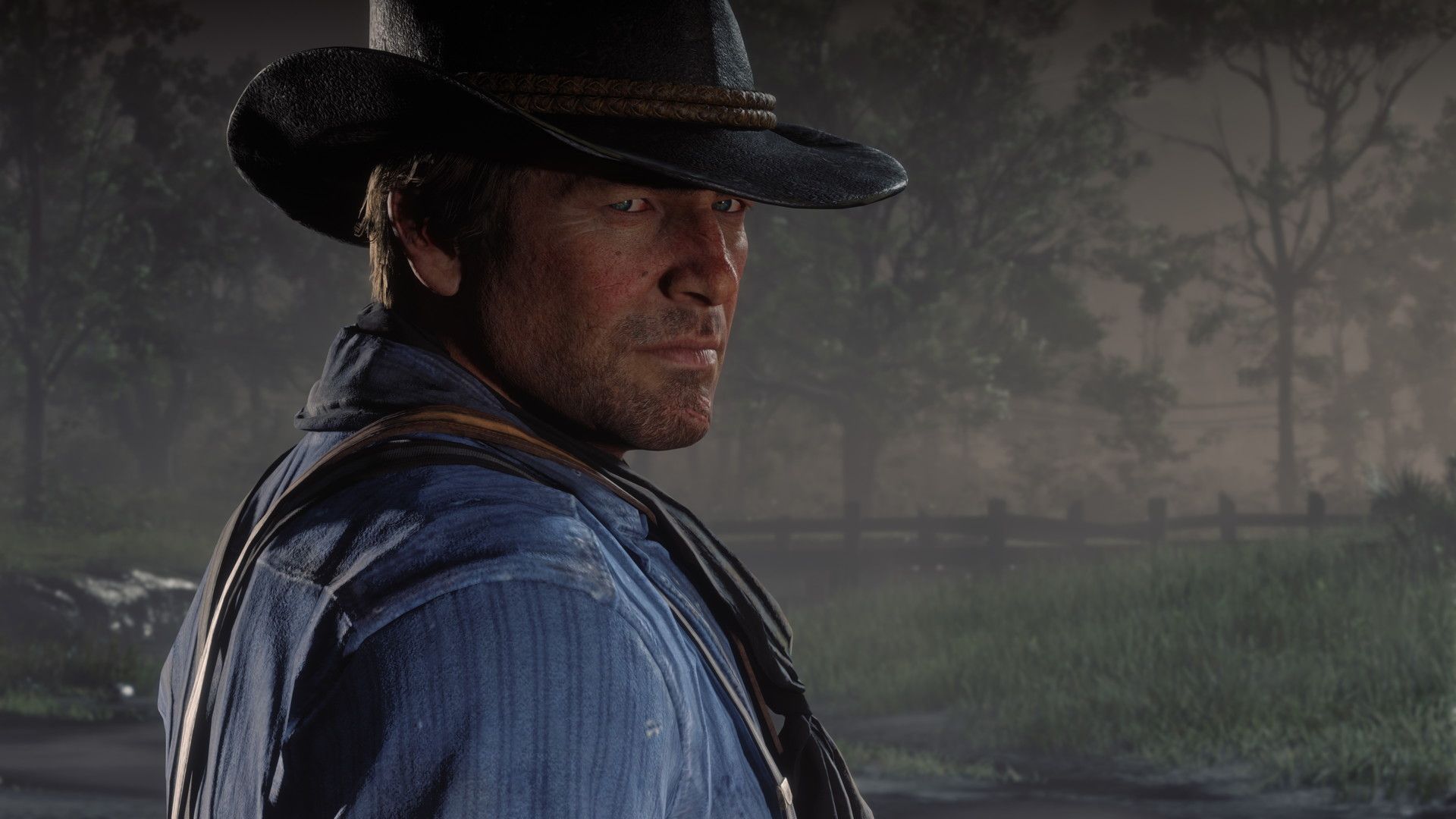
Rockstar Games’ Grand Theft Auto 5 and Red Dead Redemption 2 really highlight a difference in how games portray characters. In GTA 5, I always saw Trevor, Franklin, and Michael as being in a world of events, whereas Arthur Morgan in Red Dead felt like a fully realized person with complex inner thoughts and feelings. Sable brings this distinction into sharper focus. While exploring the desert landscape of Sable, riding through sand and ruins, it became clear how much more depth this game offers in terms of character development – it’s something you can’t ignore.
Despite Its Size, Sable Is Bigger Than Metacritic Can Capture
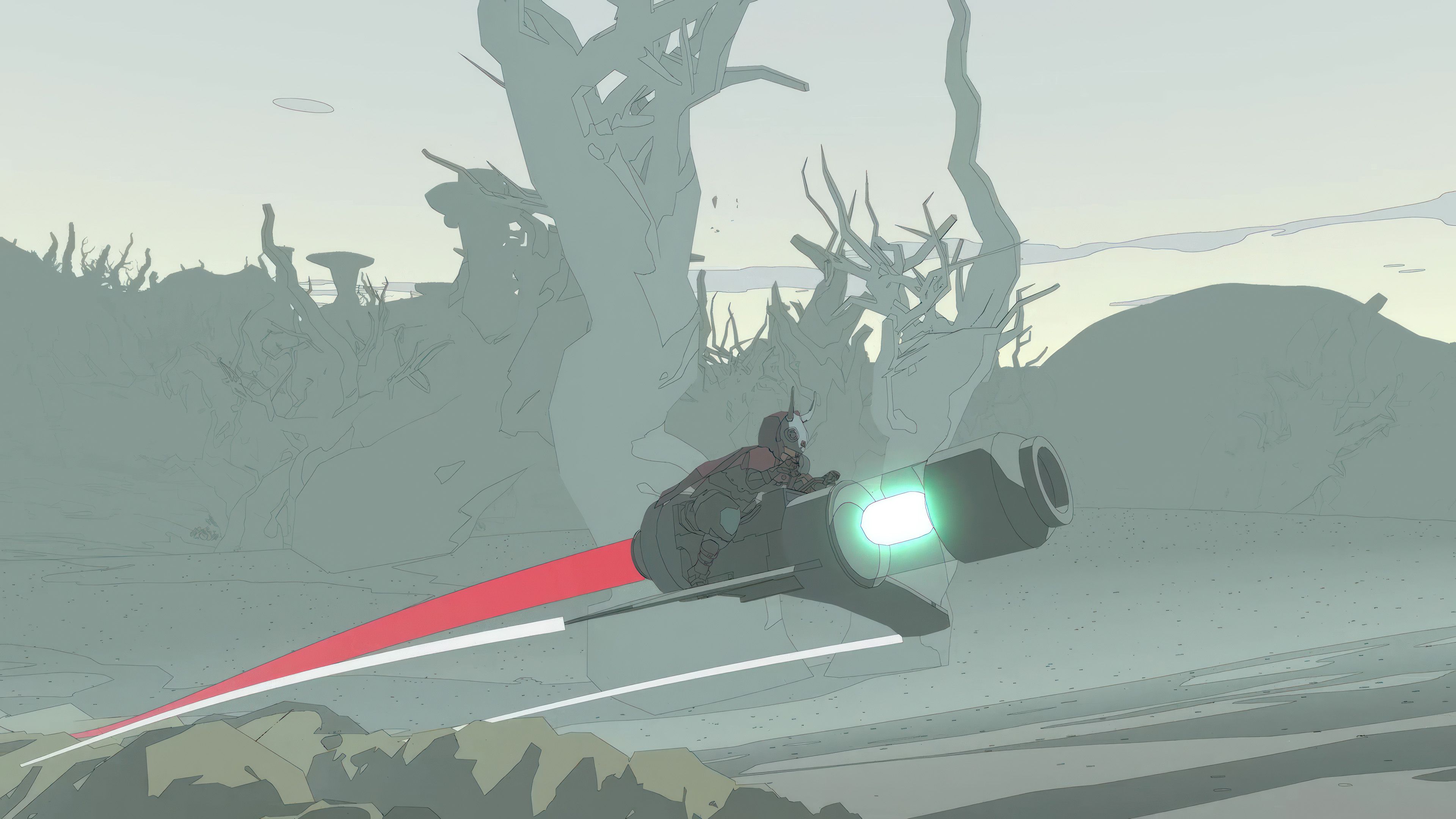
While Sable isn’t a flawless or exceptionally captivating game, and it won’t rank among my all-time favorites, I believe games have a unique power. They can be more deeply satisfying than other art forms like paintings, movies, or music because they create entire worlds from those elements. Sable and its open world, Midden, perfectly illustrate this. It doesn’t surpass the memories I’ve made in games like Skyrim, GTA, or Crimson Desert, but I’ve consistently remembered my time in Midden years after playing it – a quality I feel a score of 76 on Metacritic doesn’t recognize.
Read More
- All Skyblazer Armor Locations in Crimson Desert
- New Avatar: The Last Airbender Movie Leaked Online
- Boruto: Two Blue Vortex Chapter 33 Preview — The Final Battle Vs Mamushi Begins
- Quantum Agents: Scaling Reinforcement Learning with Distributed Quantum Computing
- One Piece Chapter 1180 Release Date And Where To Read
- All Shadow Armor Locations in Crimson Desert
- How to Get the Sunset Reed Armor Set and Hollow Visage Sword in Crimson Desert
- Red Dead Redemption 3 Lead Protagonists Who Would Fulfill Every Gamer’s Wish List
- Cassius Morten Armor Set Locations in Crimson Desert
- Euphoria Season 3 Release Date, Episode 1 Time, & Weekly Schedule
2026-04-17 19:10