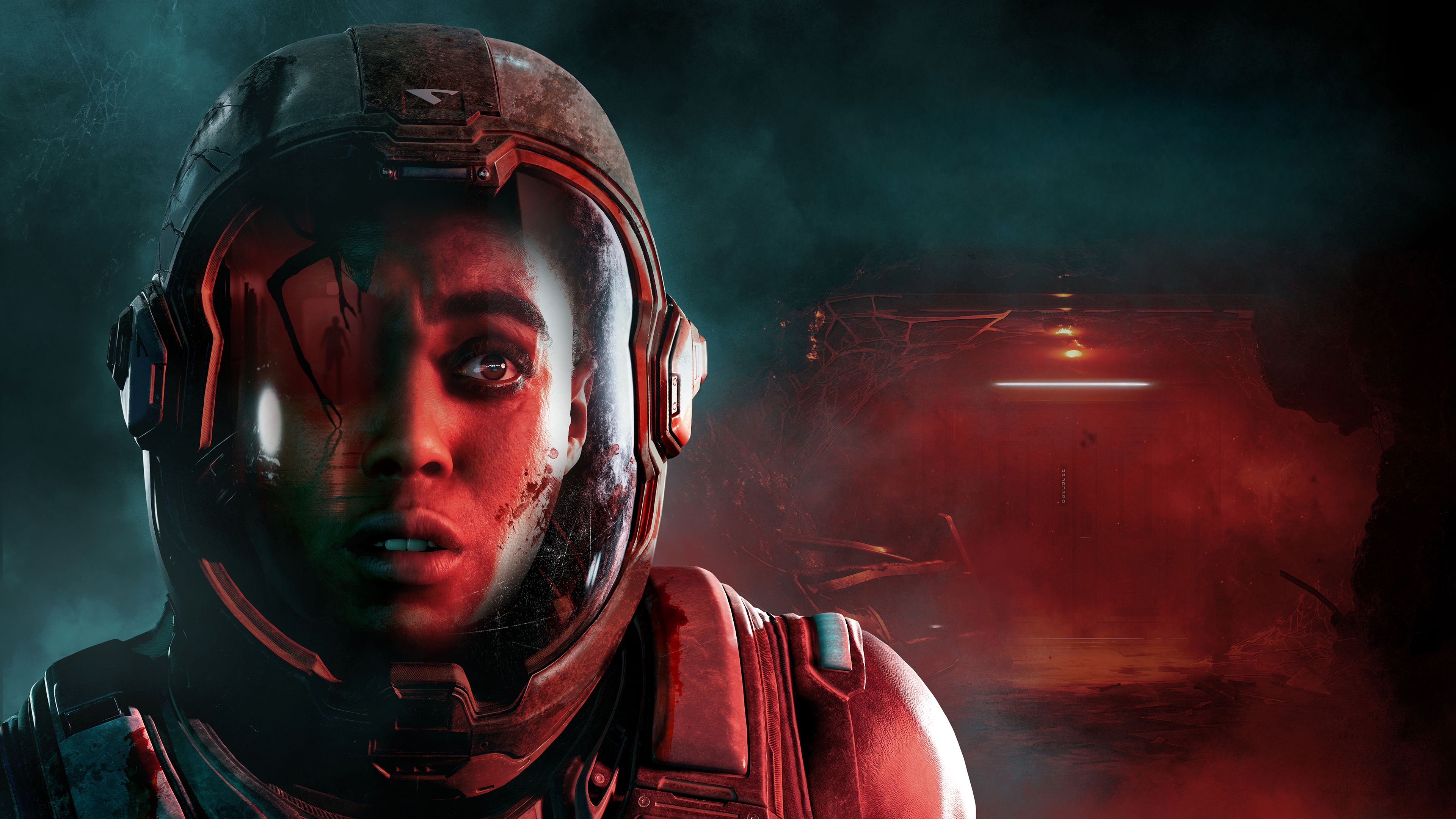
I had a really bad feeling early on in Directive 8020 – the kind that makes you want to just turn around and walk away. I’ve seen enough horror movies to know when something awful is about to happen, and every alarm bell in my head was ringing. But honestly, that’s where Directive 8020 really shines. Instead of watching other people make dumb choices, I was one of the crew of the Cassiopeia, facing a terrifying alien that could perfectly copy anything it touched. It wasn’t just about the crew or the mission anymore, it was about humanity’s last chance, and I was right in the middle of it.
Directive 8020 is one of the most ambitious entries in The Dark Pictures Anthology yet, and it largely succeeds. The game introduces exciting live stealth sections that add a new level of tension, and the characters become increasingly engaging as the story unfolds. It’s clear Supermassive Games is trying new things with their horror formula, and many of these ideas work well. While not everything is perfect – the game’s visuals can feel a bit rigid, and some choices are predictable – Directive 8020 feels like a strong step forward for the series and sets a promising path for future installments.
Directive 8020 Is at Its Best When It Turns Horror Movie Logic Against the Player
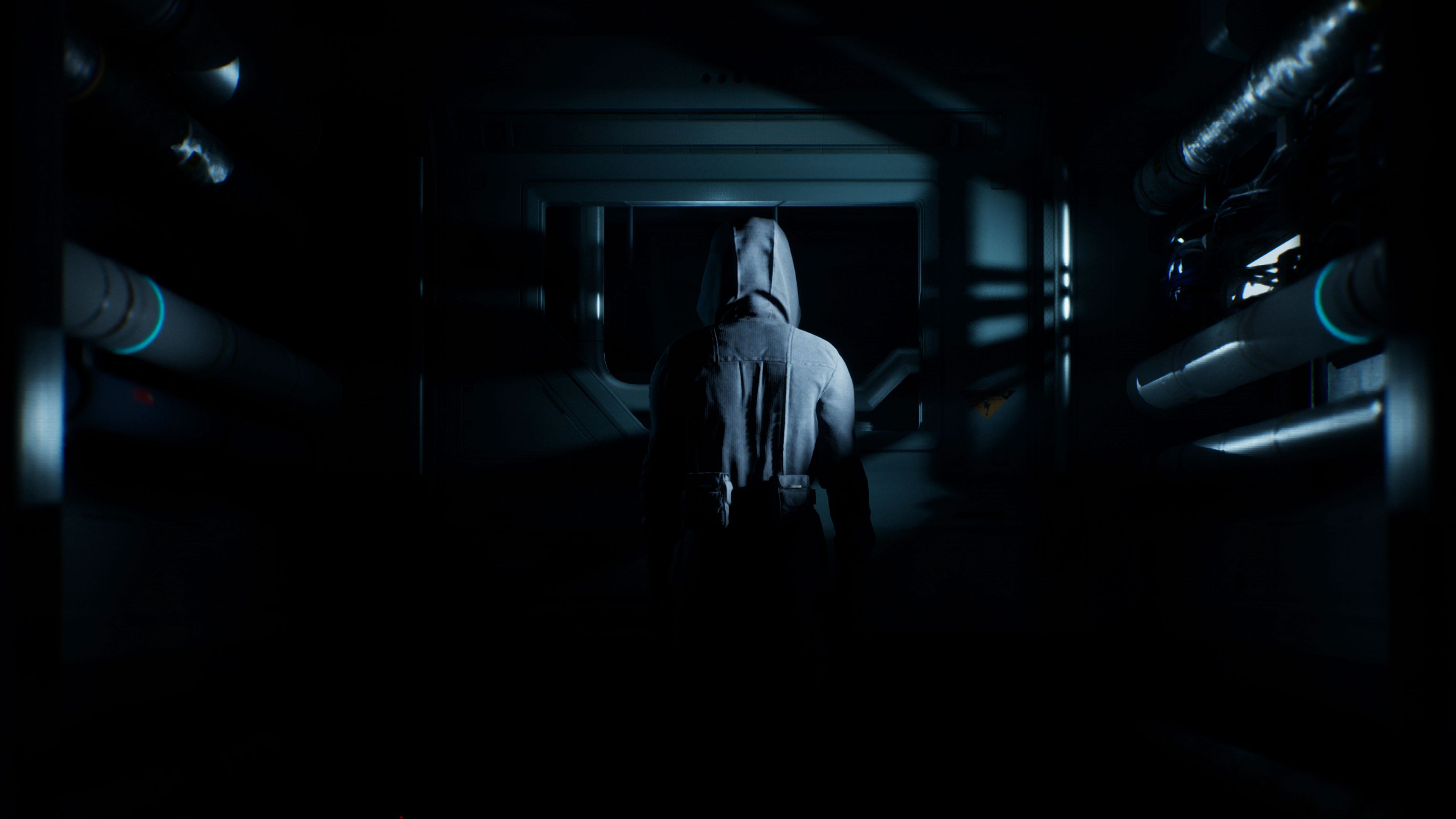
I was a little worried going into Directive 8020 about a slow start. When I got a hands-on preview, it was at Chapter 4 of 8, and things just started picking up. But honestly, I was totally wrong! The game throws you right into the main conflict in the very first chapter, and it keeps coming back to it throughout. It does this by jumping around in time, balancing moments of building tension with all-out chaos, which really helps you understand what’s going on and why you should care about the characters when things get crazy.
What struck me most about Directive 8020 was how effectively it transformed the typical interactive movie experience into something genuinely terrifying – it felt like being stuck in a real horror film. Previous Dark Pictures games prioritized story over complex gameplay, resembling more of a ‘choose your own adventure’ than a traditional game. However, Directive 8020 adds intense, hands-on stealth sections, making the player much more actively involved in the action.
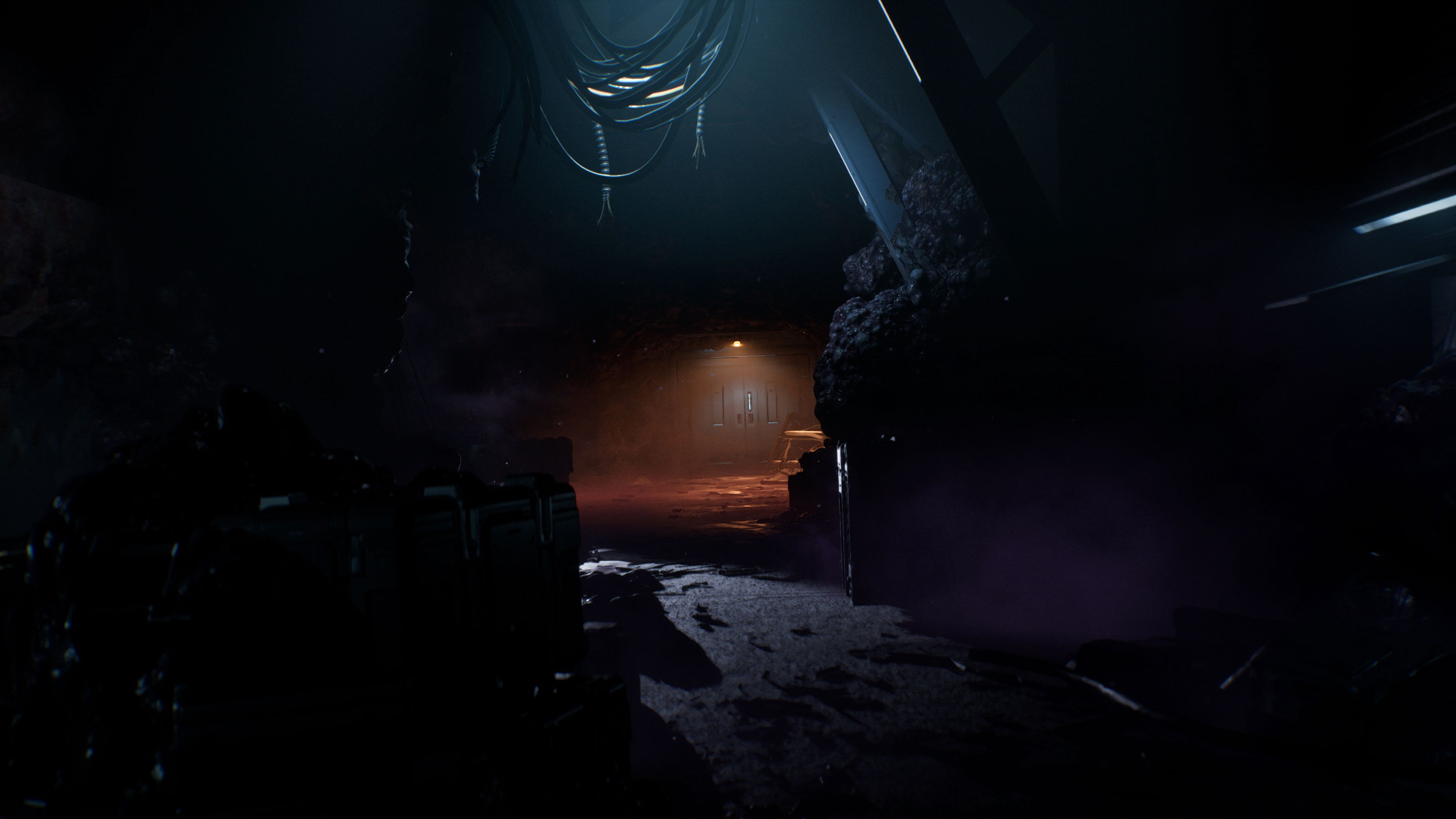
Even with practice, certain sections of the game remain scarier than simple jumpscares. While Directive 8020 has plenty of those too, the most terrifying moments come from directly controlling a character and trying to sneak past enemies. Knowing that getting caught meant certain death or serious injury created intense fear. This game takes the series’ focus on choices and consequences and makes it much more hands-on, which surprisingly amplifies the horror experience.
What struck me most about Directive 8020 was its ability to shift the feeling from a typical action movie to a genuinely terrifying experience, as if I were actually stuck in the middle of it.
Directive 8020 creates a truly frightening experience, almost like being in a horror movie. Unlike watching a scary film and shouting warnings at the screen, you’re actually controlling the characters, and things aren’t so simple. This direct control, especially in dangerous moments, makes the gameplay unique. Instead of wanting the characters to run, you’re driven by curiosity to see what happens next, pushing you to take risks and investigate, even when it’s scary.
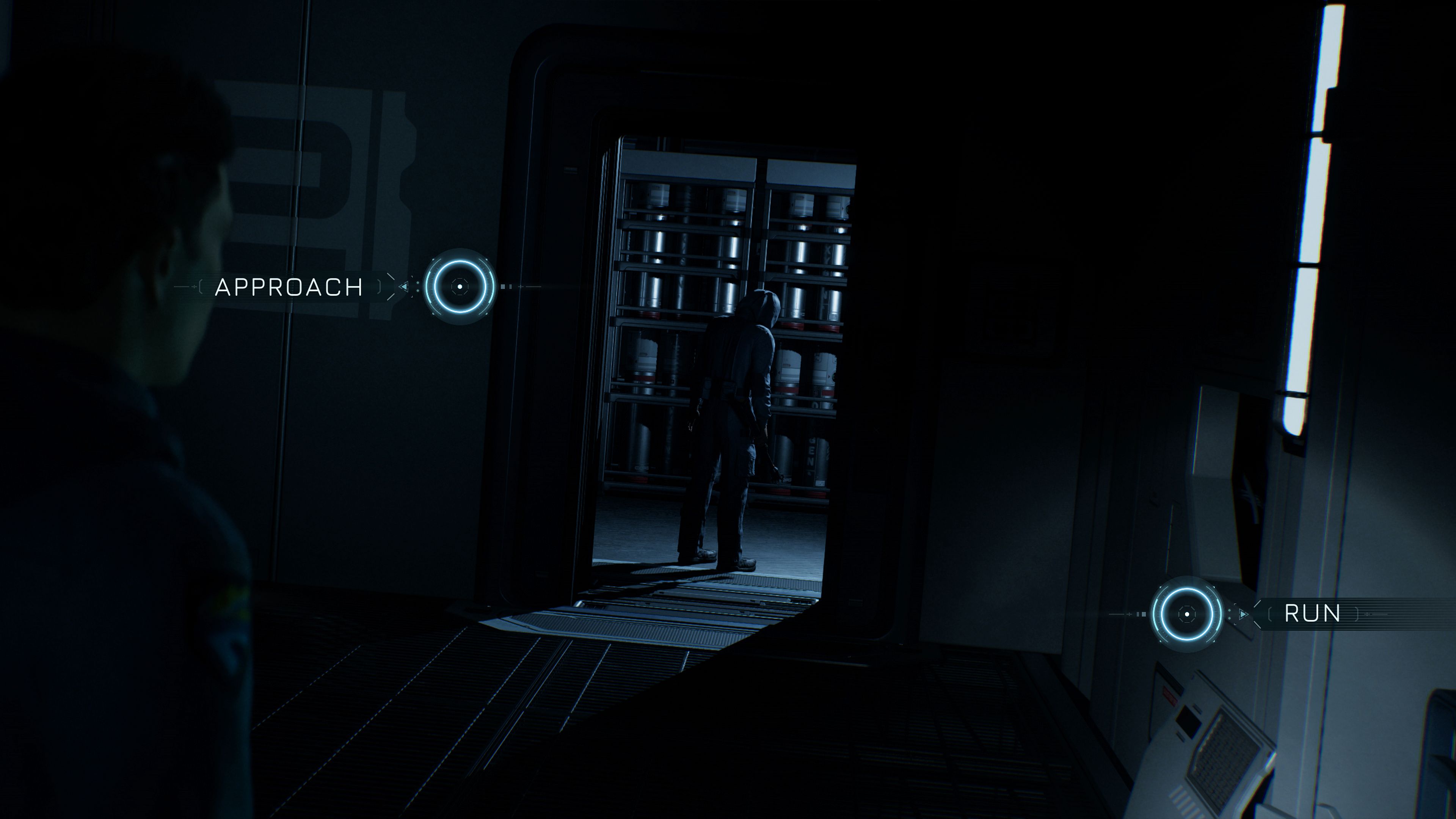
From what I gather, the live stealth sections in Directive 8020 serve two main purposes. First, they ramp up the horror by creating unexpected dangers – moments players can accidentally walk into, rather than having time to prepare for. And it definitely works; these sections are among the most suspenseful in the game. Second, these segments were added to appeal to players who don’t usually enjoy cinematic games because they want more hands-on action. I believe Supermassive will succeed with Directive 8020 because the game strikes a great balance between story-driven scenes and interactive gameplay, offering players the best of both experiences.
While Directive 8020 focuses on stealth, players will also spend time exploring the Cassiopeia. This exploration isn’t just for scenery; hidden throughout the game are secrets like video logs and backstory tablets that expand on the story. Finding these secrets is worthwhile because they can unlock conversations that change a character’s personality and ultimately influence their fate, especially during key story moments.
Directive 8020’s Mimic Premise Could Have Benefited From More Doubt

The central idea of Directive 8020 is truly captivating: an alien substance invades the spaceship Cassiopeia, endangering the crew, the ship itself, and Earth’s potential rescue. This substance can flawlessly replicate anything it comes into contact with—even people. Once aboard and spreading, it throws the ship into chaos, forcing the crew to desperately fight for their lives.
As a science fiction horror film, Directive 8020 effectively uses its central idea of imitation. The slow descent into paranoia among the crew, as they struggle to determine who is human and who isn’t, is brilliantly portrayed. This uncertainty really impacts their relationships later in the story, making it harder for them to trust each other as more is revealed. There are many scenes that are simply fun to watch, creating a thoroughly entertaining experience.
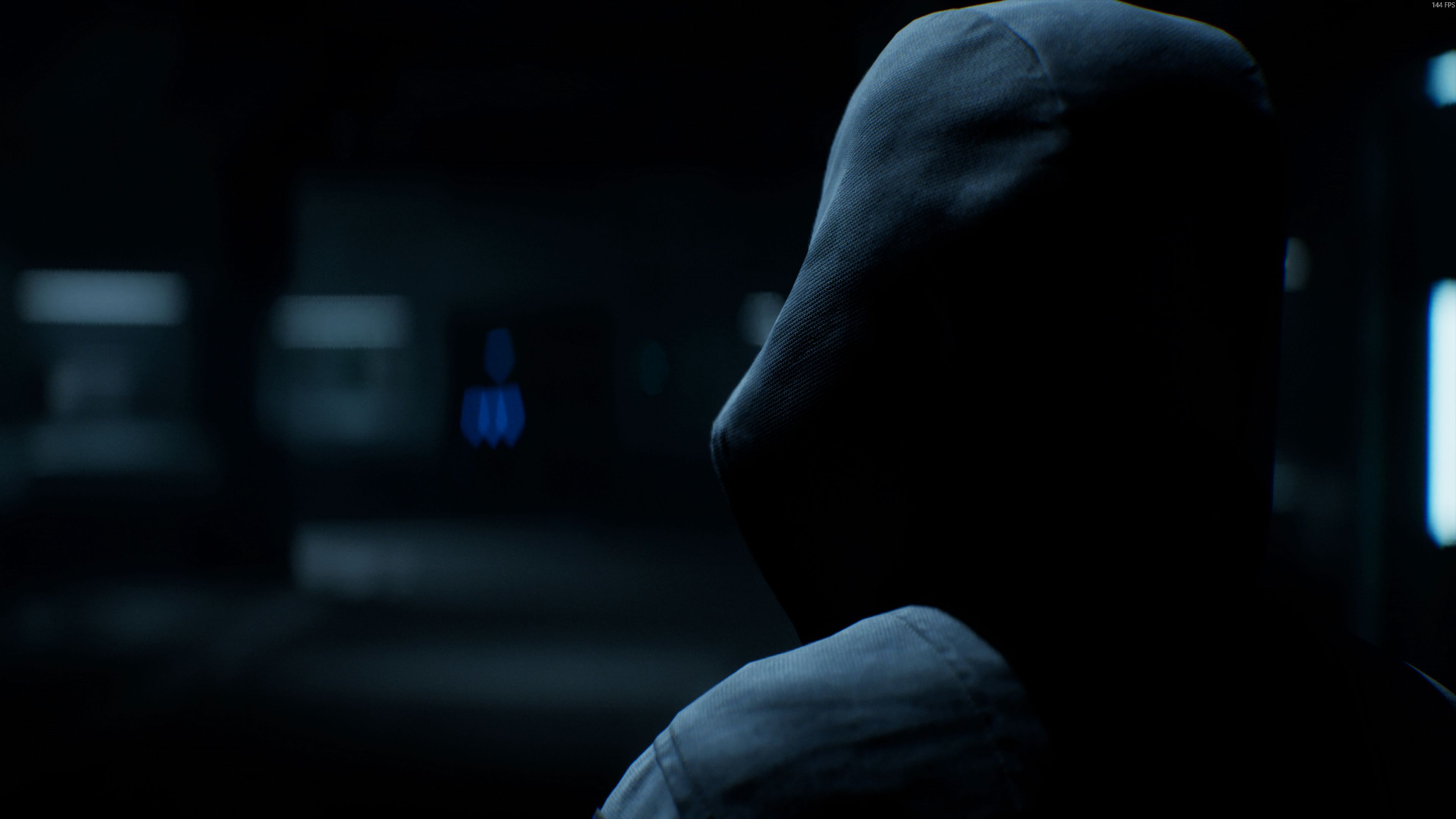
The core idea of having a hidden mimic isn’t very impactful during gameplay. It doesn’t create enough uncertainty, which makes the critical decisions much easier. I actually completed my first playthrough of Directive 8020 with my entire crew surviving, only needing to use the game’s “rewind” feature once. There was really only one instance where I genuinely couldn’t tell who was the real crew member and who was the impostor. Overall, the game would have been more engaging if there had been more of those moments of doubt.
The film brilliantly portrays the crew’s descent into paranoia as they struggle to determine who among them is still human, making it a truly effective sci-fi horror experience, especially when enjoyed as entertainment.
If Directive 8020 had been better at concealing the aliens, the difficult choices in the game would have felt more genuine. Usually, I could easily tell the difference between a human and an alien copy, so I knew what I should do. The one time I was truly fooled was when both the human and the duplicate acted almost identically, leading me to make the wrong choice and eliminate a crew member. In every other situation, the aliens were clearly identifiable because their behavior was obviously not human.

Even though I still had decisions to make, they weren’t based on figuring out what was actually happening. Instead, I was usually deciding what kind of person I wanted each crew member to be, or simply who would die. This isn’t necessarily a flaw – Directive 8020 still allows players to influence relationships, reactions, and character development with their choices. However, given that the game aims to create a sense of dread by making you question everyone’s trustworthiness, I rarely felt truly uncertain. More often, I felt like I was observing characters grapple with a mystery I’d already figured out, which lessened the emotional weight of what should have been incredibly difficult choices.
Turning Points Is a Smart Idea That Needs More Support
This raises questions about how Directive 8020’s Turning Points system works. This is the first time in the Dark Pictures Anthology that players can change their decisions at any point in the story. Using Turning Points lets players go back and alter their choices, potentially leading to different outcomes and a new path through the story.
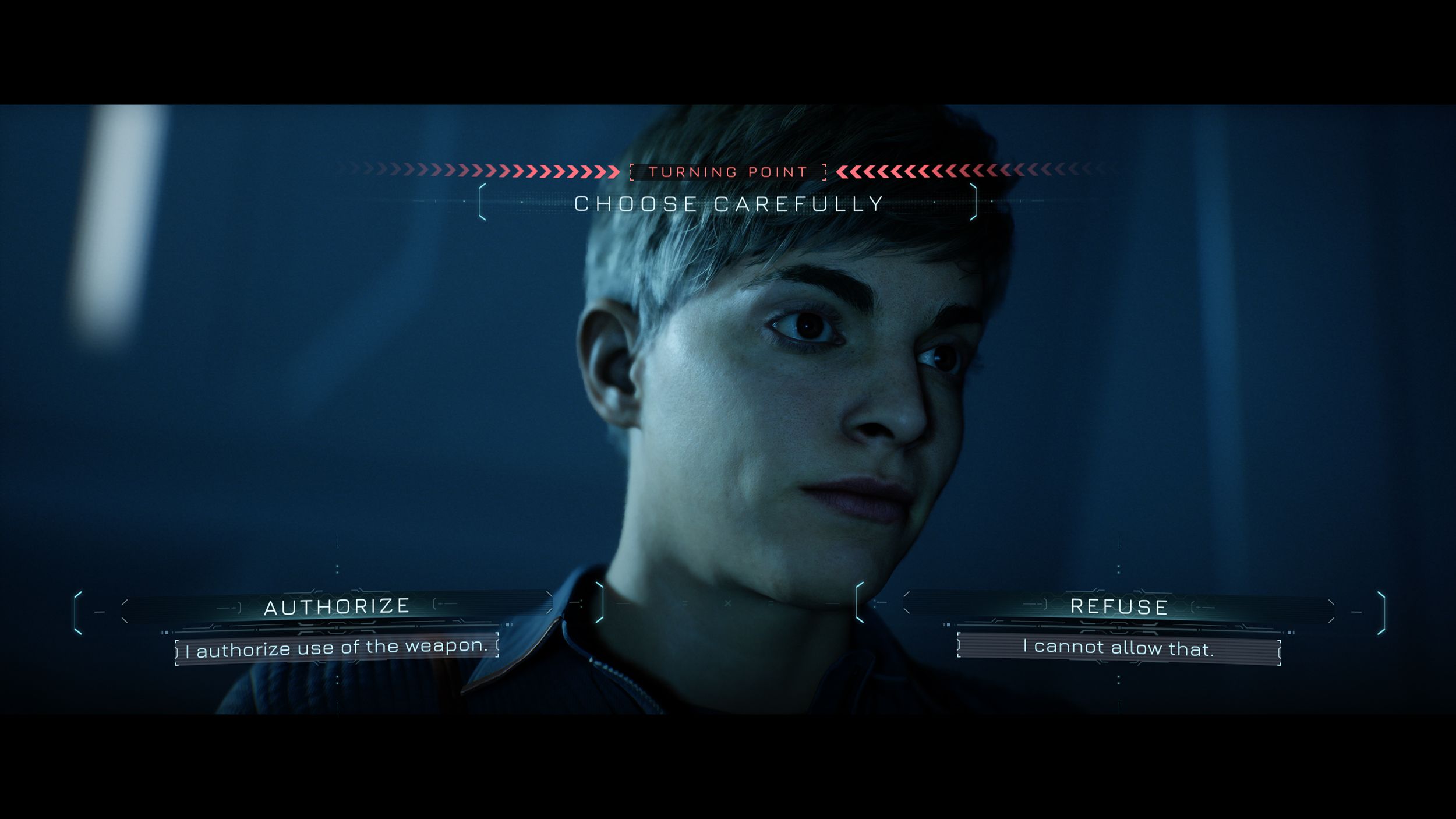
This game’s system is a brilliant addition, particularly as Supermassive Games aims to reach a wider audience with the Dark Pictures Anthology. The new Turning Points feature gives players more control over the story, which is a great way to value their time and choices. Unlike previous Dark Pictures titles, Directive 8020 lets players see every possible story path, and clearly shows what they need to do to unlock each one.
Right now, the Turning Points feature feels more like a way to fully experience the game rather than a tool that impacts meaningful choices. I personally used it to correct decisions I regretted and, even more often, to hunt down missed secrets. Despite being built around the idea of choice, it often feels unnecessary because most decisions and their consequences are pretty clear. Using Turning Points does let you see a different result, but if you already know what that result will be, it doesn’t feel like you’re making a real decision – you’re just picking a different scene to watch.
In a game like Directive 8020, the difference between choices that feel meaningful and those that don’t is important, especially when those choices connect with the player’s emotions. The Turning Points feature lets players explore all the different story paths, which is great for those who like to see everything. However, this feature can only really make choices feel impactful if the outcomes are uncertain. If the game’s consequences are obvious, using Turning Points feels less about fixing mistakes and more about simply seeing what happens.
Using ‘Turning Points’ lets me choose a different result, but if I already know that result, it doesn’t feel like making a real decision – it’s more like picking a different version of what happens.
Currently, Turning Points has a frustrating issue with its cinematic sequences. Players are forced to watch them every time, even if they’ve already seen them. This is particularly annoying when a decision’s impact isn’t felt until later, because changing your mind means replaying a significant portion of the story just to see the outcome. While I understand the intention – to make players consider the weight of their choices – it can still be tedious.
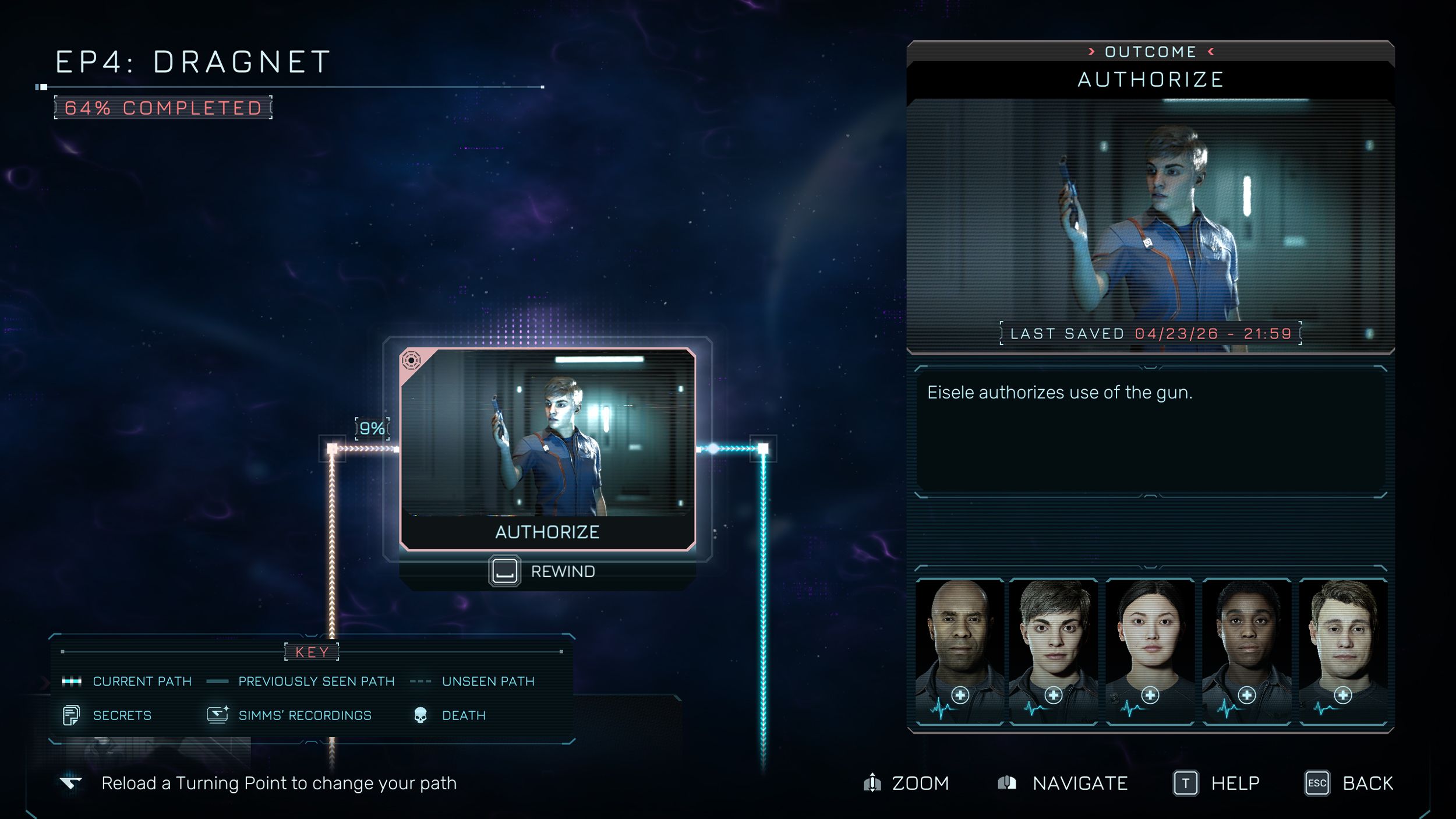
Sometimes, rewinding to a previous key decision point meant rewatching scenes that played out nearly identically to what I’d already seen, which disrupted the story’s flow. This undermined the feature’s goal of making it easier to explore different choices. At the very least, the game could use a way to skip cutscenes, or a system that warns players before they replay a scene where their choices actually have an effect. While the Turning Point system is a clever and helpful addition, it can feel a bit random. It’s often hard to know if a choice truly matters until much later, and by that point, going back might not seem worthwhile.
Directive 8020’s Destinies Give Choices a Longer Shadow
What really stood out in Directive 8020 was how well-developed the characters are and the meaningful choices players make to shape them. These choices determine each character’s Destiny, influencing major story events even when the player isn’t directly involved. Through dialogue, players build a character’s personality traits and ultimately affect both their personal story and the overall narrative. It’s a clever system that demonstrates how even small decisions can have significant consequences, and it was definitely a highlight of the game for me.
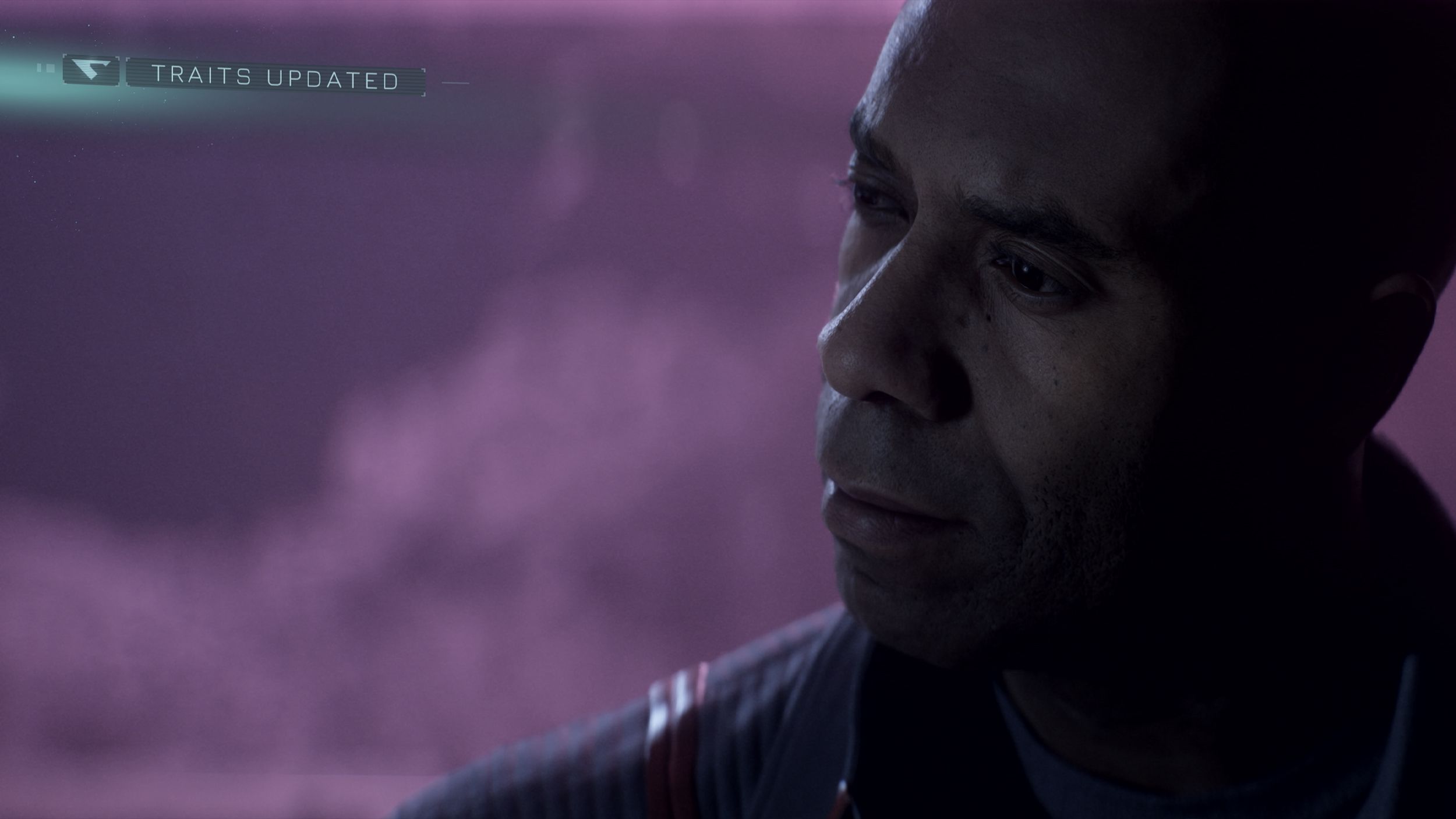
The characters in the first part of Directive 8020 aren’t very compelling, largely due to the voice acting and animation. There’s a disconnect between what they say and how they look, and their movements often feel stiff and unnatural. This initially hurts the player’s ability to get invested, but the game improves as you progress. This is because the characters become more developed, and the relationships between them become more meaningful.
A standout feature of Directive 8020 is its compelling characters and the freedom players have to define their personalities through their choices.
The game frequently lets you text other characters using a device on your wrist, and surprisingly, these conversations became some of my most enjoyable moments – even with all the excitement, discovery, and story unfolding around me. I think this is because, while the game’s cutscenes allow you to influence how characters feel through dialogue choices, texting the crew offers even more opportunities to shape those relationships.
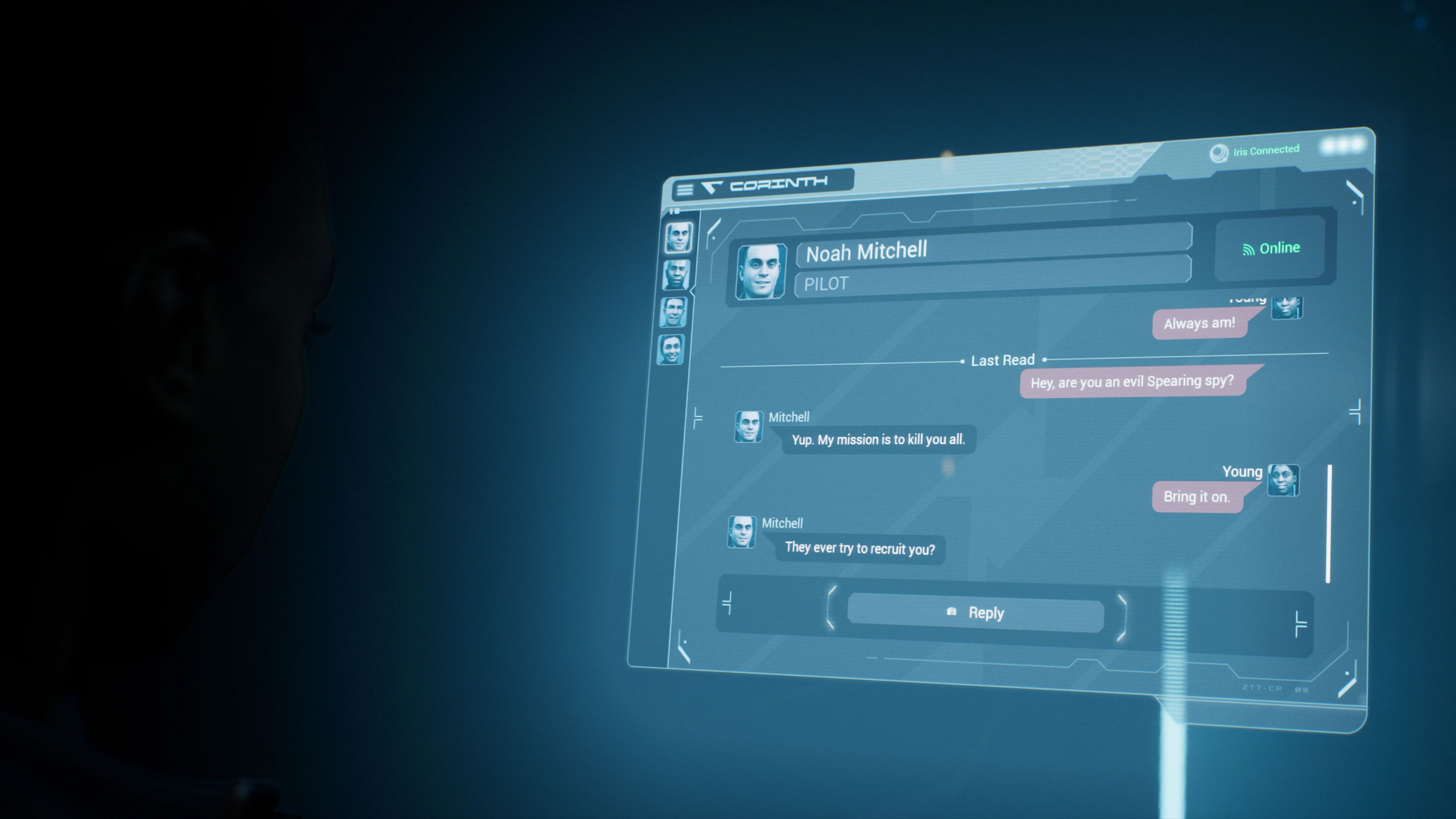
I think these private conversations are really effective because they allow characters to open up in ways they wouldn’t around others. Through these optional text exchanges, I was able to develop each character’s story and get to know them on a much more personal level. It also helped that the sometimes-clunky voice acting and animation weren’t present, which made the experience more immersive overall.
Despite some clunky voice acting and animation, Directive 8020 really shines with its stunning and highly detailed visuals and character designs. What’s even more impressive is that the game ran almost flawlessly on PC, even with all that detail.
I completely fell for every character in this game during my first playthrough, which is why I had to keep them all alive! It’s funny, because Eisele actually ended up being my favorite – I really couldn’t stand her at first! And honestly, Lashana Lynch as Brianna Young was incredible – she was the standout performance in Directive 8020, even if the animations didn’t quite always match the emotion she was bringing. But like with everyone else, I loved watching her story play out.
Directive 8020 Pushes The Dark Pictures Anthology Forward

Directive 8020 is a significant improvement for The Dark Pictures Anthology, despite a few noticeable flaws. The game successfully builds tension with its stealth sections, and the story’s concept of mimicry blends sci-fi and horror effectively. The relationships between the characters also become more compelling as the narrative progresses. However, the game sometimes reveals important information too early, lessening the impact of key decisions. Additionally, awkward animations, inconsistent acting, and unnatural dialogue occasionally detract from the emotional weight of important moments.
Despite some flaws, Directive 8020 really drew me into its characters, which was a pleasant surprise. The Turning Points mechanic is a good feature that could be expanded, and the game’s system for choices makes even small decisions feel important. While not every idea is perfectly executed, Directive 8020 is still a gripping, fun, and surprisingly emotional sci-fi horror experience that moves The Dark Pictures Anthology series forward.
The game Directive 8020 will be available on PC, Xbox Series X|S, and PlayStation 5 on May 12, 2026. We received a PC code from TopMob to allow us to review the game.
Read More
- NTE Drift Guide (& Best Car Mods for Drifting)
- How to Get the Wunderbarrage in Totenreich (BO7 Zombies)
- Change Your Perspective Anomaly Commission Guide In NTE (Neverness to Everness)
- How to Beat Turbines in ARC Raiders
- NTE Fan Shows Off Mint Cosplay
- Deltarune Chapter 1 100% Walkthrough: Complete Guide to Secrets and Bosses
- Diablo 4 Best Loot Filter Codes
- All Nameless Hospital Endings Full Guide In NTE
- How to Unlock the Mines in Cookie Run: Kingdom
- Beware! Phishing Emails Are Deceiving Robinhood Users in a Sneaky Plot!
2026-05-11 17:10