
The upcoming game, 007 First Light, is generating excitement simply because it’s been a long time since James Bond appeared in a video game. What’s particularly interesting about IO Interactive’s new title is that it could offer something we haven’t seen since Alpha Protocol in 2010. While Alpha Protocol from Obsidian Entertainment wasn’t perfect – it was flawed and unpolished – it did a good job of showing that being a spy involves more than just stealth or shooting; it emphasized the broader skillset of espionage.
That’s why 007 First Light feels like a fitting successor to Alpha Protocol, even though it’s a different type of game. IO Interactive focuses on letting players tackle challenges in various ways – using their instincts, tools, and fighting skills – which aligns well with the kind of spy experience Alpha Protocol aimed for. The key now is whether 007 First Light can refine that experience and deliver on the potential Alpha Protocol didn’t quite reach.
Alpha Protocol Was a Spy Game Before It Was Anything Else
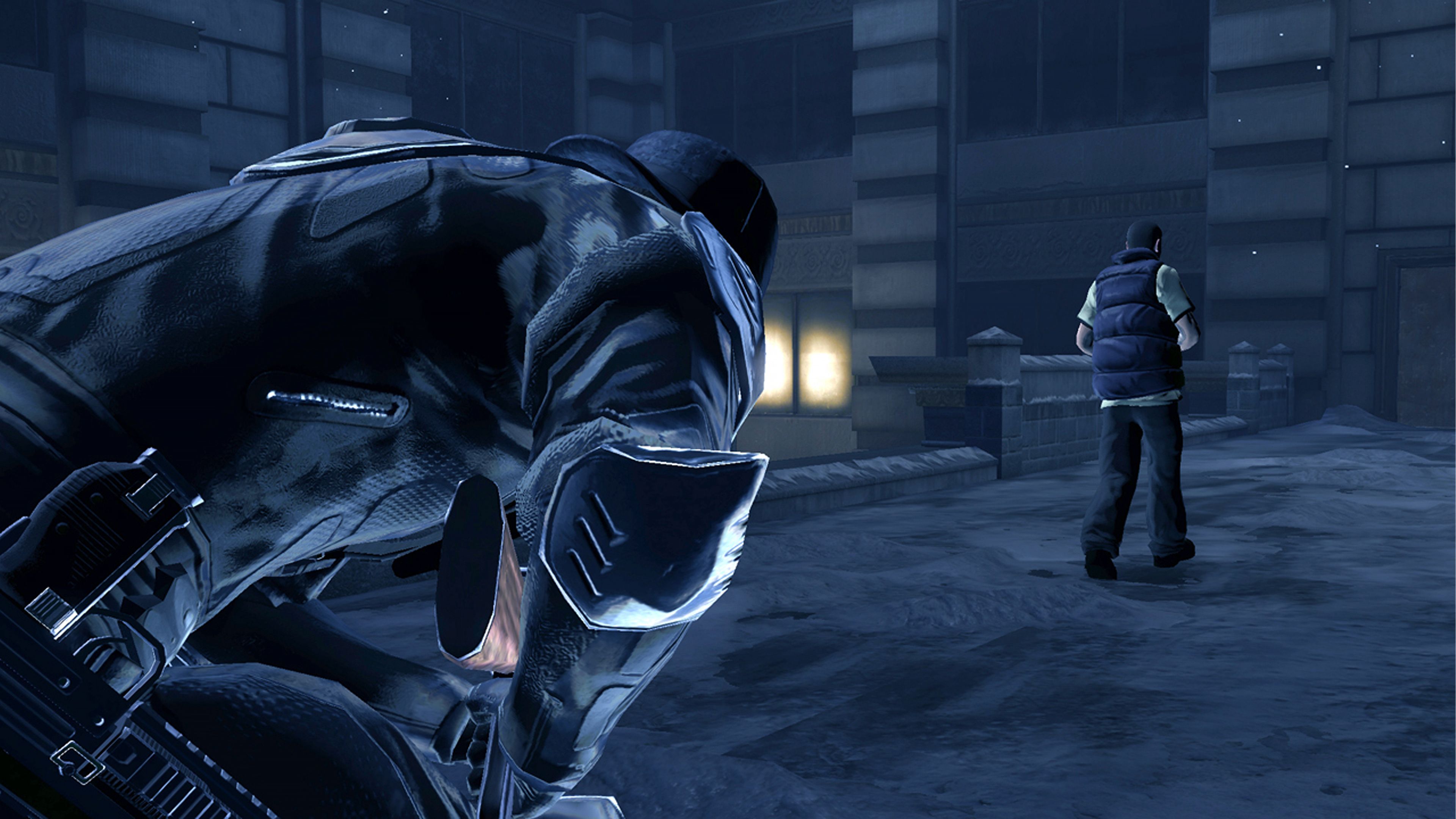
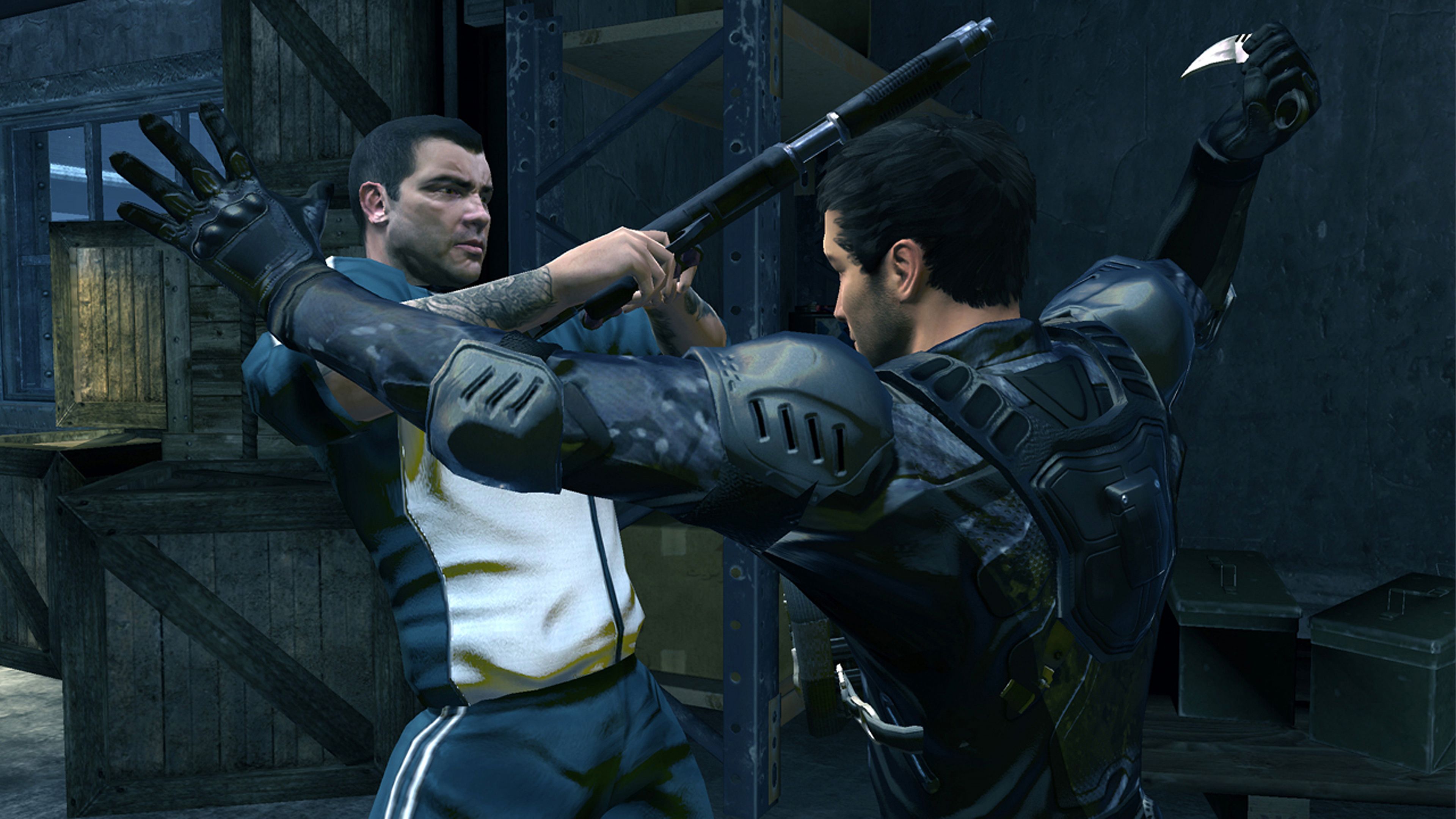
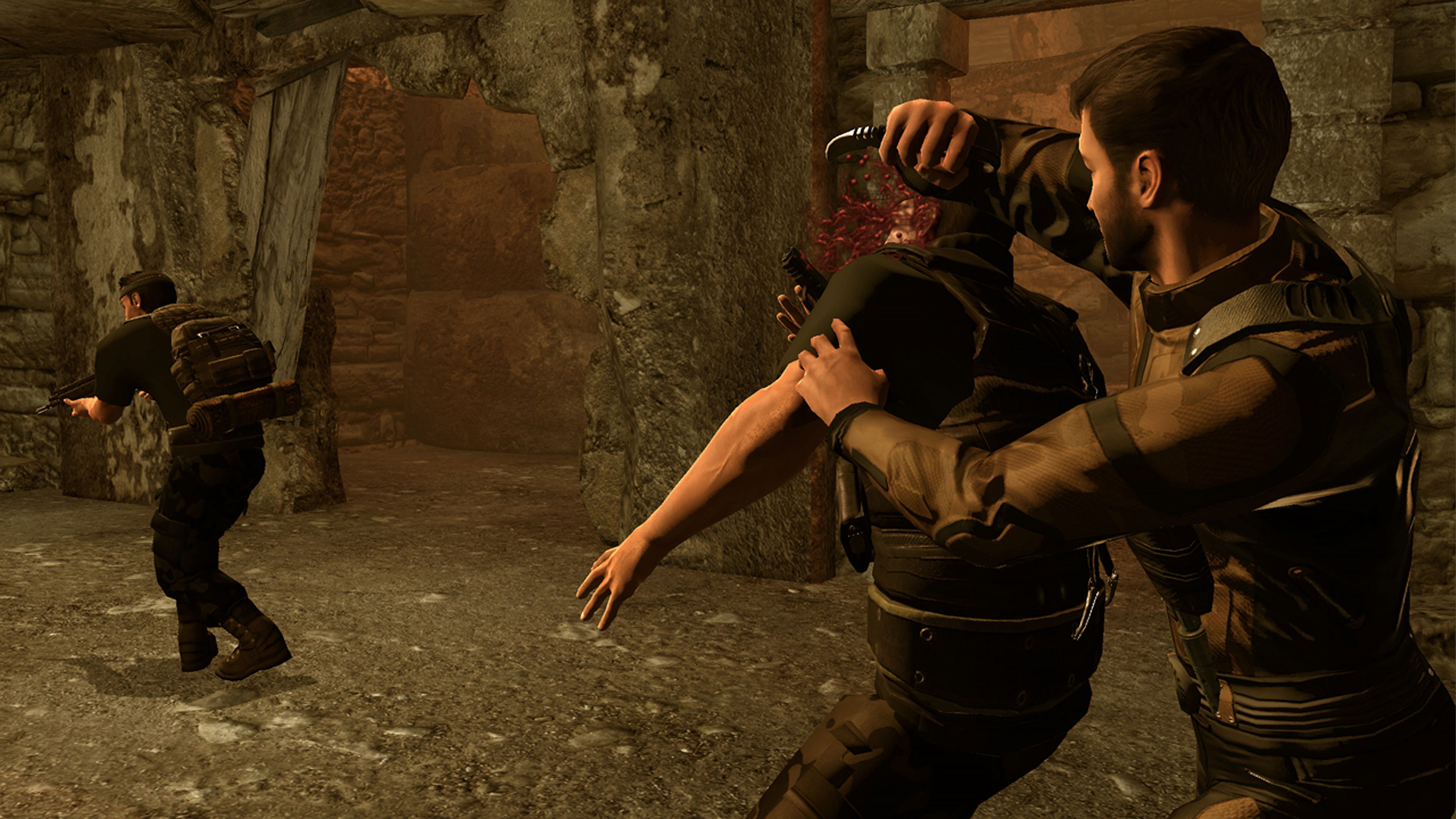
Alpha Protocol was an action role-playing game where you played as Michael Thorton, a secret agent who goes off the books to expose a global conspiracy. The game featured a mix of gunplay, cool gadgets, stealth, and hand-to-hand combat, along with character skills and choices in dialogue—elements that made it similar to classic RPGs from Obsidian Entertainment. When you started, you picked a background for Thorton that emphasized either shooting, sneaking, or using gadgets, but you could customize his abilities even further as you played.
Who’s That Character?  Identify the silhouettes before time runs out.
Results
High Score: 0 —
What set Alpha Protocol apart was how its gameplay systems enhanced the spy experience. As you improved Michael Thorton’s abilities, you also shaped the kind of agent he became. Players determined whether he approached missions as a polished professional, a persuasive charmer, or a forceful, direct operative. Conversations unfolded in real time, demanding quick thinking instead of endless dialogue options, and your choices truly mattered, impacting relationships, mission success, and future possibilities.
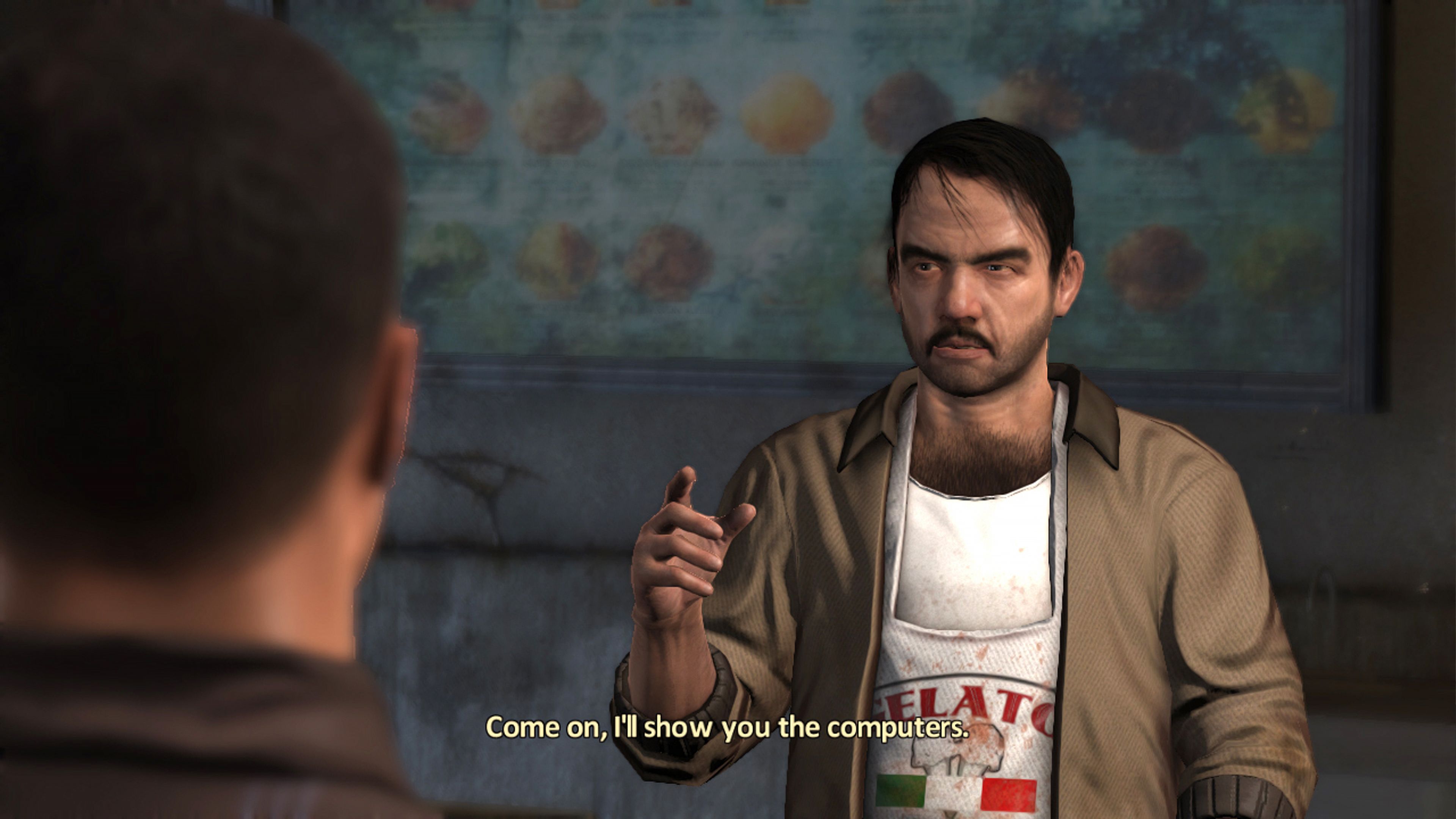
What set Alpha Protocol apart was its focus on how you played a spy, not just what you did. Unlike most spy games that lean heavily into stealth or shooting, Alpha Protocol emphasized personality, planning, and quick thinking. Your choices in stealth, combat, and conversations all shaped Michael Thorton’s character, making even the game’s more chaotic parts feel meaningful.
Why Alpha Protocol Became So Underrated
Despite its potential, Alpha Protocol was ultimately held back by technical issues, which led to negative reviews. Common complaints included difficult combat, a somewhat unpolished feel, and inconsistent gameplay mechanics, and these criticisms were justified. Even today, the game doesn’t run as smoothly as many modern titles.
While the game wasn’t initially well-received, its reputation has improved over time. Players now understand the game’s vision, and that has held up better than some of the actual gameplay. Recently, it’s even earned high scores – 9s and 10s – in new user reviews on Metacritic, establishing it as a bit of a hidden gem from the past twenty years. Its return to PC via GOG in 2024, after being unavailable since 2019, certainly helped with this resurgence.
Unlike most spy games that focus on sneaking or shooting, Alpha Protocol made being a spy about your character, how you plan ahead, and your ability to think on your feet.
Games rarely become popular again just because people feel nostalgic for them. Usually, it’s because they offered something unique that players still want. Take Alpha Protocol, for example. It gained a second life because it was a spy game where your choices truly impacted the story – something different from most 007 games, which typically just follow the plots of the movies and don’t give players much freedom.
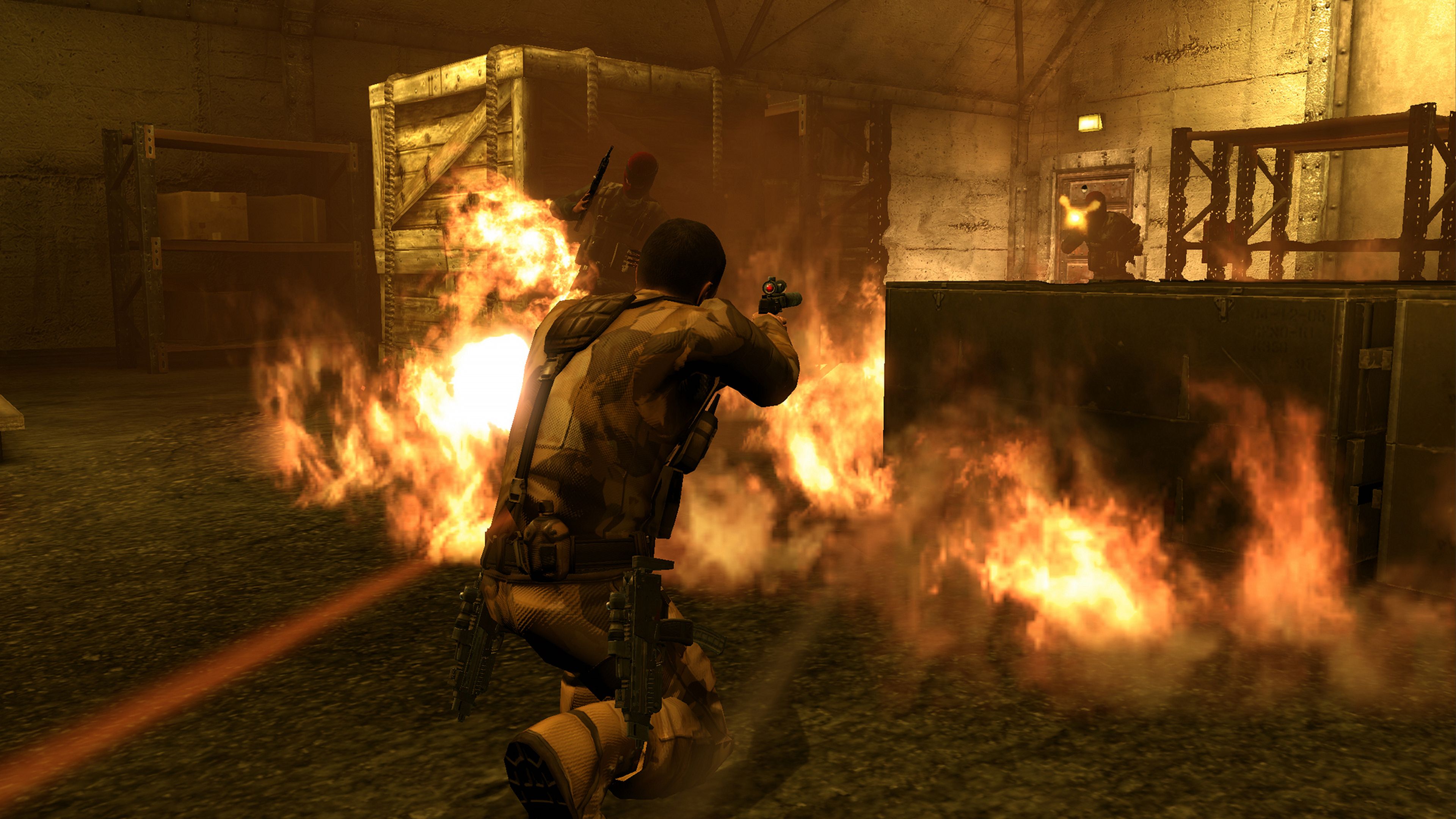
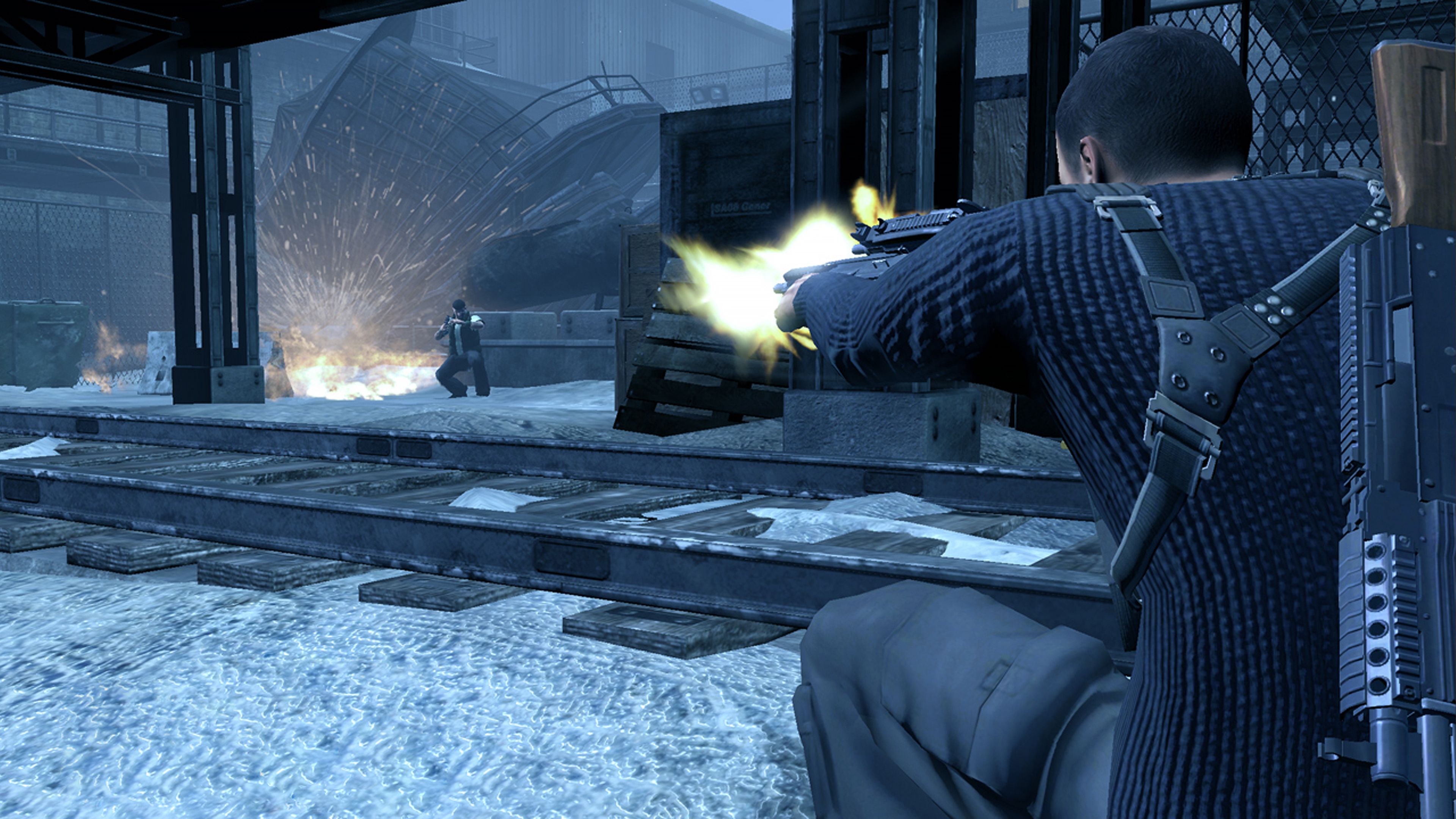
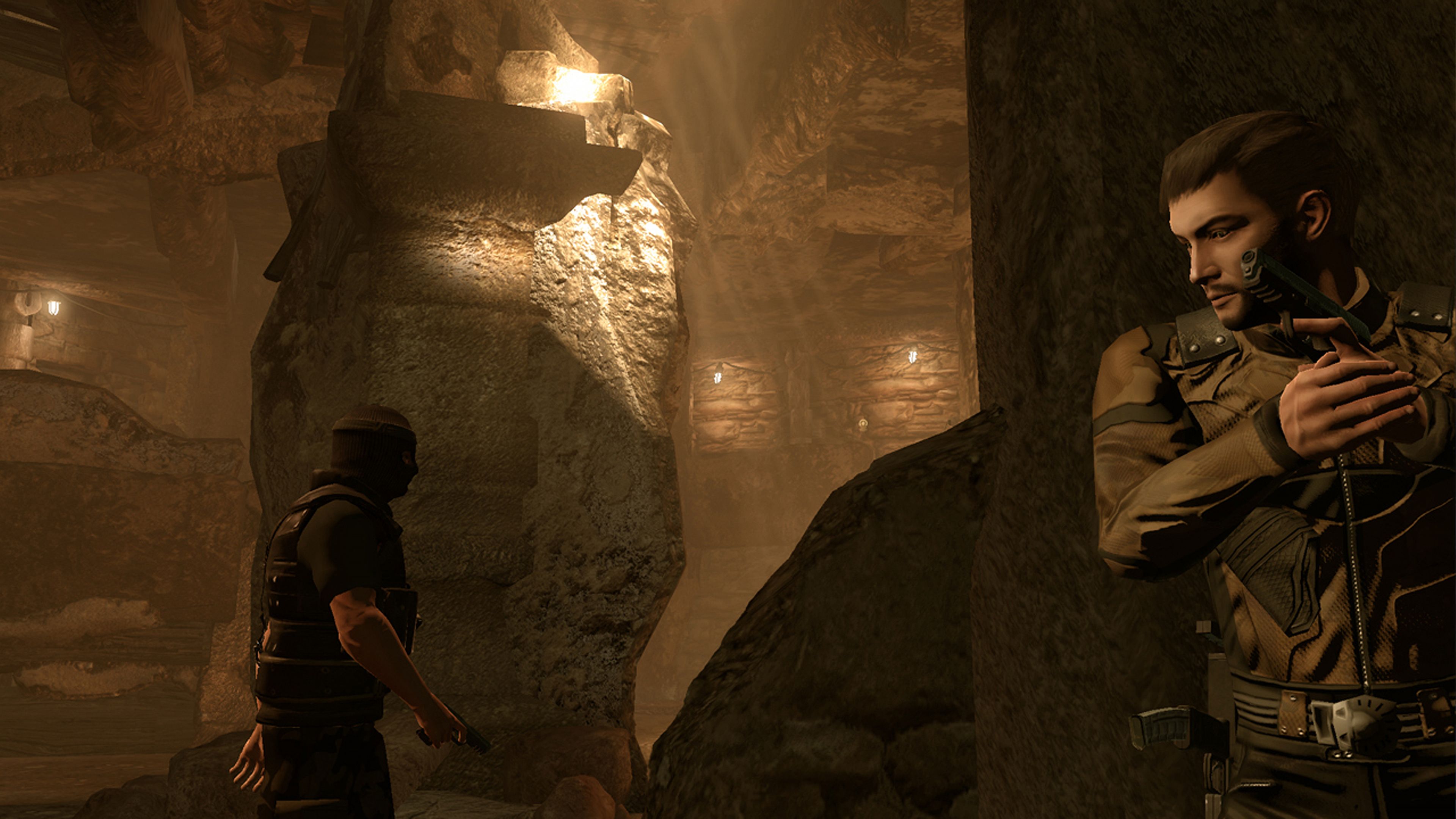
What really stood out about Alpha Protocol was how much freedom it gave players. The game let you experience being a spy in a realistic way – you could talk your way out of trouble, sneak around, intimidate people, investigate leads, or fight when necessary. It prioritized letting players make their own choices over sticking to typical game genres, and that’s why it still feels unique and ahead of its time – something other games haven’t quite replicated.
007 First Light’s Creative Approach Sounds Like the Right Successor
Unlike the RPG Alpha Protocol, 007 First Light doesn’t focus on character customization, reputation, or branching storylines. While Alpha Protocol, created by Obsidian, let you build a unique agent and make impactful choices, First Light from IO Interactive seems to prioritize action and spy gameplay over roleplaying elements.

IO Interactive’s approach to gameplay in First Light focuses on player freedom. You can complete missions using stealth, going in guns blazing, a combination of both, or by thinking on your feet and improvising. This is achieved through several key elements: Spycraft lets you gather information by eavesdropping, pickpocketing, and examining your surroundings to find new paths. The Instinct system gives Bond a limited resource to help him quickly assess situations, distract guards, or improve his aim. Q Branch provides gadgets for hacking, lockpicking, creating diversions, or taking down enemies. Finally, combat blends hand-to-hand fighting, shooting, and strategic use of force.
It’s significant when a spy game truly responds to player choices. Most James Bond games have simply followed the plots of the movies, which doesn’t give players much freedom to make their own decisions.
Honestly, when I think about 007 First Light, it feels like they’re actually trying to make a spy game, not just a stealth title or a shooter. See, in most stealth games, getting seen means you messed up. And in a straight-up shooter, being spotted is what you want. But a good spy game should be a mix of both – you need to watch your surroundings, gather intel, maybe even talk your way out of trouble, and be ready to improvise. Violence should be an option, but not the only one. From what I’ve seen, it looks like the developers get that Bond shouldn’t be stuck doing just one thing – he should be able to handle anything!



The biggest similarity to Alpha Protocol is how both games let you shape the main character. Alpha Protocol used role-playing choices to define what kind of spy Thorton became, while this new game lets you decide how Bond approaches each situation. One uses storytelling and consequences, and the other focuses on how missions are designed, the tools available, and your ability to think on your feet.
While a sequel to the beloved game Alpha Protocol seems unlikely, and 007 First Light isn’t a direct replacement, IO Interactive’s new approach could finally deliver the kind of modern spy experience Alpha Protocol hinted at. This wouldn’t be a game defined by typical genre conventions, but by how cleverly the player uses their skills and thinks like a real agent.
Read More
- NTE Drift Guide (& Best Car Mods for Drifting)
- All Aswang Evidence & Weaknesses in Phasmophobia
- Conduit Crystal Location In Subnautica 2
- Diablo 4 Best Loot Filter Codes
- Where to Find Prescription in Where Winds Meet (Raw Leaf Porridge Quest)
- Boruto: Ikemoto Has Already Hinted At Sasuke’s New Eye After Return
- Best Burst & Full Auto Builds for the M16A4 in BF6
- USD RUB PREDICTION
- Deltarune Chapter 1 100% Walkthrough: Complete Guide to Secrets and Bosses
- Starsand Island’s Rarest Achievements and How to Earn Them
2026-05-22 15:10