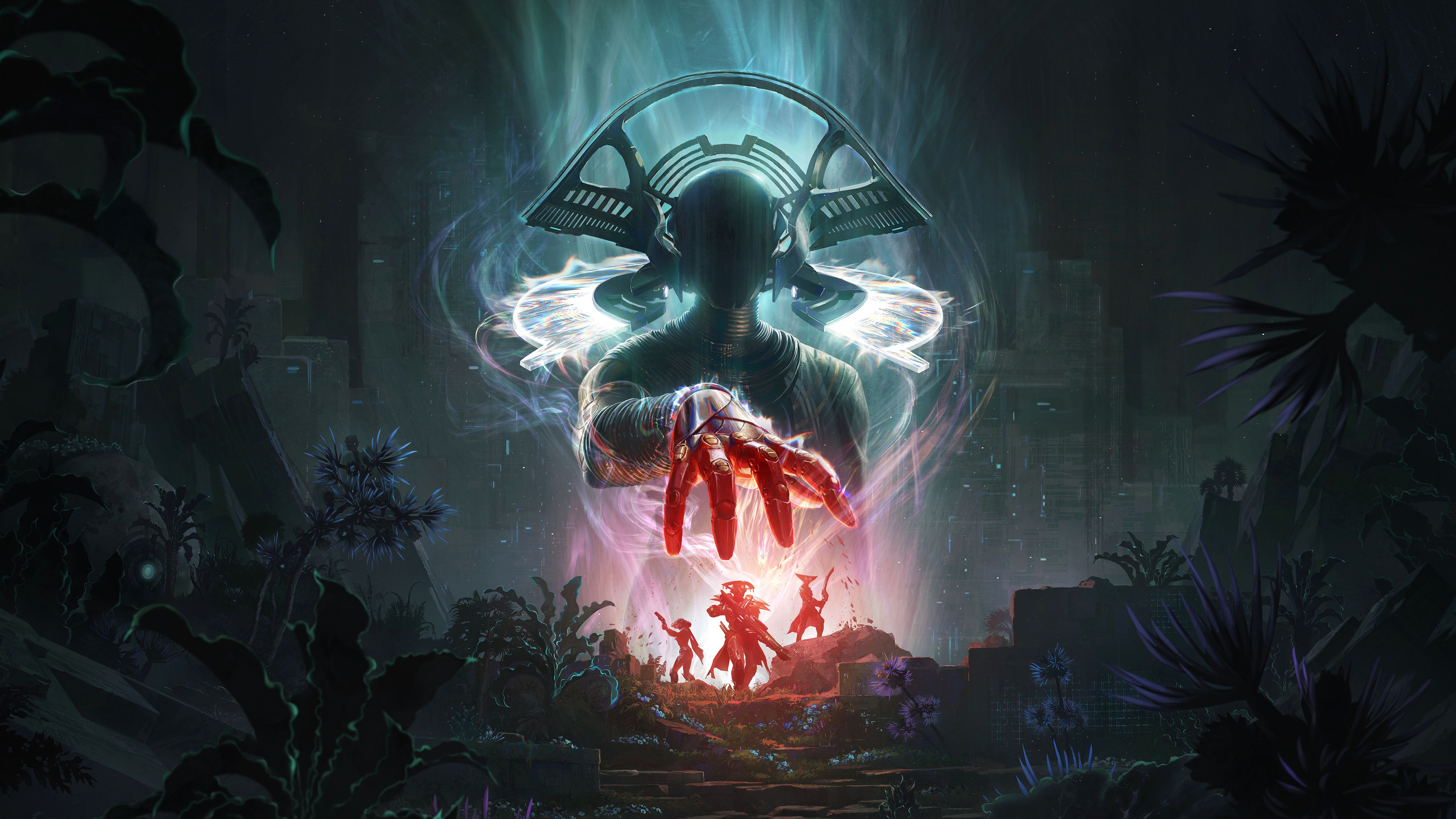
Listen—the end of live-service support for Destiny 2 is frustrating, and there’s no denying that. We’re watching a game that, for many of us, occupied all or at least a significant portion of our last decade in gaming, so the aggravation is not only understandable, it’s entirely justifiable. However, regardless of how painful the inevitable end of Destiny 2 is, and despite how justified we are to feel this heartbroken over the situation, there’s really no excuse, nor is there reason, to spew hateful speech at Bungie, as if the studio is solely responsible.
While it might seem like Bungie is solely responsible for the issues with Destiny 2, that’s not the whole story. Sony bought Bungie in 2022, hoping to use their expertise to expand into live-service games, largely because of Destiny 2‘s success. Now, almost four years later, development on Destiny 2 is ending with a final update in June, and a Destiny 3 doesn’t appear to be in the works. This makes it difficult to blame Bungie alone, as Sony’s decisions also played a significant role in the game’s current situation.
Destiny 2’s End Is a Sony Problem, Not Just a Bungie Problem
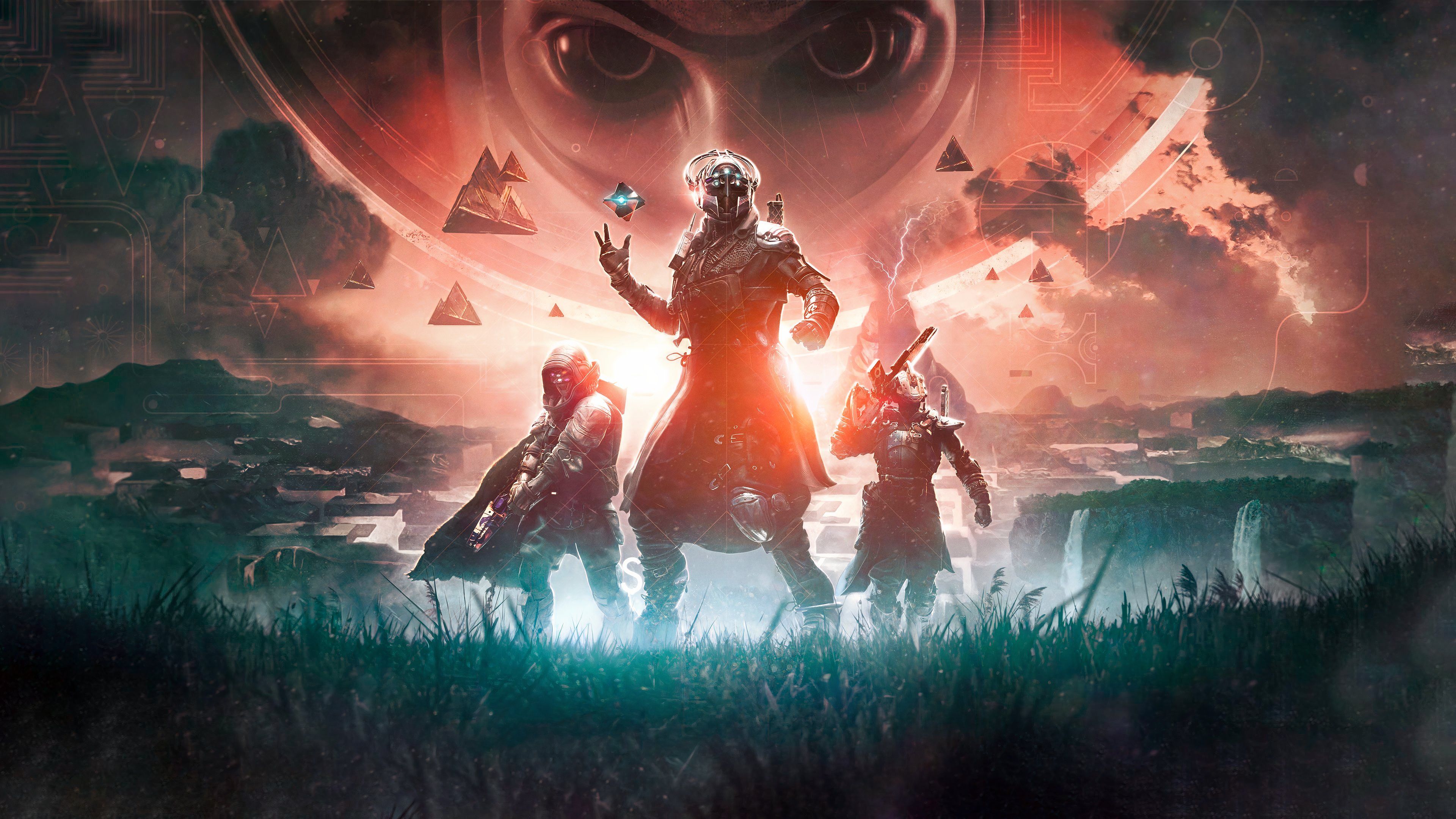

The key issue isn’t just that Sony now owns Bungie. It’s about who ultimately controls the future of Destiny 2 and whether it will continue to get the resources players expect. While Bungie can still propose changes and try to revitalize the game, being part of Sony means they no longer have the same independence they once did.
Who’s That Character?  Identify the silhouettes before time runs out.
Results
High Score: 0 —
It’s understandable why players are frustrated with Bungie, and much of the criticism is deserved – the game didn’t reach this point because everything was going smoothly. However, once Sony acquired Bungie, responsibility for the game’s future shifted to Sony as well. As the parent company, Sony controlled funding and ultimately decided which projects were worth supporting. As the character Hopper says in A Bug’s Life, a leader is always accountable for what happens.
Sony Bought Bungie for Live Service, Then Backed Out When It Needed Help
Sony’s financial situation adds another layer to this situation. The company recently wrote down the value of Bungie by $766 million for the fiscal year 2025, and earlier reported a $198 million loss due to Destiny 2 not meeting sales and player engagement goals. Essentially, Sony purchased Bungie expecting Destiny 2 and Bungie’s expertise in ongoing service games would lead to a more profitable future. However, when that future looked less promising, Sony had to reduce Bungie’s overall value. While Bungie’s decisions contributed to Destiny 2‘s current state, it was Sony who determined the franchise wasn’t worth the same level of investment anymore.
It’s unlikely Sony intentionally harmed Destiny 2, and Bungie isn’t without responsibility for its own challenges. The most likely scenario is simply a business reassessment. Sony purchased Bungie anticipating that Destiny and Bungie’s experience with ongoing service games would be valuable, but it appears they lowered their expectations when Destiny 2 and Marathon didn’t perform as hoped. With that in mind, the final update to Destiny 2 reflects Sony’s decision about how much further investment Bungie’s flagship game should receive.
After Sony acquired the game, concerns about its future shifted to Sony, and those concerns actually became even more prominent.
Simply blaming Bungie doesn’t tell the whole story. While Bungie may have created the situation, Sony is now the one making decisions about the future of Destiny 2. If the game is losing support, Destiny 3 isn’t being planned, and Bungie is facing more layoffs, it suggests the franchise isn’t meeting Sony’s goals.
Destiny 3 Was the Future Players Needed, But Sony Apparently Didn’t Greenlight It
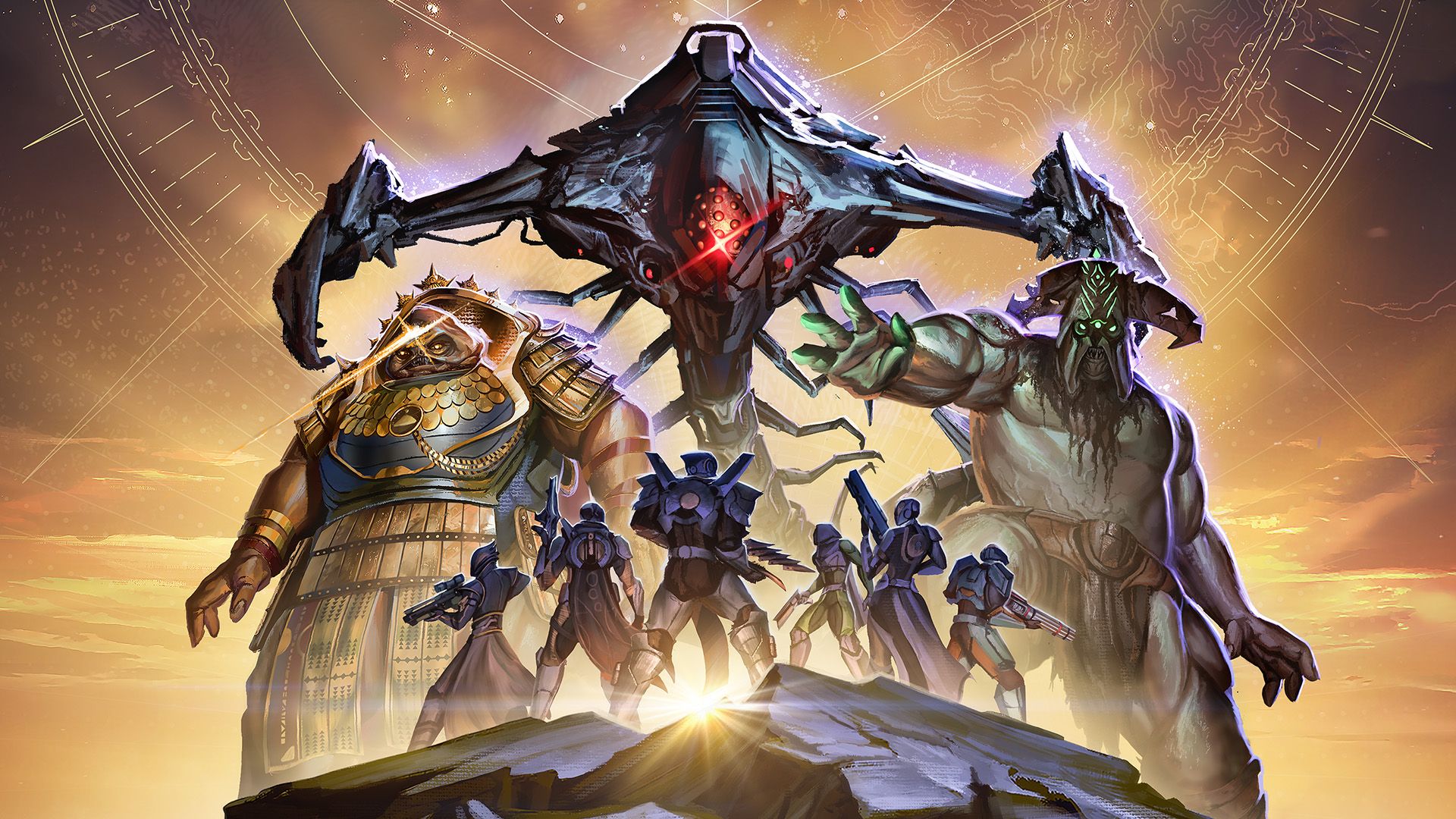
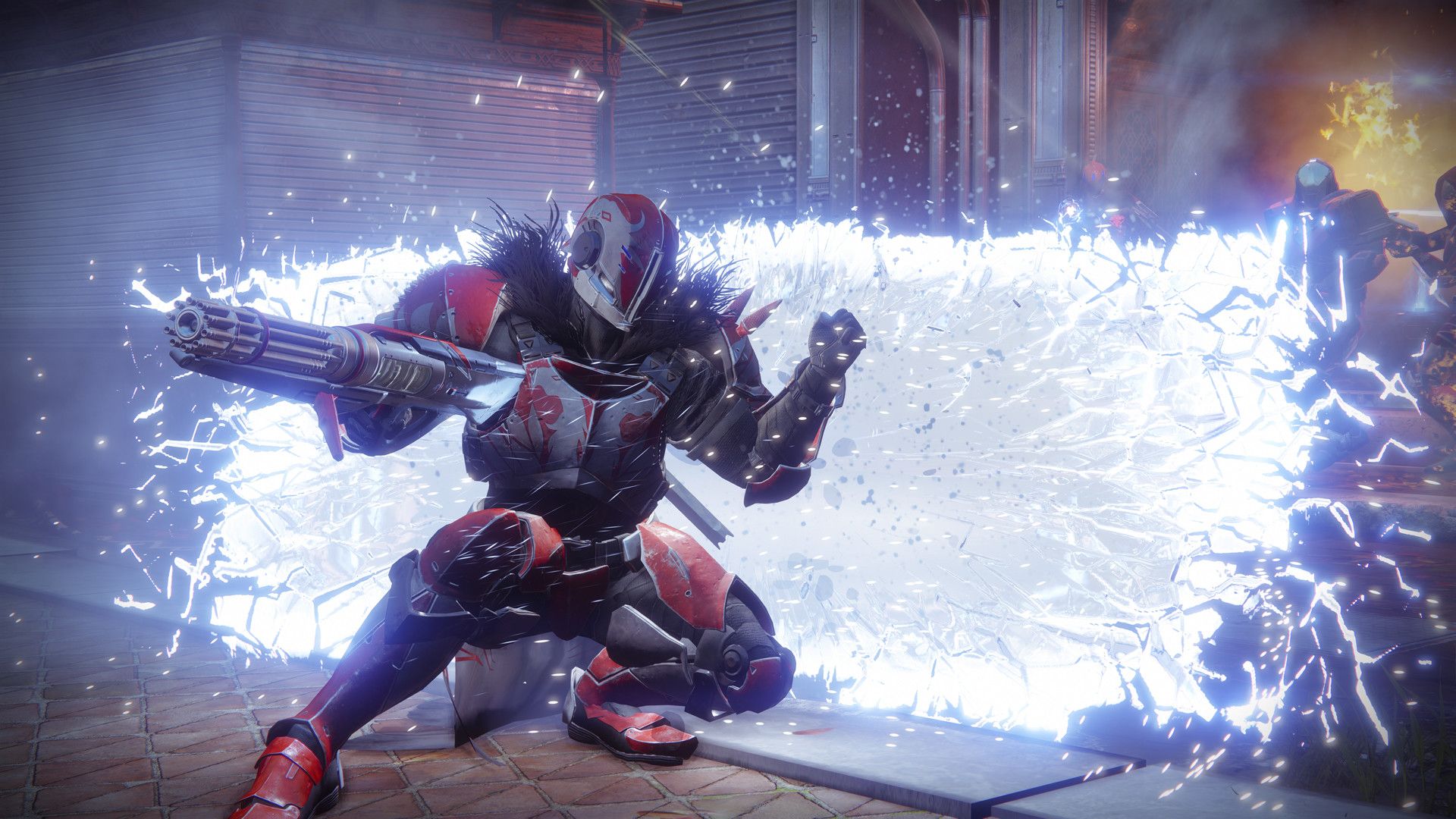
It’s easy to say that if Bungie had managed Destiny 2 better, Sony wouldn’t have been forced to end the game. And there’s some truth to that. Bungie definitely made errors over the years, and Destiny 2’s ending wasn’t a surprise. The game faced problems with removing content, making it hard for new players to get into, repetitive seasonal content, inconsistent expansions, and ultimately, becoming too difficult for anyone but the most dedicated fans to follow.
Sony purchased Bungie while understanding that Destiny 2 was an older game relying on ongoing updates and purchases. This meant Sony also took on the task of deciding what would happen to the game after The Final Shape expansion. That expansion provided a perfect opportunity for a fresh start, concluding the long-running Light and Darkness storyline and allowing Bungie to transition players to a new phase. If Sony thought Destiny still had potential, this would have been the ideal time to secure their investment by approving Destiny 3, or at least starting Bungie on a significant new Destiny project with a clear path forward.

Even if it hadn’t been perfect, knowing a sequel was planned would have given Destiny 2 players something to look forward to, and they probably would have stuck with the game despite its problems. After the final expansion, many felt the game had run its course, but that feeling was made worse by what came after. Most players agreed that the content released after the expansion didn’t offer a compelling long-term future for the game, and as a result, the player base shrank. If players had known Destiny 3 was being developed, that content might have been enough to keep them engaged, as it would have signaled a larger, ongoing vision for the franchise.
Sony purchased Bungie despite understanding that Destiny 2 is an older game reliant on ongoing updates and purchases. This also meant Sony took on the task of figuring out what would happen with the game after the release of its latest expansion, The Final Shape.
That’s what makes the reported lack of a Destiny 3 greenlight so important. According to recent reports, Bungie doesn’t currently have Destiny 3 or another specific new project greenlit for the Destiny 2 team, with the studio instead expected to begin incubating future projects after Destiny 2 receives its final live-service content update on June 9, 2026. That doesn’t prove Bungie formally pitched Destiny 3 and Sony rejected it, but it nonetheless means that the next numbered Destiny game apparently was not approved in time to give the franchise a future.
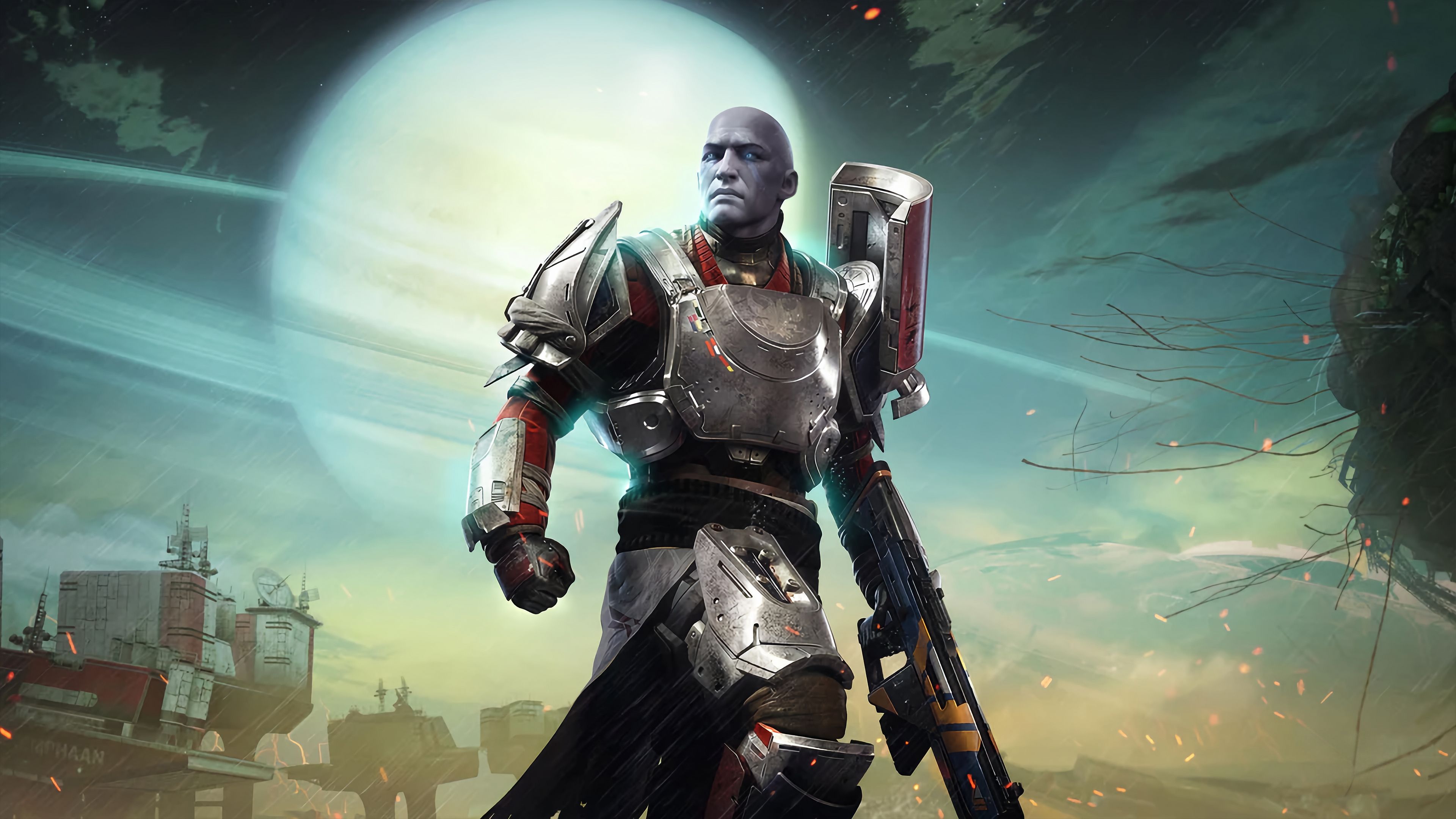
So, yes, Bungie’s past decisions helped put Destiny 2 in this position. Still, Sony had a chance to decide that Destiny‘s future was worth fighting for beyond the limits of an aging live-service game, and from what is publicly known, that’s not the choice it made. Destiny 3 may have been the clearest way to convince players that Destiny was still a franchise with a future, rather than a game being preserved after its most important years had already passed. Without that, it’s difficult to place the blame on Bungie alone, because the future players needed was ultimately something only Sony had the power to fund.
Read More
- Forza Horizon 6: Find the Ohtani Treasure Chest Location
- LEGO Batman Legacy of the Dark Knight Batcave Minikits & WayneTech Caches
- Diablo 4 Best Loot Filter Codes
- NTE Drift Guide (& Best Car Mods for Drifting)
- Boruto: Ikemoto Has Already Hinted At Sasuke’s New Eye After Return
- USD RUB PREDICTION
- Deltarune Chapter 1 100% Walkthrough: Complete Guide to Secrets and Bosses
- Top 10 Must-Watch Isekai Anime on Crunchyroll Revealed!
- Cookie Run Kingdom Timeline of Fate Update Guide
- Starsand Island’s Rarest Achievements and How to Earn Them
2026-05-26 01:37