
After a long wait, news about Alien: Isolation 2 is starting to emerge. Along with a brief announcement trailer, Creative Assembly revealed a major decision: the sequel will be built using Unreal Engine 5. This marks a shift from the custom-built Cathode Engine that powered the original Alien: Isolation and gave it its distinctive style.
This change, first noticed by GameObserver, might seem odd if you’re not familiar with game development, but it’s a significant one. It could fundamentally alter how the game displays light and manages its challenging AI. Considering this game relies so heavily on creating intense claustrophobia, fear, and atmosphere, whether or not it’s built using the Unreal Engine 5 (UE5) is a really important question.
Why Alien: Isolation’s Engine Change Is Such a Big Deal


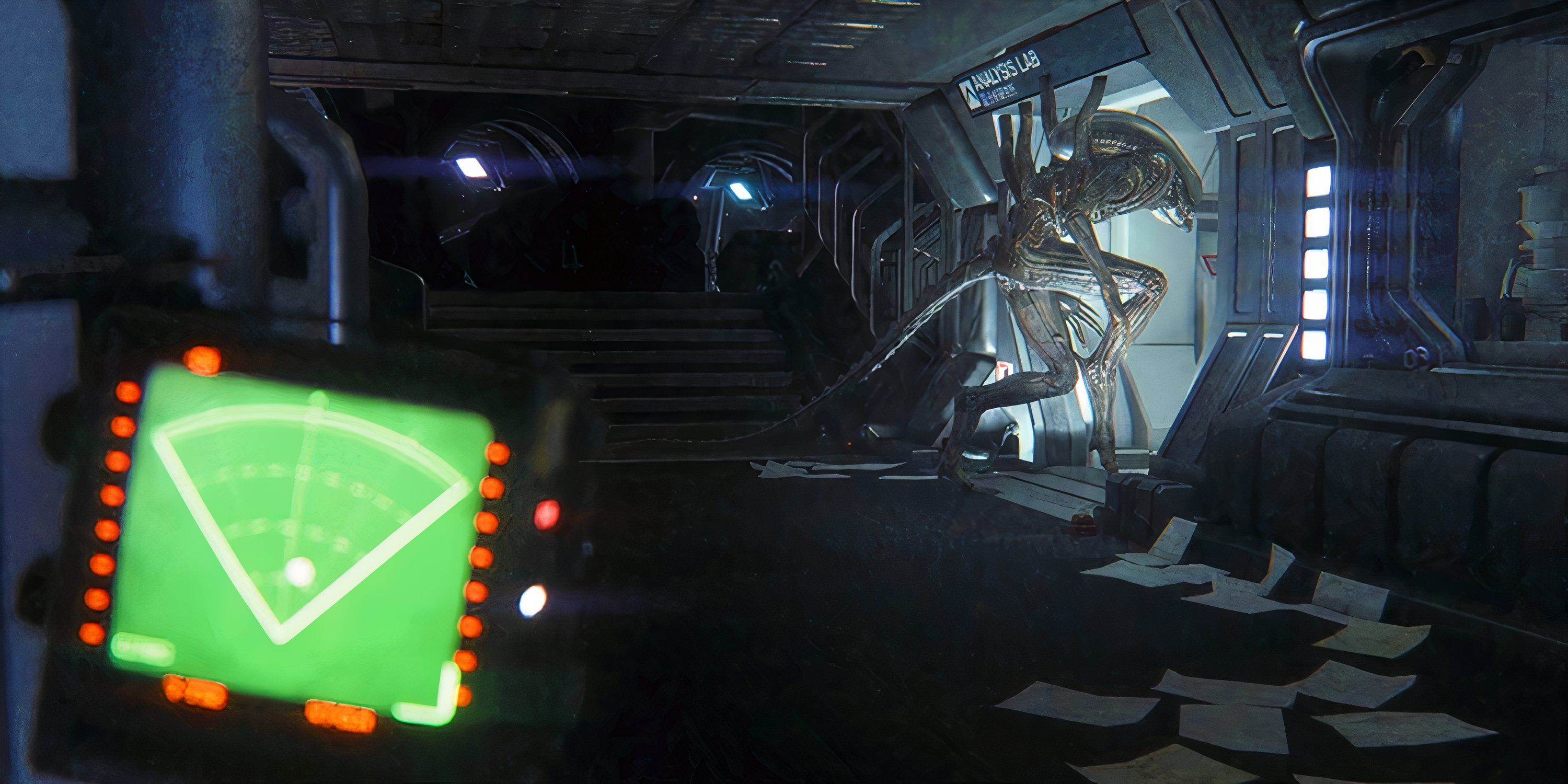
When Alien: Isolation came out in 2014, it was a surprisingly fresh take on both the survival horror genre and the Alien series. While not flawless, the game excelled at creating a truly terrifying experience by prioritizing atmosphere and tension over constant action. A lot of what made it so effective, however, relied on Cathode, the unique game engine that the developers at Creative Assembly built specifically for it.
The game’s lighting and visual effects were incredibly detailed, giving developers precise control over everything – from subtle shadows to the glow of lights. This was thanks to a complex system combining advanced rendering techniques and custom scripting tools. Originally created for another project, the system, called Cathode, was a perfect fit for the look of Ridley Scott’s 1979 film, so Creative Assembly even brought in film lighting experts to help build it.
The Cathode Engine Certainly Wasn’t Perfect

Despite being impressively designed, the Cathode engine is now showing its age and has become a problem as time goes on, prompting some to suggest a remake of Alien: Isolation. It was based on an old engine from 2008, which created limitations in how large the game could be on different platforms and caused technical issues, particularly on PC. Crucially, it was a one-time project – created for a single game and then left behind – making it unsuitable for today’s hardware, modern game development processes, or the scope of a potential high-budget sequel planned for 2026.
What Unreal Engine 5 Brings to the Table
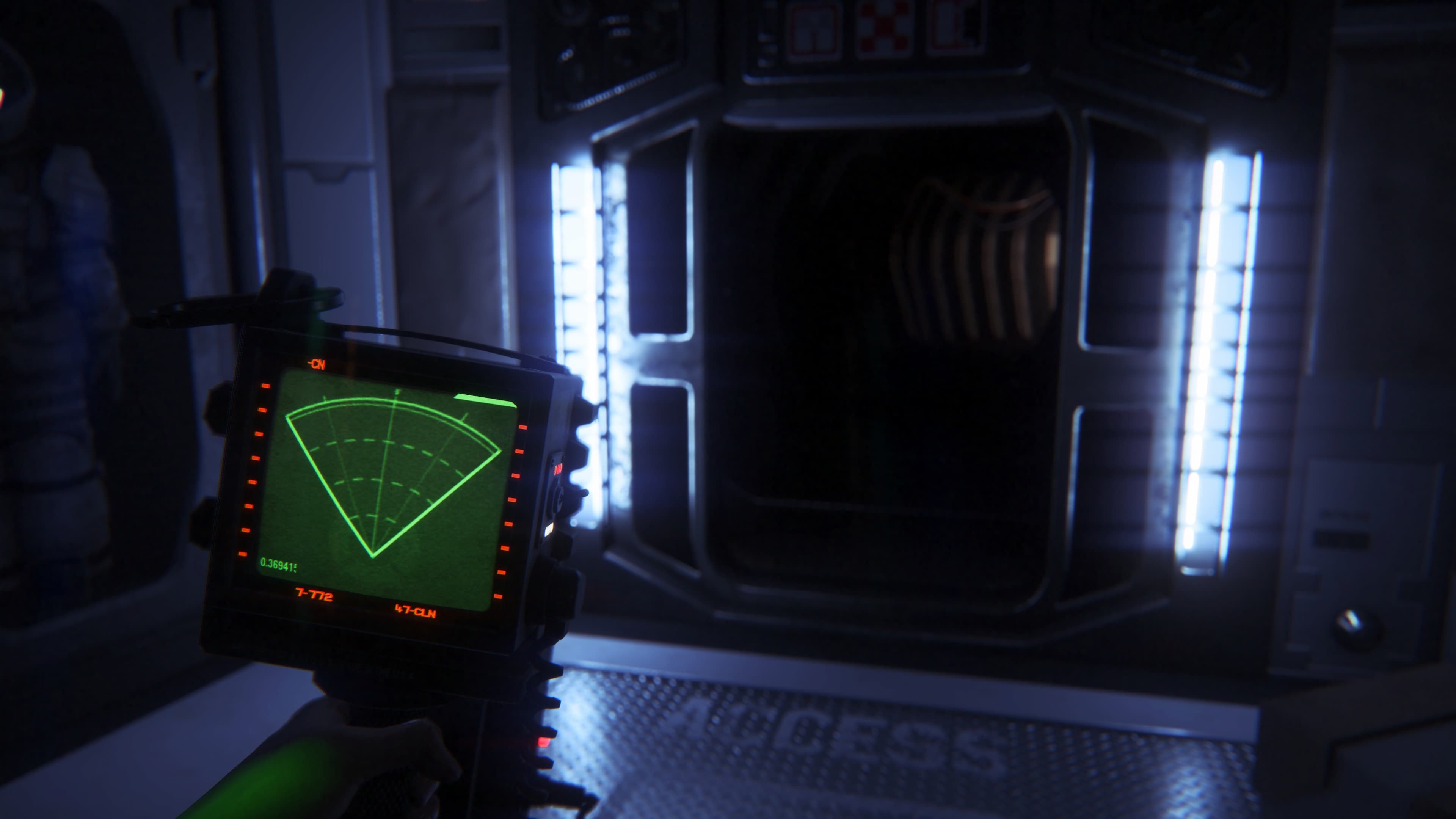
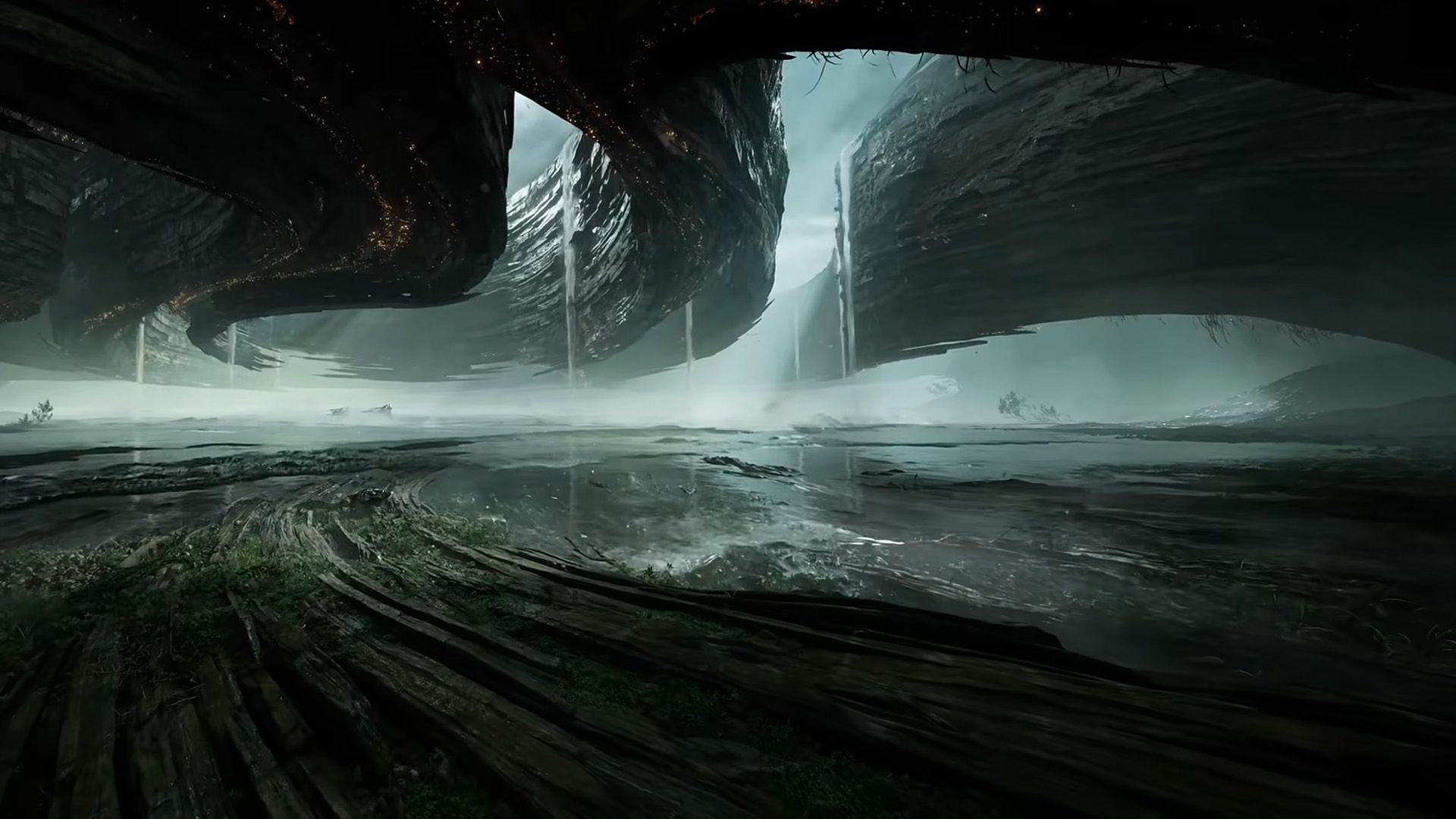

Switching from Cathode means giving up a reliable set of tools that the studio knew well, but Unreal Engine 5 (UE5) offers significant advantages. Specifically, for a game like Alien: Isolation 2, UE5 features like Lumen – a system for realistic, dynamic lighting – could be transformative. Unlike Cathode, which required lengthy and disruptive processes to update lighting when environments changed, Lumen recalculates lighting instantly. And based on the reveal trailer, Alien: Isolation 2 promises to look stunning.
Unreal Engine 5’s Nanite technology lets developers use incredibly detailed, film-quality models without worrying about the usual limitations of polygon counts. This means the environments in Alien: Isolation 2, like its hallways, can have a level of detail previously unattainable in games.
While Unreal Engine 5 seems like a perfect fit for a game like Alien: Isolation, it also presents some significant challenges – issues that gamers have been vocal about since the engine became widely used. One common problem is stuttering, where the game briefly pauses or hitches while loading new areas. This has affected several major games, even those made by the engine’s creator, Epic Games. For a suspenseful game that relies on keeping players fully immersed, even a small stutter can break the tension and ruin the feeling of dread that made the original Alien so effective.
The Full Picture: Weighing the Trade-offs

Okay, let’s be real – switching to UE5 isn’t just about getting fancy graphics, it’s about actually being able to make the next game. The old engine, Cathode, hasn’t been updated since 2014, and it’s just not set up for modern consoles or PCs. It’s less of a ‘nice to have’ and more like we have to do this. Trying to build a huge AAA sequel in 2026 on an engine that’s basically been abandoned for over ten years would be a nightmare. Still, it’s exciting to see what UE5 can do and how it’ll shape the game!
Pros of Unreal Engine 5
- Lumen’s fully dynamic global illumination enables real-time, film-quality lighting without expensive baking passes — a direct upgrade to what Cathode’s radiosity system was attempting.
- Nanite’s levels of surface detail across environments would be better than ever, without traditional performance trade-offs from polygon budgets.
- Broader industry adoption means there’s a larger developer talent pool to develop and sustain long-term maintenance of the game.
- UE5 can significantly reduce load times and support larger, more varied environments than Cathode could handle.
- Epic’s ongoing engine updates mean the technology will continue to improve.
- Widespread engine use also means modding communities and accessibility tools (such as photo mode unlockers) are likely to appear quickly at launch.
Cons of Unreal Engine 5
- Bugs like traversal stuttering or shader compilation stutters remain a persistent and largely unsolved problem in UE5 titles.
- Lumen and Nanite are computationally expensive, introducing optimization drains like GPU overdraw that can undermine performance.
- The bespoke nature of Cathode — tooled specifically around the Alien aesthetic — gave the original a distinctive visual identity that a multipurpose engine may struggle to replicate.
- The UE5 “look” has become increasingly recognizable across titles, risking a homogenization of visual style that could soften Alien: Isolation 2‘s distinctiveness.
- Creative Assembly has not shipped a major title on UE5, meaning there’s a learning curve on an unfamiliar engine.
Reasons to Keep the Faith
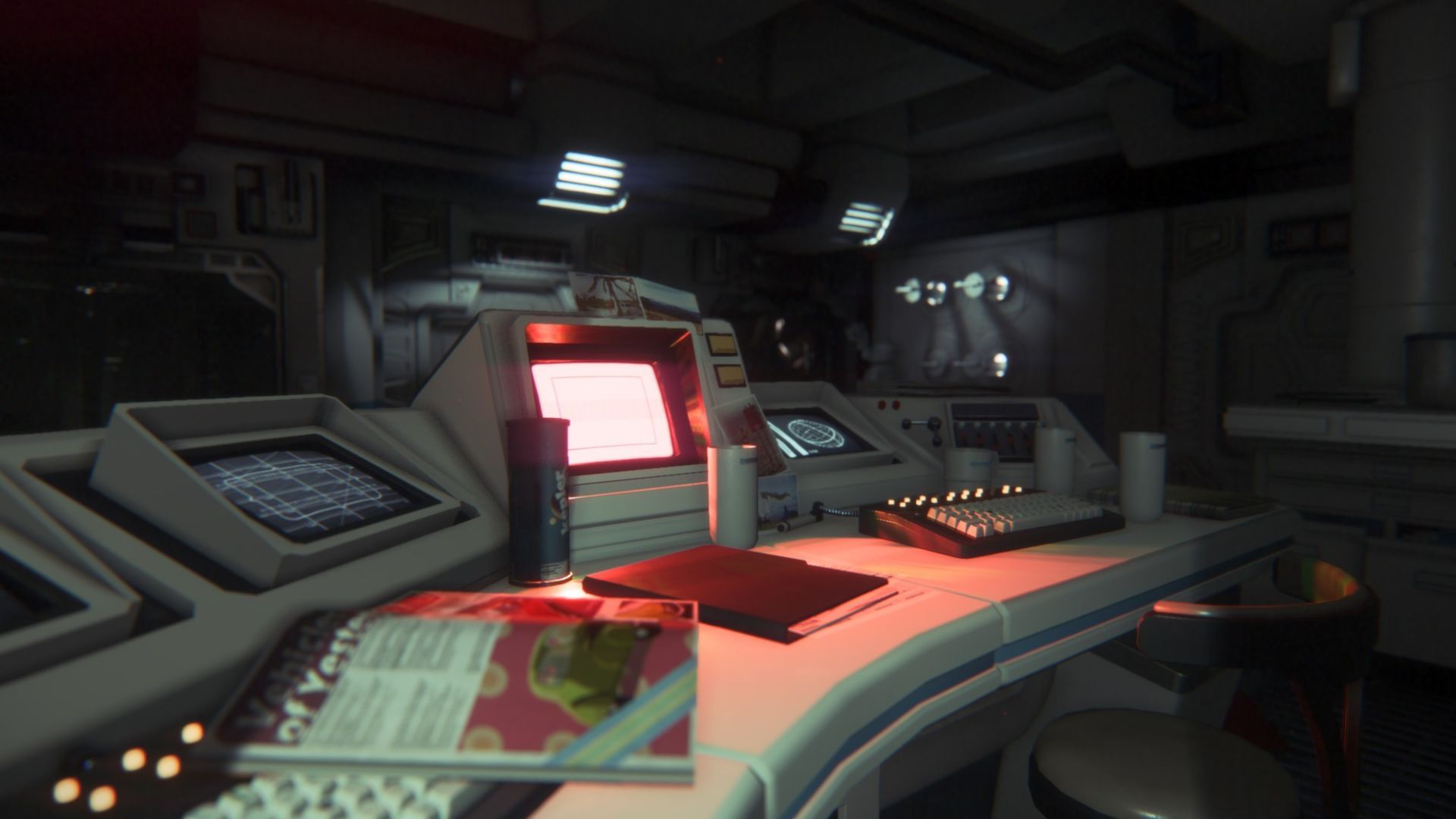


As a big fan of Alien: Isolation, I’m really excited to hear that Michael Bailey is back at Creative Assembly! He was the engine lead on the first game, and honestly, that gives me a lot of hope for the sequel. He really understood what made the original so good technically, so it feels like they’re making a real effort to capture that same magic with the new engine. Plus, knowing someone with his experience is working on it makes me confident they’ll actually make a UE5 game that runs smoothly – something we all want!
While concerns about using Unreal Engine 5 are understandable, Creative Assembly has a strong history of success. They created what many consider to be the best Alien game ever made, and a truly exceptional horror experience that continues to be highly regarded. That proven ability isn’t lost with a change in game engines, so as long as the developers continue to approach the Alien franchise with the same care and skill they’ve demonstrated before, there’s reason to be optimistic about this new project.
Read More
- Forza Horizon 6: Find the Ohtani Treasure Chest Location
- NTE Drift Guide (& Best Car Mods for Drifting)
- Diablo 4 Best Loot Filter Codes
- Boruto: Ikemoto Has Already Hinted At Sasuke’s New Eye After Return
- USD RUB PREDICTION
- LEGO Batman Legacy of the Dark Knight Batcave Minikits & WayneTech Caches
- Where to Find Prescription in Where Winds Meet (Raw Leaf Porridge Quest)
- Conduit Crystal Location In Subnautica 2
- GBP CNY PREDICTION
- Starsand Island’s Rarest Achievements and How to Earn Them
2026-05-03 16:05