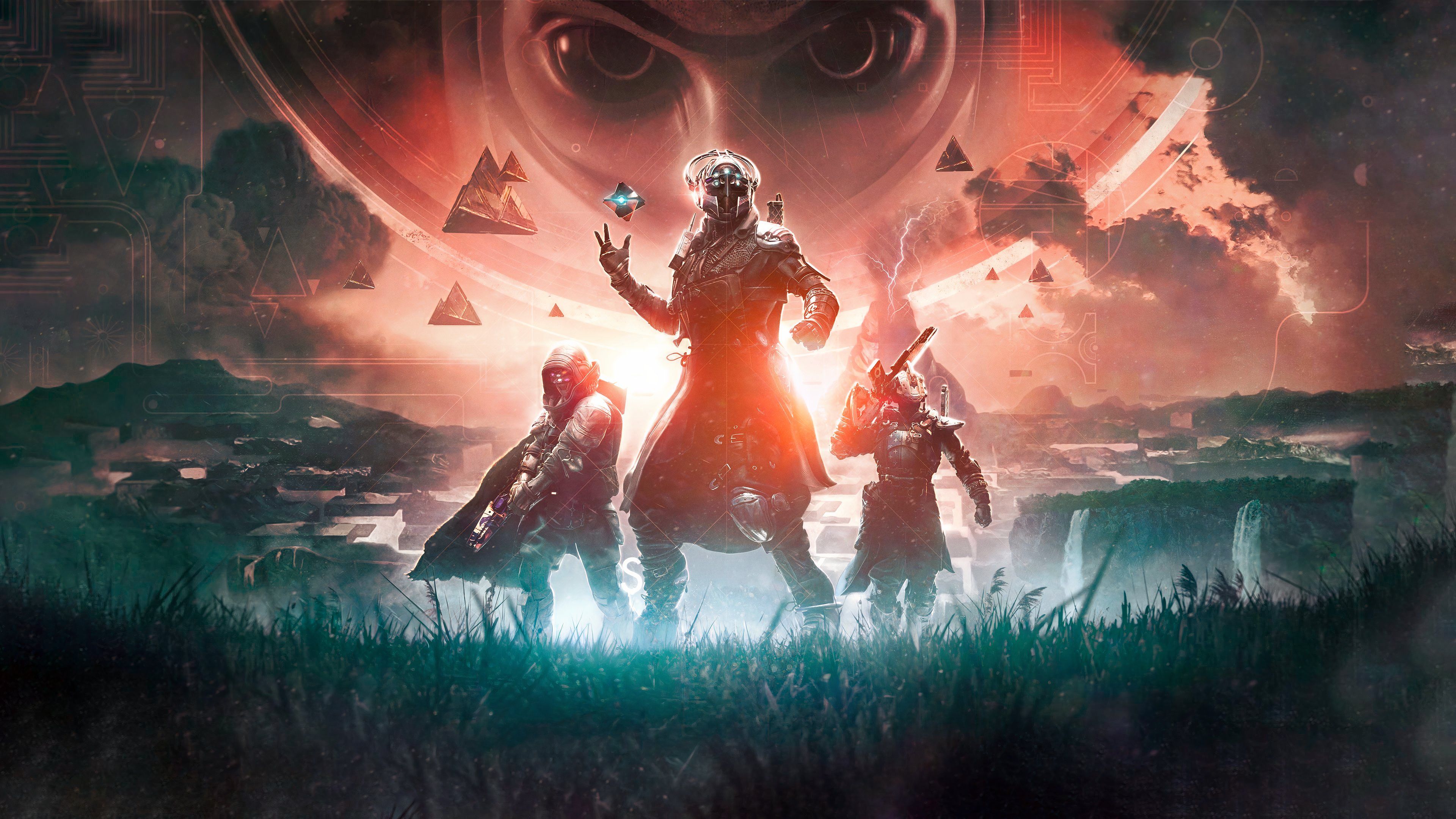
Bungie hasn’t shared much about the future of Destiny 2 recently, leaving players wondering what’s next for the game. The last major update, called Shadow and Order, was originally planned for earlier this year but was pushed back to June 9, 2026. While the update is still scheduled for June 9th, Bungie has announced that it will also mark the end of ongoing support for the game.
On May 21, 2026, Bungie announced they will stop actively developing new content for Destiny 2, instead focusing on supporting the game in its current state. This decision raises the question of how the game reached this point. Destiny 2 once showed great potential, offering a new and exciting approach to online games by combining storytelling with engaging gameplay.
After almost nine years, the game is shutting down, and many players are disappointed with recent updates and expansions. While there were many issues throughout its history, eight key mistakes stand out as the most significant factors in its decline.
Content “Vaulting”
Say “Goodbye” to the Story
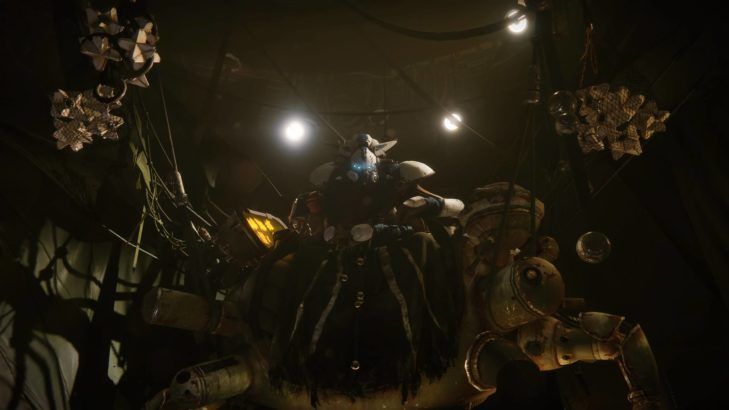
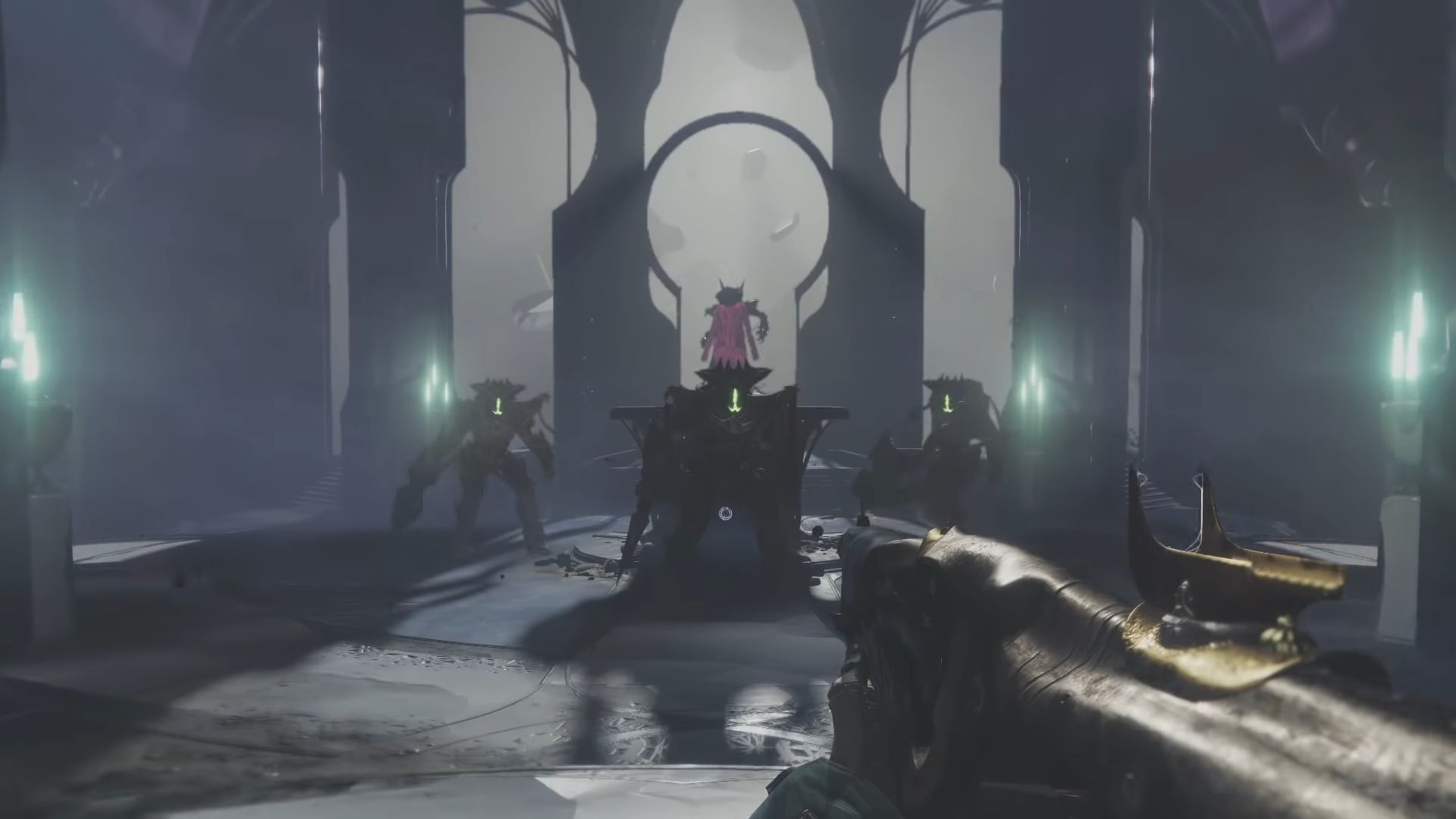
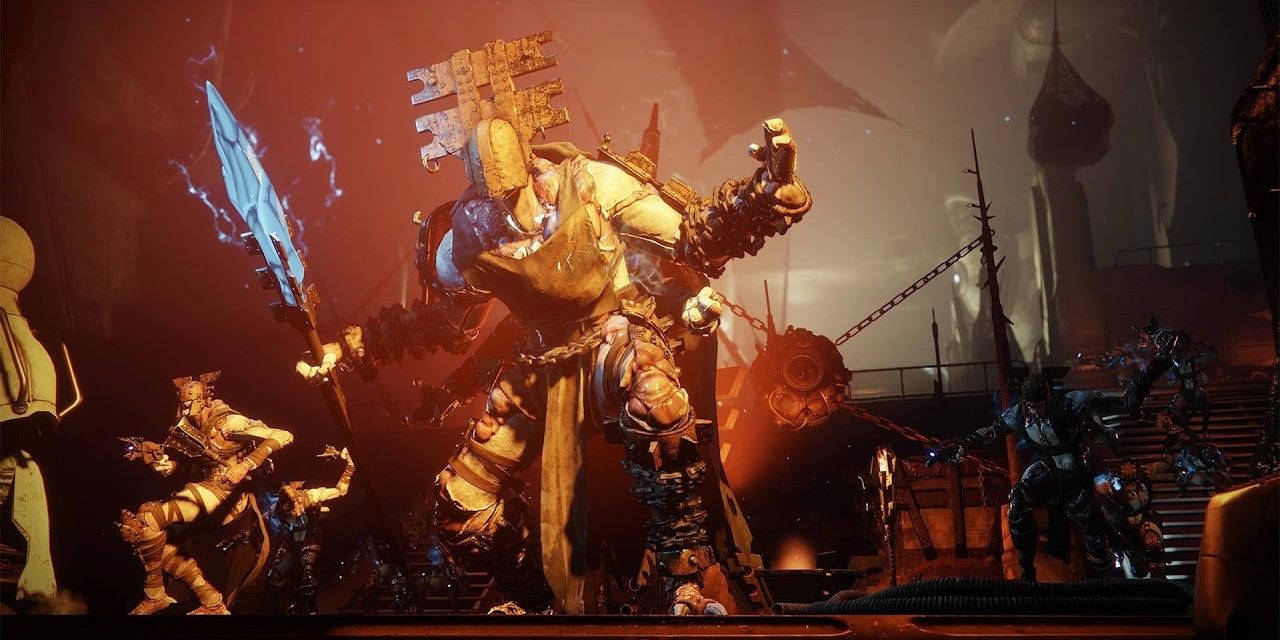
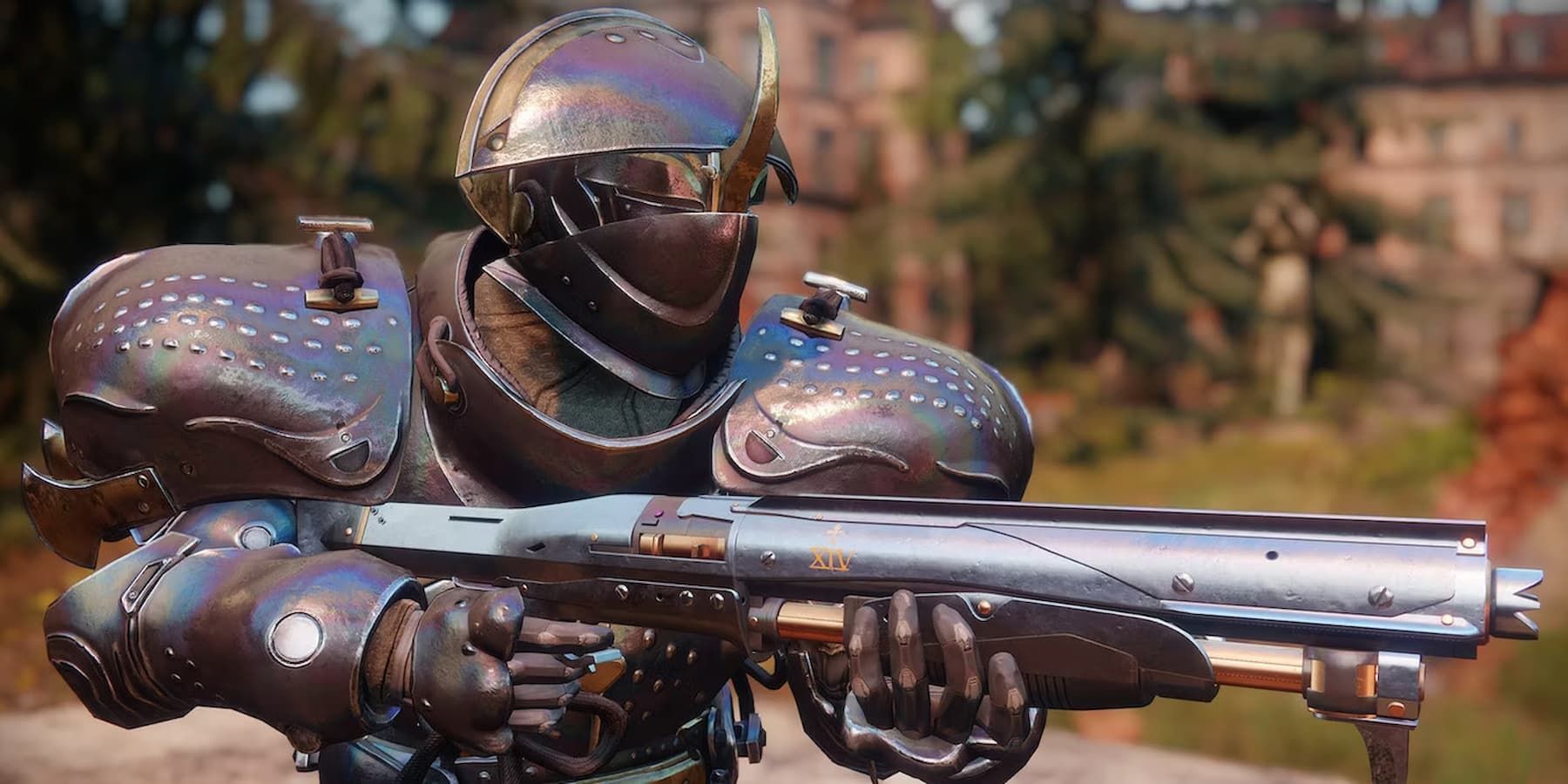
Starting in 2020 with the release of the Beyond Light expansion, Bungie began removing older content from Destiny 2 in a process called “Vaulting.” This meant that large parts of the game, including the original story campaign and all content from several previous expansions and updates, were no longer playable.
Although the stated reasons for removing this content were to save storage space and development effort, it actually damaged the game’s reputation and negatively impacted both current players and those new to the game. Long-time players were especially frustrated, as they lost access to content they enjoyed and had to seek out external sources to experience it again.
Content wasn’t just removed from the main story; gameplay features, gear, and weapons were also taken out of the game. This made players feel like the time they’d invested didn’t matter. Combined with how story updates and gear are now short-lived and broken into pieces, these changes made Destiny 2 feel constantly unfinished and often confusing.
New Player Experience
Where Am I, and Who Are These People?
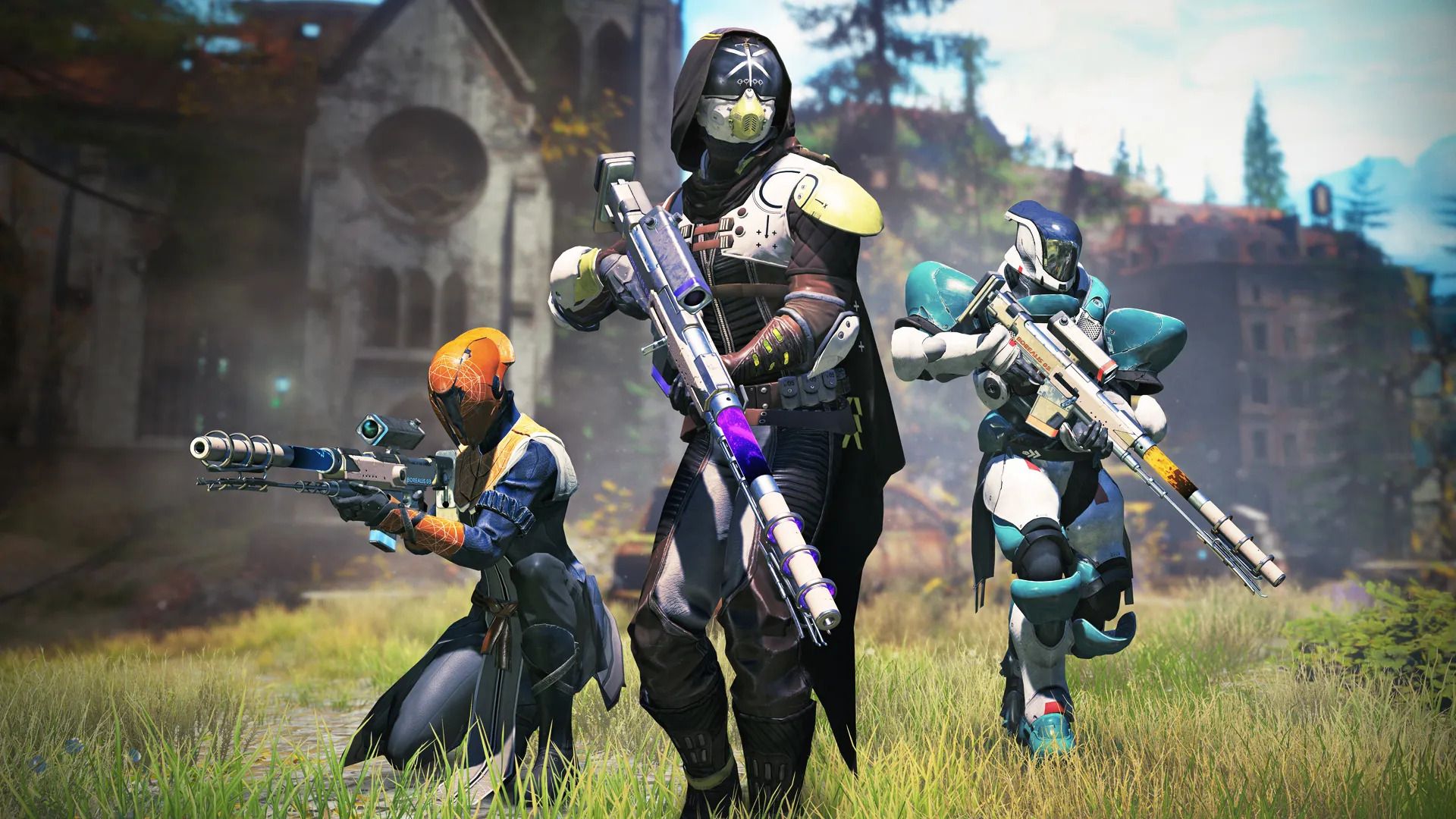
The recent changes to Destiny 2, known as the Vaulting process, unfortunately created a very poor first impression for new players. Instead of fixing this, the game largely left it to players and outside resources to help newcomers learn the ropes.
Beginning Destiny 2 can be really confusing for newcomers. The original game gradually taught players how things worked and introduced them to the world and story through missions and cutscenes. However, much of that introductory content has been removed. Now, instead of helpful tutorials and a guiding story, new players are dropped into complex maps with lots of confusing icons and seasonal missions, leaving them feeling lost and overwhelmed.
Most online games that rely on subscriptions or ongoing purchases can’t survive if they keep losing players. They need a steady stream of new people to stay engaged and keep the game alive. While it’s a mistake to overlook what new players think, Destiny 2 went further and actually made it difficult for newcomers to enjoy the game, which meant most didn’t come back.
Ignoring PvP
The Most Active and Engaged Members of the Playerbase Are Underserved
Even though Destiny 2 had some problems with how players joined and progressed, it remained popular for a long time because of its loyal fans. Players who enjoyed the game’s story and completing challenges appreciated the consistent stream of new expansions and updates, which always gave them something to look forward to and achieve.
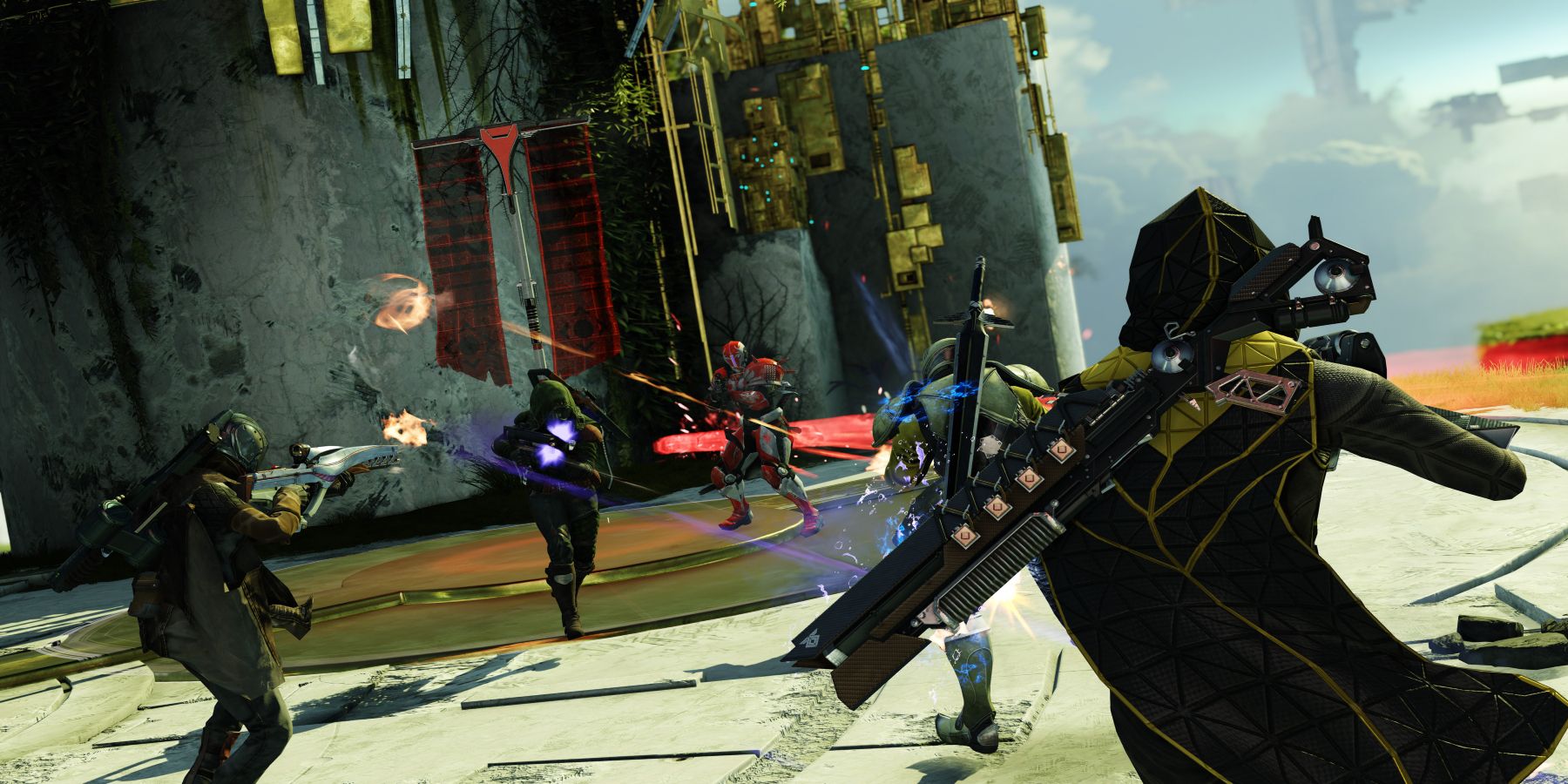
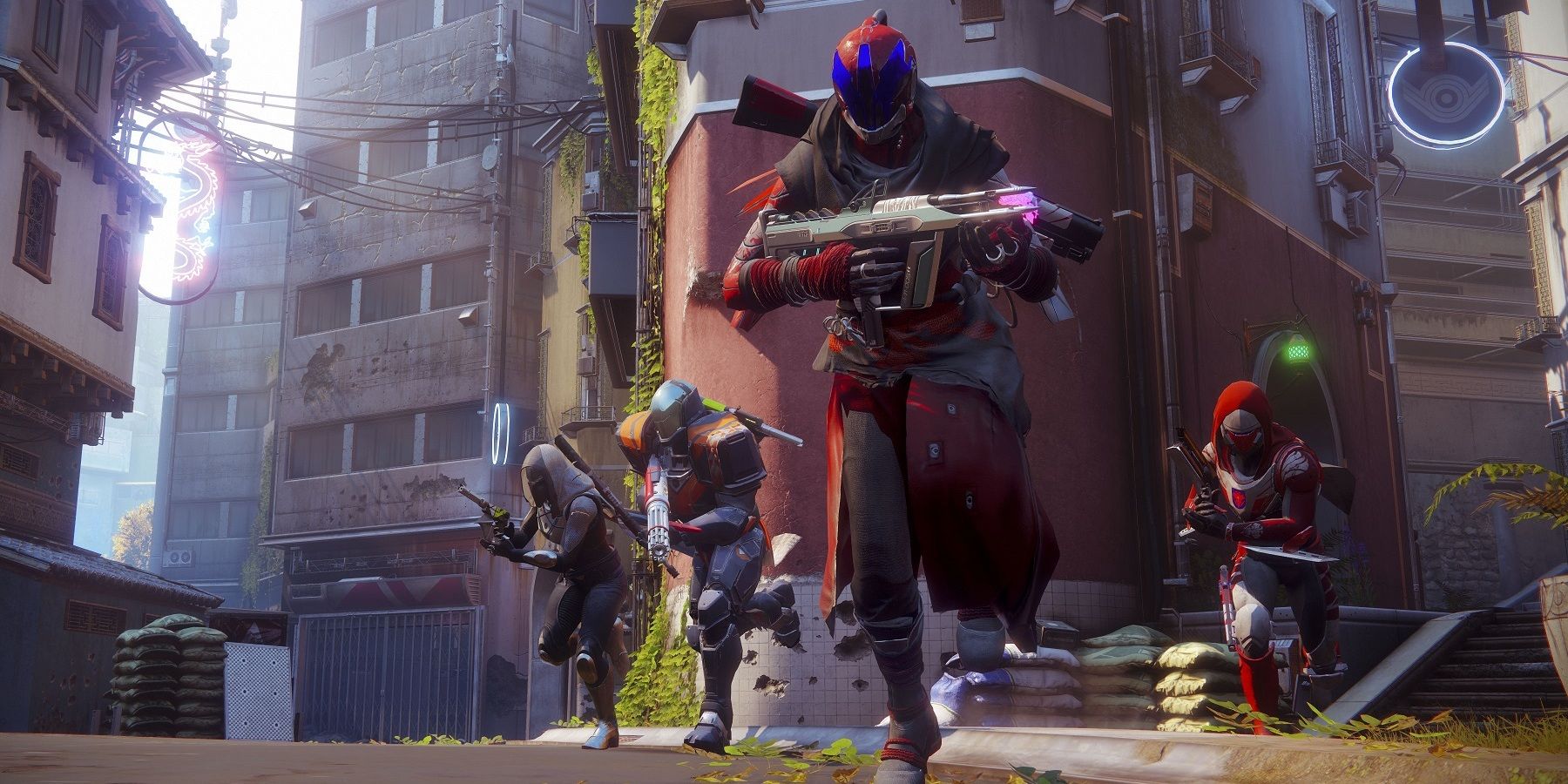
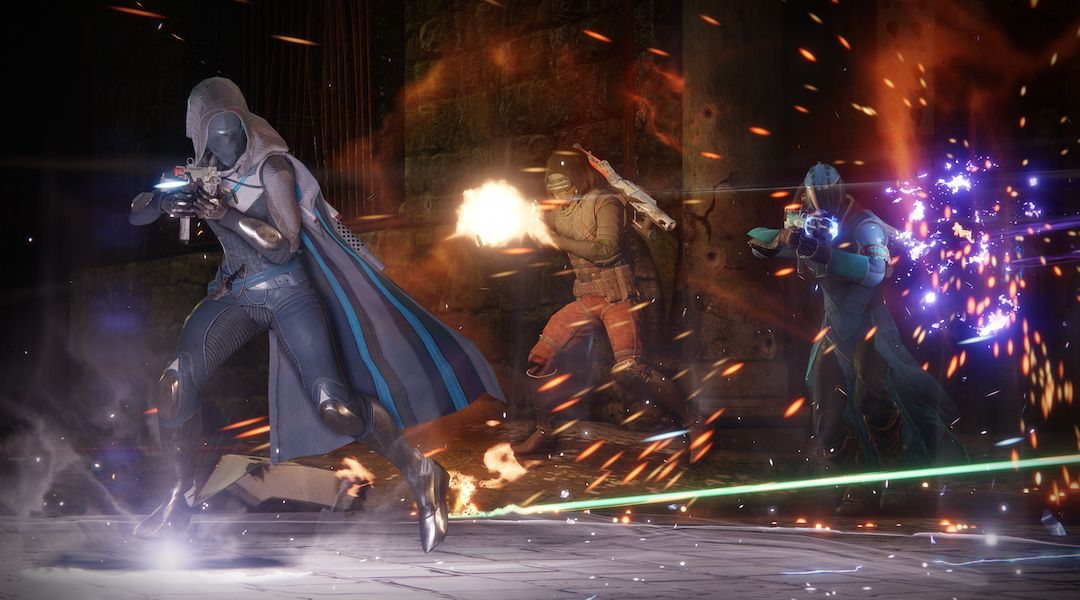
Players who enjoy battling each other (PvP) felt neglected for a long time. For over 900 days, no new arenas were added for PvP, while the game received a constant stream of new cooperative content (PvE). Even when new arenas were released, problems with gear and matchmaking made the experience frustrating for many players.
It became obvious that Bungie wasn’t planning to focus on improving the player-versus-player experience, despite players wondering why. The game never received dedicated servers or detailed leaderboards, even as the developers continued to prioritize making money through in-game purchases.
Built Into a “Fear of Missing Out” Structure
For a Limited Time Only
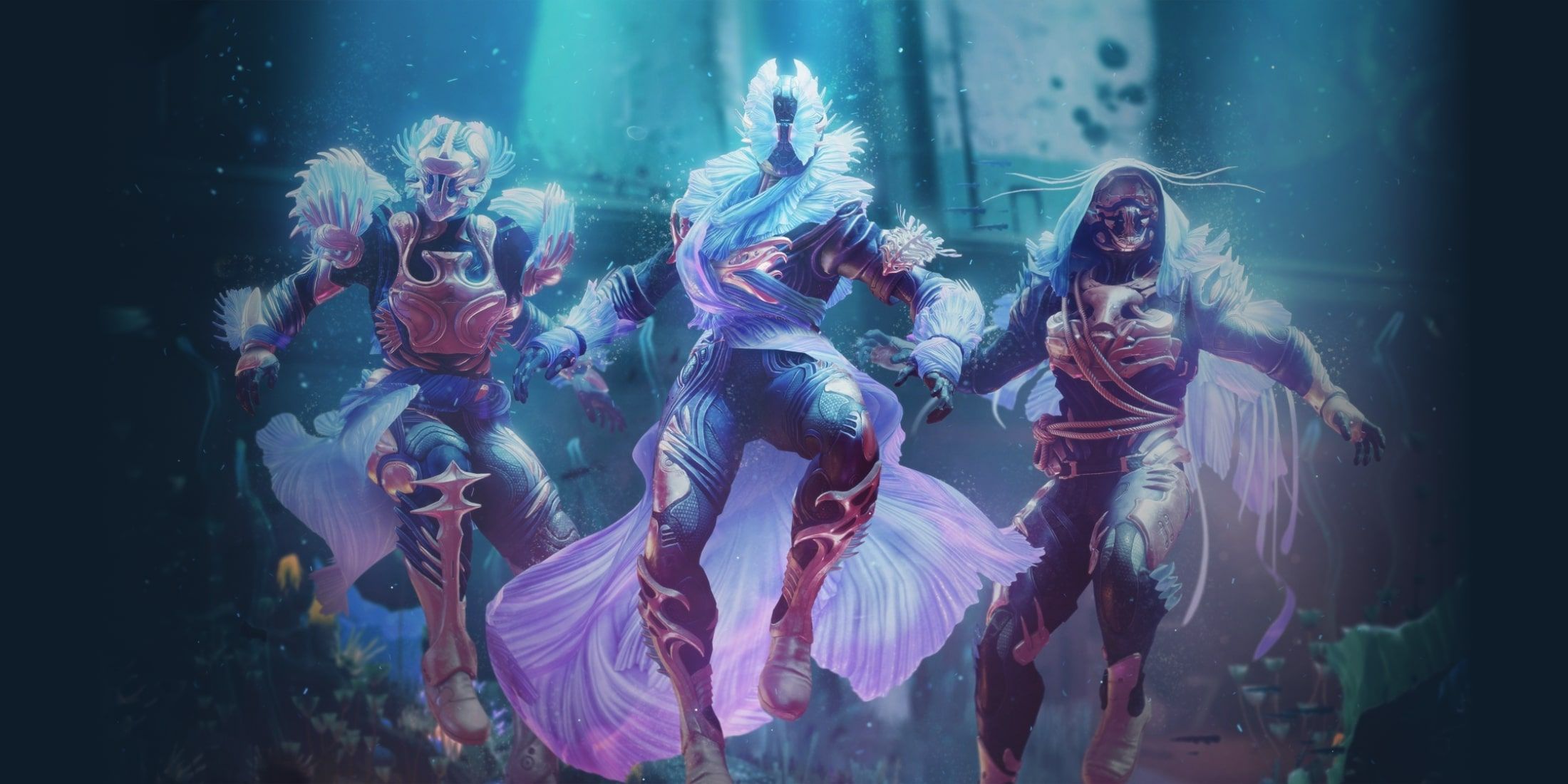

Honestly, one of the biggest reasons I kept playing Destiny 2 was how they structured the game around seasons. It wasn’t just about new stuff, it was the feeling that if I didn’t play during a season, I’d miss out on everything. A lot of games use that ‘fear of missing out’ thing, but Destiny 2 took it to the extreme. Entire stories, cool gear, even special titles… they were all locked behind a timer. If you didn’t play right then, you were completely shut out, and that really pushed me to keep grinding.
If players stopped playing Destiny 2 for a while, or never started, they missed out on unique in-game experiences that disappeared when each season ended. Unlike other games that use limited-time events to keep players interested, Destiny 2 was designed around the fear of missing out (FOMO). This feeling became even stronger with the introduction of ‘vaulting,’ a system where content was regularly removed, leaving players unsure if their favorite activities would still be available in the future.
Stagnant Seasonal Content
Haven’t We Met Before?
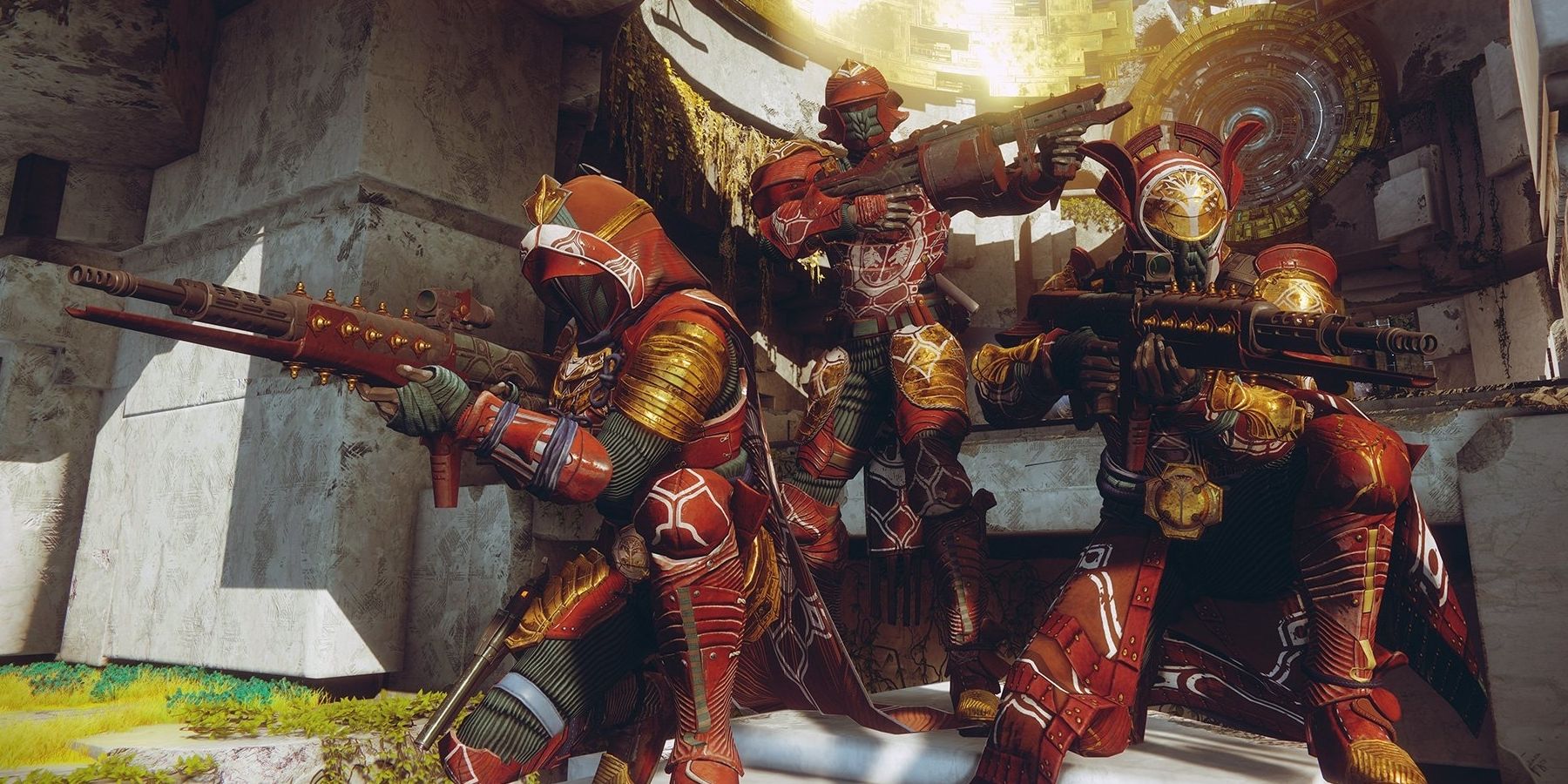
Many veteran players found it annoying when limited-time events and activities disappeared, but it was especially confusing for newcomers. New players might see advertisements for certain missions or features, get excited to try them, and then find they’d already vanished just days after starting the game with each new update. Sometimes, they’d even miss out on content entirely, never getting a chance to experience it.
When players expressed worry about missing out on limited-time content in Bungie’s games, the company’s first response wasn’t to let players revisit older activities. Instead, they made newer seasonal content less appealing. This resulted in repetitive and ultimately unengaging experiences, as each update lacked substantial activities for players to enjoy.
After several years, Bungie stopped creating seasonal content and replaced it with a new system called the portal, which felt empty and wasn’t fully developed. There haven’t been any substantial updates or special events since then—it feels like something’s missing. Considering this change happened recently, it should have signaled what was coming next.
What’s That Weapon?  Identify the silhouettes before time runs out.
Results
High Score: 0 —
The Portal
Stay a While
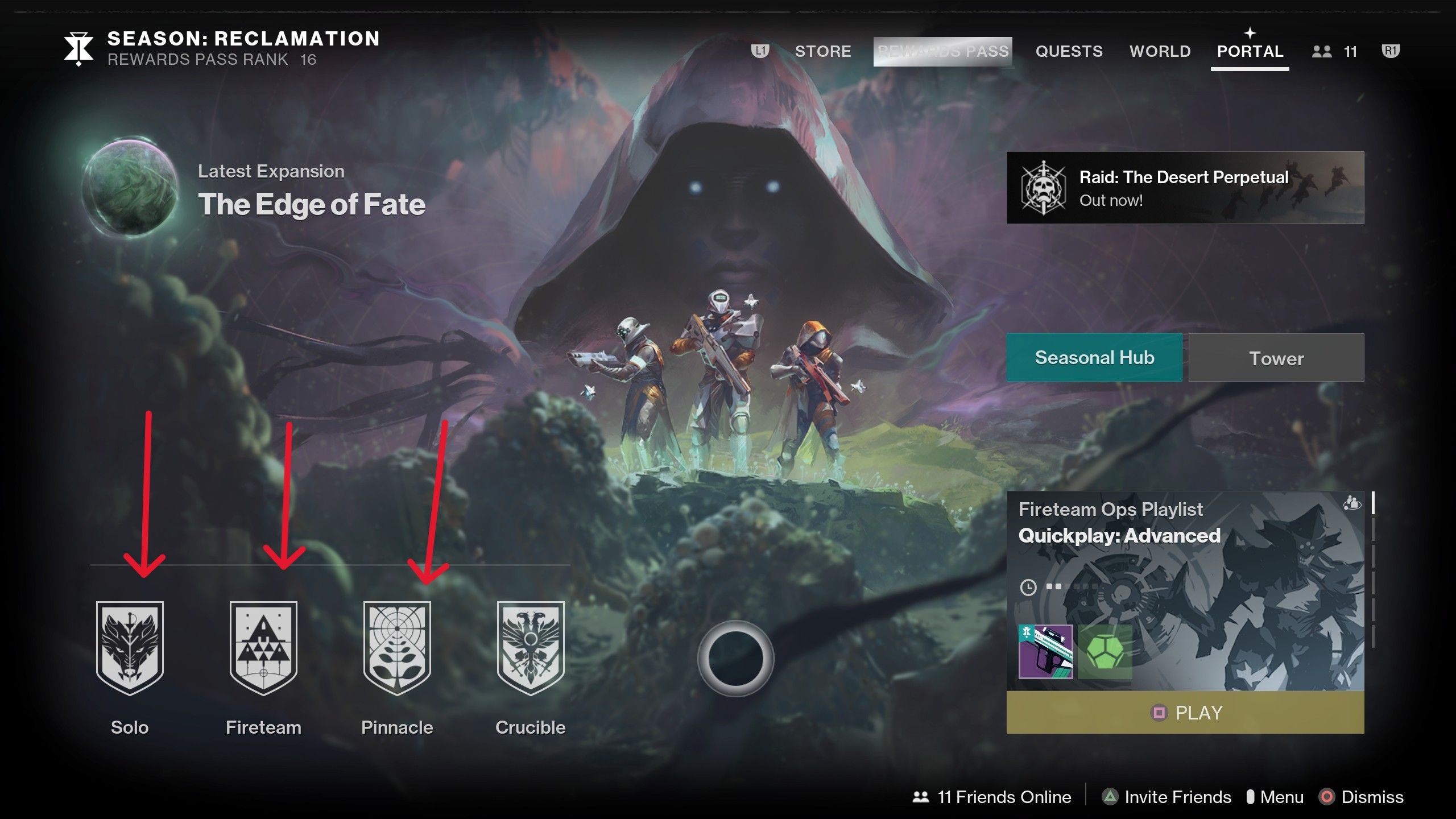
Okay, so about The Portal update in The Edge of Fate… honestly, it pretty much killed the game for me. It was supposed to be the big thing, but it felt like the developers just gave up on actually making good content. We used to get seasonal stuff that, while flawed, at least tried to be interesting. But The Portal just turned everything into a boring grind. Instead of varied activities, we were stuck repeating the same few things over and over just to get a tiny bit stronger. It felt like a real letdown, especially since a lot of us had been asking for more engaging content for ages.
The repetitive gameplay was made worse by how quickly the difficulty of challenges changed. Although rewards were based on player strength, players could adjust how hard activities were. This seemed like a good feature, but there wasn’t any real advantage to tackling harder content. As a result, players naturally chose the easiest activities to progress quickly, which unfortunately discouraged them from socializing and exploring the game world.
Disappointing Loot Structure
Woah. This is Worthless!
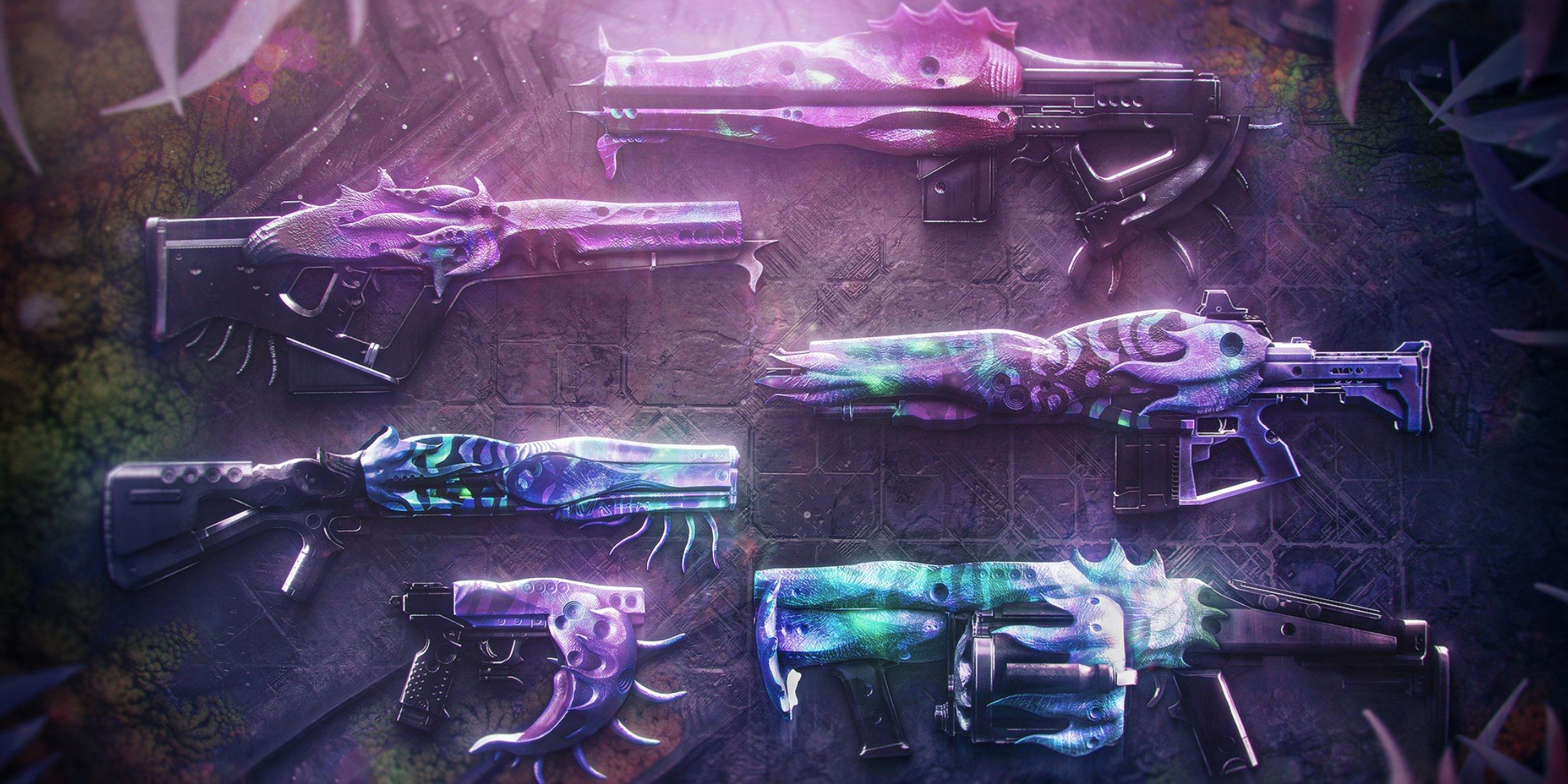
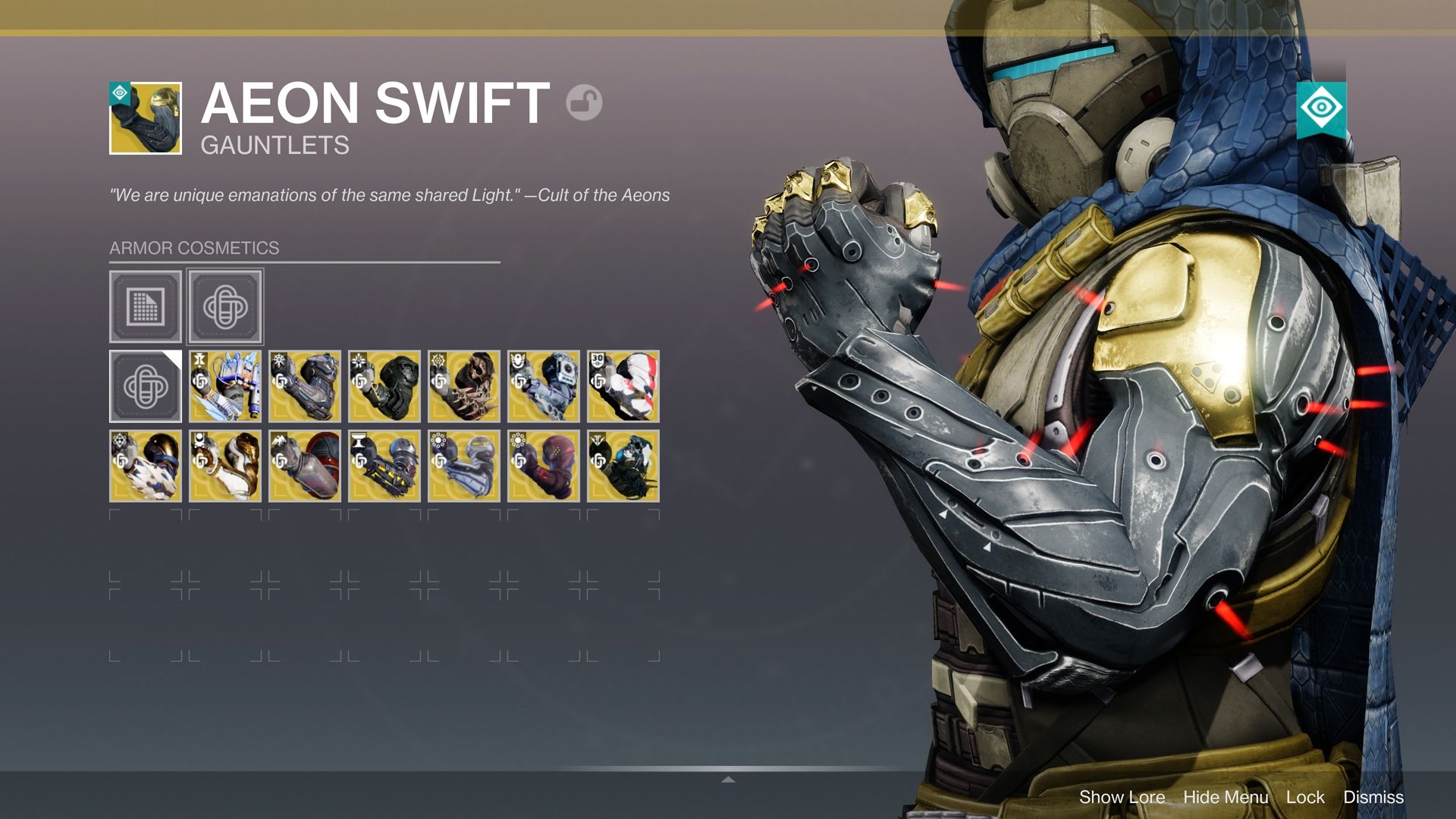
The way players earn rewards in Destiny 2 has changed a lot over time, but ultimately, it hasn’t been as satisfying as the original Destiny. A good example is with powerful weapons like Legendaries and Exotics. In the first Destiny, Exotic weapons were truly rare and unique, with each one feeling special thanks to its different parts and abilities. Finding the perfect weapon felt like a big accomplishment, something that wasn’t guaranteed to happen.
Destiny 2 made powerful weapons and armor too easy to get. They reduced the differences in strength between common and rare items, and then flooded the game with ways to obtain them through missions or by purchasing seasonal content. Because players could essentially buy what used to be the rarest gear, those items lost their special value – they became more about having strong stats than being unique rewards.
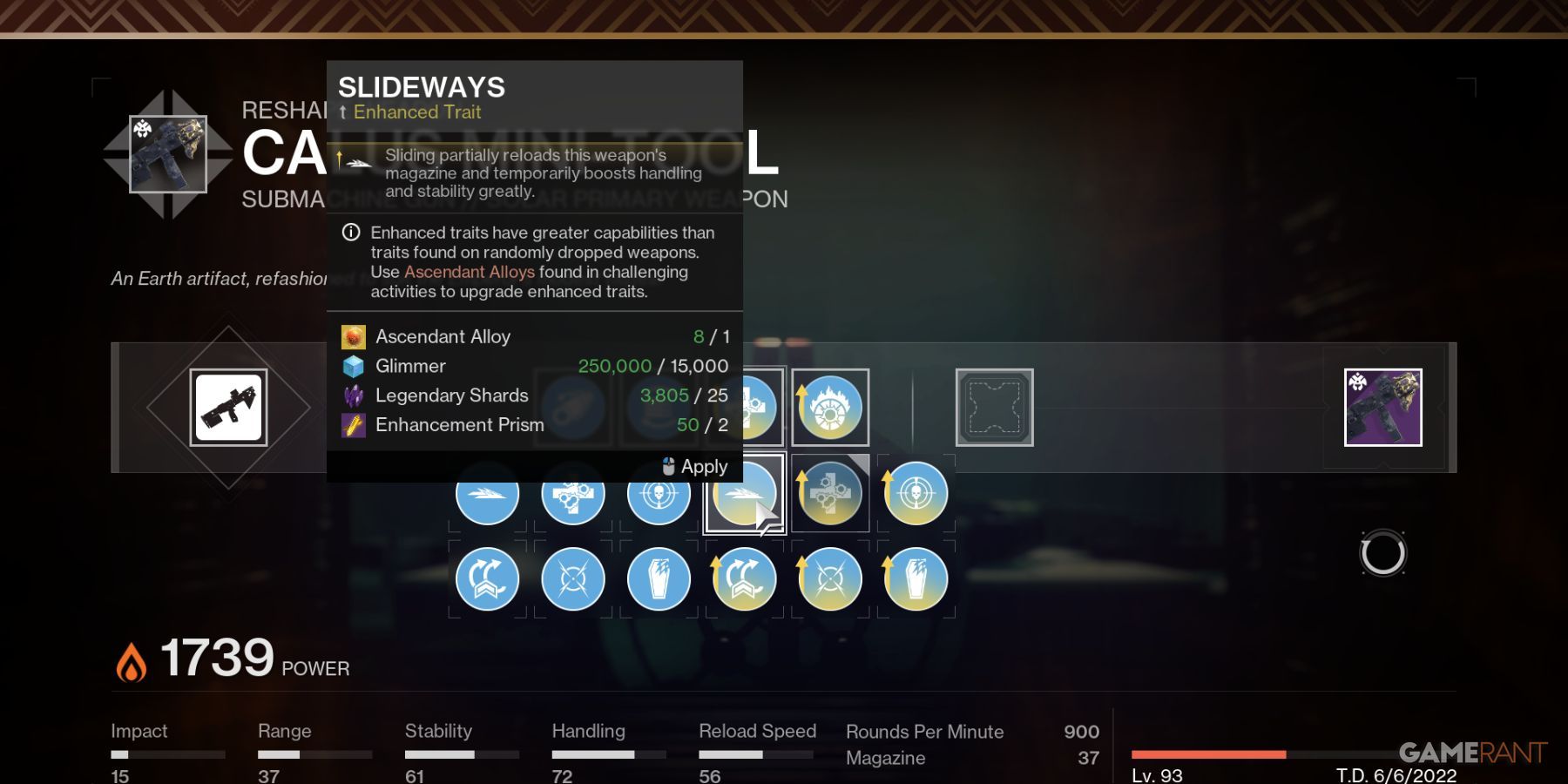
Adding crafting diminished the excitement of finding loot. Players could simply make the perfect weapon with the desired features, which made character builds very similar across different game updates and discouraged players from actively seeking out powerful items through gameplay.
Sunsetting
Is This Farewell?
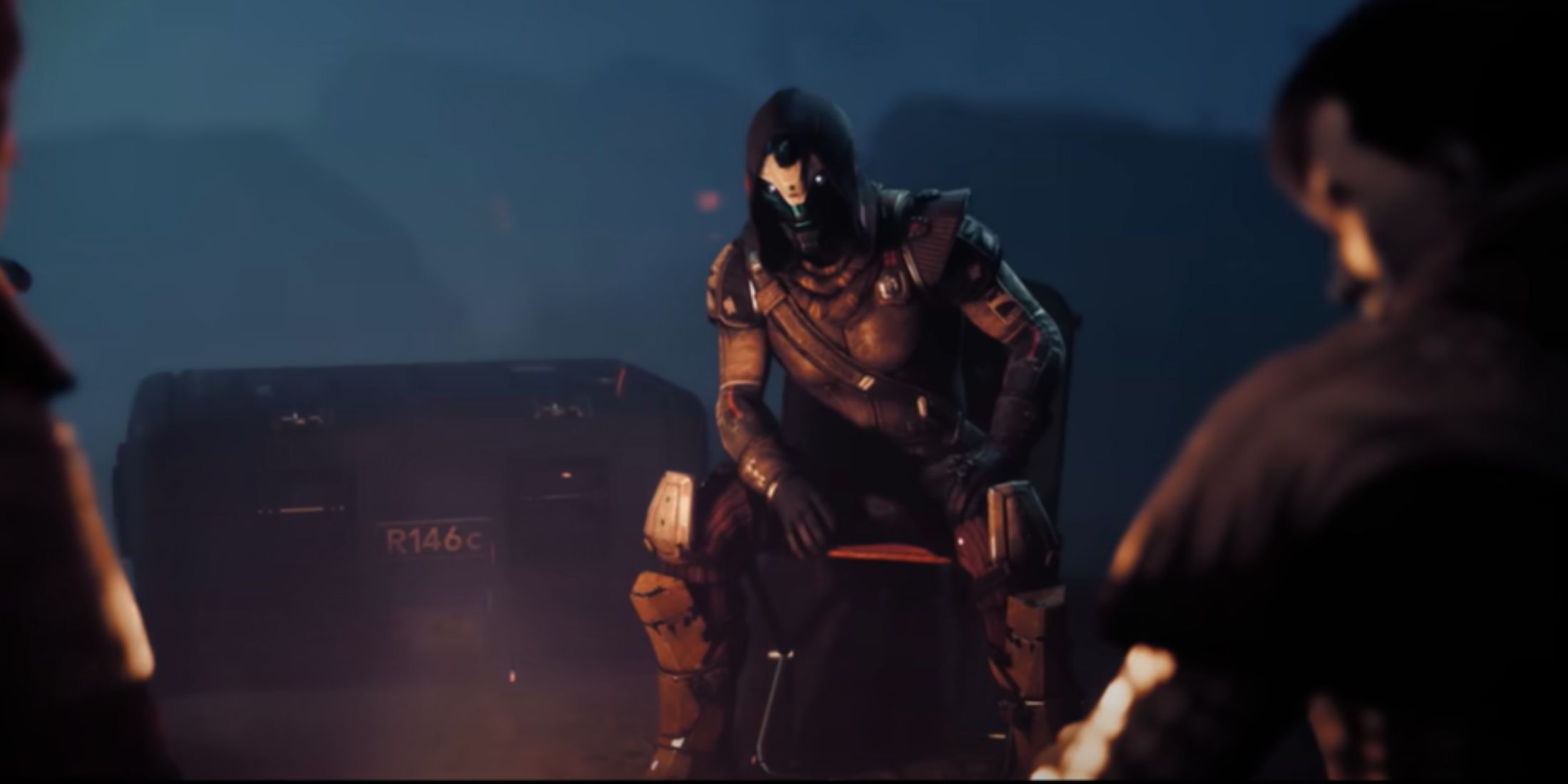
This problem is connected to issues in Destiny 2 like the fear of missing out (FOMO), temporary events that don’t last, and unrewarding loot. “Sunsetting” meant Bungie gave gear and weapons an expiration date, effectively making items players had earned useless after a certain time. This was largely caused by decisions made by the game developers themselves.
Most online games that are constantly updated eventually make older equipment less useful. Games like Final Fantasy 14 and World of Warcraft regularly introduce stronger gear with new updates, naturally making older items less effective. Destiny 2 had a system called infusion that allowed players to upgrade older equipment to match the power level of newer items.
Initially, this system discouraged players from constantly chasing the newest gear, letting them stick with weapons they enjoyed and keep those weapons useful throughout the game. However, introducing ‘sunsetting’ meant years of effort and upgrades could become instantly obsolete. While Destiny 2 eventually stopped using sunsetting (though they later introduced a similar system called power creep that some players saw as a form of it), the negative impact had already been felt.
Saying Goodbye to Destiny 2
All Things Must End
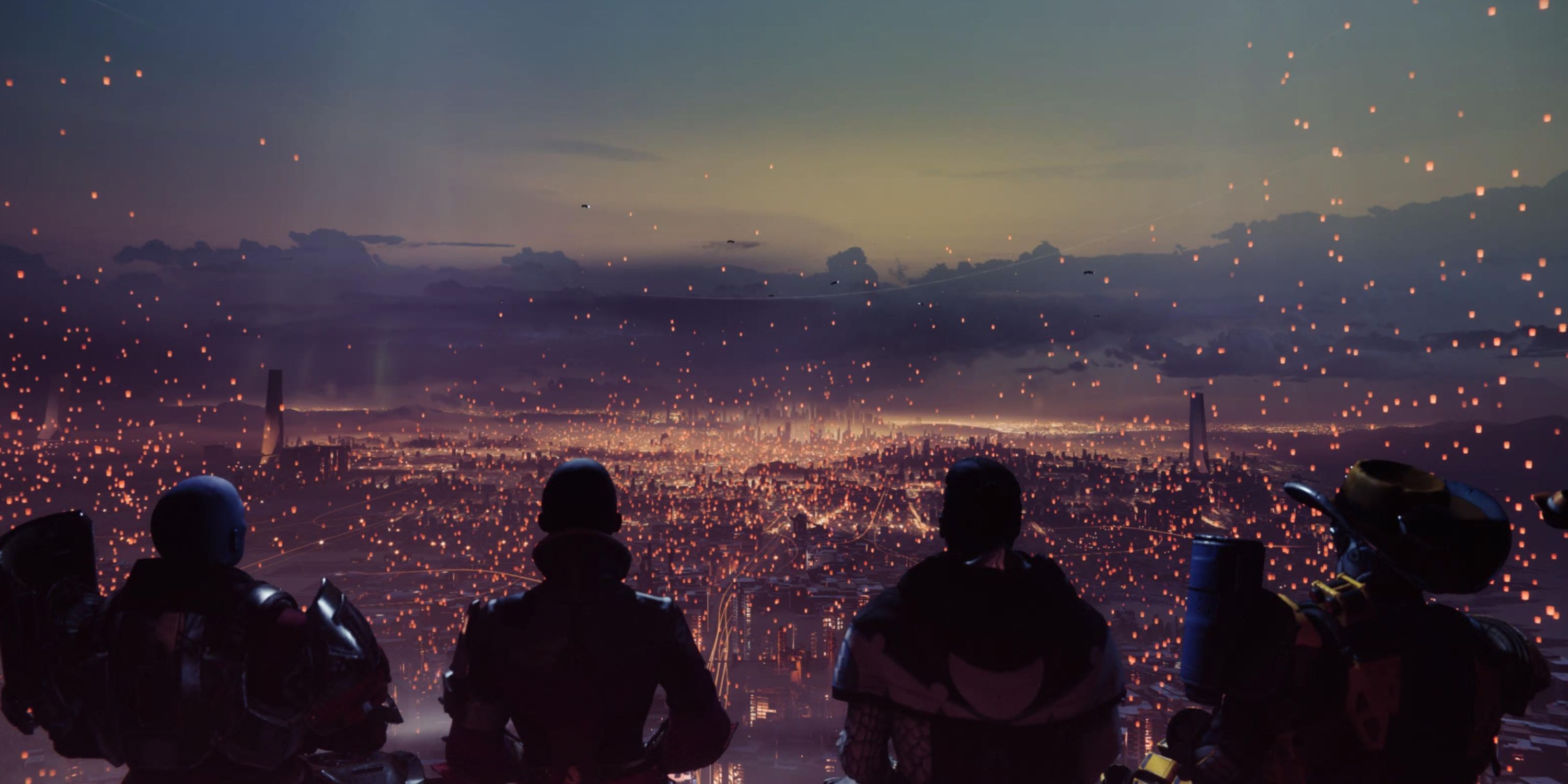
Looking back, Destiny 2 has had a fascinating history. It often faced player criticism, frequently requiring adjustments or updates to address concerns. Many of the original issues have been resolved over time, and only a few remain as of the game’s current state.
The issues with Destiny 2 aren’t seen as unavoidable problems, but rather as mistakes that damaged how players viewed the game, both within the community and more broadly. While the practice of removing content (Sunsetting/vaulting) has changed since 2020, that negative perception remains and likely discouraged players, contributing to the game’s eventual decline, though perhaps at a natural point in its lifecycle.
Read More
- NTE Drift Guide (& Best Car Mods for Drifting)
- Forza Horizon 6: Find the Ohtani Treasure Chest Location
- Diablo 4 Best Loot Filter Codes
- Conduit Crystal Location In Subnautica 2
- Boruto: Ikemoto Has Already Hinted At Sasuke’s New Eye After Return
- Where to Find Prescription in Where Winds Meet (Raw Leaf Porridge Quest)
- Deltarune Chapter 1 100% Walkthrough: Complete Guide to Secrets and Bosses
- USD RUB PREDICTION
- Brent Oil Forecast
- Starsand Island’s Rarest Achievements and How to Earn Them
2026-05-24 00:39