AMD reported its most successful quarter ever, with revenue reaching $10.25 billion – a 38% increase compared to the same quarter last year. Following the news, reported by Bitget News and TheStreet, the company’s stock price jumped 16% in early trading on May 6th.
Artificial intelligence is fueling impressive growth for AMD. The company’s data center business brought in $5.8 billion in revenue – a 57% increase compared to last year – thanks to strong demand for their EPYC processors and Instinct AI accelerators. According to Yahoo Finance, CEO Lisa Su described the first quarter as “exceptional,” citing increased demand for AI infrastructure. AMD also announced a major partnership with Meta to install up to six gigawatts of their Instinct GPUs in Meta’s data centers, beginning with a customized version of the MI450.
AMD expects around $11.2 billion in revenue for the next quarter, which would be a 46% increase compared to the same time last year, according to Bitget News. This strong forecast is putting pressure on NVIDIA, as it suggests AMD is becoming a more significant competitor.
So what does any of this have to do with the next console you’ll buy?
The PS6 Is Built on AMD
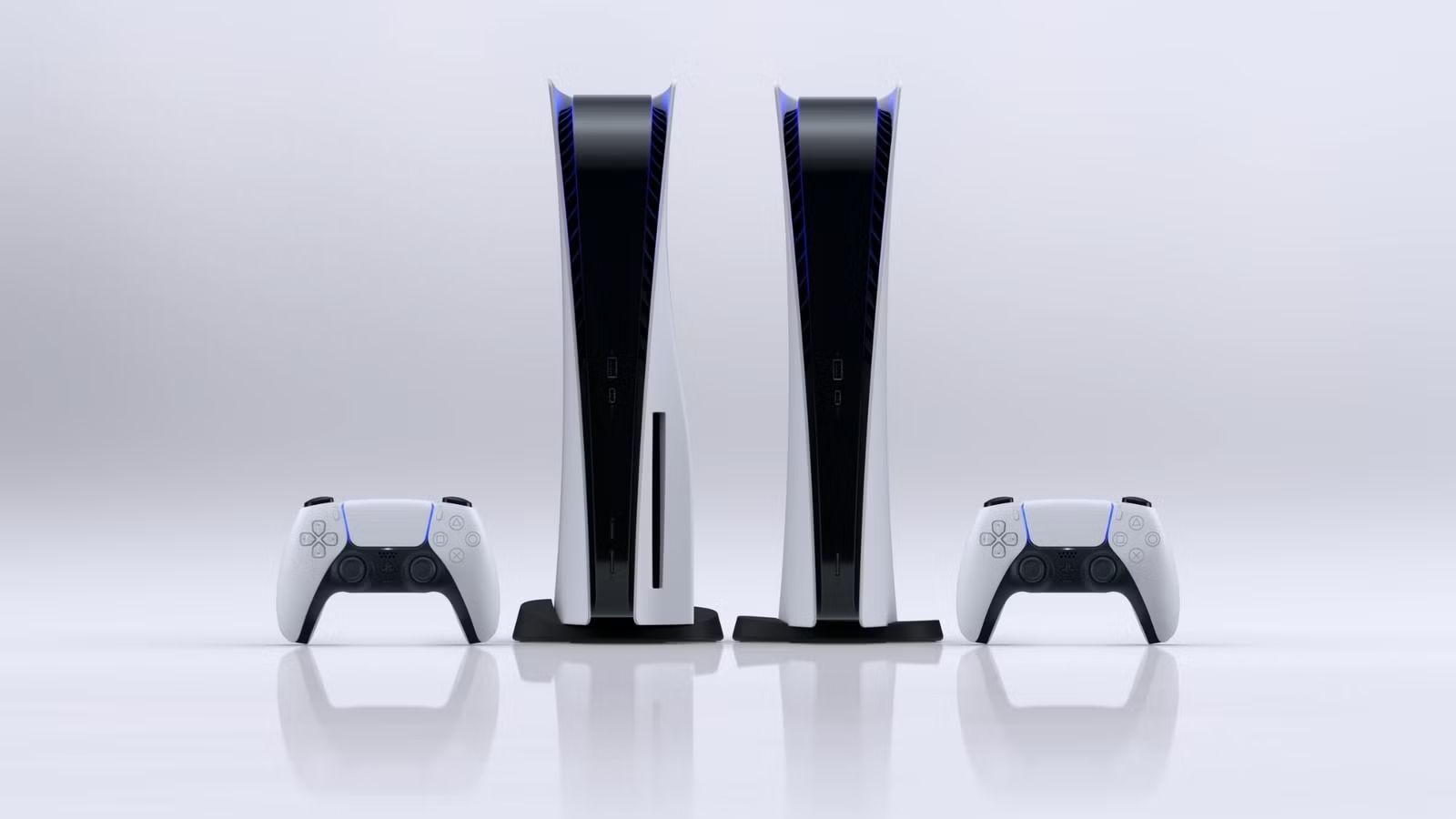
Leaks suggest Sony’s next PlayStation, currently known as “Orion,” will be built entirely using AMD technology. Reports indicate it will feature a custom AMD Zen 6 processor and an RDNA 5 graphics card. This combination is expected to offer significantly improved performance – around three times better rasterization and six to twelve times better ray tracing – compared to the PlayStation 5. The console is also rumored to include 30GB or more of advanced DDR7 memory and an enhanced version of PlayStation’s Spectral Super Resolution technology.
I’m hearing some interesting news from Sony – apparently, they’re working on a handheld console, internally called “Project Canis.” Sources at IBTimes suggest it could even release at the same time as their new main console. It sounds like they’re planning a full ecosystem, and I’m definitely intrigued to see how this handheld plays into their overall strategy.
Essentially, recent leaks strongly suggest AMD will be providing the core technology for the PlayStation 6. The same powerful Zen processors and RDNA graphics currently driving AMD’s record sales are likely to be at the heart of Sony’s next-generation console. Furthermore, AMD’s advancements in artificial intelligence are helping to fund the research and development that will ultimately be used in the console’s core components, likely appearing in the PS6 around three years from now.
As a PlayStation fan, I’m really excited to hear AMD is doing so well! It means they’ll have more resources to create amazing custom chips for consoles like the PlayStation. From what I’ve been reading, the PS6 is shaping up to be a huge step forward from the PS5 – even bigger than the jump we saw from the PS4 to the PS5. Apparently, AMD has been making incredible progress with its chip designs since 2020, and that’s a big part of why the next PlayStation is looking so promising.
The Next Xbox Is Probably AMD Too
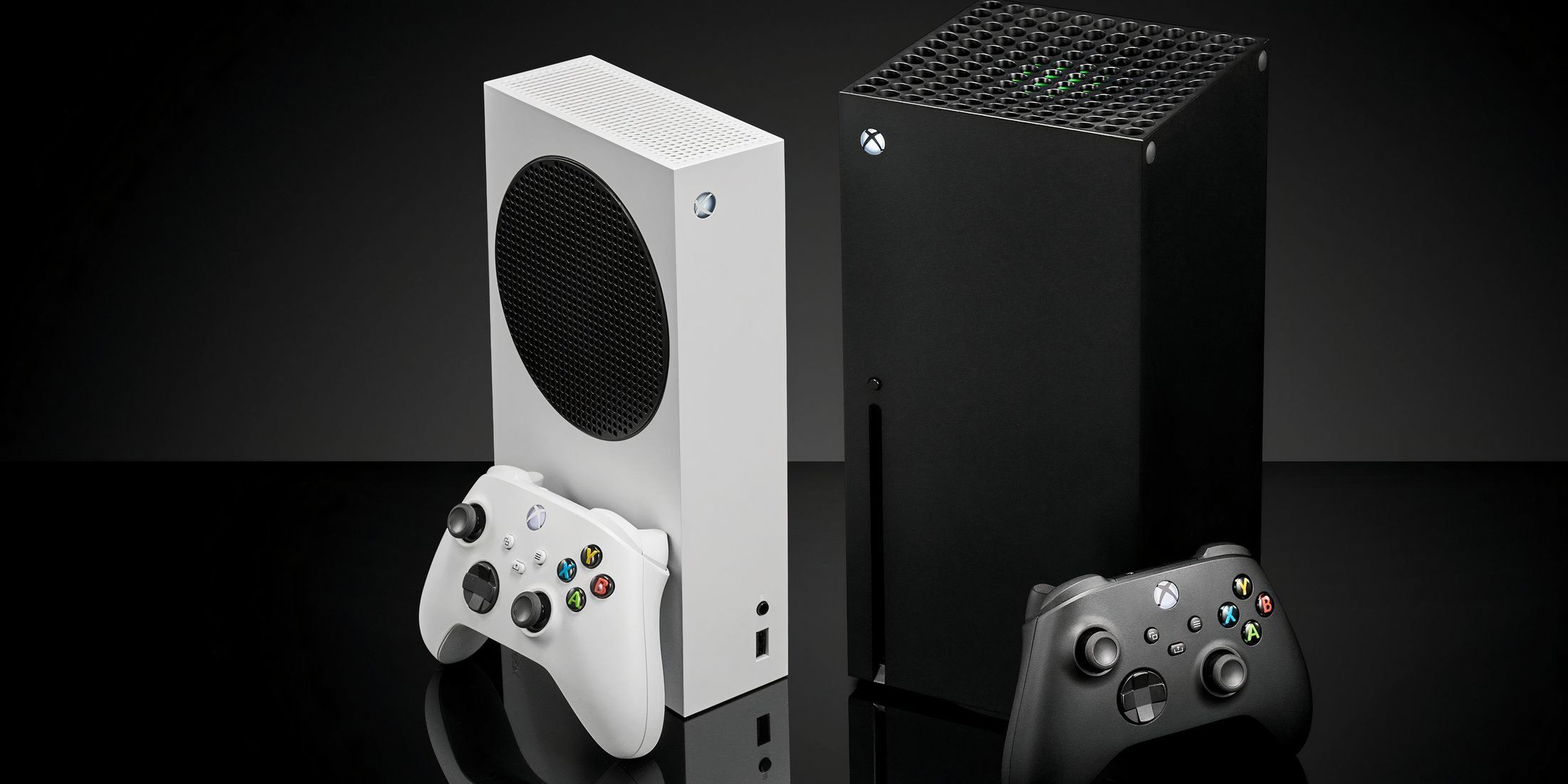
While Microsoft hasn’t publicly shared many details about its future hardware, most industry experts believe Xbox will continue to use AMD processors and graphics cards. Current Xbox Series X and S consoles both utilize custom AMD technology: the Series X features an 8-core processor and a powerful graphics card, while the Series S uses a similar, slightly less powerful setup. Microsoft has confirmed this AMD partnership, highlighting their RDNA 2 architecture in the Series X|S. This collaboration even extends to handheld devices like the ROG Ally, which is built by Asus and powered by AMD components.
AMD’s first-quarter earnings actually make it even more likely that Microsoft will continue using AMD processors. Changing to a different chipmaker like Intel or NVIDIA now would create problems with older games – it would break compatibility with everything from the original Xbox One up to the current Xbox Series consoles, and Microsoft has been very clear about wanting to avoid that.
So when Microsoft eventually shows off the next Xbox, expect another AMD logo on the box.
The Catch: AI Is Eating the Console RAM Supply
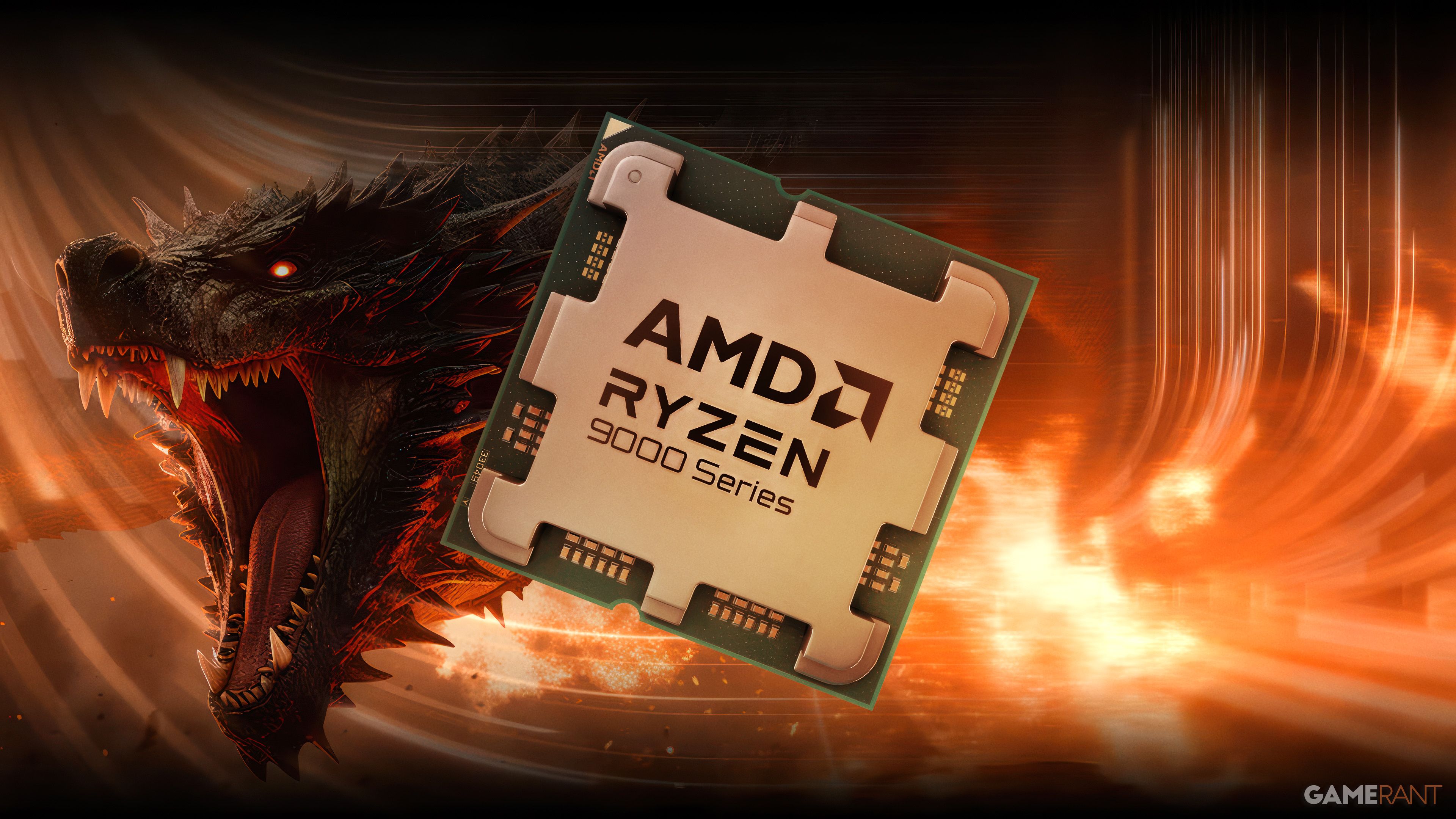
While the surge in artificial intelligence is boosting AMD’s profits, it’s also creating a shortage of a crucial component: high-bandwidth memory. Reports indicate that the rapid construction of AI data centers is straining the global supply of this type of RAM. For example, Meta’s massive new AI project, announced during AMD’s recent earnings report, requires an enormous amount of memory.
I’ve been following the news about the next PlayStation, and it’s starting to look like the PS6 might not come out when originally expected. I used to think 2027 was a pretty solid target, but now I’m hearing it could be pushed back to 2028 or even 2029. Apparently, it all comes down to a shortage of memory chips – there’s so much demand from companies building AI systems, and now consoles too, that they might not be able to make enough in time. I read about this on IBTimes Australia, and it’s a bit worrying if you’re excited for the new console!
Simply put, AMD is doing well financially because large data center companies are buying up all their chips. These same companies are also struggling to get enough RAM, which is a key component for Sony’s next PlayStation (PS6). Because of this RAM shortage, it’s unlikely the PS6 will launch soon or be affordable for most gamers.
The Switch 2 Is the Outlier
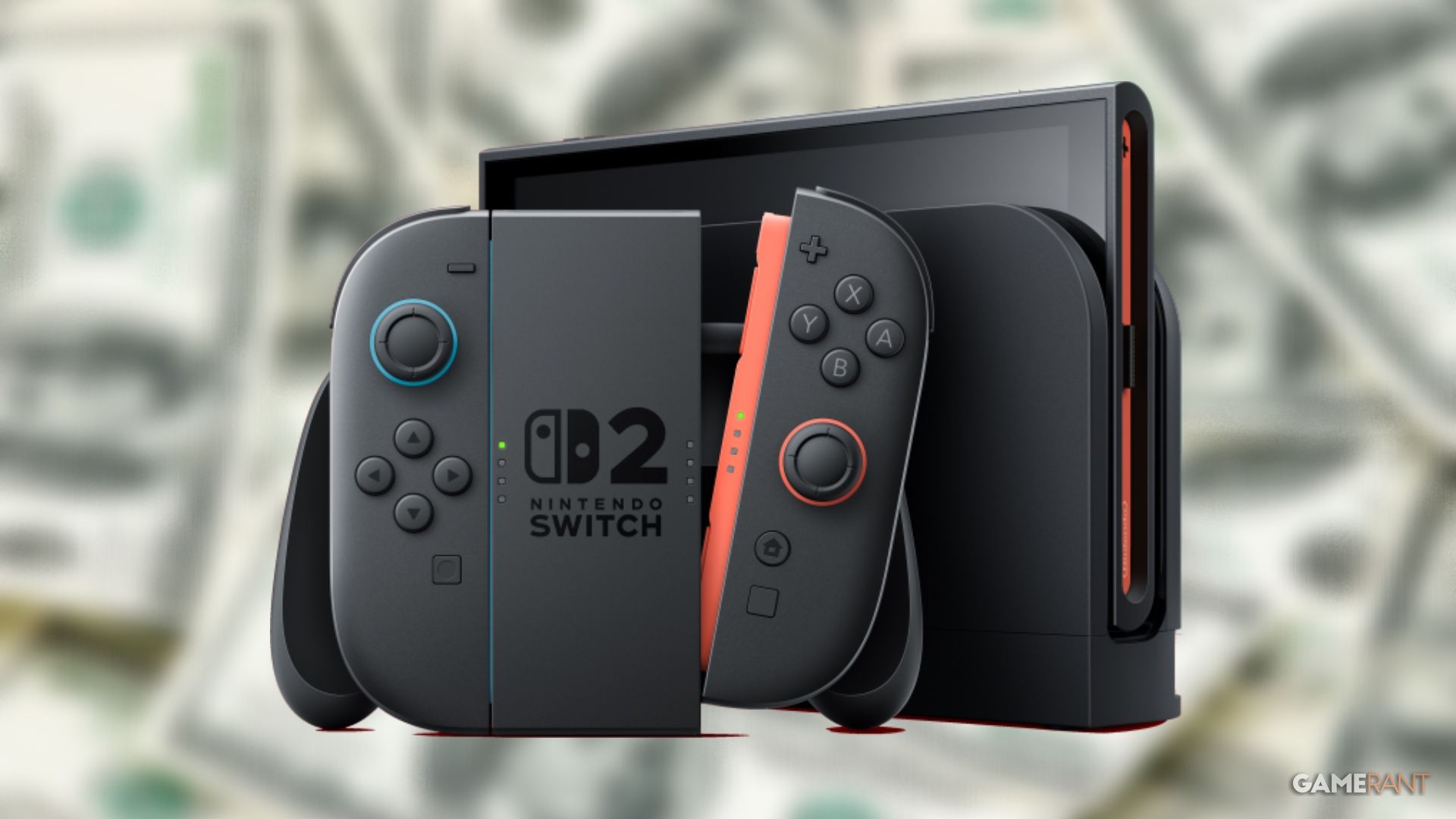
Interestingly, the new Nintendo Switch 2 doesn’t use parts from AMD. Nintendo revealed the console will be released on June 5, 2025, and will instead feature a custom NVIDIA Tegra T239 chip. This chip combines an eight-core ARM processor with an NVIDIA GPU containing 1,536 processing cores. According to reports, this allows the Switch 2 to utilize advanced technologies like DLSS and hardware ray tracing, offering graphics performance similar to the NVIDIA RTX 2050 mobile GPU.
As a huge Nintendo fan, I’m really relieved to hear the Switch 2 isn’t facing the same supply issues as some other consoles. It seems Nintendo has managed to avoid the problems linked to AMD’s chip supply. In fact, they’re shipping a lot of units – 5.82 million by June 30, 2025, which is less than a month after it launched! That makes it their fastest-selling console ever. The good news is, their production depends on NVIDIA and Samsung, not what’s happening with AMD’s data centers, so things are looking pretty stable for those wanting to get their hands on one.
If anything, the Switch 2’s chip choice is starting to look like a fortunate hedge.
What This Means for Gamers
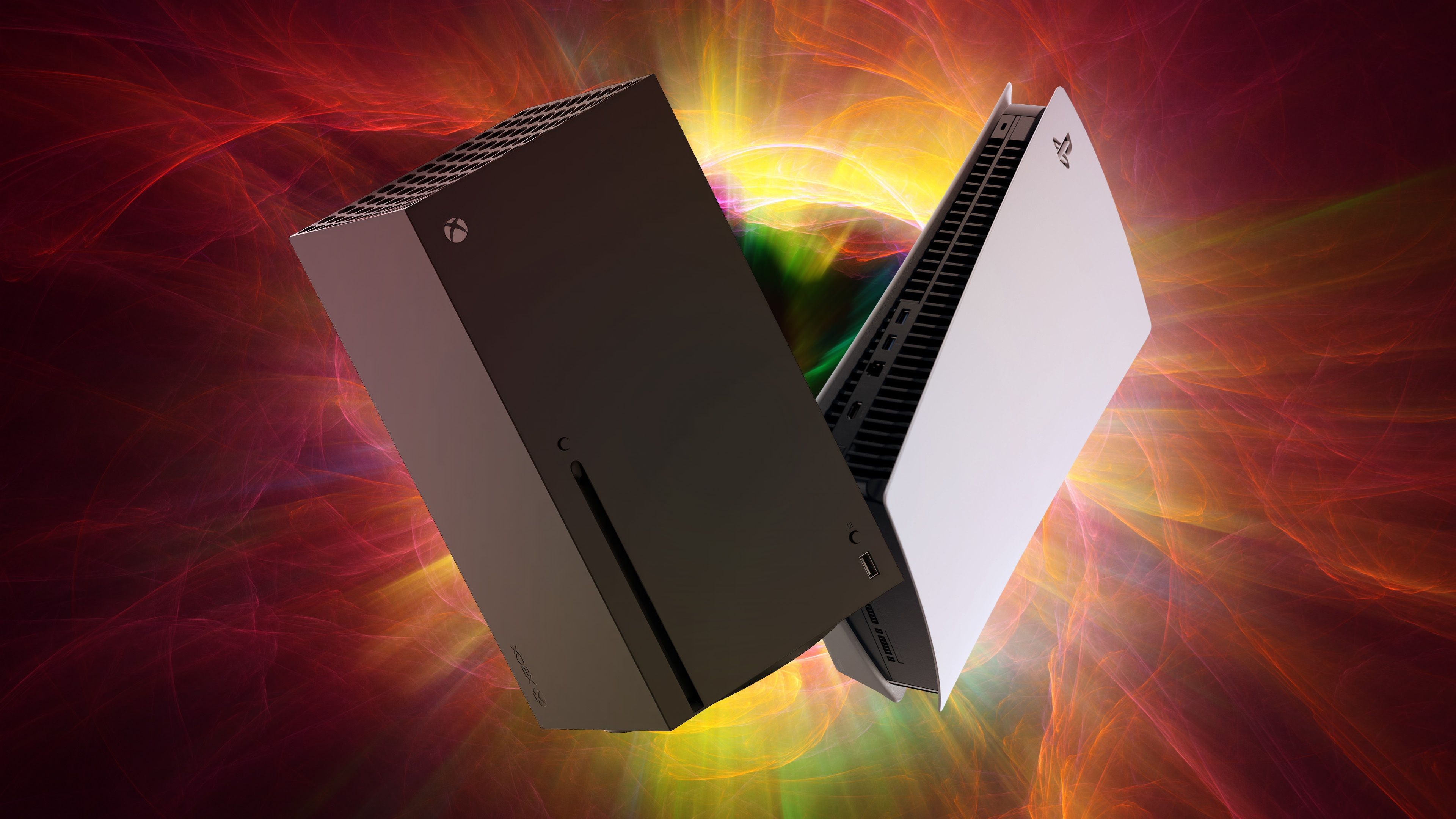
If you cut through the complex financial talk, the situation is clear: AMD is doing better than ever before, with strong finances, leading-edge technology, and a competitive edge. They predict $11.2 billion in revenue for the next quarter, which would be a 46% increase compared to last year. This is great news for both PlayStation and Xbox, as it means continued investment in designing their own specialized chips.
Okay, so while AMD’s been doing really well, that same success is actually causing problems for the supply of parts needed for the next generation of consoles. I’m still hearing rumors – IBTimes Australia reported this – that Sony’s aiming for a Holiday 2027 release for the PS6, but honestly, things are looking a lot more complicated now than they were just half a year ago. It’s not canceled, but the path to getting it out is definitely getting rougher.
Here’s the latest for gamers: a new generation of consoles is on the way, powered by AMD technology. It’s going to be significantly more powerful than previous consoles, though it might be delayed by about a year.
Read More
- Forza Horizon 6: Find the Ohtani Treasure Chest Location
- LEGO Batman Legacy of the Dark Knight Batcave Minikits & WayneTech Caches
- NTE Drift Guide (& Best Car Mods for Drifting)
- Diablo 4 Best Loot Filter Codes
- USD RUB PREDICTION
- USD CNY PREDICTION
- Cookie Run Kingdom Timeline of Fate Update Guide
- PS Plus Monthly Games for June 2026 Wish List
- Top 10 Must-Watch Isekai Anime on Crunchyroll Revealed!
- GBP CNY PREDICTION
2026-05-06 22:10