The Echo of Errors: Predictable Vulnerabilities in AI-Generated Code
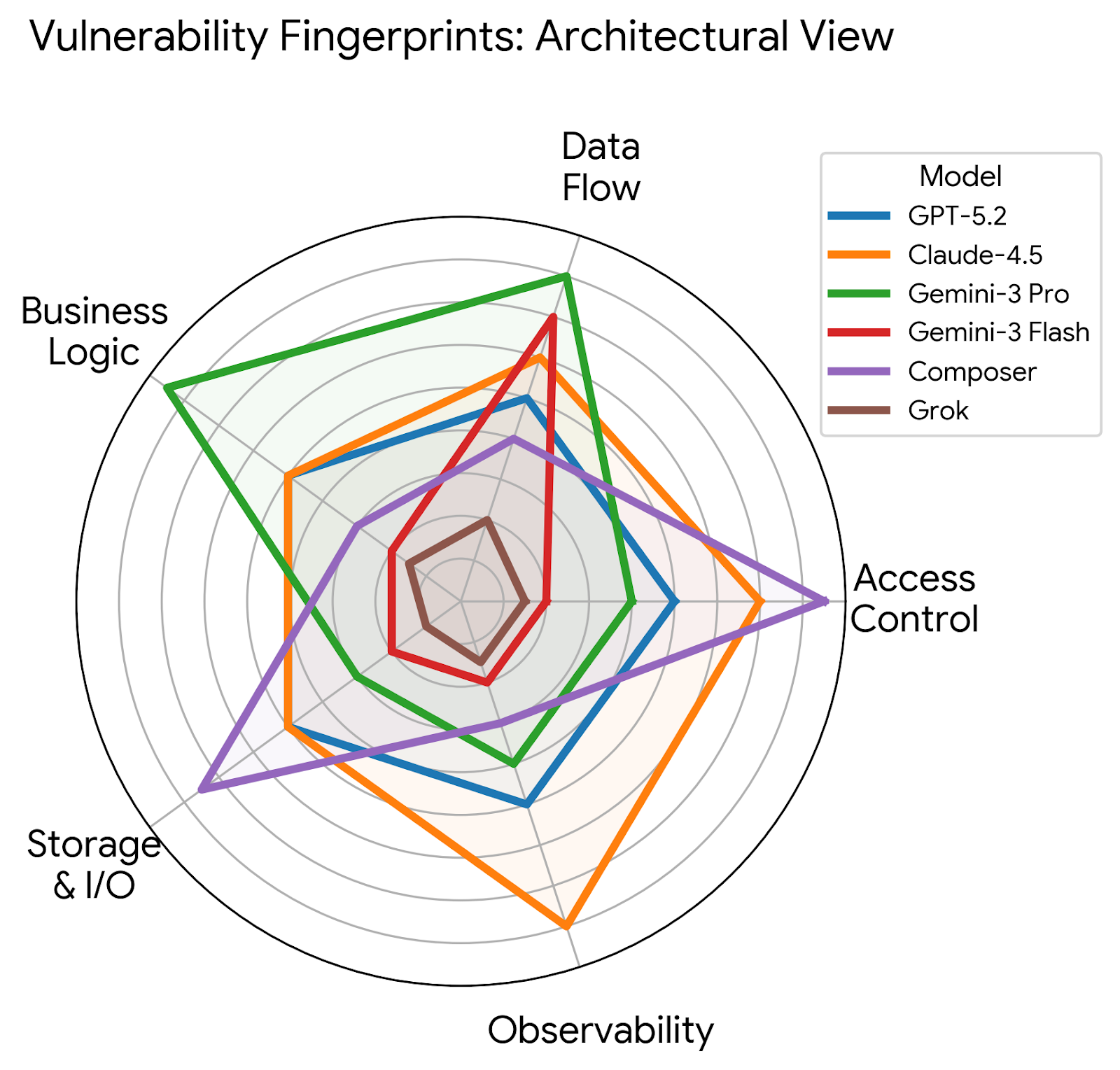
New research reveals that code created by artificial intelligence systems consistently repeats the same security flaws, creating opportunities for proactive attack prediction.
New research reveals that code created by artificial intelligence systems consistently repeats the same security flaws, creating opportunities for proactive attack prediction.
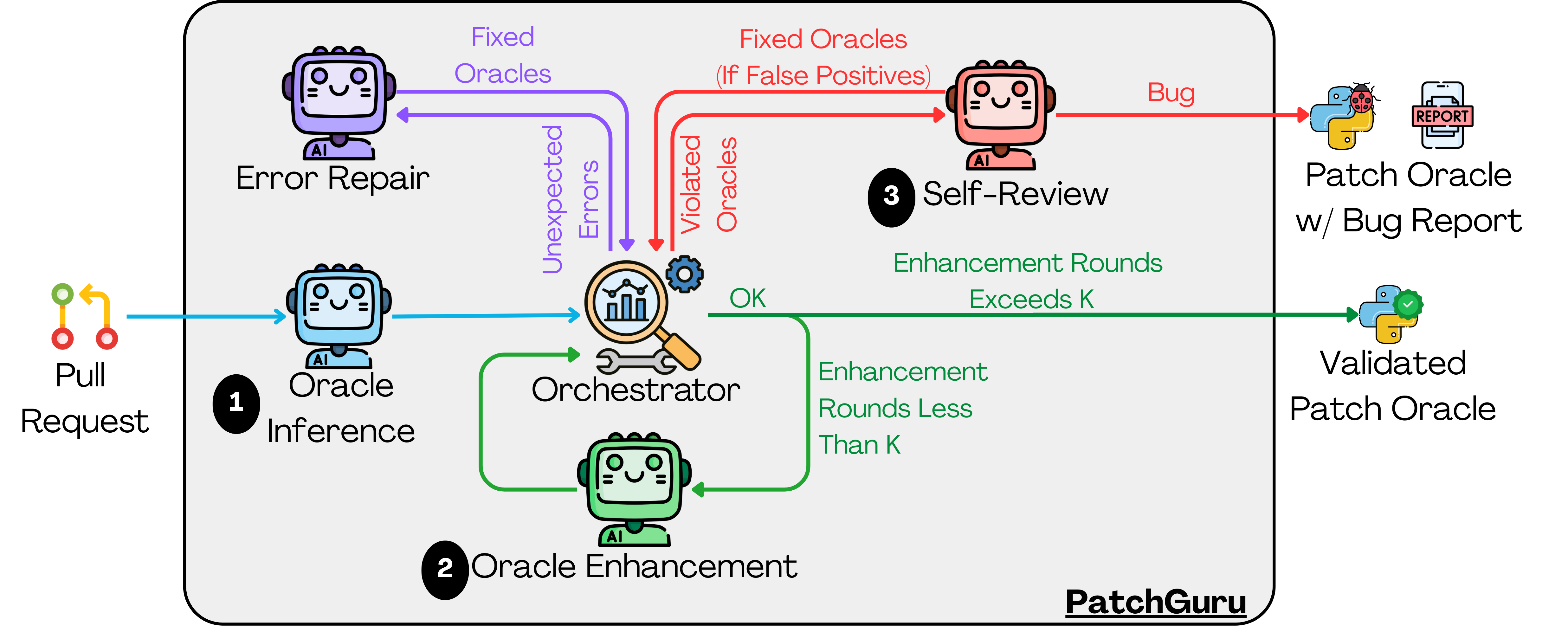
Researchers have developed a new AI-powered technique that uses natural language documentation to automatically verify the correctness of software patches and identify potential vulnerabilities.
![The post-quench Holstein model exhibits three distinct dynamical regimes-nonequilibrium metallic, quasi-coarsening, and arrested charge density wave (CDW) order-determined by the electron-phonon coupling strength λ, with transitions occurring near critical values of [latex]\lambda_{c1} \approx 0.4[/latex] and [latex]\lambda_{c2} \approx 1.0[/latex], where the system transitions from fluctuating CDW correlations to nucleation-limited coarsening and, ultimately, to dynamically arrested domain walls.](https://arxiv.org/html/2602.05815v1/x1.png)
New research reveals an unexpected slowdown in the coarsening process of charge-density waves, challenging conventional understanding of how materials evolve over time.
A new approach, Proteus, blends the speed of simpler consensus with the robust security of Byzantine Fault Tolerance to create ledgers that can withstand compromise in Trusted Execution Environments.
Researchers have developed a fully differentiable framework to train machine learning models that can accurately predict both ground-state energies and excitation properties of molecules.
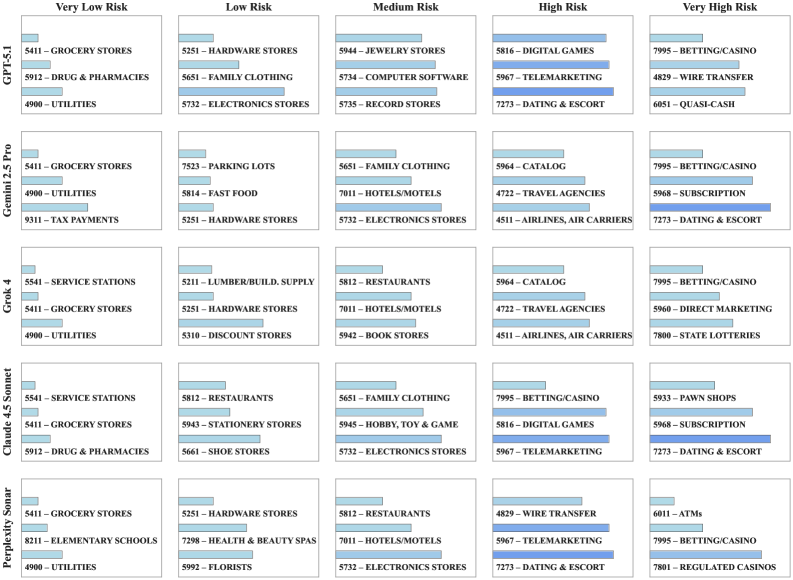
As large language models increasingly take on evaluative roles, understanding their inherent biases becomes crucial for reliable decision-making.
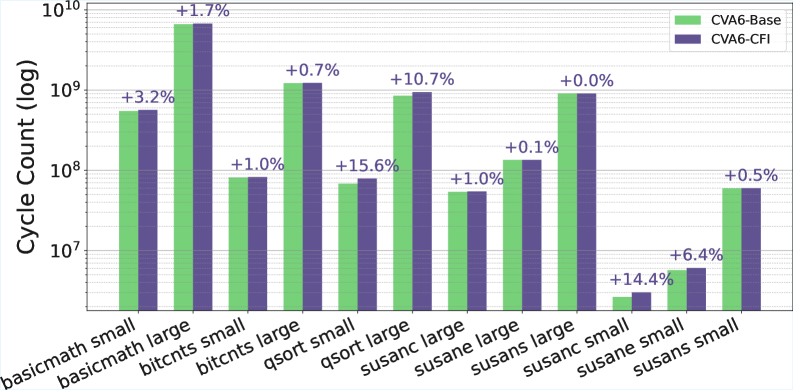
Researchers have unveiled CVA6-CFI, a RISC-V core featuring hardware-accelerated control-flow integrity extensions designed to bolster security in embedded systems and beyond.
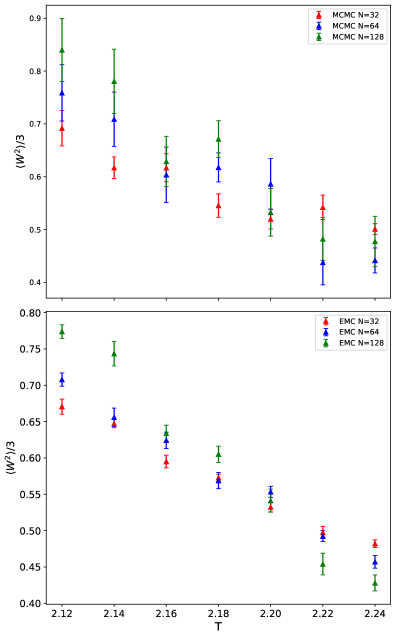
Researchers have developed an enhanced Monte Carlo simulation technique to more accurately model and understand the behavior of superfluid systems.
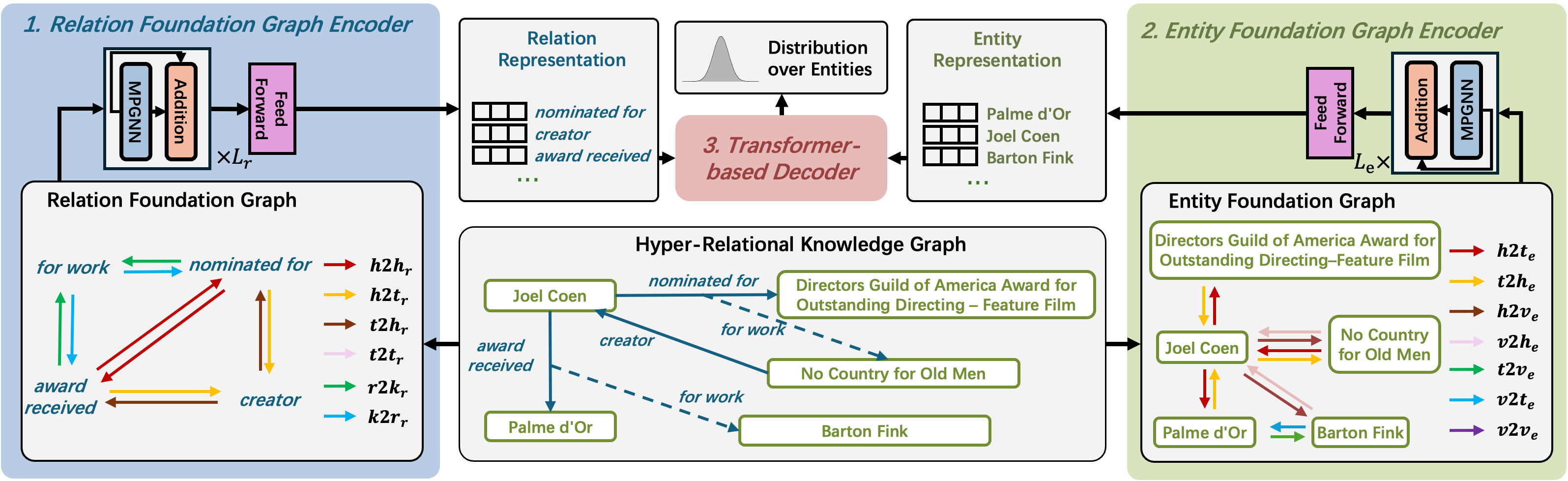
Researchers have developed a novel technique to predict relationships within complex knowledge graphs, offering improved accuracy and adaptability to unseen data.
New research demonstrates how hash functions can dynamically adjust to data distributions, minimizing collisions and boosting efficiency.