Speeding Up IoT Security with RISC-V Crypto Acceleration
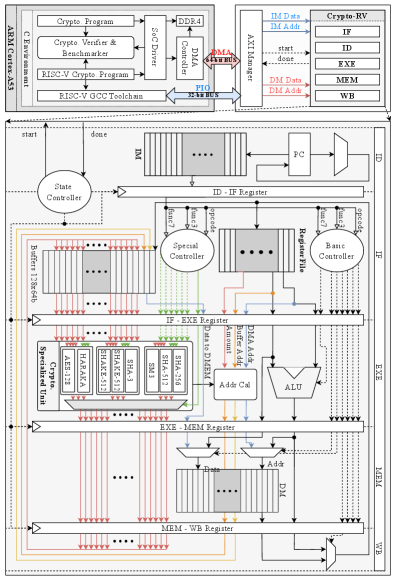
A new FPGA-based co-processor efficiently unifies multiple cryptographic algorithms to deliver significant performance and energy gains for resource-constrained devices.
A new FPGA-based co-processor efficiently unifies multiple cryptographic algorithms to deliver significant performance and energy gains for resource-constrained devices.
A new approach to authentication replaces traditional certificate-based systems with a streamlined, identity-based encryption scheme designed for the demands of modern 5G networks and cloud infrastructure.
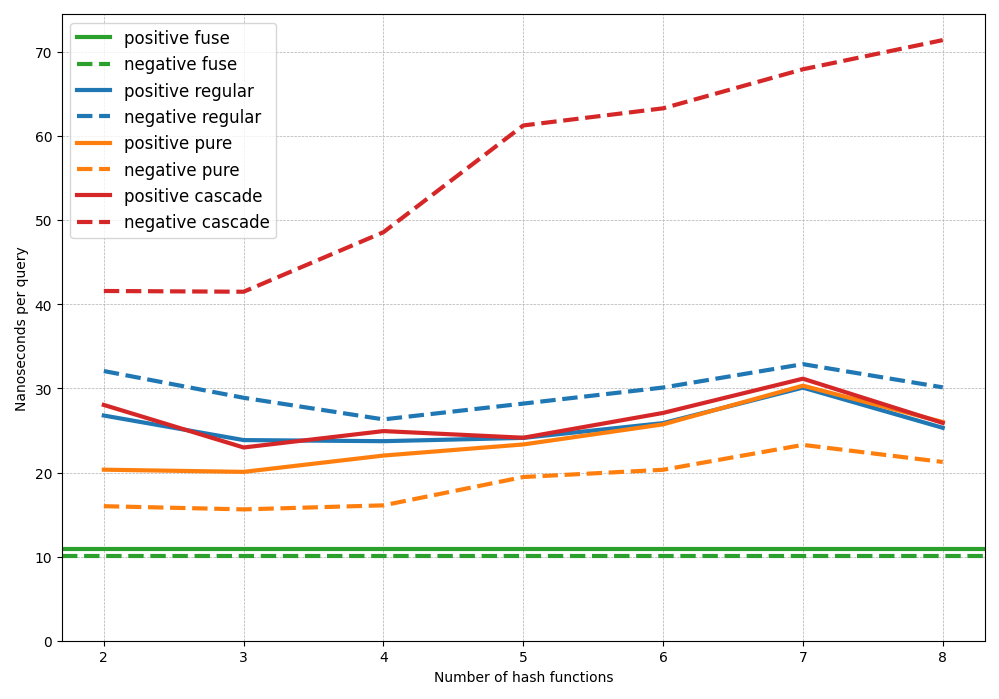
Researchers have developed ZOR filters, a novel approach to representing sets of data that offers a compelling trade-off between speed and memory usage.
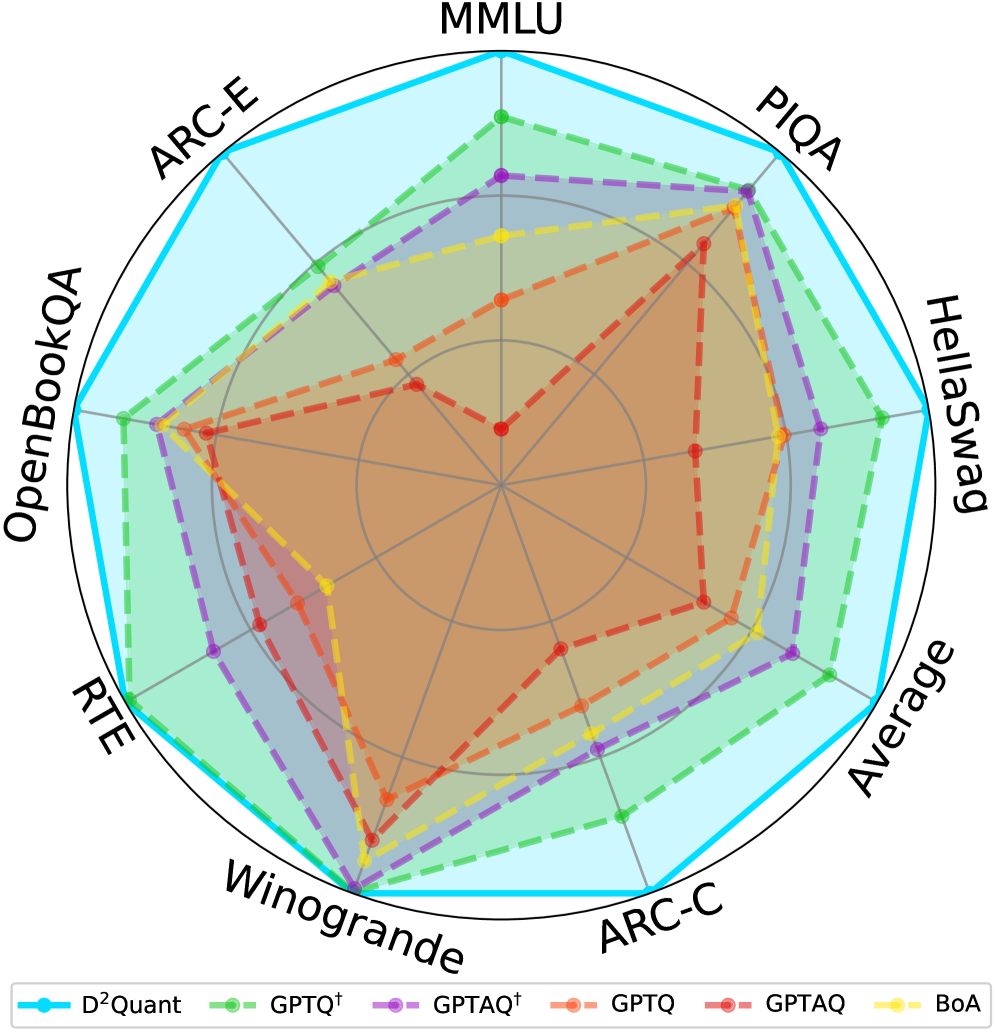
A new method dramatically improves the performance of large language models when using extremely low-precision weights, opening the door to more accessible and efficient AI.
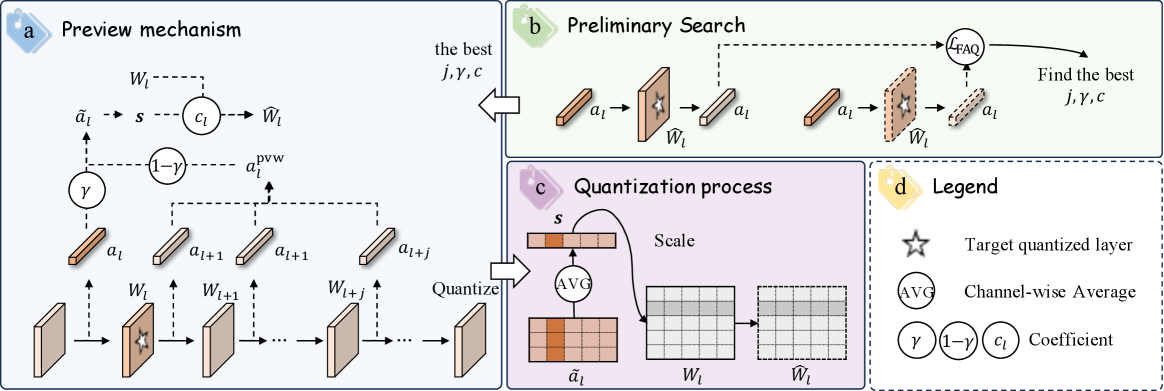
A new method previews future data to significantly improve the compression of large language models without sacrificing accuracy.
![A roadside unit (RSU) securely transmits data to a cloud server via a homomorphically-encrypted, iterative process-first encrypting symmetric keys, then uploading encrypted bulk sensor messages (BSMs), allowing the cloud to perform analytics on the ciphertext itself [latex] \text{without decryption} [/latex], and finally returning encrypted results for authorized decryption at the traffic management center or RSU.](https://arxiv.org/html/2602.02717v1/Figure_HHE.png)
This review explores how combining different encryption methods can dramatically improve data security and reduce communication delays in intelligent transportation systems.
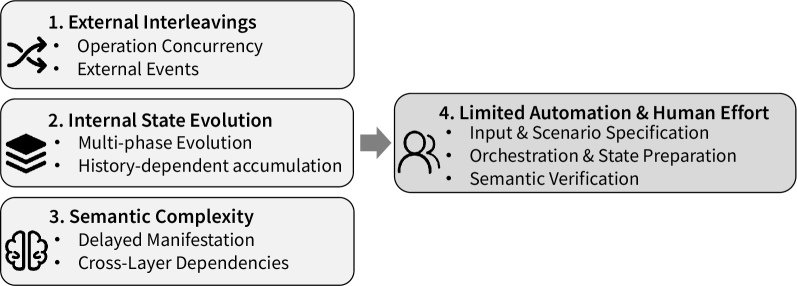
As storage systems grow in complexity, traditional testing methods struggle to guarantee data integrity, demanding new approaches to uncover hidden vulnerabilities.
New research demonstrates that leveraging multi-core processors can dramatically accelerate blockchain validation and construction, boosting validator performance and profitability.
![The ratio of coalescence differences-[latex]\frac{\mathcal{B}-\mathcal{B}_{\mathrm{smooth}}}{\mathcal{B}_{\mathrm{smooth}}}[/latex]- exhibits a sensitivity to source size, transverse momentum, and temperature, as demonstrated under fixed conditions of [latex]\Delta\tau=1.5[/latex] fm, [latex]\beta_S=0.5[/latex], and n=2, with right-column plots specifically referencing parameter sets from Figure 1.](https://arxiv.org/html/2602.02810v1/coal-size.png)
New research quantifies the limitations of common approximations used to understand the behavior of matter created in high-energy heavy-ion collisions.
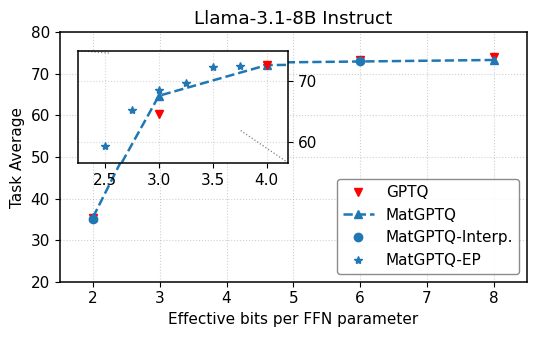
Researchers have developed a novel quantization technique that dramatically reduces the size of large language models without significant performance loss.