Checking Its Work: A New Approach to Truthful AI

Researchers have developed a decoding framework that empowers large language models to self-assess and refine their outputs, dramatically reducing factual errors.
Researchers have developed a decoding framework that empowers large language models to self-assess and refine their outputs, dramatically reducing factual errors.
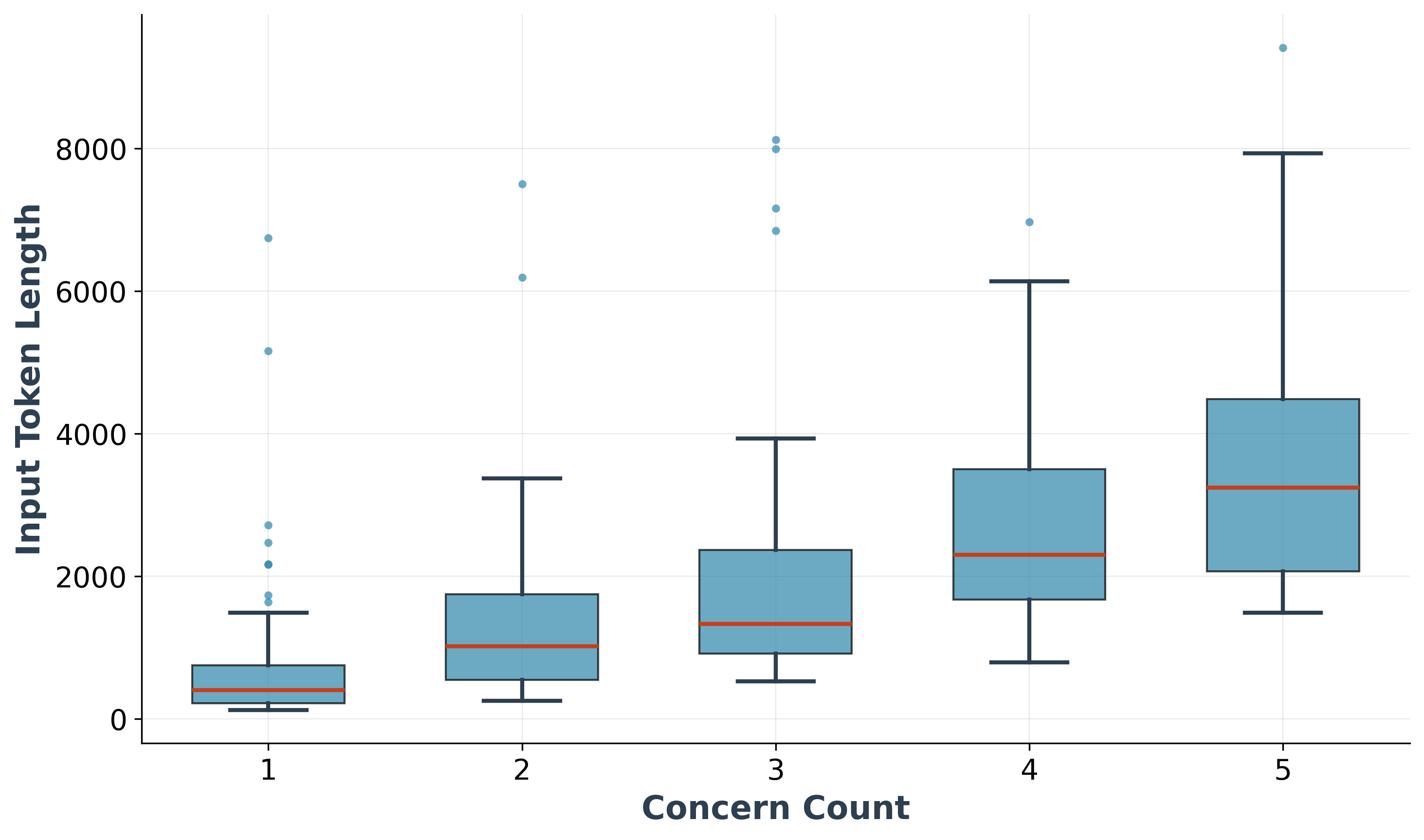
A new study shows that surprisingly compact language models can effectively identify multiple issues hidden within seemingly simple code changes.
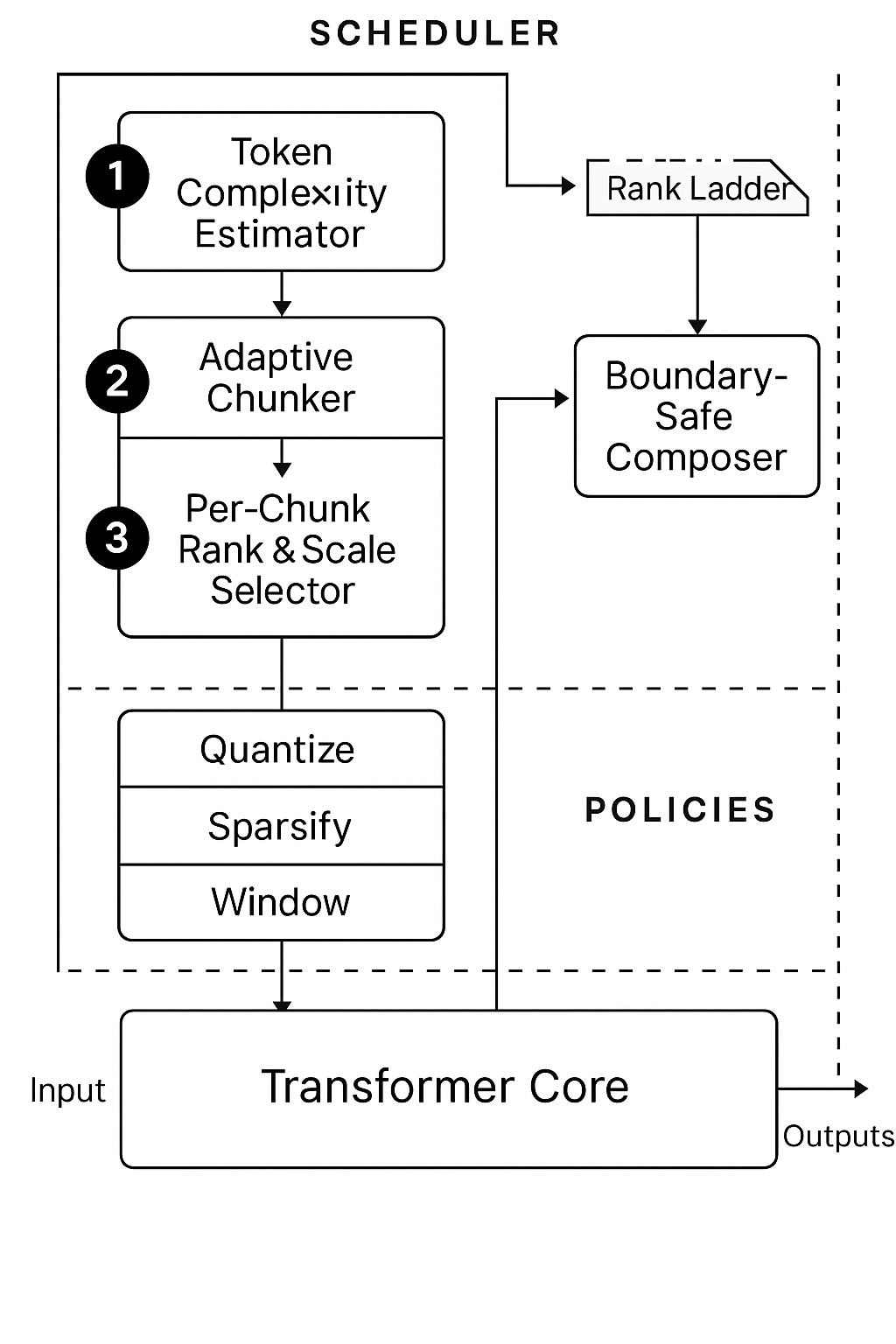
A new approach dynamically adjusts model parameters during processing, boosting speed and reducing memory demands without sacrificing performance.

New analysis of heavy-ion collisions is refining our understanding of the fundamental state of matter at extreme temperatures and densities.

A new approach frames the validation of Intelligent Document Processing systems as a search-based software testing problem, prioritizing the discovery of diverse risk factors over achieving maximum accuracy.
![The numerical spectrum of quantum states-characterized by spin [latex]SS[/latex] and R-charge [latex]JJ[/latex]-reveals a stringy behavior at strong coupling, where energy levels align with predictions from flat-space string theory and incorporate additional KK-modes for the lowest mass levels, suggesting a graceful decay of the system into a well-defined, albeit evolved, state.](https://arxiv.org/html/2601.21992v1/plot.png)
Researchers have achieved a comprehensive solution for describing string behavior in a complex, three-dimensional space, bridging the gap between theoretical physics and concrete calculations.

A new theoretical analysis reveals fundamental constraints on compressing Chain-of-Thought reasoning within large language models, and proposes a method to overcome signal decay.
![Traditional natural language processing attacks demonstrate limited transferability and reduced effectiveness against in-context learning classifiers-as evidenced by consistently lower attack success rates (measured as Attack Success Rate [latex]ASR[/latex] and robust [latex]rASR[/latex]) across varying perturbation budgets-highlighting the need for attack strategies specifically designed for this emerging paradigm.](https://arxiv.org/html/2601.21586v1/x44.png)
New research reveals how cleverly crafted prompts can bypass safeguards in large language models relying on in-context learning, posing a significant security risk.
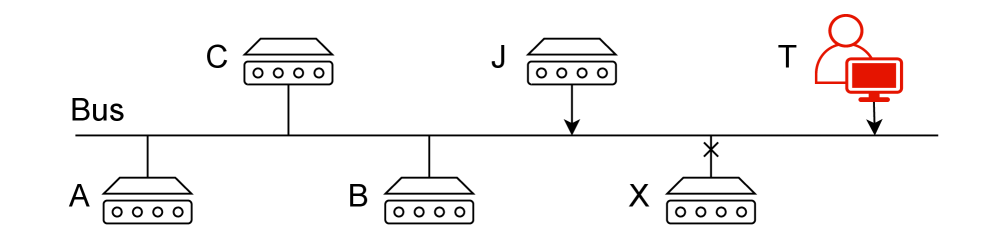
A novel group key agreement protocol addresses the unique security challenges of resource-constrained cyber-physical systems relying on broadcast bus networks.
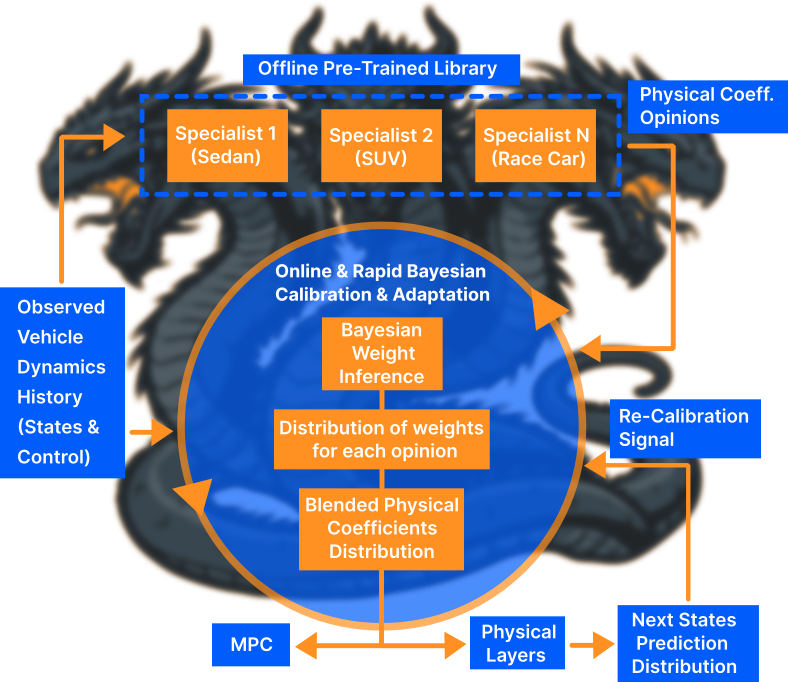
A new approach to system design leverages independent, validated models and real-time monitoring to guarantee state integrity and overcome the limitations of traditional machine learning.