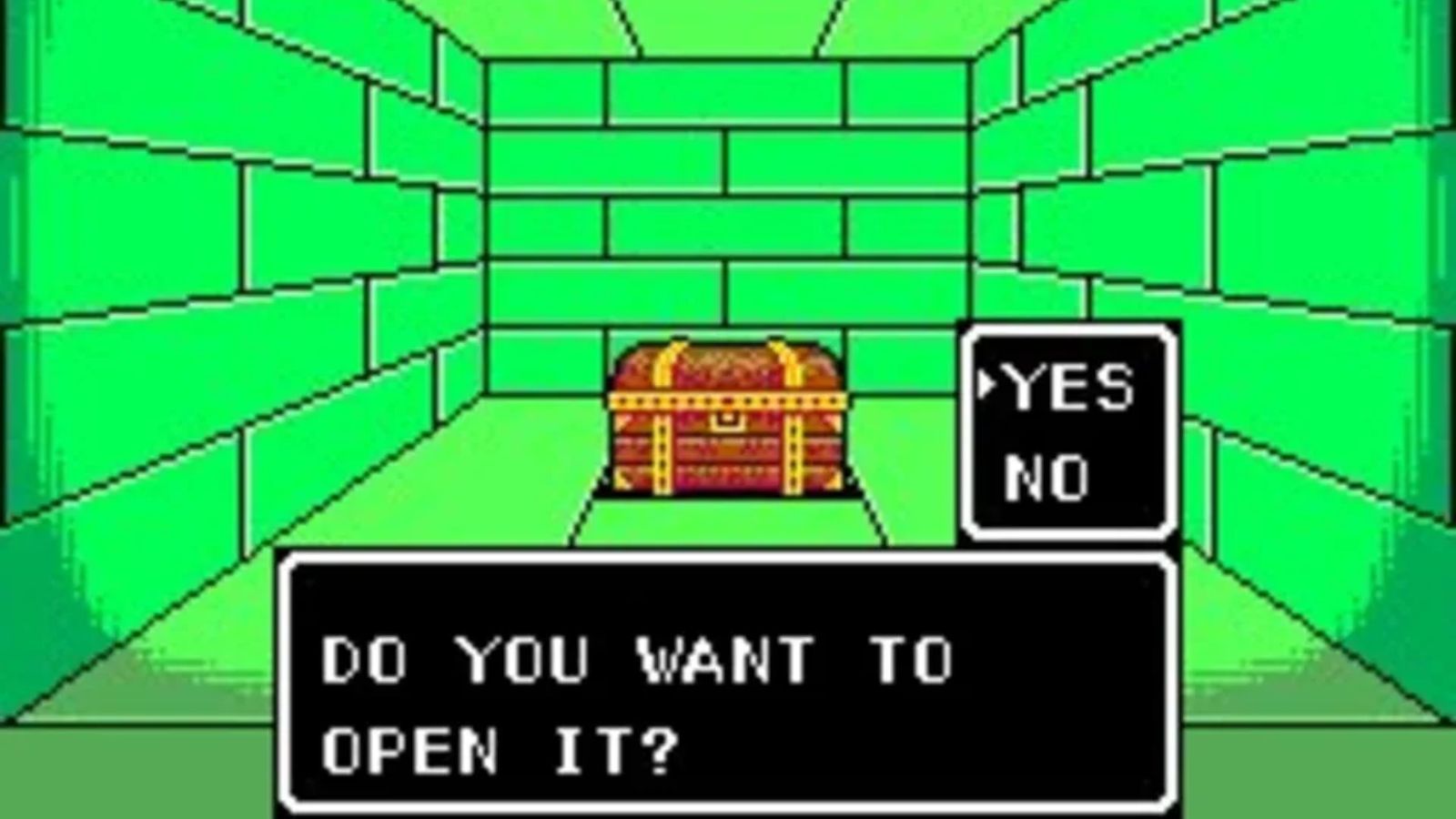
Role-playing games, or RPGs, have been around since the beginning of the video game industry and boast a long, impressive history filled with iconic series. While modern games have changed dramatically in both graphics and gameplay, some older RPGs still hold up well, but others feel dated and more like relics of the past than fun games to play.
There are many reasons why older games can be hard to enjoy today. Often, the controls feel awkward and slow compared to modern games. Plus, older titles were often much more difficult, with harsh gameplay and little room for mistakes. This can make even good games frustrating or nearly impossible to beat, sometimes feeling unfair and unwinnable.
7. Might and Magic Book One: The Secret of the Inner Sanctum
Brutal By Design
Details:
- Extremely dated interface
- Minimal feedback and guidance
Might and Magic I shows what early role-playing games tried to achieve, but also the technical hurdles developers faced. While innovative for its open-ended gameplay, it feels clunky and slow-paced today, and it takes a long time to learn the rules. The game is also quite difficult, offering little help to players trying to figure out where to go or how things work.
The game’s combat is more about repeatedly trying things until you succeed than carefully planning, and exploring its dungeons feels slow and draining, making even a quick play session surprisingly difficult. What seemed innovative at the time now feels frustrating and confusing. It’s still a significant piece of gaming history, but it’s likely best enjoyed as a memory.
6. Ultima: The First Age of Darkness
Foundational But Nearly Impossible To Get Into
Details:
- Unintuitive controls
- Limited onboarding
The original Ultima was a pioneer in open-world role-playing games, letting players freely roam and explore a large world. However, playing it today feels dated. The controls aren’t very user-friendly, it’s unclear how to advance, and much of the game relies on memorizing things rather than intuitive gameplay. Even simply using the menus can be frustrating, largely because of how different it feels compared to modern games.
The combat feels shallow and lacks strategic complexity, making victories and exploration feel unrewarding. The game doesn’t provide enough feedback to make these actions satisfying, which will likely frustrate players used to modern game design. While it was innovative for its time, the game’s entertainment value hasn’t aged well.
5. Before Crisis: Final Fantasy 7
Lost To A Different Time
Details:
- Discontinued on the mobile platform
- Expanded the universe in meaningful ways
As a huge Final Fantasy 7 fan, it’s really frustrating that Before Crisis is essentially unplayable now. It was only released on old Japanese phones, and no one’s bothered to bring it to other platforms or even properly preserve it. It’s a shame because the game actually added a lot to the FF7 story, especially focusing on the Turks and what was happening under the city of Midgar. If you were lucky enough to play it back then, it was a really cool experience!
The game’s controls were simple but worked well for the system it was on, feeling as responsive as possible with the available technology. Now, it’s very difficult to play unless you find incomplete fan-made versions, which aren’t quite finished. These old hardware limitations are a major source of frustration for fans, because sometimes there’s no way to experience the more unusual or limited games in the series, no matter how dedicated they are.
4. Phantasy Star
Innovation Hidden Under Friction
Details:
- Mandatory grinding
- Disorienting dungeon design
Originally, Phantasy Star was groundbreaking with its 3D dungeons and unique science-fantasy world. However, what was innovative then now feels clunky and tiring. Instead of being charmingly retro, the game is often just frustrating and difficult to play for modern gamers.
Exploring the dungeons feels sluggish and confusing, and the battles are clunky and become quickly repetitive. You’ll also find yourself replaying the same difficult parts repeatedly to progress. The game requires a lot of tedious micromanagement, even handling tasks that most games now do automatically, like creating the map. This makes exploring feel exhausting and can ruin the fun.
3. Xenogears
A Brilliant Story Trapped In A Flawed Shell
Details:
- Repetitive combat systems
- Severe pacing issues
Xenogears is renowned for its incredibly ambitious story, weaving together complex themes of psychology, philosophy, and religion in a way that remains compelling even now. However, like many classic games, its gameplay hasn’t aged as well and struggles to fully support the depth and quality of the narrative it presents.
The combat becomes repetitive quickly and isn’t exciting enough to hold players’ attention for long. The dungeons lack variety, feeling like rehashed environments instead of unique areas to explore. These issues become more pronounced later in the game, with sections feeling rushed and disrupting the flow. Despite a compelling story, the game ultimately feels dated and unable to compete with more modern titles.
2. Wizardry: Proving Grounds of the Mad Overlord
Punishment As Progression
Details:
- Severe penalties for failure
- Extremely resistive mechanics
Wizardry: Proving Grounds of the Mad Overlord was important in creating the basic structure for many dungeon-crawling RPGs, but it’s very unforgiving by today’s standards. Progress is incredibly slow, and the game is notorious for sudden, unexpected deaths that completely reset your progress. A single unlucky event can wipe out your entire party, not because of a mistake, but just by chance, forcing you to replay hours of repetitive content with little change.
The game also doesn’t offer much guidance, forcing players to figure things out through trial and error. Even simple actions, like casting spells or moving around, require learning and memorization, making it feel like a never-ending challenge. Because the game heavily punishes mistakes, players are discouraged from experimenting and tend to stick to a single, often undesirable, strategy. Without helpful modern features, the game feels frustrating and outdated, highlighting how much gaming has improved over the years.
1. The Elder Scrolls: Arena
A Masterpiece Ruined By Advancement
Details:
- Clunky controls
- Long, punishing dungeon setups
As a huge RPG fan, I always think back to The Elder Scrolls: Arena as where it all began. Seriously, it was groundbreaking! The sheer size of the world and how much freedom you had to explore were just unbelievable for the time. Even now, decades later, it’s amazing how ambitious it was, and honestly, it pretty much set the standard for what I look for in a great RPG – then and now.
Looking back at the game now, it feels surprisingly difficult to get into. It’s not that it’s full of glitches – there are just a few minor technical hiccups – but everything, from how you move to the fighting, feels clunky and strange compared to modern games. Exploring the world can also be confusing because the game doesn’t give you much guidance, and it’s often unclear where you’re supposed to go or what to do. While it’s not as polished or enjoyable as the newer games, it’s important to remember that this game laid the foundation for The Elder Scrolls series and many other fantastic RPGs that followed.
Read More
- All Shadow Armor Locations in Crimson Desert
- How to Get the Sunset Reed Armor Set and Hollow Visage Sword in Crimson Desert
- Jujutsu Kaisen Season 3 Episode 12 Release Date
- Best Bows in Crimson Desert
- Dark Marksman Armor Locations in Crimson Desert
- Wings of Iron Walkthrough in Crimson Desert
- All Golden Greed Armor Locations in Crimson Desert
- How To Beat Ator Archon of Antumbra In Crimson Desert
- Top 5 Militaristic Civs in Civilization 7
- All Helfryn Armor Locations in Crimson Desert
2026-01-28 11:35