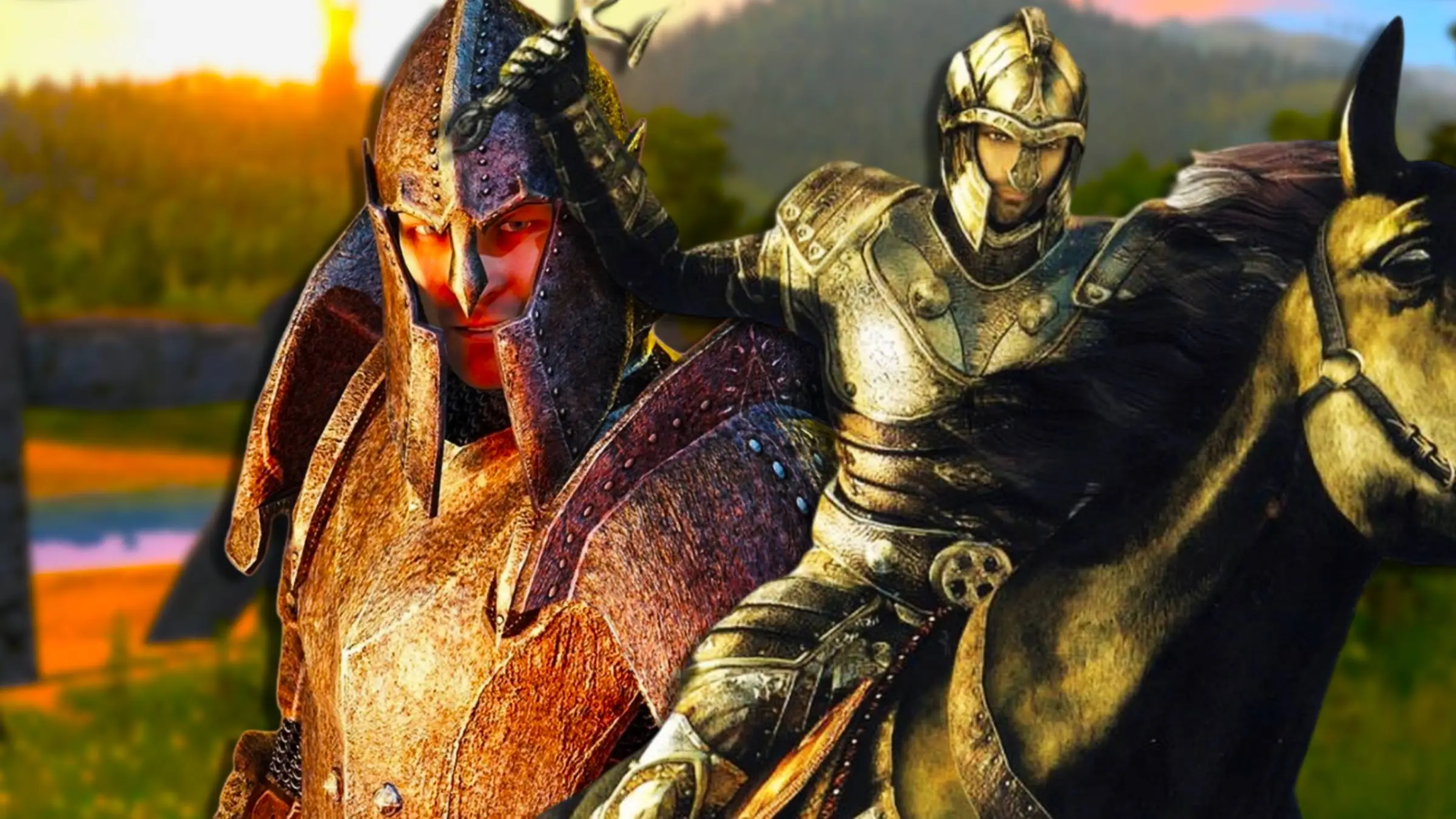
It’s 2007, and you’ve already beaten The Elder Scrolls IV: Oblivion countless times – you’ve got the time, and you love getting lost in huge RPG worlds. While Cyrodill is still captivating and Jeremy Soule’s music is stuck in your head, you’re craving a new adventure, something to fill the void Oblivion left behind. Luckily, a potential successor is almost here, a new game promising to surpass Bethesda’s masterpiece and become the new king of fantasy RPGs.
It was supposed to be the next big thing – a game released in 2007 that many predicted would surpass The Elder Scrolls IV: Oblivion and become a beloved classic in the fantasy RPG genre. However, Two Worlds, despite being a surprisingly good game, was plagued with problems and never quite caught on with players. Now largely forgotten, it’s easy to overlook this underrated gem, which, at the time, almost rivaled the popularity of Bethesda’s hit game. I’m here to bring it back into the spotlight.
Two Worlds Is A Remarkable RPG

Developed by Reality Pump Studios, Two Worlds was a more affordable, but still bold, take on the popular fantasy games like The Elder Scrolls. It came out during a great time for gaming, when many developers were creating their own unique high-fantasy experiences – games like Divinity 2: Ego Draconis, Kingdoms of Amalur, Gothic, and Fable. While they weren’t always as polished as later titles like The Witcher 3 or Baldur’s Gate 3, these games offered large, detailed, and immersive worlds that still feel enjoyable and unique to explore today.
When it first came out, Two Worlds wasn’t well-received due to technical issues and poor performance – a problem Bethesda has unfortunately faced before. This caused many people to miss out on it, which is a shame because the game is much more stable now thanks to updates and a re-release on Steam. In many ways, Two Worlds actually got open-world RPG design right, even surpassing Oblivion in some areas. While its world is smaller than some, it offers a surprisingly liberating and open-ended experience, allowing players a lot of freedom to do as they please.
Surprisingly, you can defeat the final boss in the first five minutes by tricking him into a village where the residents will attack him with farm tools. The game features factions to join, a strangely charming story delivered with hilariously bad voice acting, tons of quests, and a clever crafting system that lets you use everything you collect. You can also customize your character with a wide range of skills and perks that genuinely impact how you play. Despite having a smaller budget, Two Worlds clearly aimed to compete with games like Oblivion. It wasn’t quite as polished, but it was a commendable effort to create a similar open-world RPG – something we could really use more of today.
Two Worlds Represents A Golden Era Of RPGs
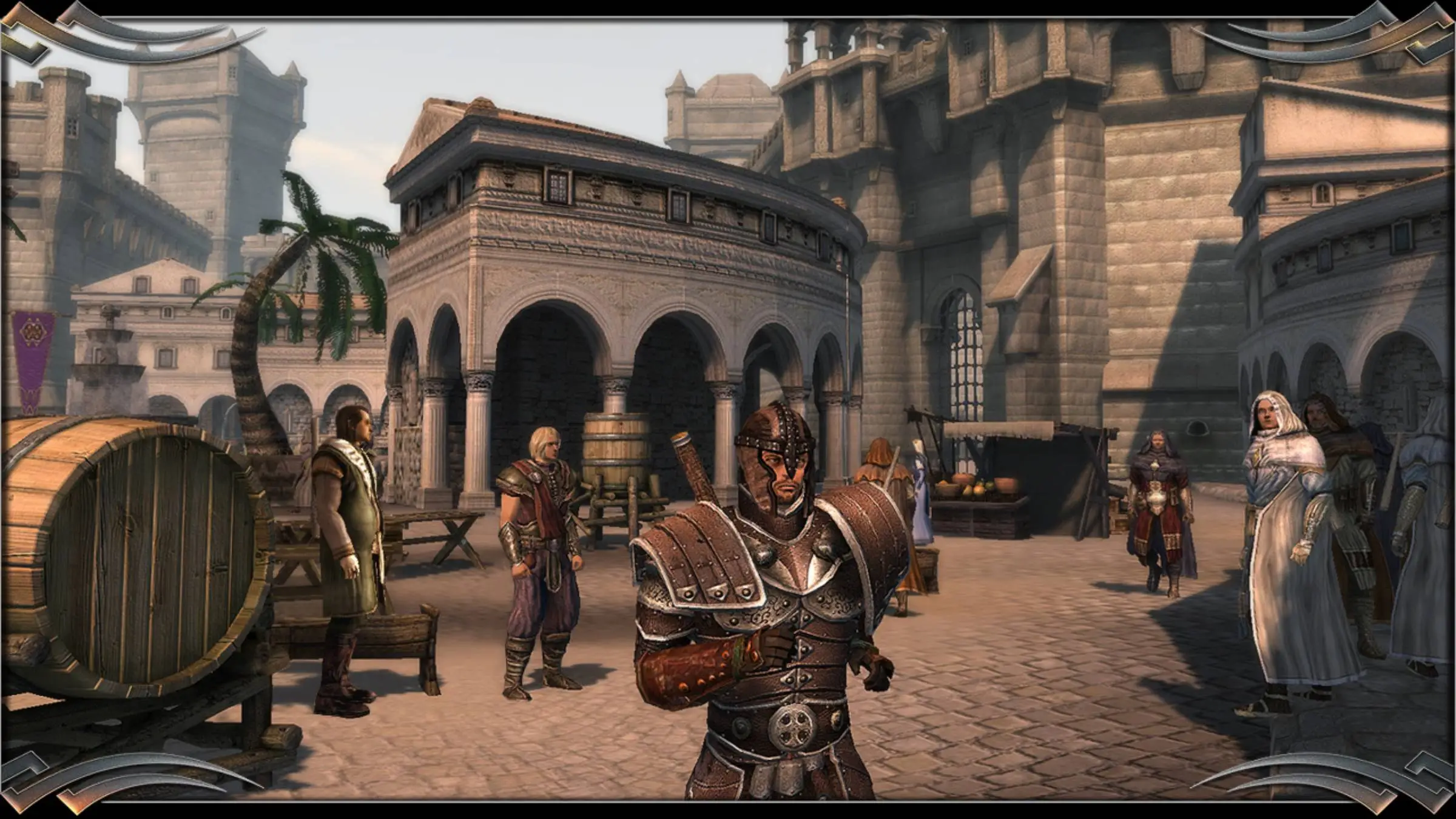
What’s striking about revisiting Two Worlds in 2026 is how it highlights how little the RPG genre has actually evolved. While games like Baldur’s Gate 3 and Kingdom Come: Deliverance 2 are clearly superior in many ways, Two Worlds captures a time when immersive, open-world fantasy games were plentiful. These older games often offered a level of freedom that’s hard to find even in today’s large, AAA open-world titles.
When I was younger, I lost myself in colorful RPGs like Sacred 2, Kingdoms of Amalur, and Divinity 2. I really miss that sense of wonder and adventure, which feels rare in today’s open-world games that often lean towards dark, gritty settings and overly realistic graphics. I know I’m looking back with nostalgia, and games like Two Worlds and Kingdoms of Amalur weren’t perfect – they definitely show their age. But even with their flaws, they had a unique atmosphere, tried new things, and were incredibly ambitious, making up for what they lacked in polish and cutting-edge technology.
The idea of a game being an outright “killer app” – designed to dominate and replace another – isn’t really a thing in gaming anymore. While many games still try to copy what’s popular, a few major franchises now control most of the market, often overshadowing smaller, but still good, games. This means we don’t see as many ambitious, lower-budget titles trying to compete with big releases like Two Worlds did in 2007. Games like Outward still exist, but they’re rare. I wish mid-range games had the same opportunity to become popular and stand out as the huge blockbuster titles.
It’s unlikely many players will revisit older games like Two Worlds or even its better sequel, Two Worlds 2, given how many games people already have to play. But if you’re looking for something similar to The Elder Scrolls – a bit rough around the edges, unique, and made with a smaller budget – but still offers a magical adventure and immersive world, then Two Worlds is worth a look. I’d even encourage a trip back to that era of gaming, when creativity thrived and vibrant fantasy worlds were common, before massive budgets and industry troubles became the norm. Two Worlds isn’t flawless, but it’s a good reminder that taking risks and sometimes failing is better than not trying at all.
Are you planning to check out Two Worlds? Share your thoughts in the comments and join the discussion on the ComicBook Forum!
https://comicbook.com/gaming/news/best-rpg-games-for-dungeons-dragons-fans/embed/#
Read More
- All Skyblazer Armor Locations in Crimson Desert
- How to Get the Sunset Reed Armor Set and Hollow Visage Sword in Crimson Desert
- All Shadow Armor Locations in Crimson Desert
- One Piece Chapter 1180 Release Date And Where To Read
- Marni Laser Helm Location & Upgrade in Crimson Desert
- All Helfryn Armor Locations in Crimson Desert
- All Golden Greed Armor Locations in Crimson Desert
- All Icewing Armor Locations in Crimson Desert
- How to Beat Stonewalker Antiquum at the Gate of Truth in Crimson Desert
- Legendary White Lion Necklace Location in Crimson Desert
2026-02-28 02:10