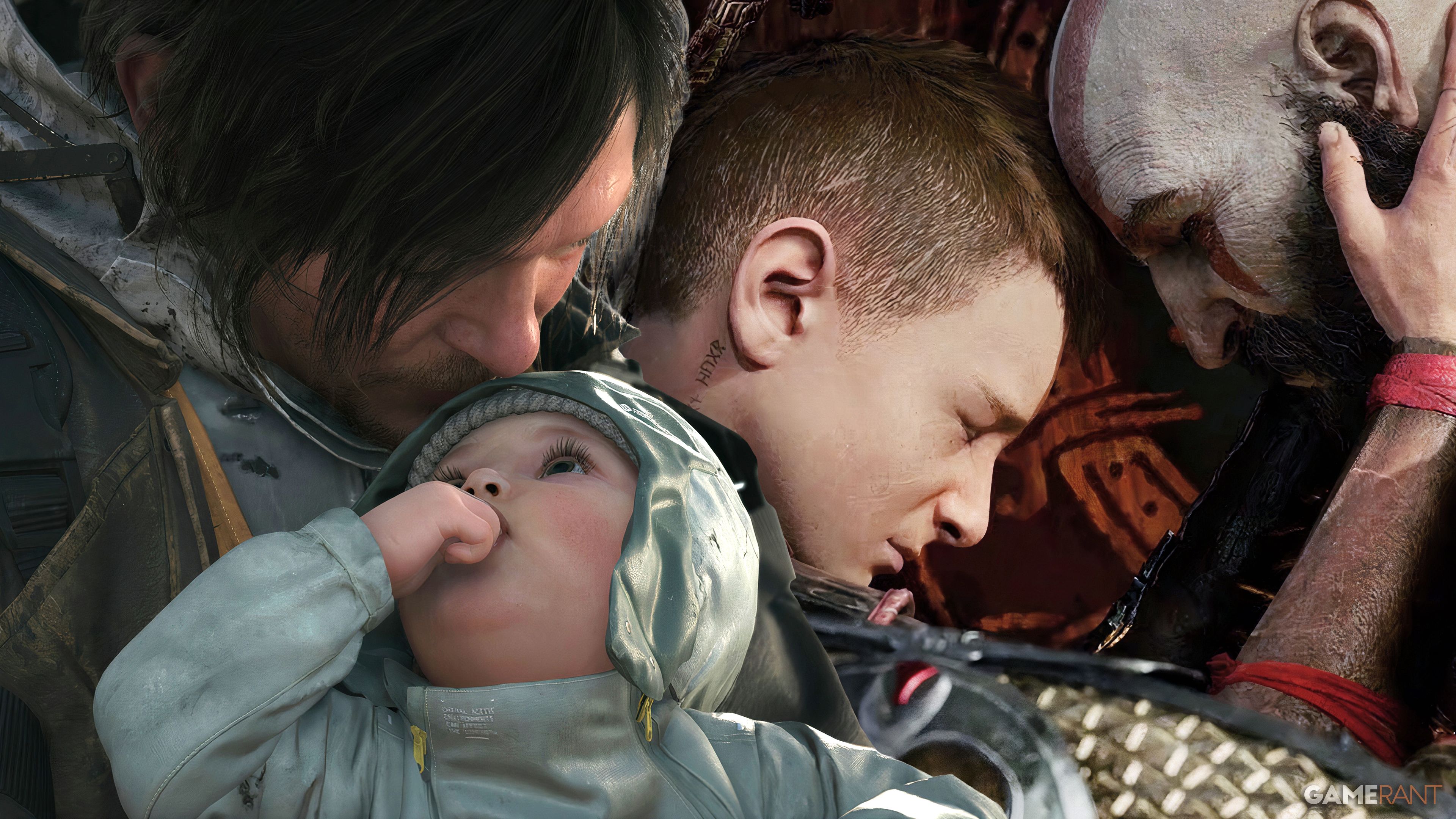
Becoming a parent five years ago completely shifted how I experience stories about families, whether in games or movies. Shortly after our daughter was born, my wife and I saw A Quiet Place Part 2, and while it was a good film, it was hard to enjoy because the danger the children faced made us miss our own daughter. That still happens – it’s a strange thing about parenting where you can be completely worn out by your kids, but then feel their absence acutely when they’re not around. This feeling is especially strong when watching stories focused on parenthood. These narratives either highlight how we fall short as parents or simply reinforce how precious our children are.
For a long time, movies and television were the main sources for stories about becoming a parent. However, video games have been exploring this theme more and more over the last fifteen years. Even looking back at games I played before becoming a parent, they feel different now. Titles like Death Stranding, God of War, and Clair Obscur: Expedition 33 are especially impactful after having children, and it’s telling that they already resonated with many people. This really highlights how powerfully games can capture the emotional experience of parenthood.
Death Stranding and Death Stranding 2: On the Beach
What is more important than spending every second with my kids? The honest answer: nothing.

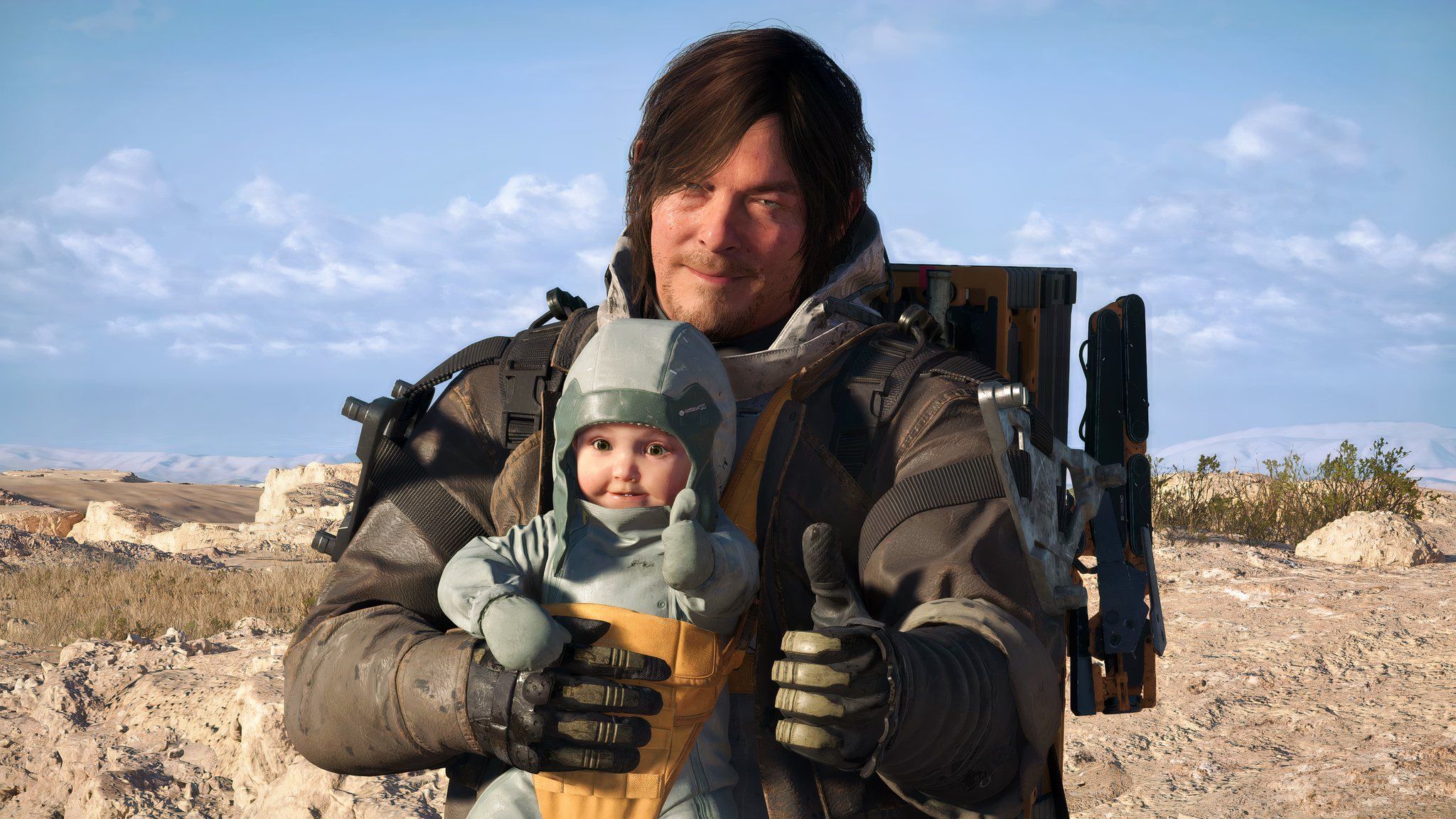
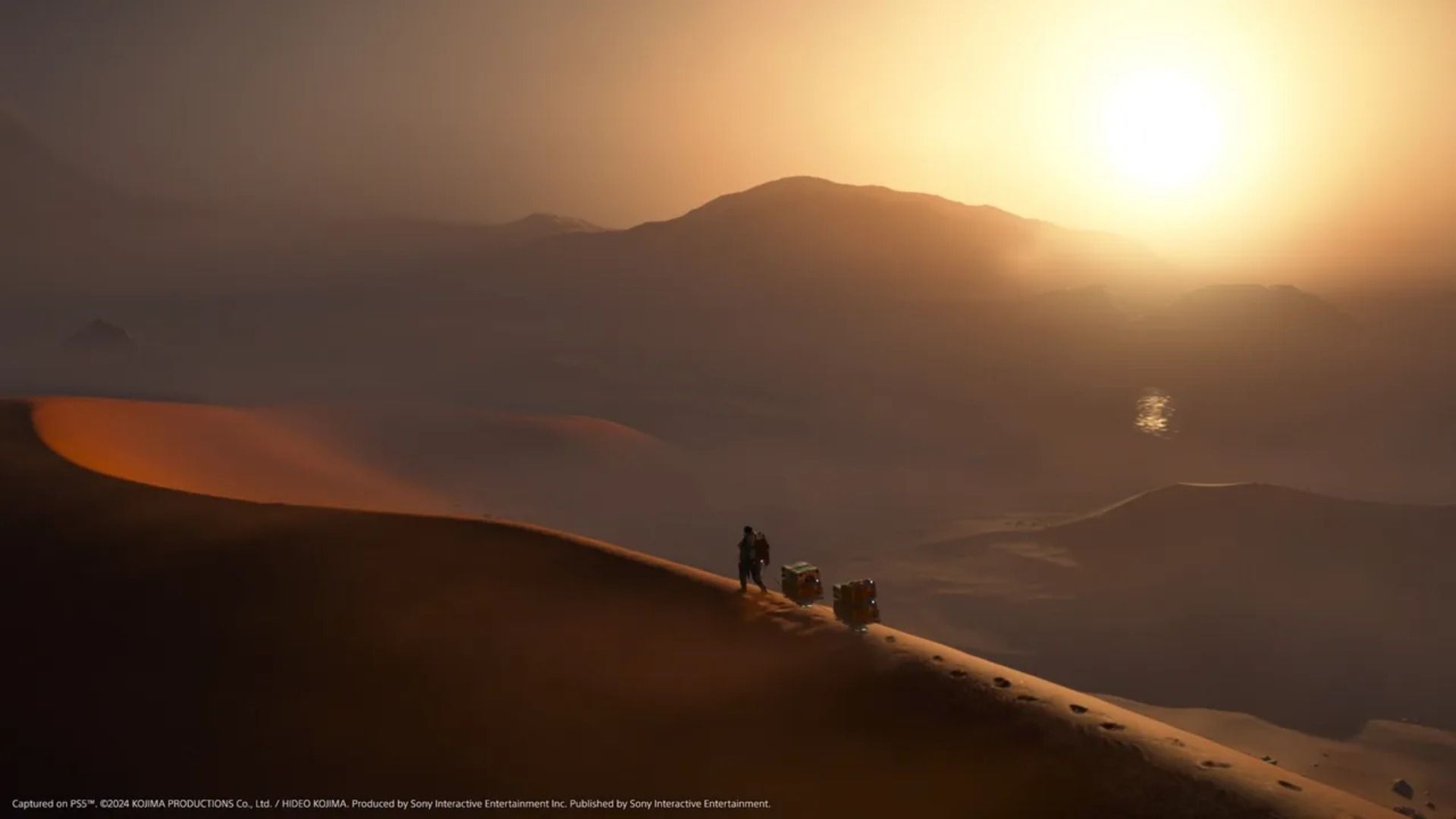
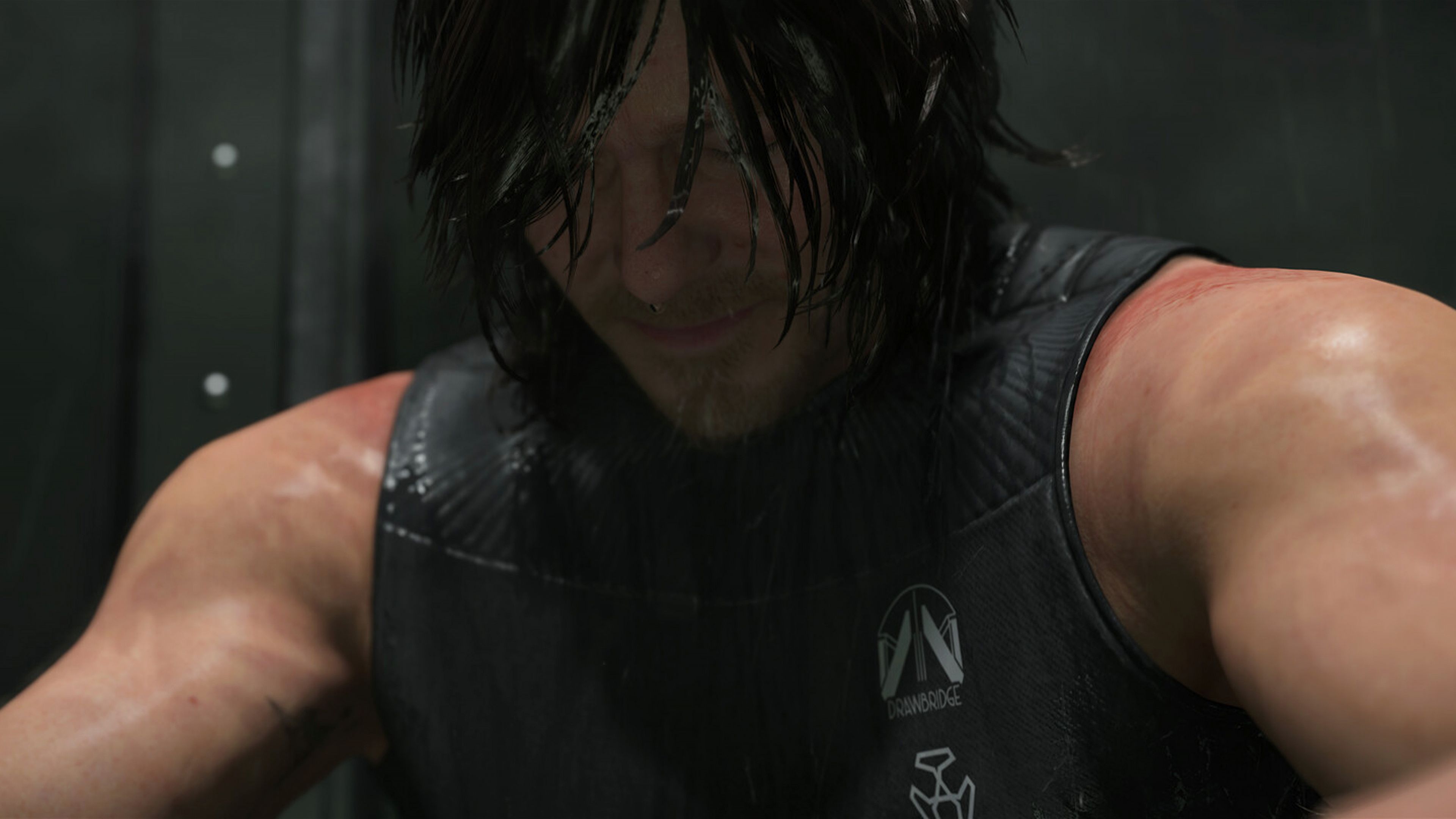
The original Death Stranding came out shortly before my daughter was born, so the experience of carrying Lou in the game didn’t hit me as strongly as it might have if she’d arrived sooner. While I found her cries heartwarming and felt a strong urge to protect her, it wasn’t until I played Death Stranding 2: On the Beach that I truly understood what Sam was carrying – not just a physical burden, but a deep connection forged through their journey together.
Who’s That Character?  Identify the silhouettes before time runs out.
Results
High Score: 0 —
Major Death Stranding 2: On the Beach spoilers ahead.
Since Death Stranding is a game I absolutely love, stepping back into that world with the sequel felt incredibly familiar, but my perspective had changed. I now have a four-year-old daughter and a young son, and seeing the relationship between Lou and Sam resonated with me deeply. While Lou isn’t my daughter, having a daughter of my own made me see Sam’s, and my own, connection with her in a new way. I felt the same powerful instinct to protect Lou in Death Stranding 2 as I do with my own daughter—even though, as a virtual character, Lou isn’t truly vulnerable.
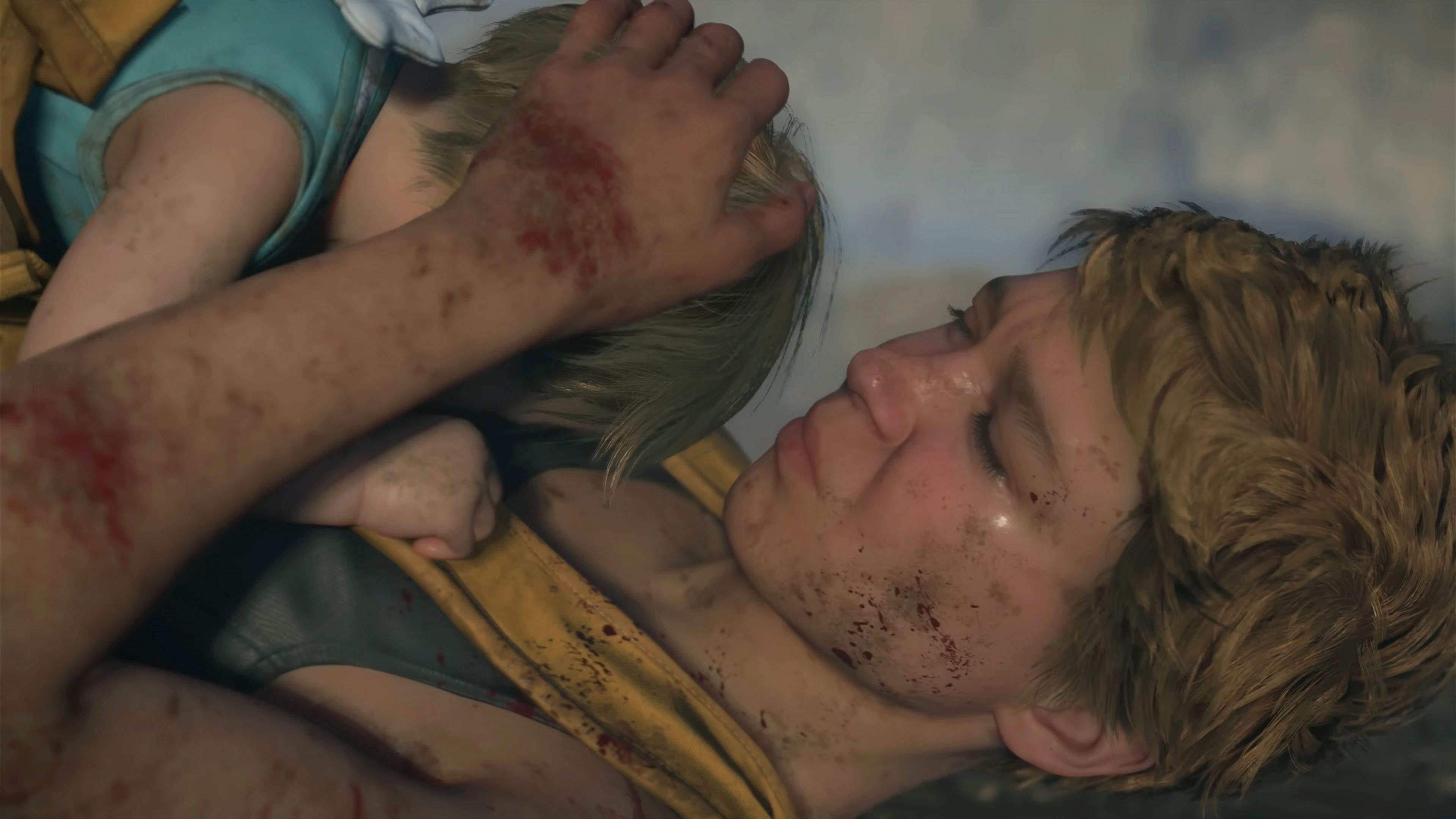
Early in Death Stranding 2, when Sam left home, I unexpectedly felt a pang of sadness. As a parent who’s been away from his kids even briefly, I know how quickly those moments pass, and I try to be present as much as possible. The thought of missing even a little bit of my children’s lives is difficult. Seeing Sam leave felt similar – I didn’t want him to go, and I almost hesitated to continue the game just to spend a bit more time with Lou.
As a huge fan of Death Stranding 2, I have to say the feeling of wanting to protect Lou was incredibly strong. It hit me the same way it does with my own daughter – that primal urge to keep them safe no matter what. It’s a really powerful connection the game created for me.
Despite wanting to finish the game, I returned to find Lou had disappeared. While Fragile couldn’t save him, I didn’t fault her – I blamed myself, and even Sam blamed himself. I kept asking why he’d left, and why I ever leave my children. The truth is, nothing is more important than being with them. This realization struck me powerfully as a parent, making it incredibly difficult to keep playing Death Stranding 2 – and I know many others felt the same way.
God of War (2018) and God of War Ragnarok
All good parents want the same thing: to raise their children so well that apologies aren’t necessary in the first place.
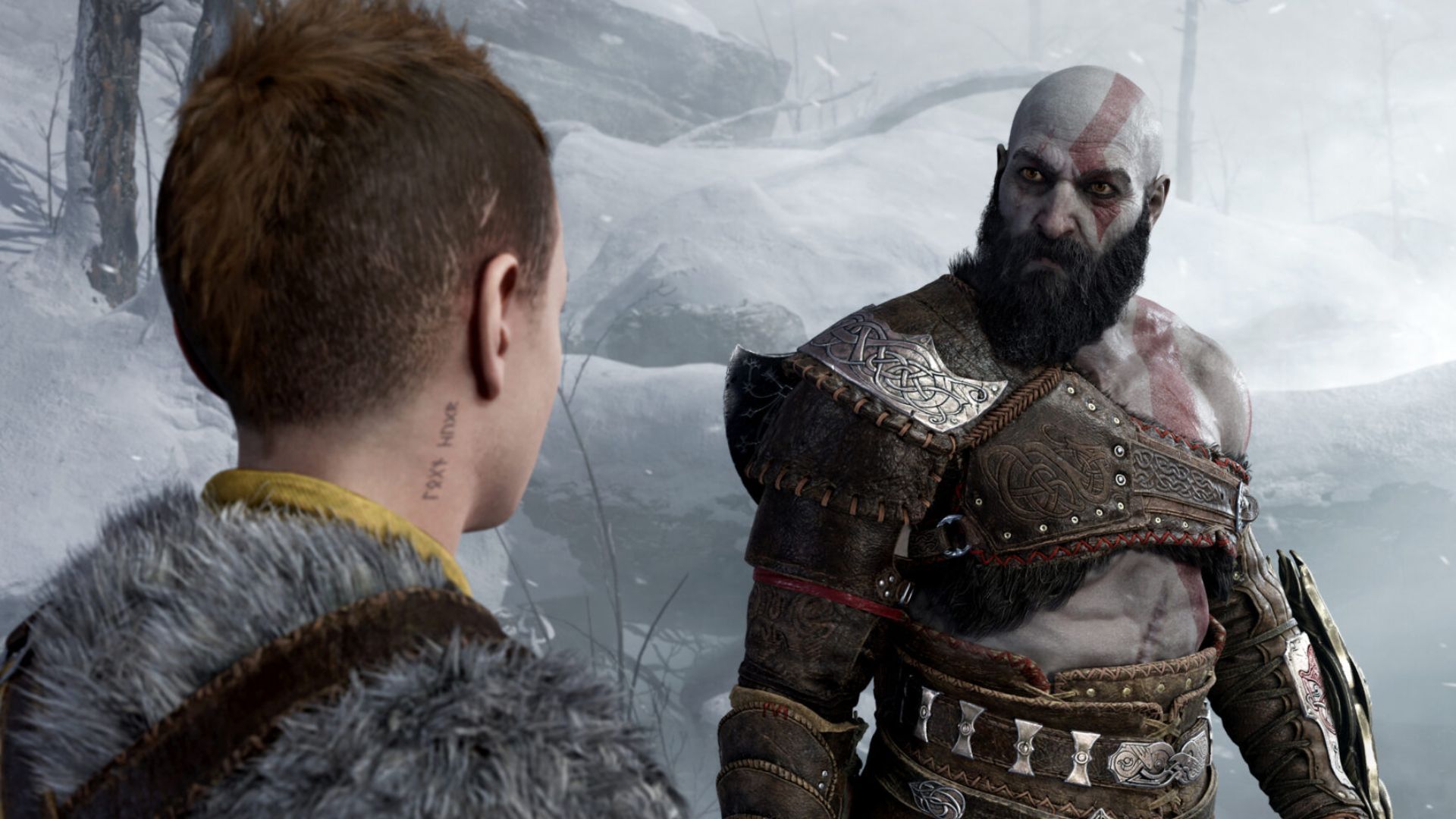
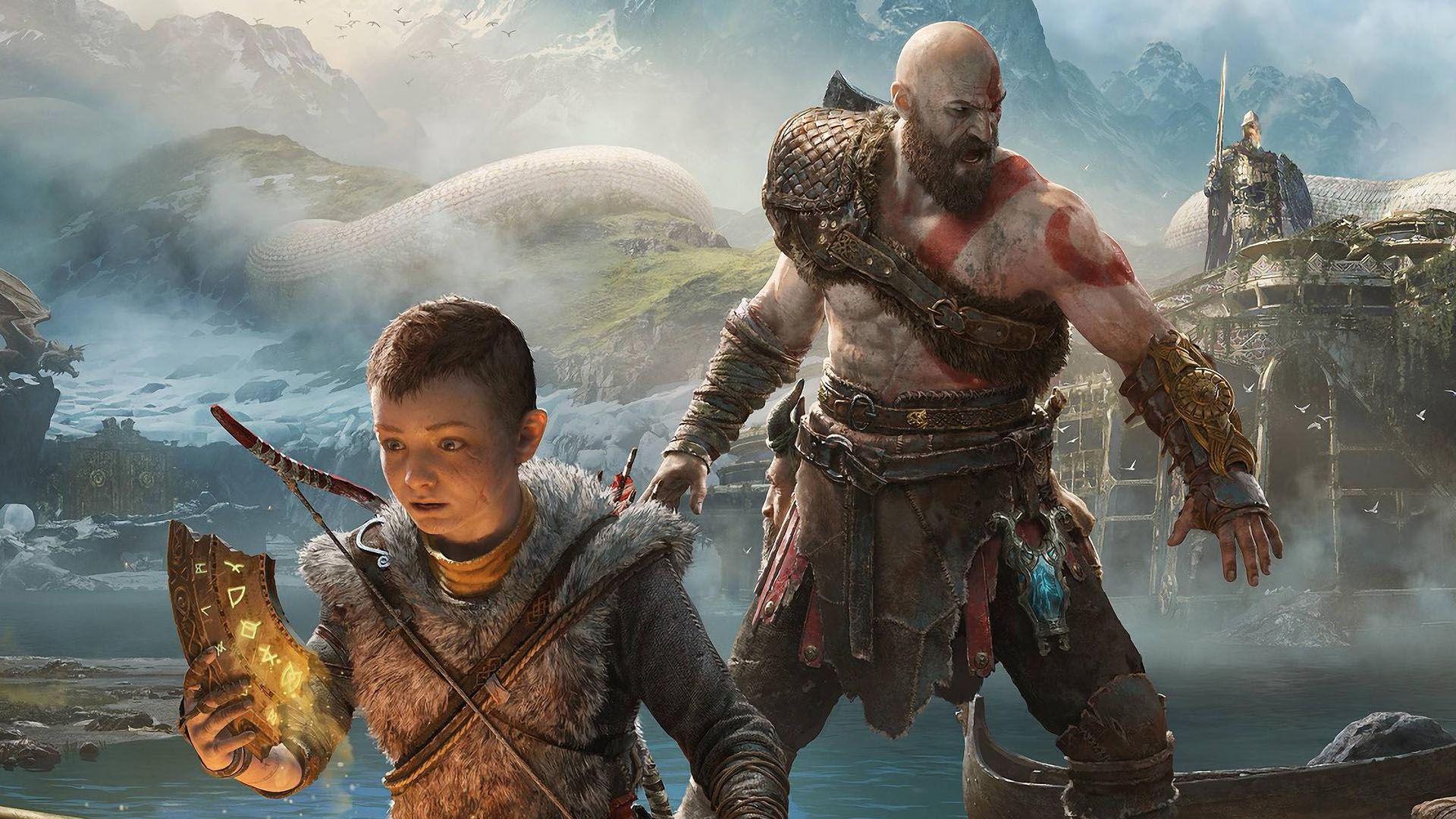
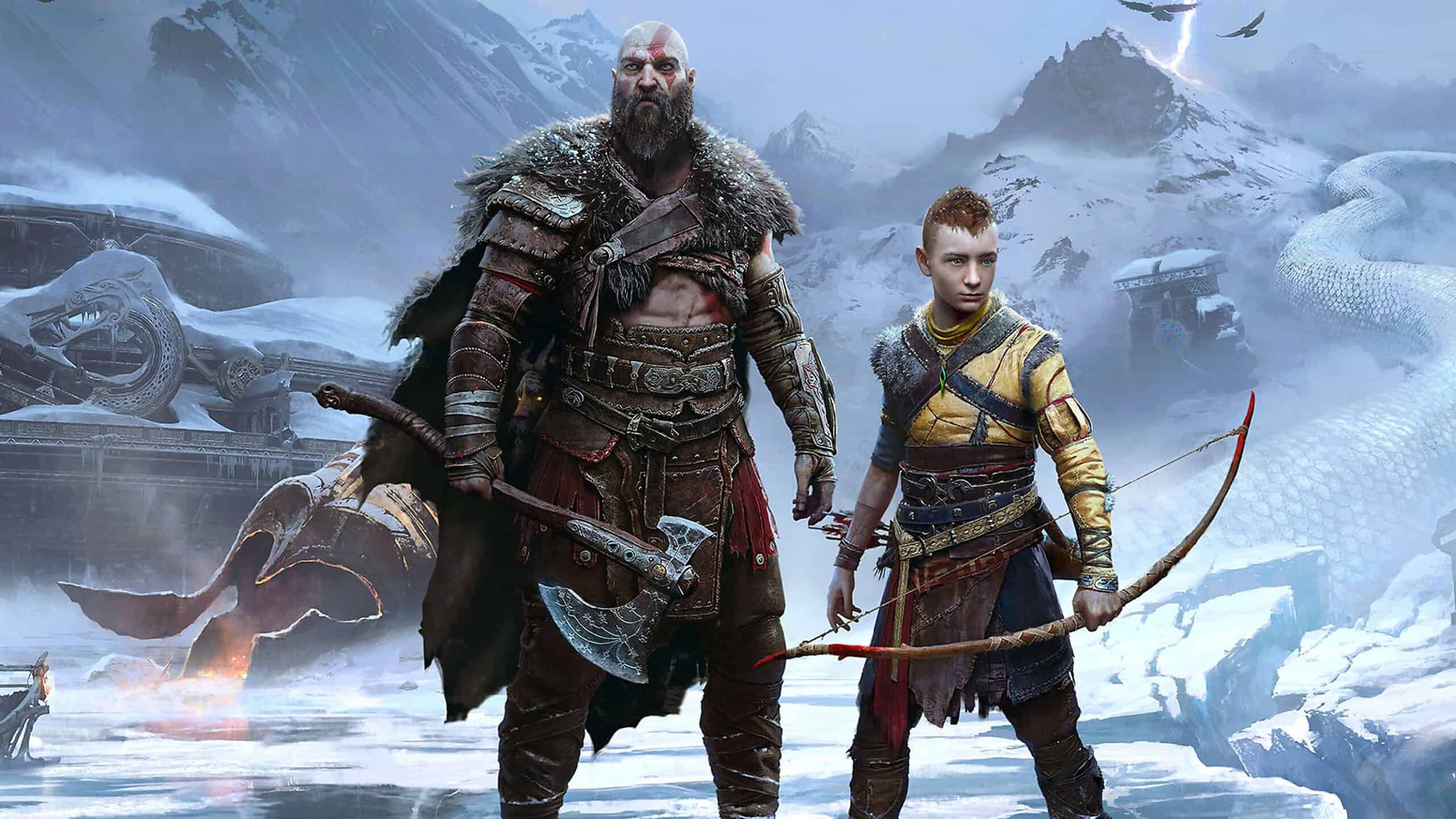
The 2018 God of War reboot is one of those games I wish I’d played at a different time in my life. It came out a couple of years before I became a parent, and I think I’d connect with it on a deeper level now. I found myself relating to the character Atreus, not through my relationship with my own father, but because of my grandfather. He was a stern, demanding man who expected a lot from me, even when I was young, and it was often difficult to be around him. But I knew, deep down, that he loved me – he just wasn’t very good at expressing it.
When God of War Ragnarök came out in 2022, I was a new father to a two-year-old daughter. I was really starting to get the hang of parenting, as we were finally able to communicate and understand each other. I’d already made plenty of mistakes, and was learning to either apologize right away or live with the guilt until I could make things right the next day. It was this experience of becoming a father that made God of War Ragnarök such a powerfully emotional game for me, and I was genuinely disappointed it didn’t win Game of the Year.
Major God of War Ragnarok spoilers ahead.
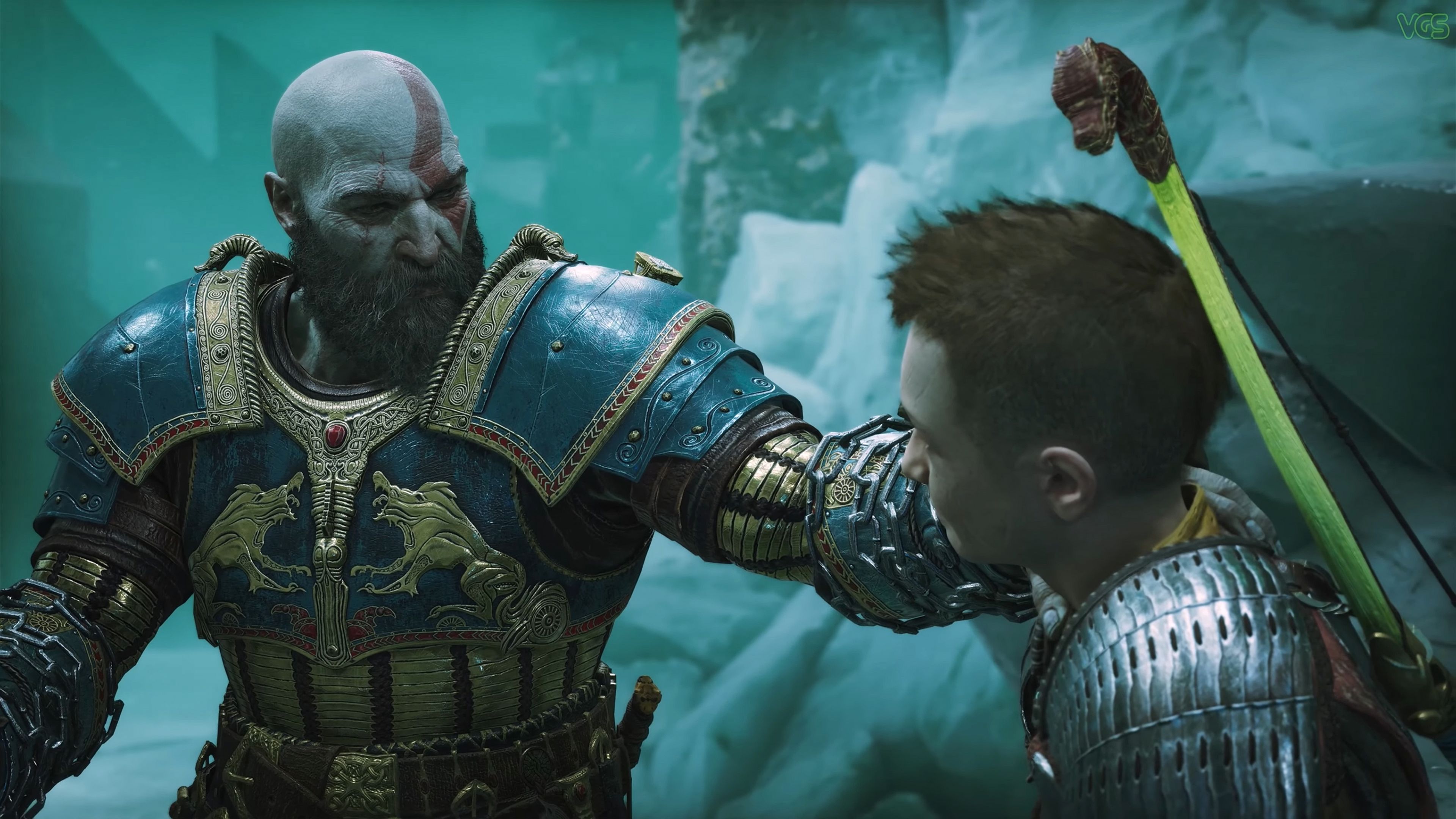
I always hoped Kratos would apologize to Atreus – for his harsh words, his actions, and for not showing his son the kind of love every child deserves. But experiencing Kratos finally break down and ask for forgiveness as a parent myself was incredibly powerful. It wasn’t just about seeing a father and son reconcile; it was about understanding that reconciliation as a father. I’ve definitely had moments, when stressed or tired, where I’ve said or done things I regret, knowing how similar moments affected me growing up. Seeing Kratos apologize hit me on that same level.
We often hear about “mom guilt,” but fathers experience it too. It’s easy to lose your temper, say things you regret, or prioritize work over important moments with your kids – even if you never intentionally hurt them. These moments still have an impact, immediately or later on. The key is to be mindful of this and actively choose how you react. The game God of War Ragnarok perfectly captures this with a simple line from Atreus after Kratos apologizes: “Don’t be sorry, Father,” he says. “Be better.” That’s what all good parents strive for – not just saying sorry, but consistently making choices to avoid needing to apologize in the first place.
Clair Obscur: Expedition 33
Although I don’t fully grasp the Paintress’s experience, I now have a clearer sense of the reasons behind her actions.
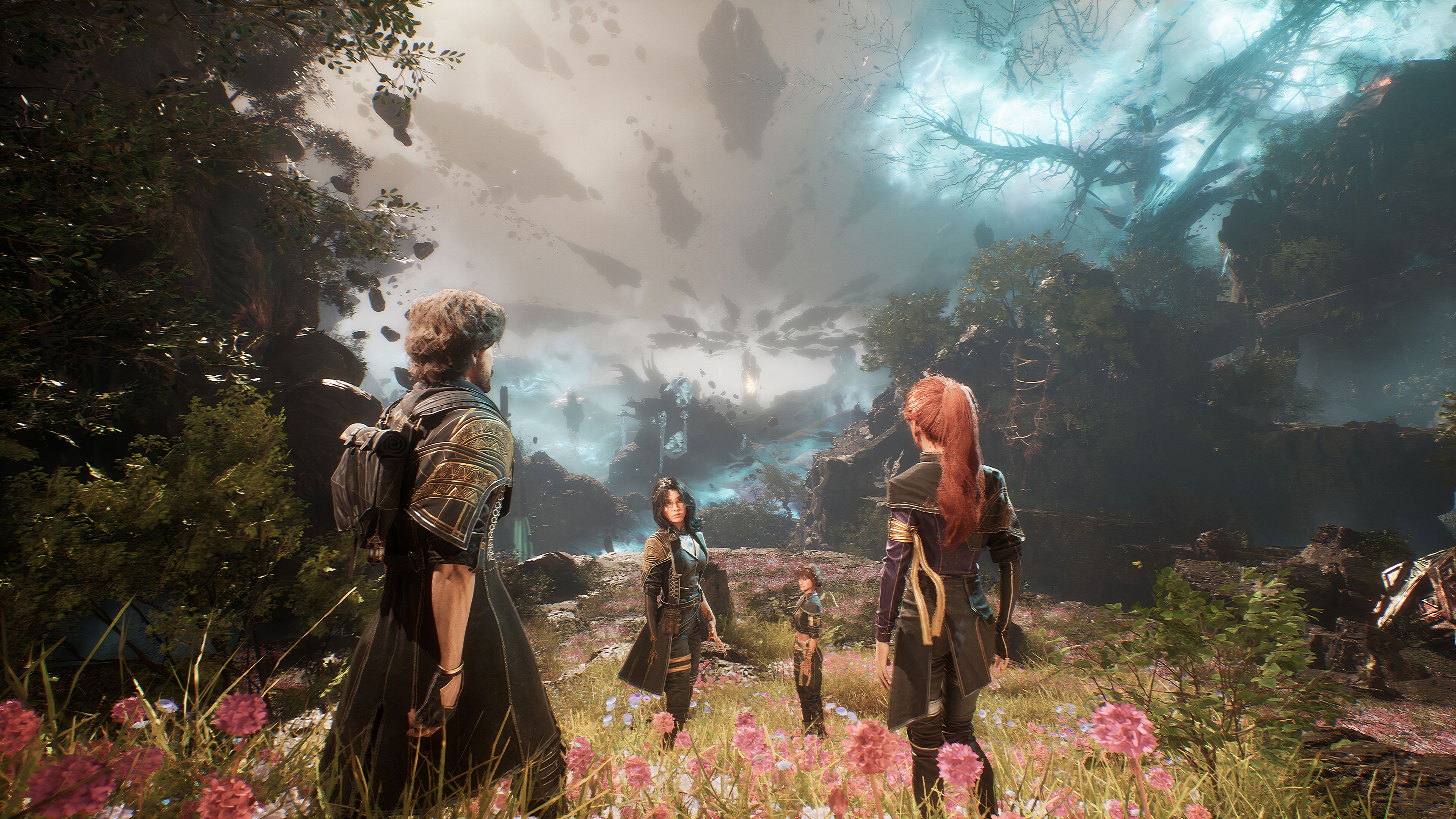
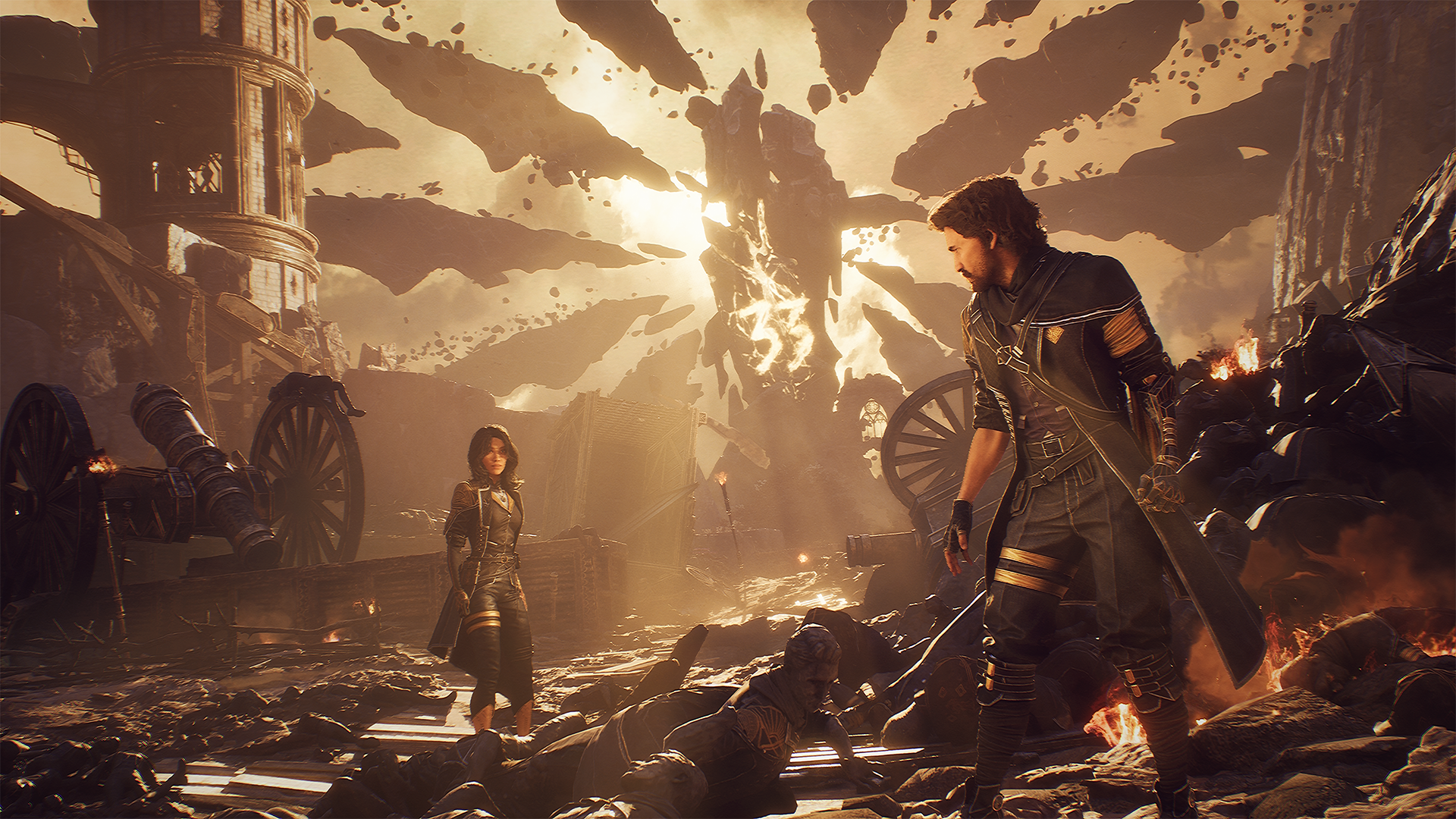
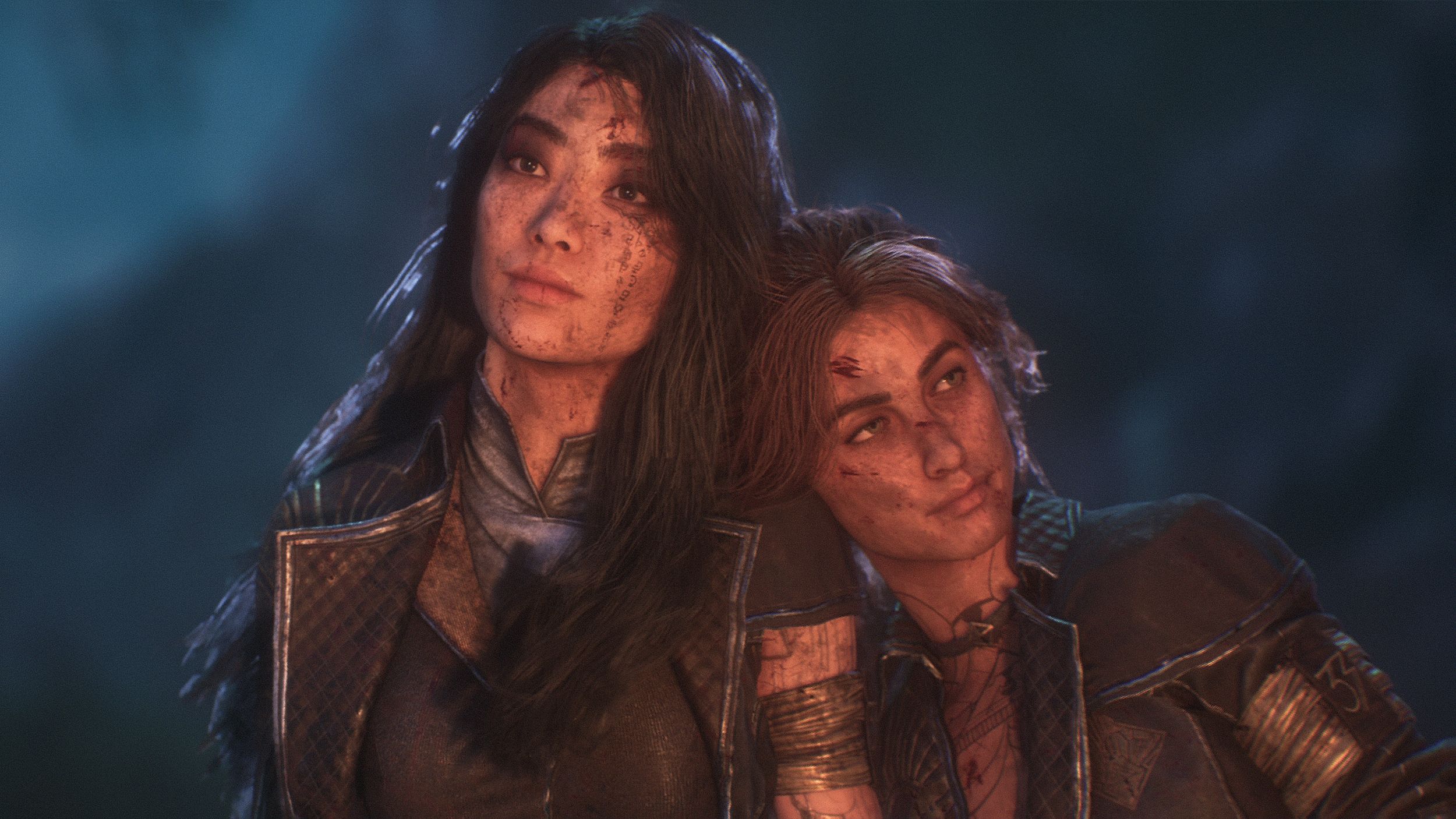
Major Clair Obscur: Expedition 33 spoilers ahead.
At its heart, Clair Obscur: Expedition 33 explores the profound grief that follows loss, specifically the unique pain parents experience when they lose a child and how that loss shapes the future of the entire family. Thankfully, I haven’t personally known such devastating loss, and I truly can’t fathom what it must be like. Now that I’m a parent myself, witnessing other parents go through that kind of trauma is heartbreaking – I can’t imagine how they find a way to cope. I suspect they never fully do, and living with the absence of a child must be an unimaginable pain.
It’s striking how quickly the character Paintress in Clair Obscur: Expedition 33 is seen as the villain, especially considering she destroys generations due to overwhelming grief after losing her son. While causing pain to others is never justified, and doesn’t make someone a hero, her actions are understandable when you learn about her loss. I may not agree with what she did, but I can now see why she reacted the way she did.
As a parent, that scene with Renoir and Maelle really got to me. It was heartbreaking watching him let her stay in the Canvas at the end of Clair Obscur: Expedition 33. It felt like such a tough decision, trusting she’d find her way back while knowing that staying too long could be fatal. He was basically putting his faith in her, even with that terrible risk, and it was incredibly powerful to watch.
As a dad, I totally connected with a moment in Clair Obscur: Expedition 33. I get that feeling of wanting to let your kids experience life, even if it means letting them stumble and fall. It’s hard! You want to shield them, but you also know they need to learn to pick themselves up. I still catch myself warning my kids to be careful all the time. But hearing Renoir tell his daughter, “I’ll keep the light on for you” and then allowing her to go… that really hit me. It was a powerful message about trust, and honestly, it made me realize how much harder it’s going to be as they grow up and need even more space to find their own way.
Parenthood Is Changing How a Generation Experiences Games
These are just a few examples of how becoming a parent changes the way we experience games, and I expect there will be many more. As those of us who grew up playing video games get older, with families and responsibilities, we develop a deeper understanding of love – and how deeply we feel another person’s pain.
With more and more parents playing games, we’re seeing stories that really resonate with the experiences of raising children – things like dealing with loss, the desire to protect loved ones, making sacrifices, feeling guilty, or even that bittersweet feeling of missing your kids the moment you have a free moment. Becoming a parent changes how you see stories, and I think these games show how video games are maturing alongside those of us who are growing older, offering new layers of meaning.
Read More
- Forza Horizon 6: Find the Ohtani Treasure Chest Location
- LEGO Batman Legacy of the Dark Knight Batcave Minikits & WayneTech Caches
- NTE Drift Guide (& Best Car Mods for Drifting)
- Diablo 4 Best Loot Filter Codes
- USD CNY PREDICTION
- USD RUB PREDICTION
- Cookie Run Kingdom Timeline of Fate Update Guide
- PS Plus Monthly Games for June 2026 Wish List
- GBP CNY PREDICTION
- CNY RUB PREDICTION
2026-05-08 12:06