I’m curious – what are some of your most cherished gaming memories? It’s hard to imagine anyone’s gaming past doesn’t include a loved one, friend, or someone they connected with and became close to while playing.
I think gaming is fundamentally a shared activity, even though it can sometimes feel like a solo experience. Whether you’re playing with friends or just talking about games, it’s always been about connection. It’s interesting that the first popular home consoles, like those from the Pong era in the 1970s, were specifically made for two people to play together – that’s no accident!
The strong sense of community has always been central to the gaming world. As technology improved, games became more varied, with increasingly intricate gameplay, richer stories, and even explorations of complex ethical choices.
Early video games usually had simple stories focused on a clear battle between good and evil – a hero, a villain, and a conflict to drive the action. But as game creators became more ambitious, they started moving beyond this formula, creating new and more complex genres that explored the nuances of human behavior and the space between right and wrong.
A New Social Hub Joins the Fight
Photo Credits: fxquadro/Magnific
As technology advanced and online multiplayer games became popular, the idea of ‘good’ and ‘evil’ in gaming changed again. It wasn’t just about facing computer-controlled enemies anymore; it became about how players interacted with each other. The focus shifted from following a pre-defined heroic path to navigating the unpredictable social interactions that happen when thousands of people play together, because quick or competitive matches don’t usually have much of a story to follow.
This naturally led to multiplayer games becoming real social spaces. While people make friends in these games, they can also be places where negativity thrives – with players often facing harassment, insults, and constant conflict, sometimes ruining the experience for others. This is especially true because these games often require teamwork and cooperation, and losing can be incredibly frustrating for those just looking to have some fun and win.
It’s easy to assume developers can’t influence player behavior, and there’s some truth to that. But data shows that toxic behavior isn’t just about individual morality – it’s also a business issue that game design can actually improve by managing how players interact.
A 2023 study by the Anti-Defamation League (ADL) Center for Technology and Society found that the majority of gamers – around 76% of adults (18–45) and 75% of teens (10–17) – have experienced harassment or hate while playing online multiplayer games. Recent ADL research in 2025 confirms this remains a persistent problem, with nearly half of all online multiplayer game sessions showing toxic behavior among players from various countries.
Photo by Alex Haney on Unsplash
With potentially 3.5 billion gamers worldwide by 2025, even a small percentage of toxic behavior can lead to a large number of online conflicts, according to What’s the Big Data. This broad impact is why Daniel Kelley, Director of Strategy and Operations at the ADL, voiced serious concerns when he shared these findings last year. He stressed that it’s crucial to create lasting changes to reduce harmful behavior, hate, and harassment as more people participate in online gaming.
Kelley argues that the gaming industry can’t just respond to problems as they arise. It needs to take steps to prevent them and create a more positive environment as it expands.
Let’s consider this further: constant exposure to negative behavior in gaming has made it seem normal, leading many players to simply accept it. Research from PubMed Central in 2025 confirms this isn’t a rare occurrence, but rather a cycle: seeing toxicity makes players more likely to use similar language themselves. This increase in toxic behavior can range from 5.5% to 13.8%, influenced by whether the negativity comes from opponents or teammates, and if the player’s team wins or loses.
Toxic behavior in online games creates a harmful cycle, damaging the overall experience for everyone. This isn’t just about atmosphere, though – it’s also hurting developers financially. A 2024 study by JLens found that 20% of multiplayer gamers are decreasing their spending because of negative interactions, meaning that toxic environments are directly leading to lost revenue.
Evidence shows that harmful behavior isn’t just a matter of ethics, but also a practical issue for game businesses. How a game manages player interactions can significantly impact the level of toxicity within it.
It’s tough to deal with the negativity that often happens in competitive online games. But lately, some games have started using clever features to encourage players to be kinder and more helpful, instead of focusing on conflict. They’re finding ways to lessen the competitive pressure and build a more positive community.
How Developers Are Gamifying Kindness
Many game developers cleverly promote positive behavior without players even realizing it. They subtly adjust the game so that helping others – whether through small gestures or big ones – is rewarded. This could mean earning experience points, in-game money, or temporary advantages, ultimately showing players that cooperation is the most effective way to succeed.
Okay, so yeah, helping other players definitely benefits me in the game, but it’s honestly the best way I’ve found to get people from all walks of life to actually work together and be cool to each other, even if just for a little bit. Because the game rewards that cooperation, it reminds me of what made gaming so great in the first place – that feeling of being part of a community and helping each other out. It’s like we’re rediscovering that old-school vibe!
Rewards for helping other players can take many forms, like experience points, in-game money, shared items, or temporary advantages. Ultimately, it shows players that cooperating is often the quickest and most effective way to succeed.
Games like Overwatch and League of Legends use these kinds of systems because their player communities can sometimes become toxic. Studying these games shows that these social features are crucial for keeping players engaged and maintaining long-term revenue, as they help prevent people from leaving due to a negative experience.
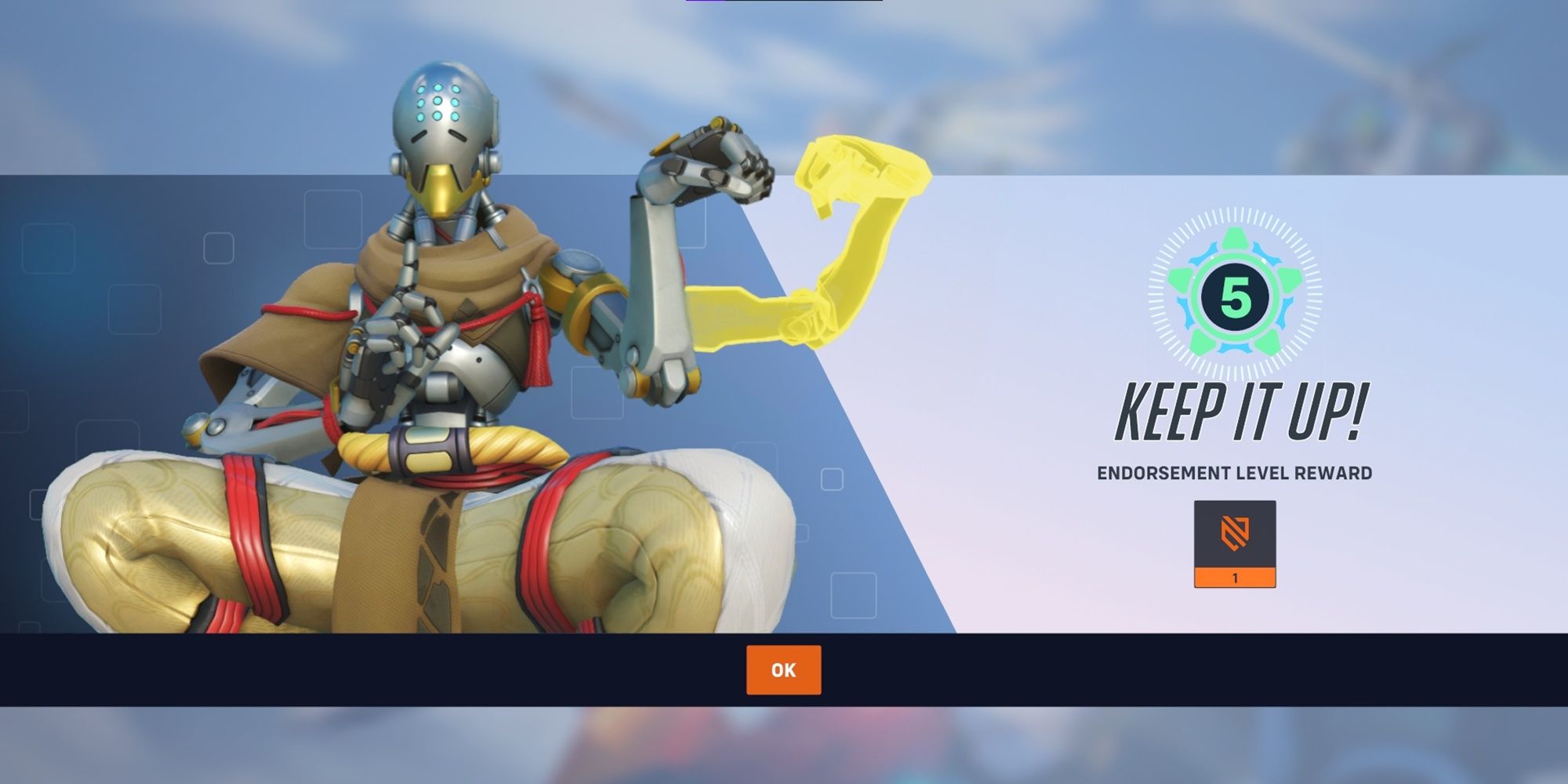
Overwatch, Blizzard’s team-based shooter, includes a system where players can give each other endorsements – like recognizing good leadership, communication, or sportsmanship. You earn experience points simply for giving these endorsements, which encourages players to acknowledge positive behavior in others, and creates a cycle of recognizing good teamwork while also leveling up faster.
I quickly started automatically endorsing others after each match, without even thinking about it! I realized that the more endorsements I gave, the more I received – it was a simple, unspoken exchange. Keeping my endorsement score high was satisfying, and it also made it much easier to find custom matches quickly.
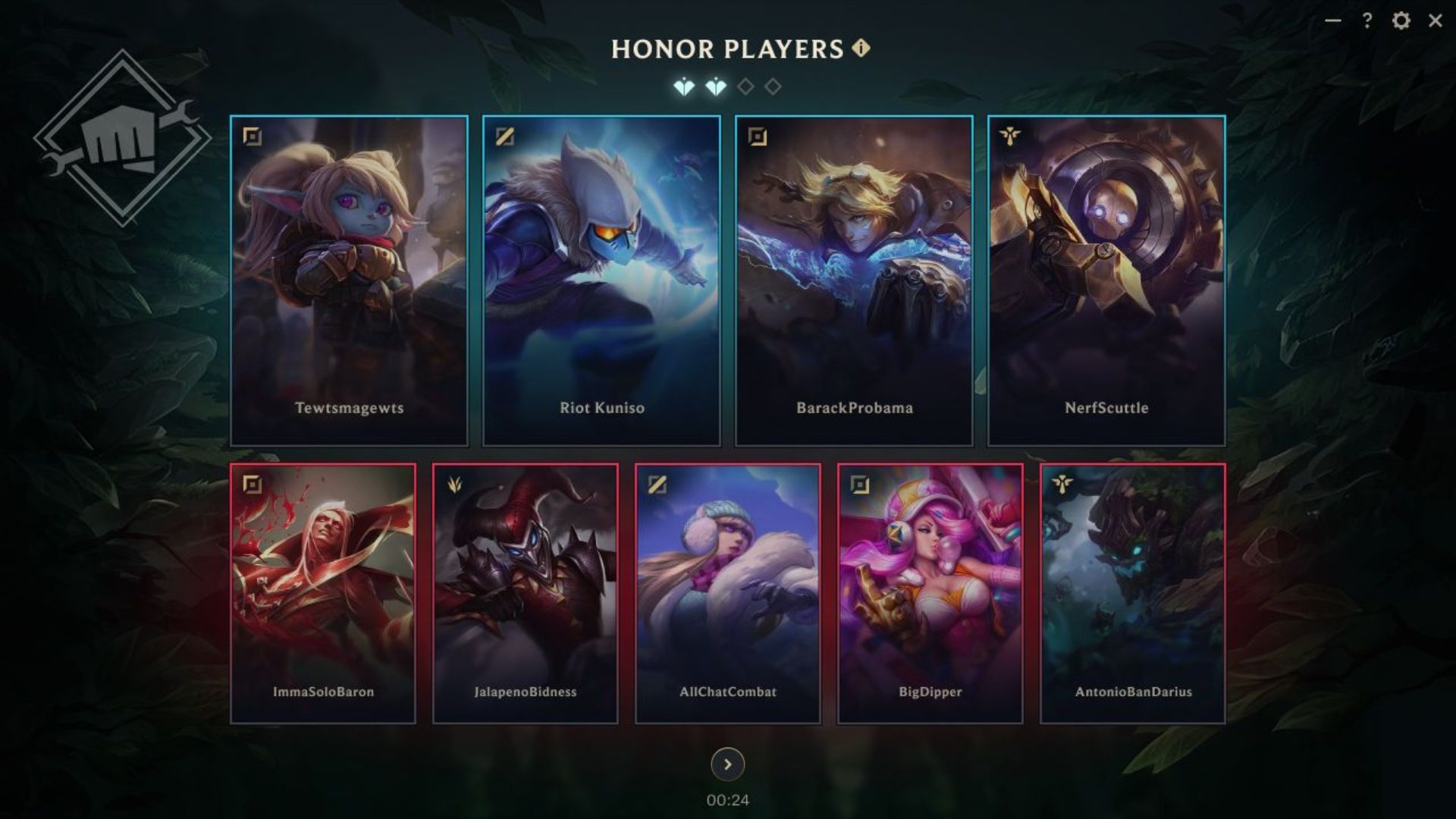
Like many other games, League of Legends rewards players for good sportsmanship. You earn “honor” based on how your teammates rate your behavior during matches. The more positive you are, the more honor you accumulate, unlocking exclusive rewards and benefits in the game. This system started in 2012, went through changes, and was most recently updated in 2025 to better track and encourage positive player interactions.
The really smart thing about this feature is that the developers recognized how much players – especially those familiar with League of Legends – value climbing the ranks and showing off their achievements. They cleverly used this desire for recognition to encourage positive behavior. By simply being kind, players can earn a special badge that marks them as trustworthy teammates in the often stressful world of League of Legends. Considering recent reports from JLens showing that 76% of adult and 70% of teen LoL players experience harassment, this social system isn’t just an added benefit – it’s a necessary step.
This idea of experienced players helping newcomers isn’t just for competitive games; it also works really well in cooperative games like MMORPGs and looter-shooters. A great example is Final Fantasy XIV, which has systems where veteran players can mentor new or returning players. It’s not just about being helpful, though – mentors get rewarded with experience bonuses and unique items. This often leads to new friendships and even new members joining the same guilds. When games have complicated raids and lots of different character classes, that extra guidance is a huge benefit for everyone involved.
Over time, the Borderlands series has improved how players share and use items. Loot is now meant to be shared, leading to common, unwritten agreements – like the host getting the best gear, or groups deciding who needs items most. The game moved away from competitive looting by adding abilities and skills that encourage teamwork. Plus, features like reducing damage for allies when reviving them or providing team-wide boosts make helping teammates a smart and effective way to stay alive, rather than slowing you down.
A Strong Strand of Kindness
I’ve definitely noticed a lot of games trying to encourage good behavior lately, but one game really nails it – it makes being helpful and cooperative a core part of the experience, not just something you can do. And it’s all thanks to the brilliant mind of Hideo Kojima!
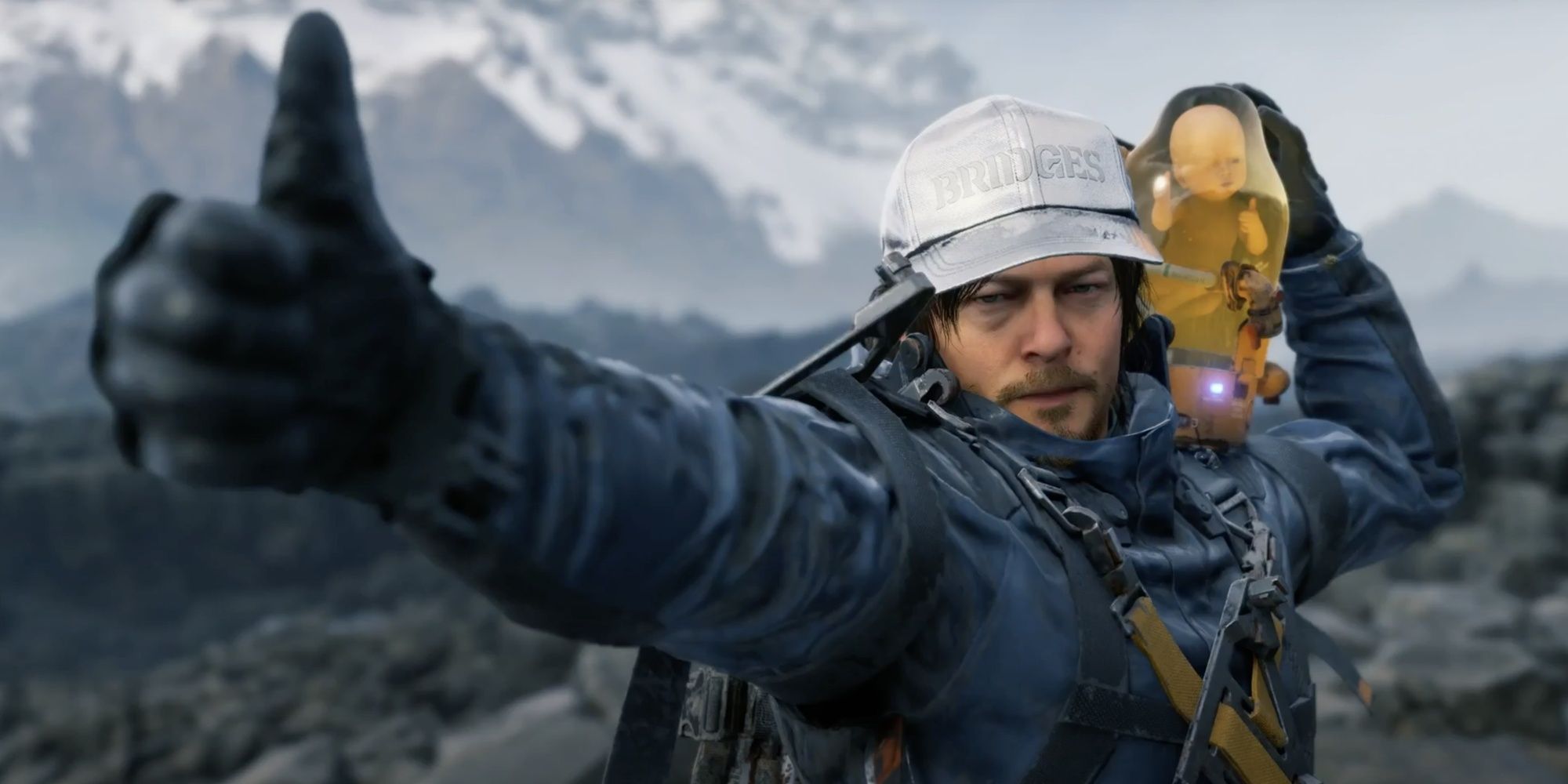
The Social Strand System is a unique feature in the Death Stranding games. Although you play these games solo, there’s a clever multiplayer element where you don’t directly see other players, but you do interact with their actions. This system is remarkable because it encourages helpfulness between players, strengthens the game’s core message of connection, and makes the experience more meaningful.
As a player, I’ve found it’s really cool how the game lets you help others while also helping yourself! You can leave little hints or boosts – like a speed boost on a tough hill – anywhere on the map. And get this: anything you build for your world can actually show up in someone else’s! It’s like accidentally leaving behind some helpful gear for another player, which is a neat little touch.
As a fan, I really love how interconnected everything is in this game! When other players check out the structures you build, you get “Likes.” These aren’t just for show – they actually help you level up! The more Likes you get, the better your relationships become with different facilities, which unlocks cool blueprints and materials. Plus, it improves your porter grade, making Sam stronger! It’s cleverly explained in the game’s story that Likes are like a rating system, and getting them even helps ease the effects of the strange chiralium poisoning all porters deal with. It’s such a simple idea, but it makes everyone’s worlds feel connected and encourages us to help each other out, even without directly interacting!
Initially, it was difficult to convince people about this system. Even Hideo Kojima’s team at Kojima Productions questioned whether it would work without offering players any rewards or punishments – it simply relied on their willingness to help others. In a 2019 interview with The Face, Kojima explained that his staff asked, “Why would anyone leave a ‘Like’ if there’s nothing in it for them?” Some developers even proposed adding a “Dislike” button to create balance, but Kojima firmly believed that would defeat the purpose.
The developers’ doubts surprisingly pointed to a bigger problem, one players had already reported: we’ve become so used to negativity in online games that it’s hard to picture a multiplayer world without it. The team at Kojima Productions wasn’t simply questioning a game feature; they were acknowledging a widespread belief that some level of toxicity is just an expected part of playing games online.
This highlights why Hideo Kojima’s dedication to his vision is so important. He’s the kind of creator – and player – we should look up to. Unlike those who see games as breeding grounds for negativity, he believes digital spaces can be overwhelmingly positive and welcoming, and that’s the attitude we need for a better gaming experience.
The developers’ doubts surprisingly pointed to a bigger problem, something players had already noticed in reports about online toxicity: we’ve gotten so used to negativity in multiplayer games that it’s hard to picture a friendly online environment.
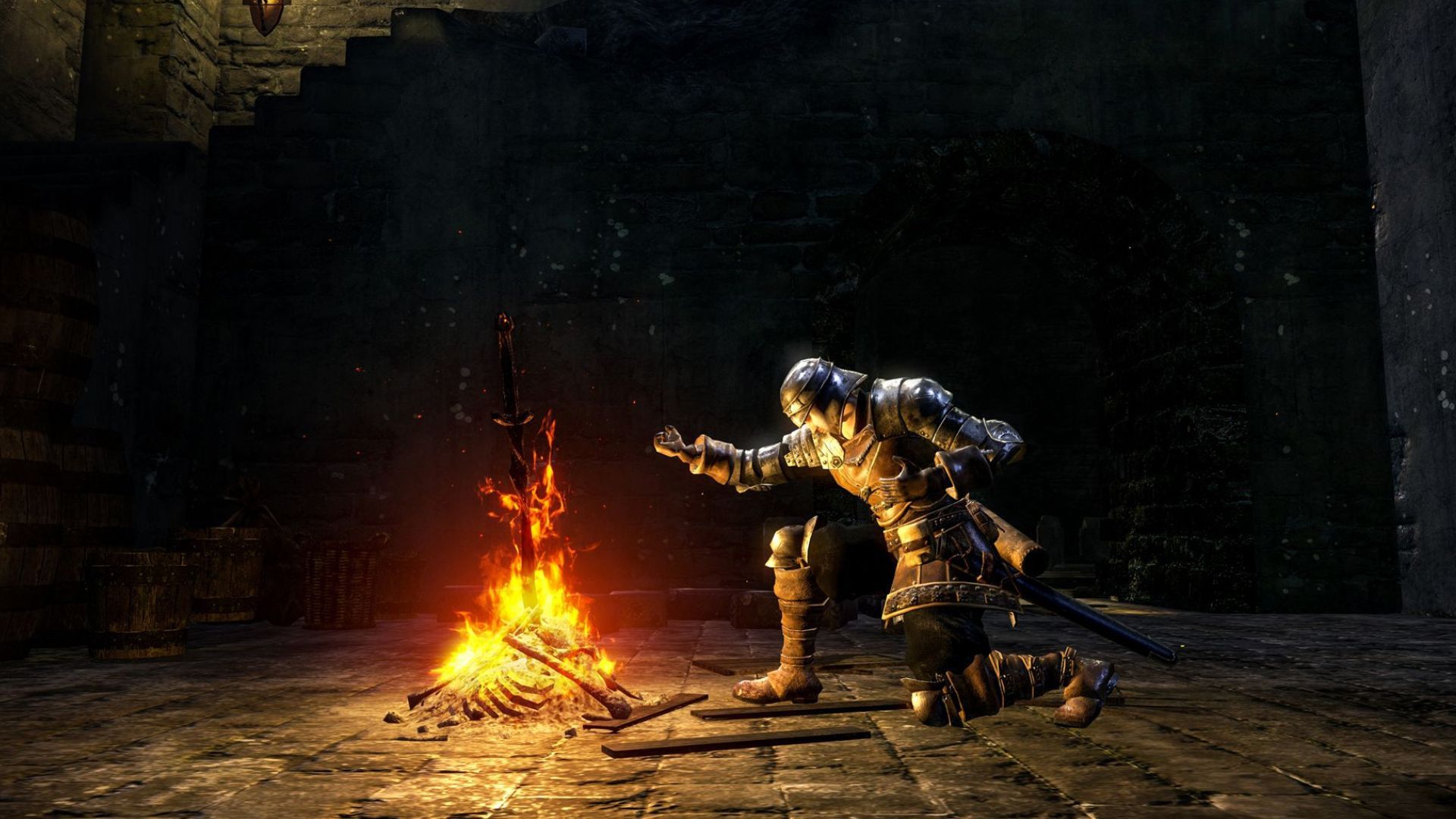
As a fan, what really gets me about this game is how you can feel the positivity built into the way players connect. The system just doesn’t allow for negativity or trickery – every message someone leaves is meant to help. It’s such a cool feeling! It’s the complete opposite of games like Dark Souls, where you’re constantly worried about being led into a trap by a misleading message and losing all your progress. This feels genuinely supportive, and it’s a huge part of what makes it special.
Death Stranding cleverly connects helping other players to actually progressing in the game, earning rewards, and gaining recognition. This system feels natural and satisfying, demonstrating that encouraging kindness within a community works especially well when it’s built into the game’s mechanics. Importantly, this helpfulness also makes the game easier to learn – players who are struggling can receive assistance that helps them understand and master the game’s complex systems, effectively smoothing out the learning curve.
The idea behind the game clearly struck a chord with players. By 2025, Kojima announced on social media that over 20 million people had played, and many were still actively connecting with each other through the game. He celebrated this, saying players around the world were still ‘delivering’ and ‘connecting the world.’ This huge player base shows that a community focused on helping each other can be just as, or even more, successful than one based on competition.
Death Stranding’s gameplay beautifully demonstrates a key idea: players aren’t naturally good or bad, they simply react to the game’s systems. This highlights how game design directly influences what players do. Whether it’s helping another player by building a bridge in a ruined world, or supporting a teammate in a competitive game, our actions are shaped by the game’s structure – the way it’s designed and the incentives it creates.
Bending the Rules of Engagement
Ultimately, gaming toxicity isn’t unavoidable—it’s often caused by how games are designed. While a player’s personality plays a role, games heavily influence both how people compete and how they behave towards each other. Players are usually motivated by what benefits them, so toxic behavior increases when games reward selfishness or allow it to go unchecked. Conversely, games that lessen competition for limited rewards tend to encourage more positive interactions.
The way we act – whether it’s helping someone in a difficult situation or supporting a skilled player – shows what our surroundings encourage. In games, those surroundings are created by the game’s design.
Many people agree with this idea, including Jane McGonigal, a game designer and researcher with a PhD. She’s pointed out before that game mechanics can have a surprisingly strong effect on us, and this has implications for the gaming world itself.
In her book, Reality Is Broken, Jane McGonigal argues that game designers are experts at motivating people, encouraging teamwork, and fostering dedication. They excel at getting individuals to work hard, collaborate effectively—even in large groups—and persevere through difficult tasks. These skills, she believes, are essential for tackling the challenges of the 21st century and making a meaningful difference in the world.
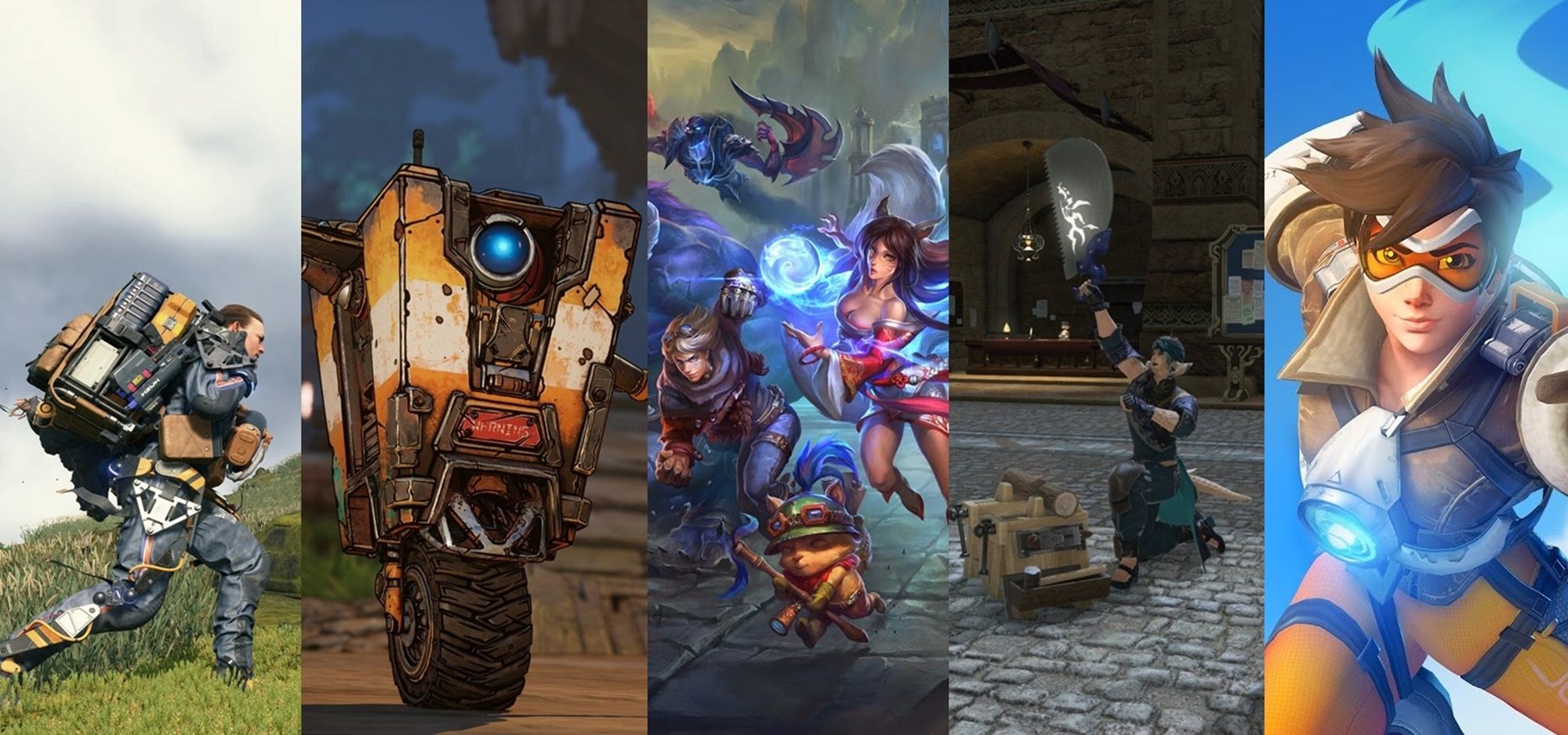
As Jane McGonigal observes, game developers have discovered how to encourage large-scale cooperation by making teamwork genuinely rewarding. Games like Overwatch, Final Fantasy XIV, Borderlands, and Death Stranding demonstrate that when kindness is built into the gameplay – not just suggested – the entire experience transforms, recalling the collaborative spirit of early gaming. These games don’t simply ask players to cooperate; they create systems – like visible reputations or mentorship programs – that make working together the most effective and intuitive strategy.
This shows that video games aren’t just about defeating enemies; they can also be about small acts of kindness, like helping another player. Interestingly, sometimes the best way to succeed in a game is to help someone else succeed as well! It makes you wonder: what are your favorite gaming memories? The relationships we form and how we play now will be what we remember and value most in the future.
Read More
- Forza Horizon 6: Find the Ohtani Treasure Chest Location
- Diablo 4 Best Loot Filter Codes
- NTE Drift Guide (& Best Car Mods for Drifting)
- Boruto: Ikemoto Has Already Hinted At Sasuke’s New Eye After Return
- USD RUB PREDICTION
- Where to Find Prescription in Where Winds Meet (Raw Leaf Porridge Quest)
- GBP CNY PREDICTION
- Conduit Crystal Location In Subnautica 2
- LEGO Batman Legacy of the Dark Knight Batcave Minikits & WayneTech Caches
- Top 10 Must-Watch Isekai Anime on Crunchyroll Revealed!
2026-05-04 23:13