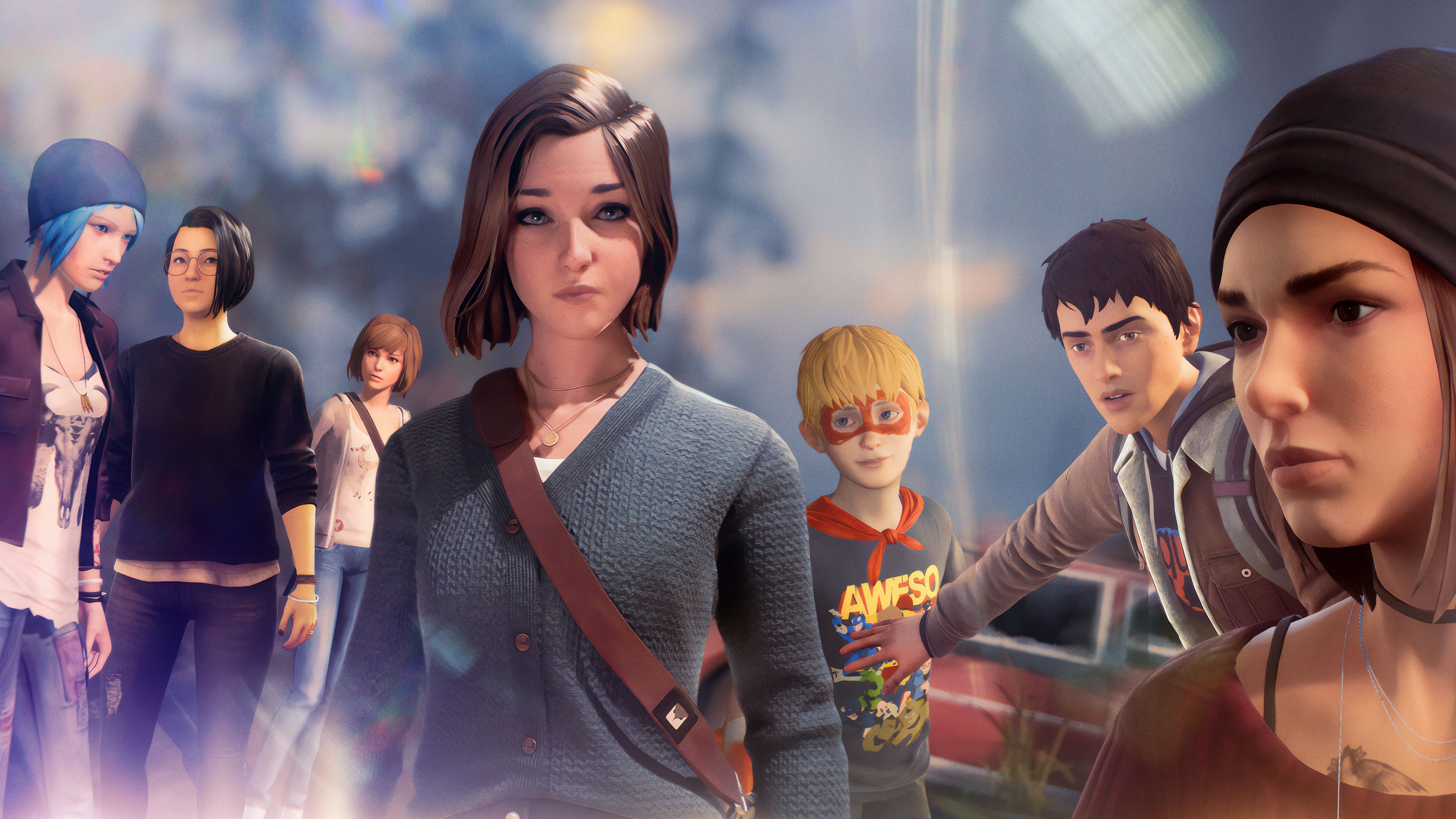
I have a really strong connection to the Life is Strange series, though my feelings about each game vary. What consistently stands out is the powerful writing – it always makes me care about the characters. I also love that the games tell different stories within a shared world, which creates a really immersive experience. Life is Strange particularly excels at exploring the challenges of growing up, especially when combined with difficult themes like unfairness, self-discovery, and overcoming trauma, and often adds a supernatural twist to these journeys.
At its heart, Life is Strange uses supernatural abilities to represent the challenges of growing up, especially for those who feel like outsiders. This blend of personal growth and navigating a larger world has always been the core of the series. However, the games haven’t always successfully conveyed this message, and sometimes it feels lost in the storytelling. This is why I have such strong, polarized reactions to each Life is Strange game – I either love them or dislike them intensely. But when you look at the series as a whole, the highs and lows seem to be a natural part of its overall message.
Be warned, this discussion contains spoilers! The Life is Strange games are known for their stories, and to fairly compare them, we need to talk about all aspects, including Life is Strange: Reunion.
1. Life is Strange
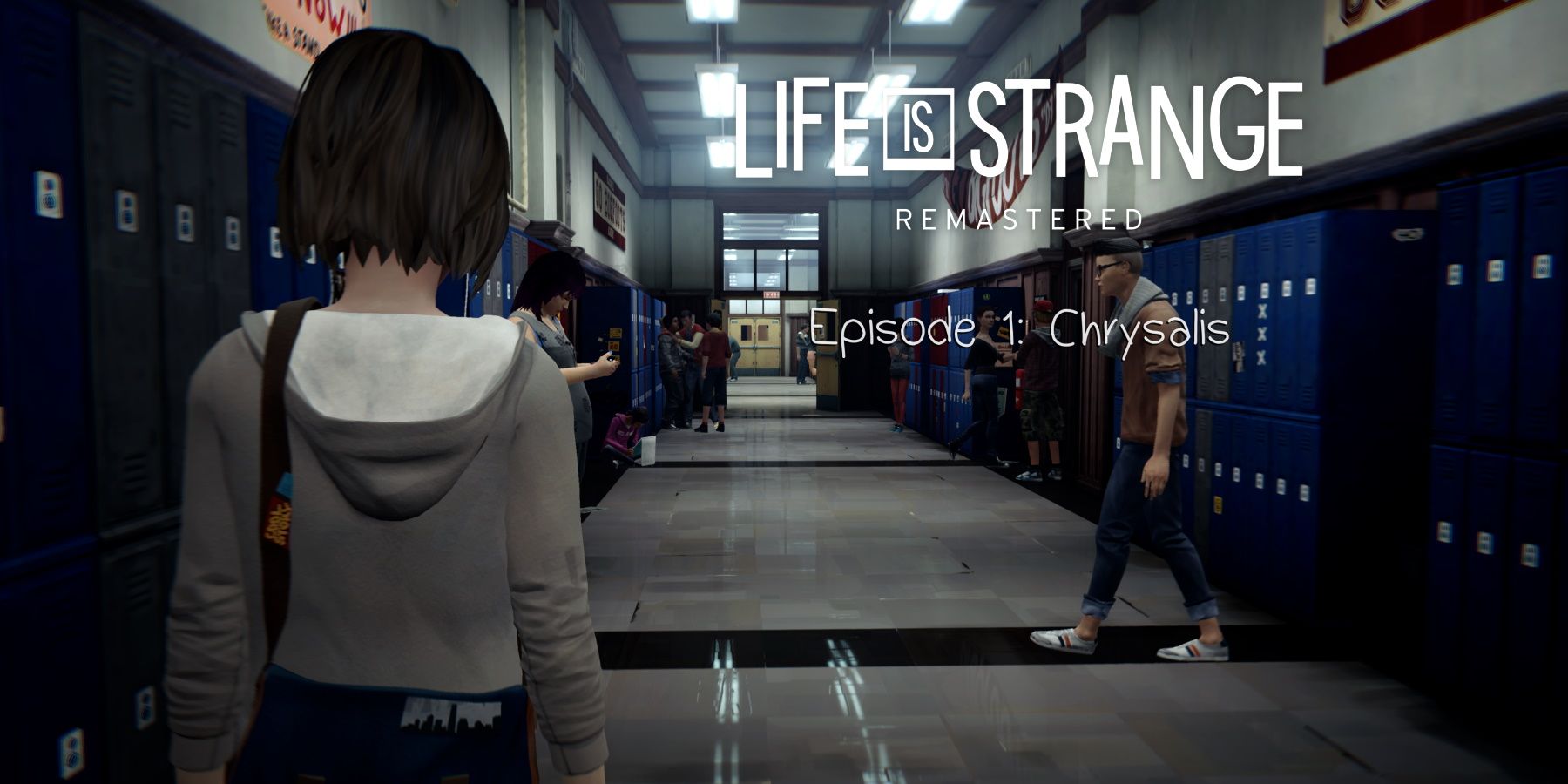
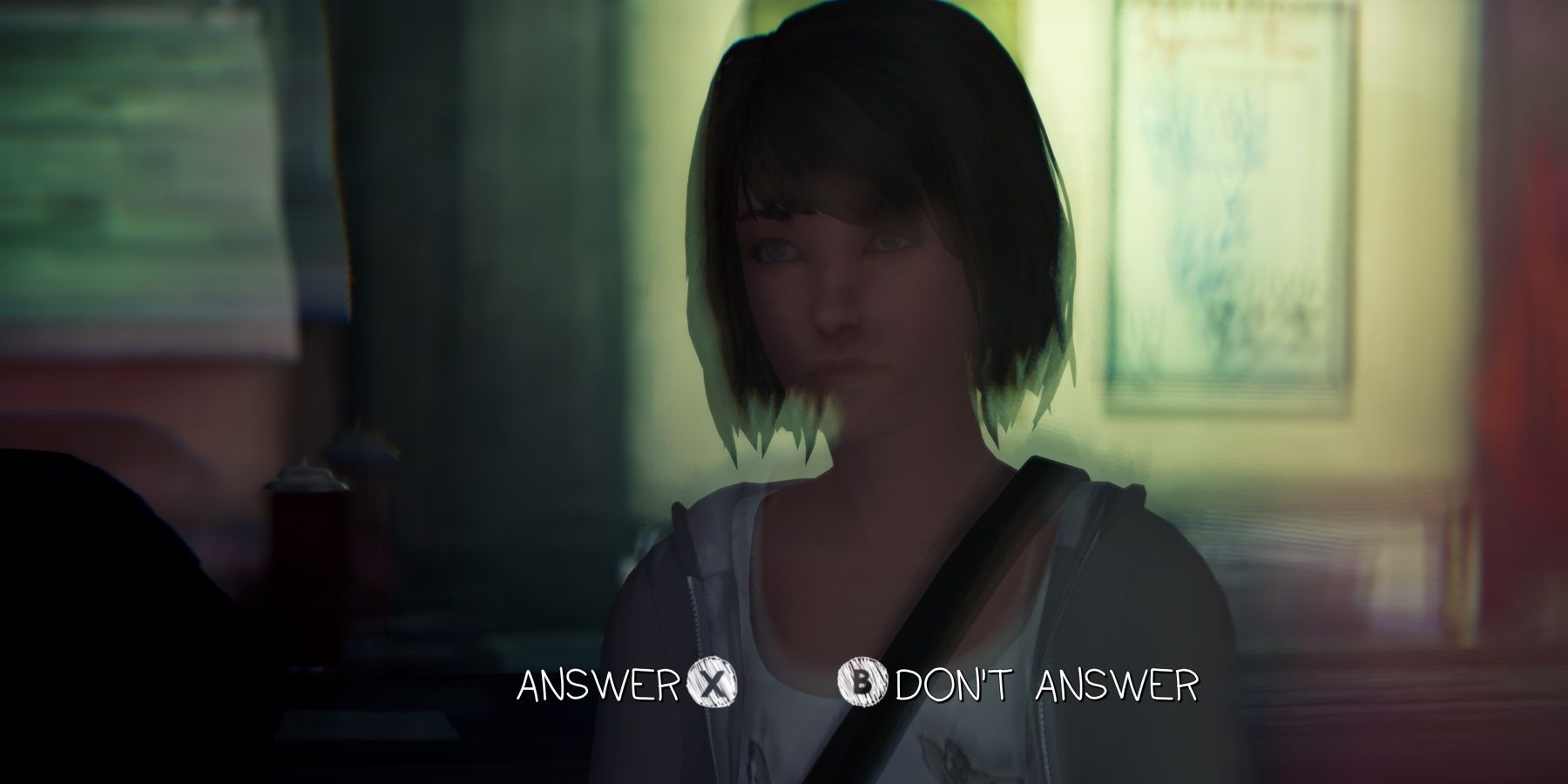
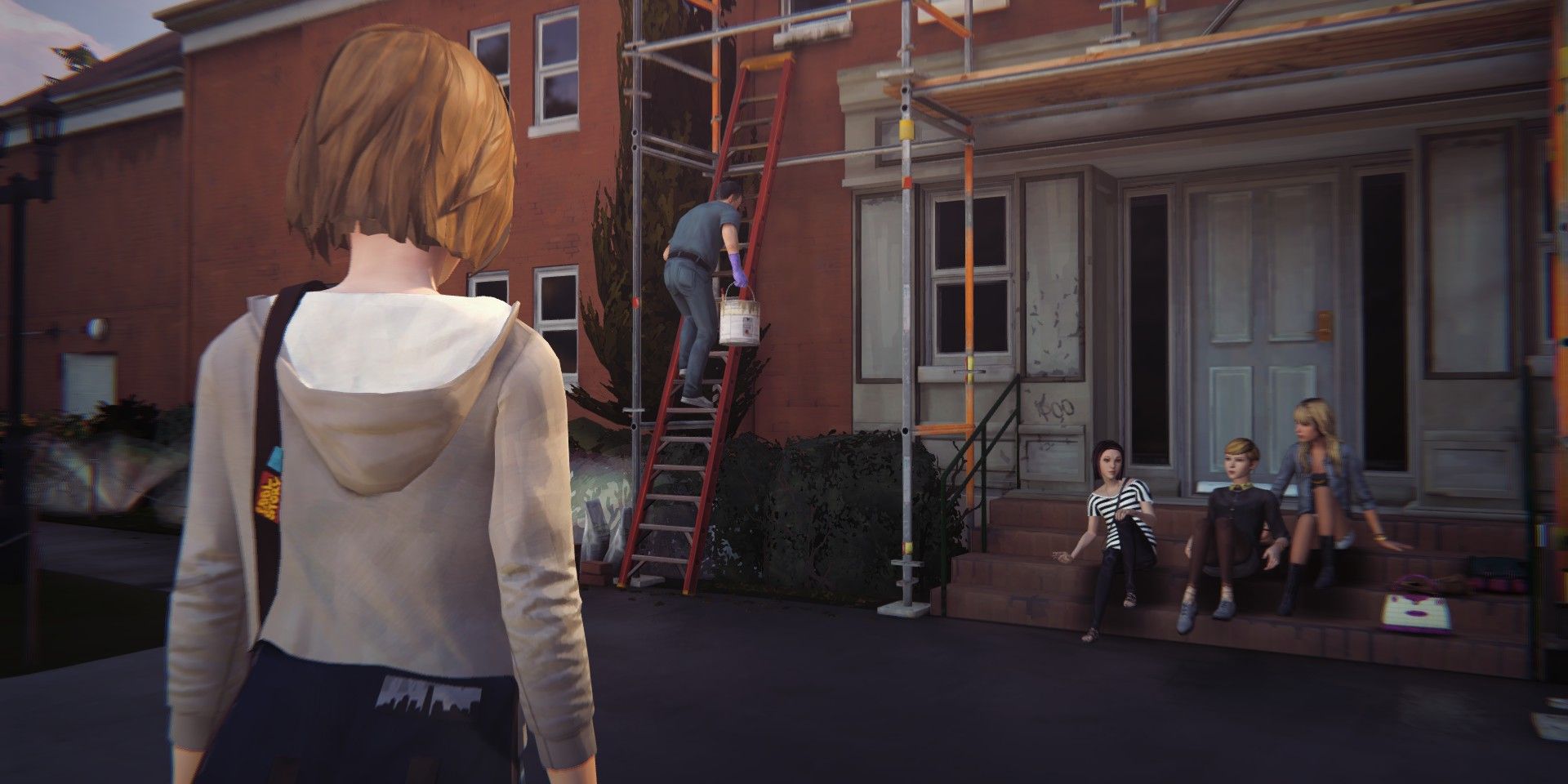
I really appreciate the games that start popular series, and the original Life is Strange definitely did that. It’s still the strongest game in the series, thanks to its well-developed characters like Max Caulfield and Chloe Price, the genuinely unsettling mystery surrounding Rachel Amber’s disappearance, the disturbing villain Mark Jefferson, and the unique time-rewinding mechanic.
What makes Life is Strange’s gameplay effective isn’t innovation, but how seamlessly it supports the story. The act of making choices – and facing or avoiding the fallout – is central to the coming-of-age narrative, and it’s brilliantly paired with Max’s time-rewinding ability and the game’s focus on player choice. Max’s photography isn’t just a creative outlet; it connects her to the story’s most difficult moments, demonstrating how even positive things can have destructive consequences. While the game’s environments aren’t expansive, they’re thoughtfully designed to reflect the themes of growing up and experiencing first love.
Okay, so everything builds up to that moment – deciding whether to save Chloe or Arcadia Bay. Honestly, it felt like a really tough choice, like those impossible decisions life throws at you, and having to accept that you’re gonna lose something no matter what. It hit especially hard because we’re dealing with all this as teenagers, you know?
The OG stands alone in what I would consider to be S-tier.
2. Life is Strange: Reunion
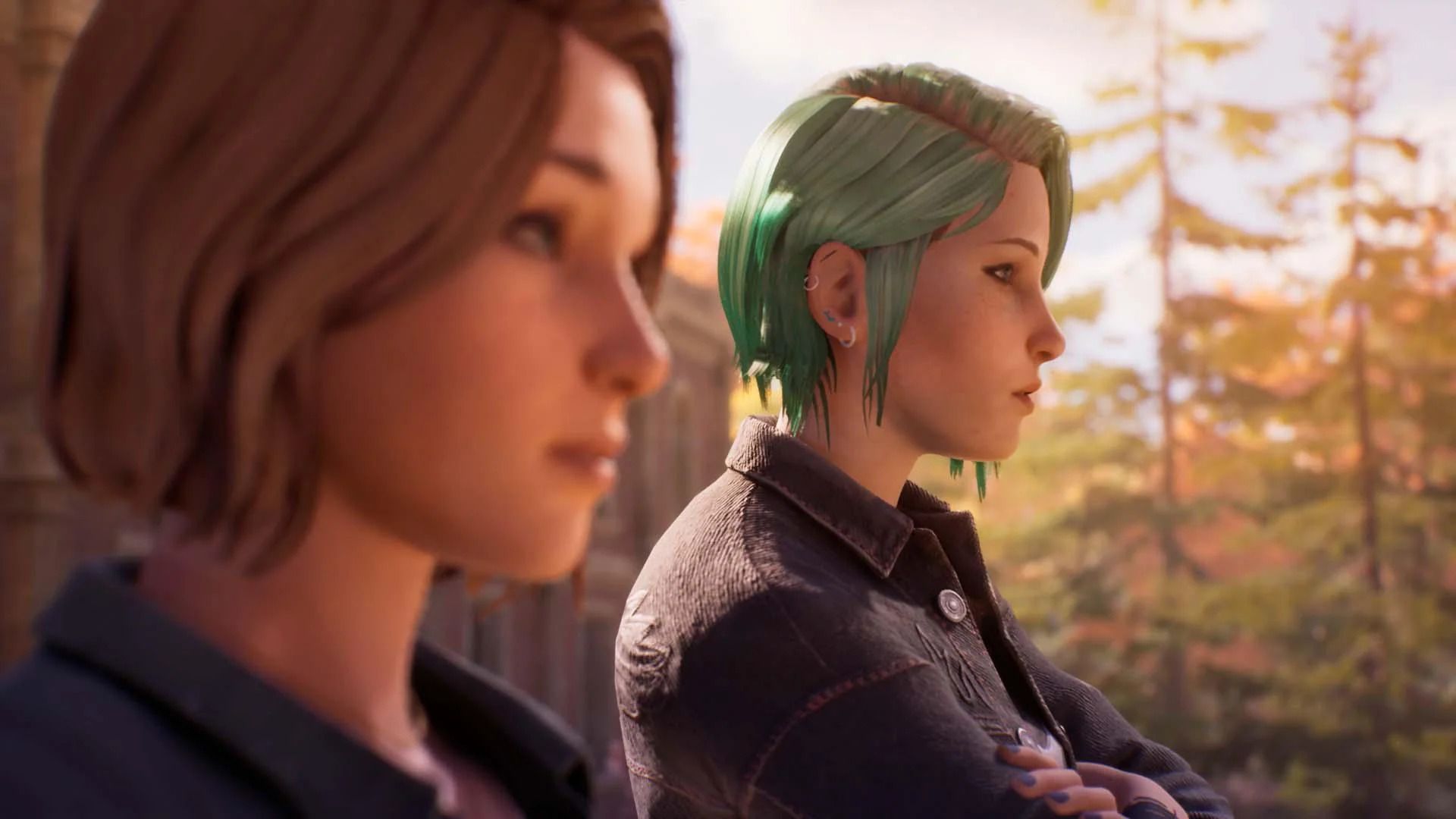
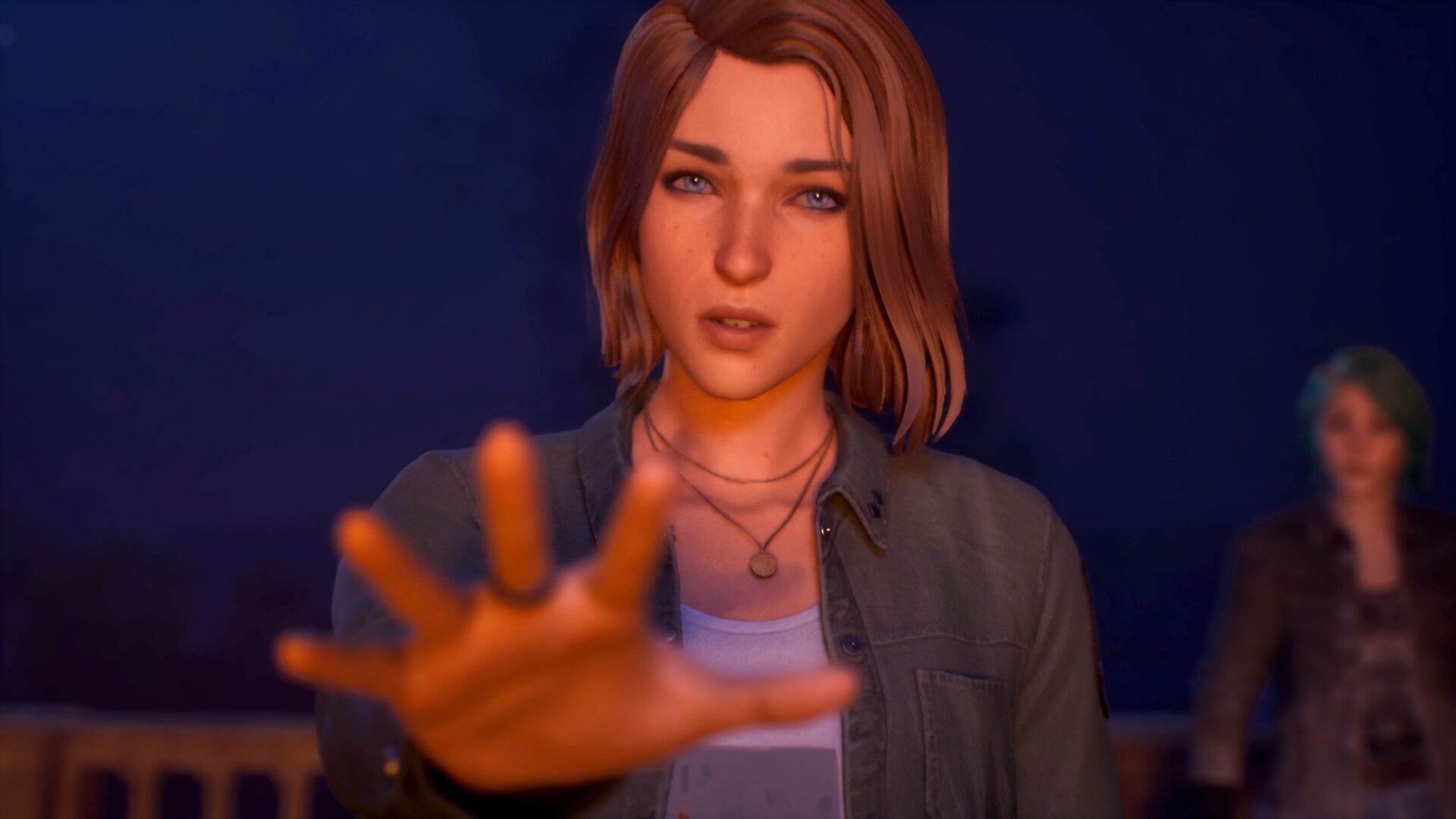
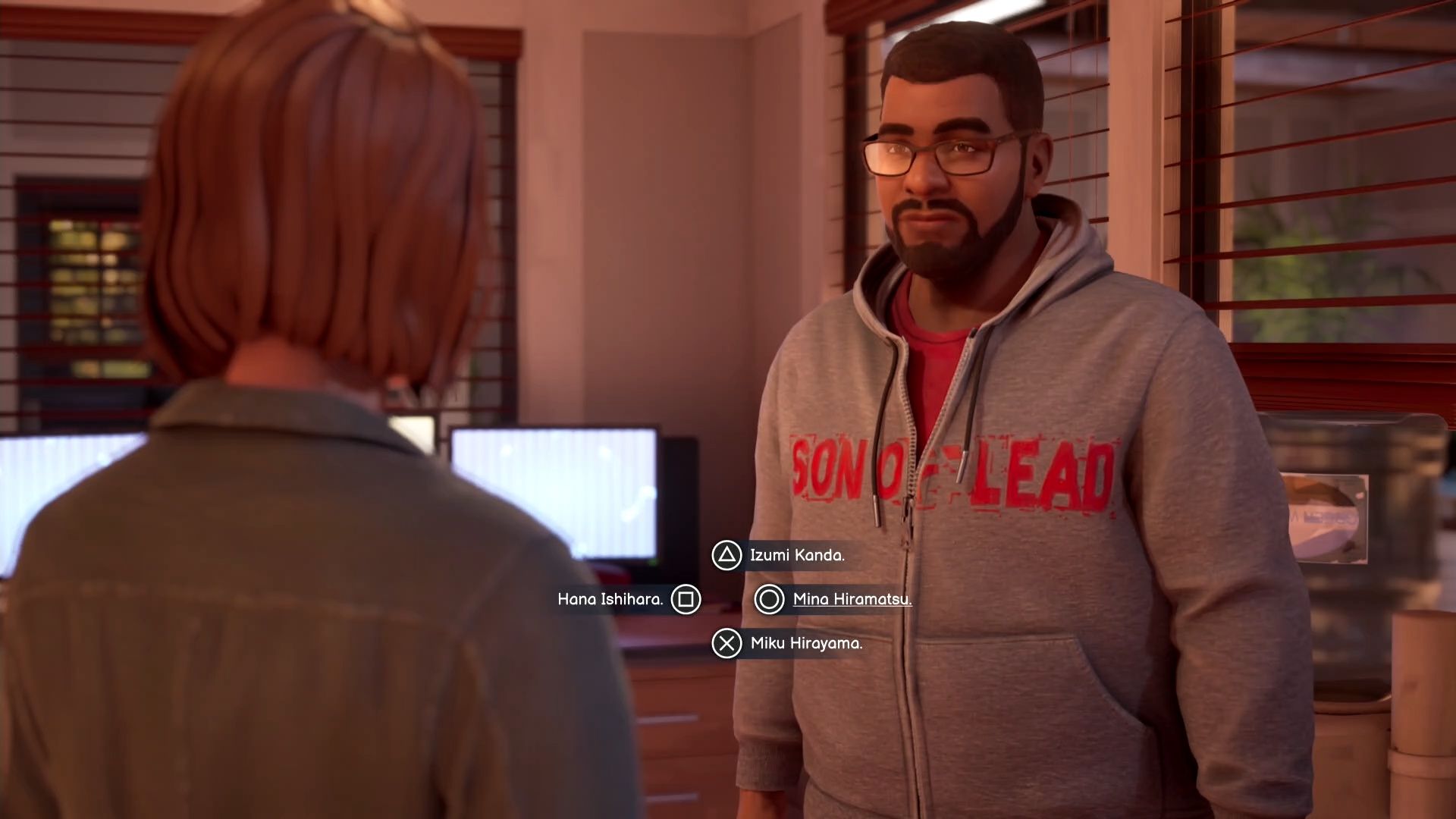
Some people might think my high opinion of Life is Strange: Reunion is just because it’s new, and that’s possible. It’ll be interesting to revisit it later and see if I still feel the same way, but right now it really resonates with me. Part of it is that I used to work at the university I went to, which made me feel even more connected to the character Max. Shortly before I finished my master’s degree, a tornado severely damaged my university campus. Because of that, I feel a strong personal connection to the story and wanting to save Caledon University. However, even more than that, and even more than seeing Chloe Price again, it’s the unexpected and powerful storytelling that really got to me.
The core of the story in Life is Strange: Reunion – focusing on Chloe Price and the experiences of Max and Chloe – powerfully shows that trauma doesn’t simply disappear. Unlike the original Life is Strange, which presented trauma as something resolved by a single, difficult choice, this game acknowledges that trauma stays with you. It doesn’t offer easy closure; instead, it highlights how trauma can worsen over time and hinder healing. Max initially believes she can move on, but eventually admits she’s been deceiving herself. She learns to live with her trauma, not to escape it. And as life goes on, new traumas accumulate – from the choices made at the end of the first Life is Strange, to the loss experienced in Double Exposure, and now the fire at Caledon University in Reunion.
Recovering from trauma is rarely simple, and Life is Strange: Reunion doesn’t magically solve those issues for Max or Chloe. However, the game does offer a sense of resolution, regardless of your choices. That’s what makes it work well as a story about what happens after coming of age – it explores how past traumas affect present struggles and future anxieties, and how those experiences shape who you become as you try to move forward. Essentially, the way you handled difficult times in the past impacts how you deal with new challenges today.
Compared to other Life is Strange games, Reunion feels surprisingly subdued. It’s almost as if the game intentionally mirrors Max’s coping mechanism of shutting things out when overwhelmed.
3. Life is Strange: True Colors
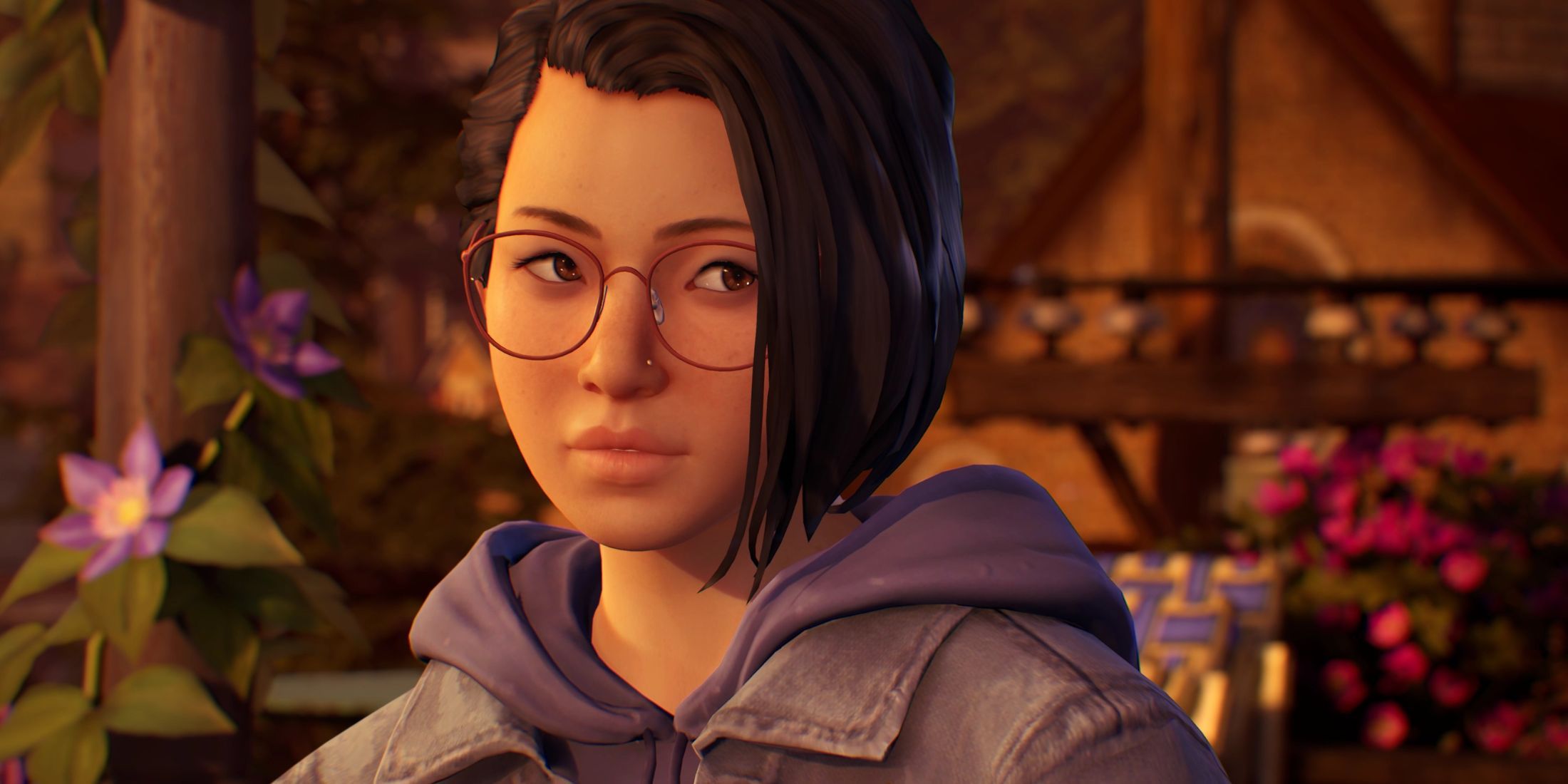
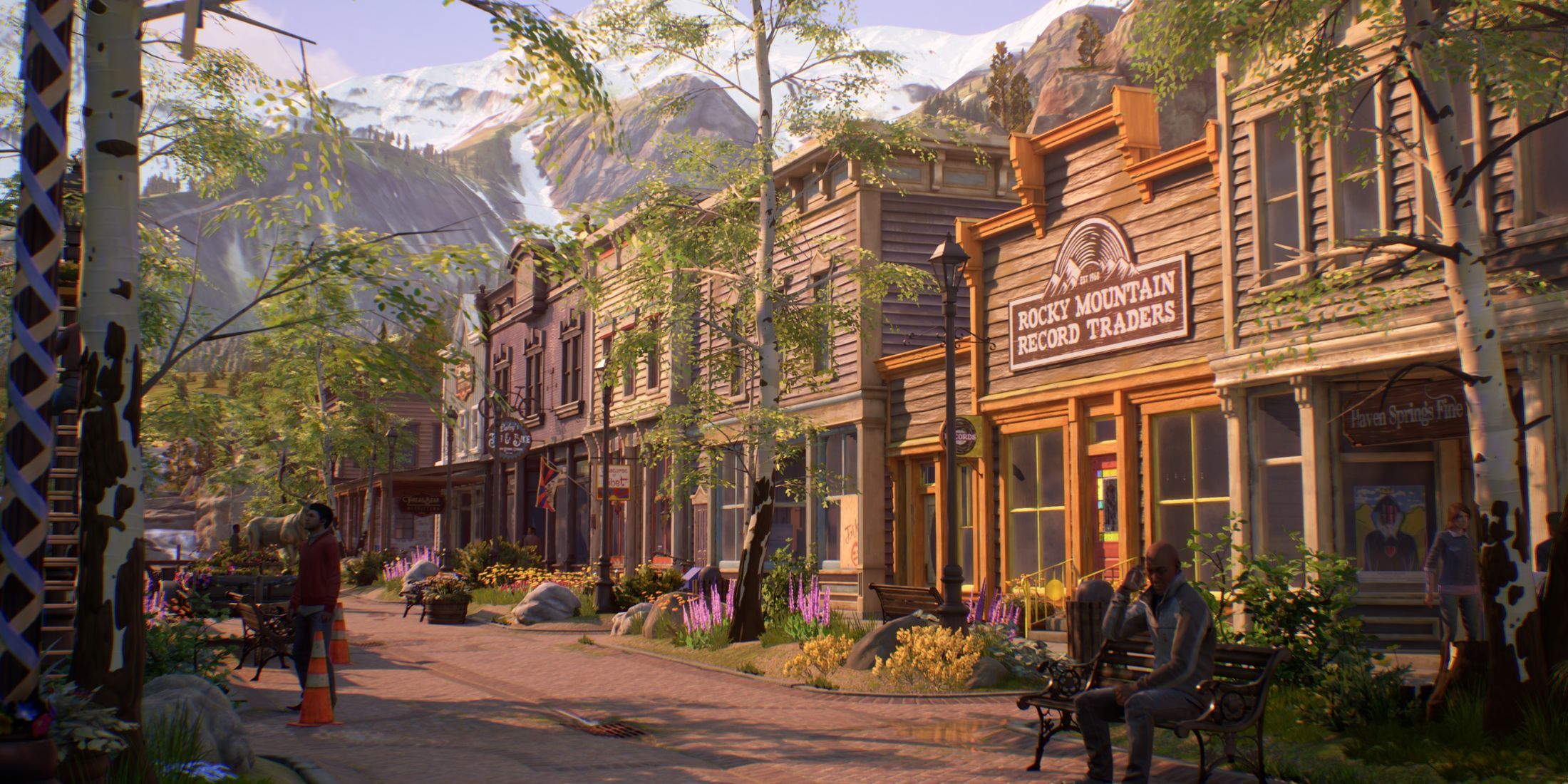
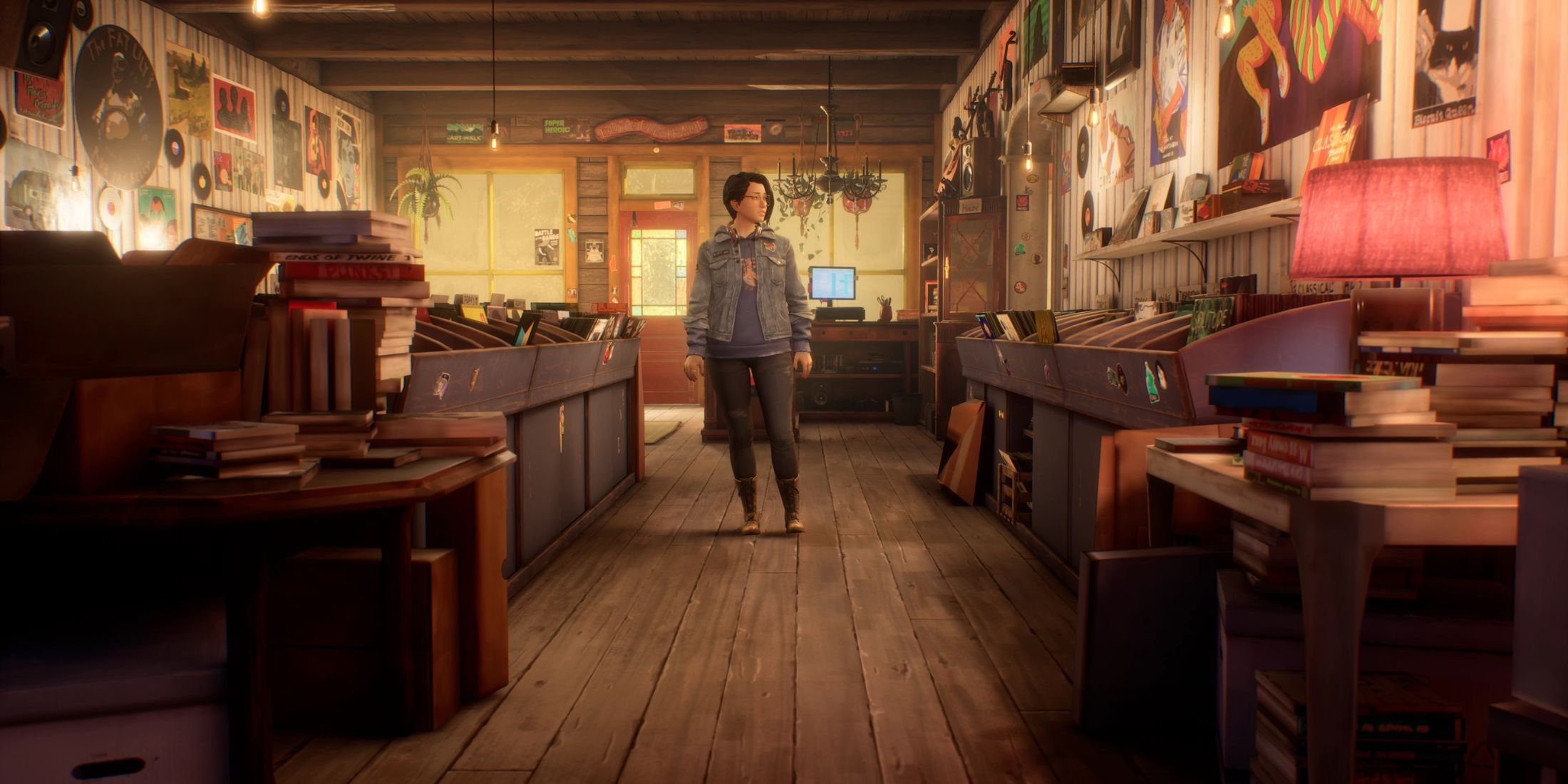
Many people don’t fully appreciate how good Life is Strange: True Colors is. It’s impressive how the game uses empathy as a superpower, weaving it into both the story and how you play. Deck Nine, the developer, really showed they understood the Life is Strange world with this installment, and I think Alex Chen is a fantastic main character. Her journey, triggered by her brother’s death, is about overcoming her own fears and learning to connect with others, even while she’s struggling internally. She grows from simply surviving emotionally to truly forming connections, facing challenges both within herself and around her.
The game also features engaging romantic interests in Ryan Lucan and Steph Gringrich. While Alex and her partner don’t quite reach the iconic status of Max and Chloe—which is a high bar—they’re well-developed characters in their own right. The combination of strong characters, gameplay focused on understanding Alex Chen and developing empathy, and a truly immersive world makes for a fantastic gaming experience.
4. Life is Strange 2
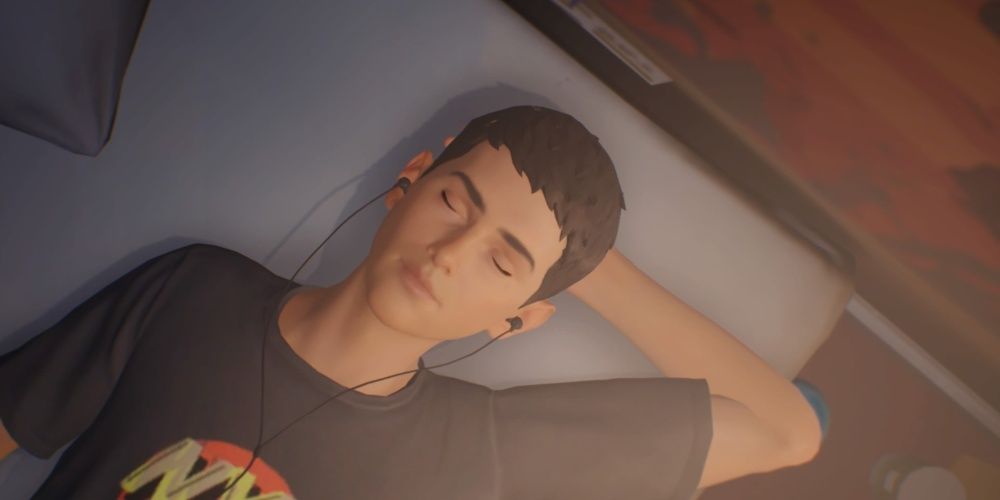
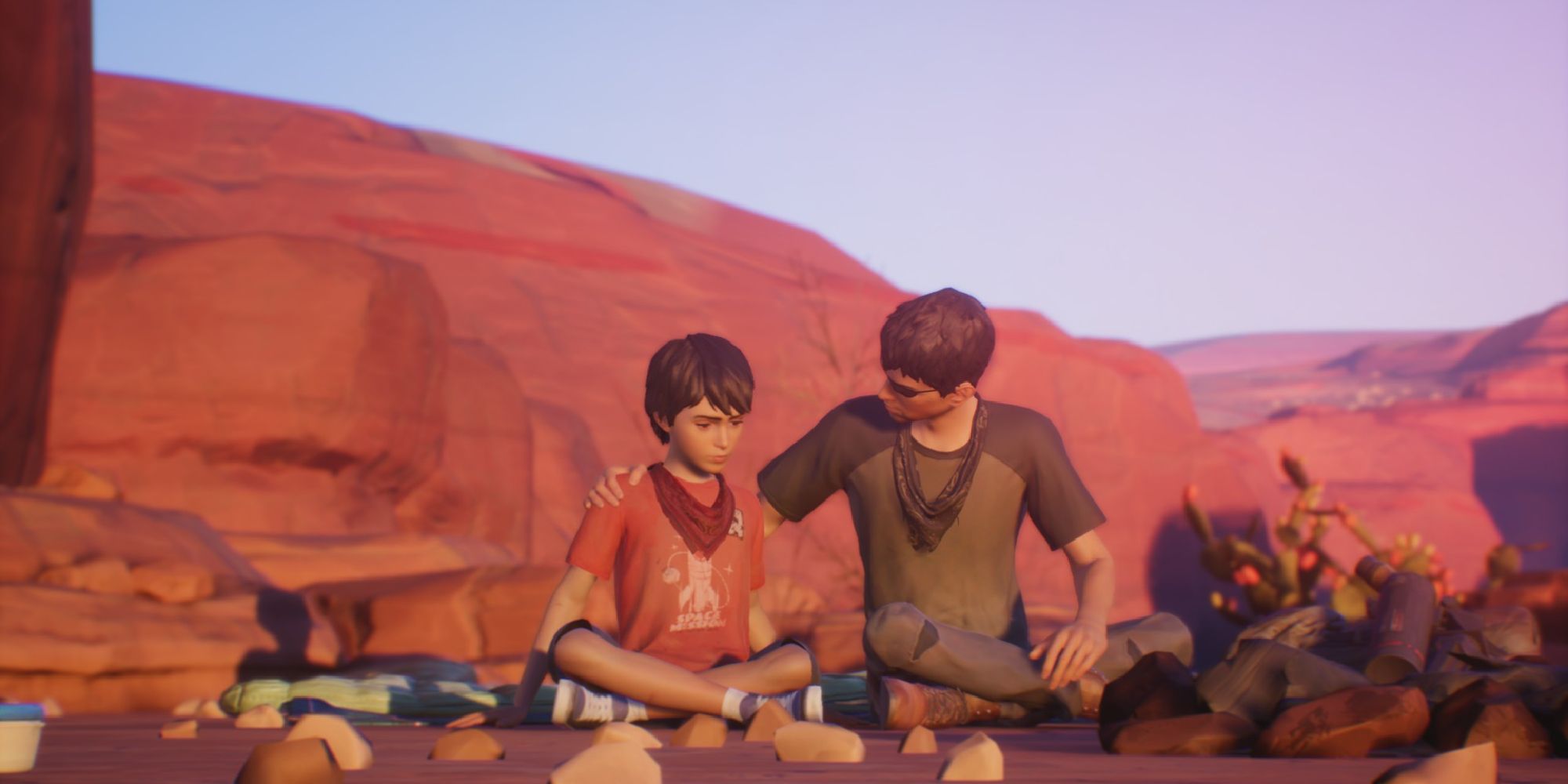
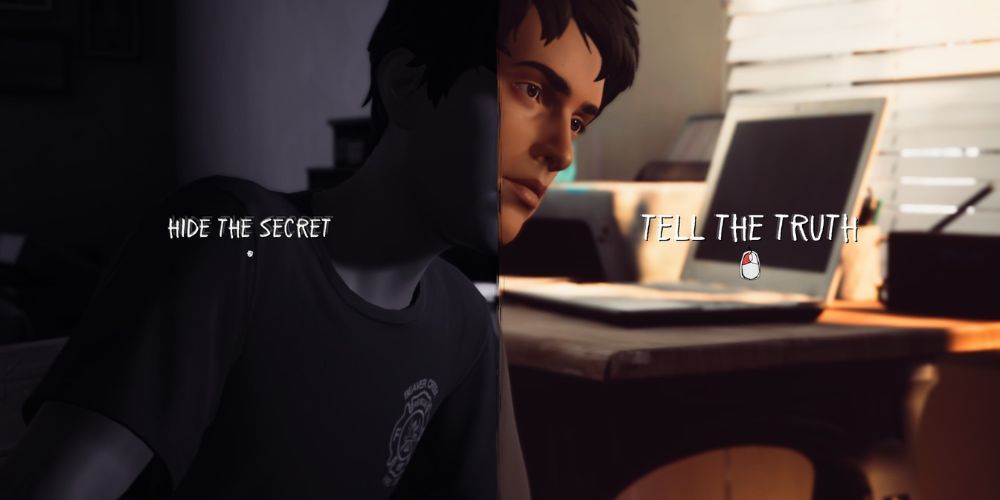
Many people don’t fully appreciate Life is Strange: True Colors, while Life is Strange 2 often receives unfair criticism. While Max and Chloe are the most famous characters in the series, Sean and Daniel deserve to be recognized as a close second. Life is Strange 2 explores powerful themes – how a single youthful error can have lifelong consequences, and the impact of systemic injustice. It also realistically portrays the painful and confusing experience of being forced to grow up too quickly, something Sean and Daniel navigate with honesty as they struggle to survive.
Life is Strange 2 differs from the first game by focusing on a more intimate and emotionally challenging story, rather than grand spectacle. The gameplay mirrors this, with players focused on basic survival – gathering supplies, doing odd jobs, and finding moments of rest. A particularly clever design choice is that you don’t directly control Daniel’s powers. Instead, you guide and influence him as he learns to use them, which adds a unique layer to the game’s narrative and choices.
As players reach the end of Life is Strange 2, the choices they make as Sean have a significant impact on Daniel’s life, shaping him for better or worse. The game uniquely focuses on how you raise Daniel, allowing him to develop a wide range of personalities and experience different levels of stability and trauma. Your decisions also determine the nature of the bond between Sean and Daniel – whether it’s joyful, melancholic, devastating, or completely fractured. These choices feel particularly meaningful because you’re not just defining one character’s fate, but influencing the lives of two, and the dynamic between them.
I’d rank those games as top-tier. I don’t think a second tier is necessary because there’s a noticeable drop in quality and personal impact after that point. It’s like moving from the best games to ones that don’t resonate with me as much or don’t offer as much to experience.
5. Life is Strange: Before the Storm
.jpg)
.jpg)
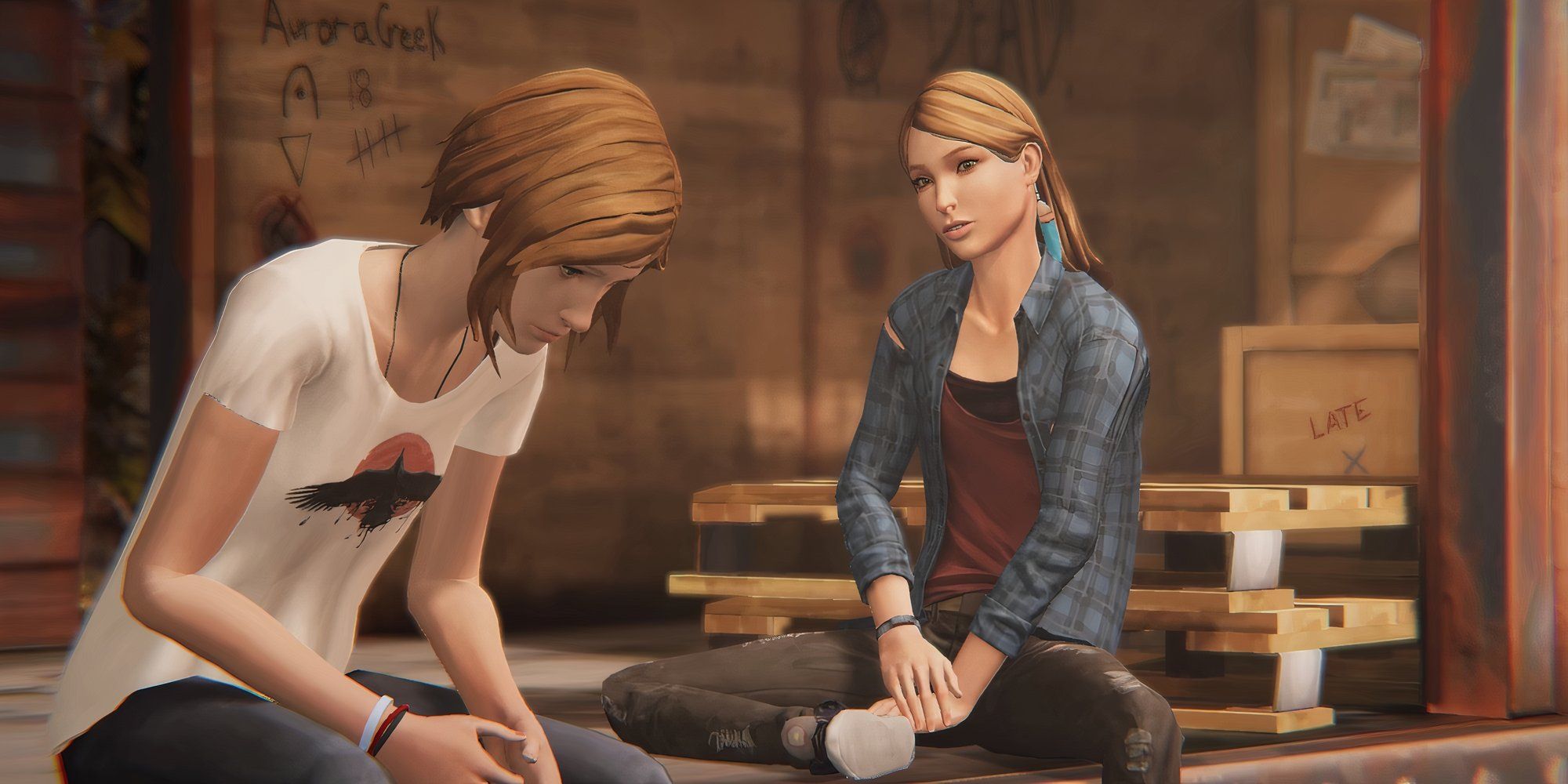
Life is Strange: Before the Storm lets you play as Chloe Price and explore her relationship with Rachel Amber, offering a look into her teenage years. While it’s a good story and provides background on Chloe, being a prequel limits its emotional impact. Choice-based games, especially, rely on meaningful consequences, where your decisions truly matter based on past events. Unfortunately, this game can’t fully deliver on that because the story has to fit within established events. There are good prequels out there, but fewer that successfully combine a strong narrative with impactful choices. Ultimately, Before the Storm feels less risky and doesn’t have the same weight as other Life is Strange games.
Who’s That Character?  Identify the silhouettes before time runs out.
Results
High Score: 0 —
6. The Awesome Adventures of Captain Spirit
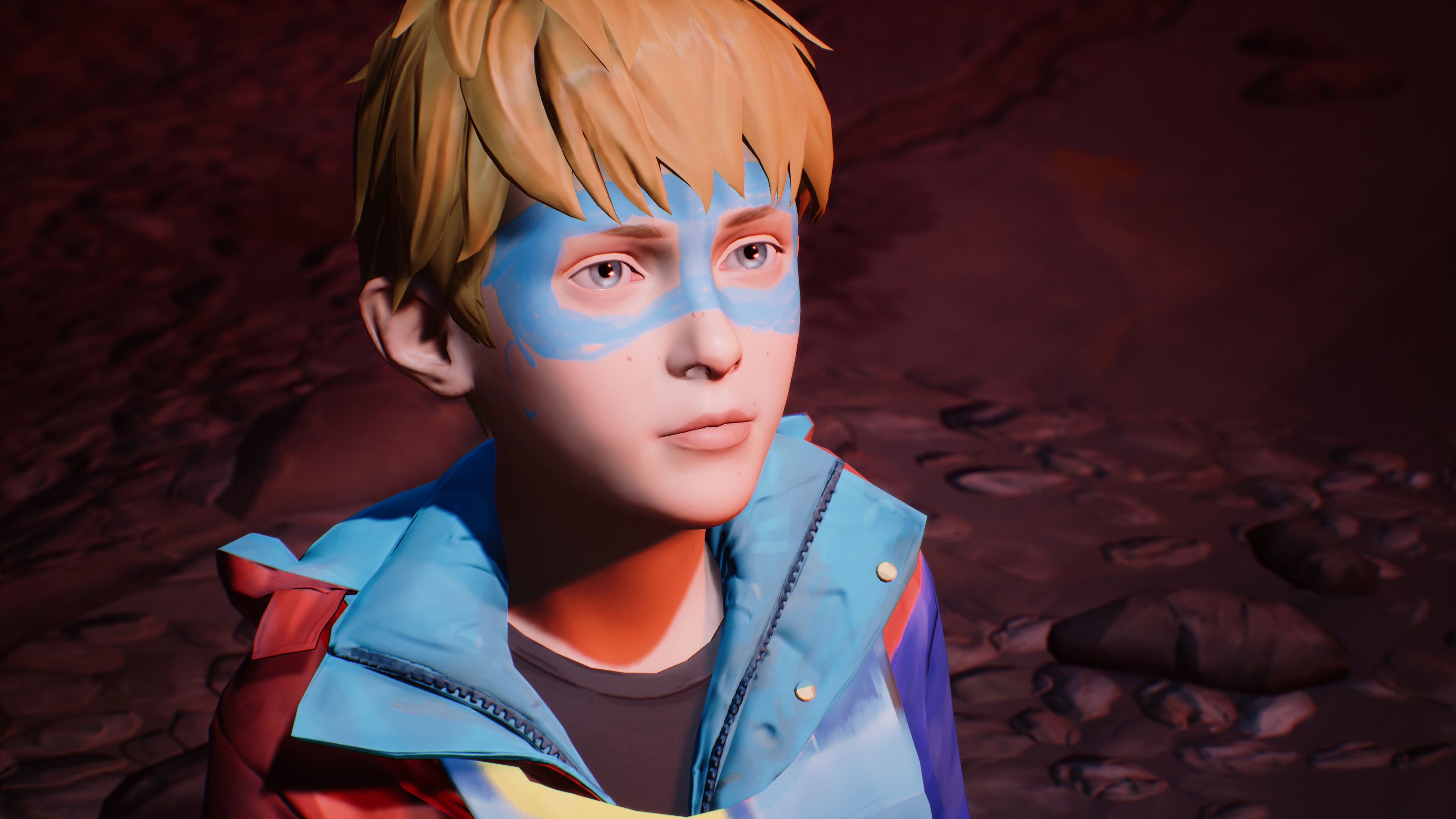
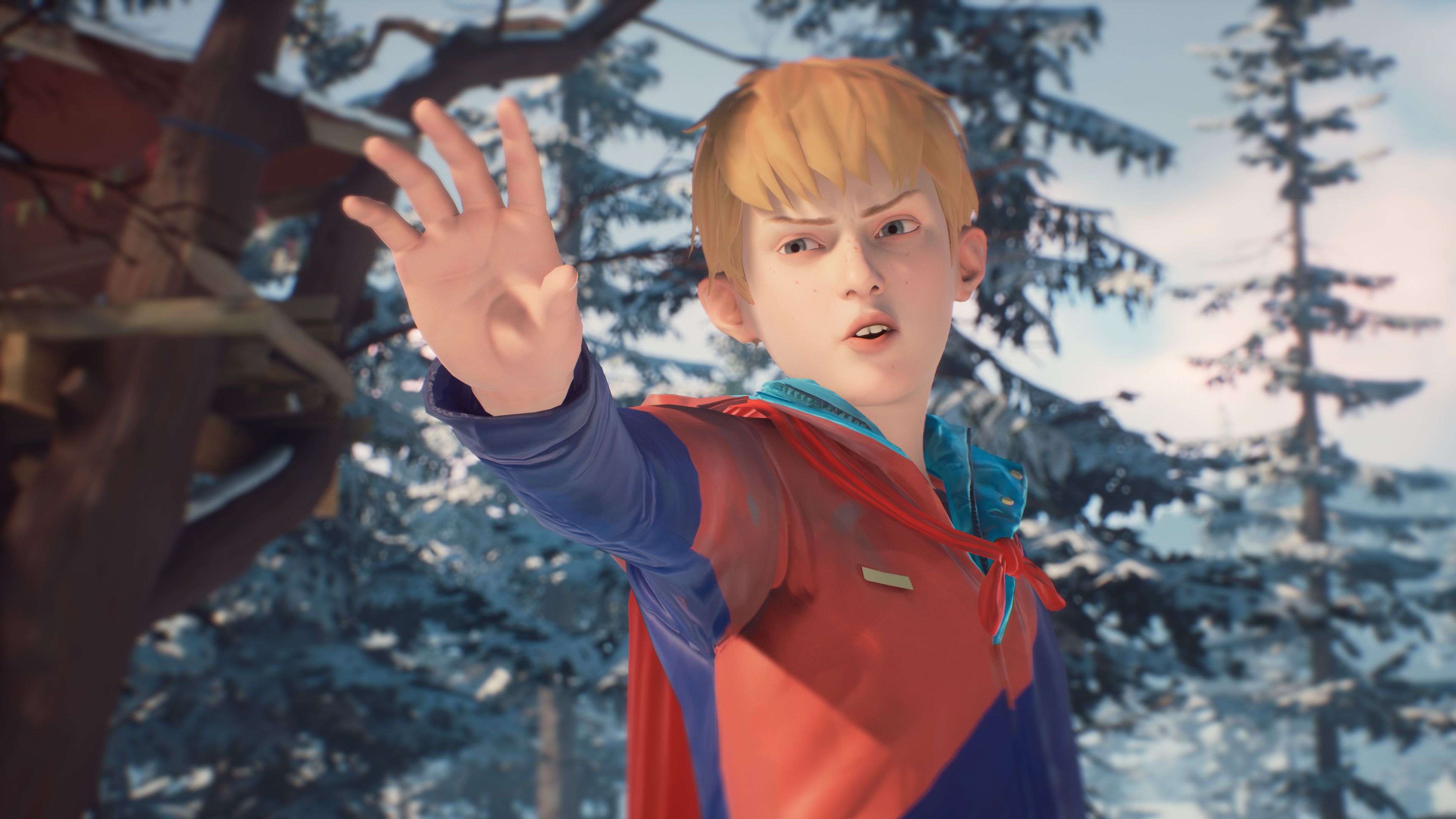
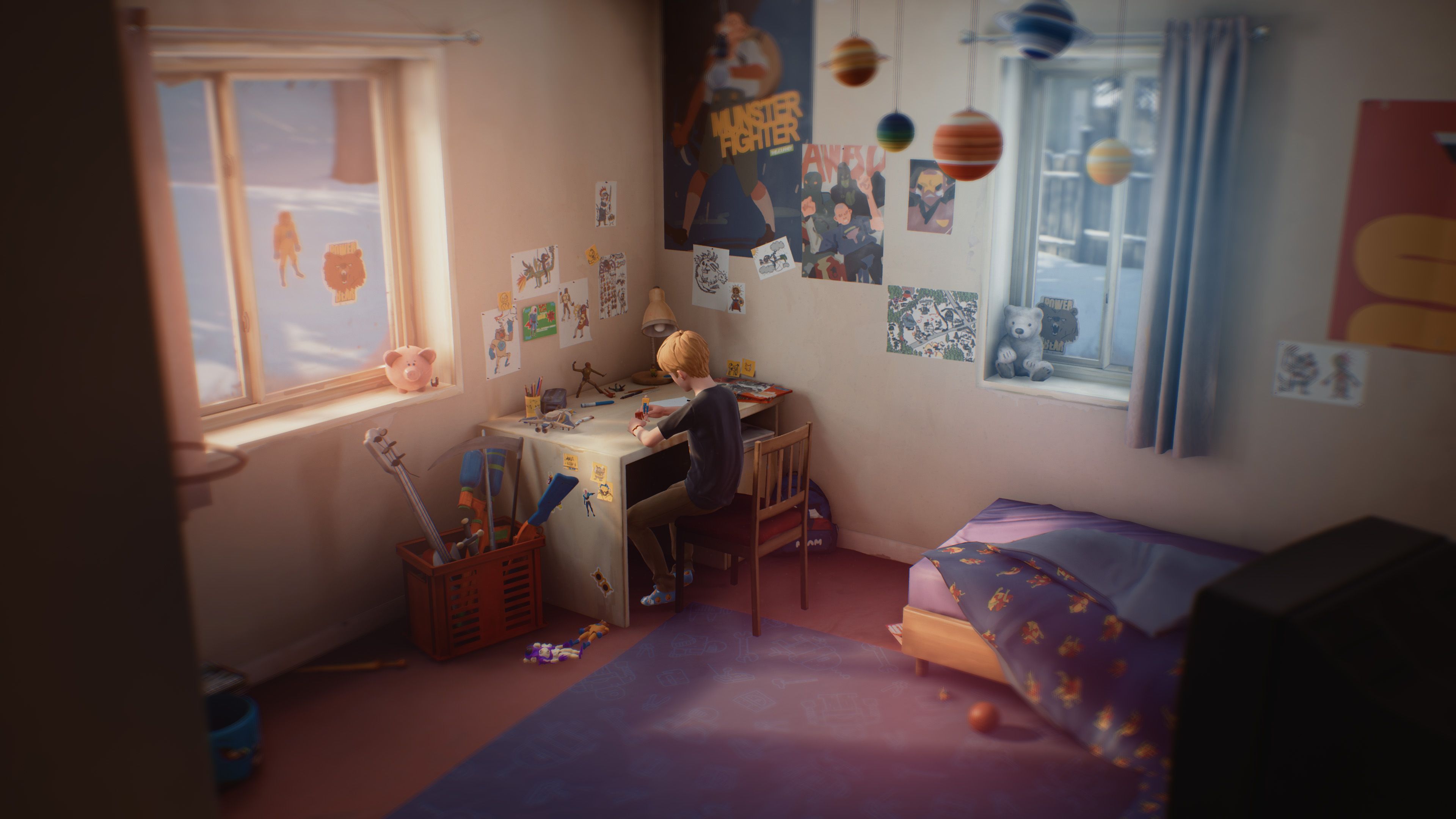
You might have noticed The Awesome Adventures of Captain Spirit doesn’t include “life is strange” in its title, and that’s because it’s a short, standalone demo meant to tease and set up future events. Honestly, it almost feels unnecessary, which mirrors some of my concerns about it. While Life is Strange: Before the Storm simply retreads familiar ground, Captain Spirit feels more like a disconnected introduction and bridge to something else, and not a traditional prequel with a strong connection to what came before.
This game centers around a boy using his imagination as a way to cope with being neglected, which is a strong idea for a Life is Strange story. However, the game doesn’t quite deliver on that promise. The main character, Chris Eriksen, experiences two worlds – reality and the world of his superhero persona, Captain Spirit – but the ‘twist’ that it’s all in his head isn’t much of a surprise, especially given the game’s title. The ending feels incomplete and doesn’t offer any real resolution. While he has a brief, positive experience in Life is Strange 2 thanks to a connection with Daniel, one good day isn’t enough to address the lasting effects of the neglect he’s faced, or will continue to face.
I’d rate these games as pretty low-tier. While I have strong feelings about them, my main issue is what they don’t offer. They don’t deliver captivating stories about the struggles of life, whether through superpowers, personal challenges, or elements fans expect from the series.
7. Life is Strange: Double Exposure
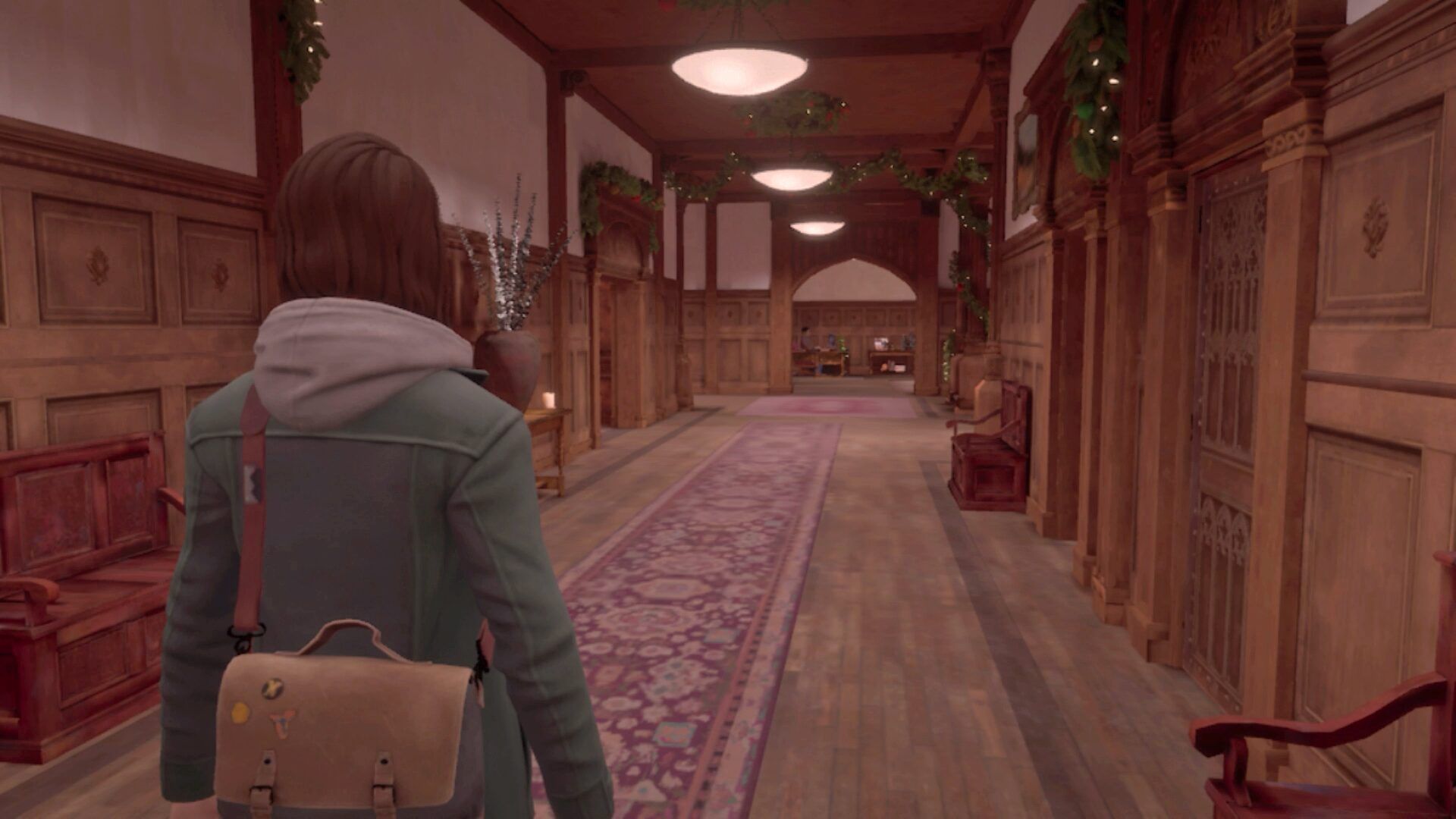
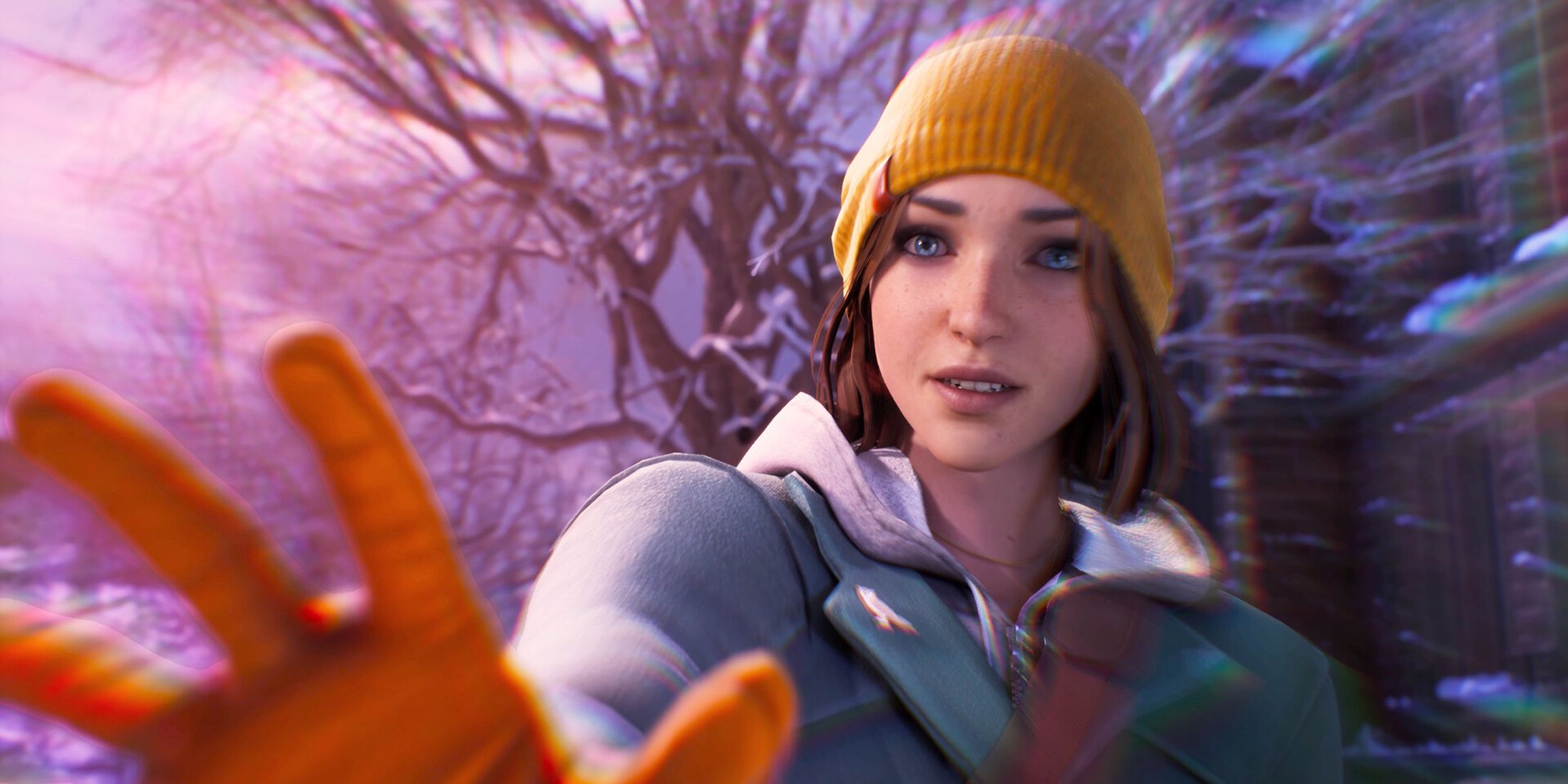
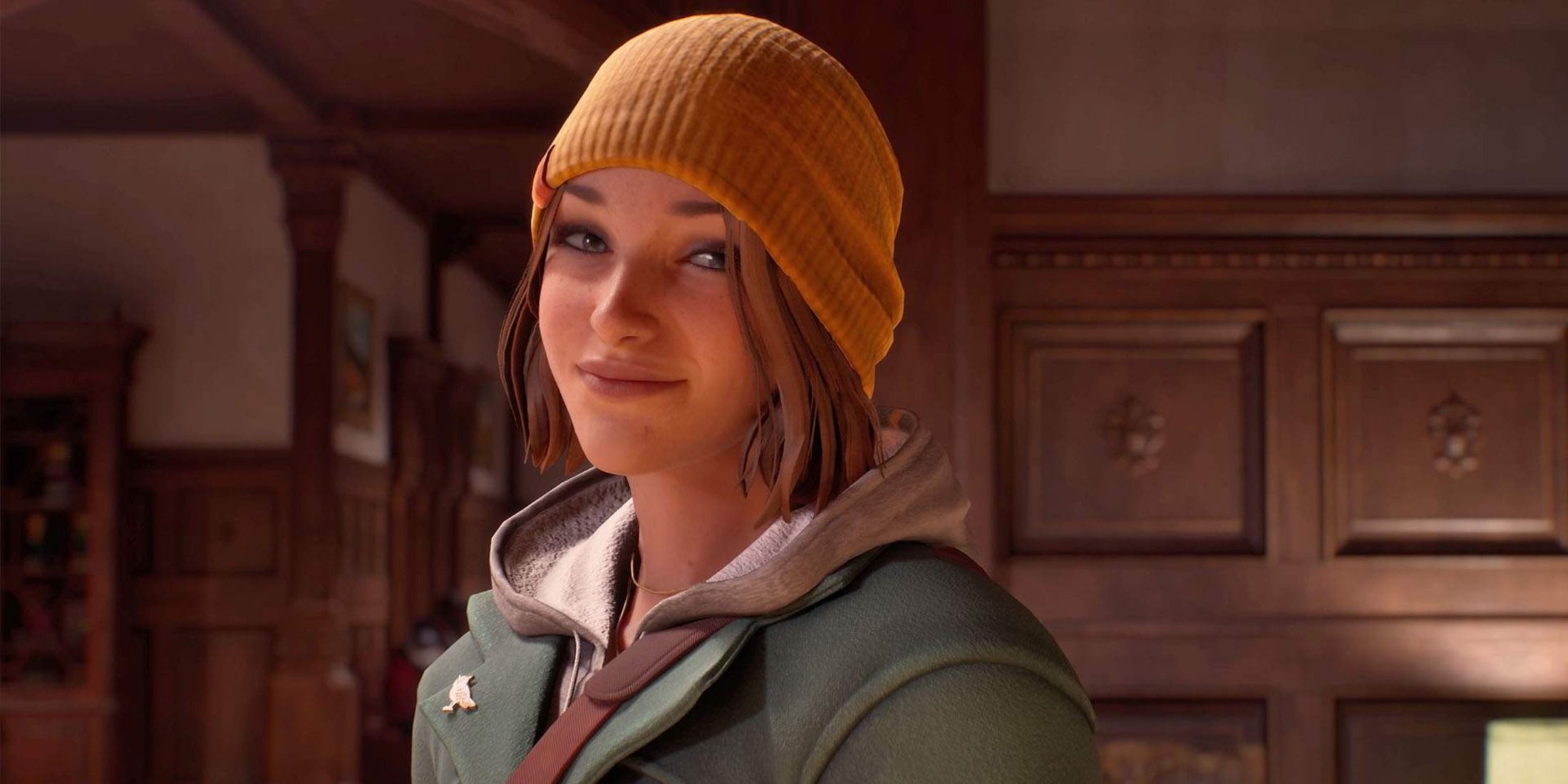
Okay, so Life is Strange: Double Exposure definitely tried some cool new things with the timeline mechanic – it wasn’t a huge leap, but it was fun to play around with. The setting at Caledon University and the characters they introduced were really promising. But honestly, Double Exposure kind of started strong, then tripped and fell flat on its face. And then Life is Strange: Reunion came along and absolutely nailed it. Reunion is so good, it actually made me appreciate Double Exposure a little more, because Reunion’s story needed Max’s setup to work. But let’s be real, Double Exposure isn’t one of the best Life is Strange games, and it almost took the whole series down a totally different path.
As a big fan, I feel like every Life is Strange game puts its own spin on what makes the series special, but Double Exposure just threw all of that out the window. The beginning actually felt promising, but then it completely turned into a Marvel-style plot – huge action, big conflicts. Seriously, the ending even had that classic Marvel “to be continued” tease, making it feel like Life is Strange: Civil War was next. It was such a shift from the messy, character-driven stories about growing up that I love about the series, and honestly, it still frustrates me! Thankfully, Life is Strange: Reunion pulled things back, which really helped the overall story, and it also made sense of Safi’s role. Maybe Civil War wasn’t the original plan, but that’s definitely how it felt.
Life is Strange: Double Exposure is a major disappointment and currently ranks as the worst entry in the series. It’s the first time I’ve genuinely worried about where the future of the franchise is headed.
Read More
- All Skyblazer Armor Locations in Crimson Desert
- One Piece Chapter 1180 Release Date And Where To Read
- How to Get the Sunset Reed Armor Set and Hollow Visage Sword in Crimson Desert
- All Shadow Armor Locations in Crimson Desert
- All Golden Greed Armor Locations in Crimson Desert
- How to Beat Stonewalker Antiquum at the Gate of Truth in Crimson Desert
- All Helfryn Armor Locations in Crimson Desert
- Marni Laser Helm Location & Upgrade in Crimson Desert
- Black Sun Shield Location In Crimson Desert (Buried Treasure Quest)
- Re:Zero Season 4 Episode 1 Release Date, Where to Watch
2026-04-11 00:06