In the shadowed corridors of Hong Kong’s JW Marriott, where the scent of ambition mingled with the hum of air conditioning, Liquidity 2026 (LTP Summit) unfolded like a Soviet-era bureaucratic nightmare with a crypto twist. Here, amidst the clinking of name tags and the rustle of whitepapers, the true struggle began-not for power, but for the soul of finance itself. The summit’s theme, “Bridging Digital Assets and Traditional Finance,” was less a bridge and more a rickety raft, bobbing in the stormy sea of institutional demand and regulatory anxiety.
An Event for the Annals
The LTP Summit, in its fourth iteration, was less a conference and more a ritualistic incantation to appease the market gods. Attendees gathered not to celebrate innovation, but to whisper prayers over spreadsheets, hoping their numbers would survive the next crypto winter. The event’s claim of 1,000+ attendees felt less like a crowd and more like a funeral procession for the old guard, with every panel a eulogy for centralized finance.
Discussions buzzed like trapped wasps in a glass jar-contained, frantic, and occasionally stinging. The summit’s focus on “multi-asset financial infrastructure” was less about building bridges and more about shoring up levees against the flood of tokenized chaos. As one speaker quipped, “We’re not here to disrupt. We’re here to… gently nudge the system toward collapse.”
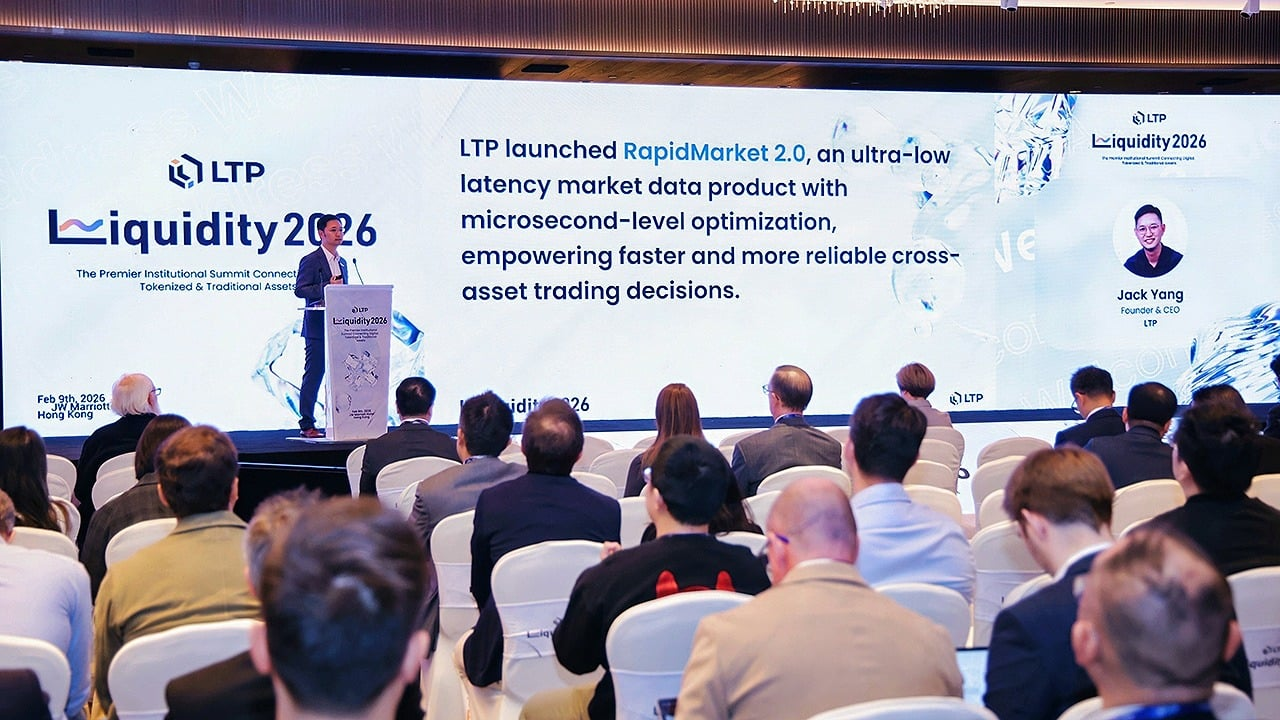
Among the key takeaways:
- Institutional panels debated whether post-trade systems could survive a coffee spill, let alone a market crash;
- Debates over interoperability and custody felt less like technical discussions and more like a therapist’s office, dissecting the same old arguments with new jargon.
And yet, amid the existential dread, a faint glimmer of hope emerged: demand. As Binance’s Adrian Tan, ever the pragmatist, noted, “It’s always about user demand. If there’s demand, you build the product to serve it. You don’t try to sell a product that has no demand.” A statement so profound it could’ve been etched into a monument-had anyone believed it.
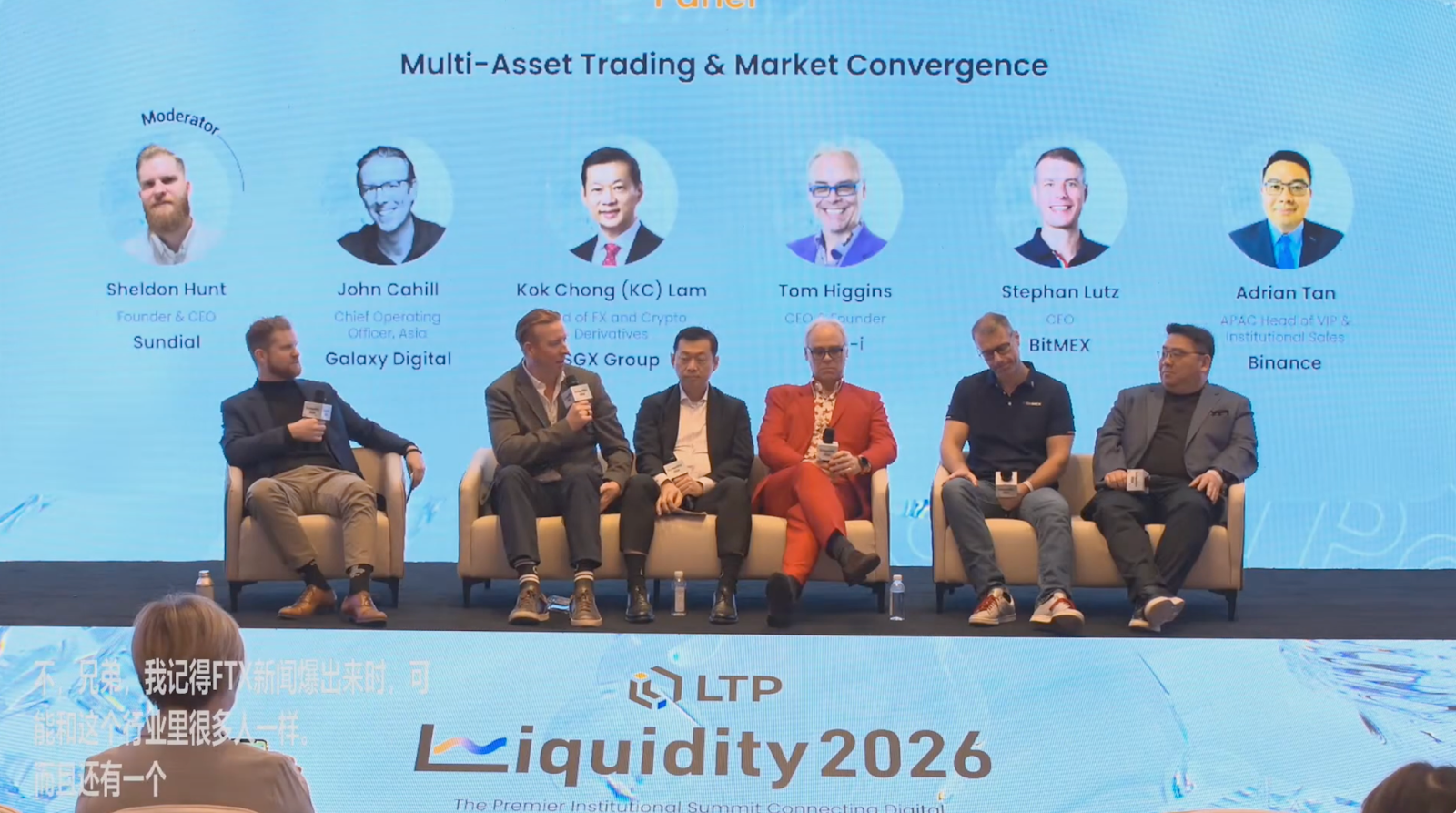
Demand → Product
Demand, that elusive specter, became the summit’s unofficial mascot. It whispered promises of tokenized assets and multi-asset portfolios, all wrapped in the reassuring blanket of “clear risk limits” and “reliable custody.” Yet, as one attendee muttered, “Reliable custody? That’s just a fancy way of saying ‘don’t lose my money.’”
The summit’s sessions on liquidity pricing and risk management felt less like academic discourse and more like a survival guide for the apocalypse. Panelists spoke of “capital flow and allocation trends” as if they were deciphering runes, and the push for pluggable products sounded suspiciously like a plea for institutional-grade Legos.
And what of the balance-sheet tools-staked assets, stablecoins, RWAs? They were treated like sacred relics, their behavior under stress scrutinized with the intensity of a priest examining a holy grail. As one panelist dryly observed, “If markets gap and everyone needs certainty, we’ll all be eating humble pie-preferably gluten-free.”
Risk Frameworks: Collateral, Ownership, and Where Deals Fail
Collateral, that modern-day alchemy, was dissected with the fervor of a medieval inquisition. Fidelity’s Emmanuelle Pecenicic laid out the four sins of institutional finance: legal ownership risk, operational risk, custodial risk, and liquidity risk. It was a checklist worthy of Kafka, where even the cleanest legal papers couldn’t shield you from the specter of thin liquidity.
“We see four main risks: legal ownership risk, operational risk of moving capital and tokens on-chain, custodial risk, and liquidity risk.”
Pecenicic’s example of digital twins-those pesky clones that can’t be collateral-felt less like a technical limitation and more like a metaphor for the crypto world itself: beautiful in theory, disastrous in practice.
“In a fund context, you have digital twins… those can’t be eligible as collateral.”
BitMEX’s Stephan Lutz, ever the realist, added another layer of complexity: fiduciary duties. “Founders miss the trust part,” he said. A statement that could’ve been carved into the walls of a derivatives exchange, where trust is as scarce as a functioning auto-deleveraging system.
Exchange Mechanics, Auto-Deleveraging, and the Reality of 24/7 Liquidation
Auto-deleveraging, that uninvited guest at the crypto party, took center stage. CoinRoutes’ Ian Weisberger painted a picture of chaos: 2 a.m. liquidations, no calls, no warnings-just a digital guillotine. It was a far cry from the “margin call” traditions of TradFi, where the phone rings like a death knell.
“You really need a system like CoinRoutes to tell you when you’re getting auto-deleveraged… at 2 a.m.”
As portfolios sprawled across digital and traditional assets, the summit’s attendees faced a harsh truth: the 24/7 market is less a convenience and more a ticking time bomb. One panelist joked, “Who needs sleep when you can be liquidated at any hour?” A sentiment that, while darkly humorous, underscored the summit’s central thesis: predictability is the new gold standard.
What still Holds Institutions Back, and What’s Changing
Regulatory clarity, that elusive chimera, emerged as both a shield and a sword. Ceffu’s Ian Loh noted that infrastructure follows rules like a puppy follows its owner. “When the rules are clearly defined, infrastructure tends to follow,” he declared-a statement that sounded less like optimism and more like a desperate wish.
“Compliance comes first… it implies the underlying infrastructure meets institutional-grade expectations.”
Warren Burke of NXMarket, meanwhile, hinted at the industry’s blind spot: cybersecurity. “We’re still incredibly young,” he admitted, a confession that rang truer than most. The summit’s attendees, armed with disclaimers and jurisdictional restrictions, seemed to agree: the future of finance is a game of hide-and-seek, where the stakes are measured in billions.
What’s the Endgame?
If there was a unifying theme at Liquidity 2026, it was this: the “institutional” chapter isn’t about flashy products. It’s about systems that behave like clocks, not chaos. Custody that doesn’t vanish. Risk frameworks that don’t melt under pressure. Venue mechanics that don’t surprise you at 2 a.m. when markets are thin.
“The endgame is more than a TradFi overhaul. It’s going to be a brave new world of polished applications and game-changing developments.”
Adrian Tan’s words hung in the air like a promise-or a warning. The next LTP Summit, in 2027, will likely measure whether 2026’s conversations translated into systems that survive the test of time. Until then, the market remains a stage where the actors are still writing the script, and the audience is holding its breath, waiting for the next act.
Read More
- All Shadow Armor Locations in Crimson Desert
- All Skyblazer Armor Locations in Crimson Desert
- How to Get the Sunset Reed Armor Set and Hollow Visage Sword in Crimson Desert
- Marni Laser Helm Location & Upgrade in Crimson Desert
- Best Bows in Crimson Desert
- All Helfryn Armor Locations in Crimson Desert
- All Golden Greed Armor Locations in Crimson Desert
- How to Craft the Elegant Carmine Armor in Crimson Desert
- Wings of Iron Walkthrough in Crimson Desert
- Keeping Large AI Models Connected Through Network Chaos
2026-02-23 18:14