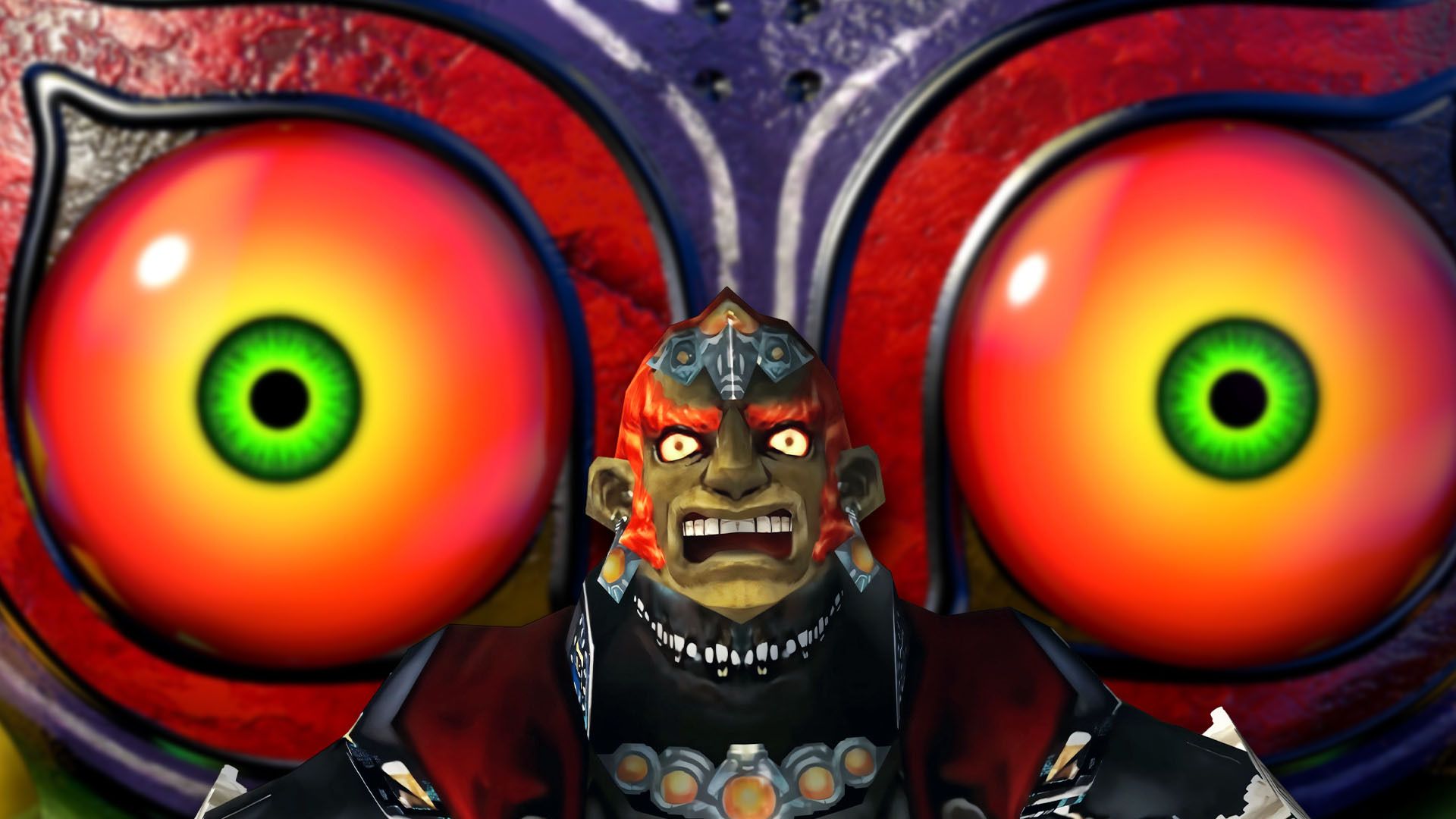
Throughout most of its history, The Legend of Zelda has followed a predictable pattern of good versus evil, often featuring Ganon as the main antagonist. While he’s usually presented as a powerful enemy to defeat, this approach can become repetitive after multiple games. The series truly shines when it deviates from this formula, creating villains who are more complex, unique, and move beyond typical villain tropes.
Majora is a unique villain because it isn’t driven by a desire to conquer or rule. Instead, it embodies pure, aimless chaos – destruction for its own sake, and power without reason. This lack of clear motivation is what makes it so much more disturbing than other villains in the Zelda series. Majora doesn’t just threaten the world; it fundamentally alters it, even warping time itself. It’s an antagonist that challenges the player and completely reshapes the gameplay experience in a way no other Zelda villain has.
Fit the 9 games into the grid.
Results
Pick a game
Majora Is Beyond Distinct
A Threat Without A Motive
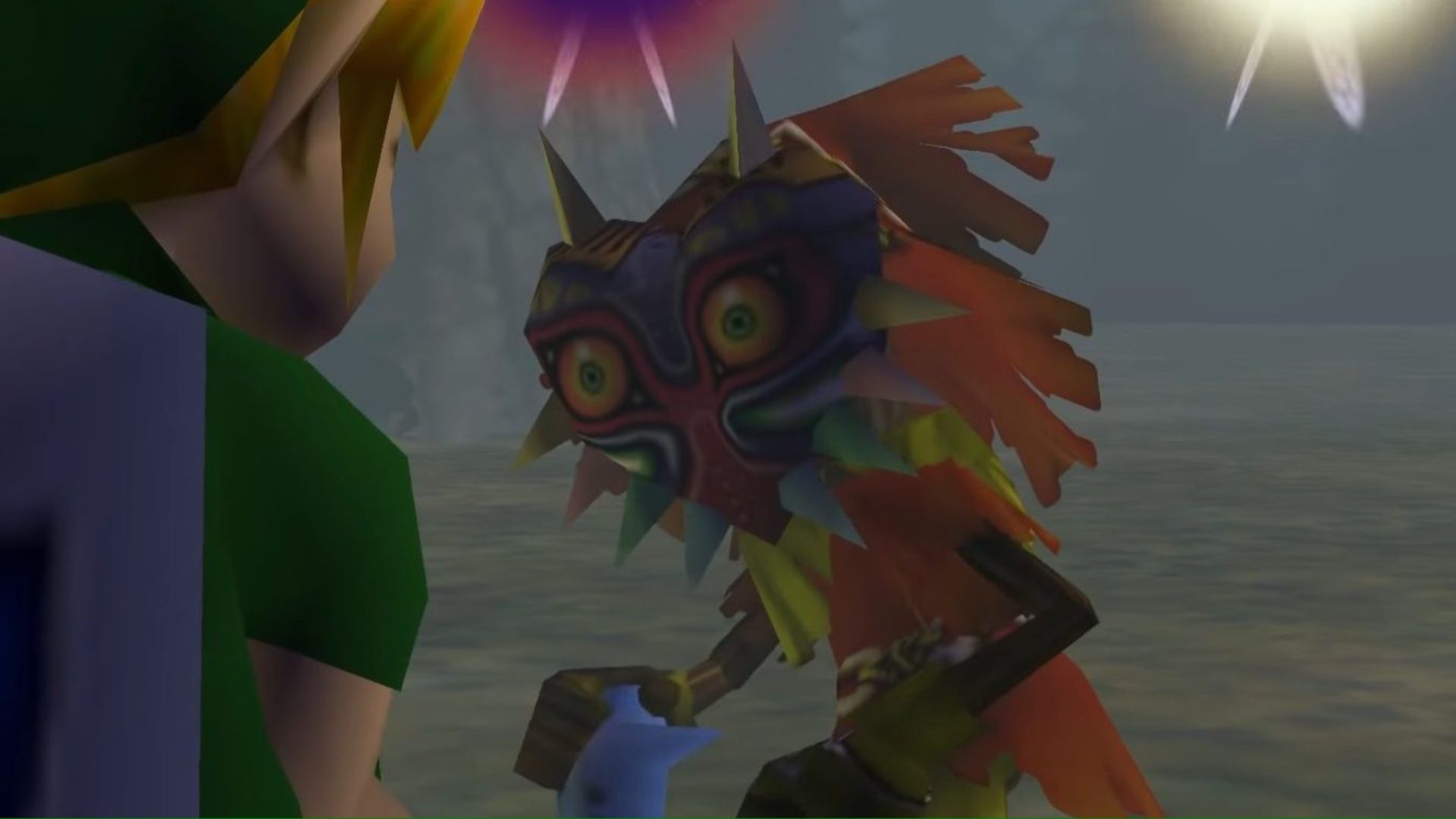
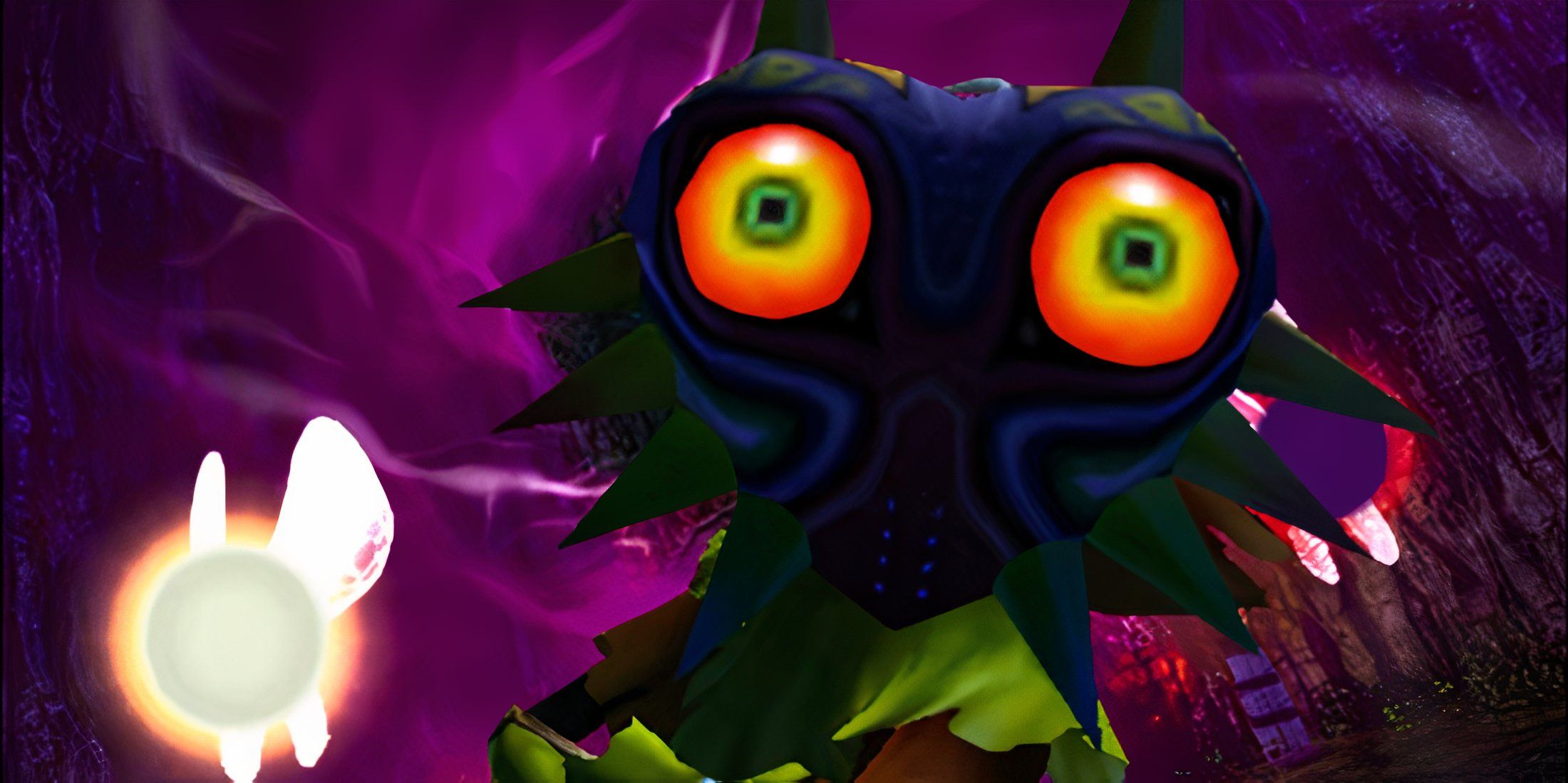
Details:
- Lacks clear goals and acts with rage rather than reason
- Operates outside of the series’ traditional power-driven conflicts
While Ganon always wants to conquer and control everything, Majora’s goals aren’t so clear. It doesn’t try to take over Termina or build an empire; instead, it seems to just want to destroy things, for no apparent reason.
The absence of a clear reason for its actions makes Majora unpredictable and heightens the fear. Because we can’t understand its goals or anticipate what it will do, it creates a much stronger sense of tension and makes it feel truly foreign compared to other villains in the series.
Larger Influence Over The World
Reshaping The Entire Landscape
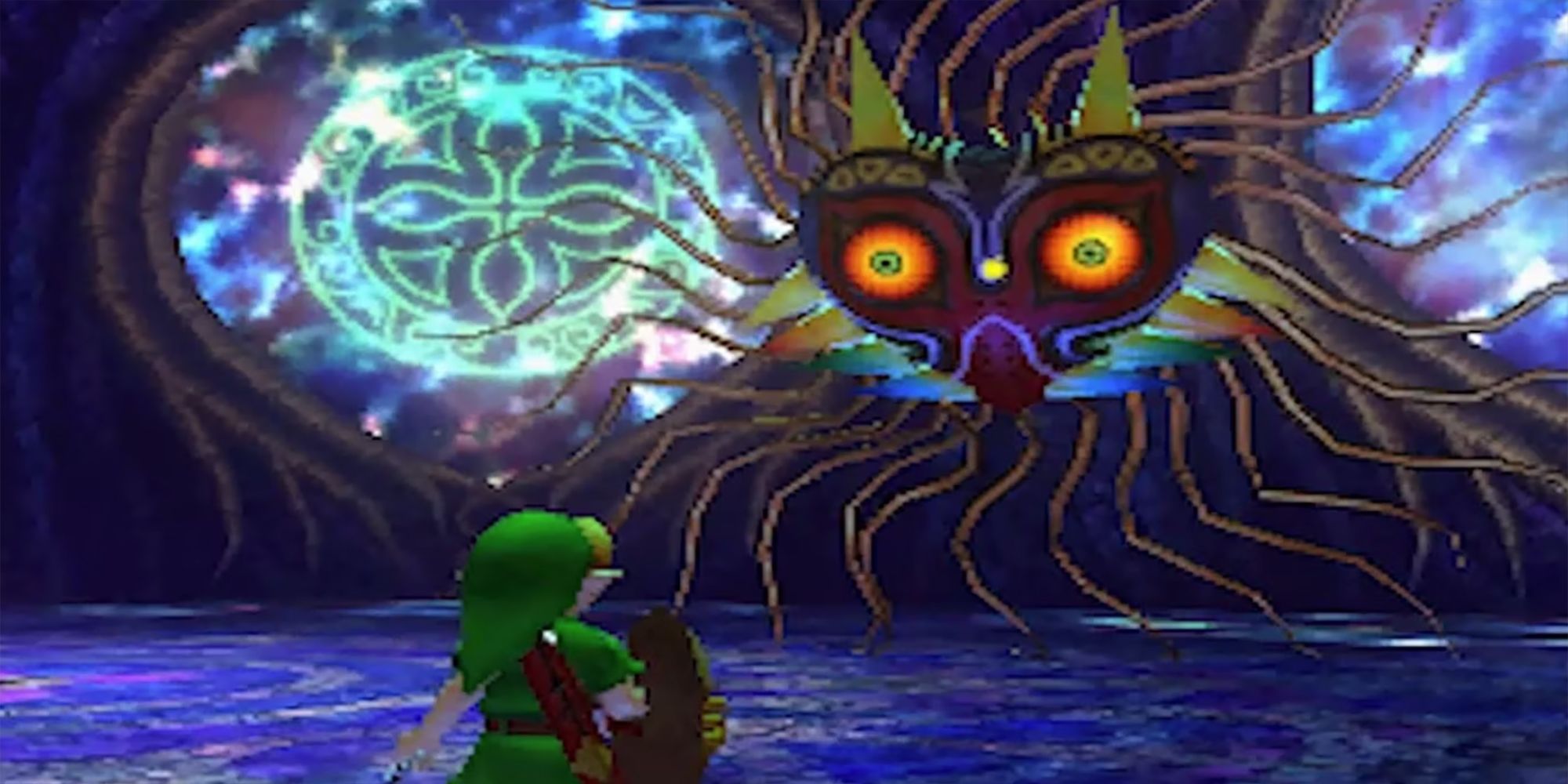
Details:
- Storytelling experienced through the environment
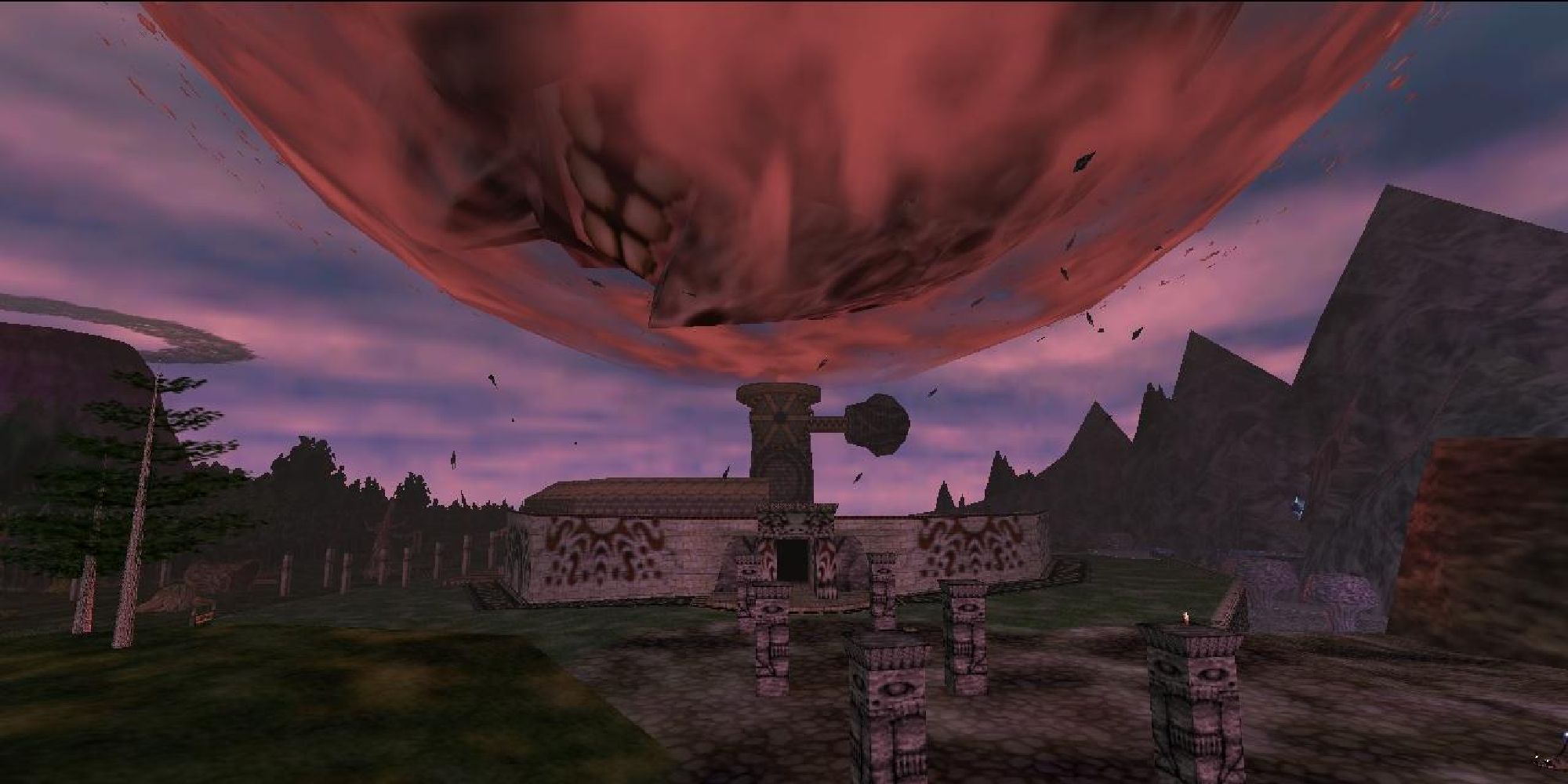
- The world physically changes under its influence
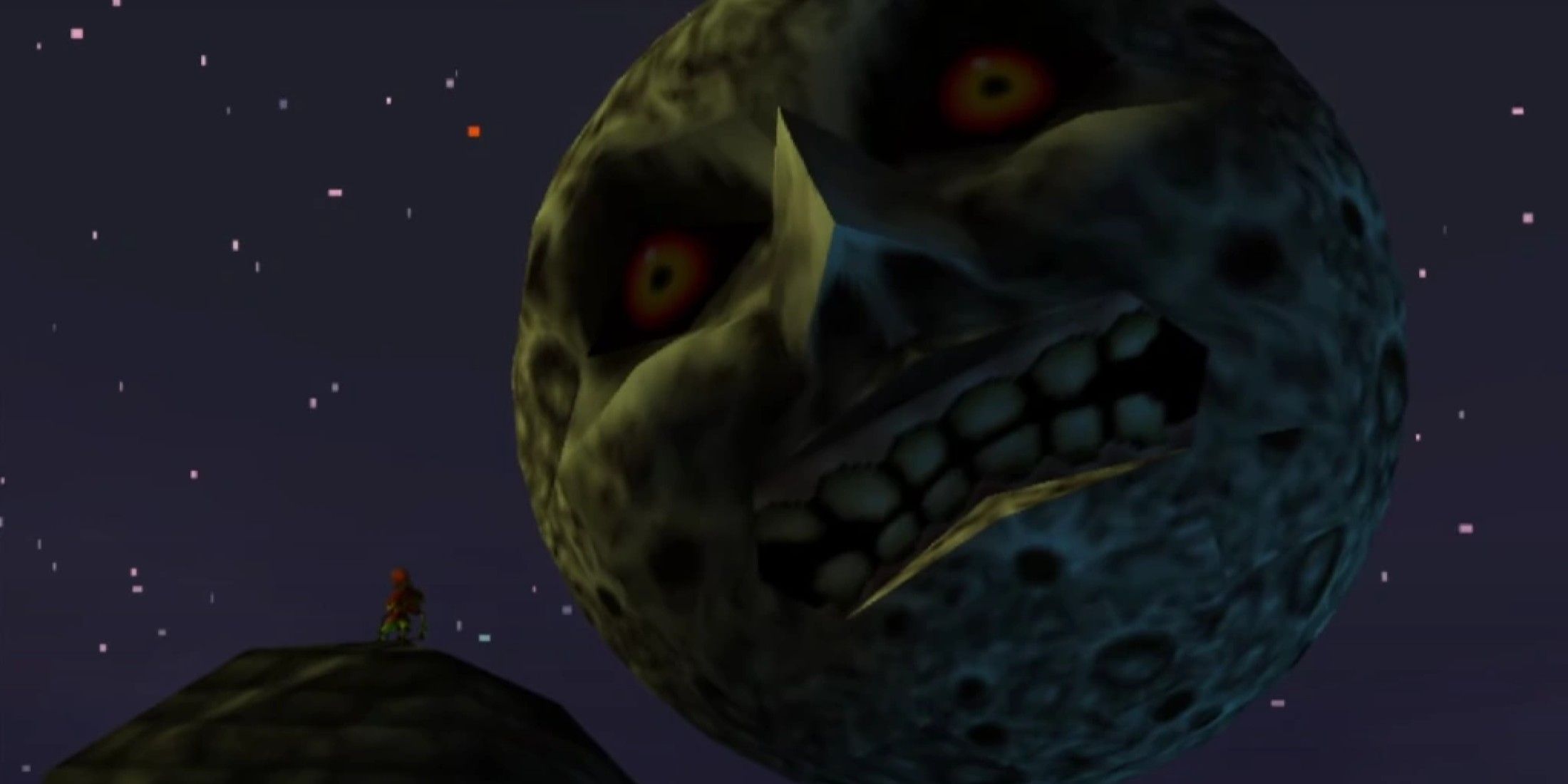
The most memorable image in Majora’s Mask is likely the slow, looming descent of the moon. This massive face isn’t just a far-off danger; it’s a constant, unsettling presence. It fills the sky, steadily getting closer, and powerfully emphasizes the coming destruction, effectively making the world feel like part of the villain’s plan.
Majora’s influence is constantly felt throughout the game. Unlike threats that appear and disappear, Majora is always present in the player’s thoughts, no matter where they go. This creates a sense of constant urgency and keeps players immersed in a deeply unsettling atmosphere until the very end.
Psychology Over Power
Fear In Tone Not Strength
Details:
- Disturbing imagery and behaviour replace conventional fear factors
- Uneasy presence rather than spectacle
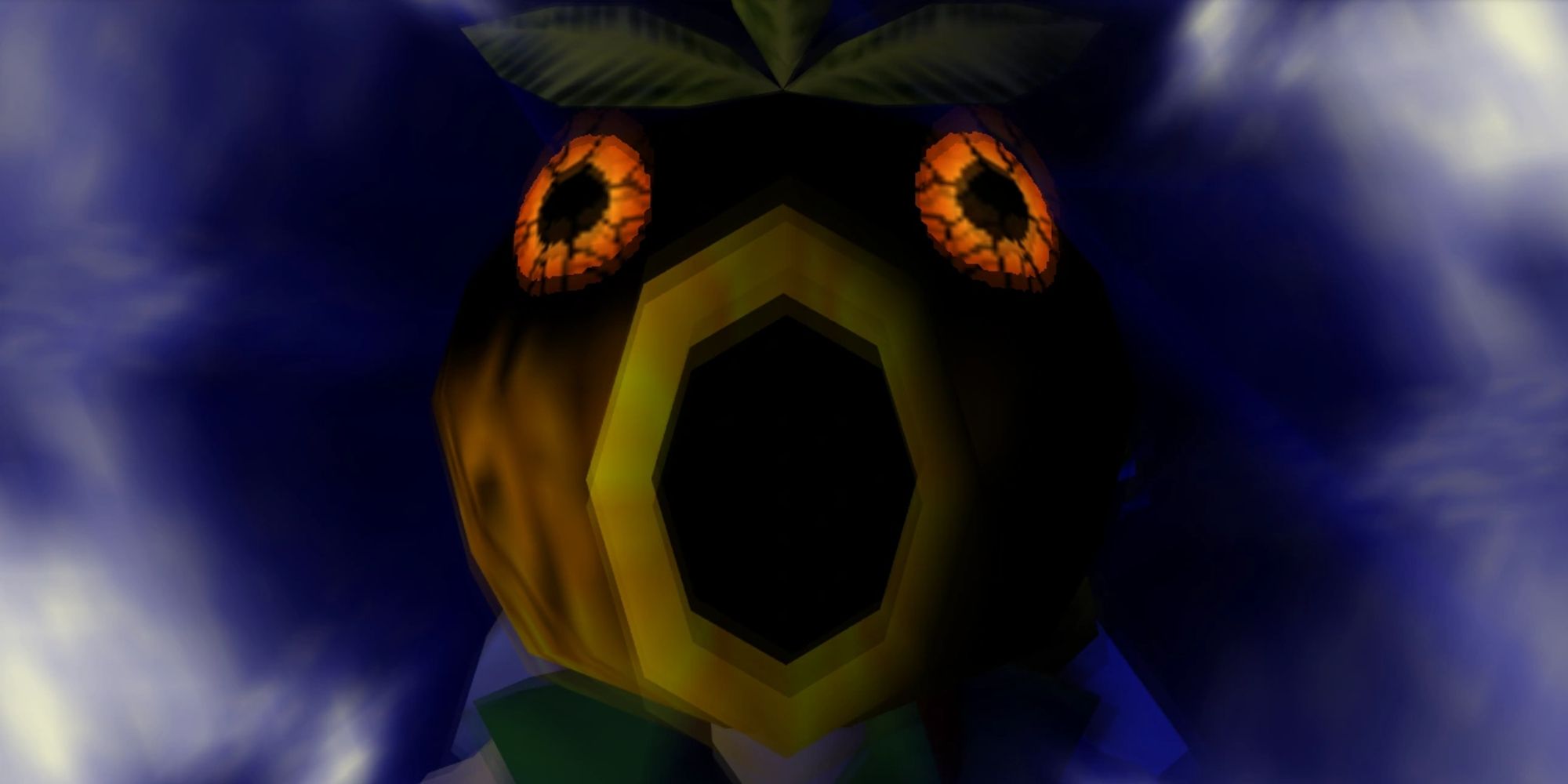
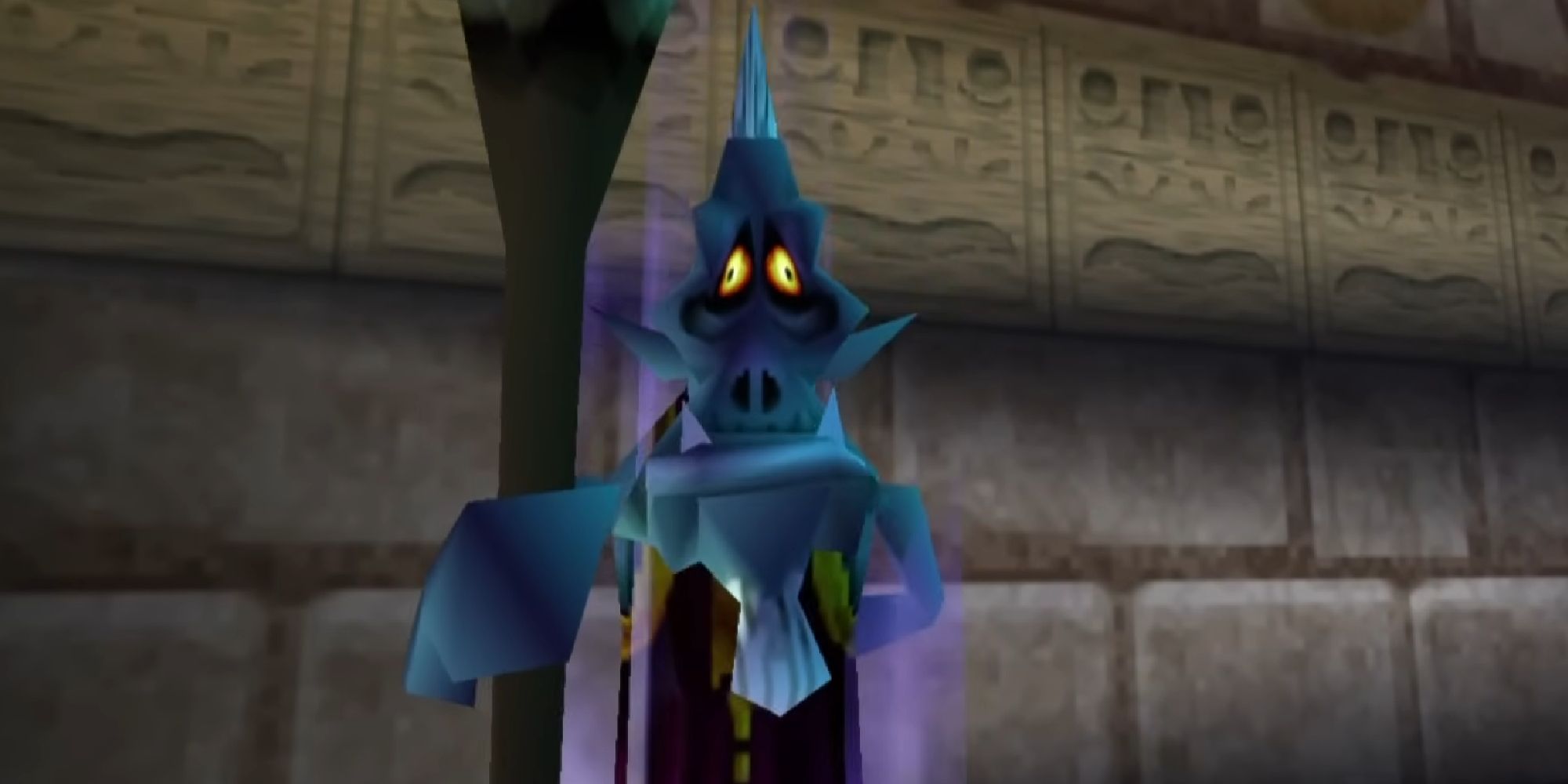
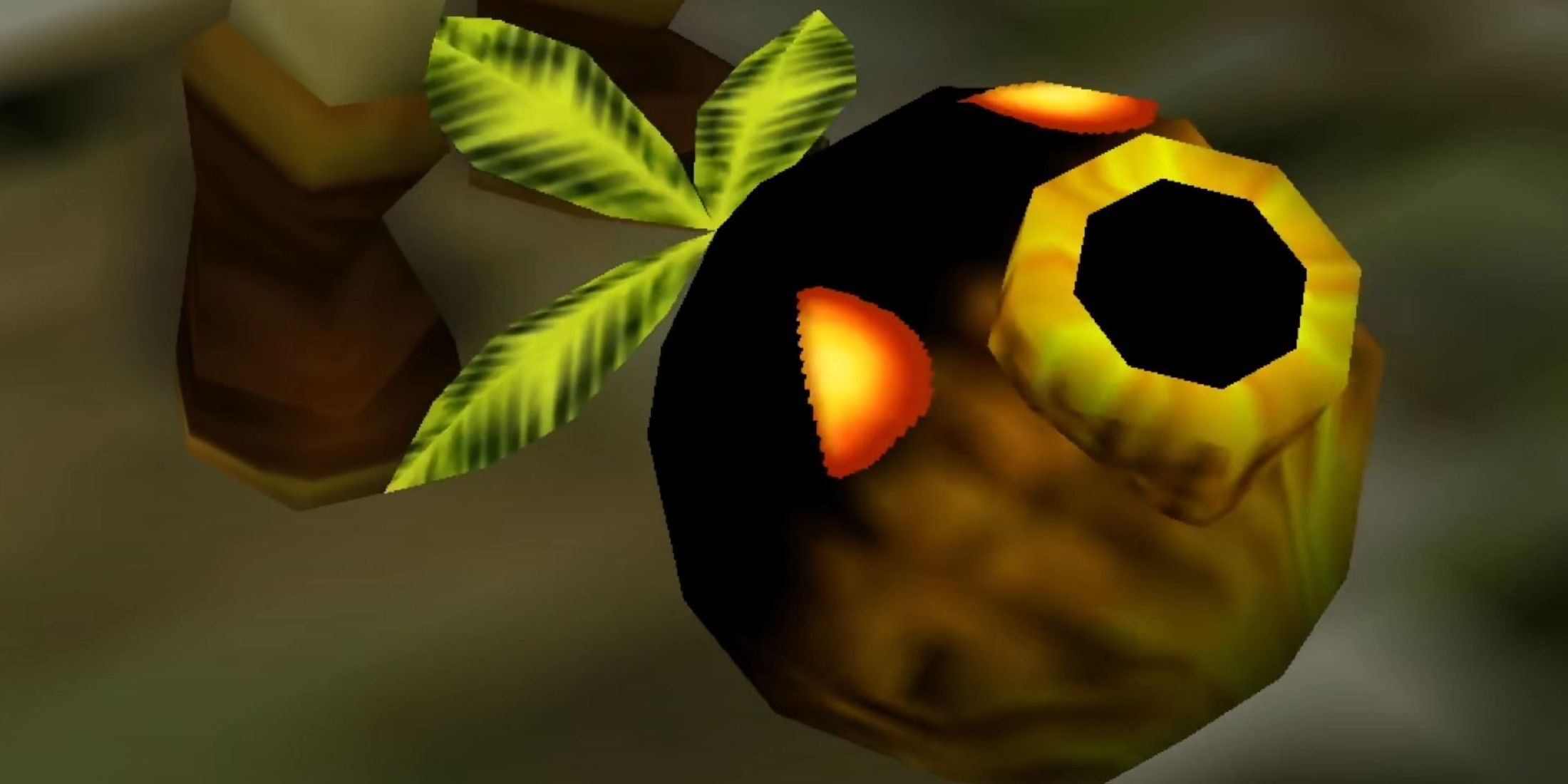
Majora’s Mask deliberately creates a feeling of unease and psychological discomfort. Its unpredictable movements and strange transformations are disturbing, giving the game a horror-like atmosphere that’s very different from most other Zelda games.
As a fan, what really struck me about this game is how it moved away from just physical danger. It’s not just about fighting monsters or solving puzzles anymore. Now, you’re constantly trying to figure out what’s happening, what the villain is doing to your mind, all while you’re desperately trying to defend yourself. It makes the world feel really unsettling and unpredictable – the villain’s power isn’t just about brute force, it’s about messing with your head, and it’s genuinely creepy!
A Villain That Plays Into The Mechanics
Bending Time To Its Will
Details:
- The cycles play into Majora as a threat
- Repetition reinforces inevitability and tension
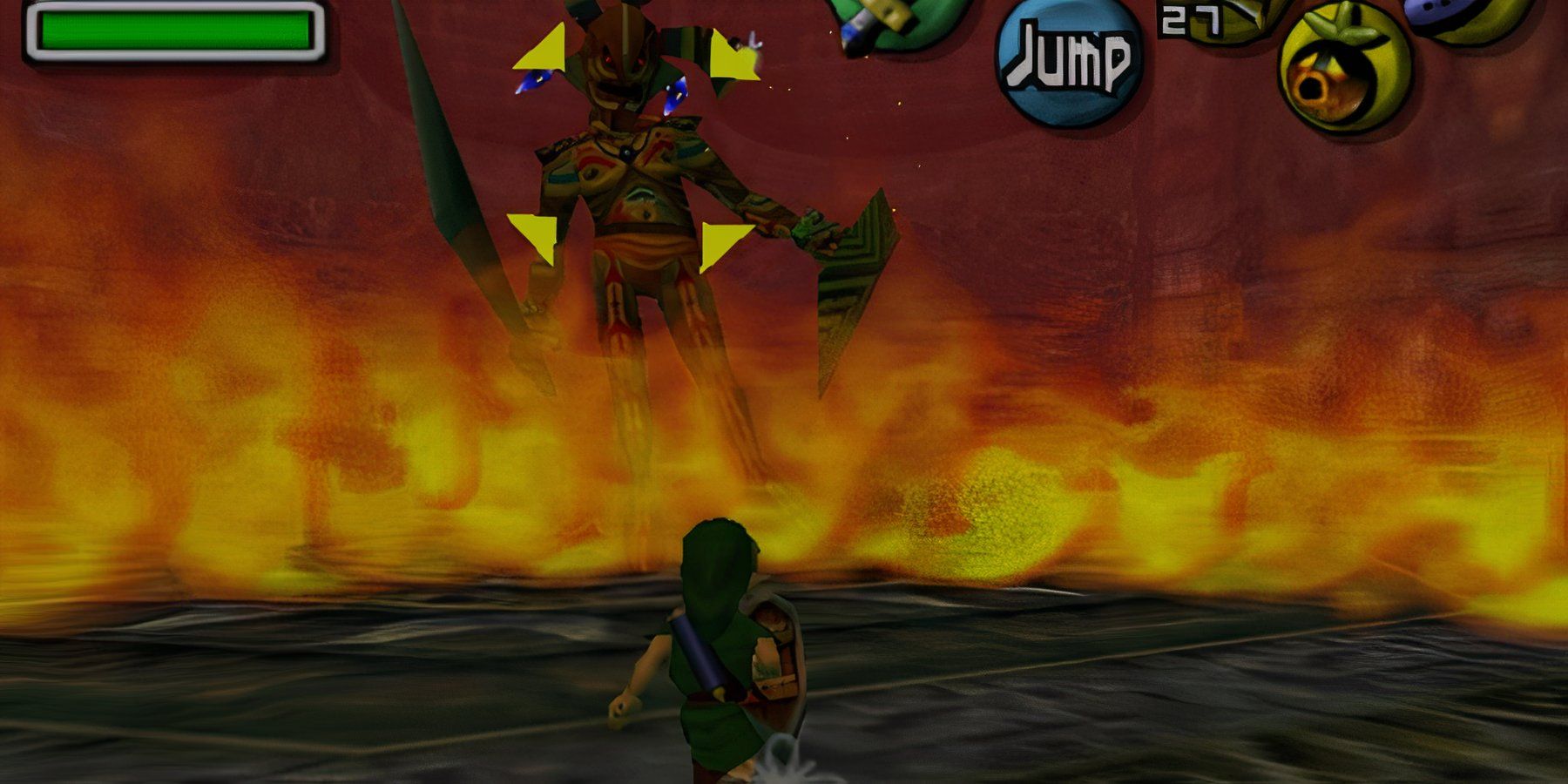
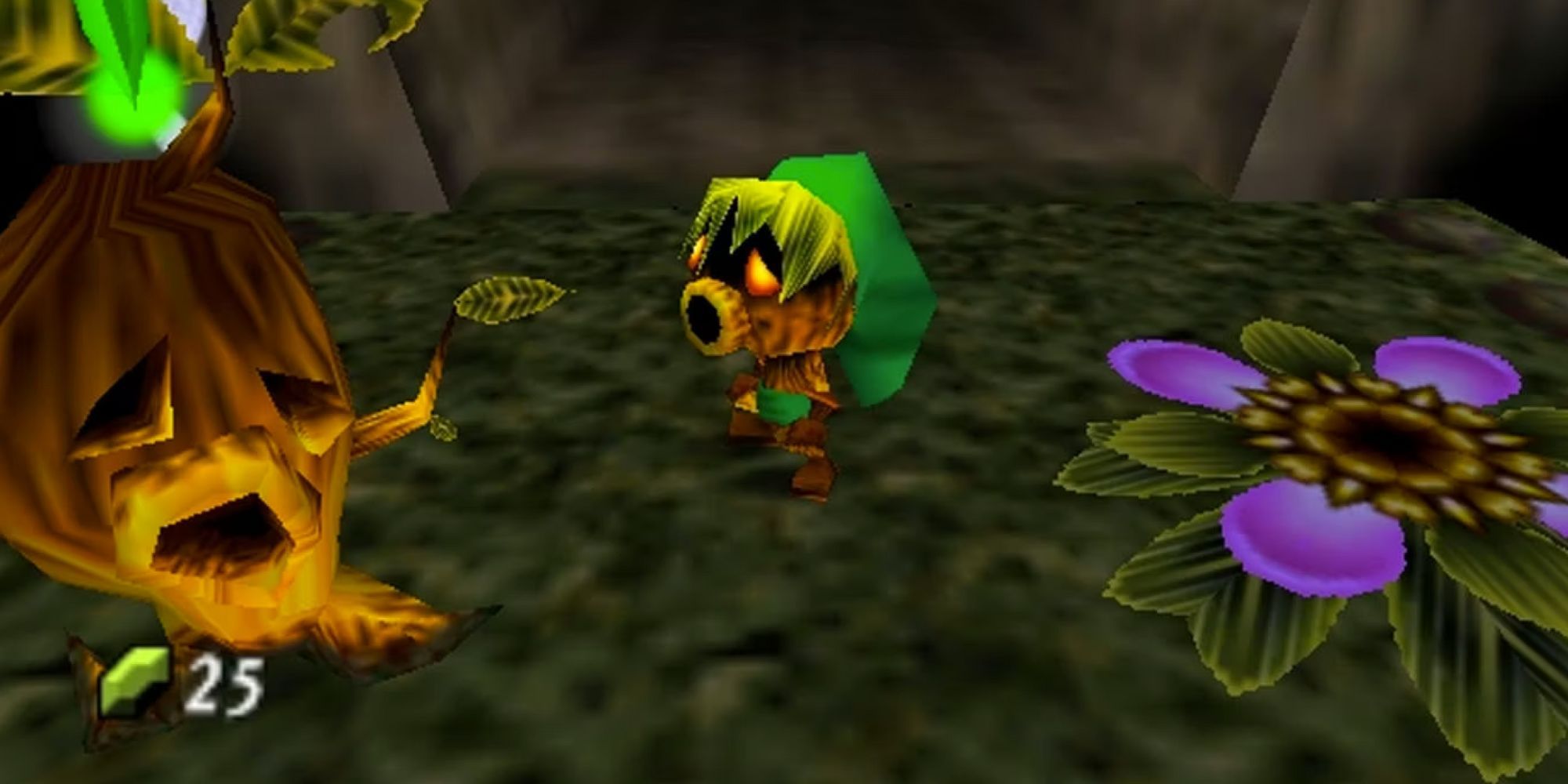
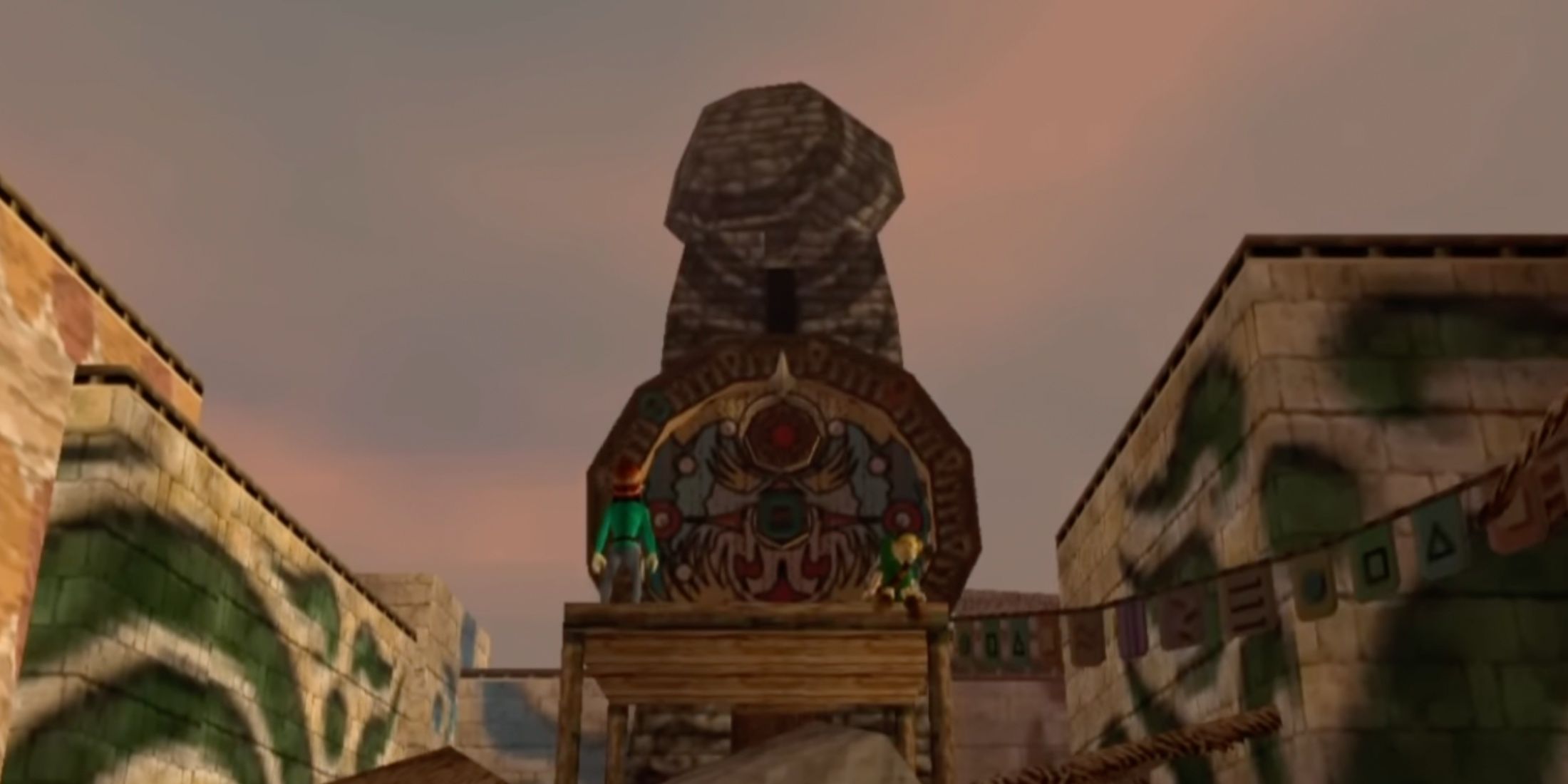
At the heart of Majora’s Mask is a three-day cycle that constantly repeats, and it’s directly tied to the game’s villain. Each time the cycle resets, it reminds you of the impending doom and how little time you have to stop it. This creates a constant sense of pressure throughout the entire game, and it never truly lets up.
This game is so effective because its villain isn’t just a typical enemy who appears occasionally. Instead, the antagonist is central to everything – the way the game unfolds, how it’s structured, what the player does, and ultimately, how the story ends. Majora is always a presence, influencing every moment without feeling distant from the action.
The Best Of The Bunch
Steep Competition, But Still Comes Out On Top
Details:
- Outclasses even Ganon in terms of thematic impact
- Creates a unified experience where every element reinforces its existence
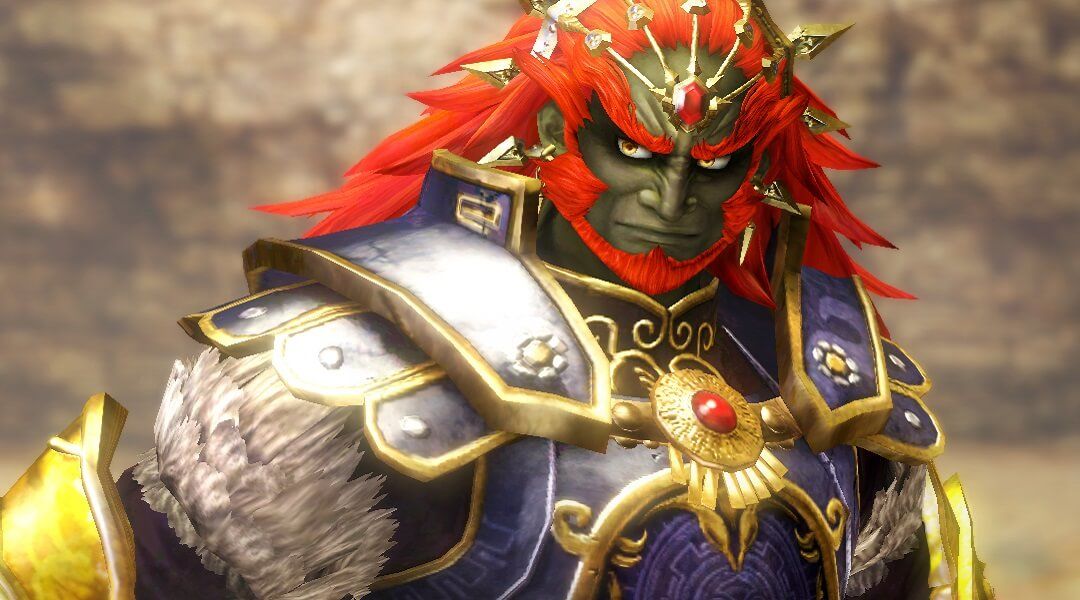
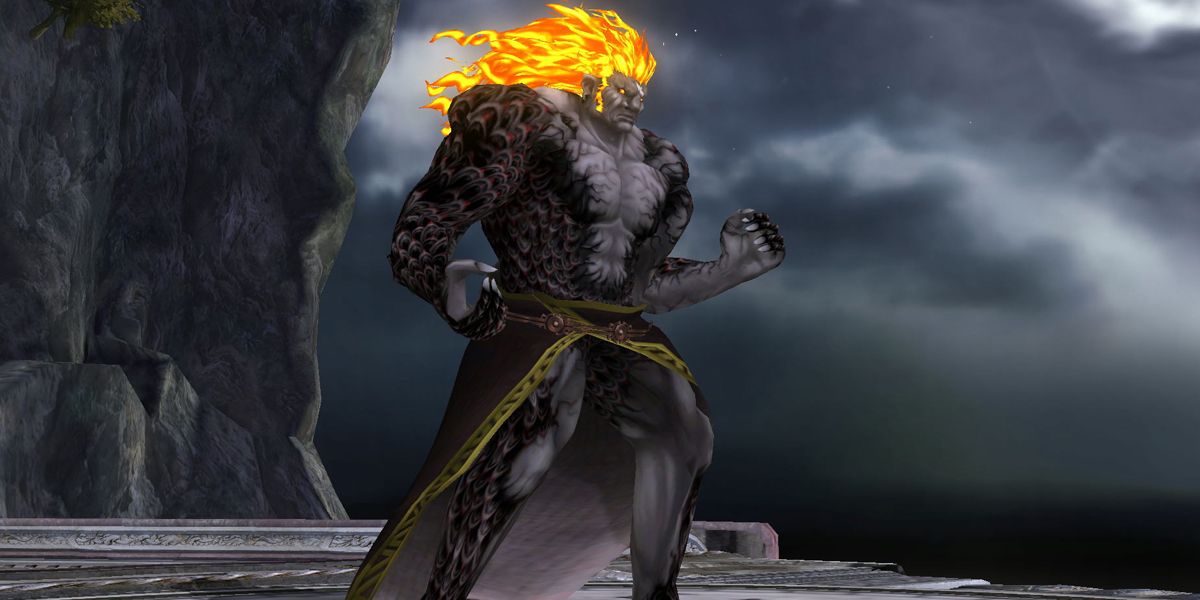
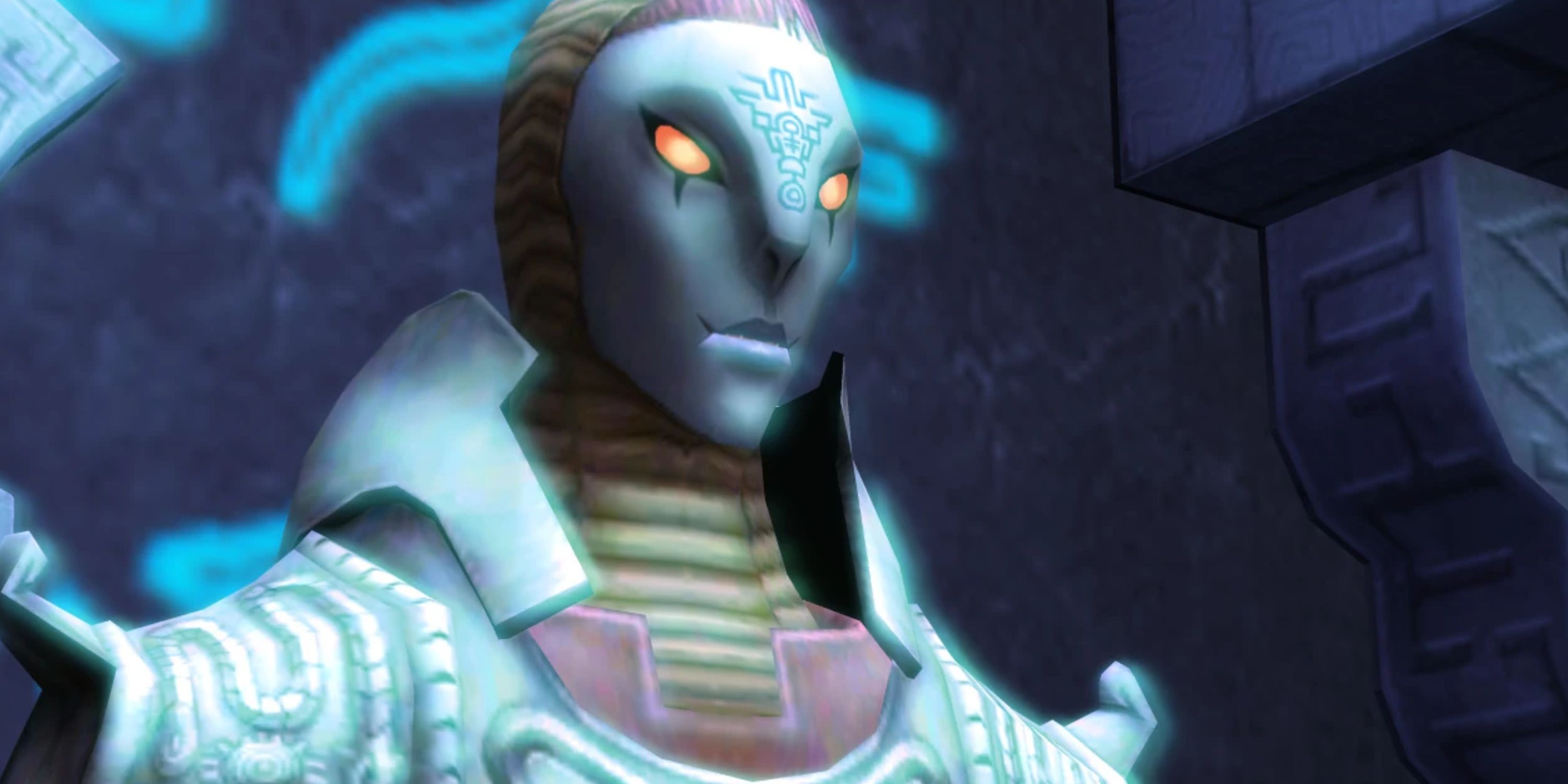
Ganondorf is still the most famous villain in the Zelda series, but characters like Zant, Ghirahim, and Vaati have also left a lasting impression on players with their unique personalities and memorable scenes. Despite this, these villains generally fit into typical motivations like power, revenge, loyalty, or ambition, making them somewhat predictable and lacking in depth.
Unlike other villains, Majora isn’t driven by personal desires. Instead, it’s defined by its impact on the world, completely controlling the game’s mood, how it plays, and the overall feeling. This complete control, and the way everything fits together, is what makes Majora so effective – it’s not about brute force, but total mastery of the player’s experience.
Read More
- Forza Horizon 6: Find the Ohtani Treasure Chest Location
- NTE Drift Guide (& Best Car Mods for Drifting)
- LEGO Batman Legacy of the Dark Knight Batcave Minikits & WayneTech Caches
- Diablo 4 Best Loot Filter Codes
- Boruto: Ikemoto Has Already Hinted At Sasuke’s New Eye After Return
- USD RUB PREDICTION
- Top 10 Must-Watch Isekai Anime on Crunchyroll Revealed!
- Cookie Run Kingdom Timeline of Fate Update Guide
- Deltarune Chapter 1 100% Walkthrough: Complete Guide to Secrets and Bosses
- Starsand Island’s Rarest Achievements and How to Earn Them
2026-05-06 07:35