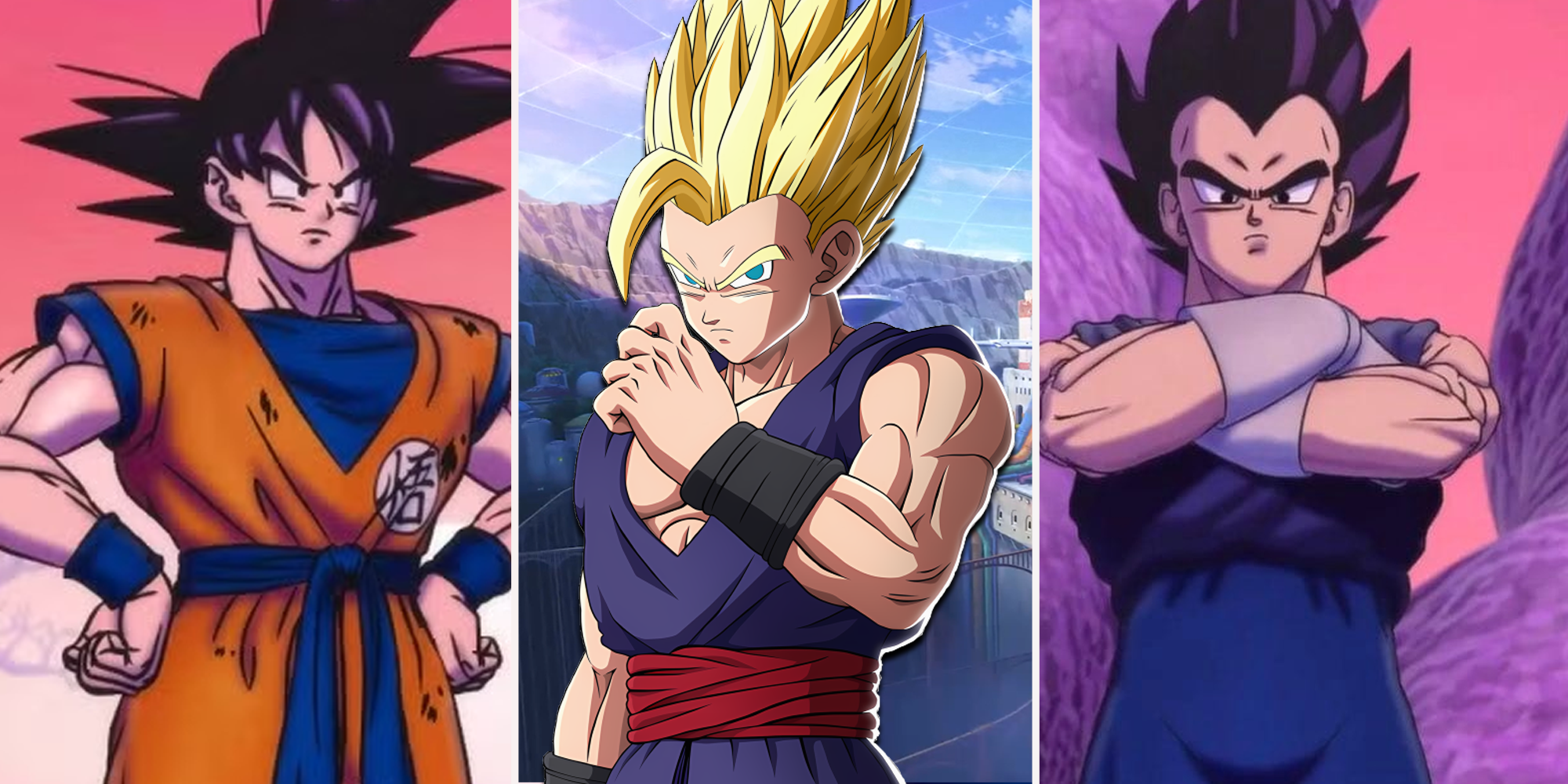
The Blu-ray release of Dragon Ball Super: Super Hero in Japan included a 62-page booklet featuring interviews with the director, CG director, and executive producer of the Dragon Ball series. It also contained character designs, details about the film’s artwork and props, and a collection of images from the movie itself.
TopMob has translated the full interview with Dragon Ball Super: Super Hero staff – Tetsuro Kodama, Jaehoon Jung, and Akio Iyoku – and Toei Animation Producer Norihiro Hayashida. The translation reveals details about the film’s production design, the decision to use CG animation, and hidden Easter eggs included by the team.
Q1. Looking back, what was the production process for the flashback sequences we see at the beginning and throughout the film?
Kodama explained that they wanted a visual style distinct from the overall story and previous projects. They collaborated closely with the animation director, Mr. Kubota, who oversaw the scene, to carefully plan and refine the look.
We wanted this content to feel separate from the main story, but not drastically different, and we also couldn’t simply reuse existing footage. Finding that balance was challenging. Because Toriyama-sensei specifically created this as an introduction, we had to be careful not to make it too elaborate or over-the-top.
Q2. The panoramic view of the area around Red Pharmaceuticals as seen from Hachimaru’s POV was pretty vast, wasn’t it?
The director sketched out the initial background concept, and I built upon that. The actual background is even more expansive than what appears in the film, but creating it all with computer graphics would have been very expensive. So, we scaled it back to achieve a visually appealing result while staying within our budget.
Q3. The heroes at the autograph session that Dr. Hedo is lined up for seem to have become a topic of conversation among fans.
Kodama explained the scene: It takes place at Comic-Con, where actors from a popular hero series – a show Dr. Hedo is a huge fan of – are signing autographs. Dr. Hedo is waiting in line to meet them.
We have a line where Dr. Hedo says he loves heroes, but we didn’t have a chance to explore that idea fully in a scene. I think these short scenes we’ve added help give the characters more depth and personality, though.
Kodama explains that the characters we see aren’t the Gamma units directly, but Dr. Hedo clearly took a lot of inspiration from them.
Q4. There was a lot of trial and error that went into the conversation between Magenta and Dr. Hedo in the car, wasn’t there?
The scene with Magenta, Dr. Hedo, and Carmine was designed to help viewers understand the characters better. While it was an important conversation, it was a bit lengthy, so we added actions like eating biscuits and keeping them moving to maintain audience engagement. The team’s work on the visuals was really impressive, and I was struck by how amazing they looked.
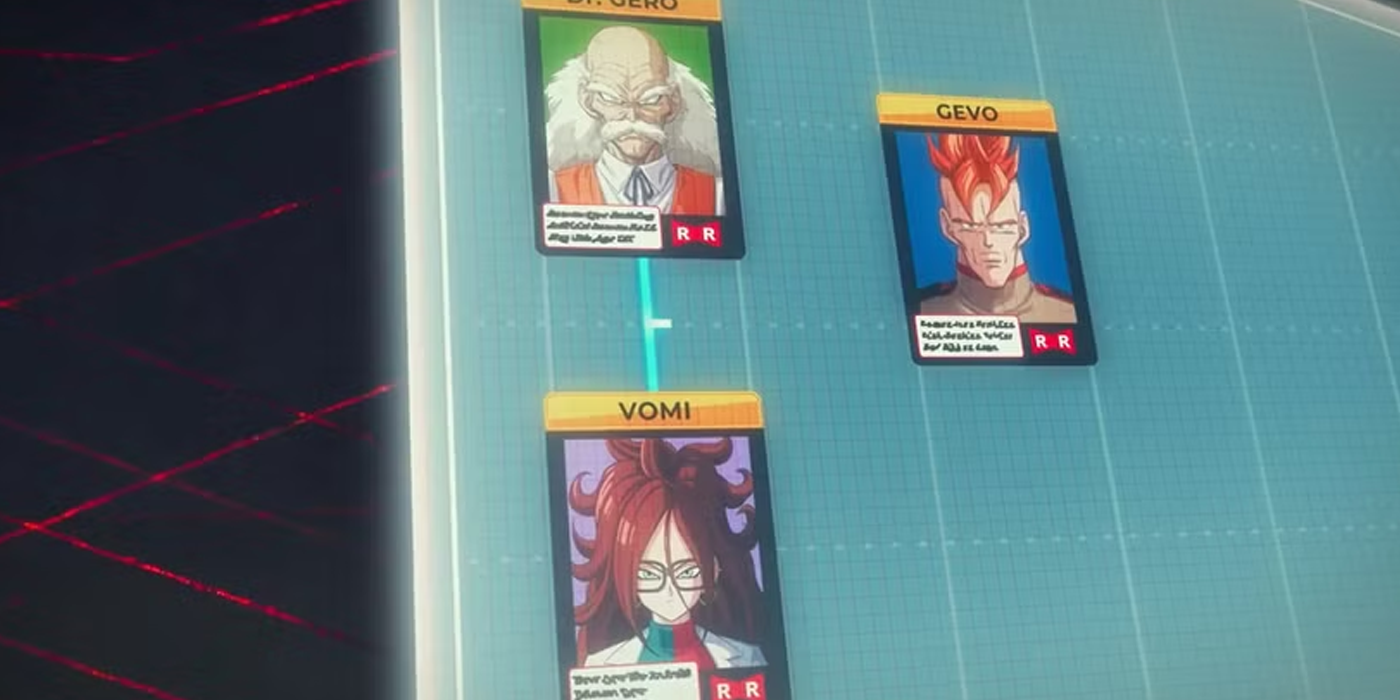
Q5. The genealogy connecting Dr. Gero to Dr. Hedo hadn’t been clearly explained until now.
I was asked to create a family tree for the characters, so I spoke with Toriyama about it. We knew Android 21 was originally conceived as the wife of Dr. Gero, and Android 16 already had some established history. We included them on the tree, naming them Vomi and Gebo, but when we tried making Gebo Dr. Hedo’s father, it didn’t feel right. We ended up tweaking things a bit to make it work better.
Q6. Many people have asked about the powder Magenta puts in his cup—what is it?
Jung: He’s putting cinnamon in his coffee, right?
That’s cinnamon, actually. I remember a TV show mentioning it can help hair grow, and Magenta’s really into that. He uses so much of it, though, that he makes a disgusted face – like ‘Blegh!’
Iyoku: For a split second, you can see Carmine laughing at him (laughs).
Q7. You put a photo of “Colonel Violet” on Magenta’s desk.
Kodama: Yep. I wanted to decorate the CEO’s office with a bunch of photos.
Iyoku: You can’t see them all, but there are also photos of past Red Ribbon Army officers.
Kodama describes Magenta as someone who deeply admires past heroes – almost like a person who fills their home with pictures of their favorite athletes.
Q8. “Prison 8,” where Dr. Hedo was held, ended up with a very playful design.
We intentionally designed the facility to feel less like a prison and more like an amusement park. We even included details like a ticket machine, though that feature didn’t make it into the final version.
Kodama: It had a different design at first, but it went through a ton of changes over time.
The way we got in was really the director’s idea – it was a fun surprise. You expect a huge door to swing open, but instead, a small opening near the bottom appears, and Hedo comes out (laughs).
Q9. Putting the RR mark at the entrance of the new Red Ribbon Army secret base was a funny idea.
Originally, Toriyama drew a sketch of the base’s entrance. Because it’s a key location throughout much of the movie, we really focused on the details with the director and the whole team. We realized the characters were trying to be sneaky, but they weren’t very good at it! It was like they couldn’t help but shout, “We’re the Red Ribbon Army!” (laughs)
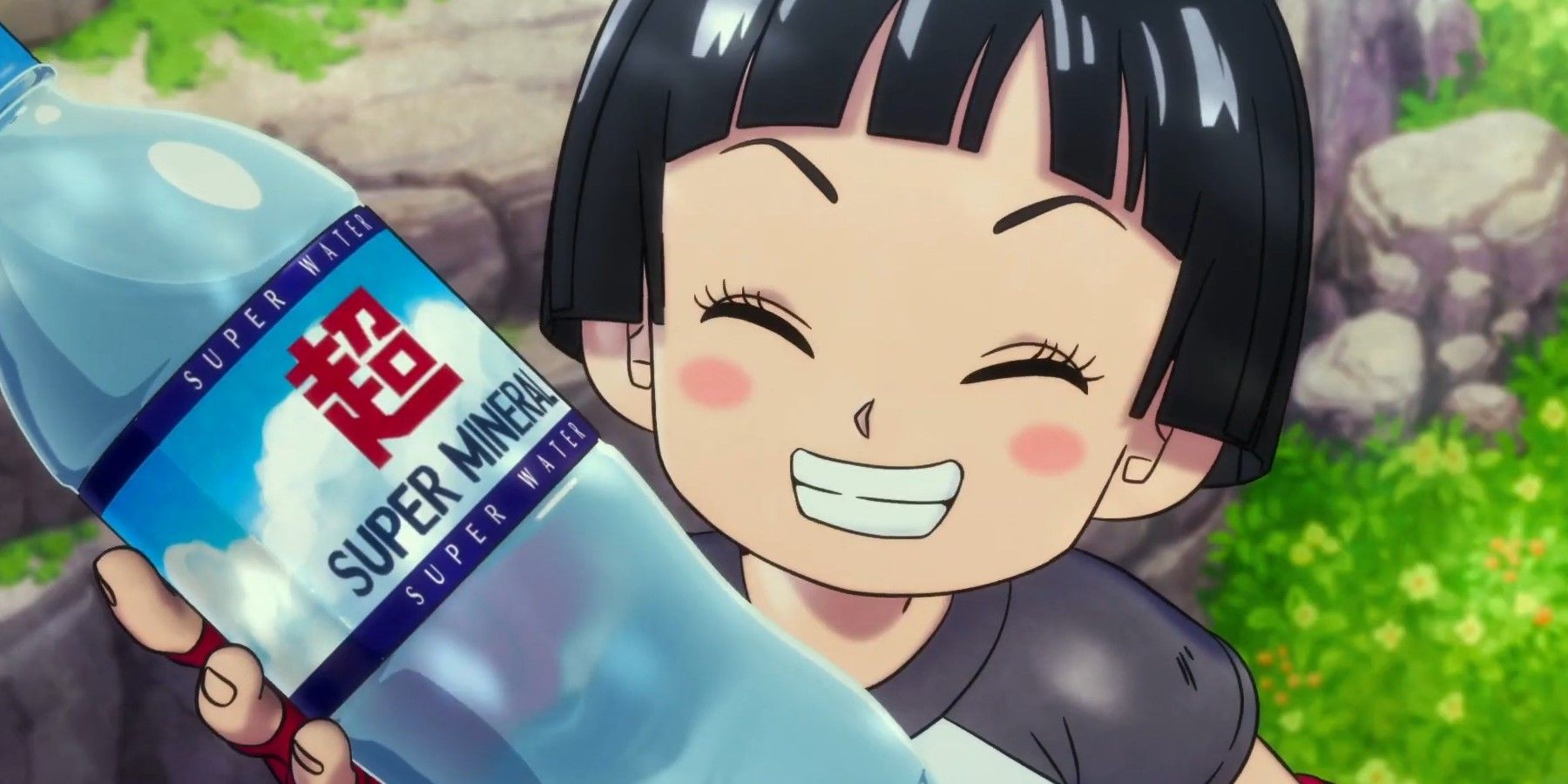
Q10. The design of the plastic bottle Pan holds was quite a struggle, wasn’t it?
Iyoku: That’s right, the plastic bottle!
The bottle design process was really challenging. We created many different versions – drafts A through F – trying to find the right look. Because characters frequently hold bottles in the scenes, they needed to look decent, but not overly fancy. It was surprisingly difficult to achieve that balance.
Q11. Peneko’s smartphone ringtone was excellent.
Kodama: The ringtone was added by Mr. Nishimura, who is in charge of sound effects.
I think ‘Meow’ was the perfect sound for Peneko – she’s more like a Penguin-Cat than a regular penguin, really. We had a lot of trouble getting the smartphone case design just right and ended up redoing it several times.
Jung: The scene was a bit vague at first, so I wondered what to do…
Kodama: We discussed it and revised it over and over.
We wanted to capture a specific kind of cuteness – not just adorable, but a slightly unsettling, ‘creepy-cute’ quality. The character’s rounded belly was a key part of that, and it was challenging to get the proportions just right when designing the smartphone case.
Q12. Piccolo has a very unique way of holding his smartphone.
We designed Piccolo to look a little awkward with technology to emphasize that he’s not used to it. We initially gave him long nails and a specific hand position, but it turned out to be really difficult to animate realistically – you need a very flexible wrist to pull it off!
Q13. Piccolo scratching the window to get Gohan’s attention really highlights their relationship, didn’t it?
Kodama: Honestly, that idea was mostly just a bit of fun (laughs). We were brainstorming what a signal from Piccolo might sound like, and that high-pitched ‘screeeech’ is what we came up with.
That’s right. Piccolo and Gohan wouldn’t simply use the doorbell – they have a much closer relationship than that (laughs).
Q14. Tell us about the gimmick-filled Red Ribbon Army base.
From the very beginning, we envisioned the game’s setting as a playful, chaotic space – almost like an overturned toy box. We wanted to include exciting features like roller coaster tracks and elements you’d find at an amusement park, so we added things like waterfalls and festival areas to create a lively world.
Iyoku: Because the battle takes place at the base, we wanted to prepare a lot of interesting features. One idea we had was to have the fight happen on a battleship.
Jung: The Director was saying “Battleship~” until the very end (laughs).
I was hoping to see incredibly large characters, like Cell Max, battling while carrying a battleship, but unfortunately, that didn’t make it into the story.
You can still see hints of that original concept. There was a point where Dr. Hedo was going to command a battleship and lead the RR Army – it would have been a really exciting scene.
Q15. You even built in very minor details, like Kame House…!
Kodama said he knew the movie would be a success as soon as the model for Kame House was completed. He joked that the house only appeared briefly – in about one and a half shots – in the final film.
TopMob Quiz
—
Results
—
Q16. The improved martial arts choreography is also a highlight of this film.
From the start, we really wanted to make the fighting feel more authentic. We moved beyond just simple left-right punches, and because we were working with computer graphics, we weren’t limited by the number of animation frames. This allowed us to focus on details like realistic weight shifting and proper form for both punches and kicks – that was the core idea driving our work this time around.
Iyoku: It’s all about expressing everything with the whole body.
Kodama explained that since animators haven’t actually been in physical fights (and he chuckled), they faced a unique challenge: how to convincingly portray the feeling of impact and intensity without drawing on real-life experience.
We enhanced the visuals by playing with perspective and making some artistic choices. We carefully reviewed each frame, making adjustments to the computer-generated imagery to ensure everything looked realistic and polished.
Kodama: We wanted every single frame to be picture-perfect.
Jung said the director meticulously reviewed every shot, offering detailed and critical feedback, often noting specific details that seemed off or strange.
Kodama: I’m sure everyone thought, “You’re looking that closely?” (laughs).
Jung: Honestly, you were super nitpicky.
You know, I really believe the incredible quality of this project comes down to how completely we immersed ourselves in it. We really obsessed over every detail, and I think that’s what made all the difference!
Q17. We can’t forget to talk about the battle scene in the rain!
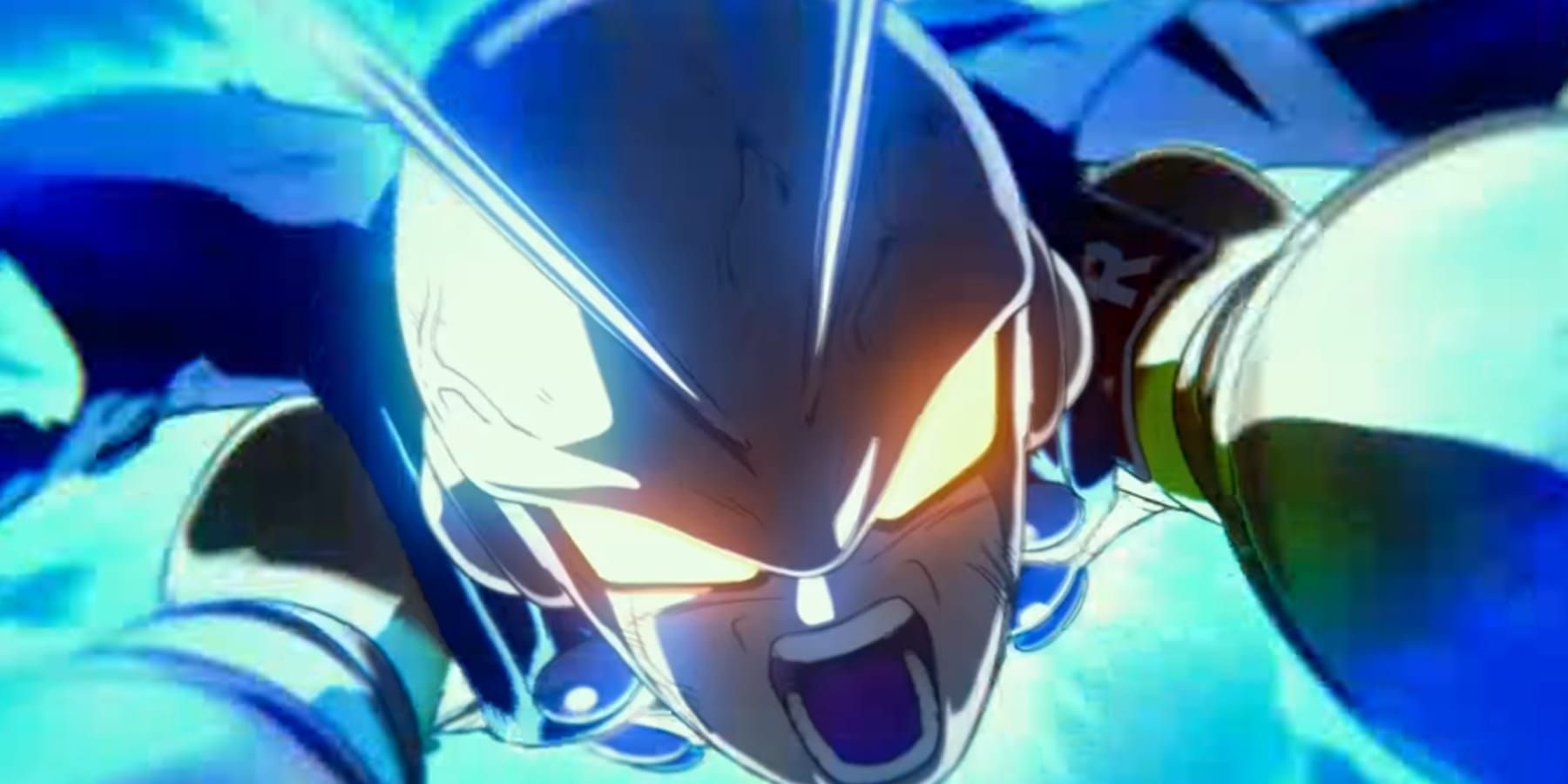
This scene is very important symbolically in the film, so we spent a lot of time perfecting it. We gradually made the weather more intense leading up to Gohan’s transformation. When he reaches his Ultimate form, the roof of the base collapses, and the sky becomes clear.
The scene turned out great, but the rain sequence was really challenging because of all the editing it needed. We wanted the rain to feel impactful on the characters, so we focused on making the splashes and individual droplets clear and realistic. We carefully timed the splashes to match their actions. The trick was finding the right balance – making it believable without being overly realistic. It took a lot of work to translate that into animation.
That’s right. Using too many splashes of color can be overwhelming. It’s best to use just enough to make them subtly fit with the overall design.
Kodama: It’s hard because you just can’t overdo it.
Initially, the director asked me to create a heavy rain effect, which I tried to do. However, it ended up making the screen completely white – it was quite funny, actually! (laughs)
Iyoku: If you make it too realistic, yeah, that happens.
Kodama explains that when creating the game, they learned to prioritize what details were most important. They initially added realistic effects like wet spots on characters’ clothes when it rained, but found it became too much work and visually cluttered. They kept the splashes of rain, but removed the persistent wetness to keep things manageable.
When aiming for realism, it’s important to find the right level of detail. We wanted to add more nuanced movements and facial expressions, but we had to be careful not to go overboard or keep things too simple. It was all about finding that sweet spot.
Q18. I’d also like to hear about Cell Max.
This Cell Max is different from previous versions. We created it in an unfinished state, almost like a prototype, so it doesn’t have the same level of awareness or personality. It’s unclear if it acts on intelligence or just pure instinct, which made it challenging for the actor voicing the character.
Kodama hopes people will appreciate Cell’s unique design. When Cell powers up, ink seems to flow into him, bringing his colors to life.
I’m really struck by the energy radiating from him. Most energy beams are straight lines, but these are different – they don’t just scatter. What’s fascinating is how the beams move with Cell Max as he shakes; it’s perfectly timed. And honestly, the sound effects are great too – they really add to the impact.
I’m really excited about how Kodama sounds – it’s fantastic! We’ve been working hard to make each character’s energy attacks – like their beams and ki blasts – visually unique by refining their colors. It really helps them stand out and feel more individual!
Iyoku noted that Cell Max was a difficult opponent to read. Because his body shape and balance weren’t human, it was hard to predict how he would move and target specific areas.
Kodama noted that the character is surprisingly nimble for his size, and he appreciated the attention to detail, like the textured soles of his shoes. He also mentioned the character’s movements were often unexpected and amusing, sometimes leading to reactions like, ‘Why is he doing that?’
Q19. The production team really went all out with Gohan’s Special Beam Cannon, didn’t they?
Kodama explained that the film was made in order, similar to a live-action movie. They filmed from the start of the story, and this particular scene represented the climax.
That’s why the battle scenes in the second half of the movie are much more intense – it really builds as you watch it all unfold.
As a huge fan, I was really fascinated to hear about the work that went into Gohan’s Special Beam Cannon! We actually talked with the director about making sure Gohan’s face during the attack felt similar to Piccolo’s – we wanted that connection. Seriously, the team obsessed over everything – the colors, the shape of the beam, and how it looked compared to the absolutely enormous size of Cell Max. It was all about getting those details just right!
I totally agree. It always gives me chills when the camera focuses on Gohan right as he unleashes that incredible attack – the timing is perfect. And the look in his eyes when he powers up is just amazing.
Kodama: It’s so good, right?
Q20. Gamma 2’s death became a very memorable scene.
Regarding the Cell Max and Gamma 2 artwork created for the recent theater gifts, Toriyama-san actually drew that proactively – we hadn’t requested it. It felt very meaningful, like it was always meant to be that those characters would, in a way, meet their end.
Instead of simply disappearing, the character transformed into light. The second part of the fight happens in darkness, but we added a sunrise during that moment to emphasize the transformation.
Kodama: He catches that incoming light and turns into light himself.
Iyoku stated that the scene successfully avoided being overly depressing, and the transition was handled with skill. The music complemented the scene and helped create a smooth path to the more upbeat ending.
Kodama shared that he was particularly focused on the fact that the final scene took place on a slope. He joked that it didn’t look like a very comfortable place to be sitting.
Q21. The end credits also went through some twists and turns.
Because the ending credits are quite lengthy this time, we requested additional artwork be shown after the story ends to encourage viewers to remain seated and watch the final scene.
Originally, I had an idea for a story about what happened to the Red Ribbon Army, imagining Soldier No. 15 waking up in the middle of a crater. But I decided against it and went with the story about the Kinto-un instead (laughs).
Iyoku: We asked for that at the very, very last minute.
Kodama: …Which is why I completely forgot to draw Peneko’s whiskers (laughs).
Read More
- NTE Drift Guide (& Best Car Mods for Drifting)
- How to Get the Wunderbarrage in Totenreich (BO7 Zombies)
- Change Your Perspective Anomaly Commission Guide In NTE (Neverness to Everness)
- How to Beat Turbines in ARC Raiders
- NTE Fan Shows Off Mint Cosplay
- Deltarune Chapter 1 100% Walkthrough: Complete Guide to Secrets and Bosses
- All Nameless Hospital Endings Full Guide In NTE
- How to Unlock the Mines in Cookie Run: Kingdom
- Beware! Phishing Emails Are Deceiving Robinhood Users in a Sneaky Plot!
- Top 8 UFC 5 Perks Every Fighter Should Use
2026-04-21 00:09