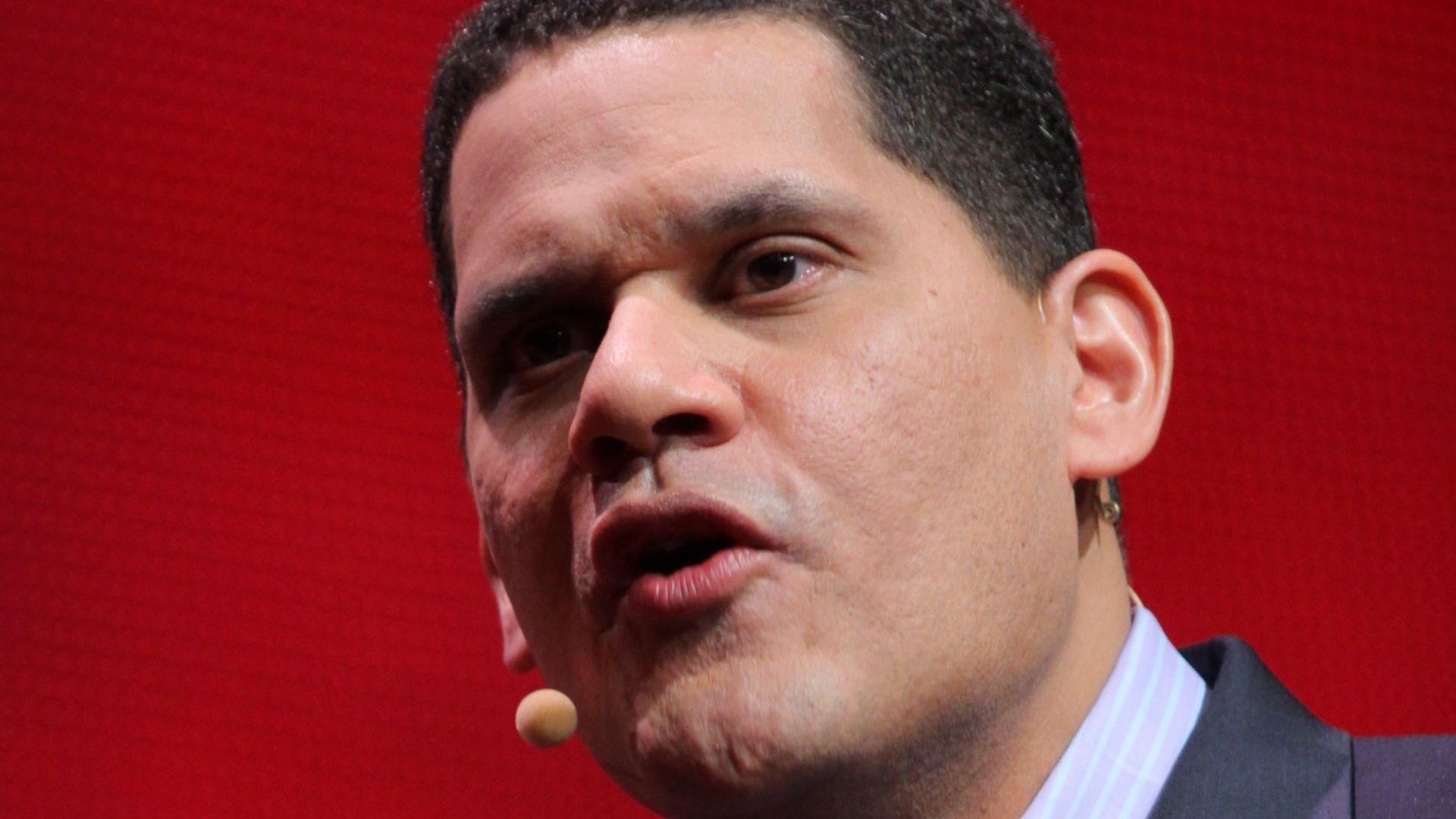
Following the Nintendo GameCube—which didn’t perform as well as competitors like the PlayStation 2 and Xbox—Nintendo decided to try a new approach. This shift in strategy ultimately led to the huge success of both the Nintendo DS handheld and the Nintendo Wii console, as recently shared by Reggie Fils-Aime in a talk at New York University.
The Nintendo DS and Wii were incredibly popular. I remember working at GameStop when the DS launched – we’d get a new shipment, and it would sell out in under an hour. The Wii was a huge hit with everyone, becoming a mainstream phenomenon thanks to games like Wii Sports. It seemed like everyone was playing it – even people who normally wouldn’t touch video games, like your parents, grandparents, and even coworkers!
Nintendo’s early success didn’t last, and the company hit hard times with the Wii U. The console was a significant failure, and Nintendo found itself in a very different situation – instead of making huge profits, people began to question the company’s future.
Even with all the challenges, the company has avoided layoffs, largely thanks to Reggie. He deliberately steered them away from rapid, large-scale hiring, which proved to be a smart move. Many other companies in the industry have unfortunately had to lay people off recently, but this cautious approach helped them remain stable.
We always prioritized our people and never wanted to resort to layoffs or large-scale firings. It simply wasn’t how we operated.
Reggie advises students to be wary of companies that have recently had large layoffs, suggesting it’s a significant warning sign during interviews.
Nintendo’s Leadership, Including Reggie, Did Not Expect the Wii U to Fail
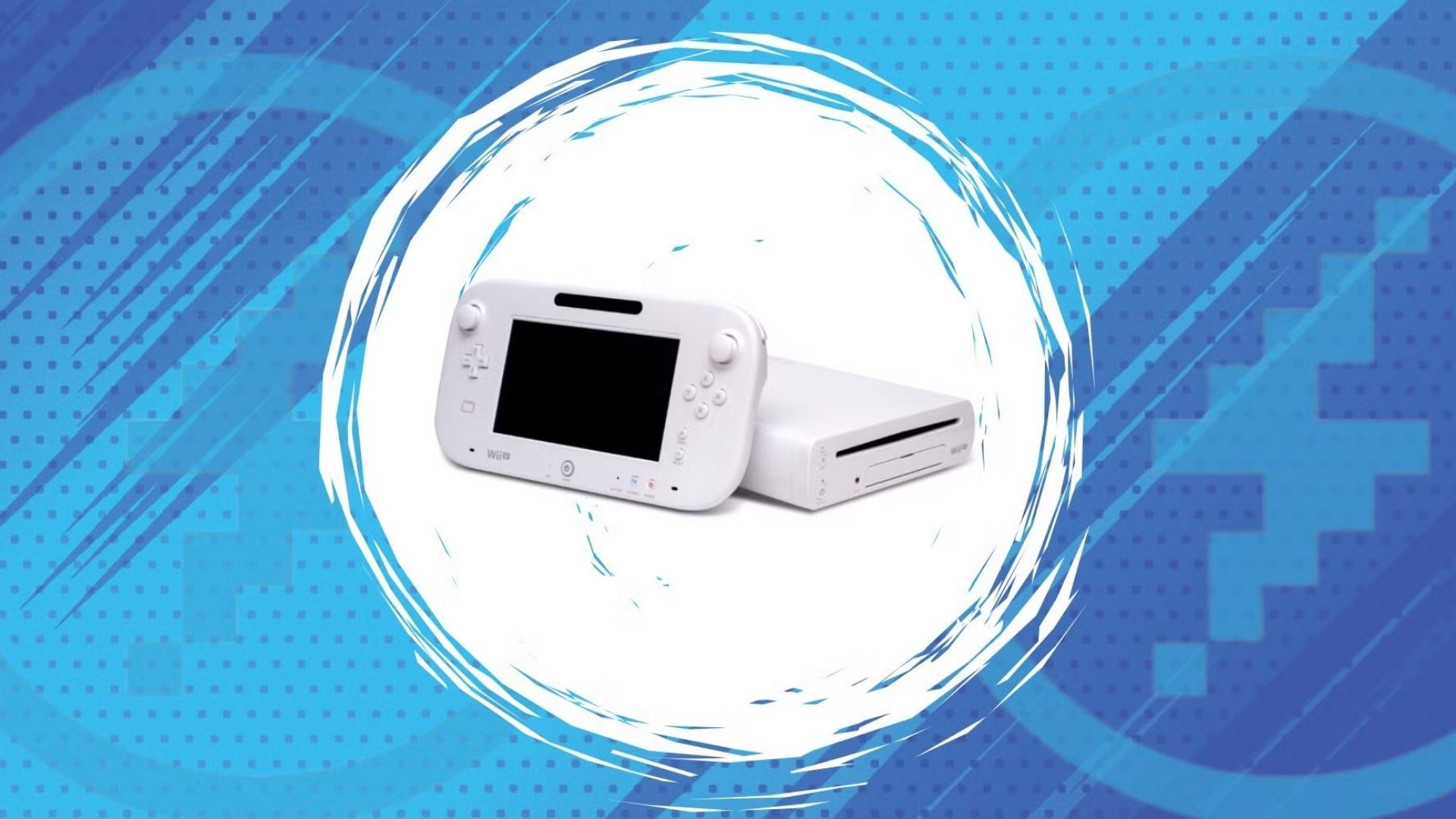
It was fascinating to hear Nintendo’s Reggie Fils-Aimé openly discuss the Wii U, a console known for its struggles.
He and the other leaders at Nintendo strongly believed the Wii U’s two screens would revolutionize gaming.
Reggie described the Wii U as offering two different ways to play: a large-screen experience like a traditional TV, and a more intimate experience using the GamePad controller. However, the Wii U struggled because the GamePad felt awkward, there weren’t enough compelling games, and the console’s name was difficult for many people to understand.
One major problem was that the Wii U didn’t have a hit game like Wii Sports to draw people in at launch. While Nintendoland was enjoyable, it didn’t capture the attention of casual or hardcore gamers alike. This, along with a shortage of strong game titles, ultimately led to the console’s struggles.
Subscribe to our newsletter for deeper gaming leadership insights
It’s easy to see how the Wii U, while a promising idea, didn’t quite succeed – especially considering the Nintendo Switch uses a similar concept of playing games both on a TV and as a handheld. However, Nintendo’s choice to avoid rapid hiring actually helped them avoid large-scale layoffs when the company faced financial difficulties.
That’s a stark contrast to the recent announcement from the CEO of Monument Valley, who admitted they overestimated the importance of long-term job security for their developers and are now downsizing. The situations are completely different.
Read More
- NTE Drift Guide (& Best Car Mods for Drifting)
- All Aswang Evidence & Weaknesses in Phasmophobia
- Conduit Crystal Location In Subnautica 2
- Diablo 4 Best Loot Filter Codes
- Where to Find Prescription in Where Winds Meet (Raw Leaf Porridge Quest)
- Boruto: Ikemoto Has Already Hinted At Sasuke’s New Eye After Return
- Best Burst & Full Auto Builds for the M16A4 in BF6
- USD RUB PREDICTION
- Deltarune Chapter 1 100% Walkthrough: Complete Guide to Secrets and Bosses
- Starsand Island’s Rarest Achievements and How to Earn Them
2026-05-01 17:39