One Piece: The Strongest Ability Of Every Marine Admiral, Ranked
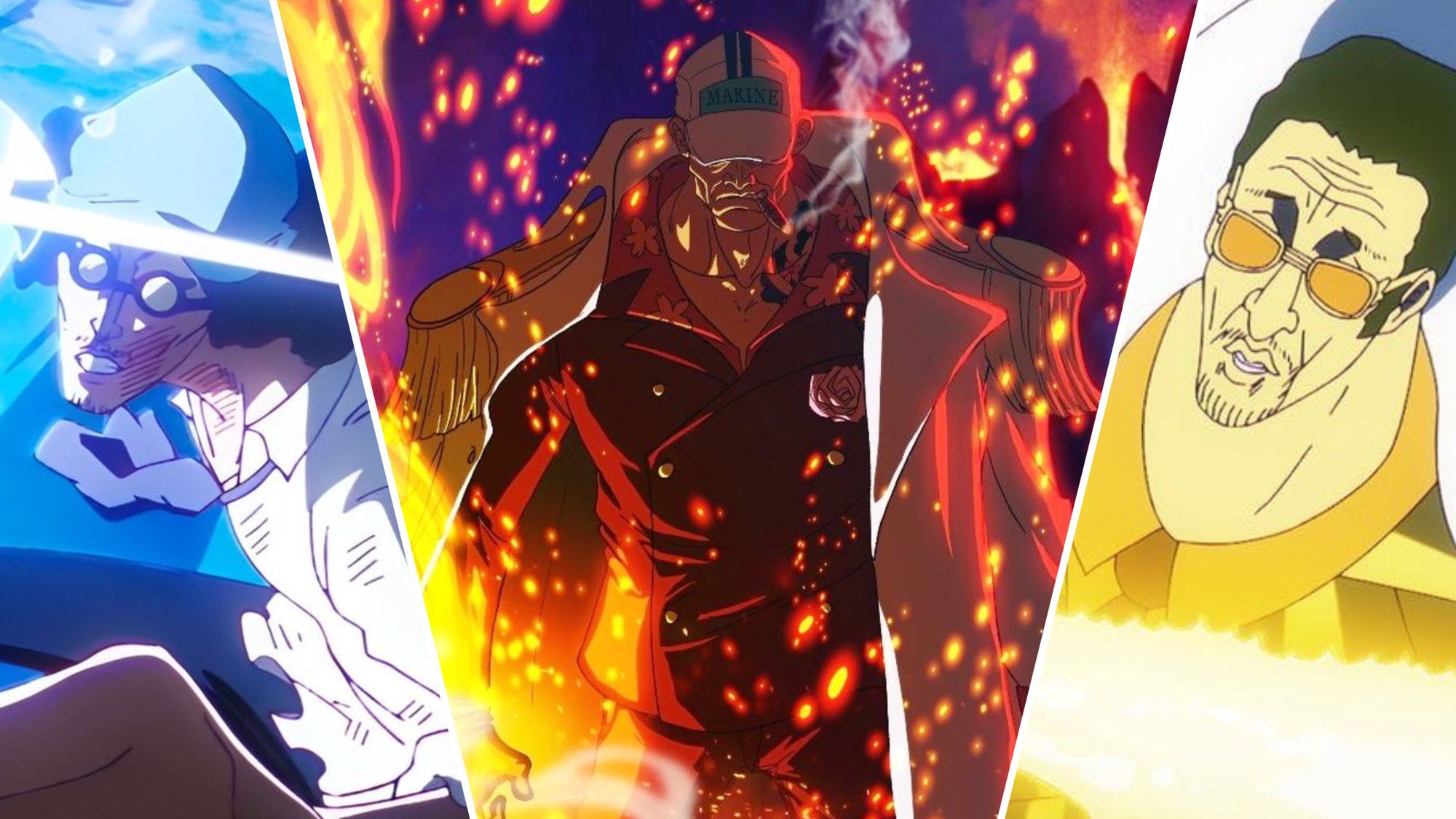
The Marine Admirals are among the strongest characters in the world of One Piece, and they’ve shown off many impressive powers over the course of the series.
The Marine Admirals are among the strongest characters in the world of One Piece, and they’ve shown off many impressive powers over the course of the series.
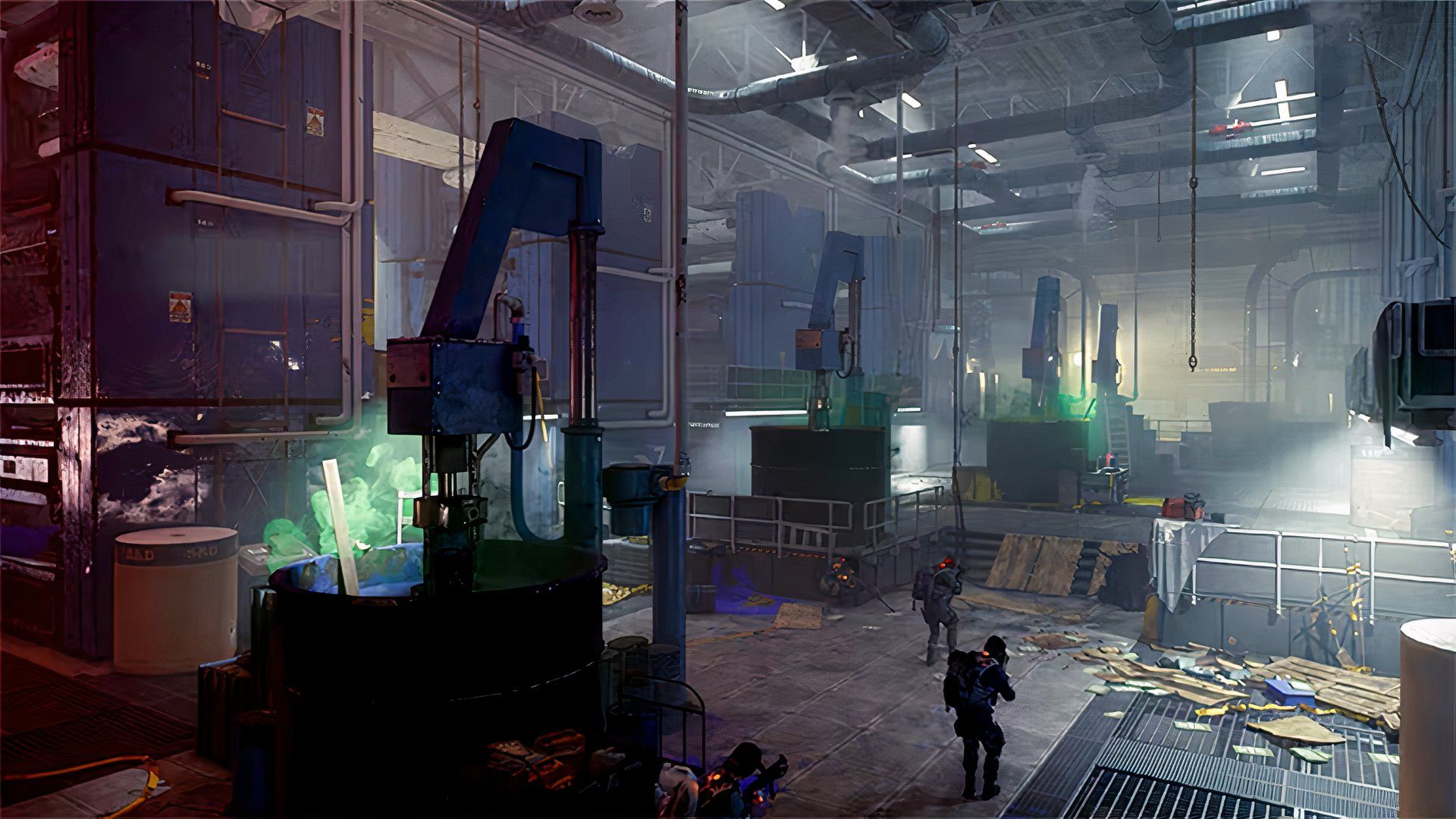
To celebrate 10 years of The Division, Massive Entertainment shared a preview of upcoming content planned for late 2026. Players can now enjoy a more realistic gaming experience with the new Realism mode for the Warlords of New York expansion, featuring better lighting, shadows, and more detailed graphics. Looking ahead, The Division will continue to release seasonal content and introduce a new extraction game mode called Survivors later this year, alongside a new incursion. A short video also teased a potential expansion, seemingly set in Central Park, with clues suggesting a focus on the Hunter character – including a glimpse of a hand and mysterious footsteps.
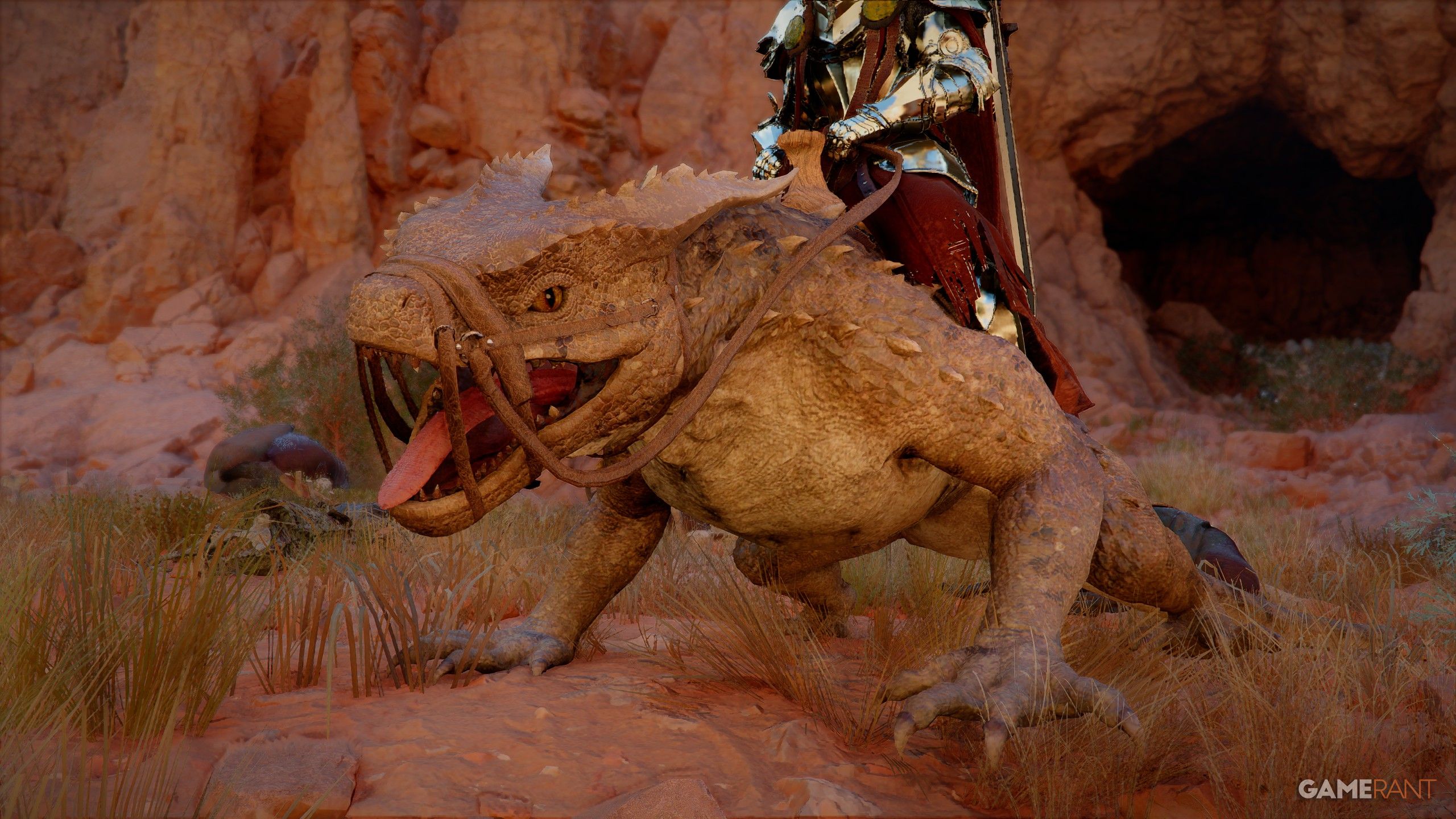
Iguanas are large, impressive mounts that make traveling across deserts easy and enjoyable. The guide below will show you where to find them and how to add these amazing creatures to your mount collection.
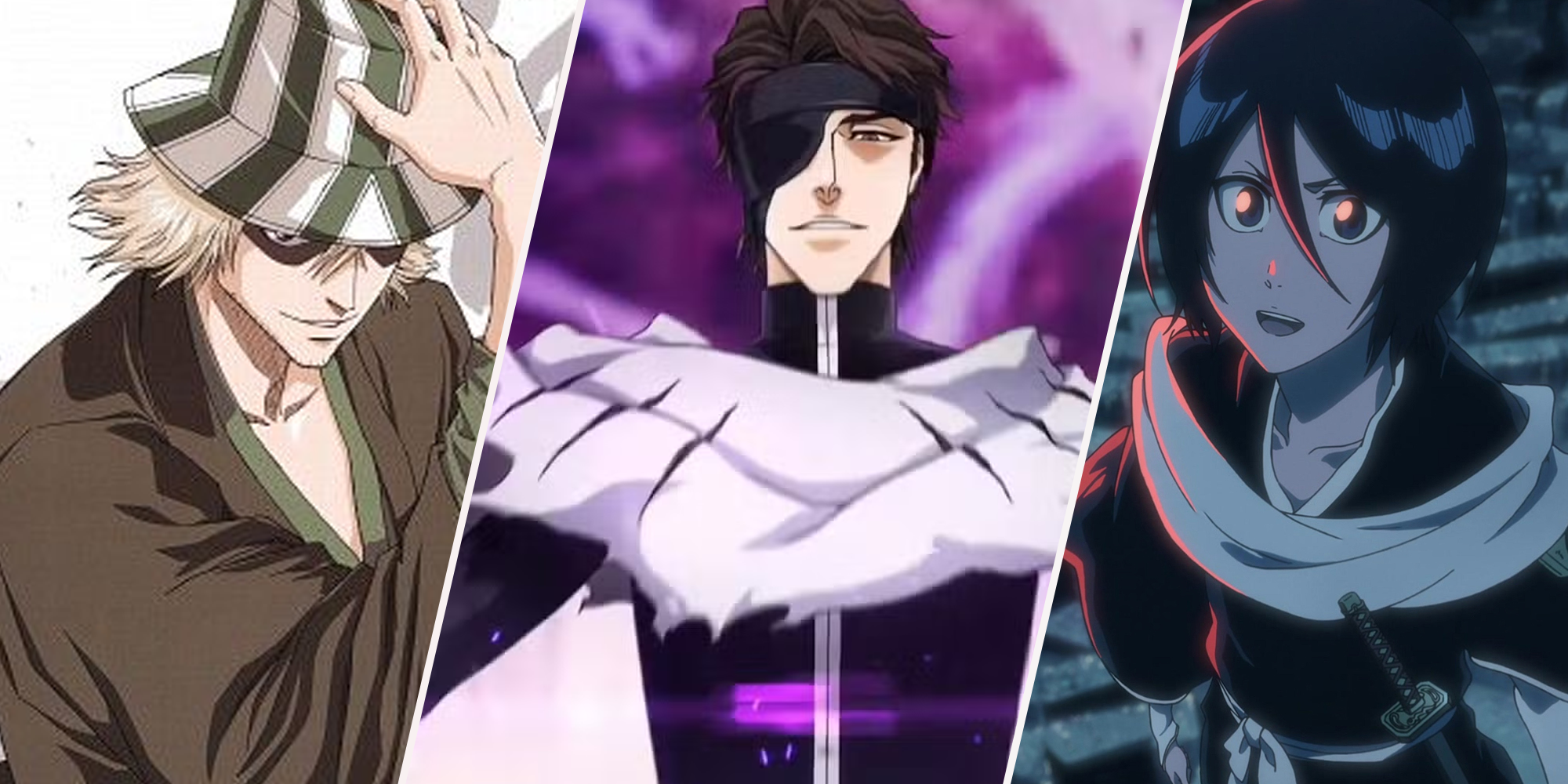
While some Soul Reapers excel at kido, Squad 11 completely avoids using it. However, when powerful kido masters cast these spells, they can dramatically change the course of a battle, often more effectively than a standard sword attack. Many of the most memorable fights in Bleach were decided by skillful use of both offensive and defensive kido, making it clear which spells are the most valuable for the Gotei 13 when facing enemies.
Payward, in its quest for legitimacy, has petitioned the US Office of the Comptroller of the Currency, a name so bureaucratic it could only exist in the dreary halls of Washington. Their vision? A federally regulated entity, the Payward National Trust Company, announced with great fanfare on May 8 by the ever-optimistic Sethi.
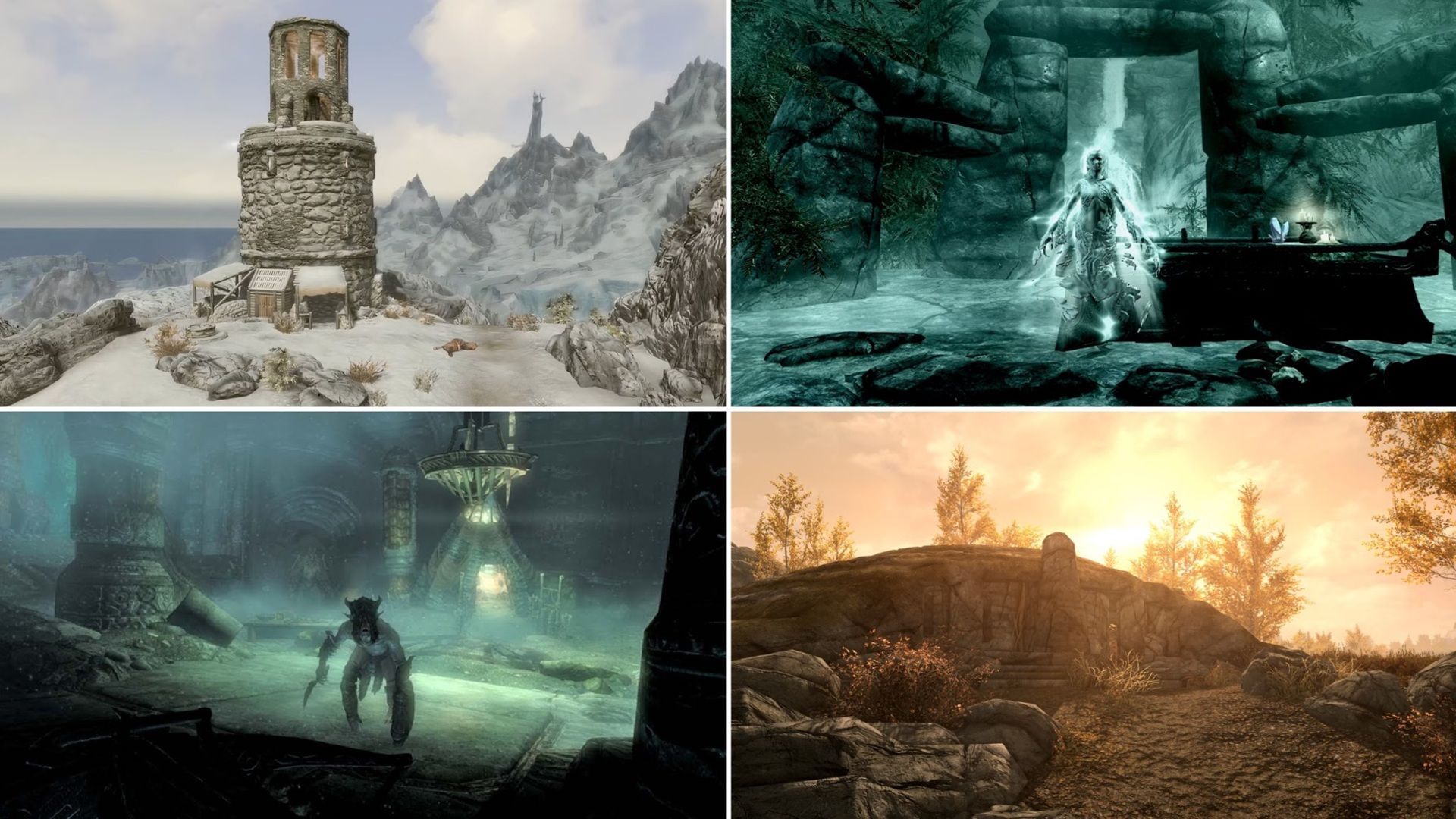
Bethesda created a truly remarkable game, one of the best examples of interactive entertainment in recent years. Its incredible quality makes the world feel so real that just exploring it is a joy.
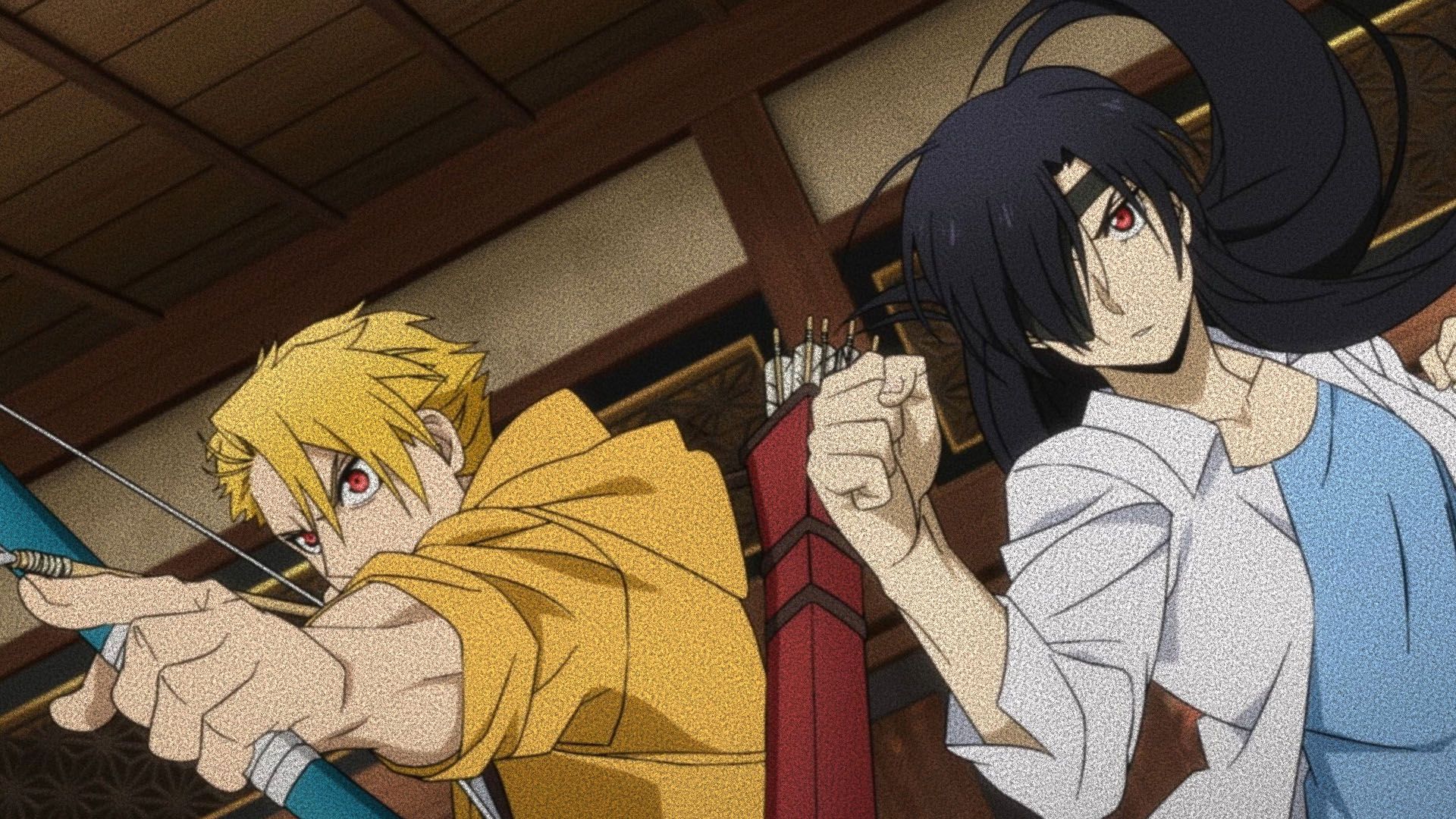
Things really heated up in Episode 6! Assassins managed to find the Kagemori Clan’s hideout, going after the twins. Yuru showed he wasn’t going down without a fight, skillfully using his bow and arrow. And Asa? She’s incredibly powerful – she broke through a dangerous barrier using her abilities and even managed to save her brother. Their father, before he disappeared, said the twins are the key to controlling Break and Seal, but we haven’t seen Yuru’s full power yet, so who knows what will happen when it awakens. Thankfully, everything worked out okay… though we got a huge shock when Asa revealed why she wears an eyepatch: she actually died once before, killed by an assassin from Higashi Village.
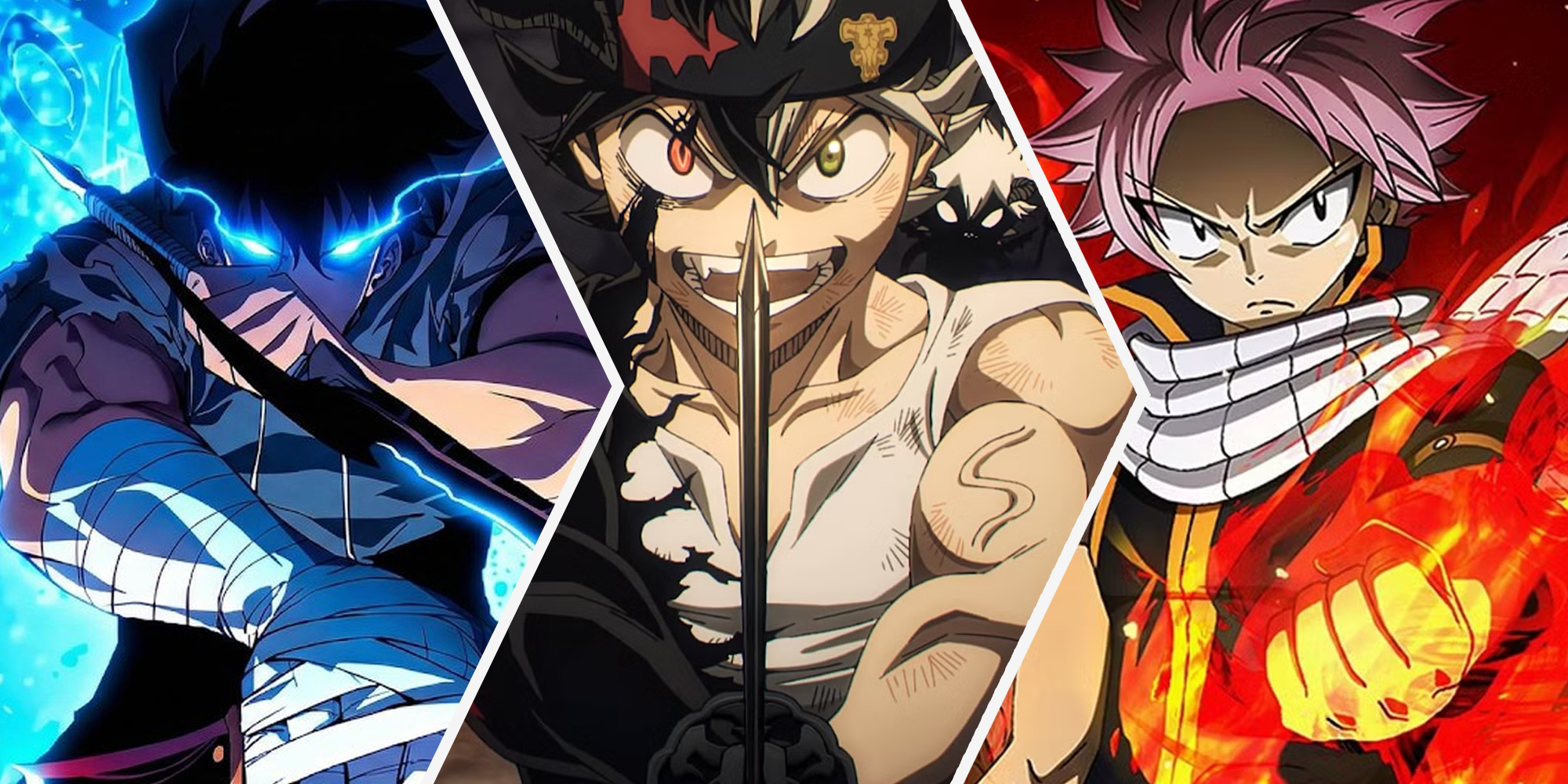
With the Black Clover manga finished and fans eagerly awaiting the new season, it’s a good time to explore other fantastic fantasy anime. Black Clover isn’t unique in its exciting fights, compelling characters, and detailed worlds – many other series offer similar experiences. While Black Clover is excellent, these alternatives are just as enjoyable, and some might even surpass it.
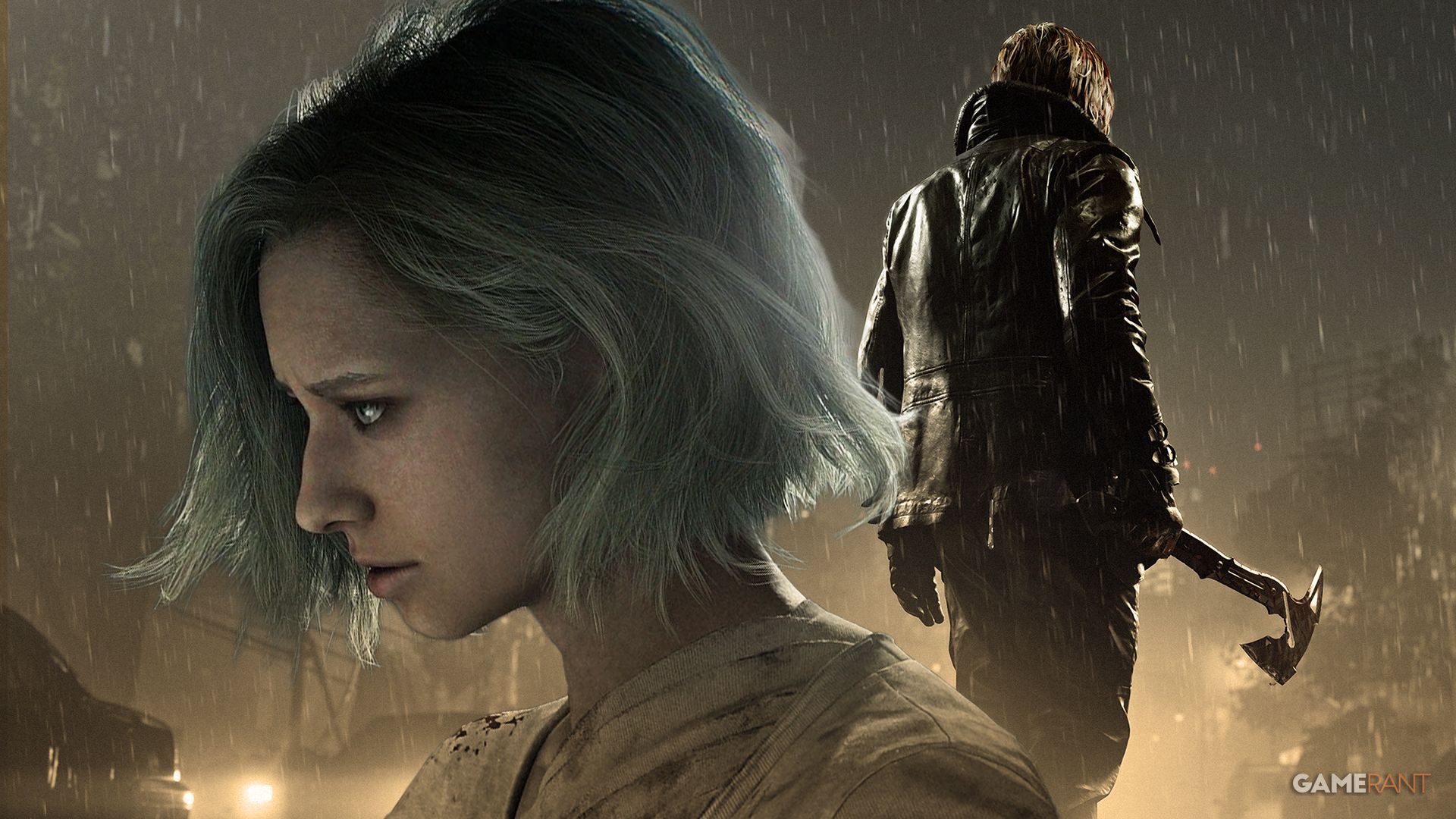
Video game development often starts with ideas that end up being removed before the final game is released. This happens either because those ideas aren’t fully developed or don’t quite work as planned. However, removing content didn’t hurt Resident Evil Requiem, which has sold over 7 million copies and was well-received by critics when it launched.
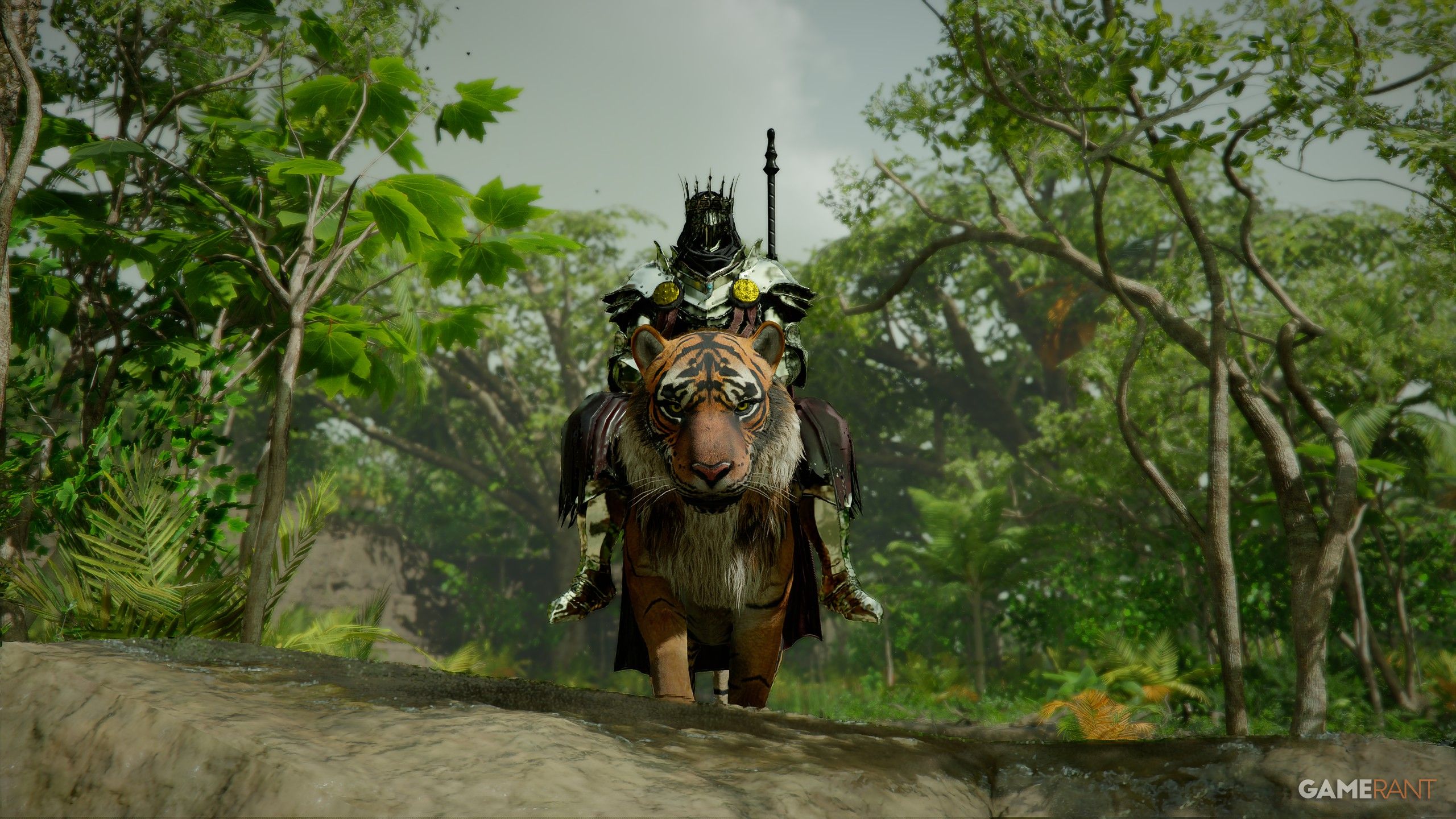
In the Rainforest of Crimson Desert, you can actually tame tigers! All it takes is a good sword to bring them under control and enough meat to keep them happy. We’ve put together a guide below with maps and tutorials to help you safely obtain your very own tiger mount.