Beyond ACID: Securing the Future of Transactional Systems

A comprehensive survey reveals the evolving security landscape of transaction processing and proposes a new framework to address the demands of modern, complex applications.
A comprehensive survey reveals the evolving security landscape of transaction processing and proposes a new framework to address the demands of modern, complex applications.
Notably, the burn exercise occurs during redemptions, a process where users trade tokens for dollar reserves. The event, while reducing RLUSD’s supply, is touted as a way to maintain its 1:1 peg. One could argue it’s more of a tightrope walk than a balance, but the crypto crowd seems to prefer their metaphors with a side of confusion.
Researchers have developed a novel attestation relay system that significantly reduces bandwidth overhead, enabling more efficient and scalable post-quantum cryptographic networks.
Apparently, their remaining stash is worth nearly $2 billion. Big whoop. I mean, who doesn’t have a couple billion lying around these days? Oh, right. Me. And probably you. But hey, at least they’re not hoarding it all-they sold some, presumably to buy more hoodies or whatever it is they spend their money on.
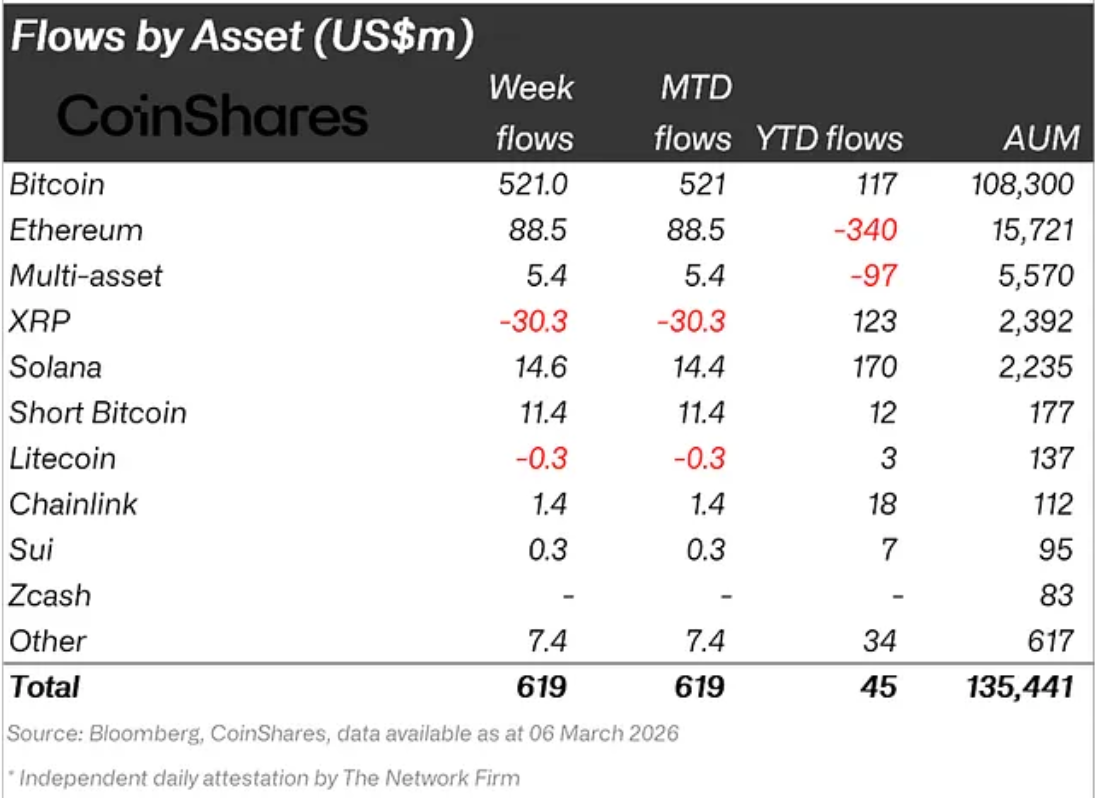
And now, the big boys are packing their bags! $30 million? That’s like a fancy dinner bill for institutional investors, but for XRP, it’s a full-blown drama. Yet, here you are, clinging to life like a reality TV star refusing to leave the spotlight. Who’s keeping you afloat? Spoiler alert: it’s not the suits.

In a dazzling display of foresight, BlackRock’s analysts predict that these disruptions may stretch out for weeks. Not months, of course-that would be too predictable, wouldn’t it? Oh, but the risk of stagflation lingers in the air like a bad perfume you can’t quite shake off.
Researchers are leveraging the power of artificial intelligence to automatically identify software components that handle sensitive cryptographic operations.
A new framework, ZK-ACE, leverages zero-knowledge proofs to dramatically reduce on-chain data and enhance the scalability of blockchain systems preparing for the post-quantum era.

A new framework, pqRPKI, addresses the looming threat of quantum computers by fortifying the Resource Public Key Infrastructure against cryptographic attacks.

Once upon a time, the crypto evangelists preached of a bridge between the old and the new-TradFi and DeFi, hand in hand, marching toward a utopian convergence. But oh, how the winds have shifted! The AI agents, those incorporeal beings, scoff at the very notion of identity verification. Banks, with their dusty ledgers and bureaucratic whims, are left clutching their pearls while the machines waltz into the crypto wallets, unencumbered by such trivialities.