When Does Tomodachi Life: Living the Dream Release?

The game Tomodachi Life: Living the Dream will be available starting April 16, 2026, at midnight Eastern Time. Here’s what that time looks like in other time zones:
The game Tomodachi Life: Living the Dream will be available starting April 16, 2026, at midnight Eastern Time. Here’s what that time looks like in other time zones:
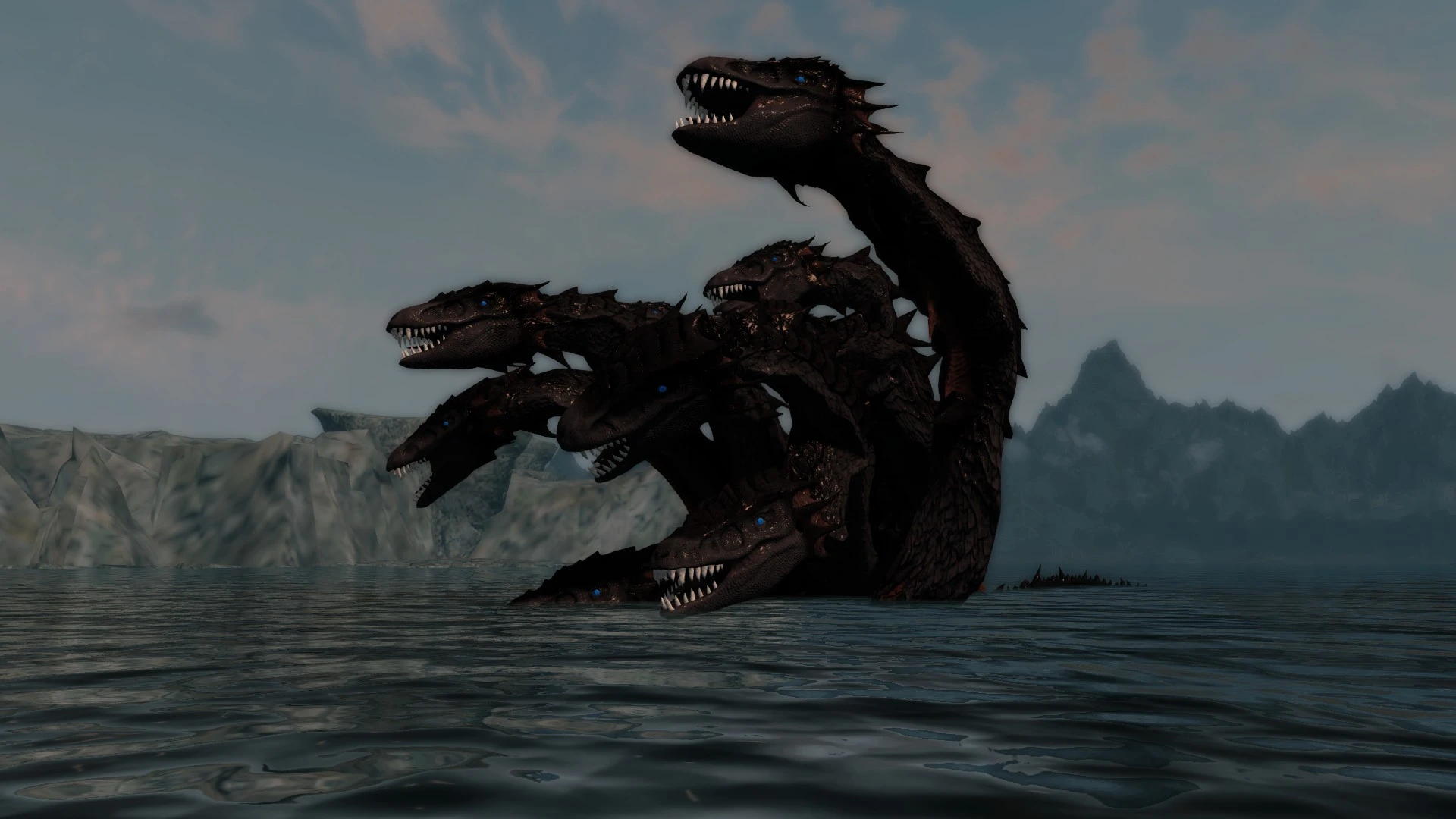
As a fan, I think a lot of modders are hoping to either turn their hobby into a full game, or even get a job at a big game studio – and honestly, some really talented people have been discovered that way! That’s why it’s so smart to share your mods everywhere you can – getting your name out there is key. Right now, the GGMods site doesn’t have a ton of games or mods available yet, but they’re growing, and I’m excited to see what comes next. But for now, let’s just have some fun and check out some of the really strange and creative mods they do have!

As a huge fan, I have to say Madara is just unbelievably powerful! He’s among the strongest characters, period. Seriously, the things he’s done are legendary – like actually controlling the Nine-Tails and using it in battle! Remember his fight with Hashirama? That was insane. And it gets even better – he single-handedly captured all the Tailed Beasts during the Great War. It’s just mind-blowing how strong he is!
Key Takeaways:
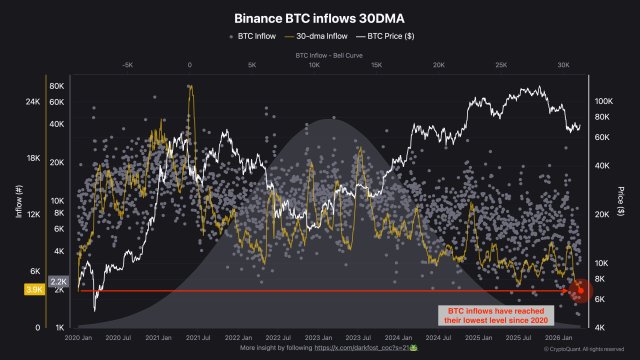
As the sun set on Monday, the price of Bitcoin momentarily perked up above the $73,000 threshold, teasingly rekindling a bullish sentiment among market participants. Could this resurgence be attributed to the ebb and flow of BTC transfer activity? Quite possibly! However, the true narrative lies in the stark reality that inflows to Binance-the grandest of trading platforms-have dwindled to record-low levels, leaving many to ponder if the party has indeed ended.
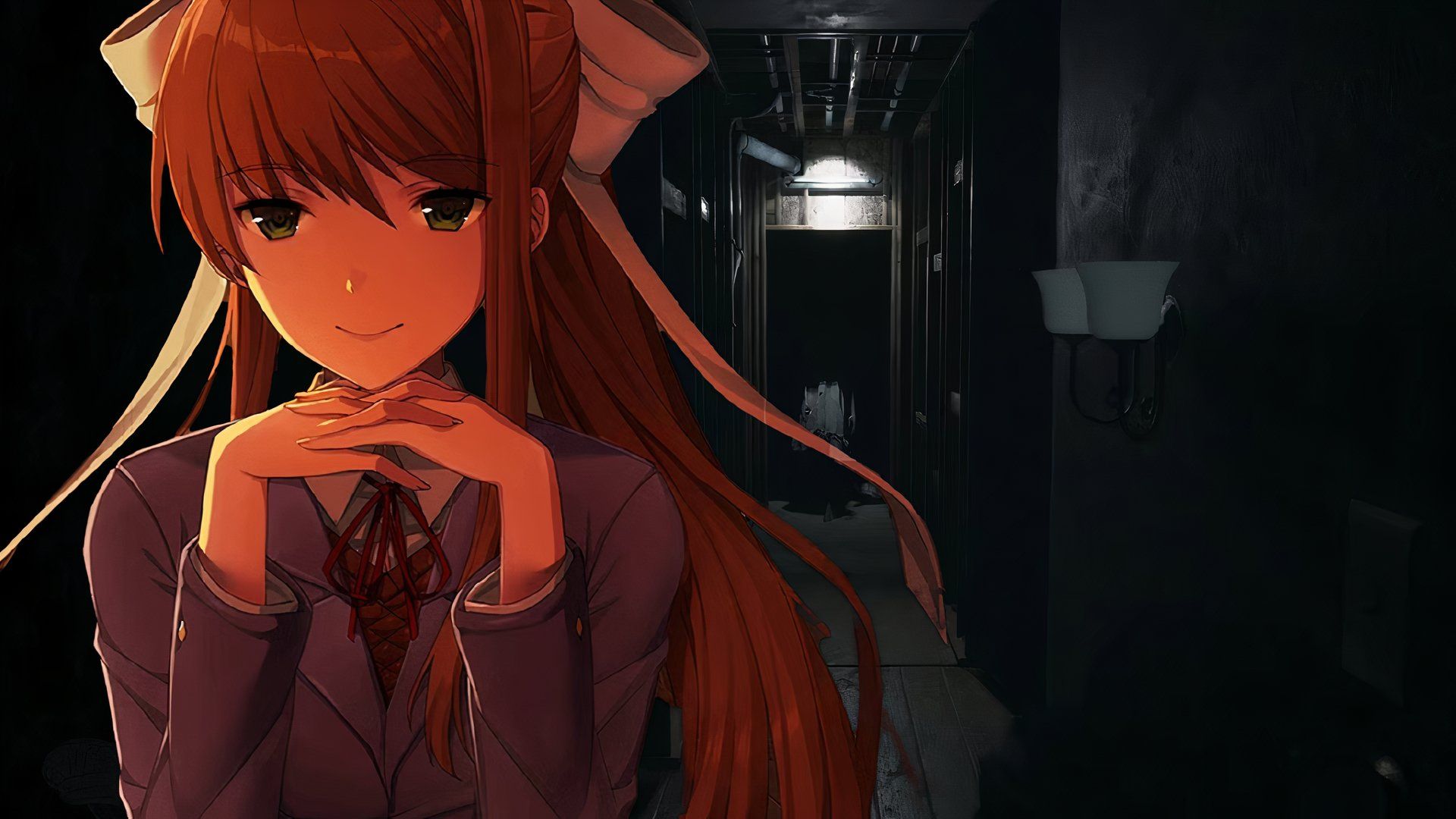
Truly great horror games don’t always need sequels. Some of the most memorable ones are standalone experiences – they’re perfect as they are, even though another installment could be enjoyable. Let’s explore some classic and modern horror games that likely won’t get follow-ups, and that’s probably a good thing.

The second chapter of the Overwatch story, “Reign of Talon,” is now available. It introduces a new hero named Sierra, a special in-game event called Operation: Grand Mesa, and a version of the game for the new Nintendo Switch 2. This new season, titled “Summit,” continues the narrative from the first season, “Conquest,” and aims to build on the positive reception of the game’s recent relaunch.
New research clarifies the trade-offs between combining multiple statistical problems and maintaining reliable, replicable results.

The Murder Mystery map includes several codes players can use to gain advantages. Like many custom maps in Fortnite, these codes only work once and might also stop working after a while. So, it’s best to redeem them quickly!

The new Godzilla film, Godzilla Minus Zero, is set to release on November 3, 2026 – exactly 72 years after the original Godzilla premiered in Japan. For the first time ever, North American audiences won’t have to wait long to see it. Godzilla Minus Zero will hit US theaters just three days later, on November 6, 2026. This film is also a first for Japanese cinema, being the first live-action Japanese movie filmed specifically for IMAX, promising a spectacular experience for fans, as shown in the recent teaser.