Gaming news used to follow a pretty standard path: someone at a game company would leak information to a popular YouTuber, who’d post a teasing video. Soon after, online communities like Reddit would dissect every detail. This system depended on keeping things secret – knowing the right people, finding sources willing to talk, and ensuring they wouldn’t lose their jobs.
That era of connections is quietly ending, and prediction markets are coming in its stead.
The End of the Leak Economy
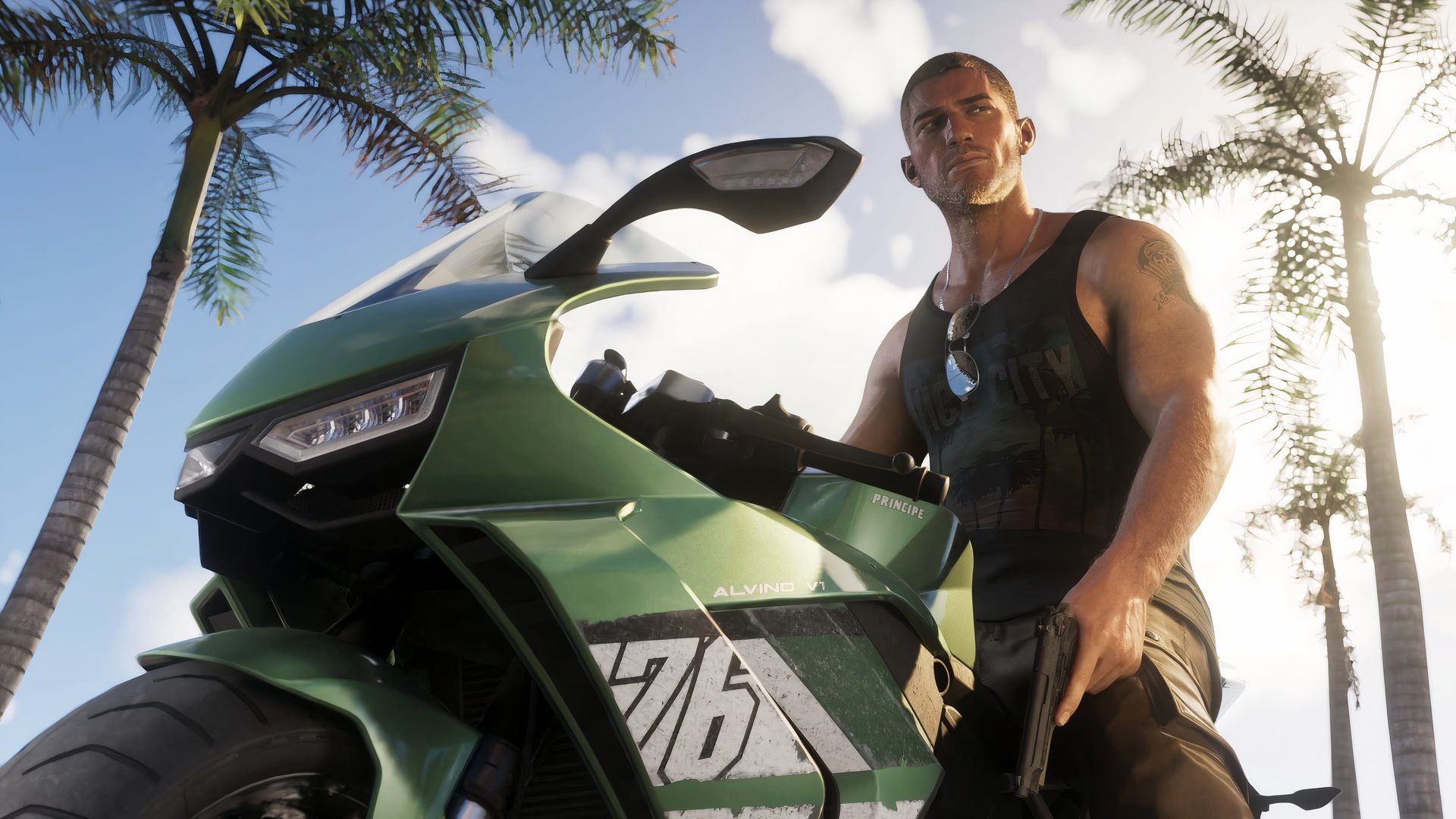

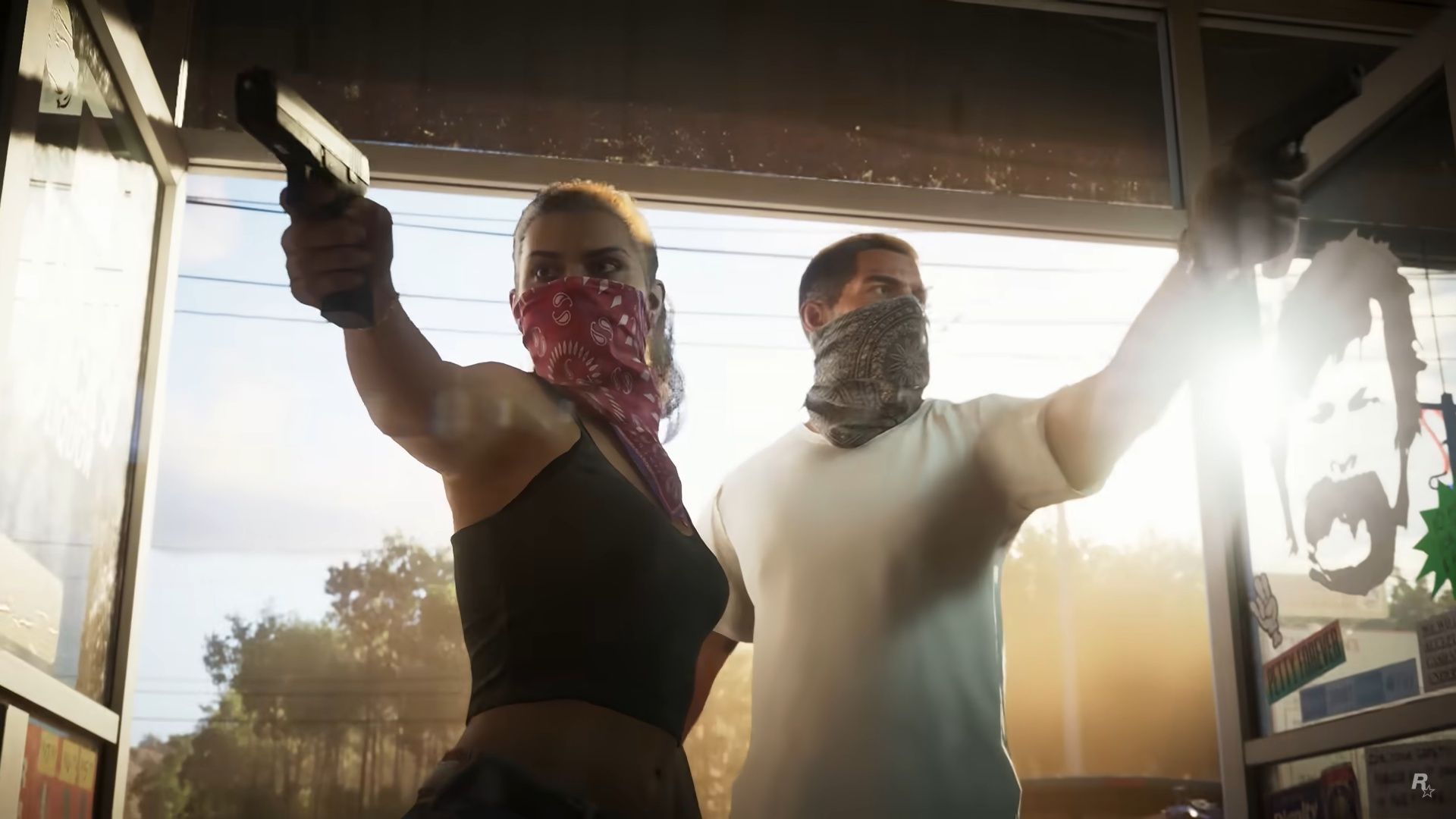

The problem of leaked information didn’t disappear suddenly. Video game companies noticed a pattern of insiders revealing secret details and started taking steps to prevent it. For instance, Rockstar Games has often been affected by leaks becoming public. To combat this, they’ve reportedly been using a tactic called a “canary trap” with information about Grand Theft Auto 6. This involves subtly changing details and sharing them internally to see which versions end up online, helping them identify the source of the leaks.
The plan to keep details secret was successful. In a February post on X (formerly Twitter), online personality Reece Reilly, known as Kiwi Talkz, said that Rockstar Games was being extremely secretive – like a top-secret facility such as Area 51 – making it nearly impossible to find out anything about GTA 6. This tight security meant that anyone leaking information was almost certain to be caught and face consequences, effectively stopping leaks from happening.
Enter prediction markets.
As a gaming fan, it’s wild to see platforms like Kalshi popping up where you can actually bet on what’s going to happen next in the gaming world! They’ve got markets for everything – like how much GTA 6 will cost, or if we’ll get a trailer before June. Seriously, people are putting real money – thousands of dollars! – on even things like what songs will be on the in-game radio. It’s not just a fun poll, it’s real predictions with actual stakes, which is pretty cool.
Prediction markets have a key advantage over simple leaks because of the financial consequences for inaccurate predictions. If a YouTuber shares false information, the main cost is disappointing their audience. But on platforms like Kalshi, traders who predict incorrectly don’t just lose face – they lose money. This financial incentive encourages accurate information. Successful traders don’t just guess; they conduct thorough research, looking at things like historical data, earnings reports, and job postings for clues. The market then combines all this individual research into a price that represents the collective wisdom of those who have a financial stake in being right.
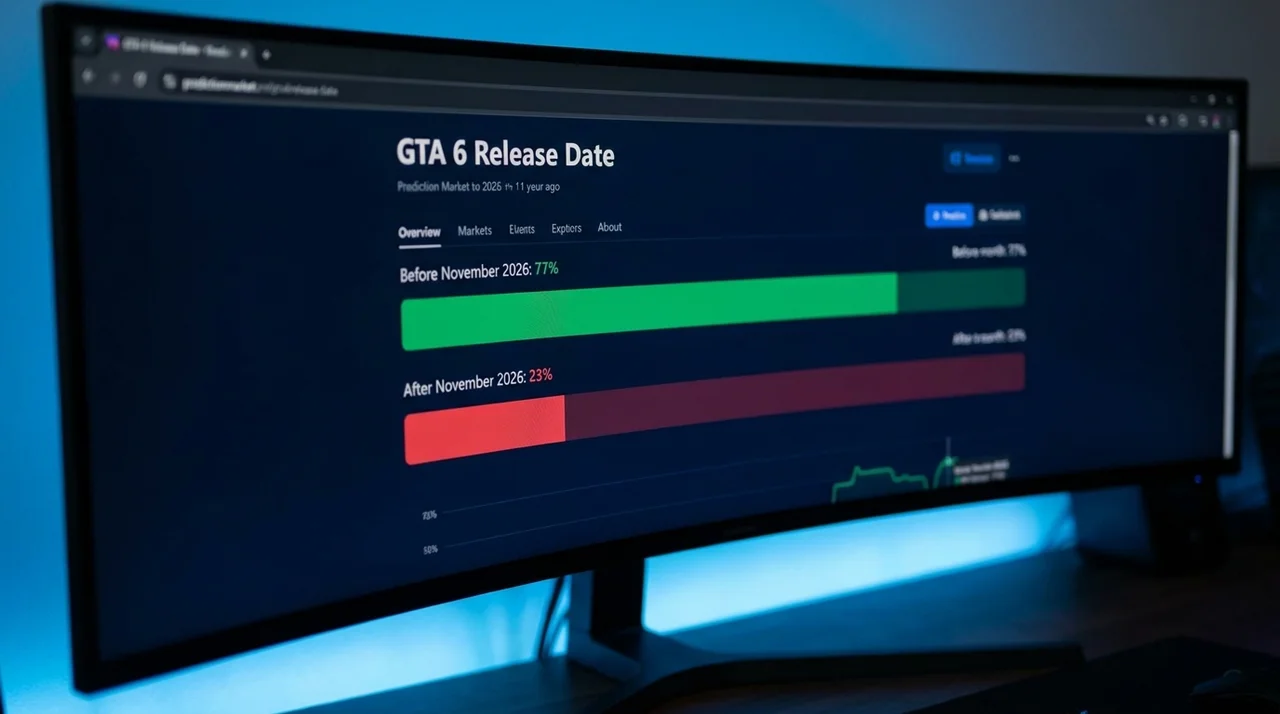
The data confirms it: when Rockstar announced GTA 6 would be delayed until November 2026, traders on the Kalshi prediction market immediately reacted. They slashed the probability of a February 2026 release from 77% to just 7% in a matter of hours – a much faster response than anything seen on YouTube, from industry experts, or on social media. The market instantly understood the implications of the news.
Leaks still happen, and some of the biggest gaming reveals lately have come from them—like when a teenager shared 90 videos of the upcoming GTA 6 directly from Rockstar’s internal communication system. However, as game studios get better at protecting their information and prediction markets become more advanced, the way people speculate about games is changing. The new influential voices aren’t relying on insiders at companies like Rockstar; they’re using platforms like Kalshi to make informed predictions.
Read More
- NTE Drift Guide (& Best Car Mods for Drifting)
- All Aswang Evidence & Weaknesses in Phasmophobia
- Diablo 4 Best Loot Filter Codes
- Conduit Crystal Location In Subnautica 2
- Where to Find Prescription in Where Winds Meet (Raw Leaf Porridge Quest)
- Boruto: Ikemoto Has Already Hinted At Sasuke’s New Eye After Return
- Best Burst & Full Auto Builds for the M16A4 in BF6
- USD RUB PREDICTION
- Deltarune Chapter 1 100% Walkthrough: Complete Guide to Secrets and Bosses
- GBP CNY PREDICTION
2026-05-02 01:39