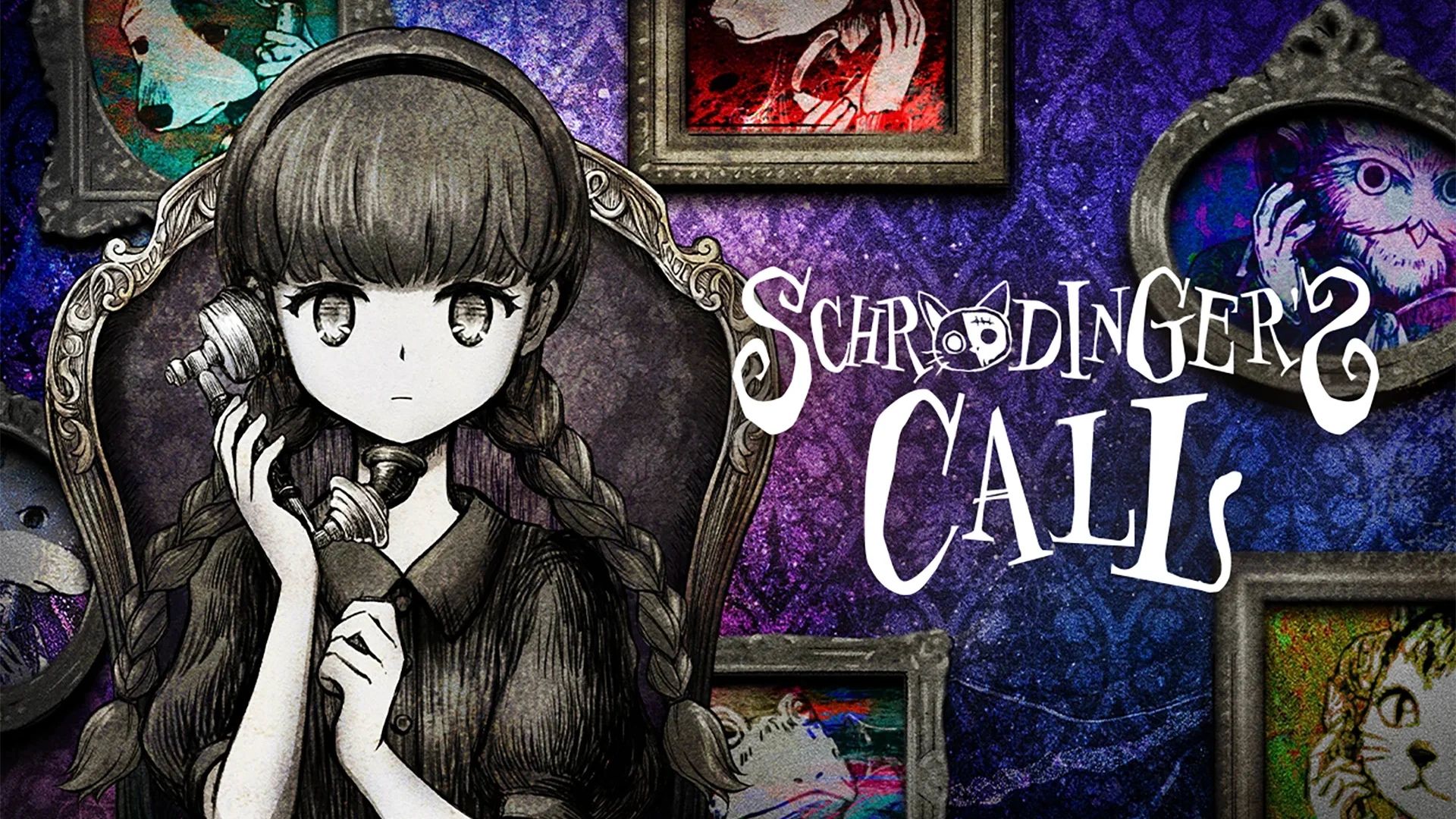
A real highlight of gaming conventions is discovering and chatting with independent developers. At Gamescom Latam 2026, the team behind Schrödinger’s Call – Acrobatic Chirimenjako, led by Achabox (director and artist) with writers Seishi and Ame handling the story and programming – really stood out. They’ve created a touching visual novel that explores the joys and struggles of connecting with others.
I recently tried the demo for Schrödinger’s Call, and wow, it really got to me. You play as Mary, and each episode you’re talking to someone different on the phone, helping them come to terms with dying. It’s incredibly emotional – every line of dialogue felt so raw. I could genuinely feel the person on the other end of the line struggling, but also starting to find peace as we talked. It’s a tough game, but in a really beautiful and moving way.
Seishi explained that although my decisions wouldn’t change the main story, they would affect the details of the conversations. I was a little surprised, since many visual novels let you make choices that lead to different endings. He clarified that they intentionally created a single, set ending to fully focus on the game’s central idea: helping people through conversation. That made a lot of sense to me – I appreciate a good, focused story, and it’s something I often look for in JRPGs.
Introducing the Neo-Visual Novel Genre
The artwork, Schrödinger’s Call, takes inspiration from the well-known thought experiment, Schrödinger’s Cat, which imagines a cat that is both alive and dead until observed. The artist, Seishi, connected this idea to phone calls, noting that before answering, you don’t know who’s calling. He wondered if the caller isn’t fully ‘real’ until you answer – essentially, the act of conversation defines their existence. This concept of observation determining reality is why the title Schrödinger’s Call seemed so appropriate.
As you’d expect from a visual novel, both the story and artwork are key, and Schrödinger’s Call excels in both areas. The art, created by director Achabox, blends the charm of classic European storybooks with the style of Japanese anime.
It just hit me – maybe the person calling isn’t really…present, until I pick up the phone. Like they don’t fully exist until I say hello. It’s a weird thought, but it makes you wonder if answering the phone actually creates the person on the other end!
Seishi explained they’re using graphics from Envato and a program called Brushstroke to make the game’s images and videos look like oil paintings. It really works – the visuals are stunning and create a beautifully sad atmosphere that matches the game’s mood perfectly.
Subscribe to the newsletter for neo-visual novel insights
Overall, Schrödinger’s Call is looking like a fantastic Neo-Visual Novel – a fresh take on the genre that blends story, art, and music together beautifully. And it’s not just my opinion! It’s being published by Shueisha Games, a major Japanese publisher, after winning the top prize at the Game Creators CAMP in 2021. Considering they also publish hugely popular series like Dragon Ball and One Piece, Shueisha clearly knows what makes a good game. Schrödinger’s Call will be available on Steam and Switch starting May 27th.
Read More
- Forza Horizon 6: Find the Ohtani Treasure Chest Location
- LEGO Batman Legacy of the Dark Knight Batcave Minikits & WayneTech Caches
- NTE Drift Guide (& Best Car Mods for Drifting)
- How to Open Locked Door in Tenryu River in Nioh 3 (Dirty Key)
- Sega’s “Super Game” is Said to Release Next Month, But Nothing is Known About It
- Skyblivion Gets Encouraging Development Update
- Asmongold reveals shocking detail about how much money he makes
- God of War Shadow Drops New Game and Confirms Greek Trilogy Remake
- New Steam Game is Like Pokemon If It Were a Sci-fi Shooter
- GameRant Daily Crossword (February 10, 2026)
2026-05-08 20:09