
This spring has seen a surge in popular life simulation games, mainly thanks to the releases of Pokemon Pokopia and Tomodachi Life: Living the Dream. The Nintendo Switch and Switch 2 have become known for relaxing and enjoyable games, giving players lots of options in this genre. However, since games can be pricey, if you’re deciding between Pokemon Pokopia and Tomodachi Life: Living the Dream, it’s helpful to consider which one might be the better fit for you.
Both Pokopia and Living the Dream are often described as cozy games, but they offer very different experiences. “Cozy game” is more of a general feeling than a specific genre. If you’re trying to decide which one to buy, think about what you enjoy most: building up a town, customizing things to your liking, and forming relationships with characters in the game.
Exploration Versus Instant Creation
Both games feature town building, but approach it in distinct ways. In Pokopia, creating and expanding your town drives the story forward and encourages exploration. In Living the Dream, town building is a new feature for the Tomodachi Life series and is a major gameplay element, second only to interacting with the characters.
In Pokopia, you truly build your town, focusing on creating homes for Pokémon and eventually people. You play as Ditto, gathering resources like Pokemetal by exploring the world to construct various buildings. The game offers extensive customization, letting you choose from a wide range of materials for each structure, and encourages long-term play by requiring you to actively find those materials. Building is a hands-on process – unless you use a pre-made kit, you’ll place each piece yourself, much like building in real life (though, admittedly, with a unique twist – you’re Ditto, and that means… consuming building materials!).
TopMob Quiz
—
Results
—
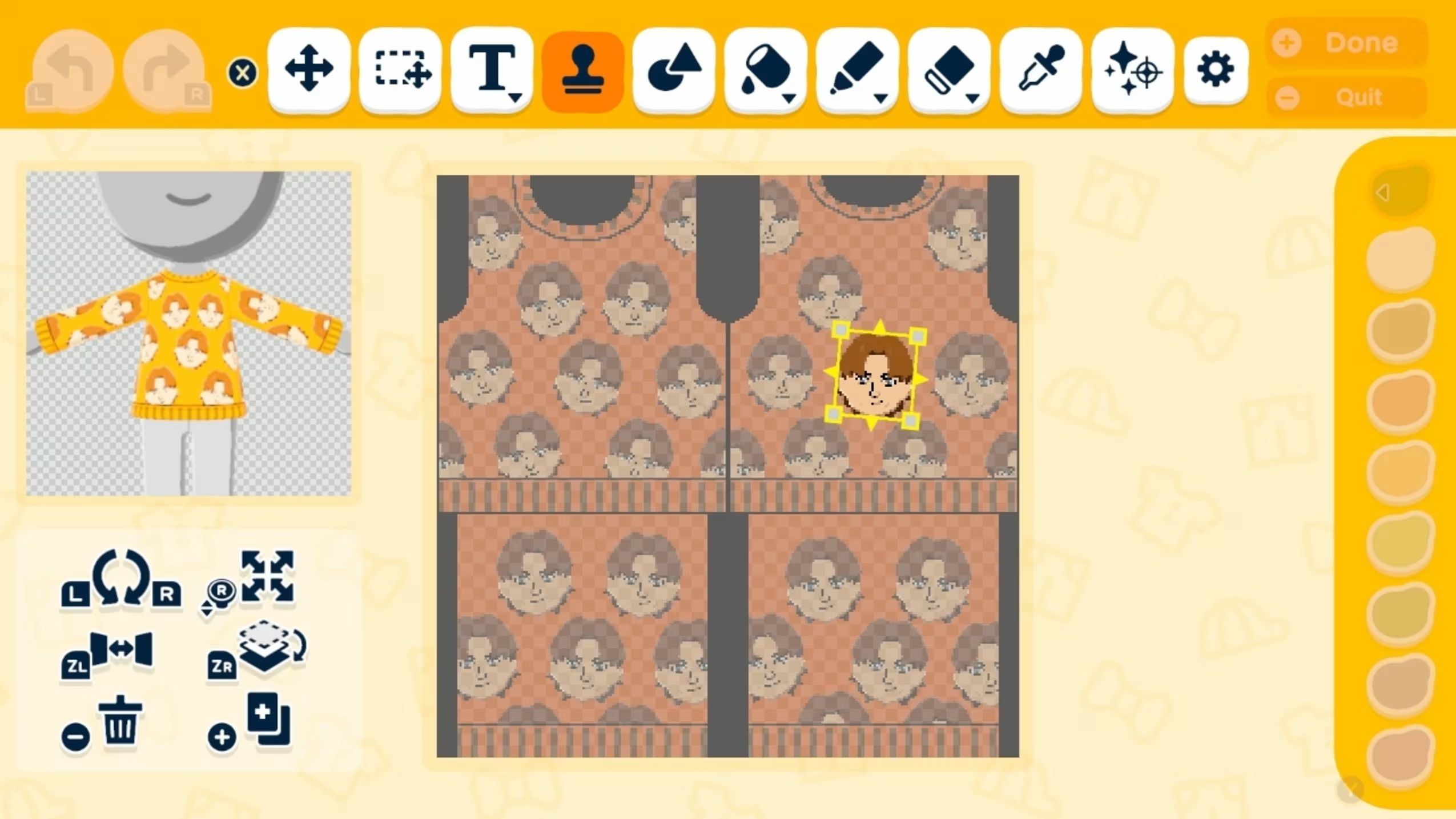
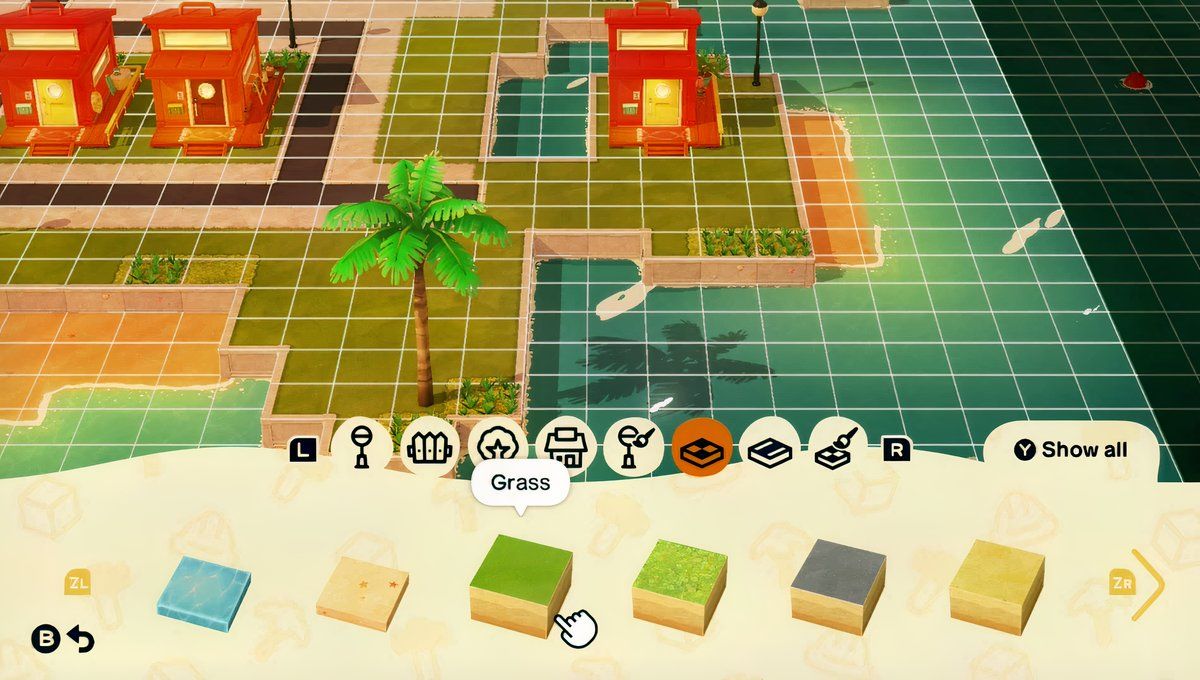
In Living the Dream, you have more control over your town’s layout, letting you quickly place buildings, plants, and decorations with just a click. It’s less detailed than Pokopia, but much faster and easier to use. You can even design your own houses and decorations at the Palette House, which is helpful since there’s only one pre-made house and a limited number of decorations. While you’re restricted to a few basic shapes, you can draw anything you want on them, offering a lot of creative freedom. However, the game doesn’t let you share your creations online, which is a downside for those who don’t want to design things themselves. If building and sharing a town is your main goal, Pokopia is the better choice.
Structured Versus Unstructured Customization
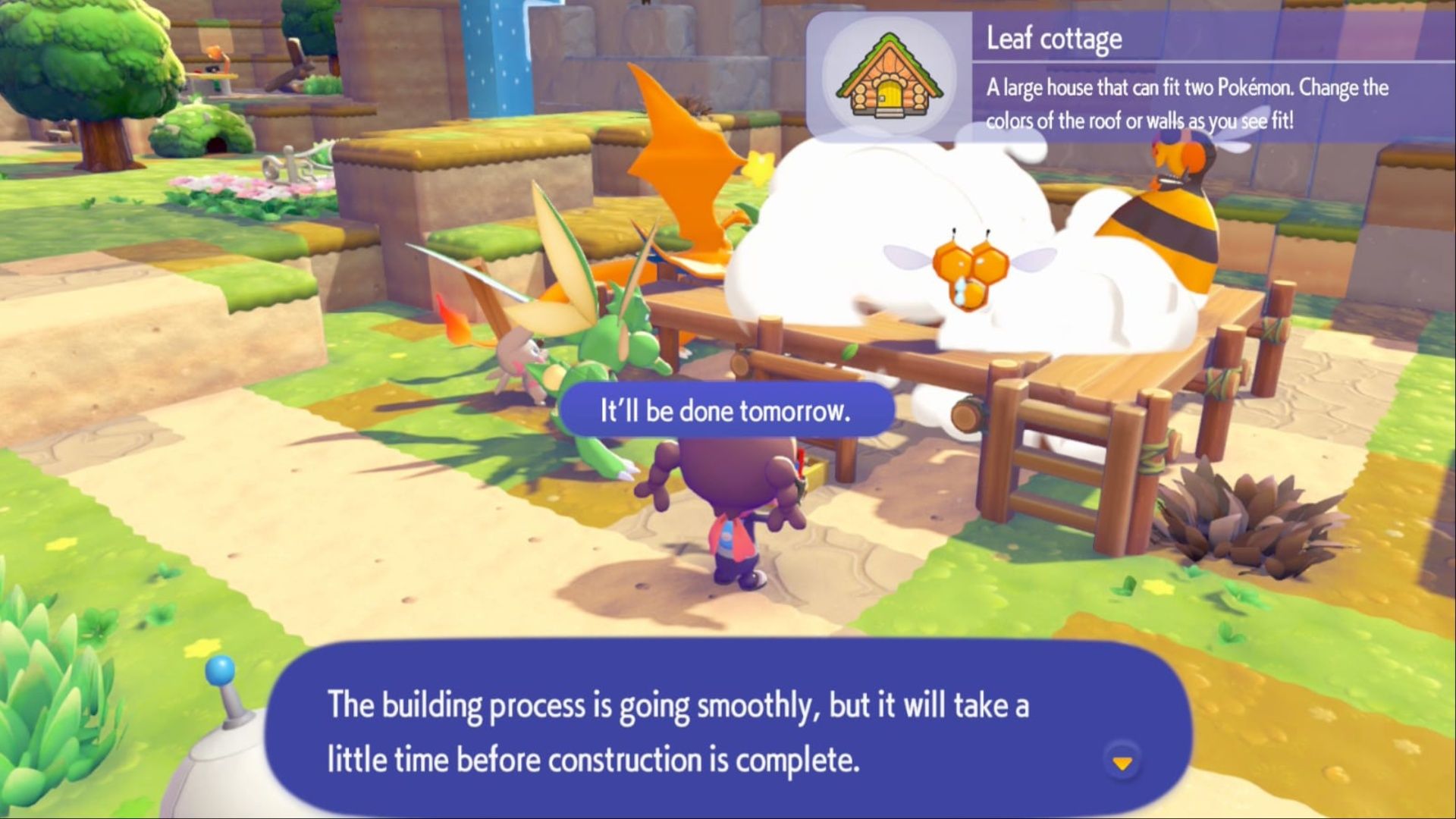
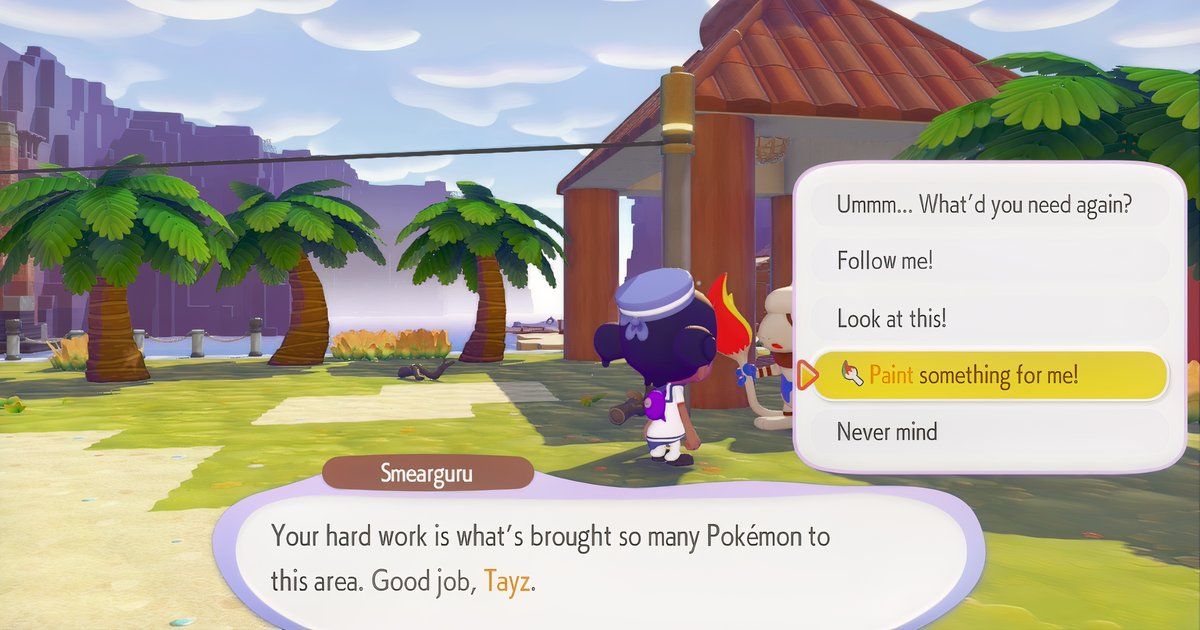
In Pokopia, you build things block by block, letting you create almost any shape imaginable. The creativity of the Pokopia community is truly impressive! Gathering materials can take a while, but efficient resource collection makes it manageable. If you want colorful creations, you’ll need dyes and Smeargle, who can change an item’s color or pattern – though not everything can be customized. You have a lot of freedom with the form of your builds, but less when it comes to detailed design. While there are plenty of colors and patterns to choose from, it doesn’t offer the same level of artistic control as the drawing tool in Living the Dream.
While Pokopia offers less customization than Living the Dream, this can actually be a benefit for some players. Creating detailed designs on the Switch’s screen can be tricky, even for those skilled at drawing. By providing some structure and limiting options, Pokopia makes building less daunting and ensures a neater, more polished look than freehand drawing. It strikes a good balance between letting players express their creativity and keeping things organized.
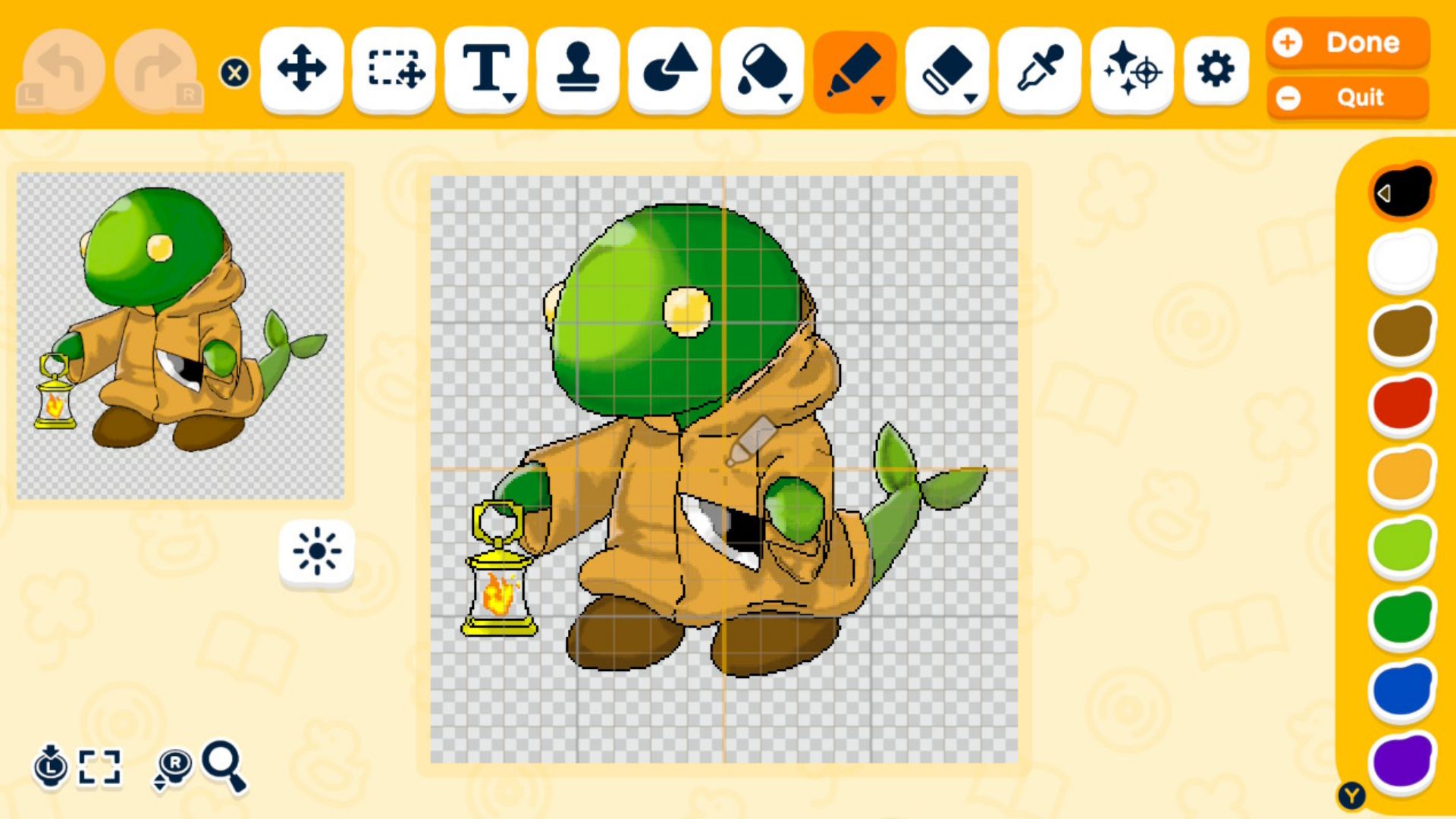
Compared to Pokopia, Living the Dream offers players more creative freedom, which can be a good thing or a frustrating one depending on how you feel about its drawing tools. Luckily, the demo lets you try out the drawing mode by applying face paint to your Miis, so you can test it without buying the game. You can also purchase inexpensive styluses for the Switch if you prefer not to draw with a controller, and the game includes several tools to help you create what you envision. However, this freedom comes with a trade-off – fewer built-in assists mean you have to think more about your creations. Unfortunately, Living the Dream‘s drawing mode is missing some helpful features. Tools like blending options and layer modes, or even a simple symmetry toggle (which Animal Crossing had!), would significantly improve the experience. Despite these limitations, the Mii Maker is robust enough to create impressive designs, as demonstrated by some creative *Pokemonthemed Mii creations.
Despite a few missing features and a slightly pixelated look, Living the Dream lets you create surprisingly detailed drawings. I’ve spent time creating characters like Sephiroth with his Tonberry companion from Final Fantasy, and even Alexander Hamilton listening to the Hamilton soundtrack! While the freedom to customize can be overwhelming for some, it’s incredibly enjoyable for those who like to personalize. If you’re looking for ultimate personalization, Tomadachi Life is the best. However, if you’d rather avoid the tricky face-painting in Living the Dream, Smeargle in Pokopia can easily handle the artwork for you.
Poke-Friends Versus Mii Love Dodecahedrons
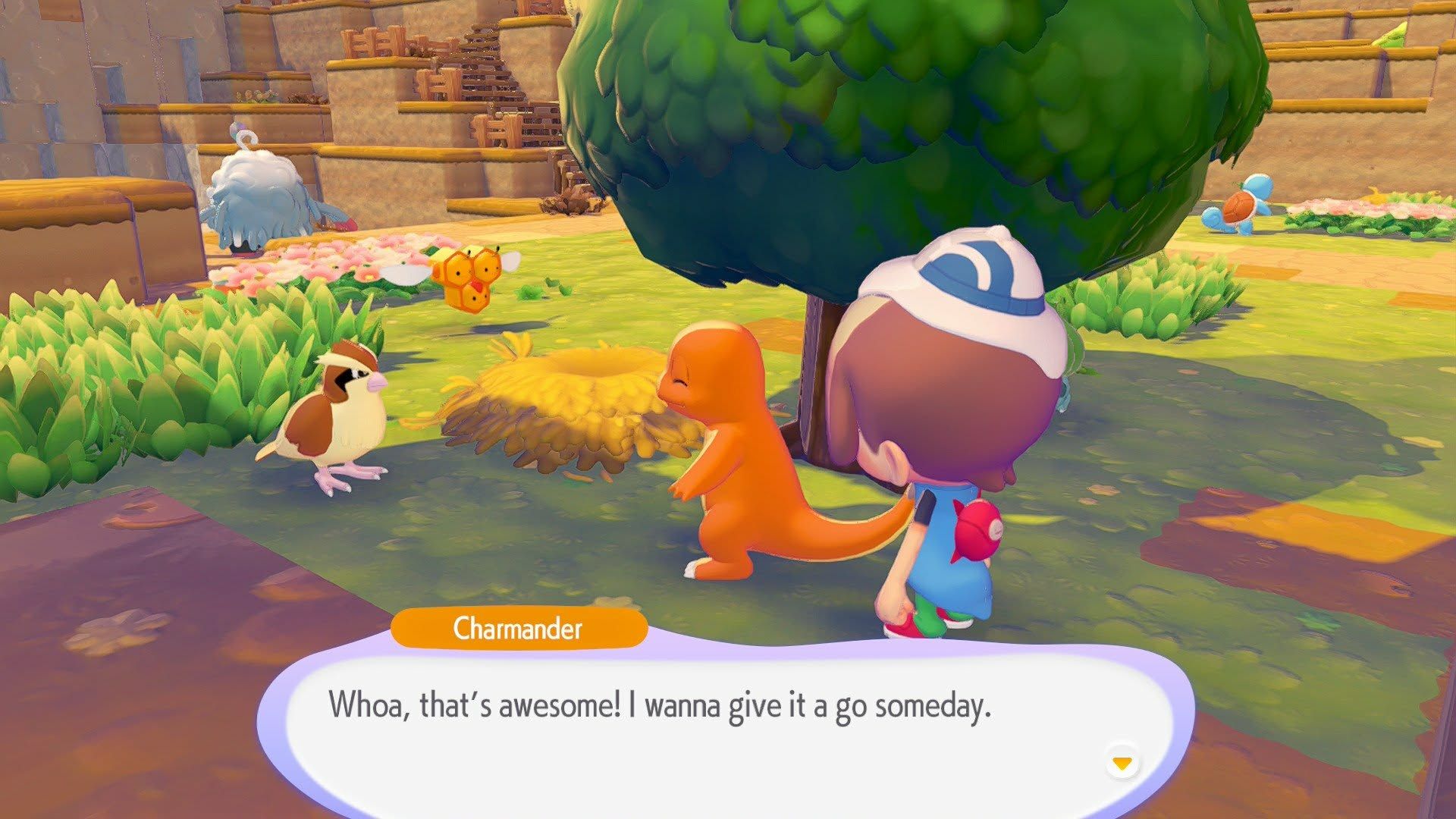
As a big fan of life simulation games, I’ve been checking out Pokopia and Living the Dream, and it’s interesting how different they are. They really sit at opposite ends of the spectrum when it comes to gameplay. You’ve got games like The Sims that try to balance everything – building houses exactly how you want, and also focusing on your characters’ relationships and lives. The Sims lets you build from the ground up, decorate however you like, and then watch your Sims live their lives, make friends, fall in love, and all that. But Pokopia and Living the Dream both take a piece of what makes The Sims great and really focus on it. They both let you build towns and relationships, but one of those aspects is definitely the main thing, while the other takes a backseat. It’s cool to see these different approaches!
In Pokopia, Ditto can become friends with other Pokémon, which is helpful because those friends will share resources they find. As your Ditto gets closer to a Pokémon, they’ll even start referring to it by the name you’ve chosen! Building these friendships also improves a Pokémon’s Comfort Level. You can even have Pokémon move in with you, and some will have unique interactions – like Heracross and Pinsir playfully battling over their horns, or the surprisingly deep conversation between Pinsir and Bulbasaur about growing up. While these social features are charming, Pokopia focuses more on building and exploring. Making friends is mostly a way to gather materials and improve the area’s Comfort Level, rather than driving a story forward.
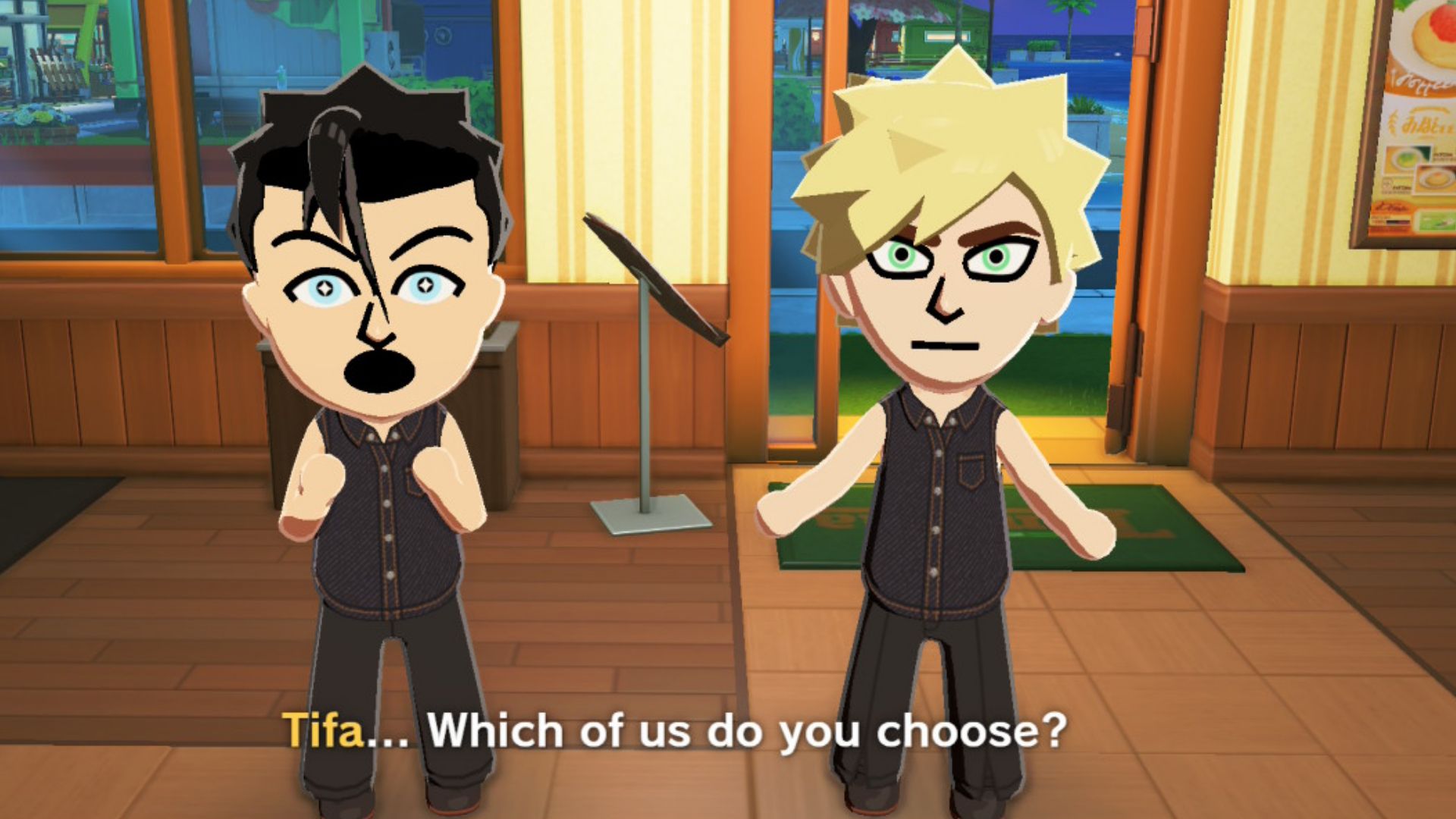
The way Living the Dream handles relationships is a major highlight of the game. Similar to The Sims, your Mii characters can build friendships, find love, and start families. However, Living the Dream stands out because you can actually hear your Miis having realistic conversations. Relationships aren’t always mutual – one Mii might fall in love while the other doesn’t reciprocate. Things get even more interesting when multiple Miis develop feelings for the same person, creating memorable drama. These unpredictable relationships, combined with the fact that your own created characters can get caught up in the mix, make the system incredibly engaging and encourage players to keep coming back for more.
Even after getting married in Living the Dream, the game continues. Couples can have children, but surprisingly, Miis can also get divorced if their relationship fails – and sometimes, the player can’t prevent it, no matter what they do. This feature keeps the game from being limited in creating new couples, as characters can become single again. It can be a bit shocking to see characters like Mickey Mouse and Wonder Woman decide they can’t make their relationship work. Though it’s not a traditional dating game, Living the Dream is fun for those who enjoy romance because building relationships is so funny.
Loadout Logic
Tap on a weapon to rotate it or press R while dragging.
Results
Which Life Sim You Should Choose
As a big fan of relaxing games, I think both Pokemon Pokopia and Tomodachi Life: Living the Dream are fantastic! If you can swing it, I’d totally recommend getting both. But, let’s be real, sometimes you have to pick just one. If you’re looking for a game where building and creating things is your main focus, Pokopia is the way to go. But if you’re more into watching and nurturing relationships between characters, Tomodachi Life is absolutely perfect. It really comes down to whether you prefer building stuff or building friendships!
Okay, so I’ve been playing both of these games, and honestly, which one you’ll like more really depends on what you’re looking for. Living the Dream is awesome if you love building and getting your Miis to interact, but be warned – all that building is done by drawing on the Switch screen, which might not be everyone’s cup of tea. Pokopia doesn’t let you customize quite as much, but it makes things interesting by having you actually find the stuff you need to build. It’s less overwhelming, too. With Living the Dream, you can create any Miis you want and see what happens with their relationships, but it’s kinda random – sometimes they don’t end up with who you want them to! In Pokopia, the villagers are more about filling out the world and are cute to watch, but they aren’t as focused on complex relationships. Basically, think about how you like to play before you pick one!
If you’re getting a Switch 2 and can only buy one game, both options are solid choices. Pokopia is great for players who enjoy building and exploring, while Tomodachi Life is better for those who like developing relationships and customizing characters.
Read More
- Forza Horizon 6: Find the Ohtani Treasure Chest Location
- LEGO Batman Legacy of the Dark Knight Batcave Minikits & WayneTech Caches
- NTE Drift Guide (& Best Car Mods for Drifting)
- Diablo 4 Best Loot Filter Codes
- USD RUB PREDICTION
- USD CNY PREDICTION
- Cookie Run Kingdom Timeline of Fate Update Guide
- PS Plus Monthly Games for June 2026 Wish List
- Top 10 Must-Watch Isekai Anime on Crunchyroll Revealed!
- GBP CNY PREDICTION
2026-05-06 21:38