Strategy games are typically quite involved and take a long time to learn, with many different systems to understand to play well. This can make them intimidating for new players. Developers need to find a sweet spot – offering enough complexity for experienced players while still being easy for beginners to pick up.
Many complex strategy games can be really hard to learn. Even if a game starts out simple, it takes a lot of time and effort to become truly skilled. This is true for a wide variety of strategy games, including those based on card games, board games, and even unique ‘roguelike’ designs – they all demand a significant commitment from players.
7. Slay the Spire
High Ascension Levels Can Be Absolutely Brutal
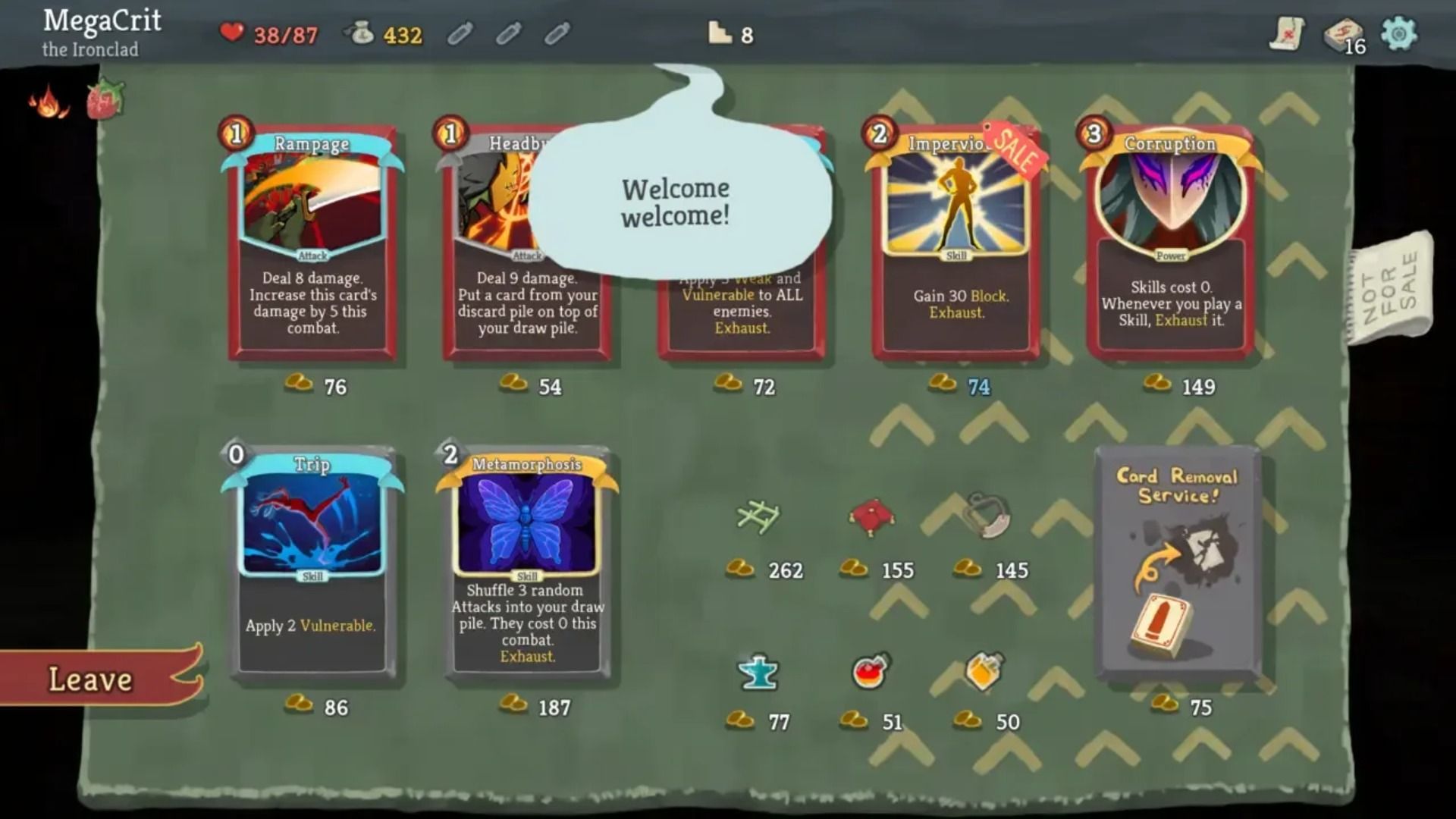
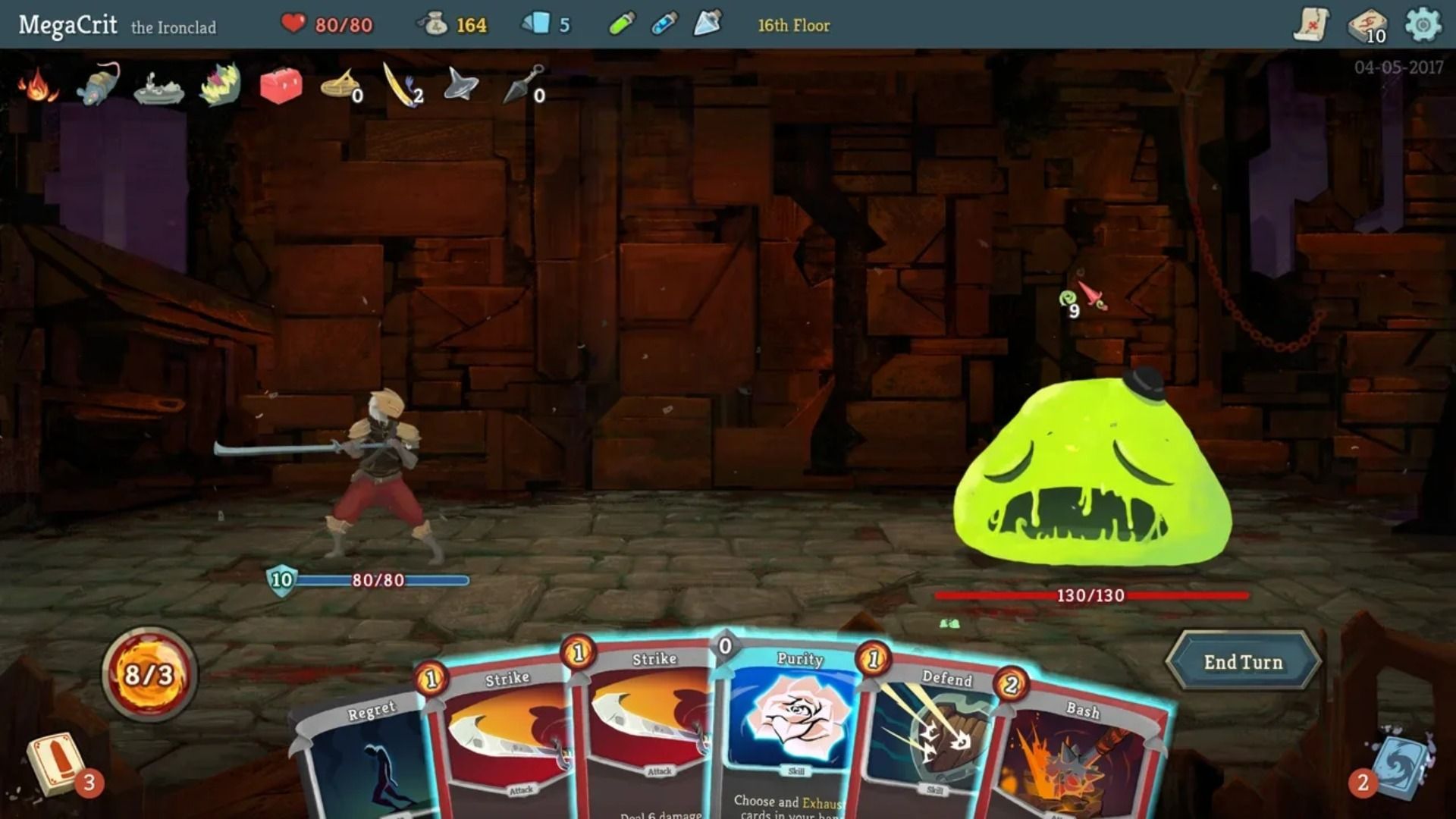
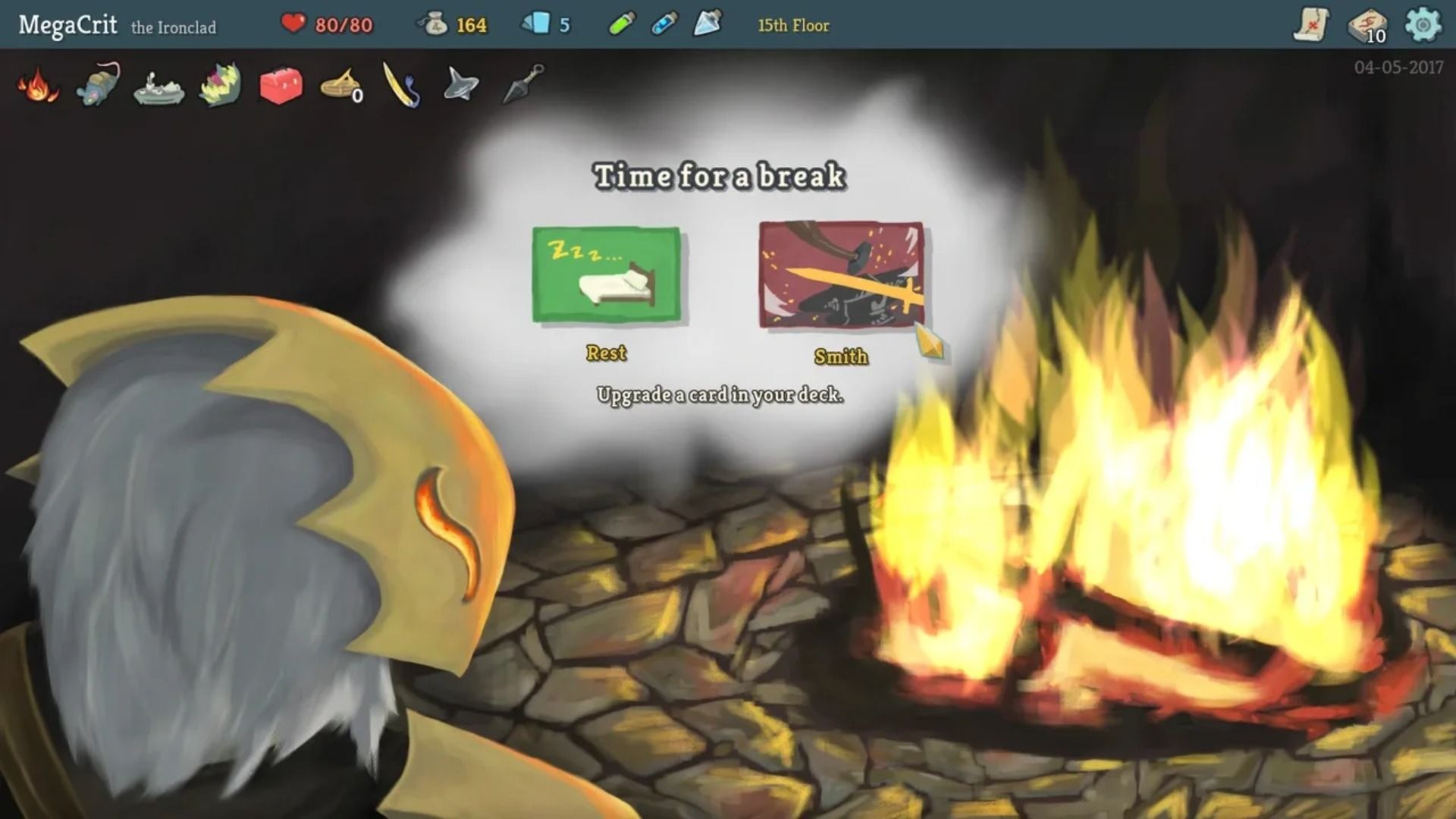
After mastering a roguelike game and unlocking everything it offers, you might start to feel like you’ve experienced all it has to offer. That’s where systems like Balatro’s Stakes or Slay the Spire’s Ascensions come in – they offer increasingly challenging ways to play, adding extra hurdles to keep you engaged and testing your skills.
Starting Slay the Spire on Ascension level 0 is usually pretty easy. It might take a few tries to learn how each character plays and unlock all their cards, but you’ll quickly get to know the tough enemies – the Elites and Bosses – in each Act and how to defeat them. The Ironclad is a great character to begin with, as he recovers a little health after each fight and has a simple, direct combat style. As you progress with characters like The Watcher, who has a complicated system of changing stances to maximize damage and defense, you’ll need to plan several moves ahead just to survive. The game’s difficulty comes from building strategies and adapting to whatever cards you’re offered – it’s a tough game to truly master.
6. Civilization 6
The Difference Between Surviving And Thriving
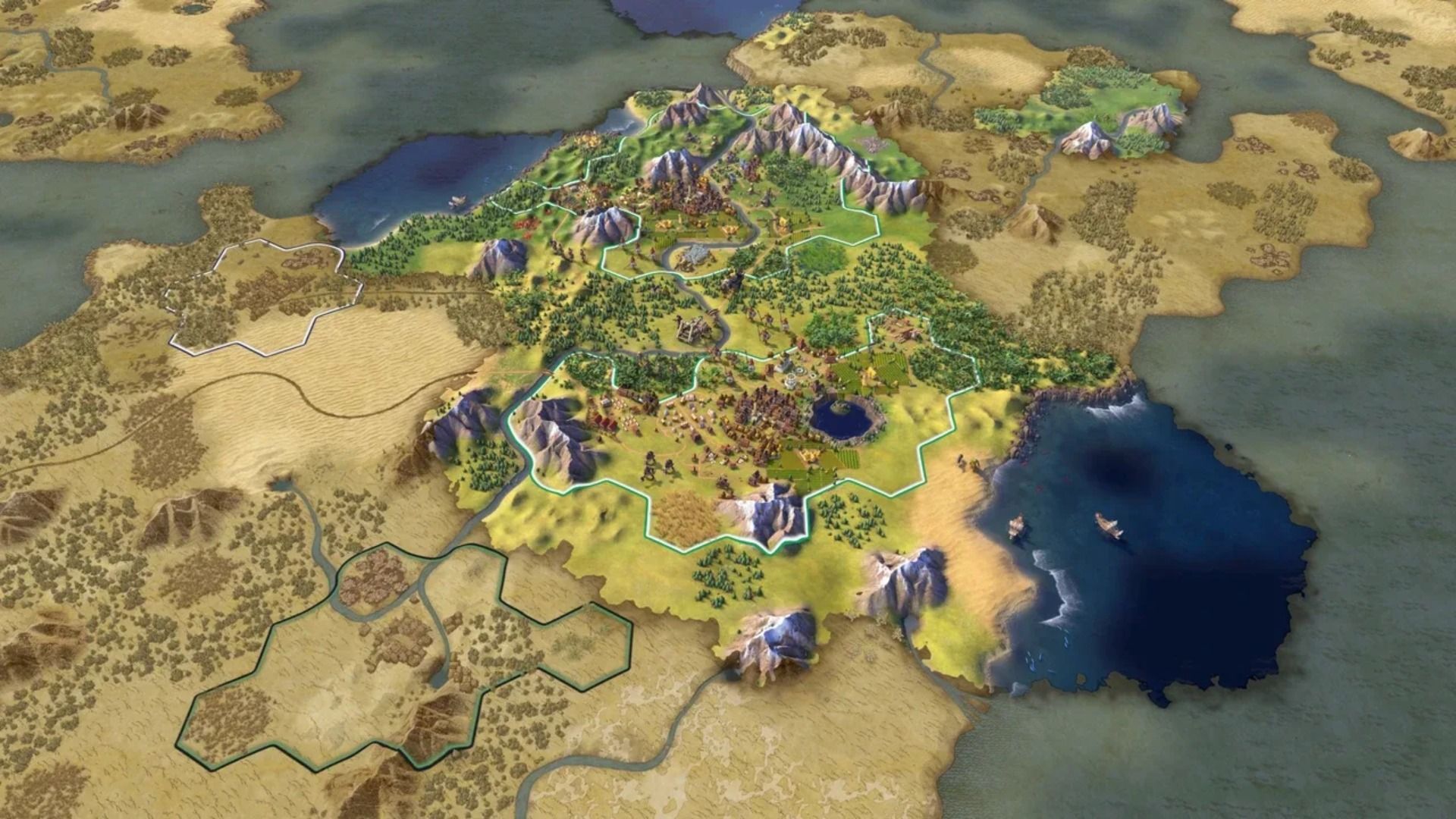
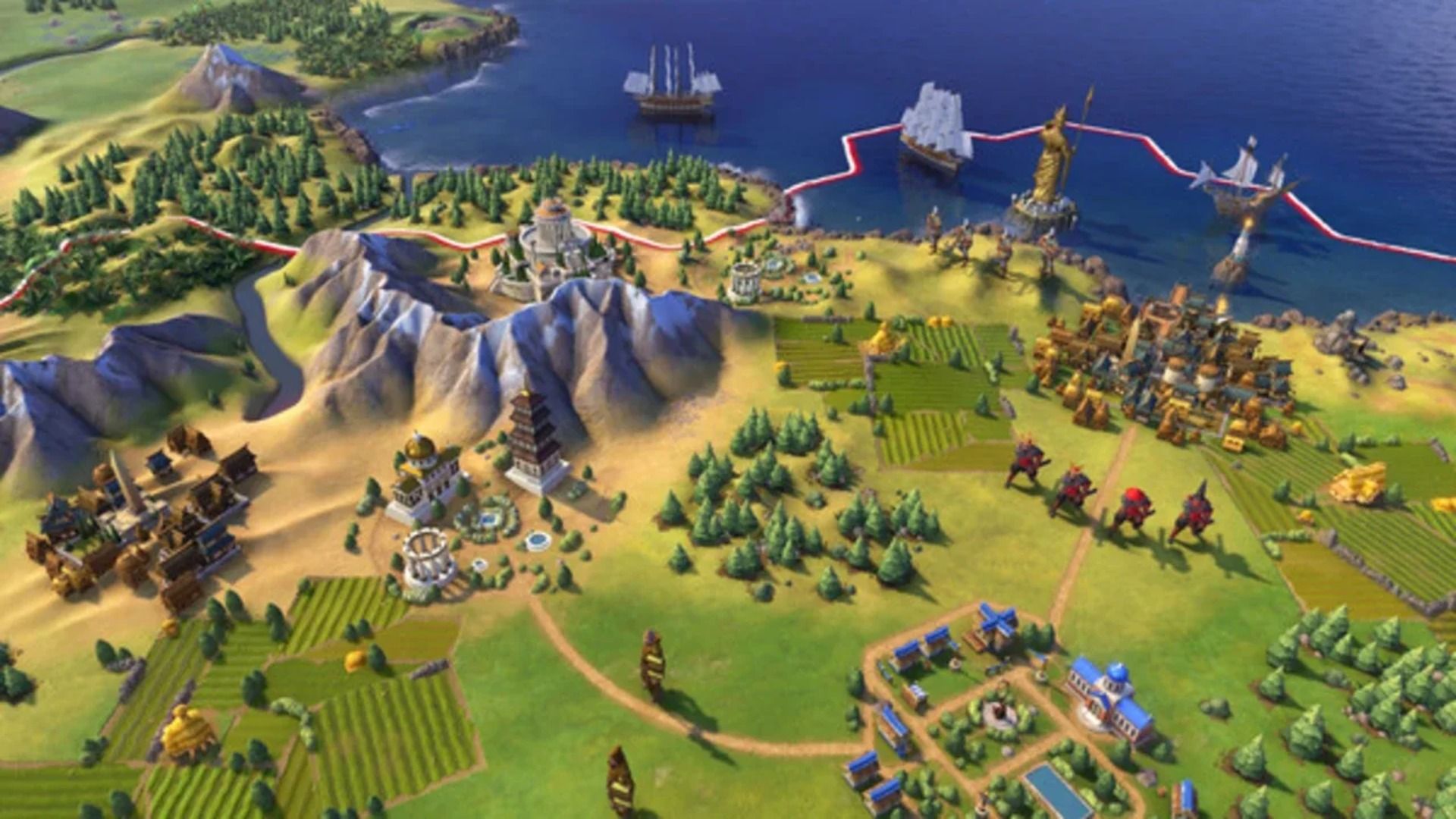

Some players always try to maximize their performance in any game, and the Civilization series is no exception. While earlier Civilization games were easy to pick up, clearly explaining each civilization and leader’s special abilities, Civilization 6 is particularly helpful with its tooltips and detailed in-game encyclopedia. But there’s a big gap between simply playing the game and truly mastering it, especially when aiming for victory on harder difficulty levels.
Everything you do in the game – from building order and Wonder selection to city and settlement placement – impacts how well you perform overall. While you’ll naturally improve with experience, there’s a big leap between simply getting decent bonuses in areas like Science, Production, and Culture, and truly optimizing your yields. Skilled players, for example, know precisely where to found cities as the Maya to maximize bonuses based on distance from their capital. Each civilization requires a unique strategy to leverage its strengths, and mastering this takes extensive game knowledge and practice. And that’s before even factoring in newer complexities like climate and power, added in recent expansions.
5. Fire Emblem: Three Houses
Crafting The Best Army Takes A Lot Of Expertise
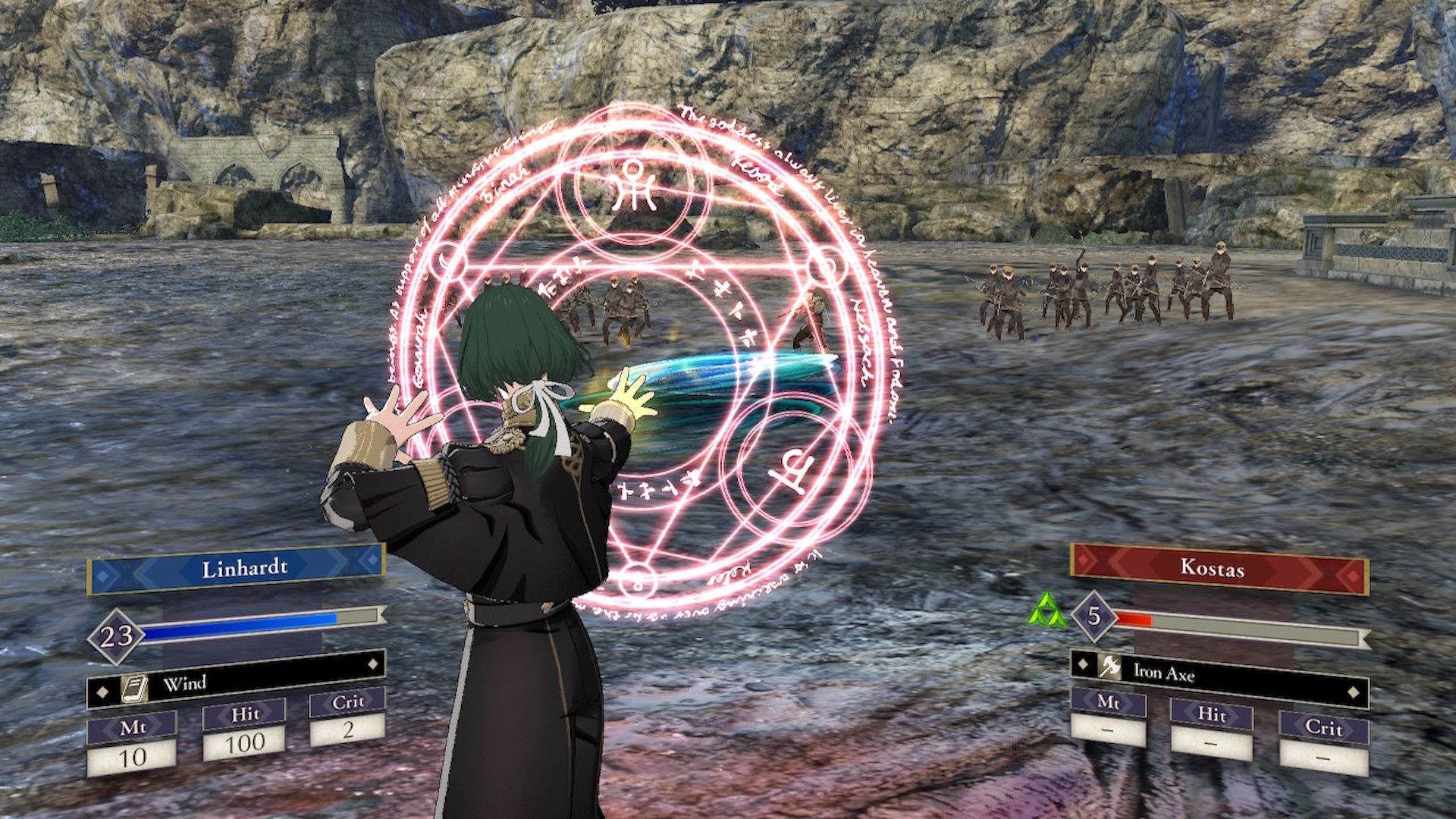
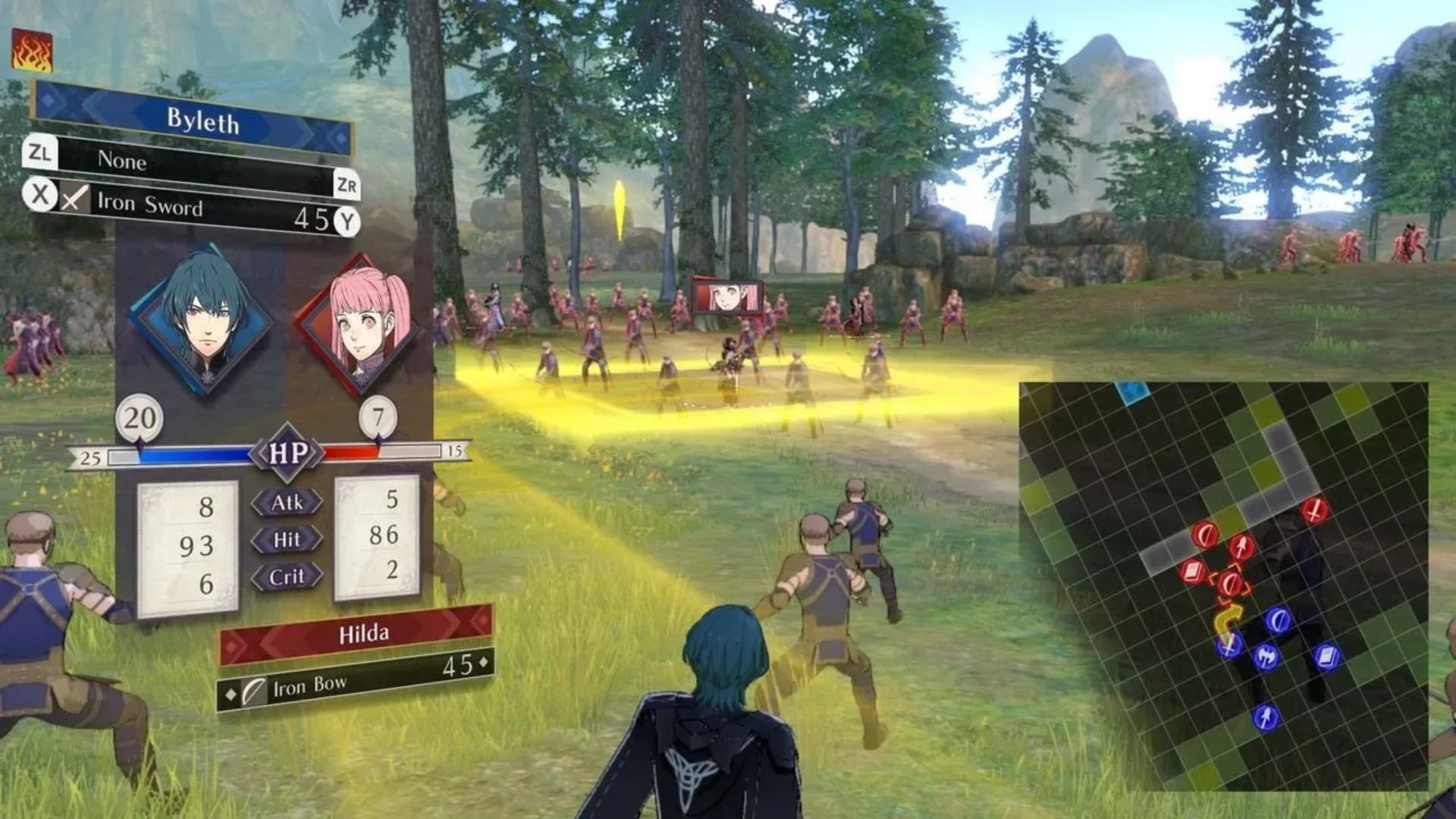
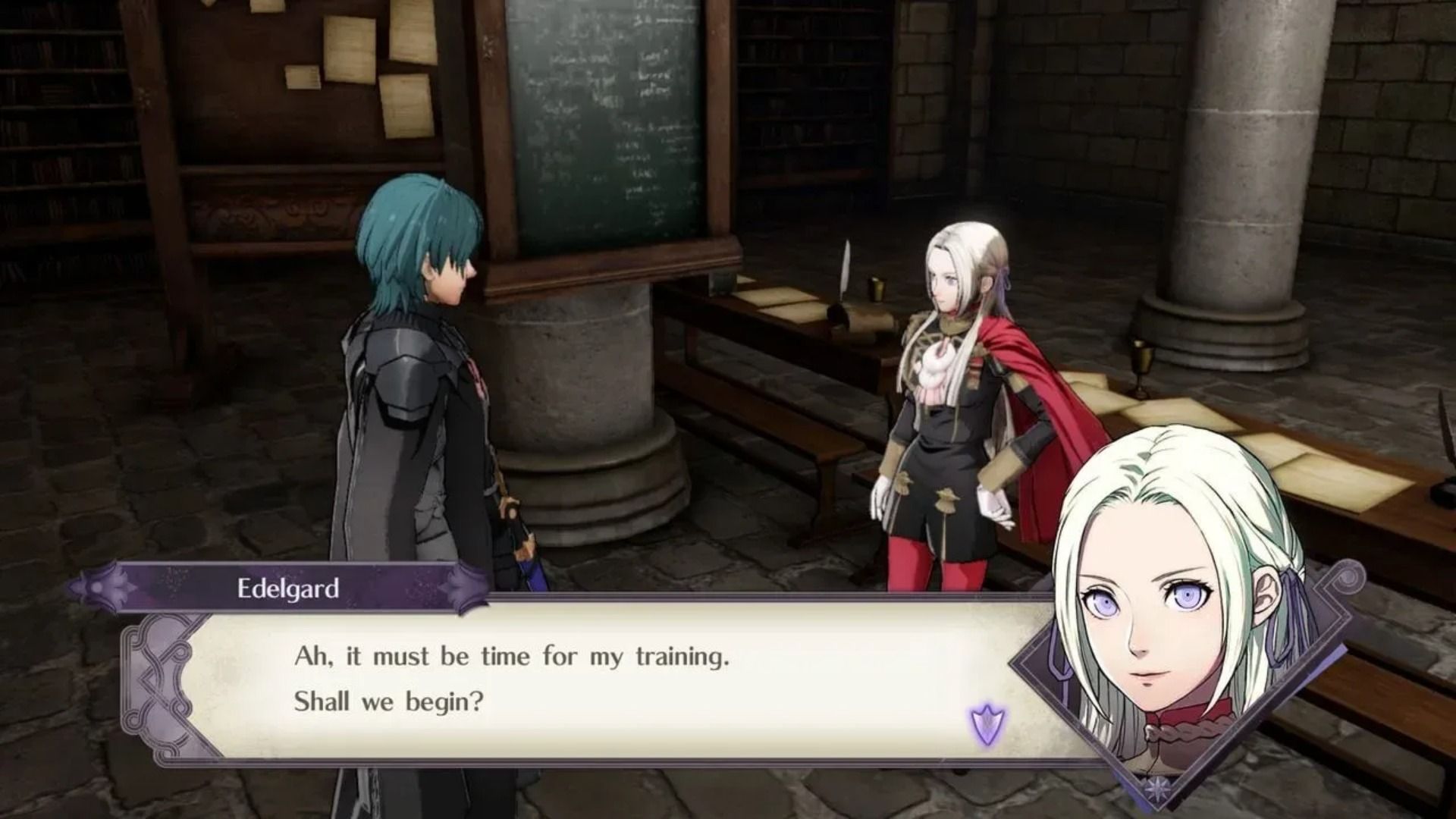
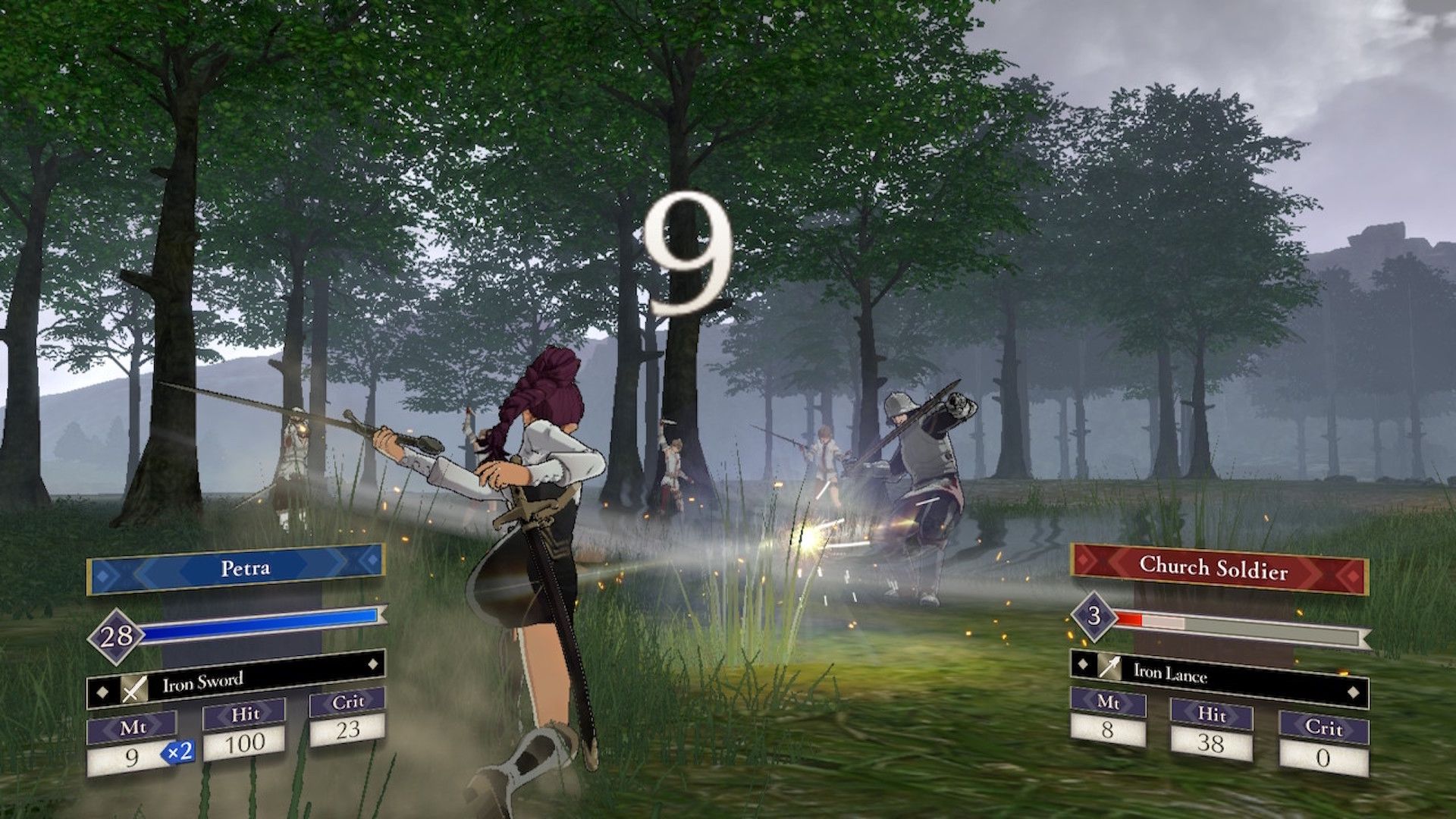
When Byleth arrives at Garreg Mach Monastery, they quickly settle into their role as a professor. The game gives players plenty of time to get ready, with a low-pressure practice battle and helpful tutorials that explain the core mechanics. A useful in-game guide is also available to refresh your memory on anything you’ve learned. Exploring the monastery is encouraged, and the game gradually introduces challenges, giving players time to learn the combat system and how to best fight different enemies.
The game lets you train both your students and some staff members, improving their stats. However, the real challenge lies in deciding how to train them. It’s most effective to focus on skills that will help each character grow into their desired class, and maximizing their potential requires careful, consistent training throughout the game. Like in Civilization 6, you have a lot of freedom in how you play – you can even undo mistakes – and you don’t have to worry about characters being permanently lost if you don’t want to. But truly mastering the game means understanding each team member’s strengths and positioning them strategically on the battlefield to work together. On harder difficulties, success often depends on careful planning and precise execution – it’s like a complex game of chess.
4. Risk
A Classic Board Game, Adapted For Gaming Systems
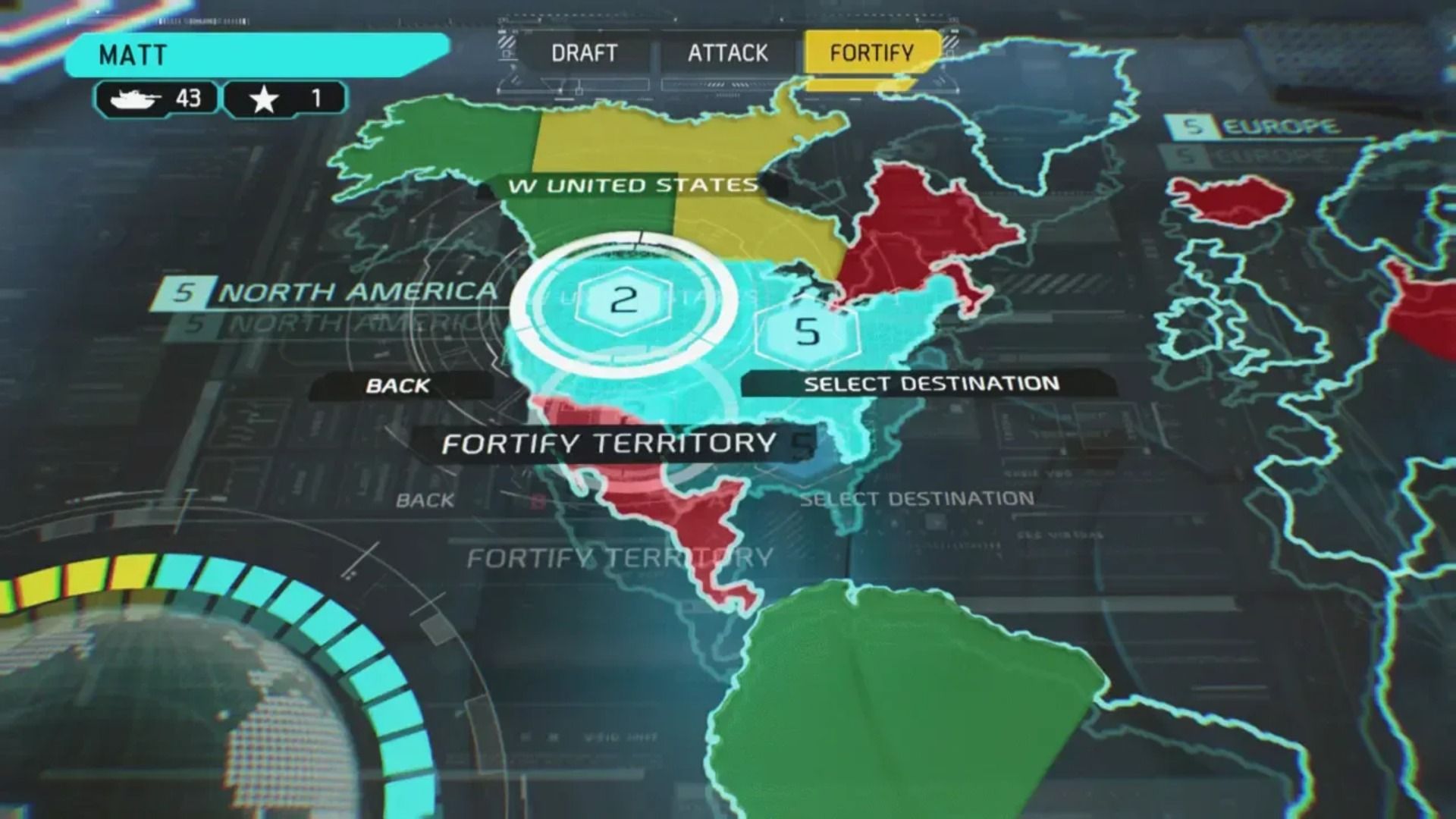
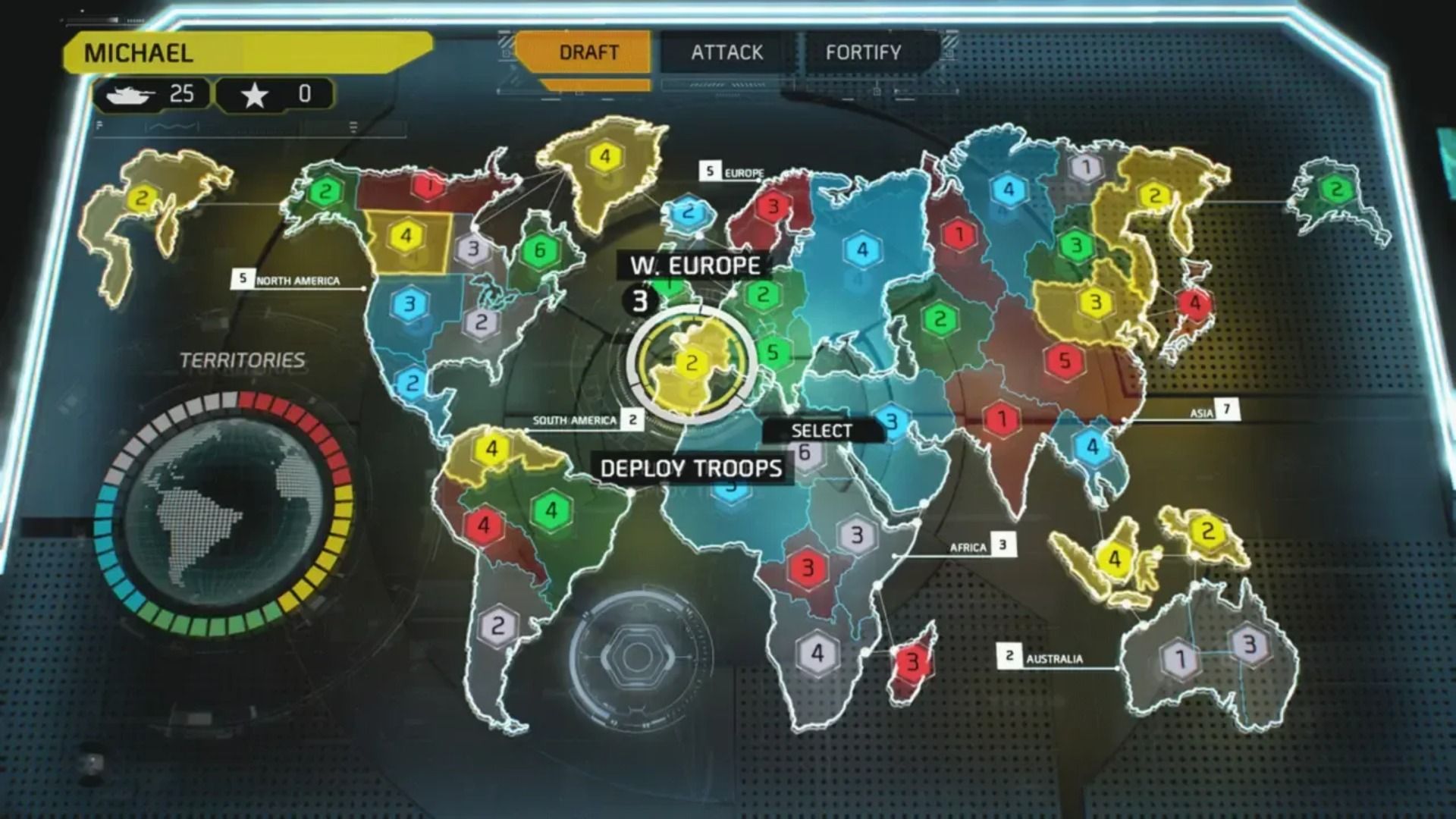
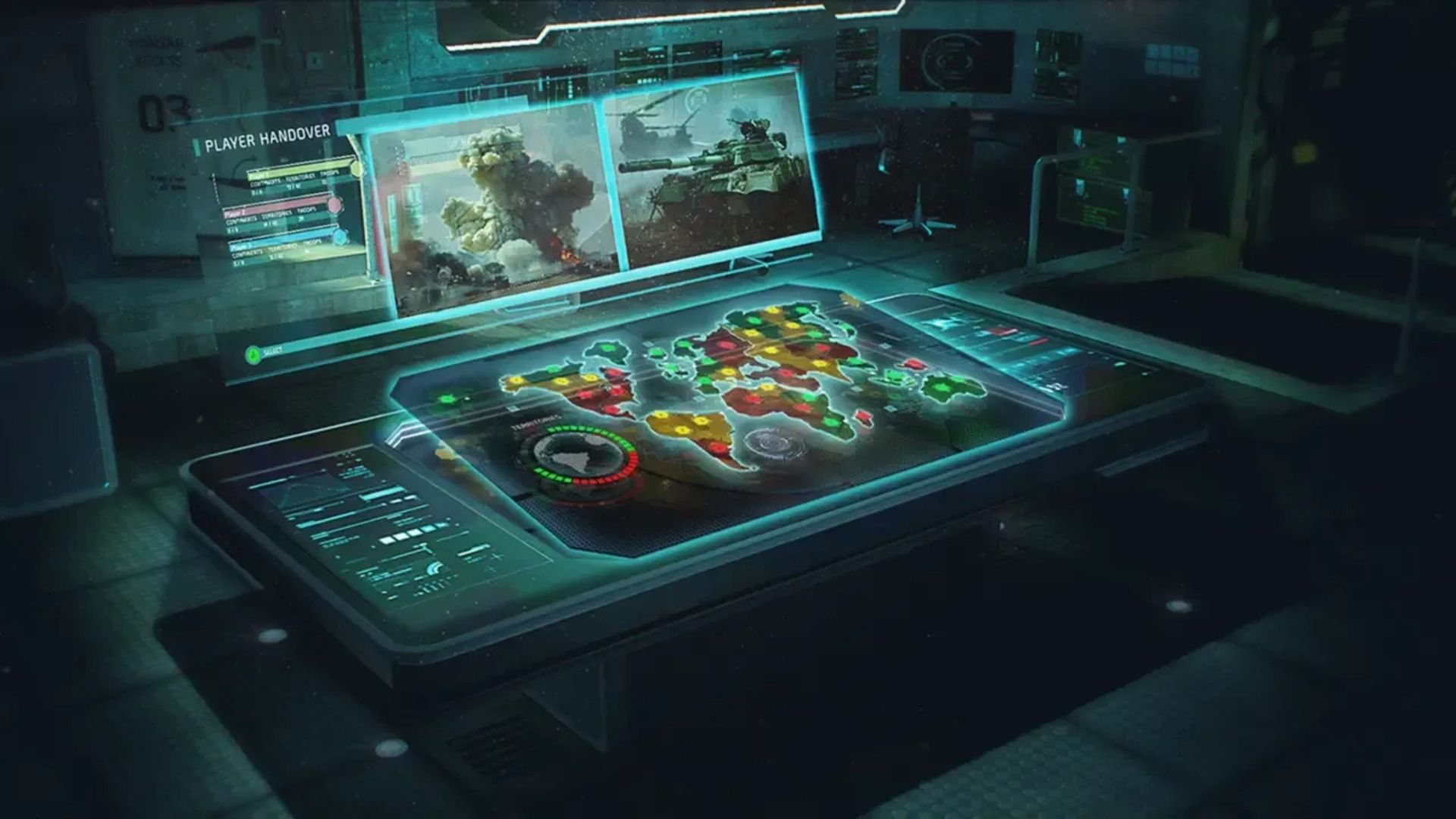
There are tons of great strategy board games available, ranging from easy to incredibly complex. Risk strikes a good balance – it’s strategic and challenging without being too difficult for beginners. Once you start playing, it’s a rewarding game to learn over time, with plenty of advanced strategies to discover.
Risk is one of those games anyone can pick up and enjoy, even if they don’t usually play strategy games. While it’s easy to move troops and attack – it mostly comes down to luck with the dice – truly getting good at Risk means paying attention to what other players are doing and adjusting your plans without losing sight of your overall goal. It takes a lot of practice to become skilled, and that’s a big reason why the game remains popular.
3. Wingspan
A Very Different Type Of Strategy Game, But No Less Satisfying
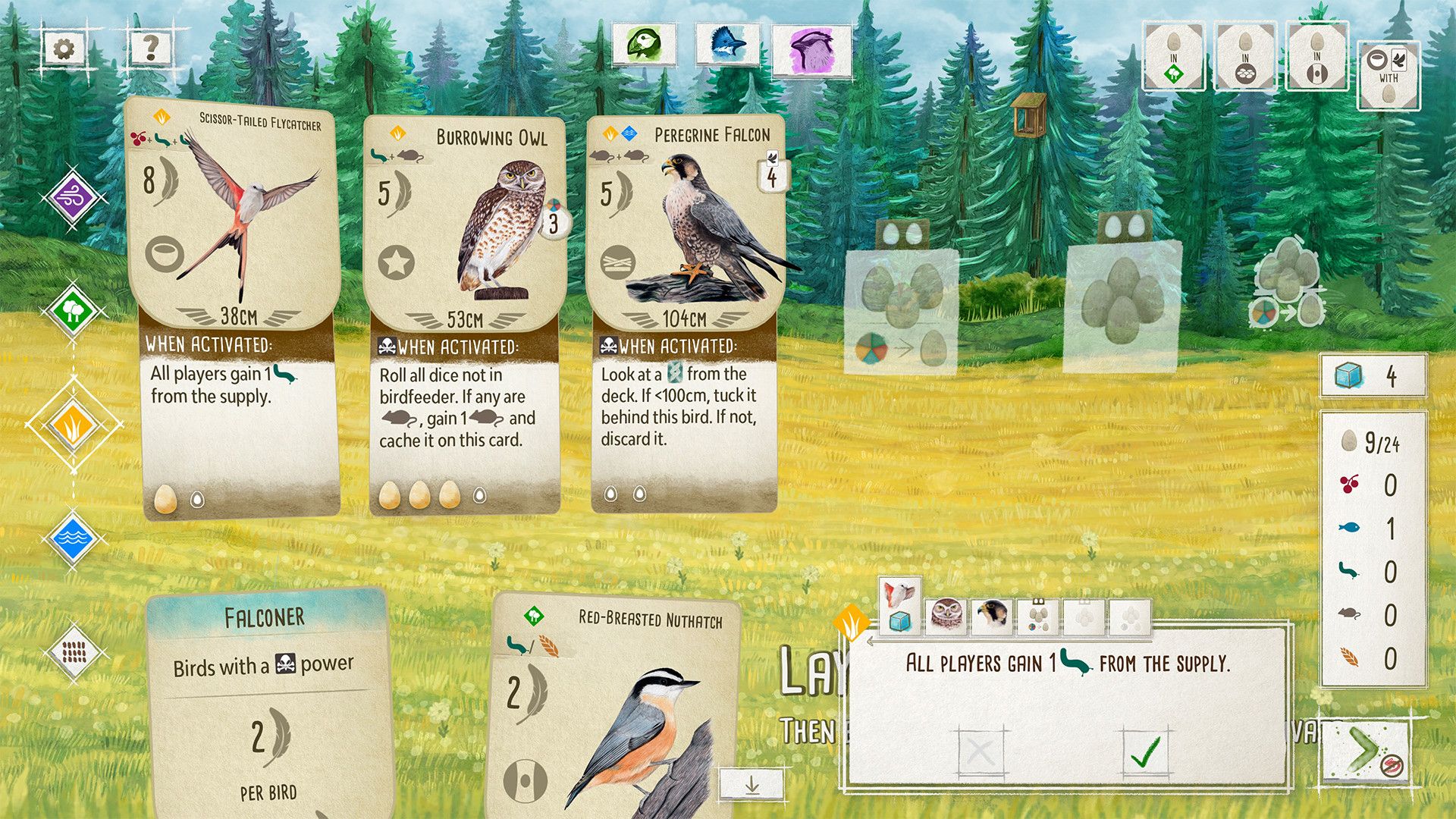
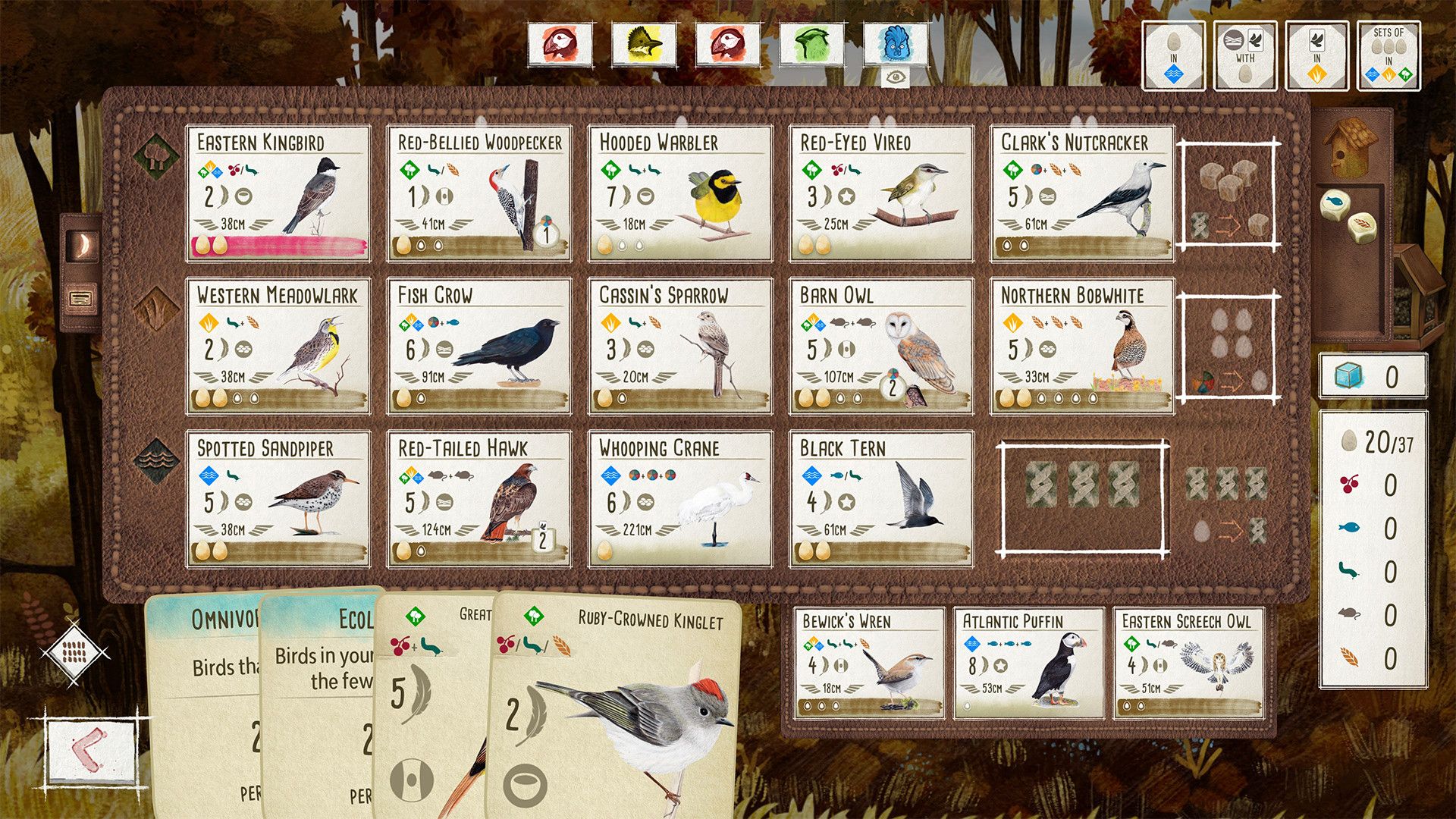
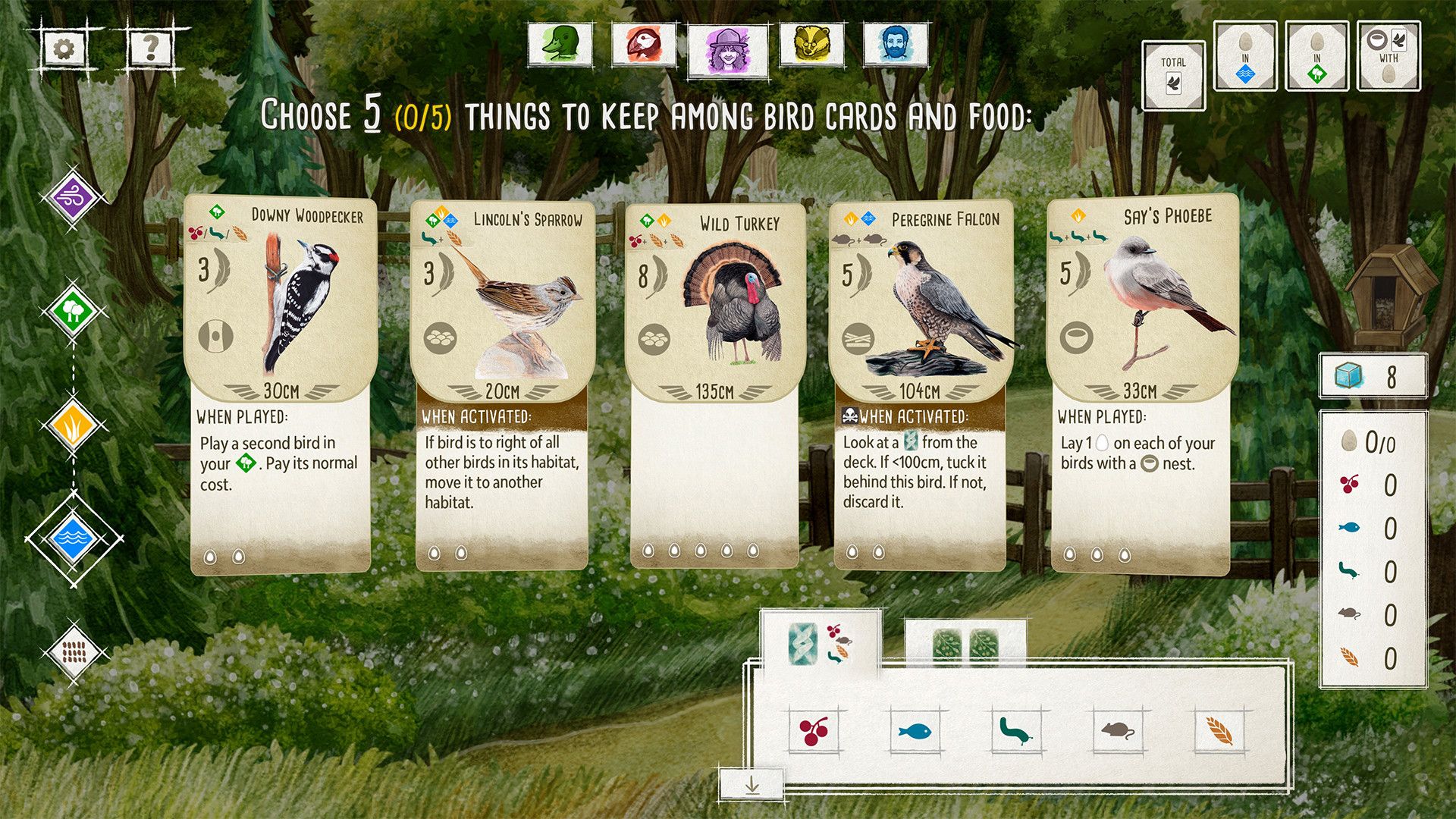
Wingspan and Risk might seem completely different at first. Risk is all about conflict, while Wingspan focuses on the peaceful act of attracting birds to nature reserves – wetlands, grasslands, and forests. But despite its calm and educational feel, Wingspan actually involves a surprising amount of strategic thinking.
As a Wingspan fan, I’ve found that scoring isn’t just about where you put your birds – it’s about getting those eggs laid, using the powers on your cards, and really understanding what each bird can do. Every turn feels precious because you don’t have many, so you really need to make the most of each one! The digital version has a really helpful tutorial to get you started, but honestly, it takes a lot of playtime to figure out which birds really work well together and discover those amazing combos. I’ve been practicing against the AI (the Automata) and it’s been a game-changer. The weekly challenges are great because everyone has the same cards, so it’s all about learning how to make the best of what you’re given.
2. Pokemon Champions
Never Underestimate How Competitive Pokemon Can Be
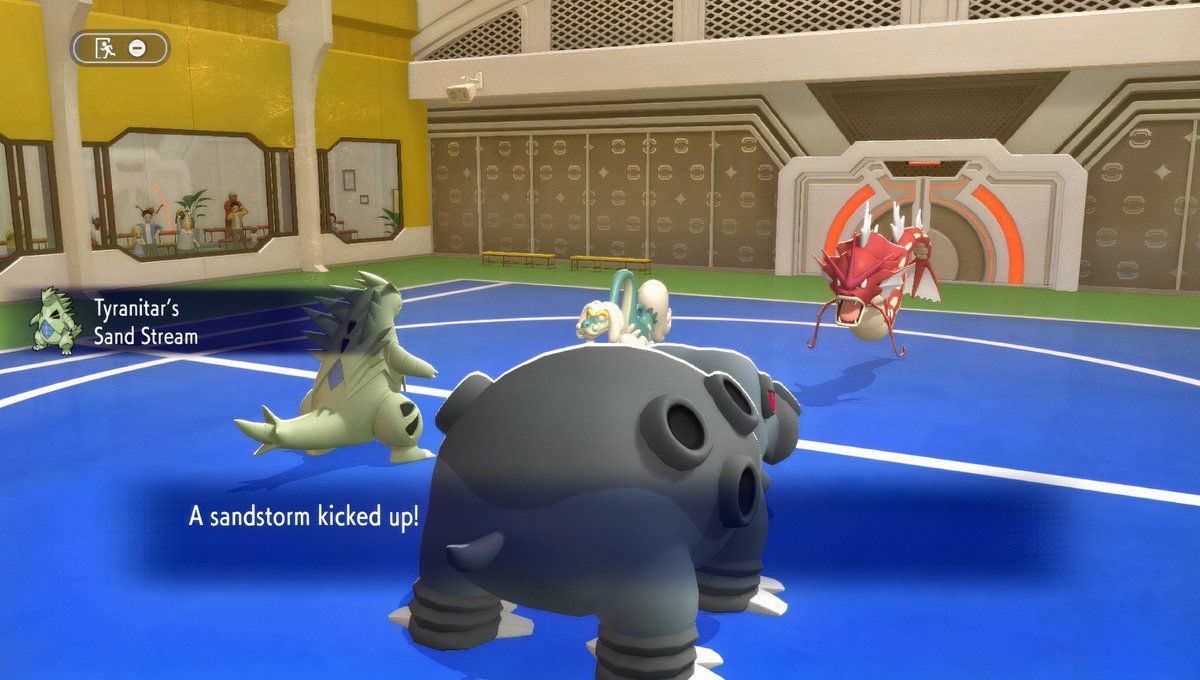

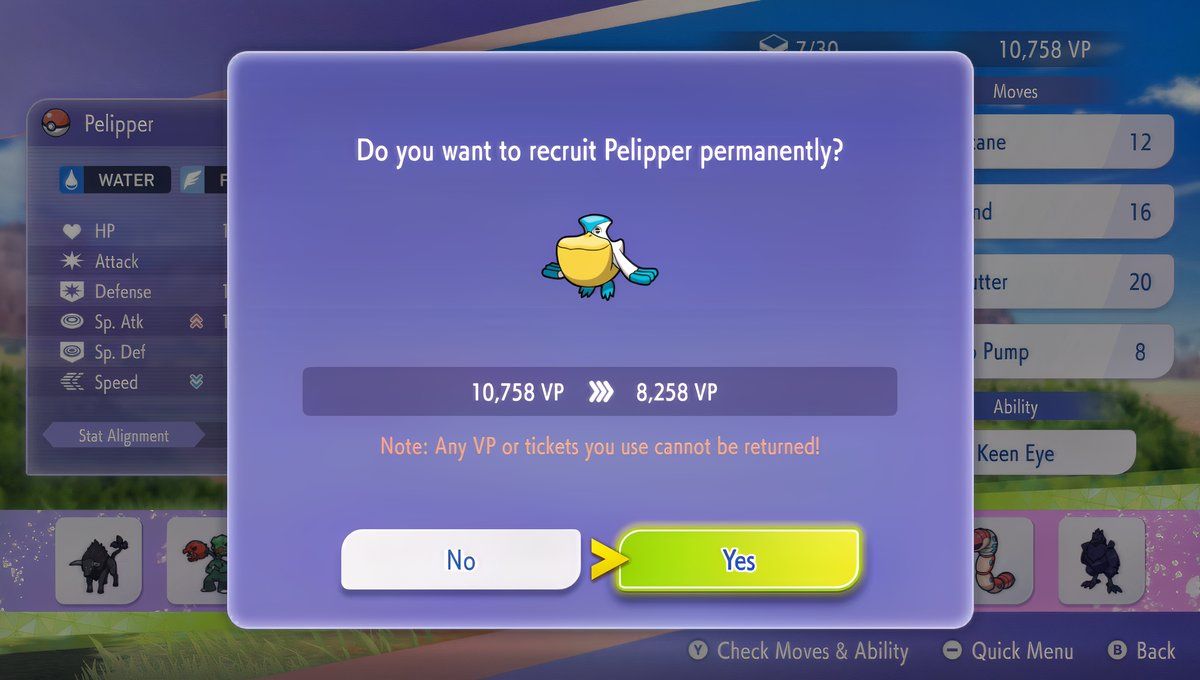
Pokemon Champions definitely had a bumpy start. It launched with quite a few glitches and a limited selection of Pokemon, battle styles, and items. However, the developers plan to continually improve and expand the game, and it’s expected to be the main platform for competitive Pokemon battles for a long time. Players who are sticking with it, even those new to competitive battling, are finding the ranked ladder and new features like Mega Evolutions surprisingly fun and rewarding.
The tutorial isn’t super detailed, but it starts with basic concepts – like Fire moves being strong against Grass – and gradually explains more complex things, such as the difference between moves that make contact and those that don’t. You quickly build a team of six Pokémon, starting with your first recruit. The game helps you create strong teams by letting you easily adjust stats, moves, and abilities through a menu, as long as you have the necessary resources. Recruiting Pokémon can be frustrating if you don’t transfer them from Pokémon Home, but if you want a simple battle experience, this game delivers.
It’s common for players to lose quickly when they first start competing online. Skilled players come up with clever strategies, and in single matches, it’s hard to anticipate what they’ll do. Pokémon battles in the Video Game Championships (VGC) are surprisingly complex. To succeed, you’ll need to spend time learning how to build effective teams – including popular strategies like rain teams – how to predict your opponent’s moves, and how to choose the best Pokémon for each battle. There’s a lot to learn!
1. Advance Wars 1 + 2: Reboot Camp
Turn-Based Strategy Royalty Returns
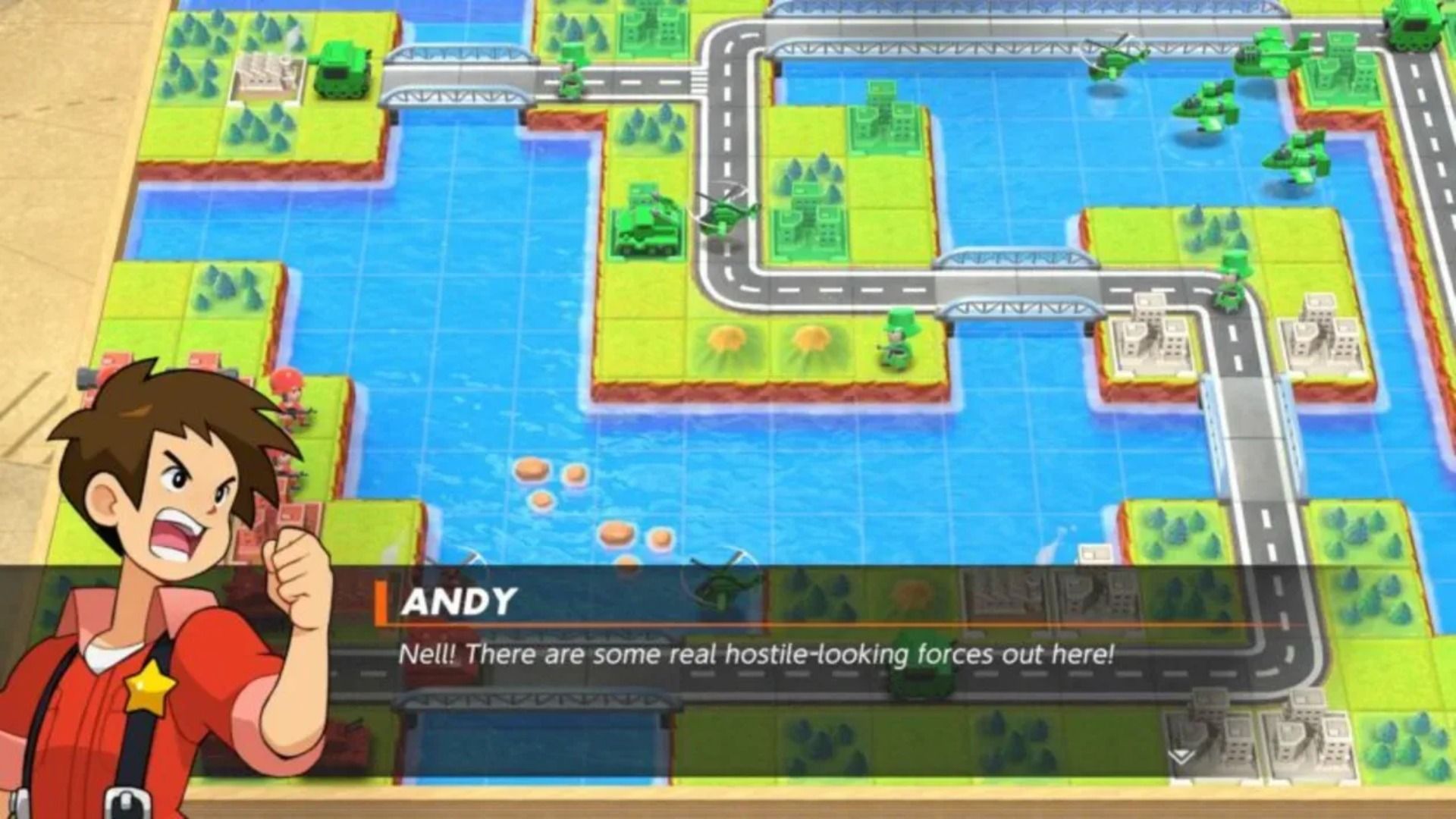
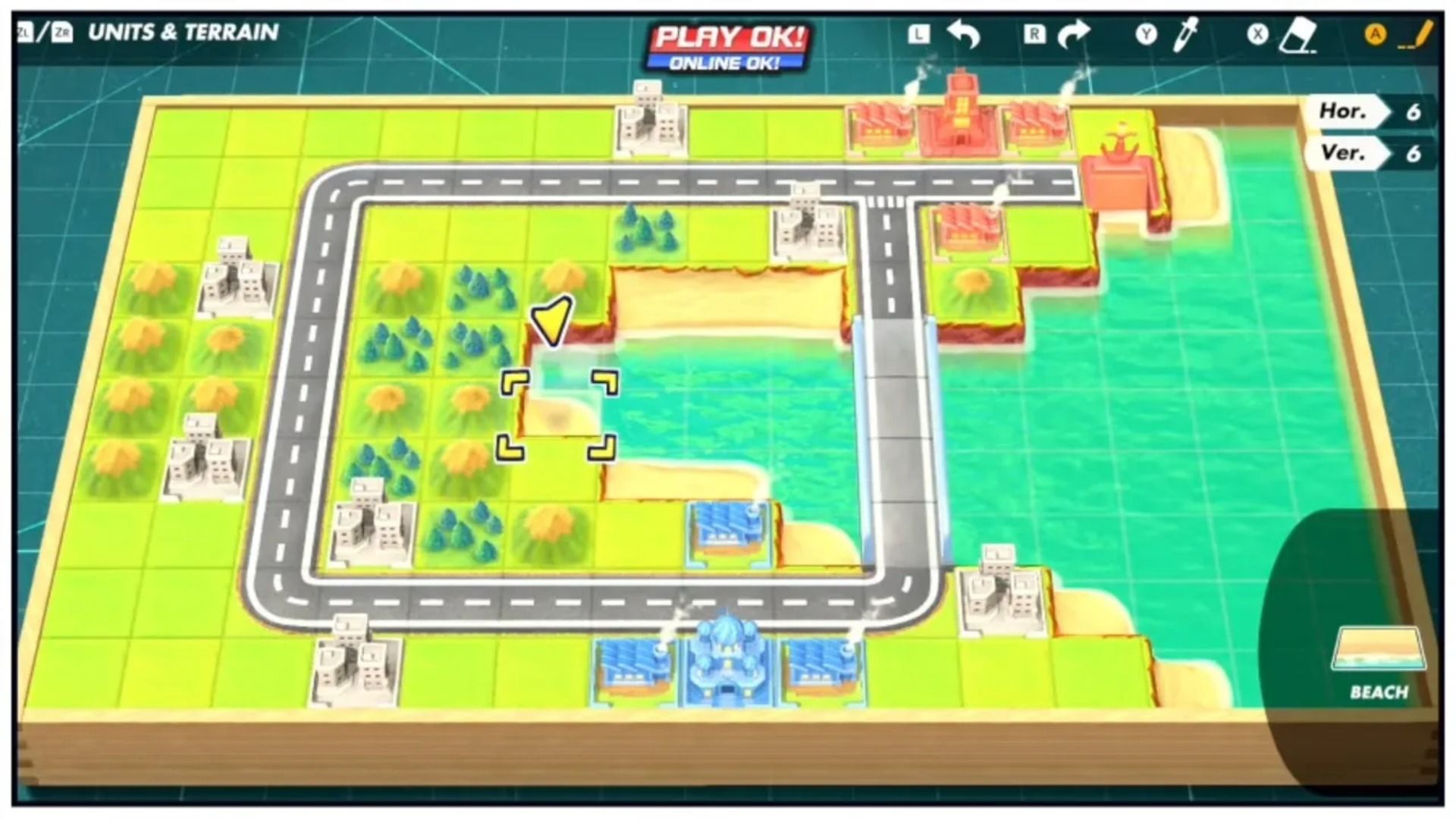
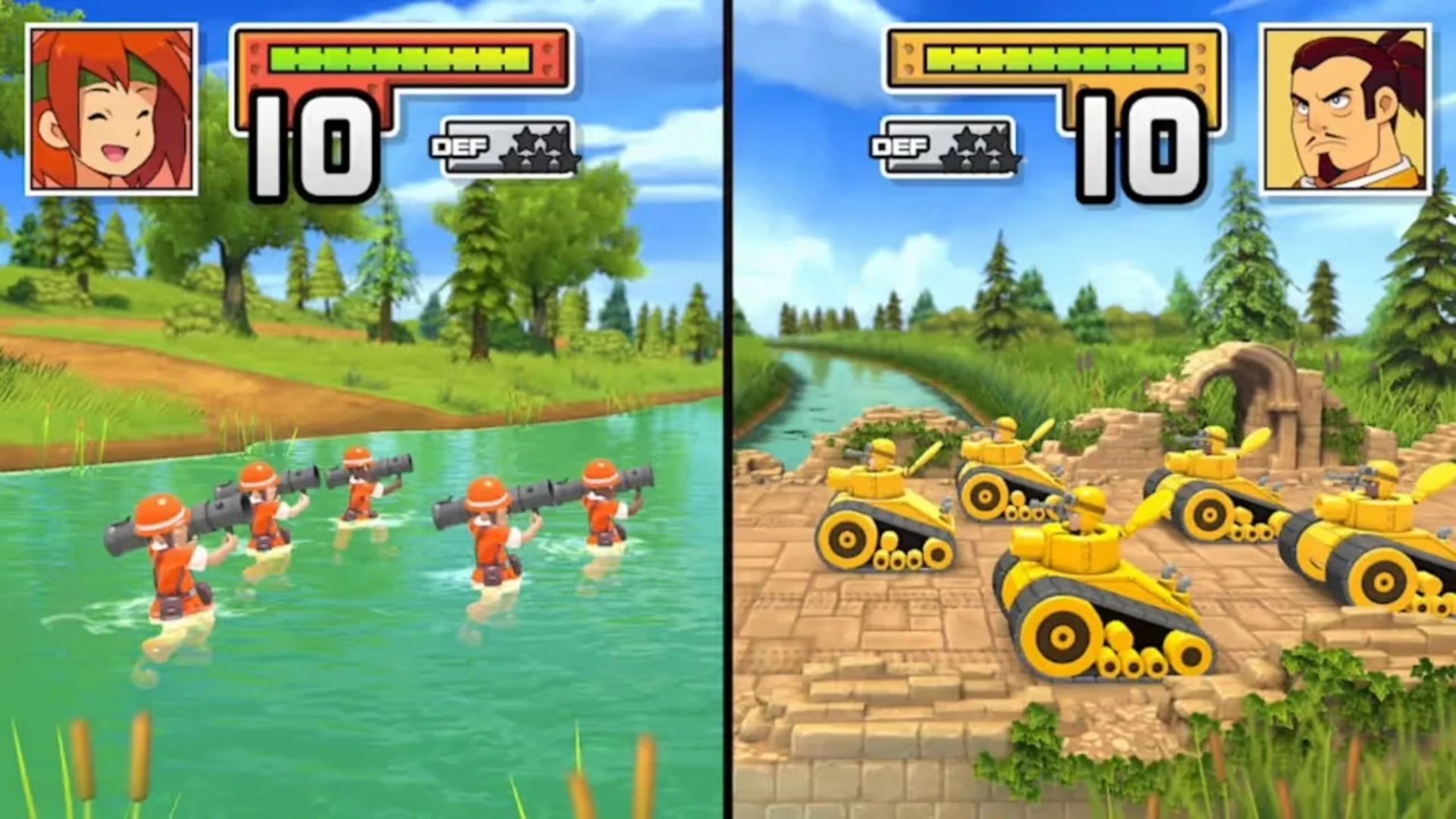
This Nintendo Switch release includes both the original Advance Wars and its sequel, Advance Wars 2: Black Hole Rising. These games are considered classics from the Game Boy Advance era and stand out as some of the best turn-based strategy titles of the 2000s. Together, they tell the story of the Black Hole Army’s invasion of Macro Land, their initial defeat, and their eventual return for a second attack. However, the story mainly serves as a backdrop for the exciting battles themselves.
Reboot Camp now includes an Easy mode for both games, which is helpful during certain parts. The games start with smaller battles that gently introduce new concepts like capturing bases and combining damaged units, and you’ll quickly learn what each unit can do. Soon after, you’ll find yourself managing a base with a factory and airport, needing to quickly decide what to build and where to send your units. Each commander has unique strengths, weaknesses, and abilities that significantly change how each map plays. Later levels can be quite difficult, requiring you to adjust your tactics or even restart with a completely new approach. Like Pokémon, it’s a surprisingly deep and challenging experience.
Read More
- Forza Horizon 6: Find the Ohtani Treasure Chest Location
- LEGO Batman Legacy of the Dark Knight Batcave Minikits & WayneTech Caches
- Diablo 4 Best Loot Filter Codes
- NTE Drift Guide (& Best Car Mods for Drifting)
- USD RUB PREDICTION
- USD CNY PREDICTION
- Cookie Run Kingdom Timeline of Fate Update Guide
- PS Plus Monthly Games for June 2026 Wish List
- Top 10 Must-Watch Isekai Anime on Crunchyroll Revealed!
- GBP CNY PREDICTION
2026-04-15 15:05