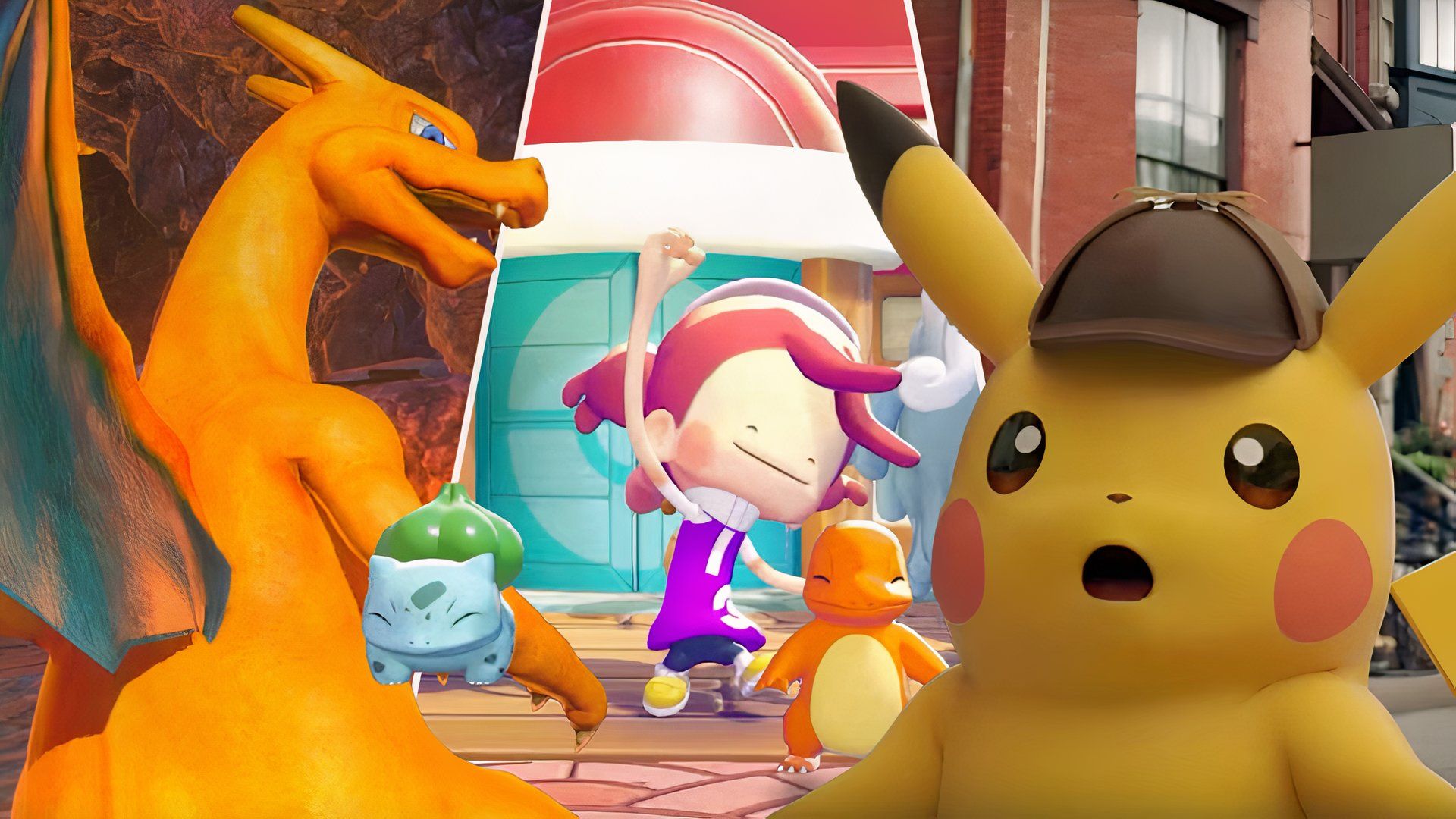
While the main Pokémon games are incredibly popular, the franchise wouldn’t be what it is today without its many spin-off titles. There are actually more spin-off games than core Pokémon games, and they appear on everything from handheld consoles to mobile devices. These games help keep fans engaged between the releases of major new generations, which can sometimes be several years apart.
Several of these spin-off games are arguably even more enjoyable than the main Pokémon games, even though they don’t follow the traditional RPG format. How do titles like Pokken Tournament DX and Pokémon Mystery Dungeon: Rescue Team DX stack up? Let’s create four tiers to categorize and compare all these spin-off games.
TopMob Quiz
—
Results
—
Tier S: Masterful Games That Could Stand Next To The Main Games
Pokemon Pokopia
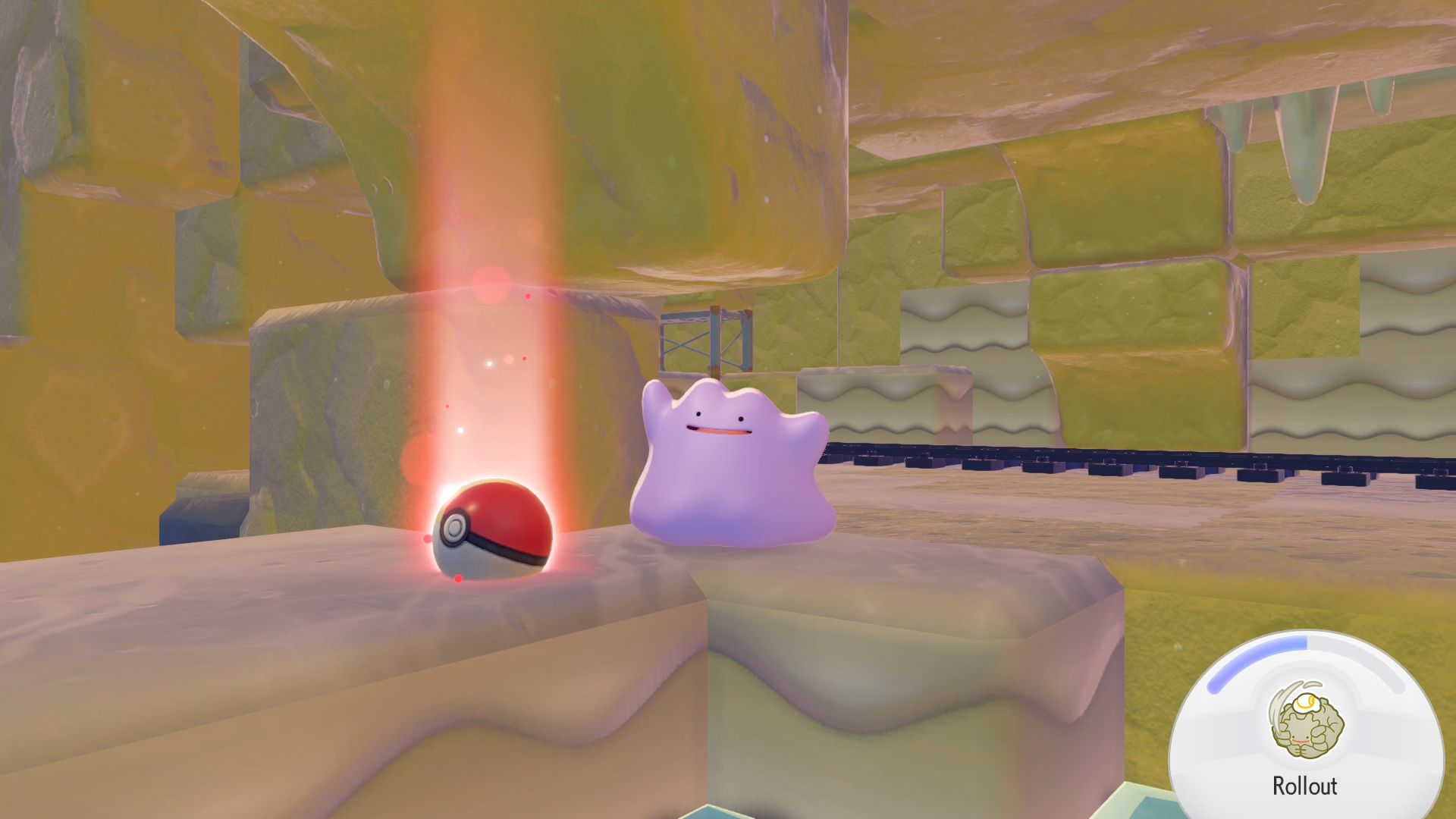
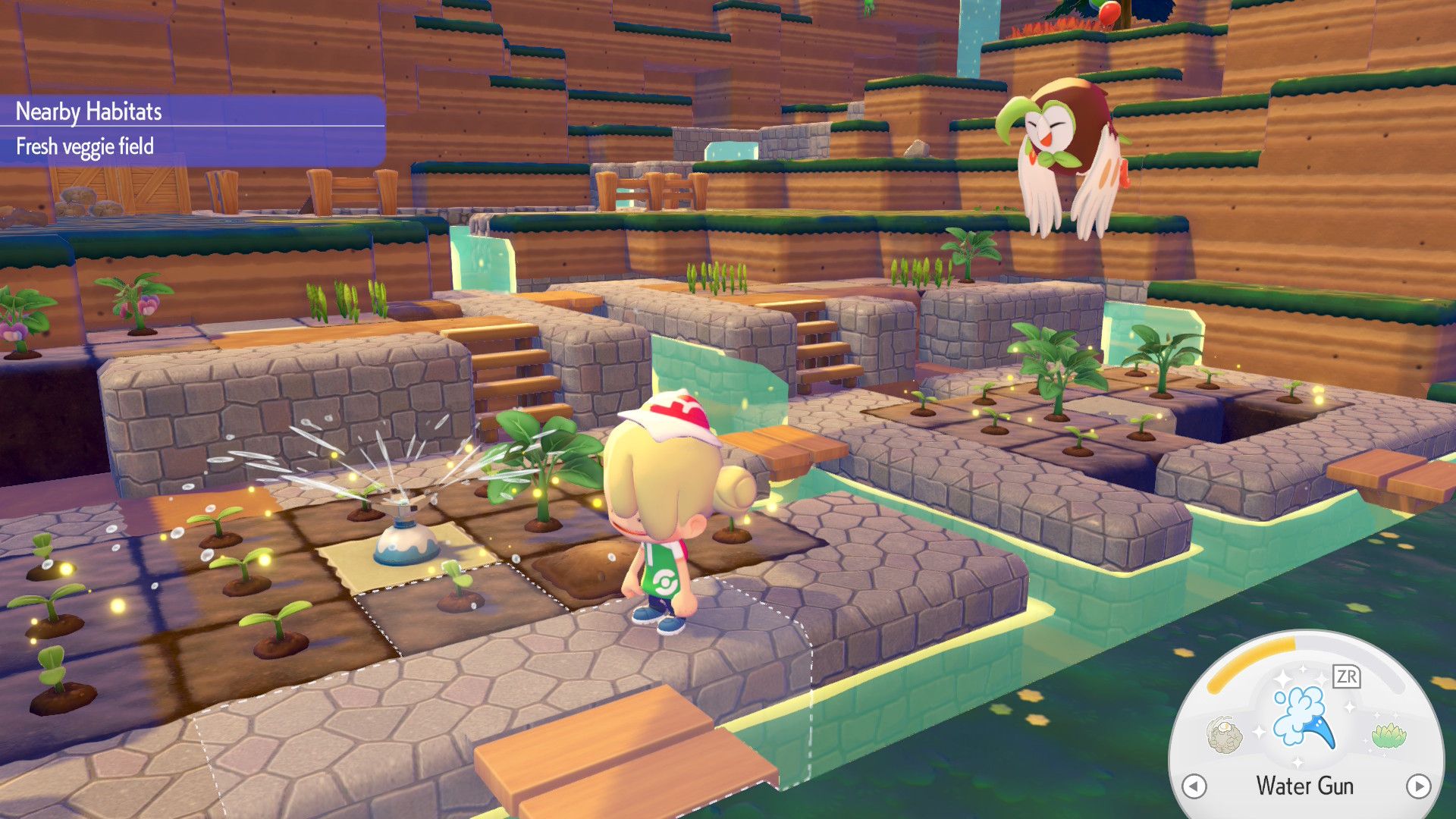
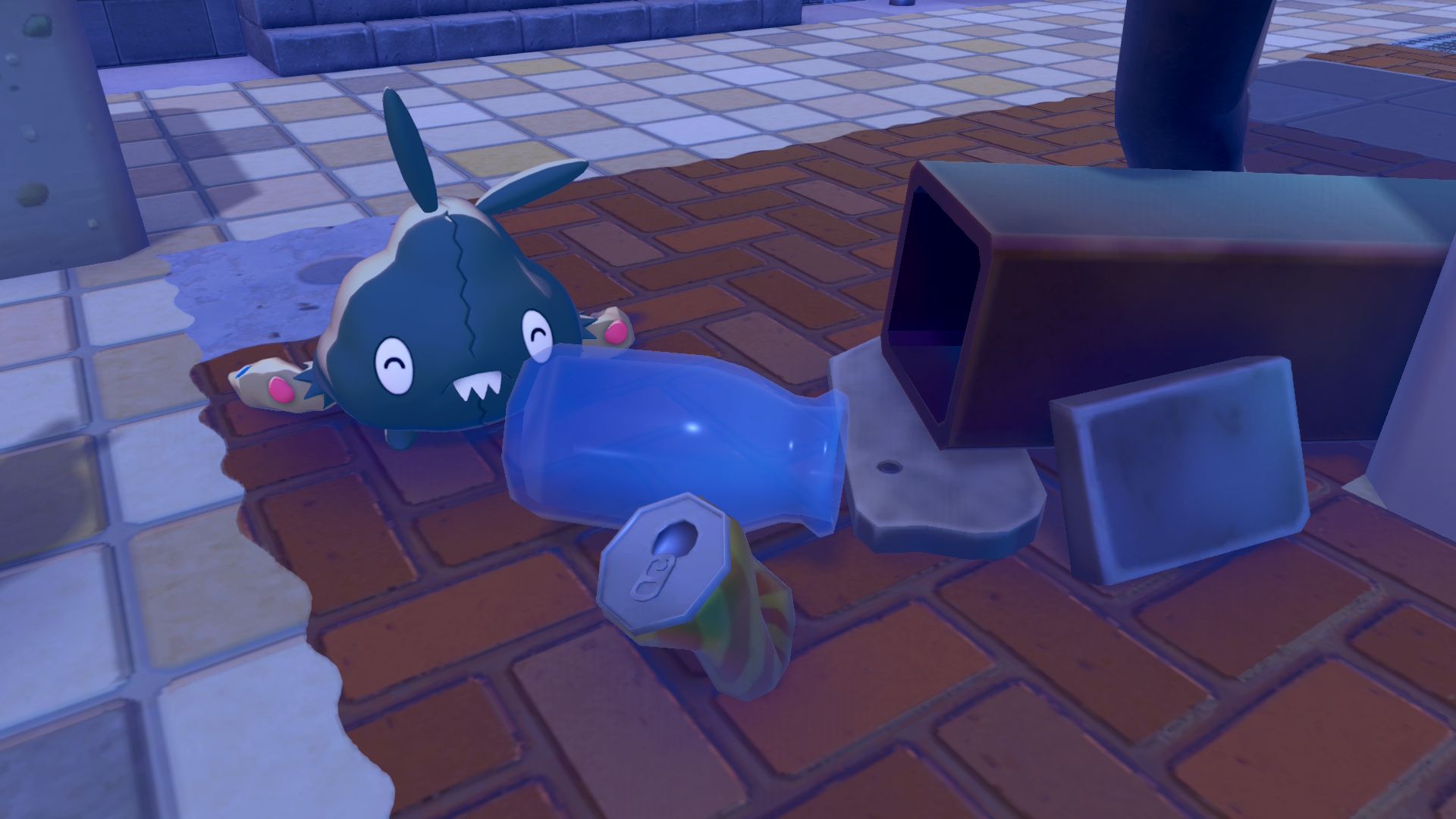
Pokemon Pokopia is a new, relaxing game in the Pokemon series that does things a little differently. Instead of battling, you play as Ditto, disguised as a human, and explore a wide, open world to gather resources and build furniture. You can even create cozy homes for Pokemon, who then become your friends and help build a thriving community. If you enjoy life-simulation games like Animal Crossing or Stardew Valley, this is a charming and easy-to-learn alternative, and it’s a delightfully quirky addition to the Pokemon universe.
Pokemon Legends: Arceus
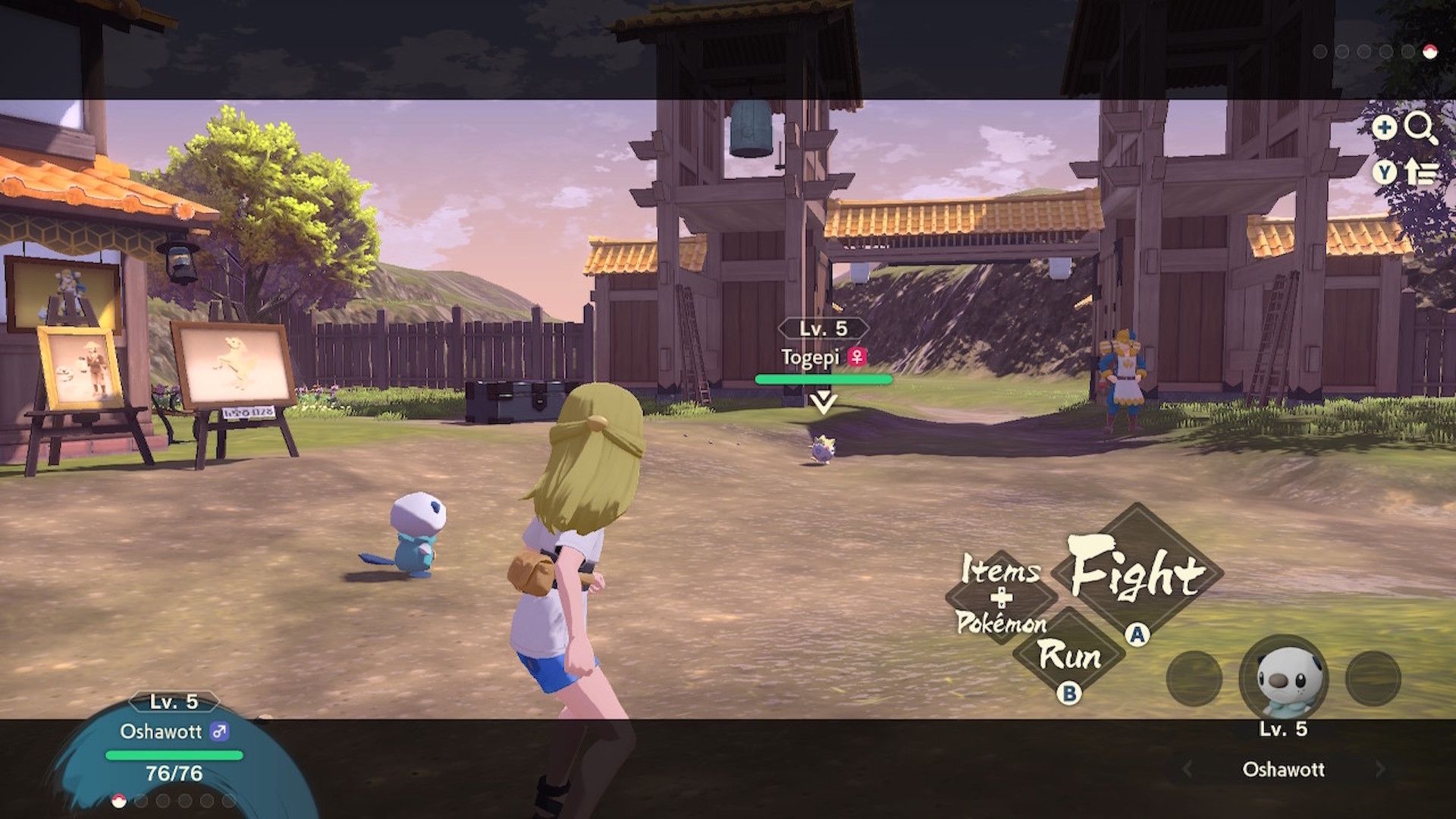
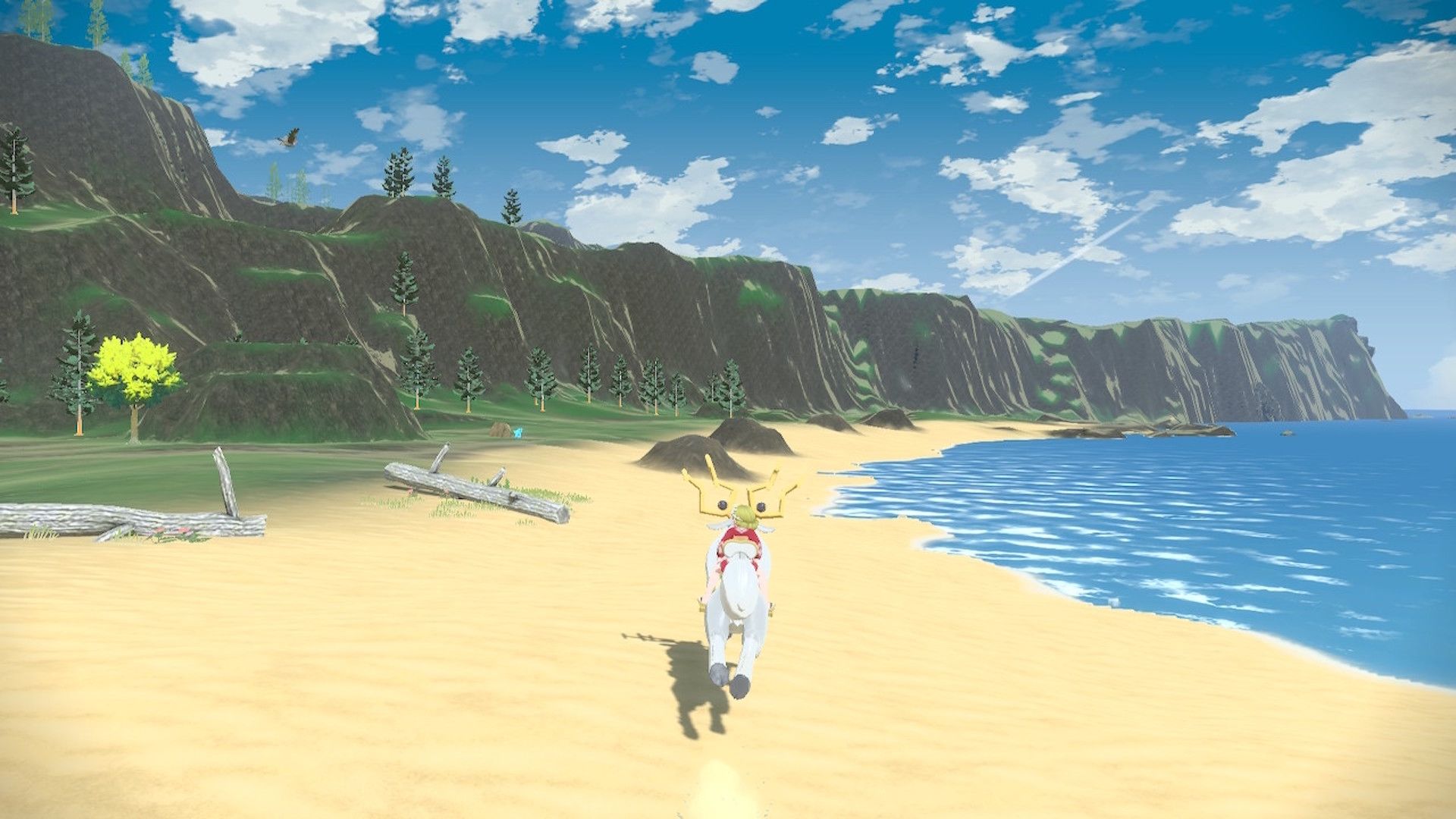
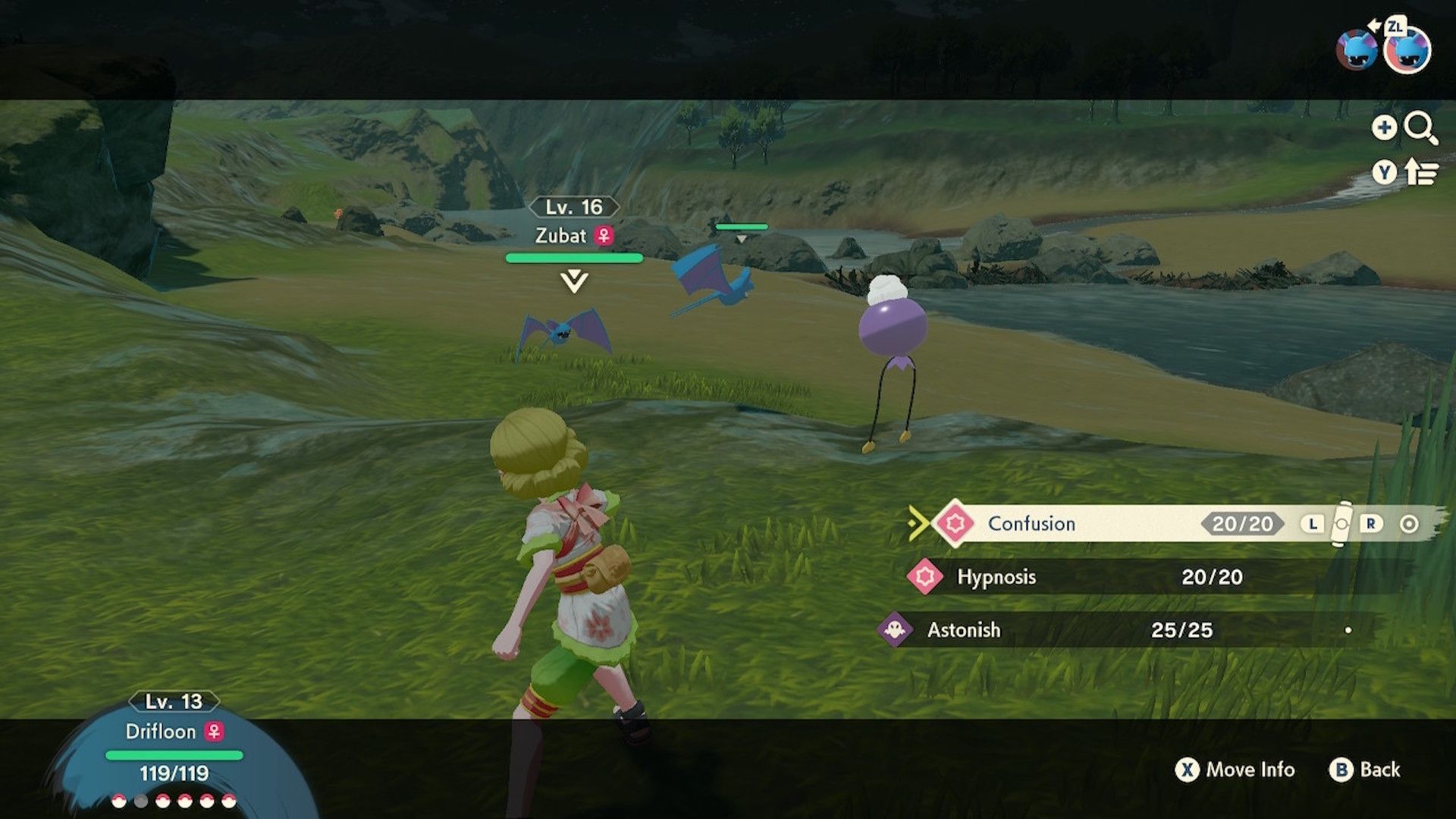
Pokémon Legends: Arceus offered a fresh take on the classic Pokémon formula, which is why it became so popular with fans. Unlike the traditional goal of becoming a Pokémon Master through a long journey, this game had players based in a central town and venturing out to research and capture Pokémon. While battling and traditional catching methods remained, the game introduced stealth and quick-throw Poké Ball options. Pokémon appeared directly in the environment, creating smoother transitions, and the game included many other welcome improvements.
Tier A: Excellent Ideas That Use The Pokemon License Well
Pokemon Conquest


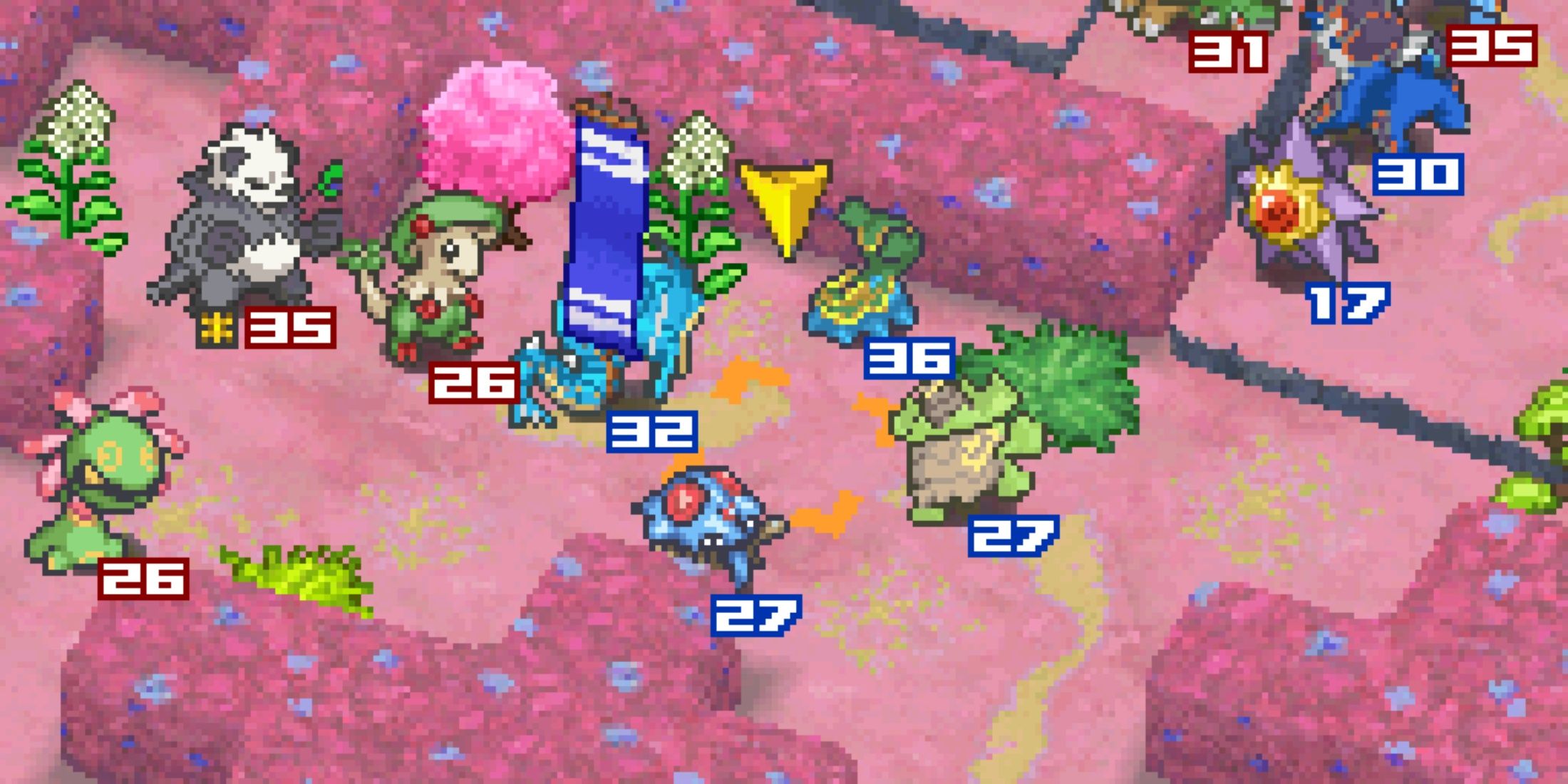
Pokemon Conquest was a unique tactical RPG that combined the world of Pokemon with feudal Japan and elements from the Nobunaga’s Ambition strategy series. Players took on the role of a lord aiming to unite Japan by battling across different provinces, similar to the board game Risk. Warriors and samurai used Pokemon in turn-based battles on a grid-based map. Despite its unusual combination of genres, the game was surprisingly well-received and is considered a hidden gem, even if it wasn’t flawless.
Pokemon Legends: Z-A
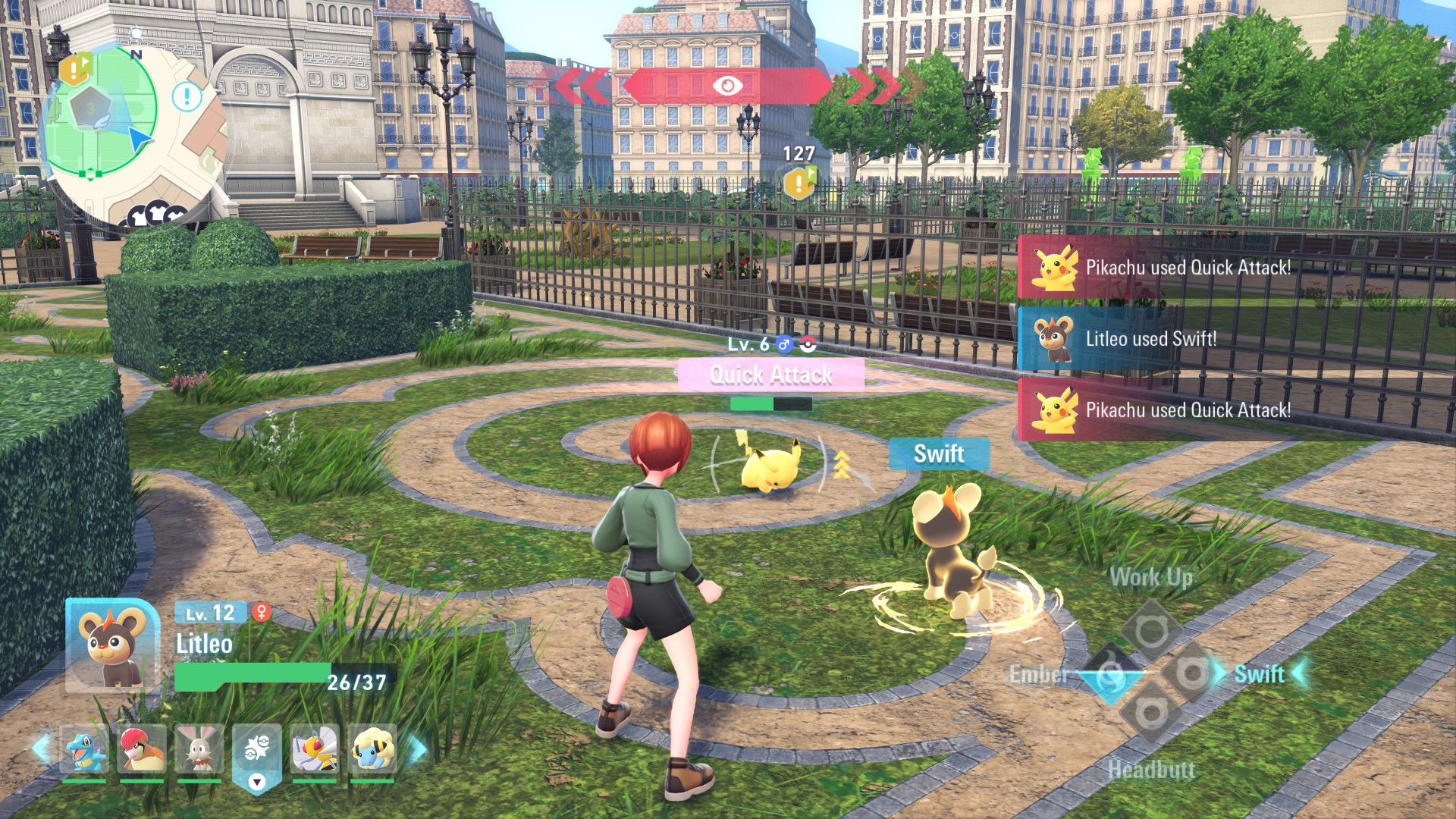
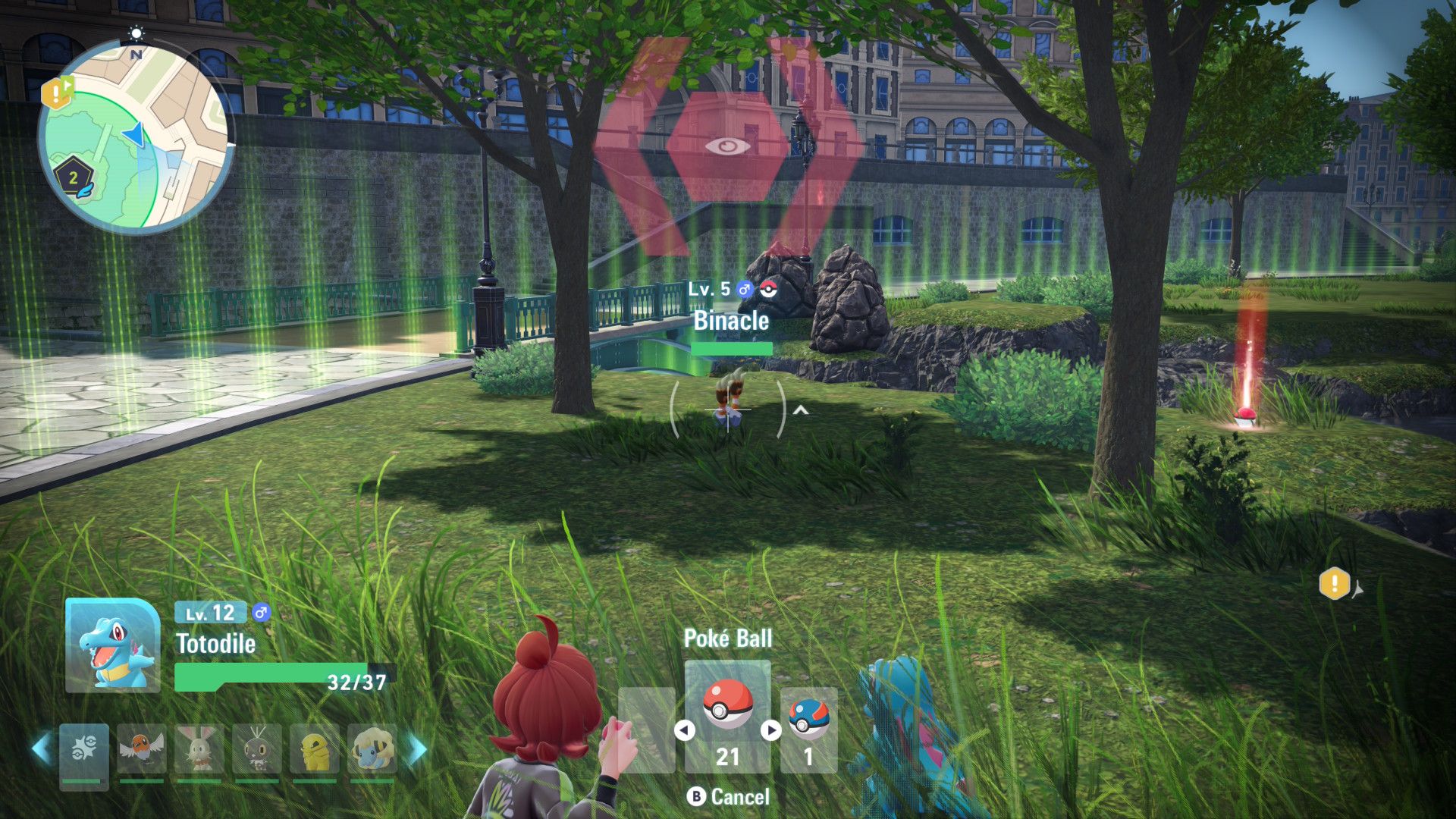
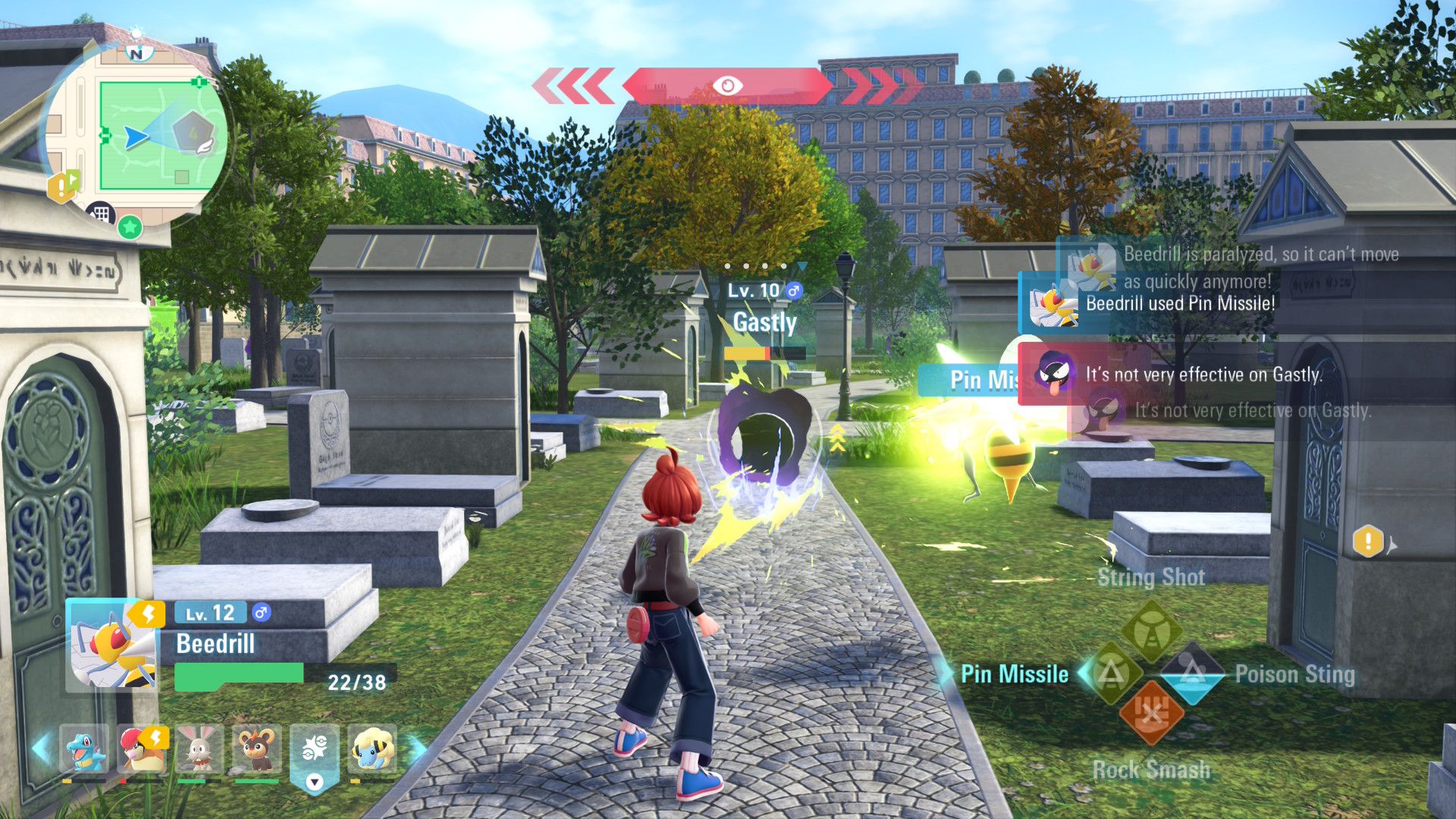
Pokemon Legends: Z-A shares a similar structure with Pokemon Legends: Arceus, and in certain aspects, it improves upon it, though not entirely. Unlike its predecessor’s expansive open world, Z-A confines players to a single city, Lumiose City, which had both advantages and disadvantages. While players could still freely catch Pokemon in the city’s parks, the game placed a greater focus on battling other trainers to climb the ranks and become the best.
One of the best features of Pokemon Legends: Z-A is its battle system. It’s a departure from traditional turn-based combat, feeling more dynamic and real-time, as Pokemon moves now recharge over time. If Pokemon Winds and Pokemon Waves had this battle system, they would be significantly improved games.
Tier B: Great Attempts At Pushing The Series Forward
Pokken Tournament DX
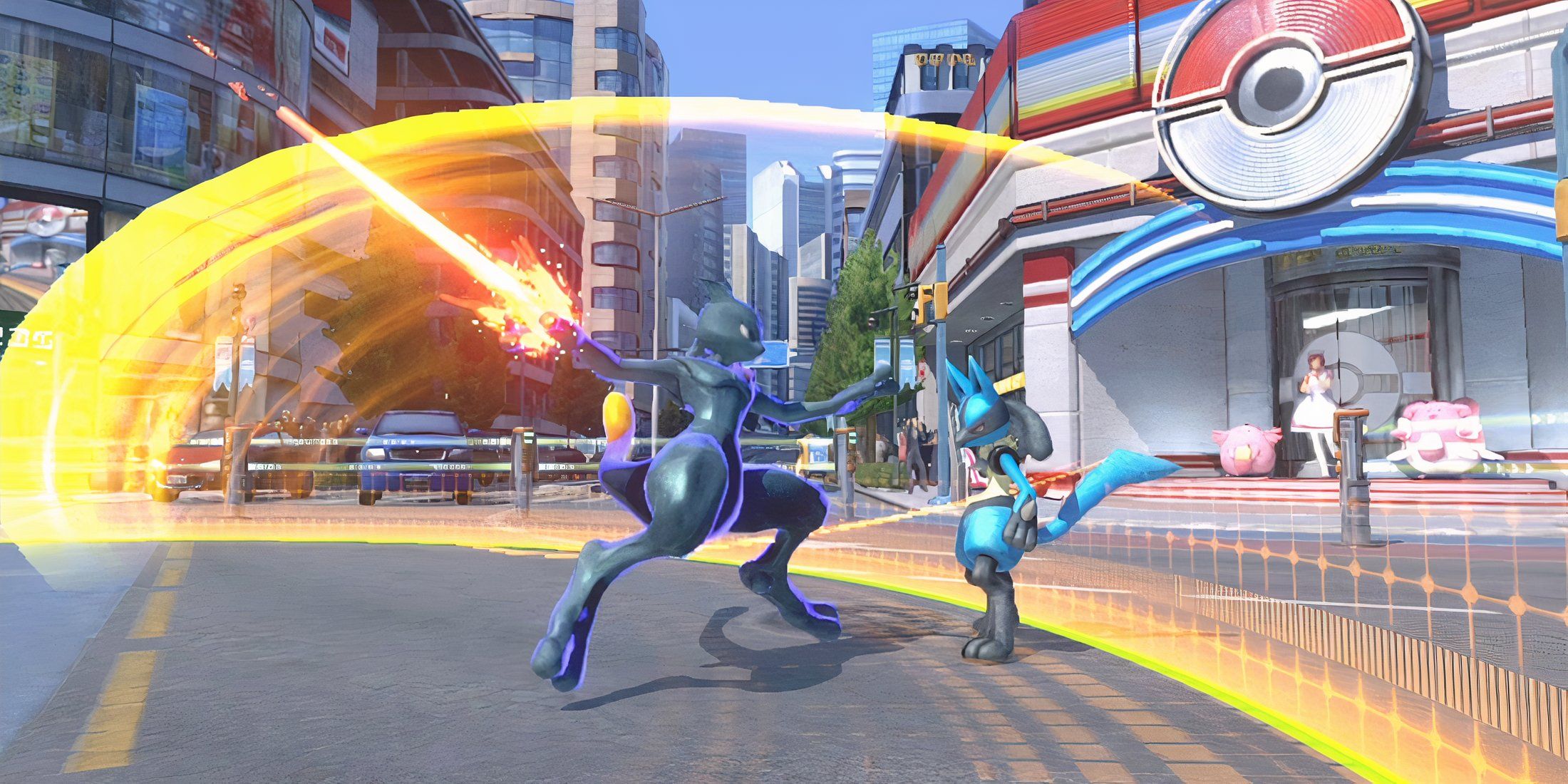
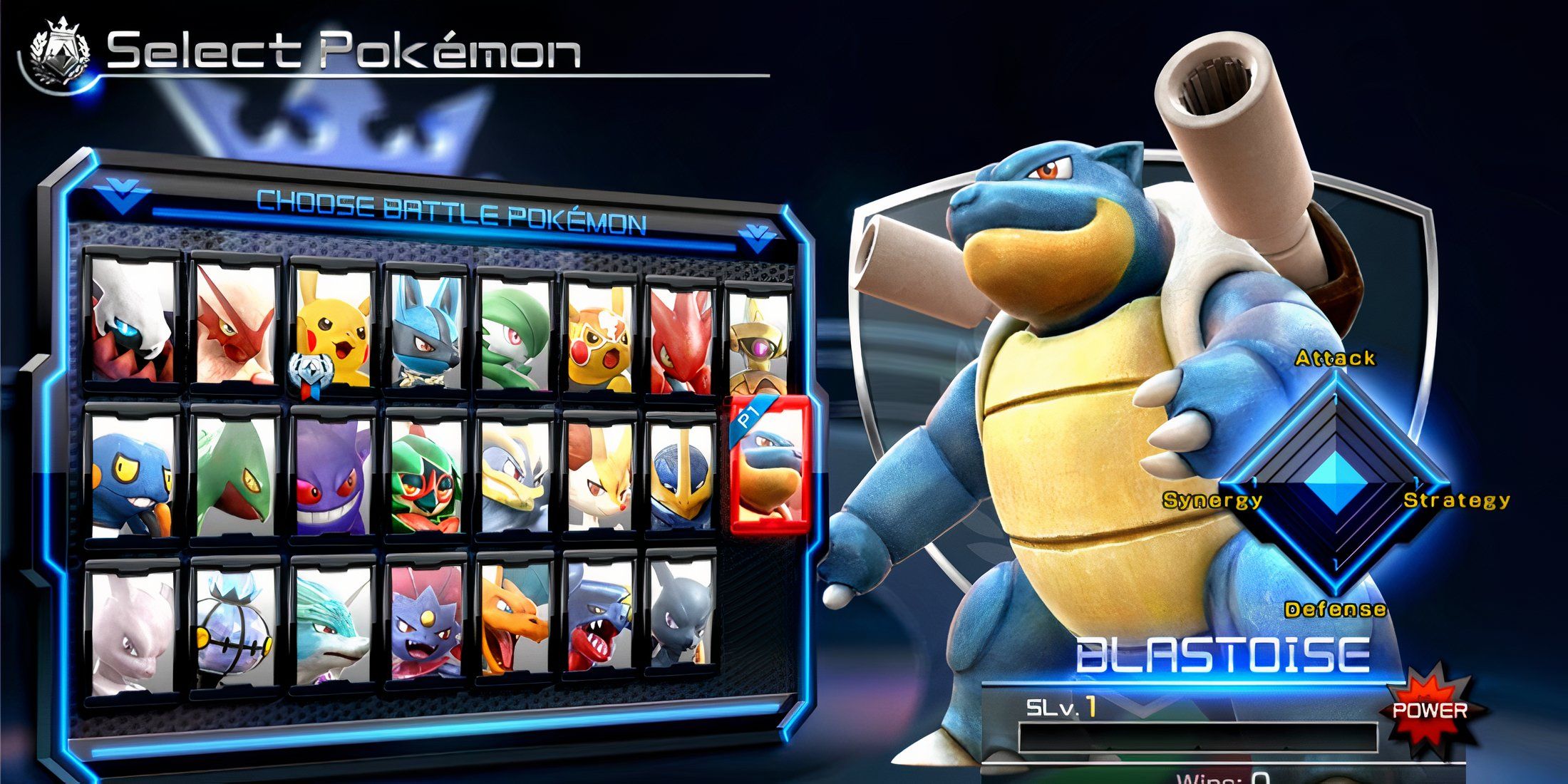
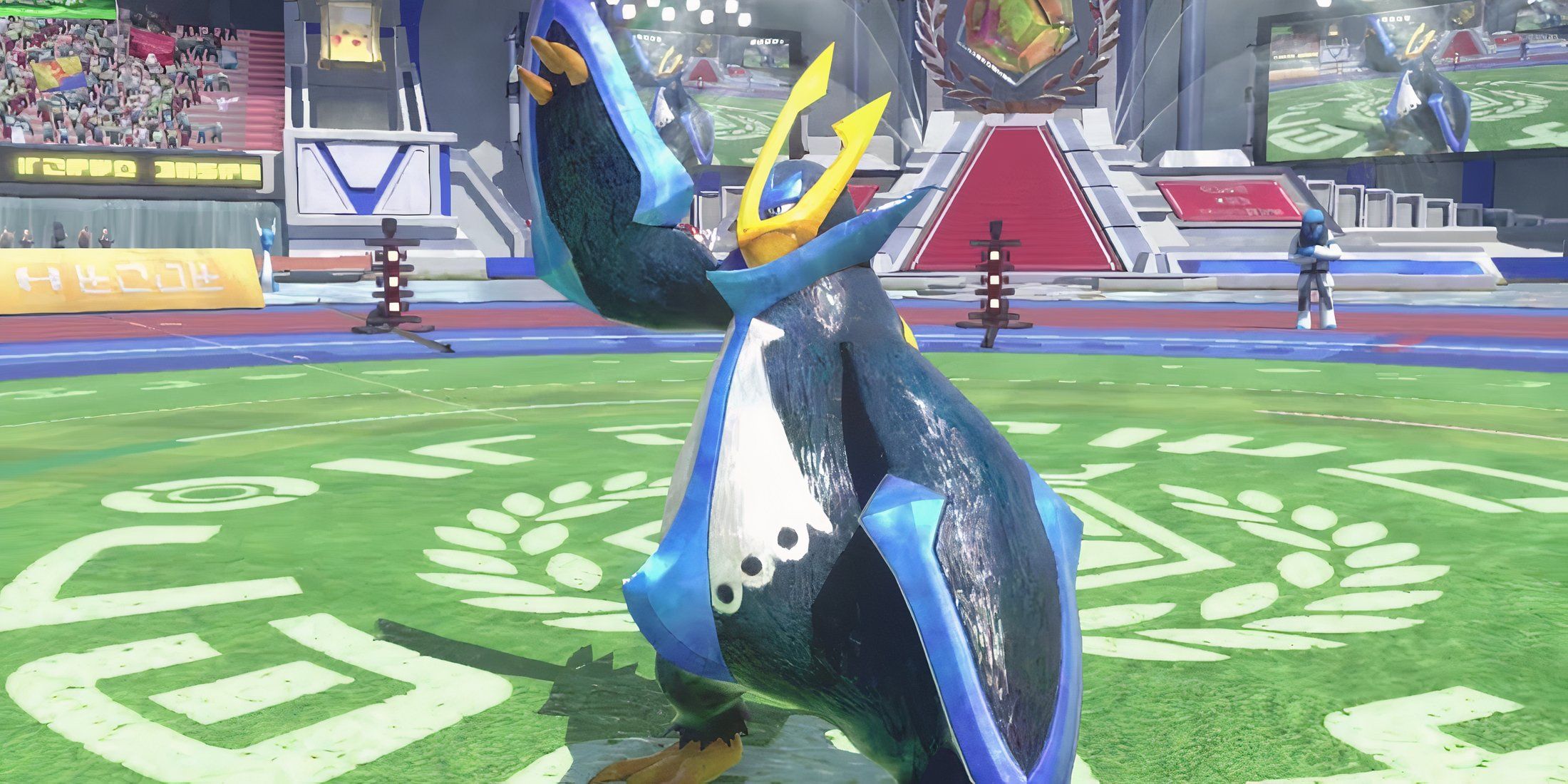
Pokken Tournament DX was an enhanced version of the original game, featuring refined gameplay and a wider selection of Pokemon. While Pokemon had appeared in fighting games like Super Smash Bros. since 1999, Pokken Tournament DX offered a more dedicated fighting game experience. It included Pokemon well-suited for fighting, such as Machamp, and some surprising picks, like Pikachu dressed as a luchador. Created with input from the team behind Tekken, Pokken Tournament DX is a solid fighting game with the potential to be even better if a true sequel is ever made.
Pokemon Trading Card Game
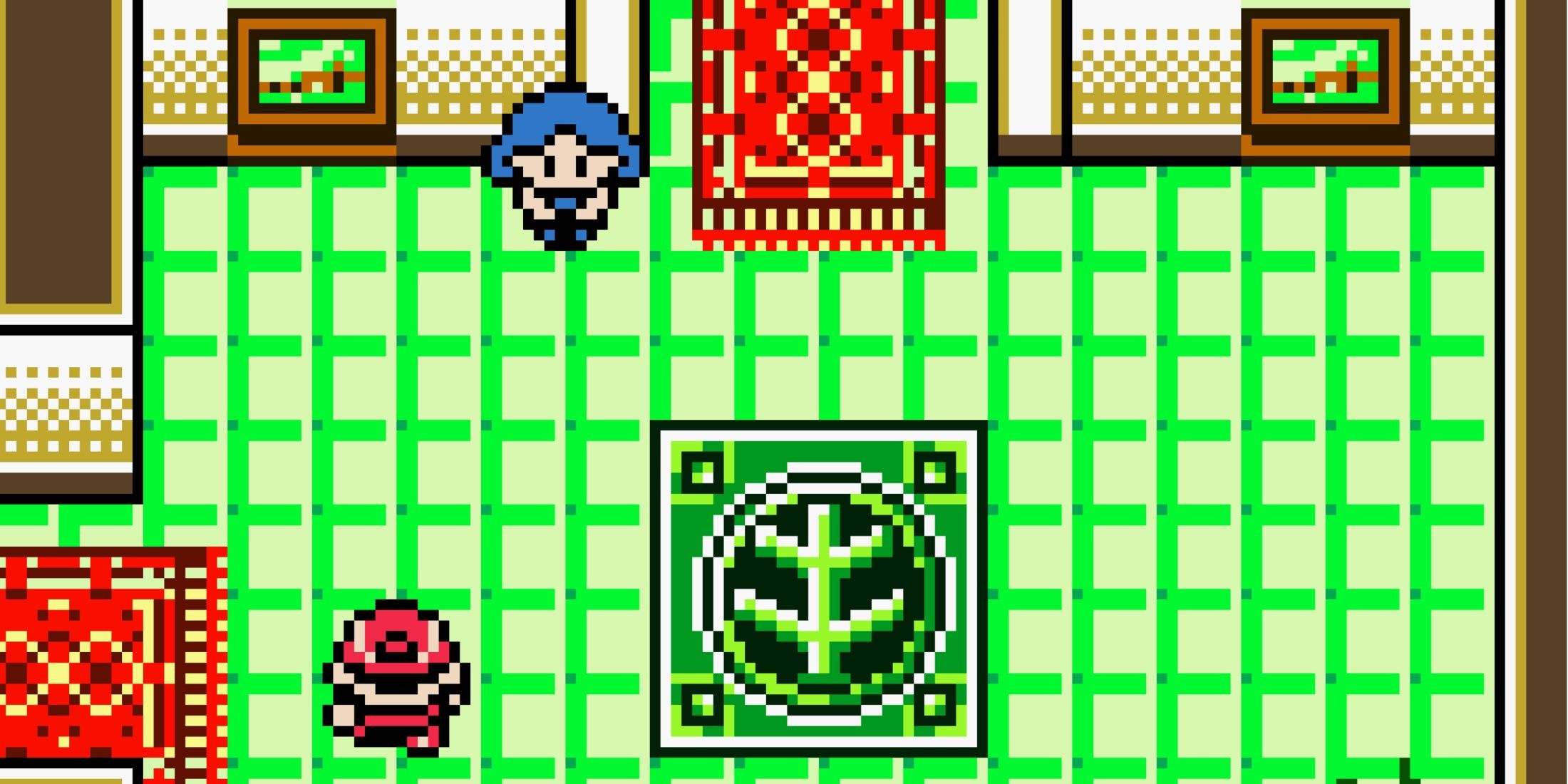
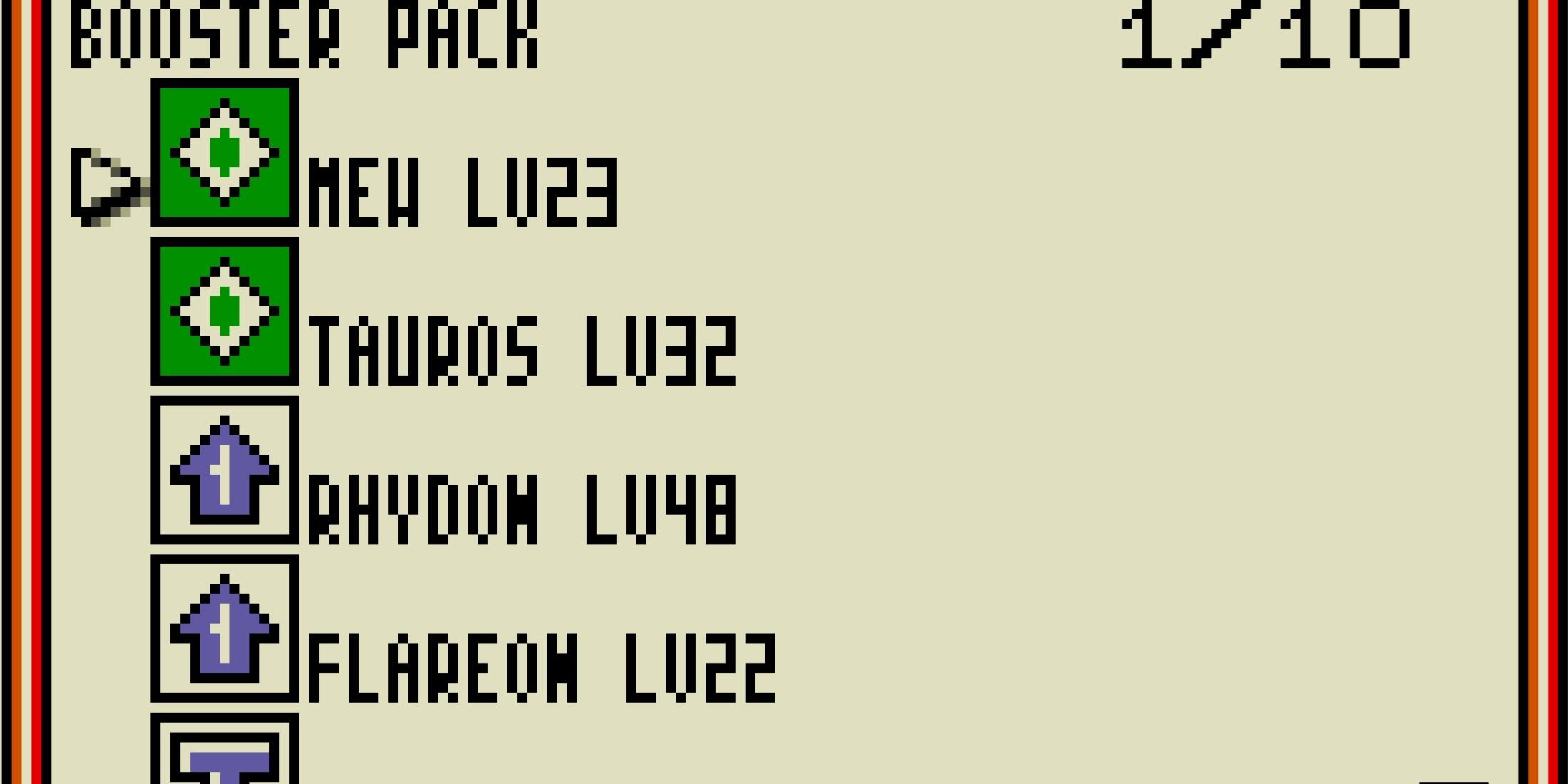
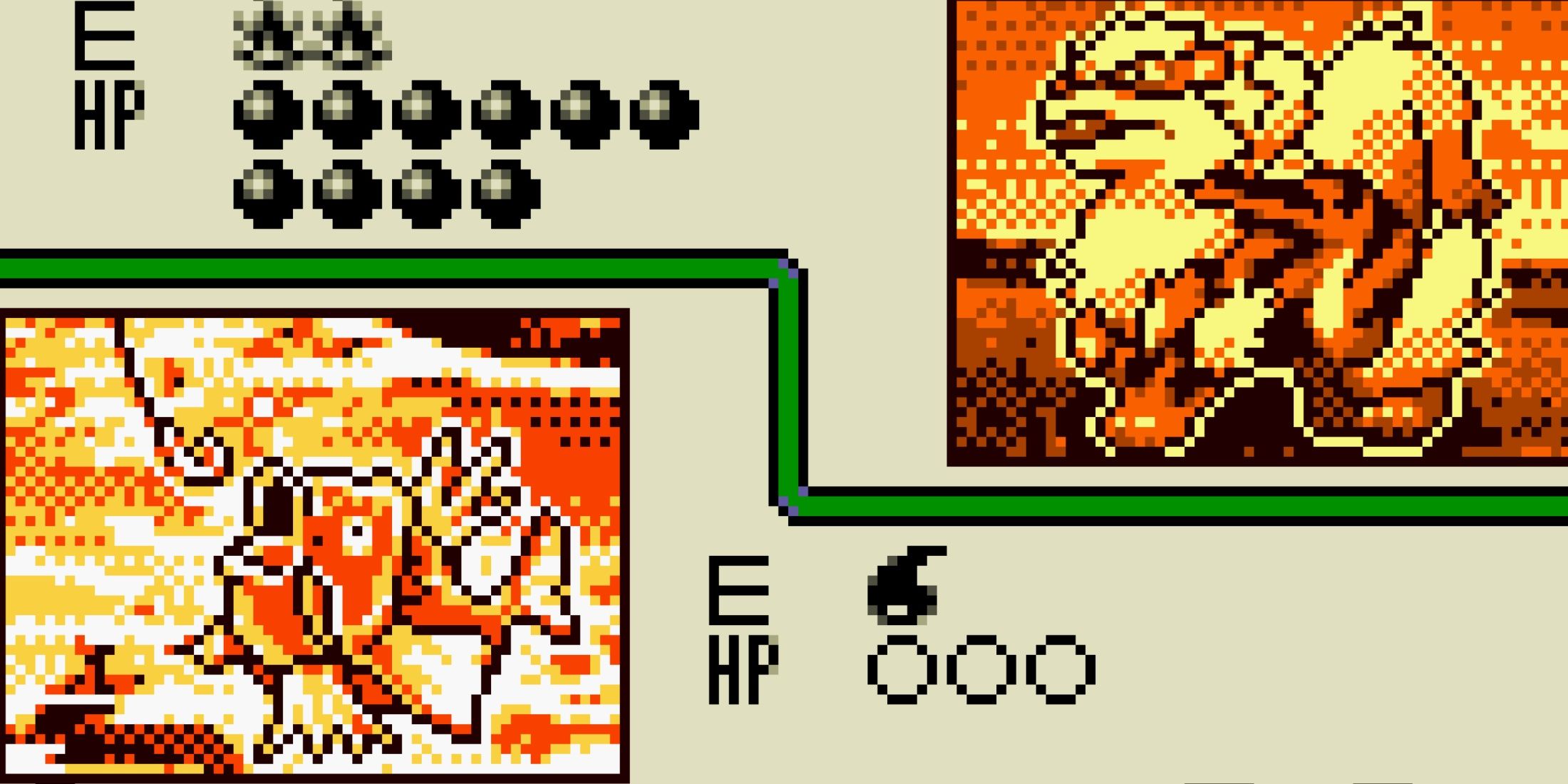
Released for the Game Boy Color in 2000 during the peak of Pokemon’s popularity, the Pokemon Trading Card Game is a unique title distinct from newer games with similar names. While swapping real Pokemon battles for card-based duels might not immediately grab your attention, the gameplay is surprisingly addictive – just like the core Pokemon RPGs, but with an added element of luck when drawing cards. Sadly, after its Japan-exclusive sequel, Pokemon Card GB2: Here Comes Team Great Rocket!, no other Pokemon game has tried this card-based approach. It remains one of the best RPGs that use cards as its central mechanic.
Pokemon Pinball: Ruby & Sapphire

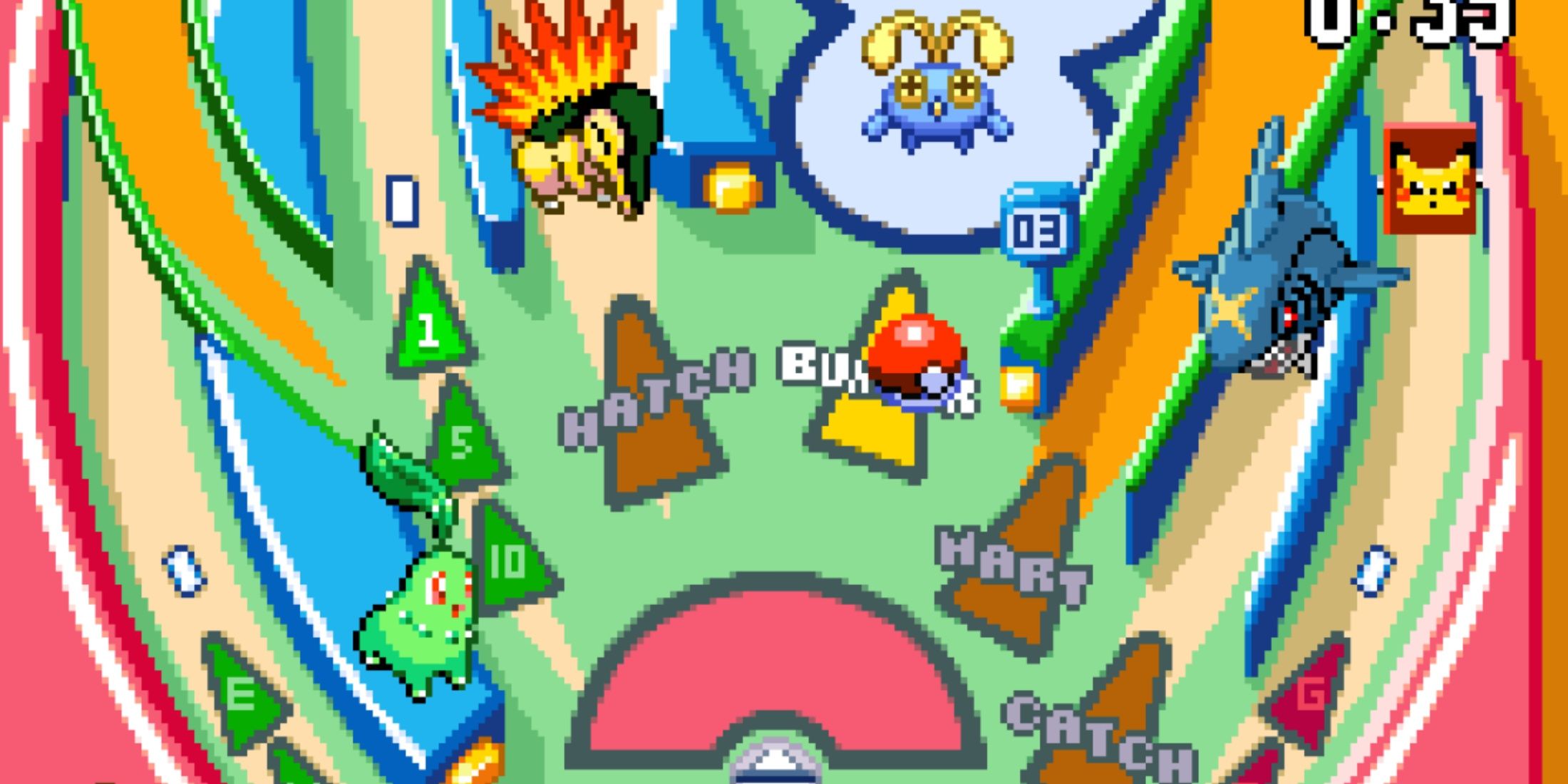

Pokemon Pinball: Ruby & Sapphire was a standout pinball game for the Game Boy Advance, building on the foundation of its predecessor on the Game Boy Color. It featured two unique tables themed around the Pokemon from Ruby and Sapphire versions. Gameplay followed traditional pinball rules – hitting a ball to rack up points – but with a clever addition: mini-games focused on catching Pokemon by repeatedly hitting them with the ball. While it was a solid pinball experience, a future installment could further integrate Pokemon elements into the gameplay for a more engaging experience.
Tier C: Good Games, But Their Potential Hasn’t Peaked Yet
New Pokemon Snap
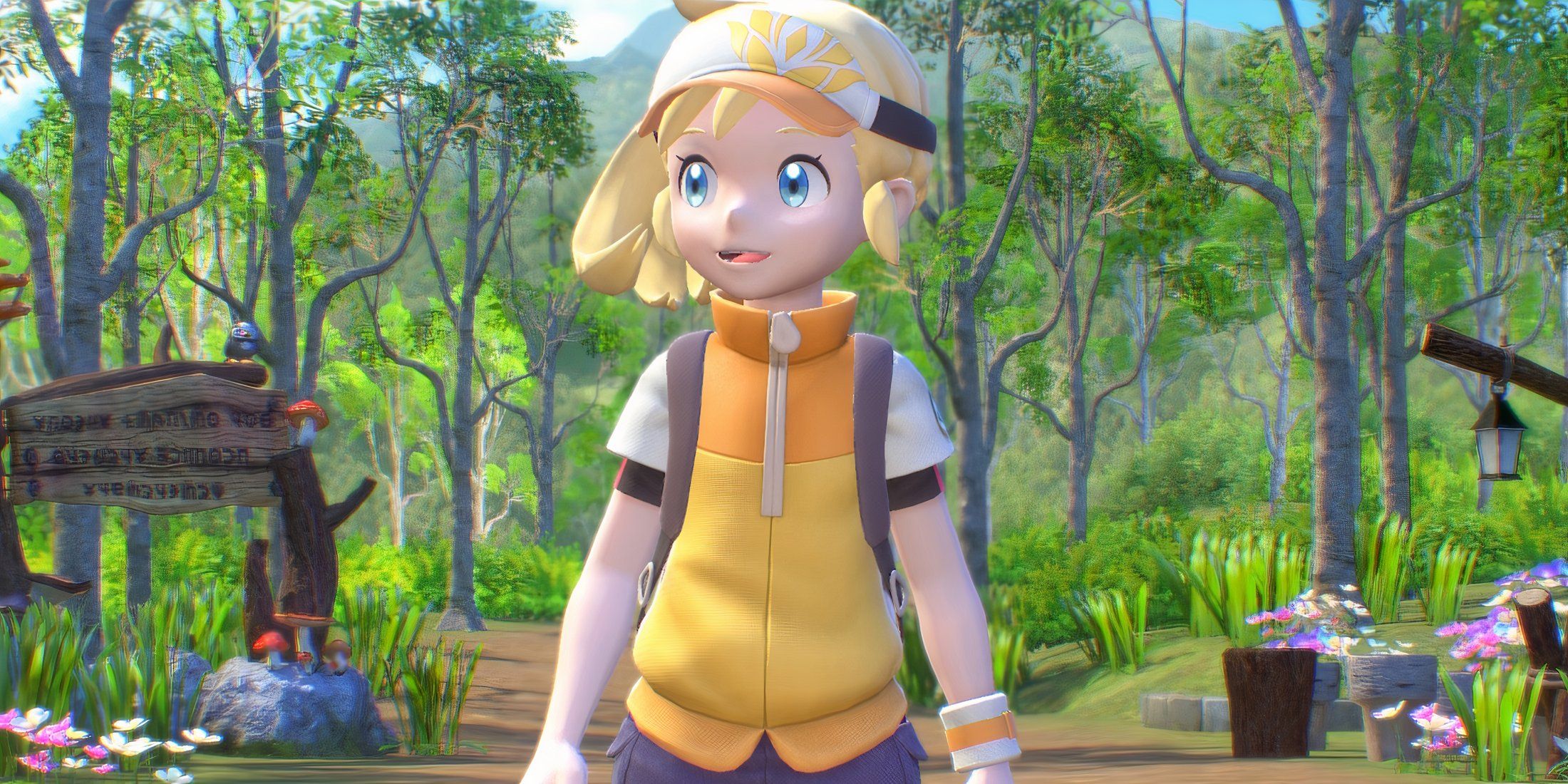
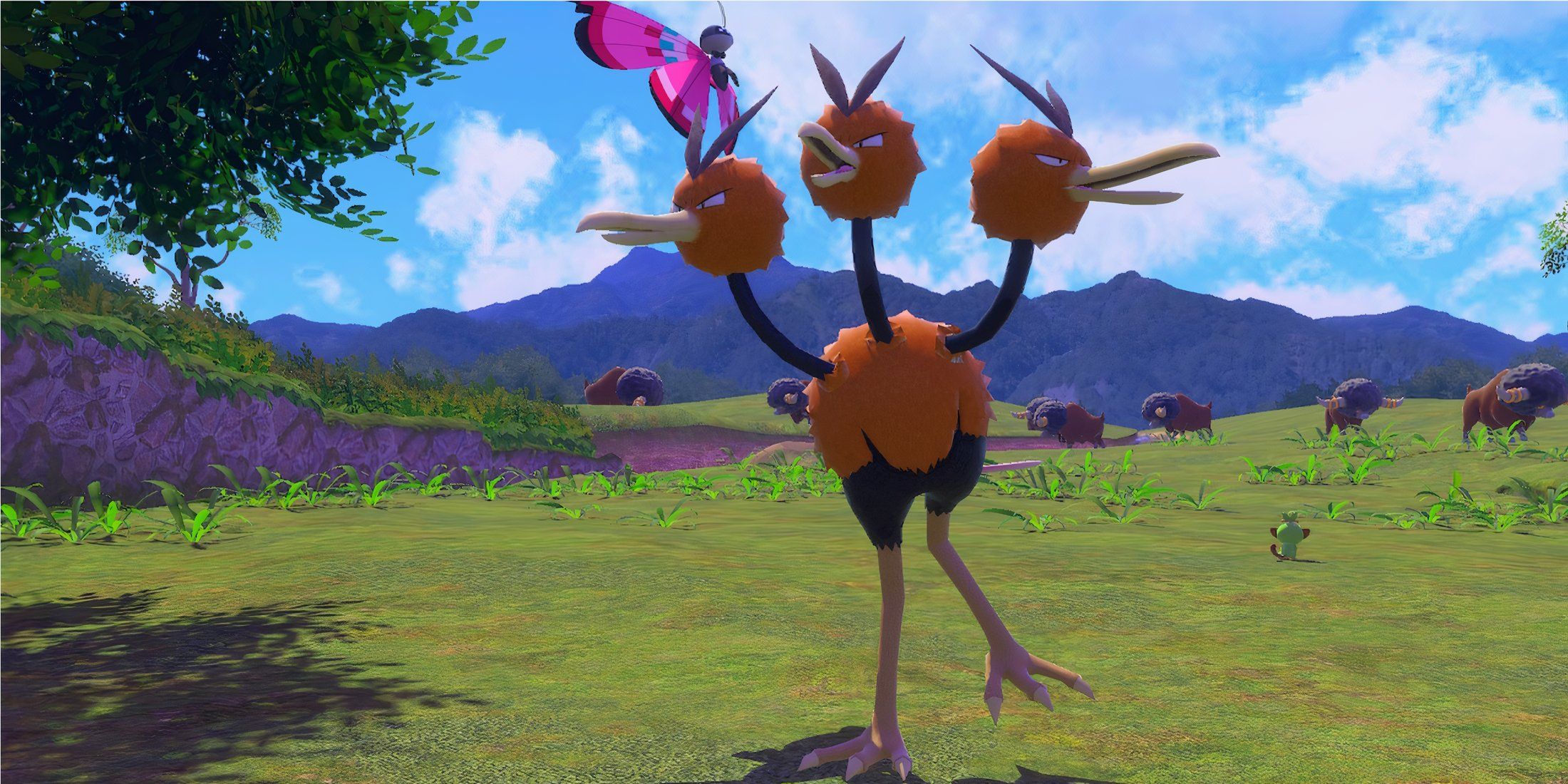
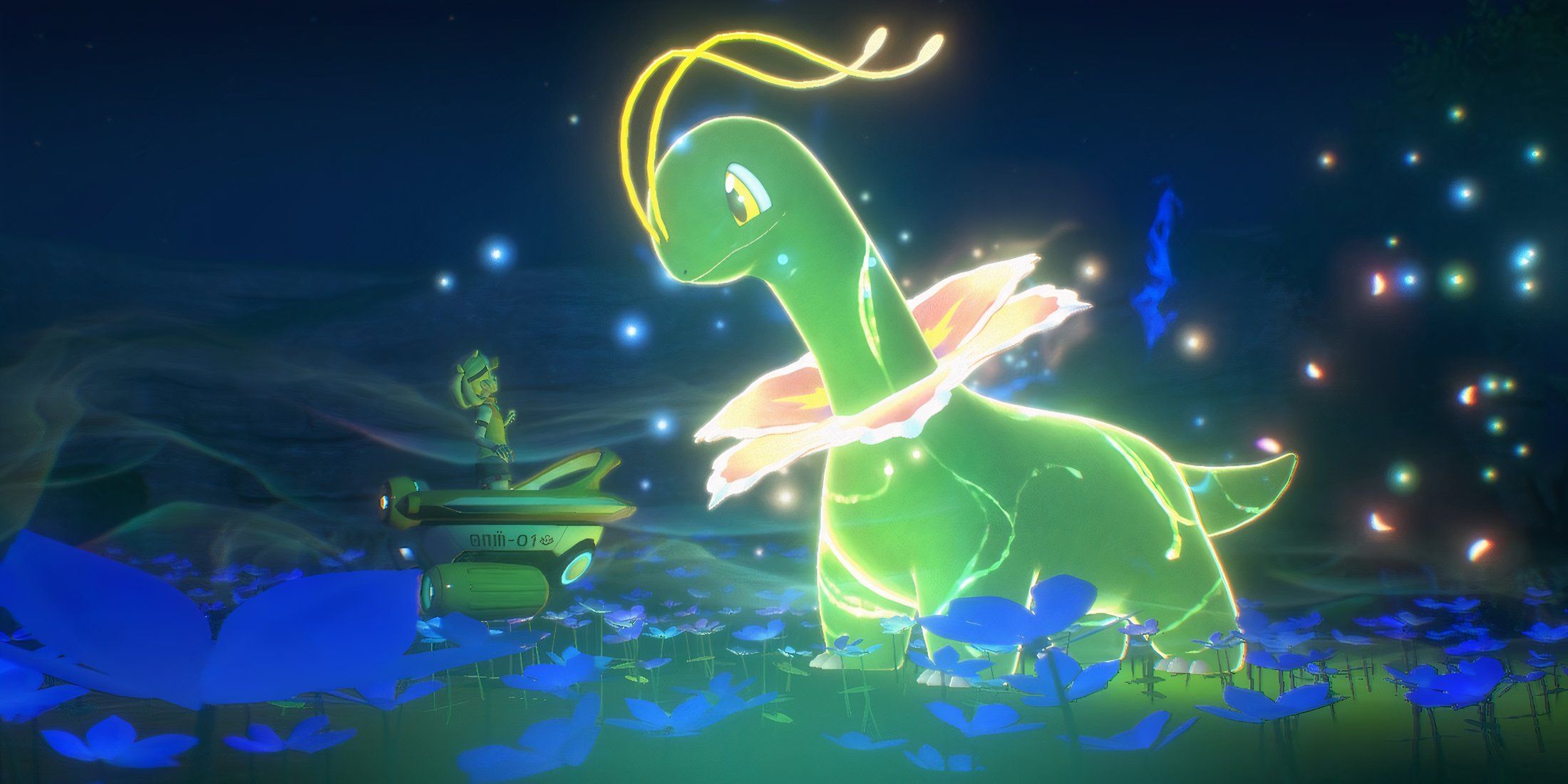
While New Pokemon Snap is a sequel to the classic Nintendo 64 game, it doesn’t offer a huge leap forward. The gameplay remains largely the same: players travel along fixed routes through various environments, trying to take the best photos of Pokemon to earn a high score.
Players could unlock new areas by completing certain goals. However, because the game felt somewhat restricted, its full potential wasn’t realized. While the photography gameplay could be enhanced with features like full movement, New Pokemon Snap is currently a relaxing and enjoyable experience for anyone who simply wants to observe Pokemon.
Detective Pikachu Returns
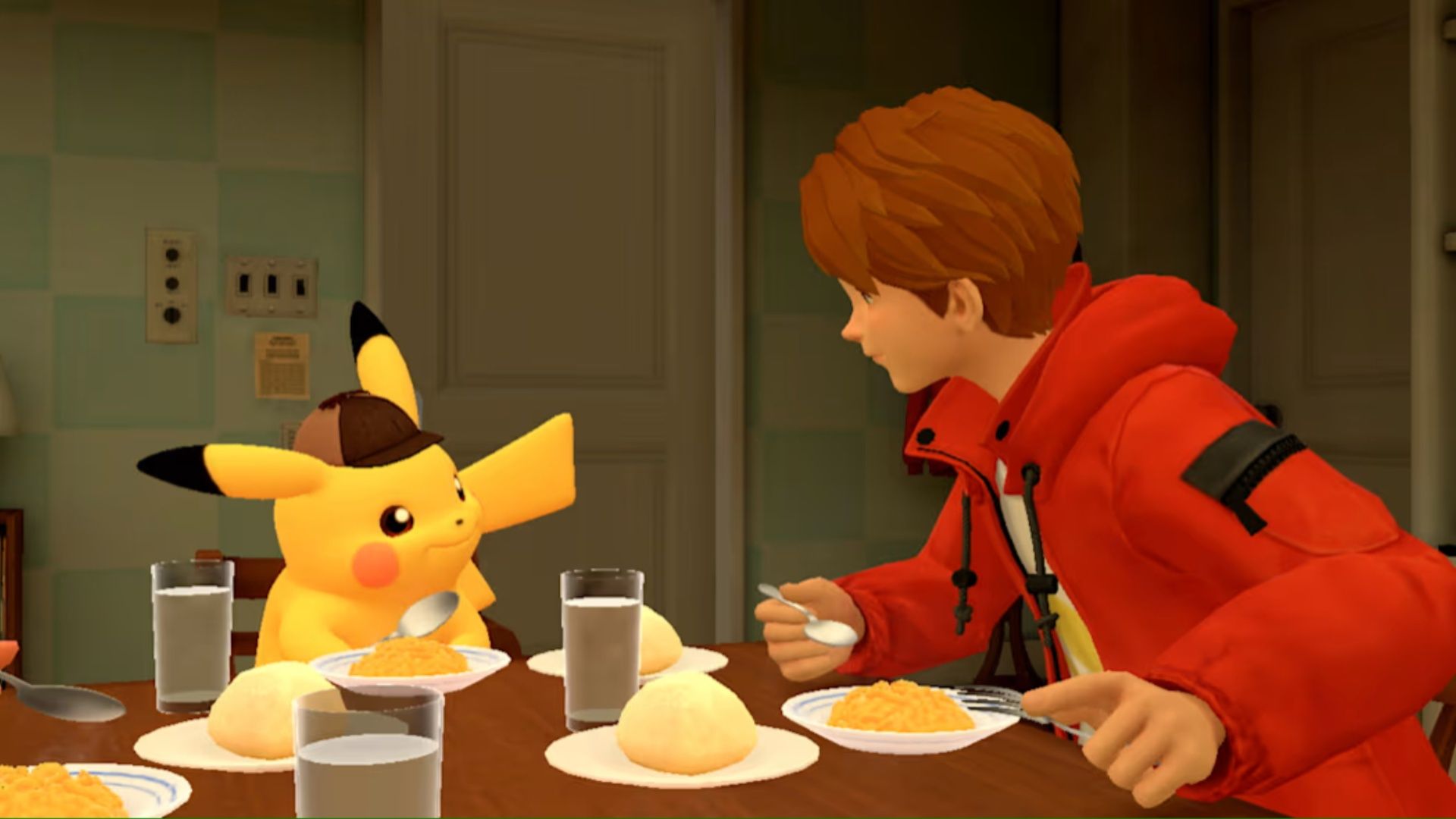
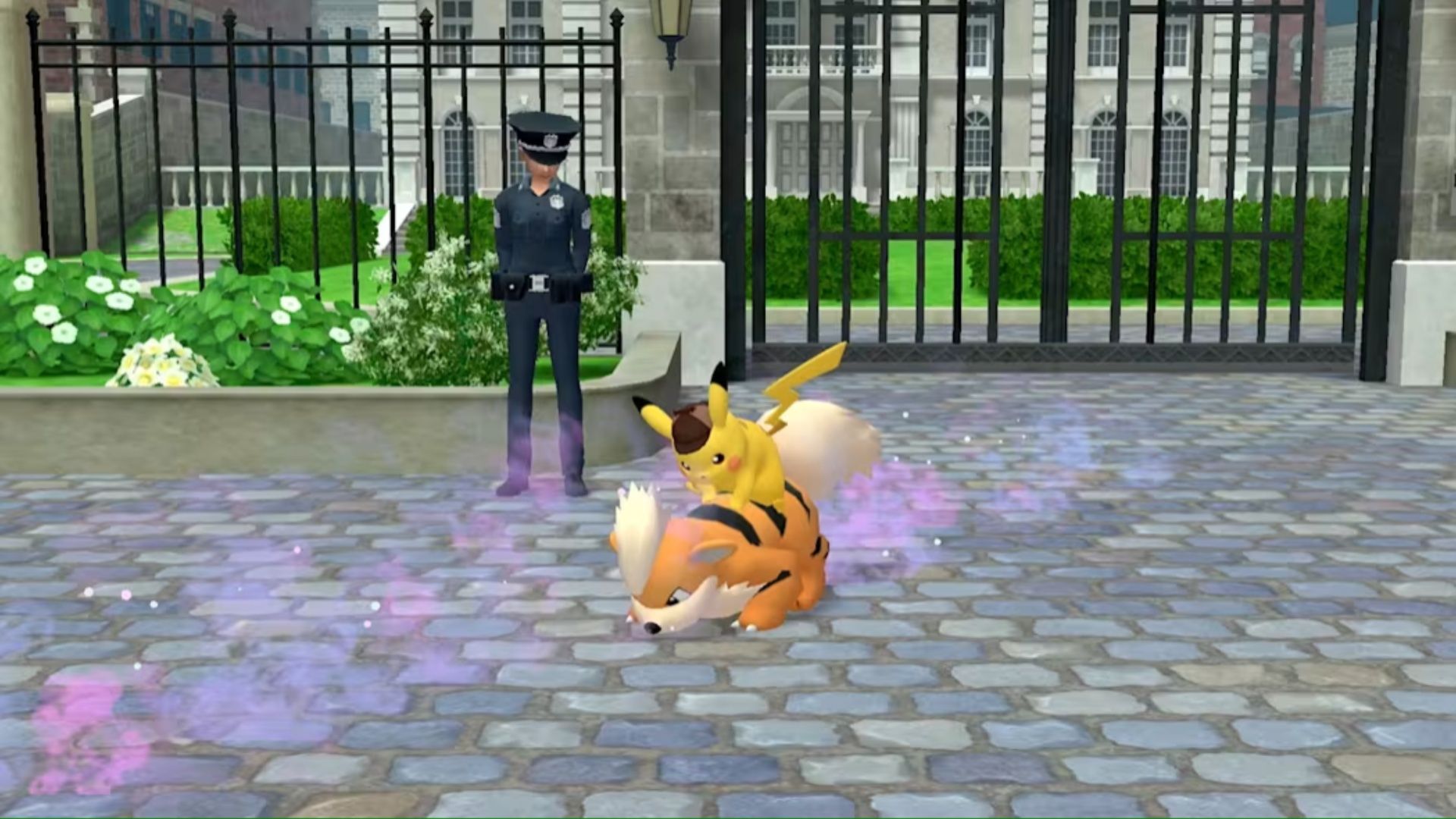
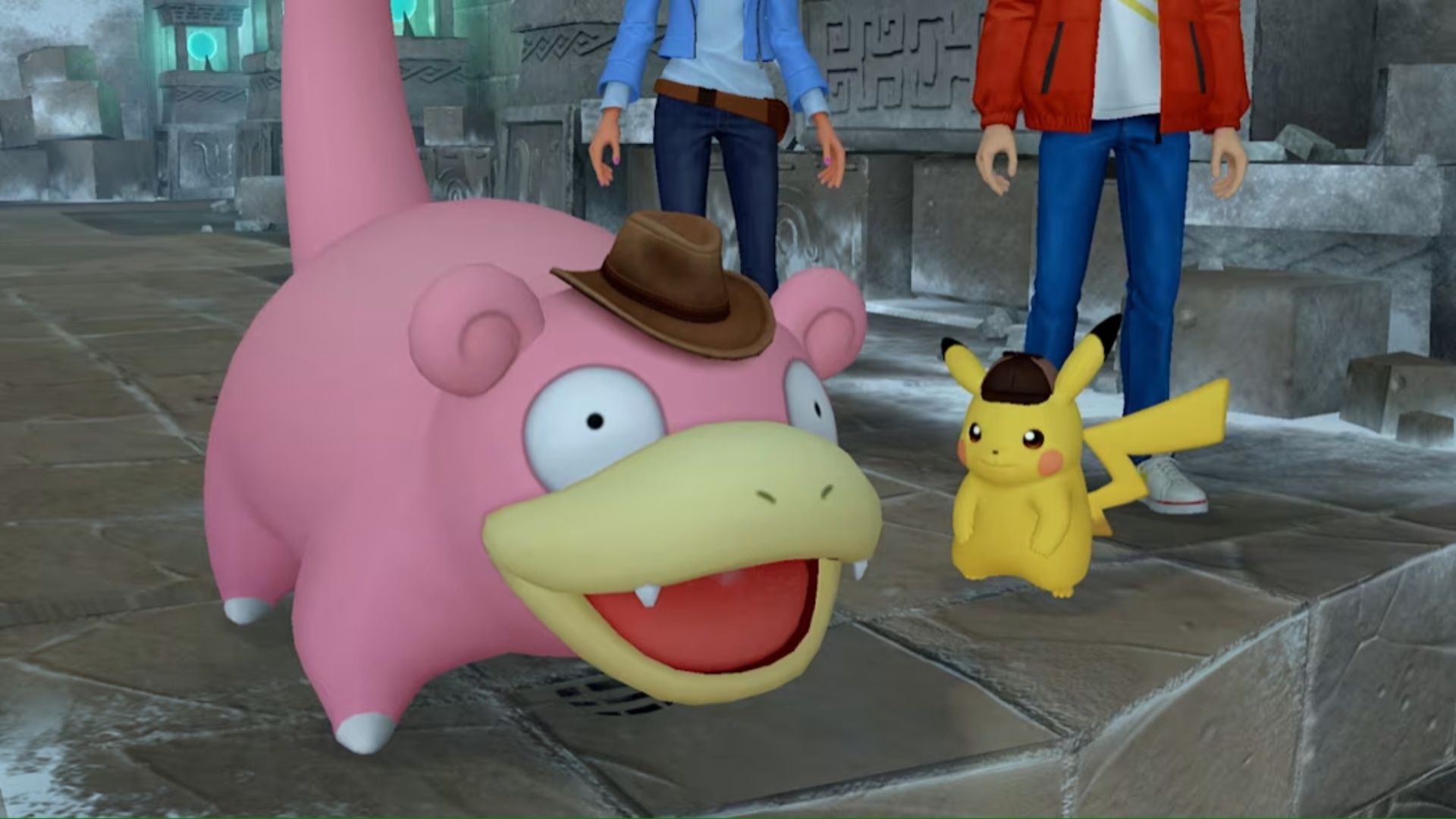
Detective Pikachu Returns continues the story from the original 3DS game. Players take on the role of Tim Goodman and team up with his witty, coffee-loving Pikachu to investigate mysteries in Ryme City. While the puzzles are fairly straightforward, the game is charming thanks to the sweet relationship between Tim and Pikachu. Though a sequel with more challenging puzzles and a slightly more mature story would be welcome, Detective Pikachu Returns is a great way to introduce younger or new players to adventure games.
Pokemon Mystery Dungeon: Rescue Team DX
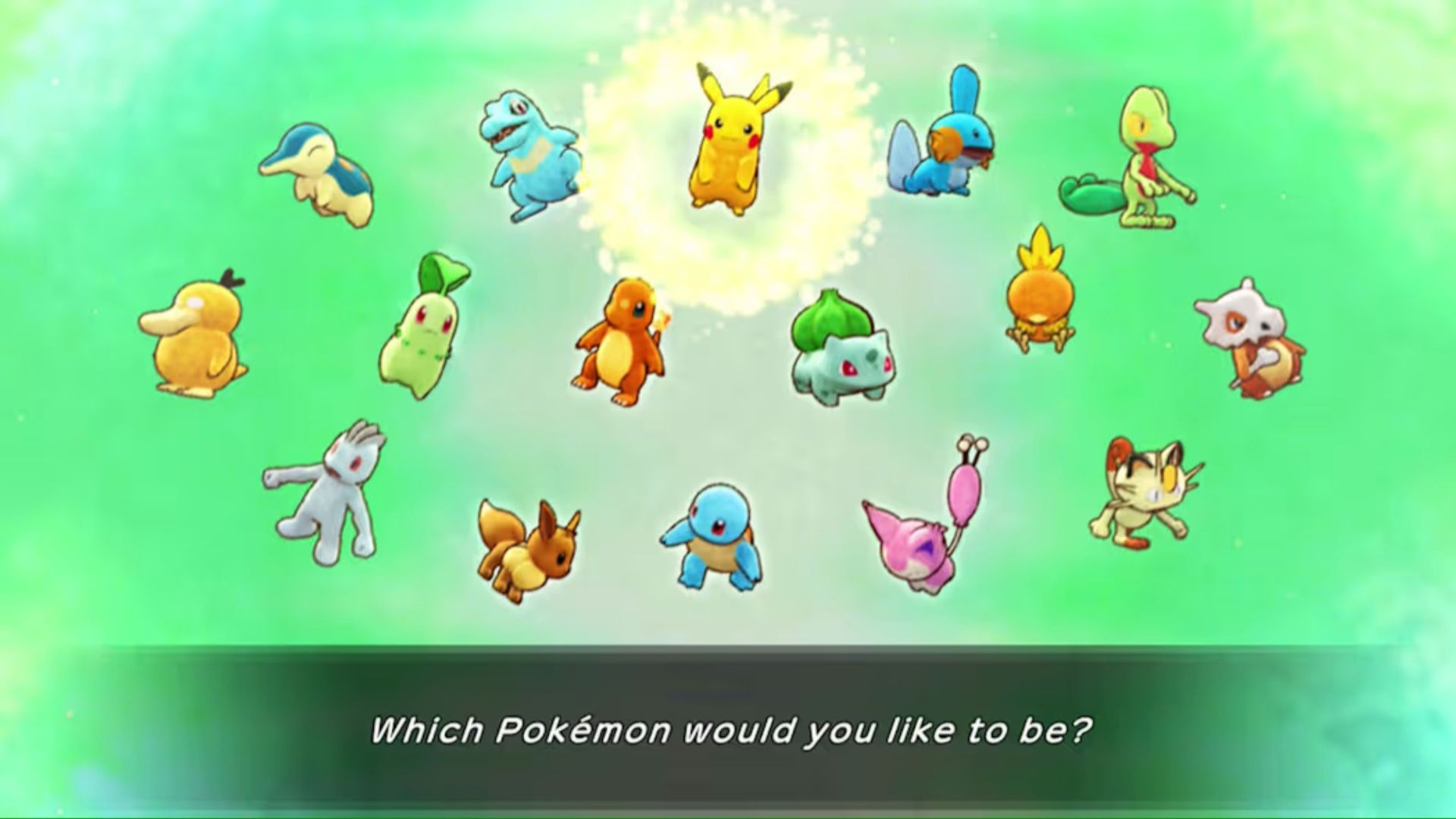
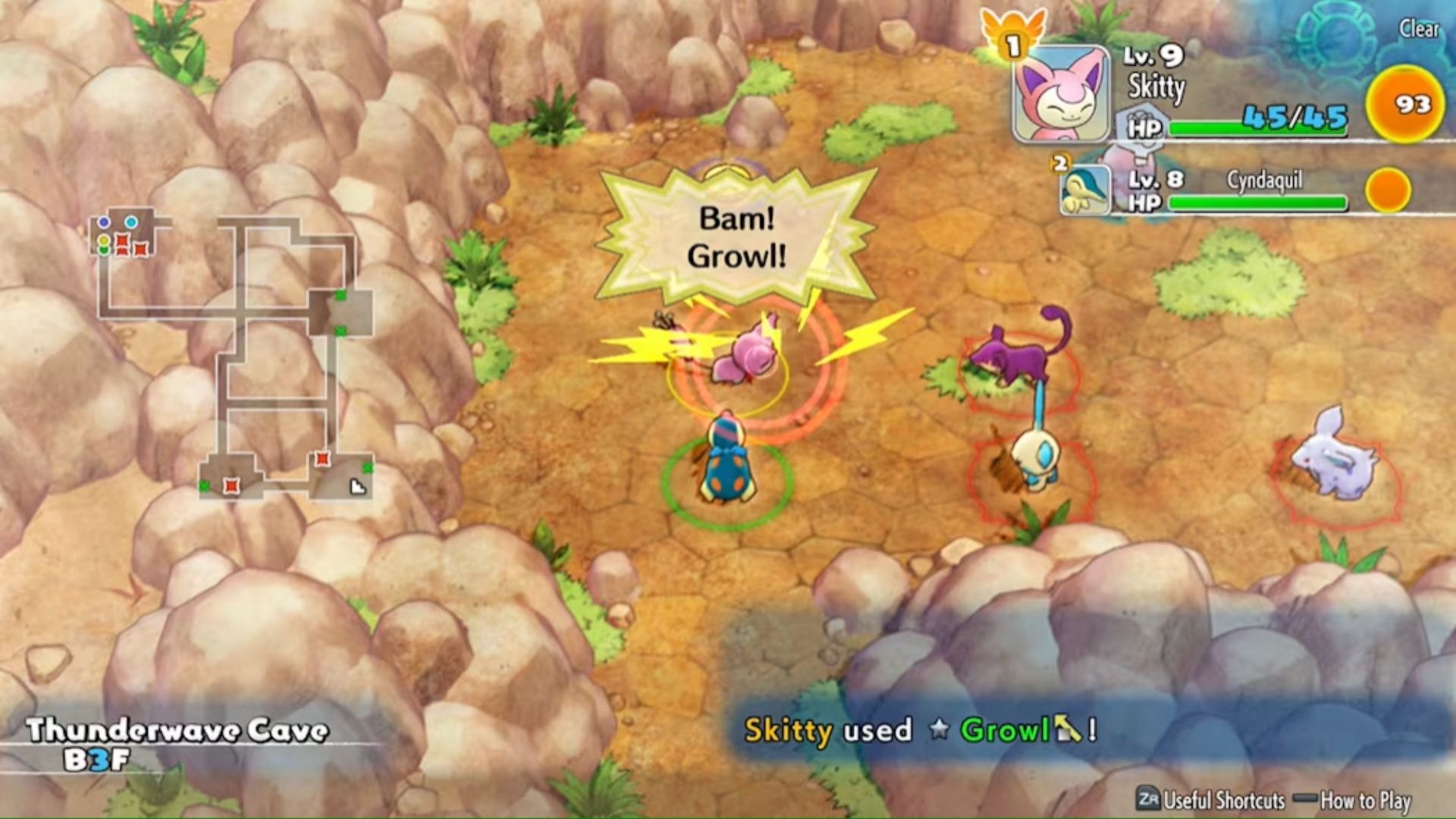
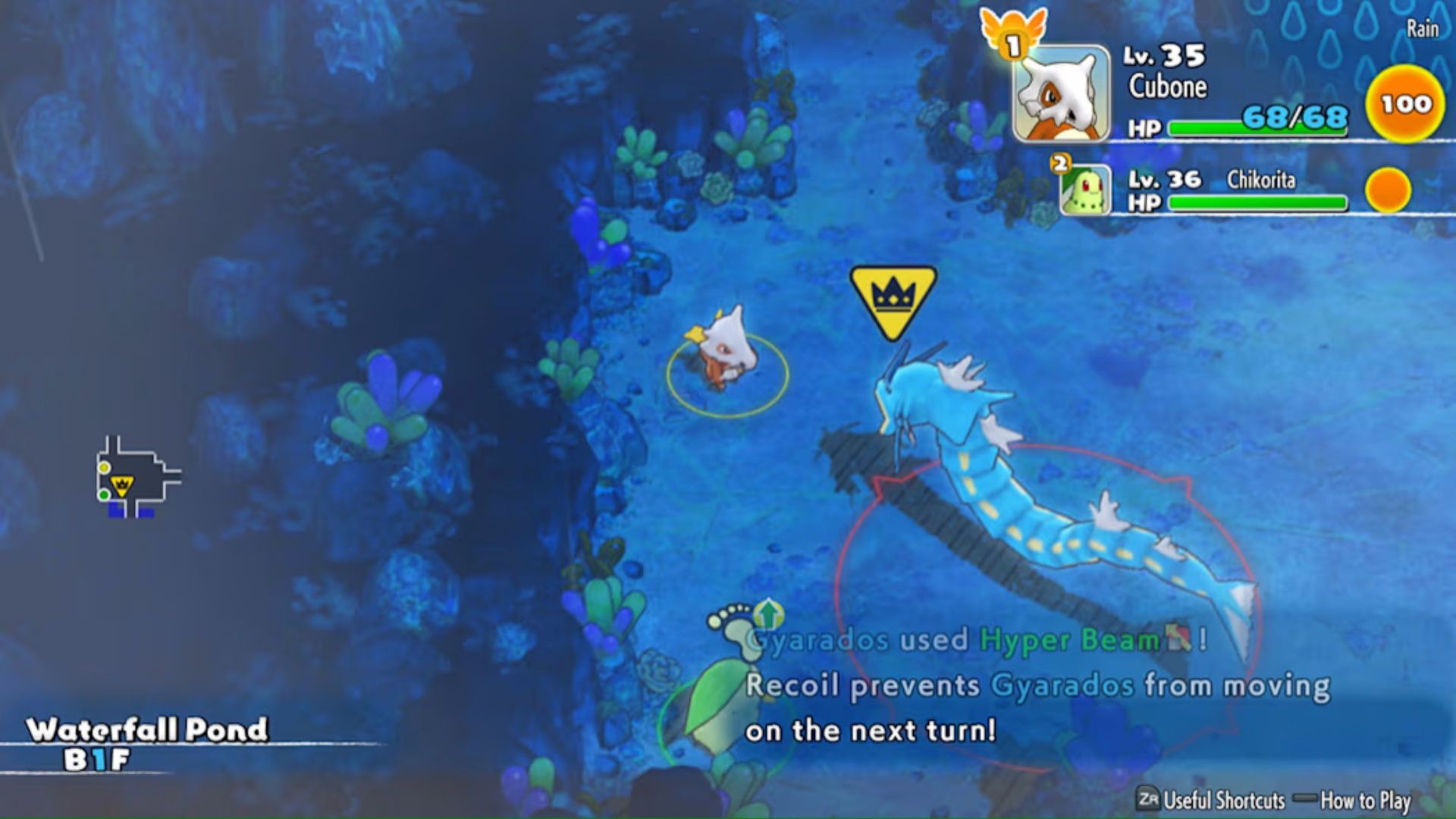
Pokemon Mystery Dungeon: Rescue Team DX is a reimagining of the classic Pokemon Mystery Dungeon: Red Rescue Team and Blue Rescue Team, combining both games into a single experience. While it’s the newest installment in the long-running Mystery Dungeon series, the gameplay hasn’t changed drastically since its origins on the Game Boy Advance. Players select a Pokemon and team up with partners to explore dungeons, rescuing other Pokemon and expanding their village. The game is designed to be accessible for new players with simple controls, which is great. However, there’s a lot of room for future Pokemon Mystery Dungeon games to become more complex and challenging, moving beyond just beginner-friendly gameplay.
Read More
- Forza Horizon 6: Find the Ohtani Treasure Chest Location
- LEGO Batman Legacy of the Dark Knight Batcave Minikits & WayneTech Caches
- NTE Drift Guide (& Best Car Mods for Drifting)
- Skyblivion Gets Encouraging Development Update
- Sega’s “Super Game” is Said to Release Next Month, But Nothing is Known About It
- How to Open Locked Door in Tenryu River in Nioh 3 (Dirty Key)
- New Steam Game is Like Pokemon If It Were a Sci-fi Shooter
- Dead as Disco Best Songs (Clear Beats & Stable BPMs)
- GameRant Daily Crossword (February 10, 2026)
- God of War Shadow Drops New Game and Confirms Greek Trilogy Remake
2026-05-09 14:11