In Ethereum’s bustling, bugle-blaring wallpaper of a world, a proper stir is afoot behind the curtains. Not a trumpet, mind you, but a sly, snickering plan that’s tiptoeing its way into the wings of history. One of the grandest, most peppery updates in Ethereum’s life is being quietly stitched together, while the chatter about fees and scaling does a silly little dance on the mantel. From clever developers to ordinary folk, from snug home validators to lone stakers, this whiskery shift could wobble the whole giggling ecosystem. Right now, in the consensus-specs features branch, EIP-8025 is the cheeky heart of the cabal and is expected to waddle into the big book soon.
Introducing zero-knowledge proofs
Rather than redoing the goblin math for every squeak of a transaction, Ethereum validators can now pop out cryptographic proofs to show a block was cooked properly, thanks to Optional Execution Proofs. These days, each node checks the brass tacks of each transaction all by itself, with a conspiratorial wink.
While this trick works nicely, it grows thornier as the network buzzes. Participation costs creep up as a node’s clockwork brain, memory troves, and bandwidth become more ravenous with more transactions to juggle.
Ripple’s CTO Emeritus Defends XRP Genesis Against Centralization Claims
Crypto Market Review: Shiba Inu (SHIB) out of Hell, Moment Ethereum (ETH) Investors Have Waited For, Dogecoin (DOGE) Zero Added
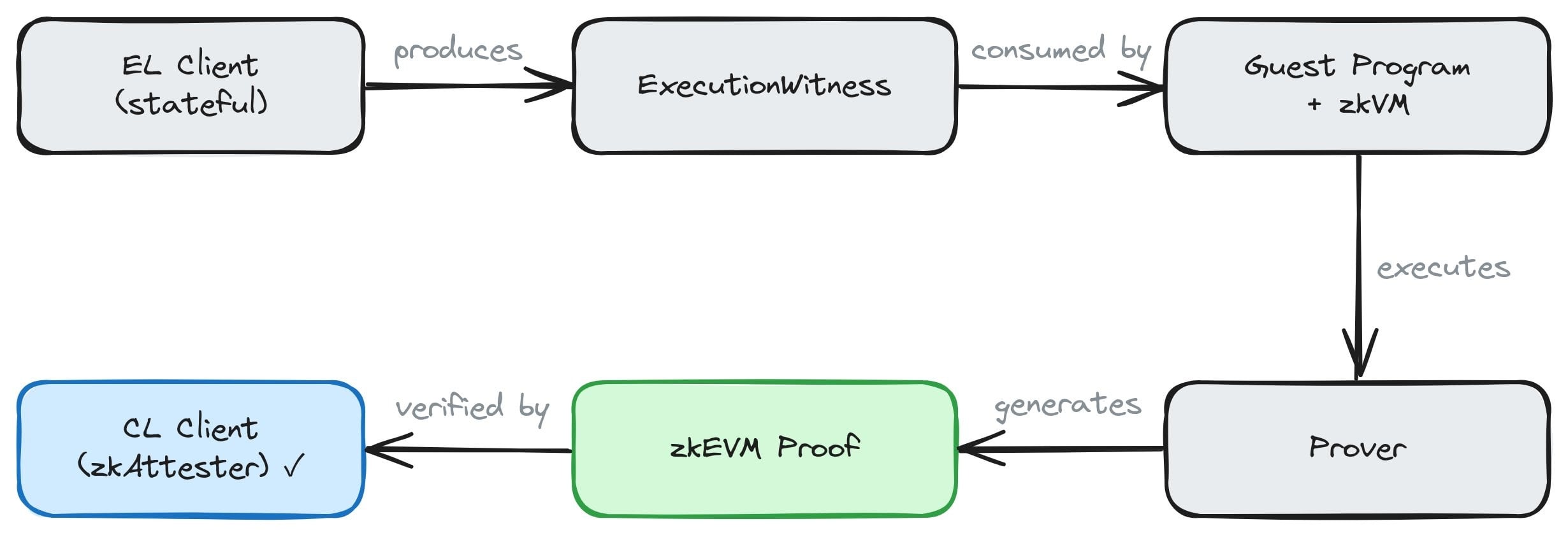
The new method modifies this model. Nodes could check a zero-knowledge proof that the block was executed correctly in place of performing the computation again. Regardless of the block complexity, verification takes about the same amount of time, which could eventually greatly increase scalability.
Roadmap revealed
In order to facilitate this, the Ethereum Foundation has released a 2026 L1-zkEVM roadmap that breaks down development into six work areas: prover infrastructure, consensus layer integration, execution witness and guest program standardization, zkVM guest APIs, benchmarking tools and formal security verification. On Feb. 11, 2026, at 3:00 p.m. UTC, the first L1-zkEVM breakout call is planned, indicating that development coordination is already underway.
It is intended to be an optional system. In order to reduce hardware requirements and make it simpler to run validators on consumer hardware once more, nodes can continue validating blocks as they currently do, while others may opt for proof verification. This change, if it is successful, might enable Ethereum to accommodate increased activity while maintaining decentralized and easily accessible verification.
In the upcoming years, we will finally see if proof-based validation is a key component of Ethereum’s next development or some other piece of a puzzle yet to be discovered.
Read More
- All Skyblazer Armor Locations in Crimson Desert
- One Piece Chapter 1180 Release Date And Where To Read
- All Shadow Armor Locations in Crimson Desert
- How to Get the Sunset Reed Armor Set and Hollow Visage Sword in Crimson Desert
- Cassius Morten Armor Set Locations in Crimson Desert
- Grime 2 Map Unlock Guide: Find Seals & Fast Travel
- All Golden Greed Armor Locations in Crimson Desert
- How to Beat Stonewalker Antiquum at the Gate of Truth in Crimson Desert
- Amber Alert Secrets & CDs In Crime Scene Cleaner Act 2
- USD RUB PREDICTION
2026-02-10 11:54