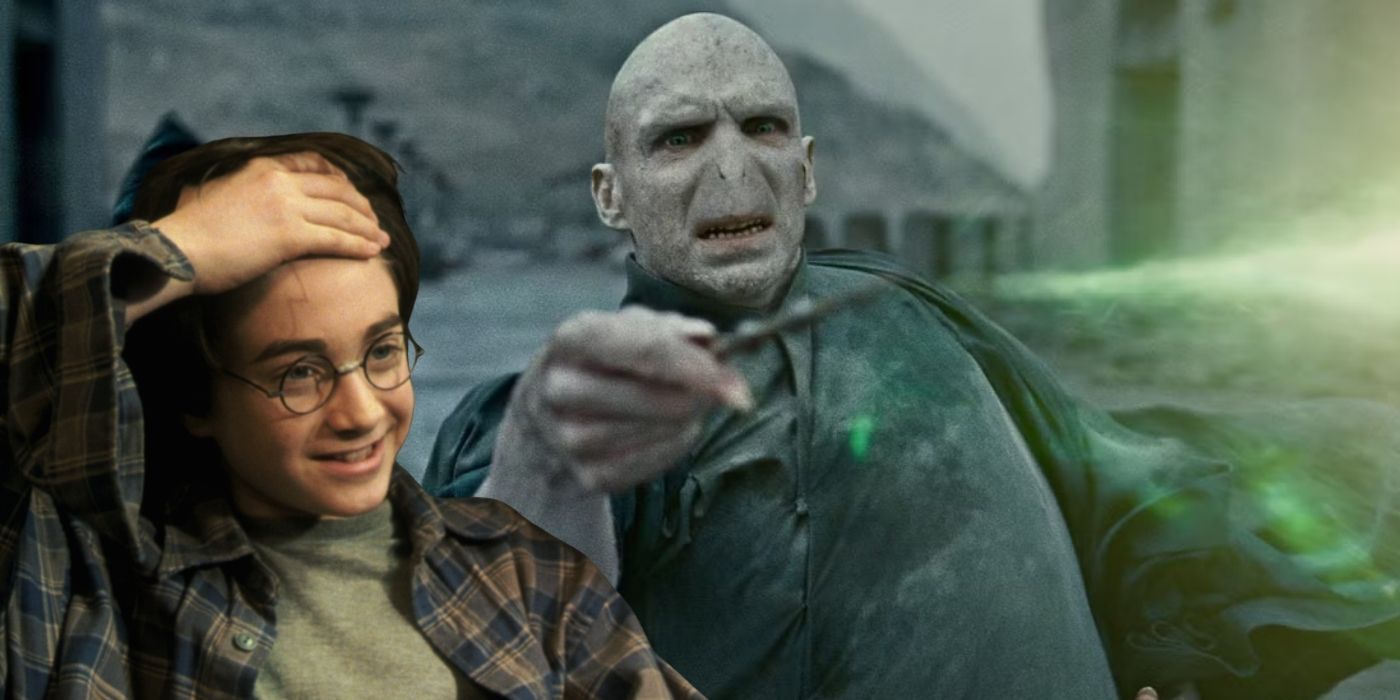
When Harry Potter and the Sorcerer’s Stone came out in 1998, almost no one imagined how incredibly popular the series would become. J.K. Rowling’s story about a young orphan wizard at Hogwarts School of Witchcraft and Wizardry quickly went from a beloved children’s book to a worldwide sensation, changing fantasy stories and pop culture forever. The books led to movies, video games, theme parks, countless products, and captivated a whole generation as Harry, Ron, and Hermione grew up. For many, Harry Potter was their first experience with fantasy, sparking a renewed interest in longer young adult novels.
The incredible popularity of Harry Potter also caused significant debate. Although many people loved the books as creative stories about friendship and fate, others disagreed. In several U.S. locations, Harry Potter and the Sorcerer’s Stone was banned or removed from schools and libraries because some parents thought it encouraged witchcraft and the occult in children.
Why, When, and Where Harry Potter and The Sorcerer’s Stone Was Banned
A lot of the criticism surrounding Harry Potter and the Sorcerer’s Stone focused on its depiction of magic. Unlike traditional portrayals of magic as evil, the book presented it as thrilling, positive, and simply not good or bad. Critics worried that Hogwarts made witchcraft seem normal to young readers by showing spells and magical creatures in a fun, school environment. Characters who practiced witchcraft, like Hermione Granger and Professor McGonagall, were presented as heroes, which some religious groups considered spiritually risky. Specifically, conservative Christians in the late 1990s and early 2000s felt the book confused fantasy and reality, potentially making witchcraft seem attractive or harmless to children.
Aside from worries about witchcraft, people also criticized the somewhat dark elements in Harry Potter and the Sorcerer’s Stone. Although the first book is generally lighter in tone than later installments, it still features scary moments involving Voldemort, dangerous creatures, a haunted forest, and the tragic death of Harry’s parents. Some parents believed this content was too intense for younger readers, who were primarily middle schoolers. Others disliked Harry’s frequent disobedience and the way some adult characters were shown as flawed or untrustworthy. Characters like Snape, Quirrell, and even Dumbledore weren’t always clearly good, which was unusual for children’s books at the time. This, along with the book’s magical imagery, led to repeated efforts to ban it from schools in the early 2000s.
Controversies surrounding the Harry Potter series have played out in schools and libraries, particularly in the South and Midwest. In 2001, parents in Michigan’s Zeeland Public Schools protested Sorcerer’s Stone, claiming it encouraged disobedience and featured Satanic elements, leading the district to limit student access. Similar debates occurred in North Carolina and Arkansas around the same time. A notable case arose in Cedarville, Arkansas, in 2002, when the school board required parental permission for students to borrow Harry Potter books. However, a federal judge overturned this rule in 2003, citing a violation of students’ First Amendment rights. More recently, in 2019, a Catholic school in Nashville, Tennessee, removed the series from its library after a pastor expressed concerns that the books contained real curses and spells capable of summoning evil spirits.
Harry Potter and The Sorcerer’s Stone Wasn’t the Only Controversial Book
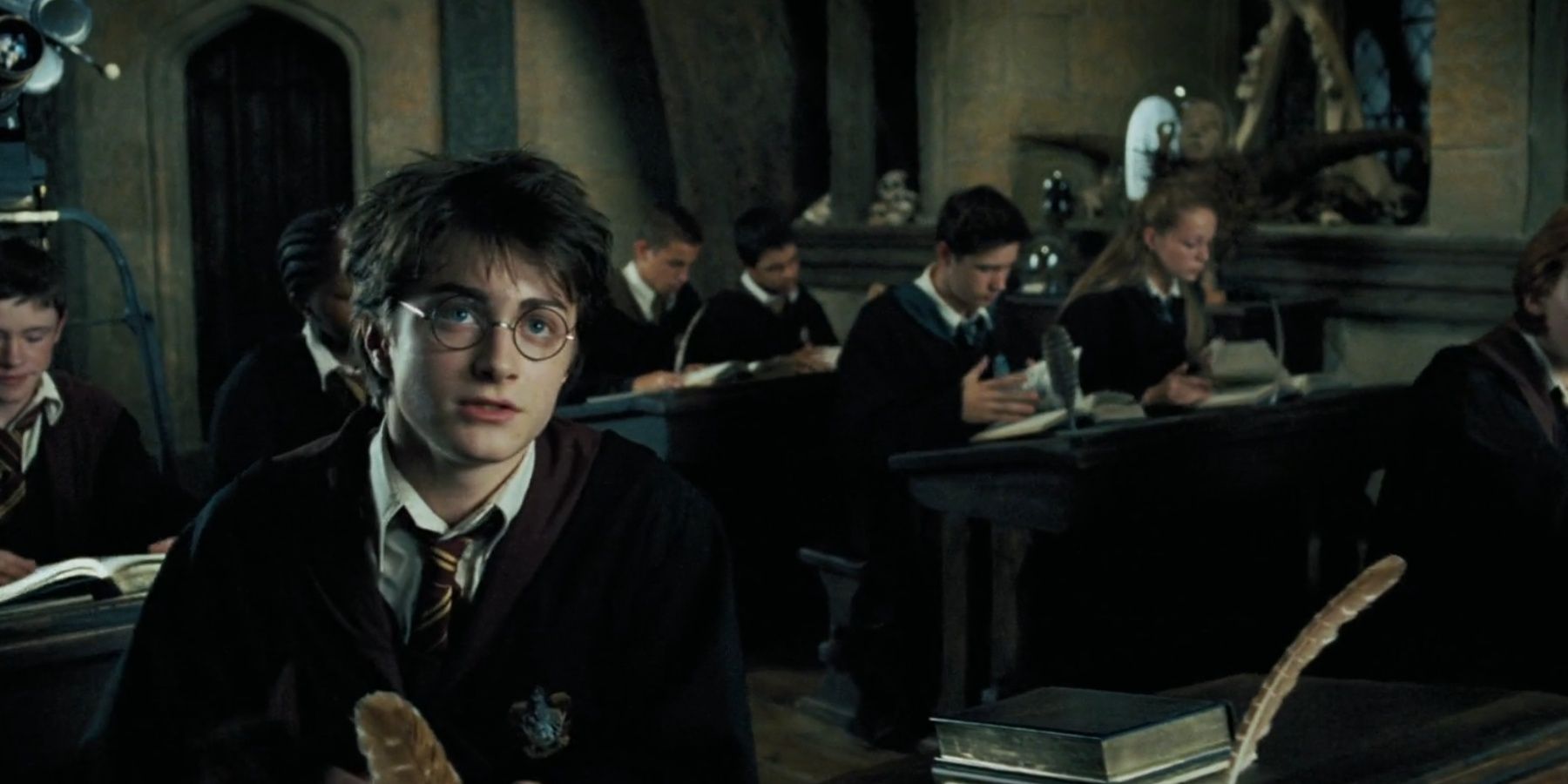

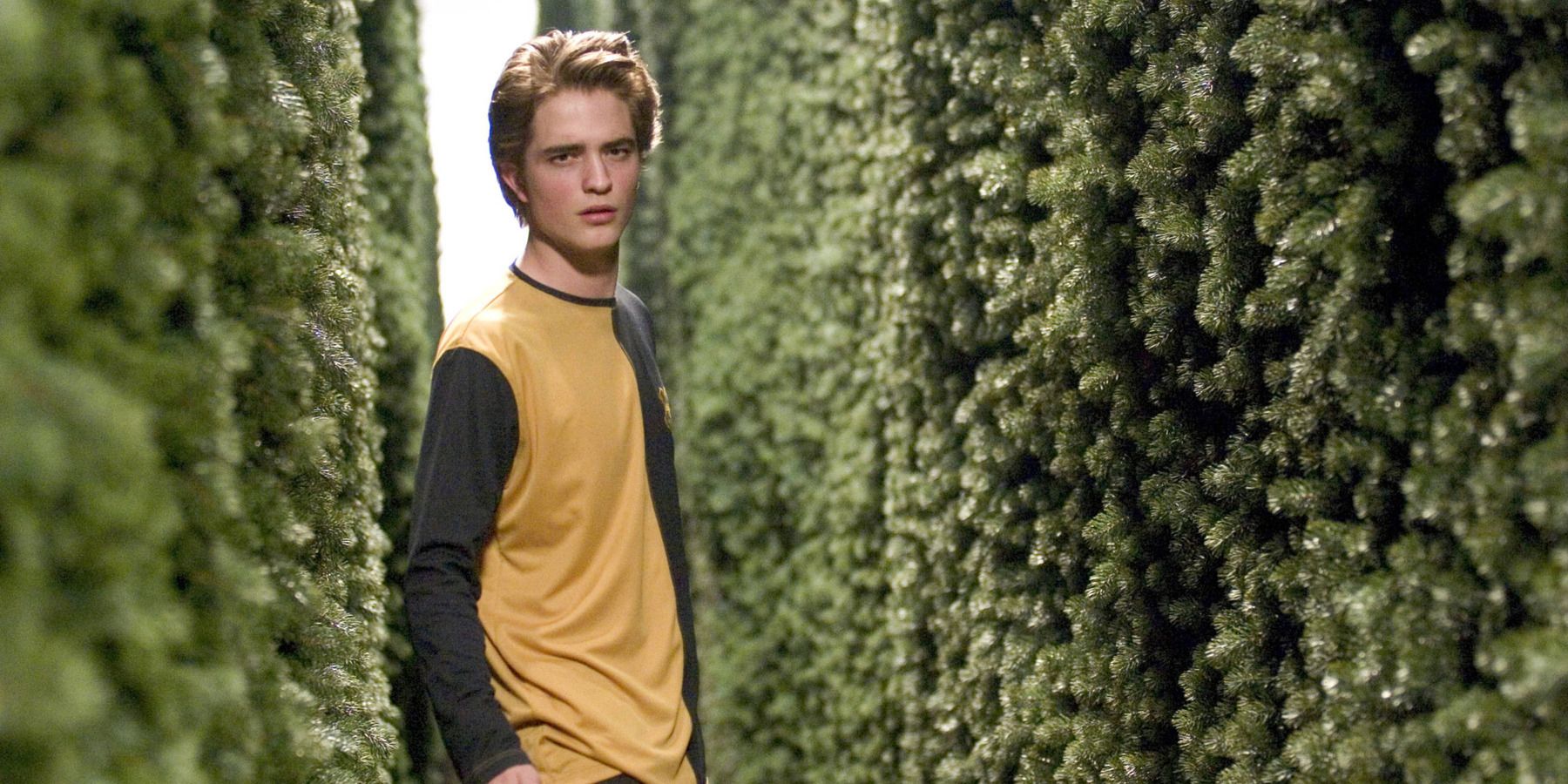
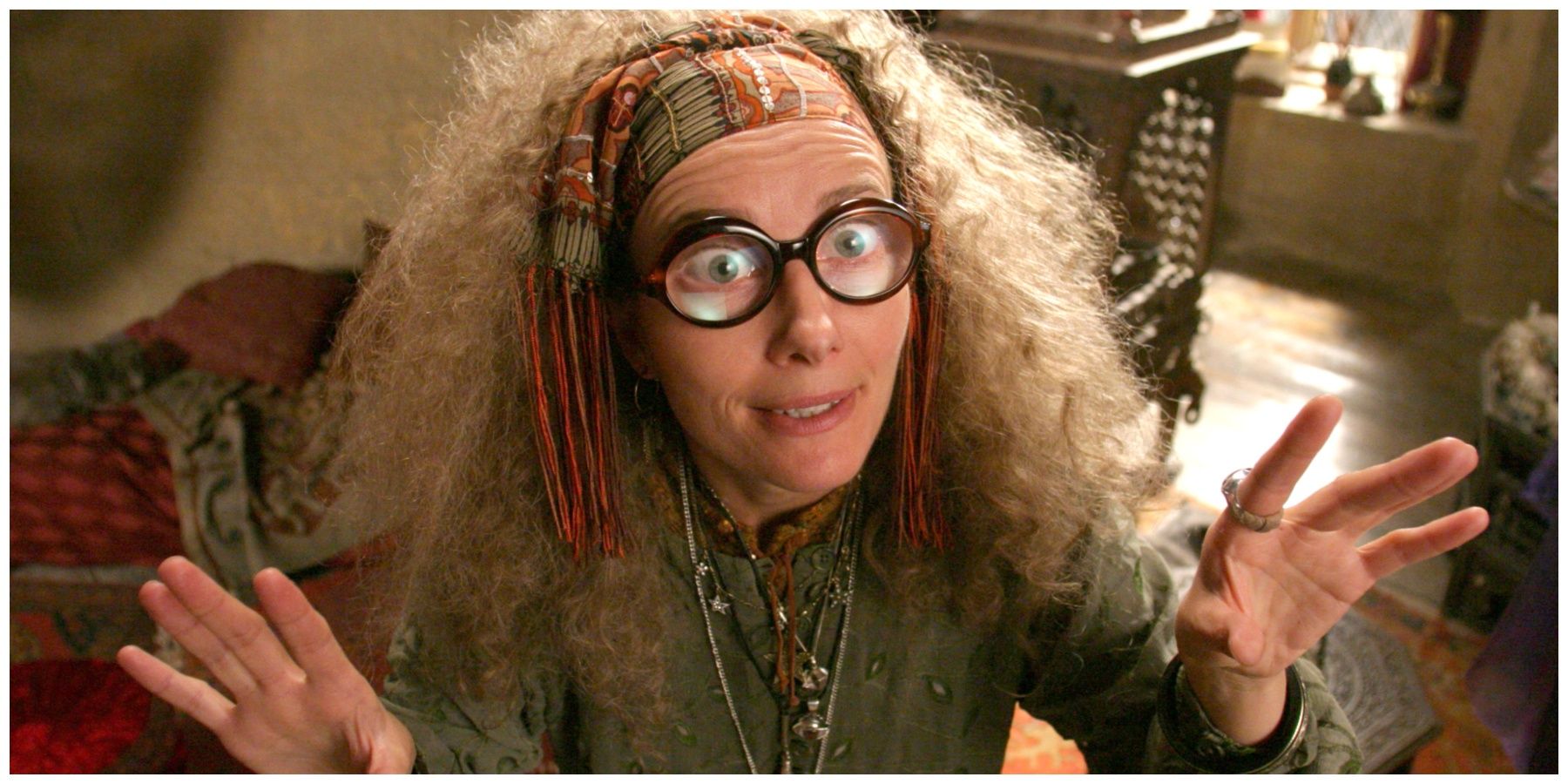
While Harry Potter and the Sorcerer’s Stone faced some pushback, it wasn’t the only book in the series to spark controversy. As the Harry Potter novels became more complex and dealt with heavier themes, they increasingly divided critics. The Goblet of Fire and Order of the Phoenix were often challenged in schools and libraries due to their portrayal of death, corruption, rebellion, and violence. Throughout the 2000s, the American Library Association frequently included Harry Potter books on its list of most challenged books, with common objections centering on perceived occult themes, anti-family ideas, or content deemed unsuitable for younger readers. Some schools even tried to ban the entire series, not just specific books.
Although the books faced some challenges and attempts to remove them from shelves, most bans were short-lived and only affected specific areas. Courts, librarians, and teachers usually supported keeping the books accessible, emphasizing their clear status as fantasy stories. Many also highlighted that Harry Potter motivated children to read longer books, which was important at a time when educators were concerned about declining reading habits. Interestingly, the controversy surrounding the books often made more people interested in them, and attempts to censor them actually generated publicity and increased sales. By the mid-2000s, Harry Potter had become so popular that it was increasingly difficult to ban the books except in very limited cases.
Harry Potter Faced Controversy in Other Countries
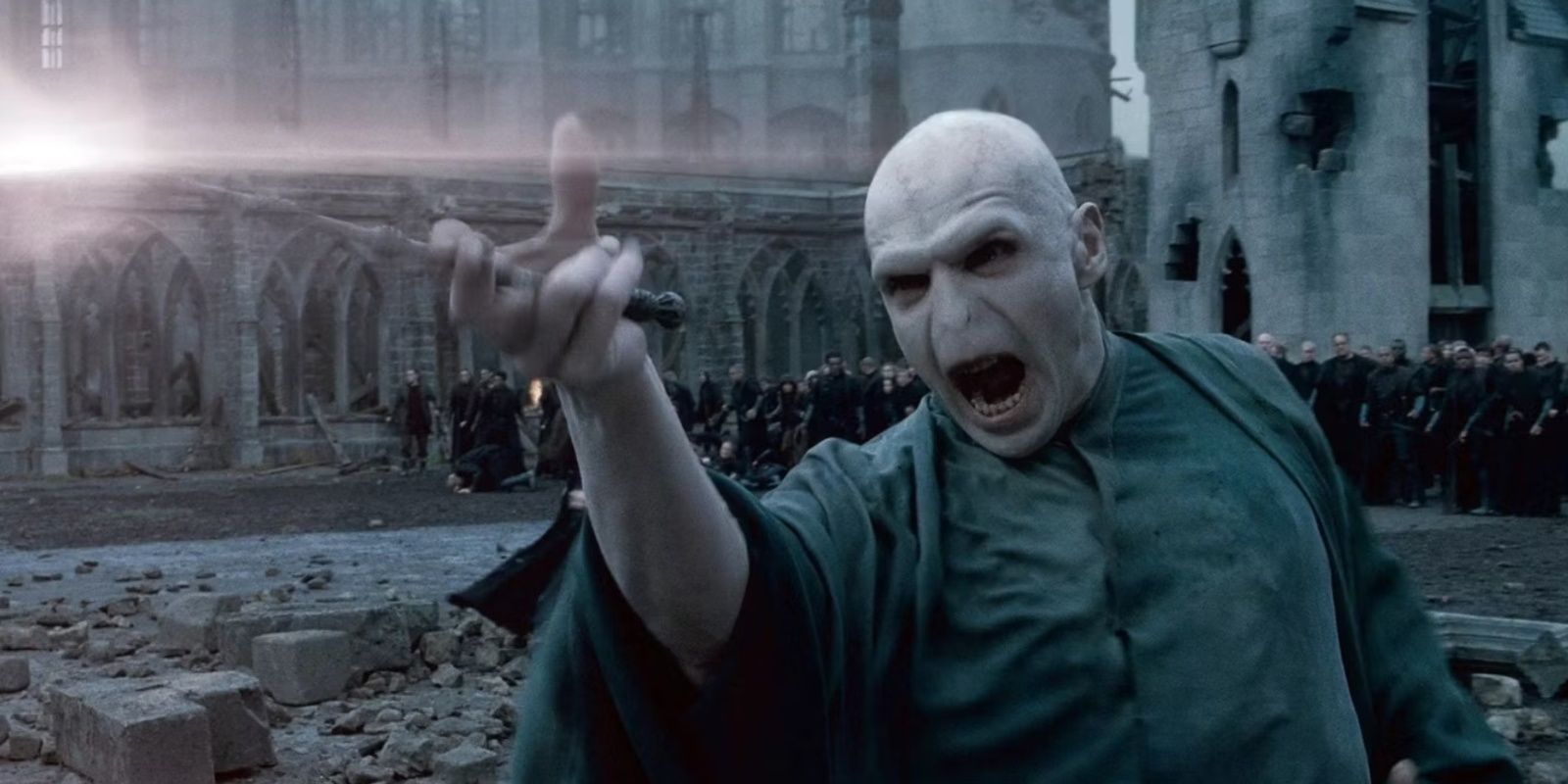
In 2001, concerns about the Harry Potter books led to temporary restrictions in some Queensland, Australia schools, with some considering the content too violent or dangerous for children. Similar challenges arose in Ontario, Canada that same year, focused on the books’ depiction of witchcraft and the occult. A year later, the United Arab Emirates banned the first book, Harry Potter and the Sorcerer’s Stone, from private schools nationwide. Officials believed the book’s magical themes clashed with Islamic teachings, specifically regarding witchcraft, wizardry, and supernatural abilities.
I remember when some people tried to get the Harry Potter books removed from schools and libraries, but it wasn’t a total ban – you could still buy them anywhere. Thankfully, most of those restrictions didn’t last. As Harry Potter became huge, those attempts to ban the books just fizzled out. In fact, by the mid-2000s, trying to stop people from reading them actually made the books more popular – it was amazing to see!
Today’s Opinion on Harry Potter is Vastly Different
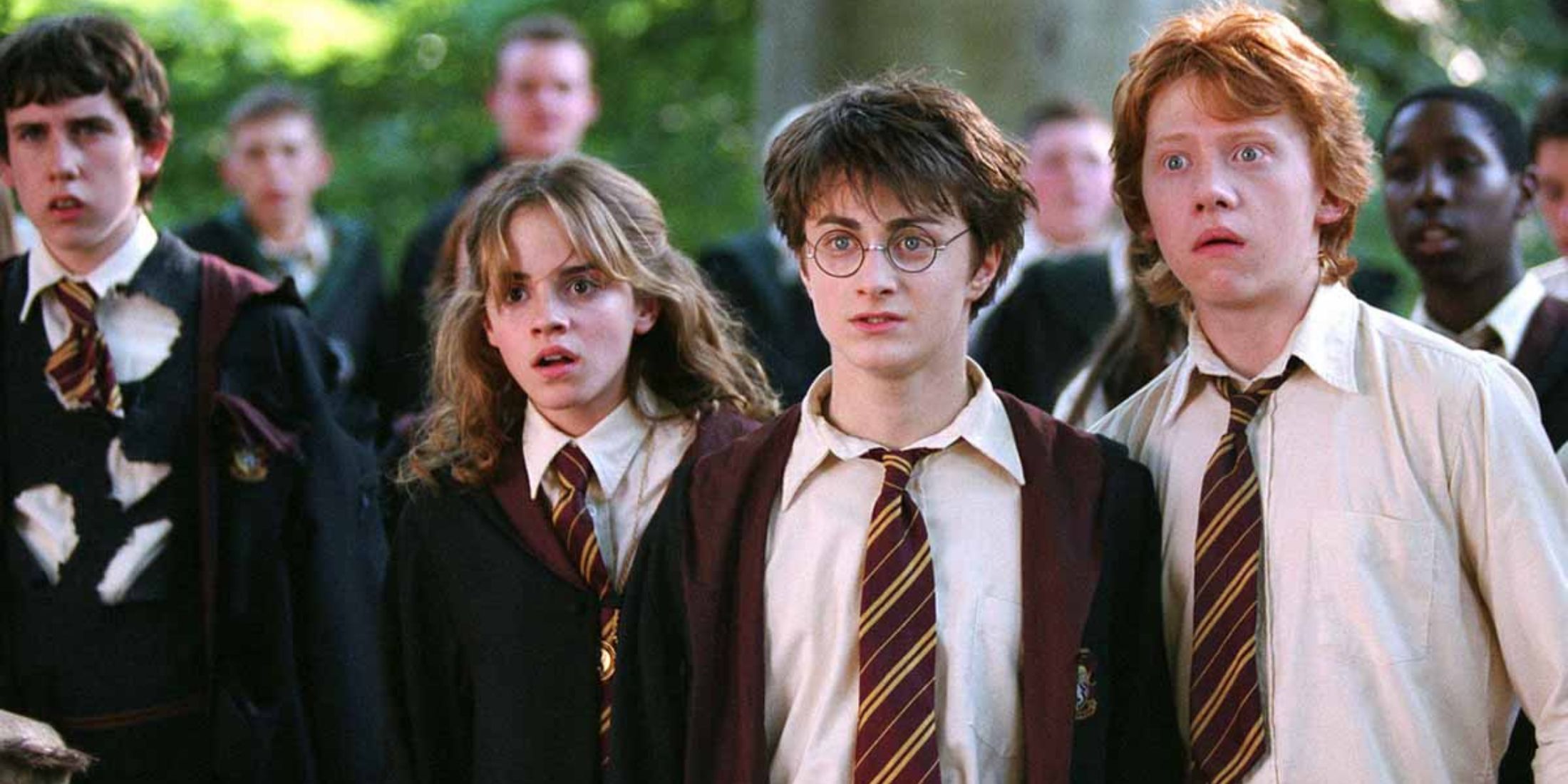
The way people view Harry Potter today is much different than it was when the books first became popular. Back then, there was a lot of concern and even fear surrounding the series, but now, criticisms usually focus on things like inconsistencies in the plot, outdated stereotypes, questionable choices in character names, and the controversial statements made by J.K. Rowling about transgender rights. Even with these issues, Harry Potter is still one of the most important and well-known fantasy series ever written.
The world of Harry Potter continues to be incredibly popular and influential. From a new TV series in development with HBO to ongoing expansions into video games, theme parks, and merchandise, it’s clear there’s still a huge demand for the franchise.
Read More
- Forza Horizon 6: Find the Ohtani Treasure Chest Location
- LEGO Batman Legacy of the Dark Knight Batcave Minikits & WayneTech Caches
- NTE Drift Guide (& Best Car Mods for Drifting)
- Diablo 4 Best Loot Filter Codes
- Cookie Run Kingdom Timeline of Fate Update Guide
- USD CNY PREDICTION
- PS Plus Monthly Games for June 2026 Wish List
- USD RUB PREDICTION
- GBP CNY PREDICTION
- CNY RUB PREDICTION
2026-05-28 15:07