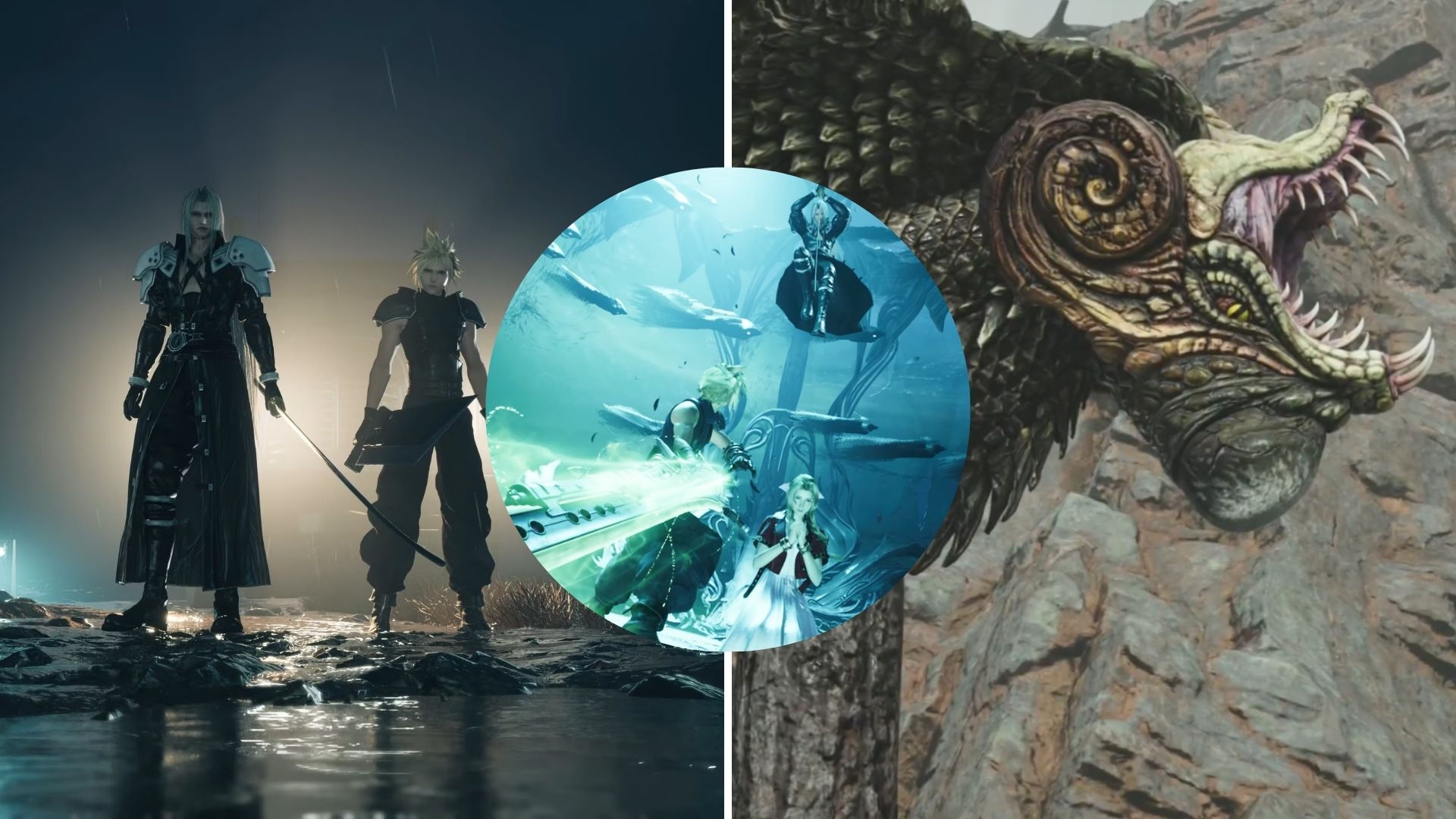
The original Final Fantasy VII is a hugely popular and influential game. It’s inspired countless game developers to rethink storytelling, and it’s known for its iconic characters with spiky hair and elaborate belts who are tasked with saving the world.
Final Fantasy VII Rebirth came out two years ago and successfully recaptures the spirit of the original game, but with significant story and visual updates. This makes even well-known locations feel fresh and new, providing a unique experience for longtime fans.
Final Fantasy VII Rebirth isn’t just a retelling of the original; it builds upon it with richer storytelling and expanded areas. The improvements to minigames are welcome, but the biggest impact comes from how the game fleshes out the world and characters, arguably even surpassing the original Final Fantasy VII in terms of depth and personality.
Final Fantasy VII Rebirth offers 10 moments that significantly depart from the original game, offering a fresh experience for players.
10. Visiting Gongaga
“Me? Gongaga”
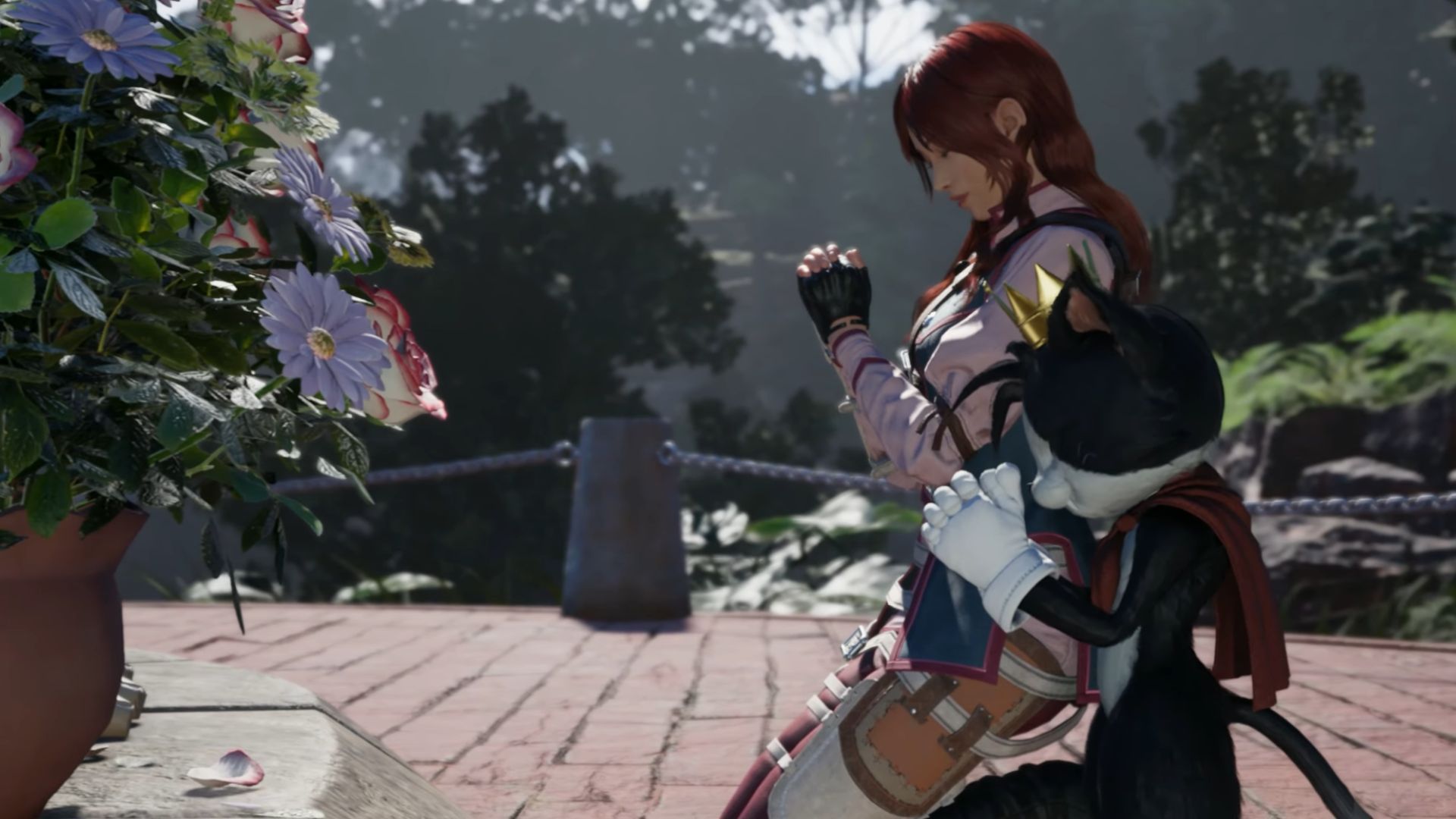
Gongaga, previously a minor area in the original game, has become a key location in Final Fantasy 7 Rebirth. It’s where important scenes unfold, revealing the connection between Sephiroth and Aerith, as well as the Ancients, and it also features a fun side activity: collecting chickens.
The update also brought back Cissnei, a character from the previous game, Final Fantasy 7: Crisis Core, and revealed what happened to her after those events, giving fans a satisfying conclusion to her story.
In the first game, Gongaga was a side area where players could find powerful materia and see a brief scene with the Turks, but it wasn’t essential to the main story. The remake, Rebirth, changes this by making Gongaga a key location for exploring Aerith’s relationship with Zack. It also expands on the area, turning the old Mako Reactor ruins into a major, detailed location and a significant part of the story.
Even though controlling the Chocobo can be annoying, this addition is great and really enhances the story of Final Fantasy 7, making it feel essential.
9. The Nibelheim Flashback
A Reimagining of Gaming’s Most Iconic Scenes
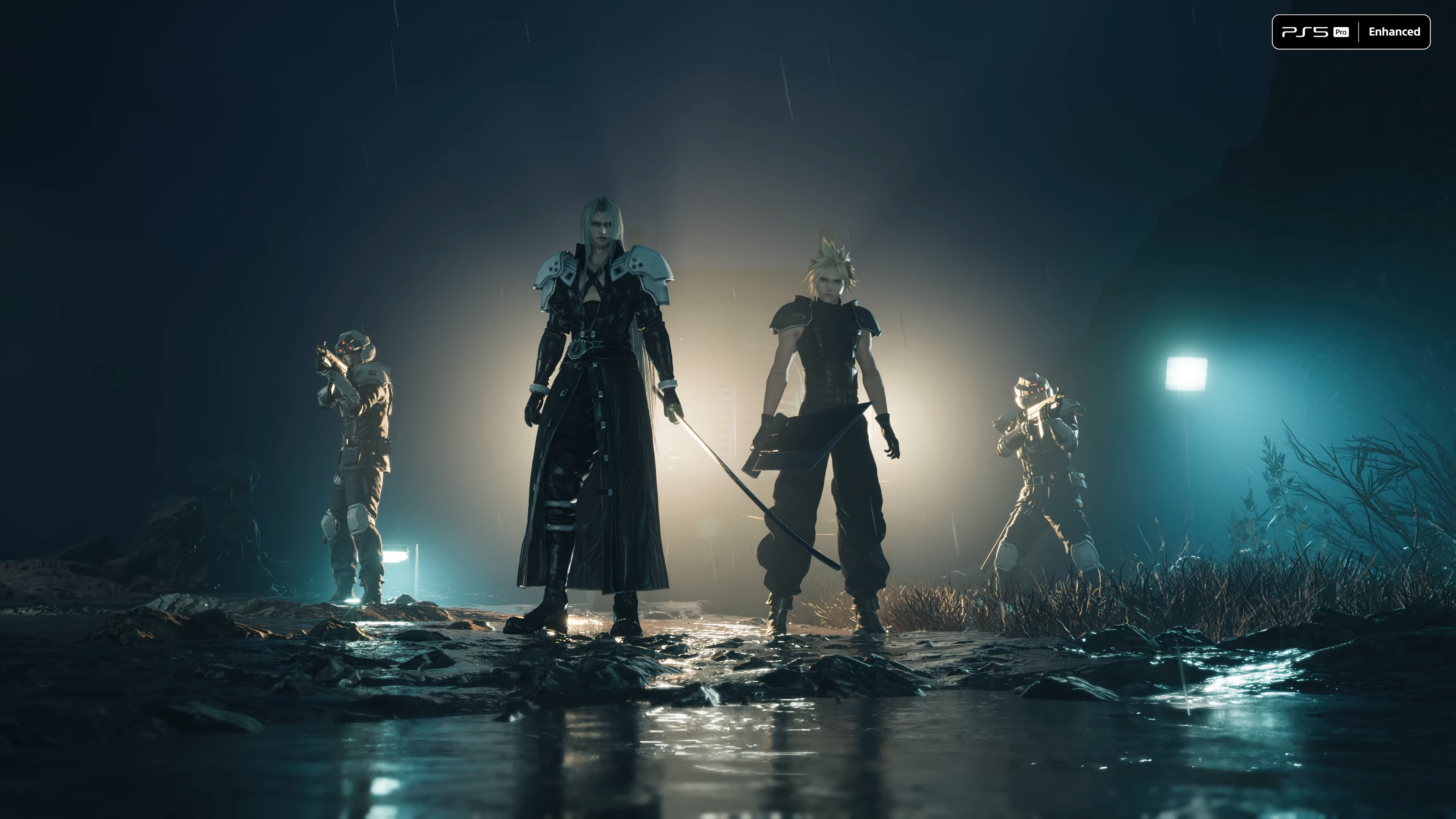
The Nibelheim flashback in Final Fantasy VII is a truly unforgettable scene in gaming. It’s where Cloud tells the story of how Sephiroth went insane and destroyed his and Tifa’s hometown, a pivotal moment in the game’s narrative.
Final Fantasy VII Rebirth begins with a surprising flashback, presenting a cheerful Cloud and a playfully sarcastic Sephiroth. Both characters are unusually kind and concerned for others, even showing compassion for the Shinra soldiers and townspeople they encounter. This creates an interesting contrast, as Sephiroth is clearly much more powerful than Cloud at this point, hinting that the story isn’t what it seems and that Cloud’s memories may be unreliable.
Honestly, what really struck me about Rebirth compared to the original Final Fantasy VII is how much more alive Nibelheim feels. In the original game, there was always this heavy, unsettling feeling hanging over everything. But in Rebirth? It’s way more lighthearted! Cloud’s a lot more cheerful, and my party members are constantly chiming in, asking questions and reacting to what’s happening. Even meeting Tifa’s master, Zangan, had some genuinely funny moments – it wasn’t all doom and gloom like I remembered!
Spending time with the townspeople and discovering the world around them makes Sephiroth’s defeat much more impactful. It also makes Shinra’s control over the area feel even more disturbing.
8. Staying at the Golden Saucer
A Theme Park Worth Visiting
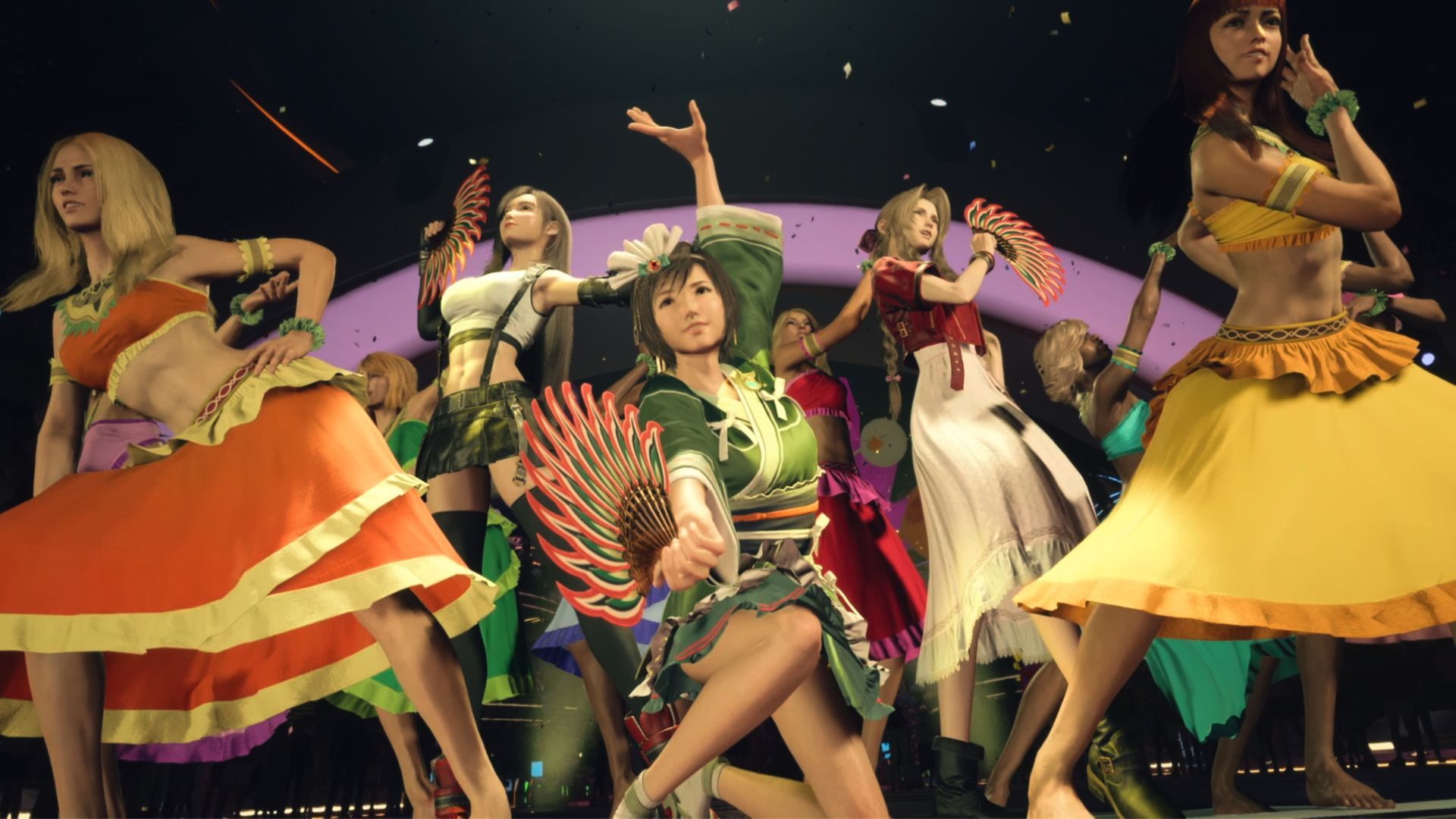
The Golden Saucer is a memorable location in the original Final Fantasy 7, known for introducing the mysterious Cait Sith and offering a variety of addictive minigames. Final Fantasy VII Rebirth beautifully recreates this place, making it even more impressive and visually stunning than before.
Places like the Chocobo Races, Musclehead Colosseum, and Haunted Mansion feel much more fleshed out and complete this time around. However, things still don’t quite go as planned when you visit the Golden Saucer. The remake shows a more detailed and intense sequence of Dyne’s killings there. It also quickly establishes Barret’s innocence, which was left unclear in the original game, lessening the mystery surrounding the murders.
During your second visit, you’ll have a more developed first date, depending on which character you’re closest to. Many players usually date Aerith, and while that was true in the original game, the Remake makes it easier to build that connection without having to start a new game. However, this date doesn’t go as planned – it’s interrupted by a long and difficult fight with Shinra soldiers after Cait Sith’s betrayal, and this conflict is much more prominent than it was in the original game.
7. Corel Prison & Facing Off Against Dyne
Giving Dyne & Barret’s Encounter A Heart-Wrenching Finale
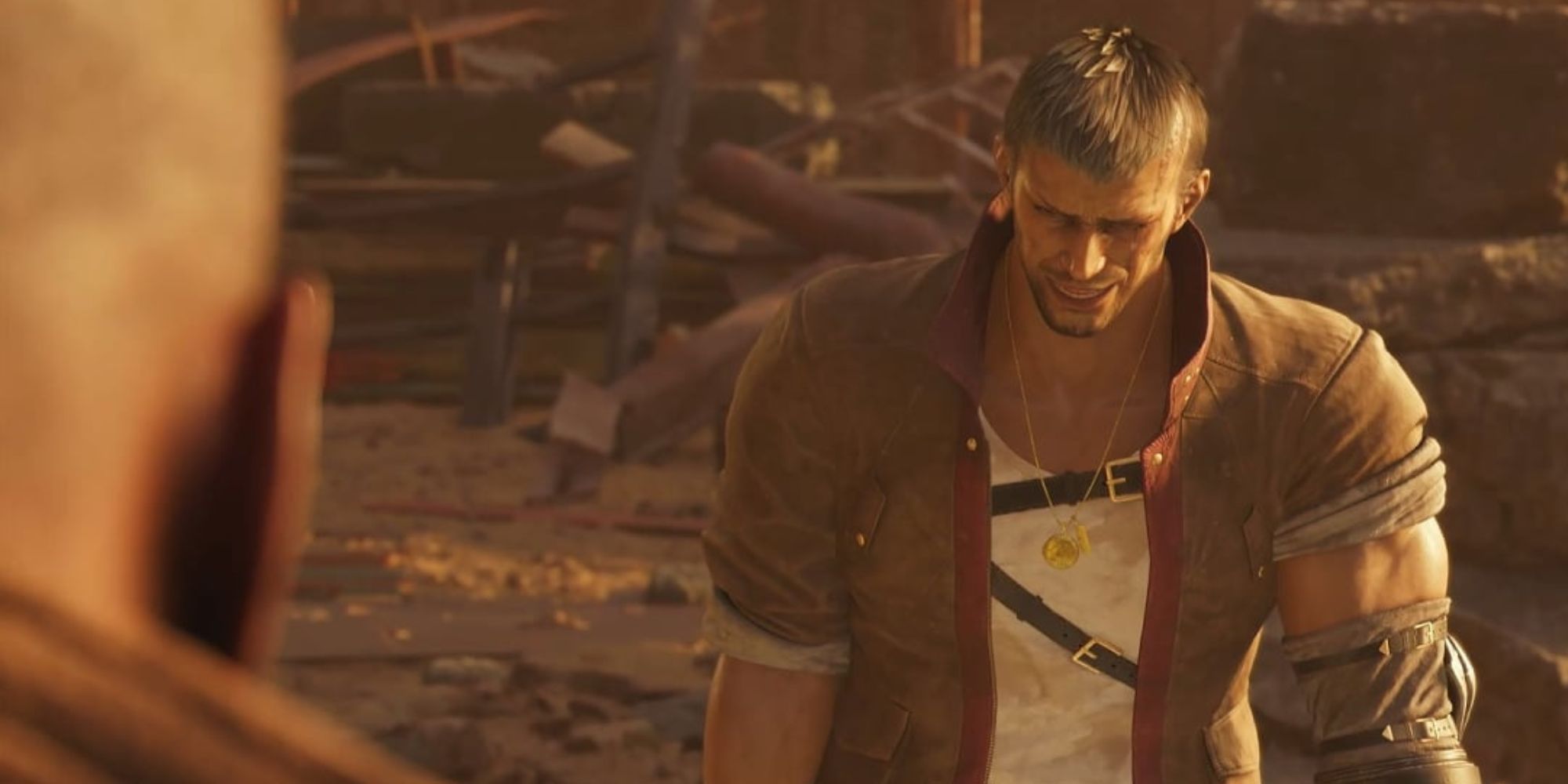
Corel Prison is a rundown town built under the Golden Saucer, plagued by poverty and a creepy resident named Solemn Gus. When a murder occurs and Barret is wrongly accused, the party has just one day to find the true killer before Shinra turns them in.
The original game showed how the Golden Saucer’s fun and excitement masked a dark side: the suffering of those living nearby. While the Remake still acknowledges the hardship, it also shows a sense of community forming among the people there. We also see a lot more of the questionable character, Solemn Gus, throughout the story.
Rebirth offers a much more hopeful portrayal of Dyne compared to the original game. He’s given a chance to redeem himself by sacrificing himself to save his friends from Shinra, and importantly, he discovers his daughter Marlene is still alive. This provides him with a far more satisfying and uplifting ending than the tragic fate he suffered previously.
This chapter significantly expands on the world and characters, making it one of the most emotionally powerful parts of the game. It powerfully frames Barret’s most vulnerable moment in Final Fantasy VII.
6. The Holiday Getaway of Costa Del Sol
A Resort Worth Exploring
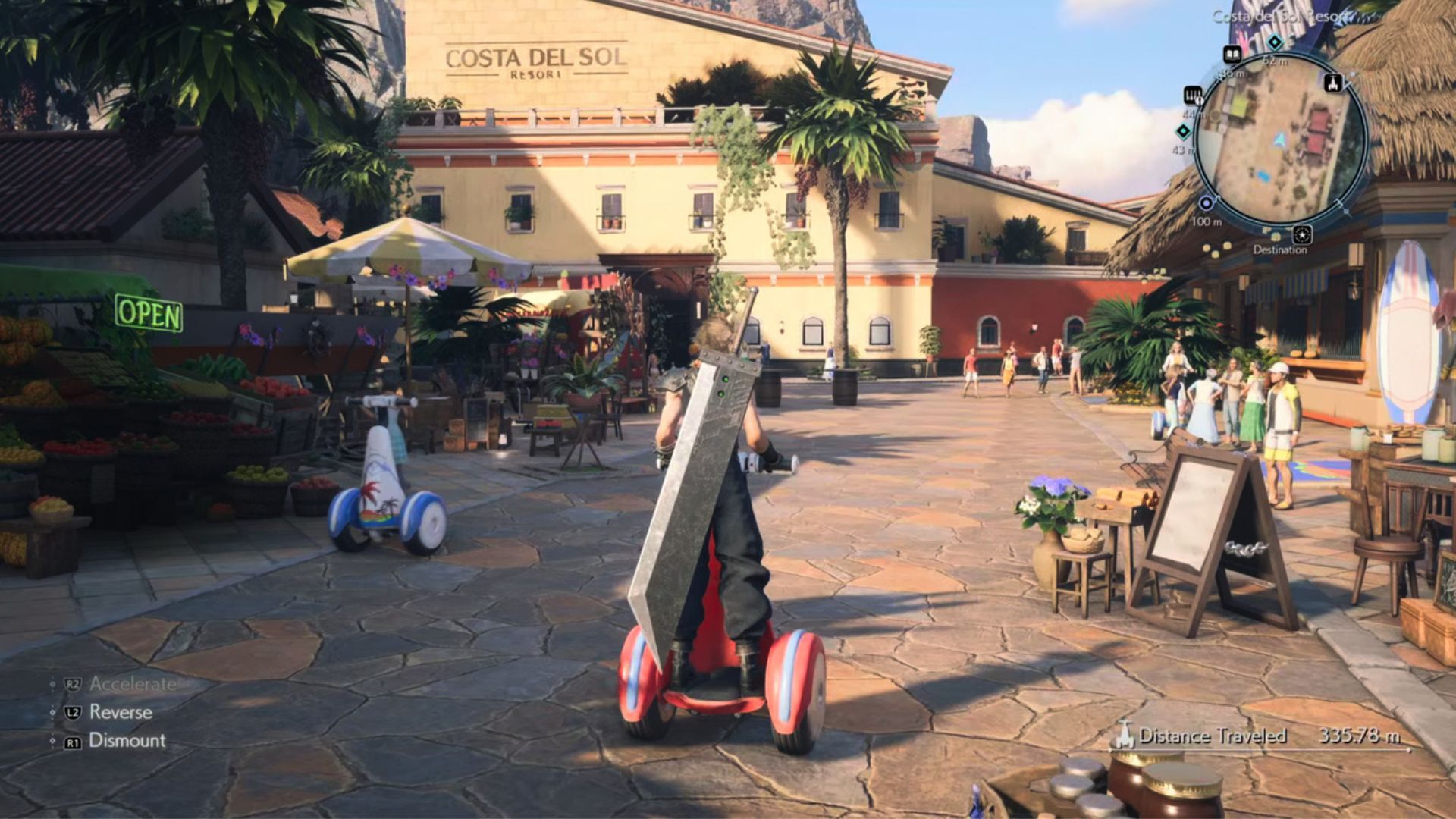
Costa Del Sol in the original Final Fantasy VII feels like a brief pause in the story. It doesn’t contribute much to the plot and mainly serves as a connecting area after the events in Junon.
In Rebirth, you’ll have opportunities to relax and enjoy the scenery, play fun minigames with your friends, and help Johnny develop his hotel into a special destination. The game also adds an exciting boss battle against Hojo and the Shinra forces, giving you a clear reason to explore this area and making it feel like a meaningful part of the story.
This section still serves as a calm moment before the story gets intense again, but it feels well-deserved and naturally strengthens the bond between Cloud and his teammates. Though not all the minigames are great – the one with Red XIII feels like a deliberately bad joke – it’s still an enjoyable break that gives the game a chance to breathe.
5. Cosmo Canyon / The Gi
A Revamp of One of Final Fantasy 7’s Most Mysterious Factions
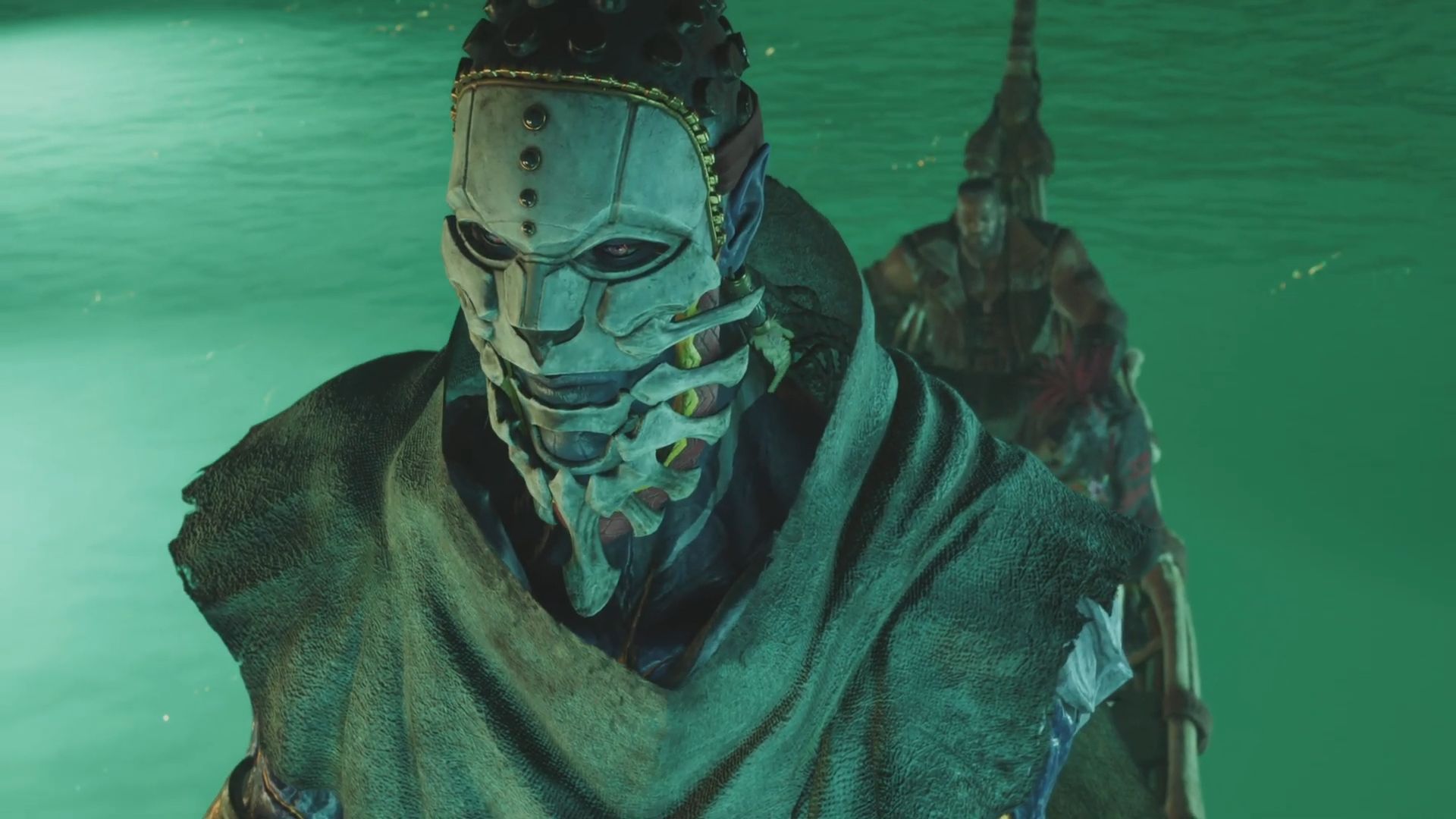
Image Via Square Enix
The Gi are a strange and powerful group with a history of causing trouble for the people of Cosmo Canyon. In the original Final Fantasy VII, they were simply a minor group of ghosts mainly connected to Red XIII’s past. However, Rebirth expands on their story, linking them to the Cetra and revealing them as the original creators of the Black Materia.
The Gi are a group of undead spirits unable to enter the Lifestream because they weren’t created from it. This leaves them trapped in a never-ending, restless existence. Driven by their pain and resentment, they attempted to destroy the planet – and themselves – by corrupting a materia and using it to summon a meteor. Aerith’s ancestors intervened, taking the corrupted materia and hiding it within the Temple of the Ancients, which explains its origins and its link to their people.
This part of the game has been completely reworked to portray the Gi as a genuinely terrifying and otherworldly being, whose escape would bring disaster. I think this is one of the strongest improvements in the remake, as it makes everything feel purposeful and connected to Cloud’s quest to stop Sephiroth.
4. Dolphin Minigame (AKA Junon)
No Annoying CPR Minigame! (Have Fall Guys With Frogs Instead)
I really dislike the Junon section in this game. While the town isn’t very exciting, the fight on the docks against Bottomswell (or Terror of the Deep in the Rebirth version) is followed by having to perform CPR on a child who nearly drowned. Honestly, this CPR minigame is one of the most frustrating parts of any Final Fantasy game for me, right up there with the Chocobo Racing in Final Fantasy X.
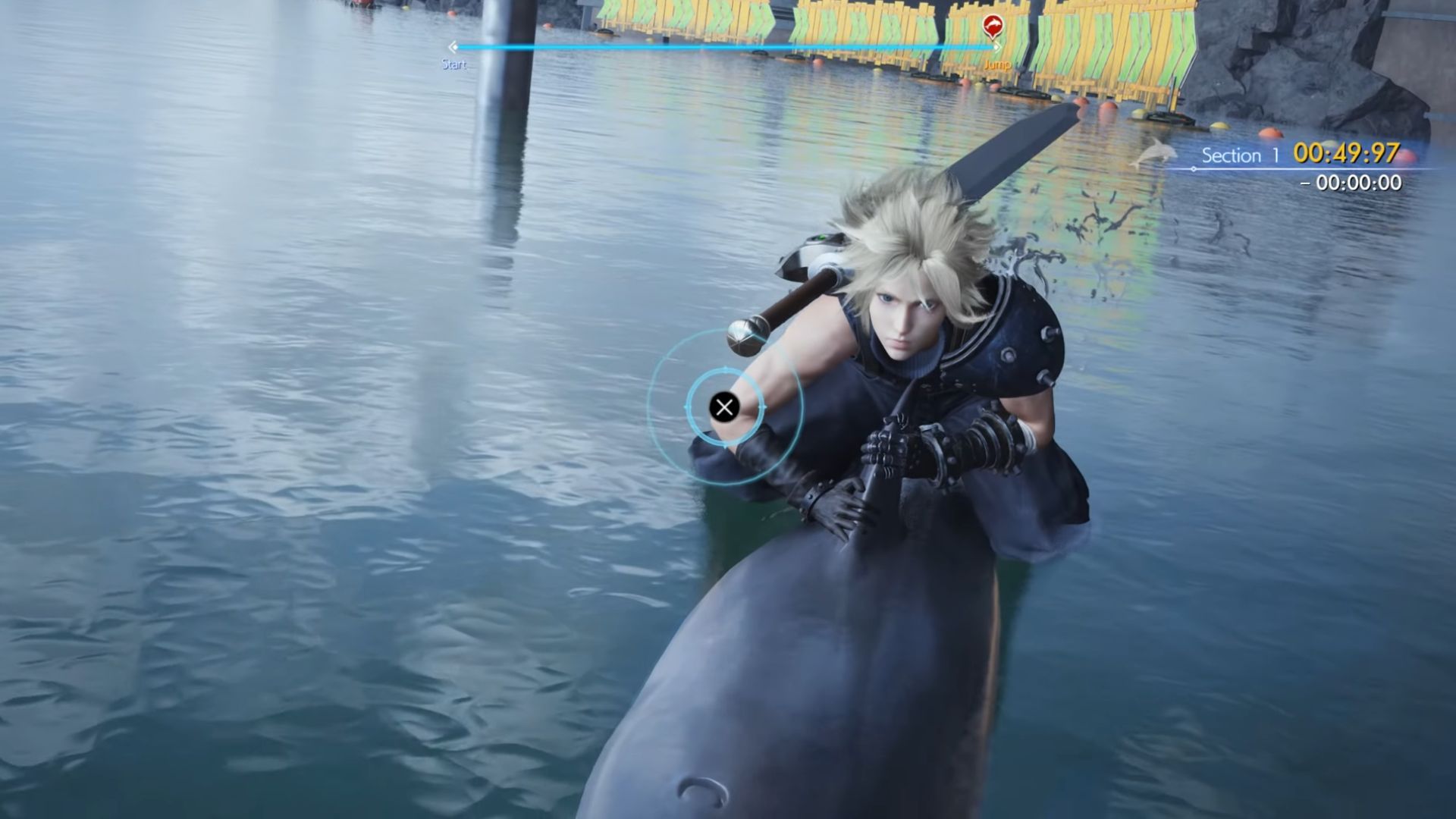
Good news! The developers avoided repeating a frustrating experience from the original game by removing the difficult CPR minigame. They also replaced the tricky dolphin sequence used to reach Upper Junon with a much more fun and straightforward racing game, making it a lot more enjoyable.
However, the Junon area does include a somewhat annoying obstacle course similar to Fall Guys, where you play as a frog trying not to fall off a platform. Luckily, it’s optional—unless you’re aiming for 100% completion or want to deepen your relationship with Tifa. Removing these minigames simply makes Junon a much more enjoyable place to revisit.
3. Tifa and Cloud’s Relationship
Silencing Shipping Wars for Good
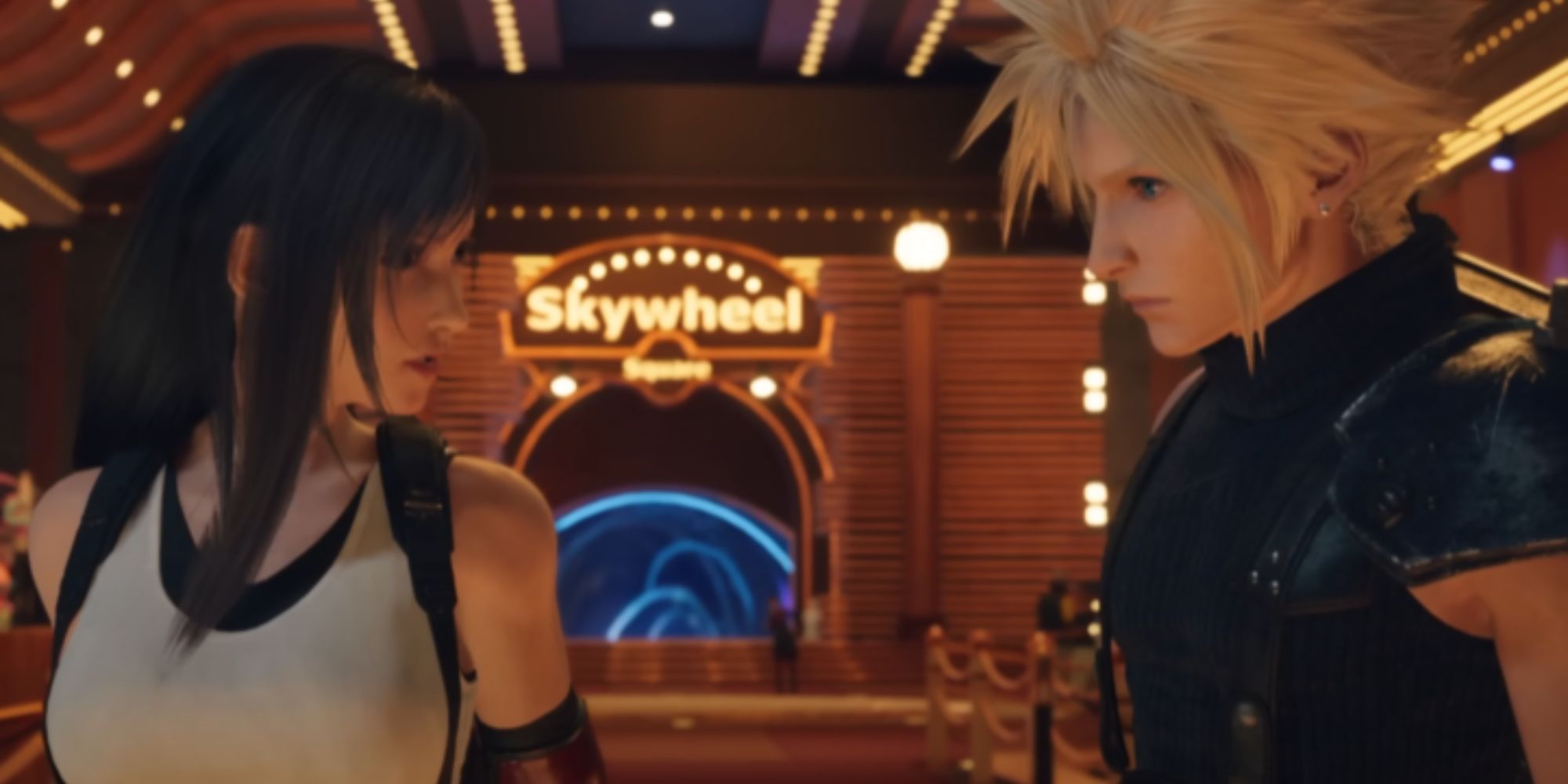
I didn’t used to see Cloud and Tifa as a good couple, but the Rebirth game really changed my mind. In the original game, Tifa seemed too passive around Cloud, making their relationship feel shallow and like she was only interested in him. Plus, the focus on Cloud and Aerith made Tifa seem like she was just caught in the middle and ultimately lost out.
Rebirth does a great job of developing Tifa’s personality, strengthening both her romantic connection with Cloud and her friendship with Aerith. The game skillfully highlights their shared past and introduces some interesting complexities to Tifa’s character, particularly regarding her decision to keep certain details about the Nibelheim incident a secret from Cloud.
Throughout the game, we see that Tifa and Cloud have a difficult relationship. Tifa actively tries to reconnect with him, but Cloud struggles to reciprocate. This makes the effort you put into building their relationship feel especially meaningful and genuine, clearly showing there’s a connection and that both characters want to make things work.
Subscribe to the Newsletter for Deeper Rebirth Insights
It’s great to see Tifa playing a more significant role, which makes the story even more impactful. Her involvement adds emotional weight to scenes where Cloud’s difficult history surfaces, and she’s forced to protect him by keeping painful truths hidden.
2. Fighting the Midgar Zolom
Neutering A Once Terrifying Boss
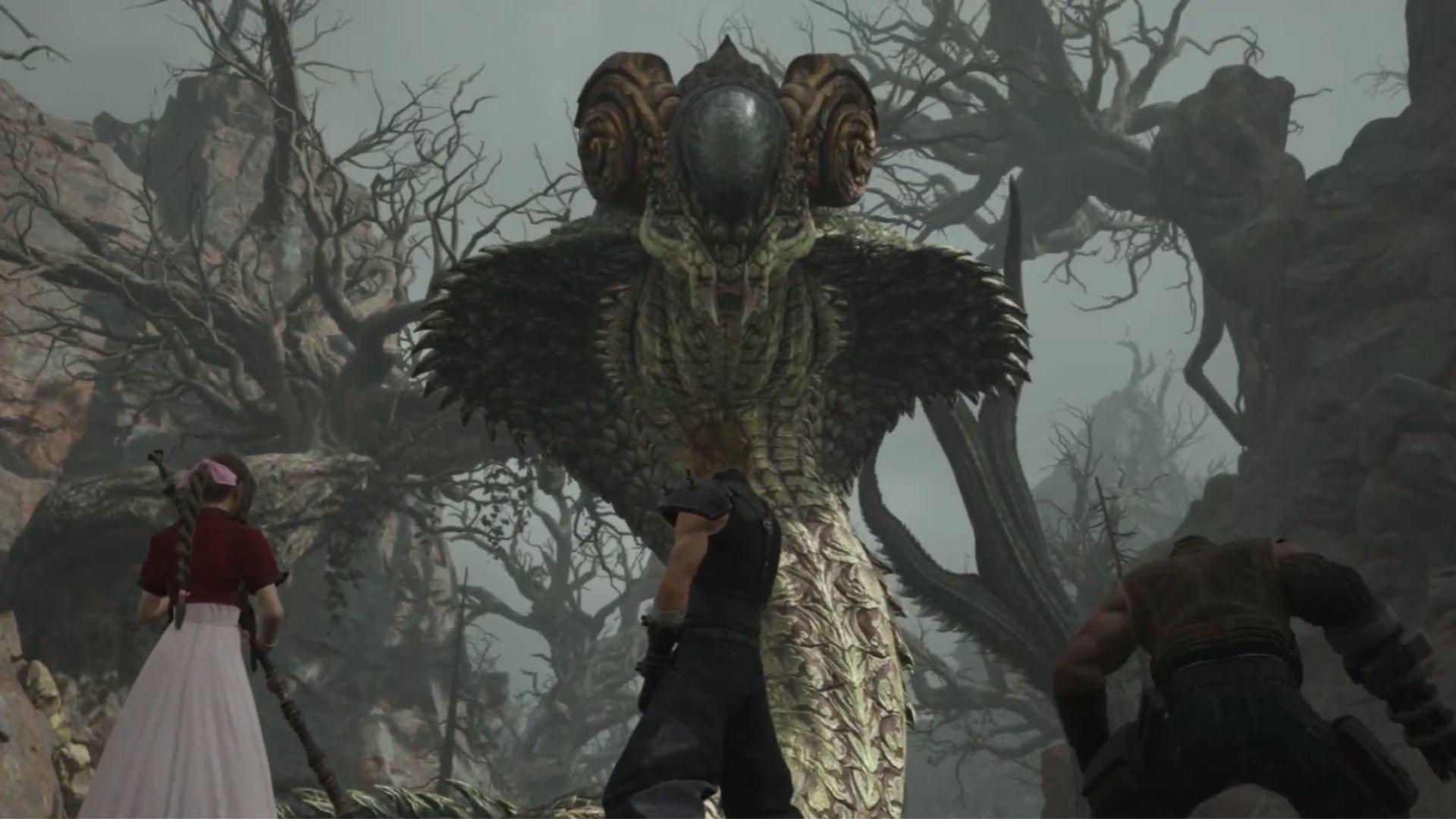
Okay, so the Midgar Zolom – or Midgardsormr, if you wanna get technical – seriously used to freak me out in the original game. It was this huge, scary monster you could avoid if you played smart, which made it super tense. But in the remake? They made it a required boss fight at the end of Chapter 2, and honestly, it just doesn’t have the same impact. It feels a lot less scary when you have to fight it instead of being able to sneak past!
The boss fight in the Rebirth remake can be challenging for players new to the game’s combat, though it’s much easier than it was originally. What’s even more disappointing is what happens after – Sephiroth appears and effortlessly kills the giant snake, sending it flying to impale itself on a tree. Instead of the mystery and awe of discovering the long-dead Midgar Zolom and wondering how Sephiroth defeated it, the game now simply shows you, in a way that feels almost silly, just how easily he handled it.
This boss used to be genuinely frightening, creating intense anxiety even for experienced players. Seeing its shadowy form approach was a memorable and terrifying experience. It’s disappointing that the remake has diminished that fear, seemingly just to make Sephiroth look cooler.
1. Temple of Ancients
A Climactic Finale
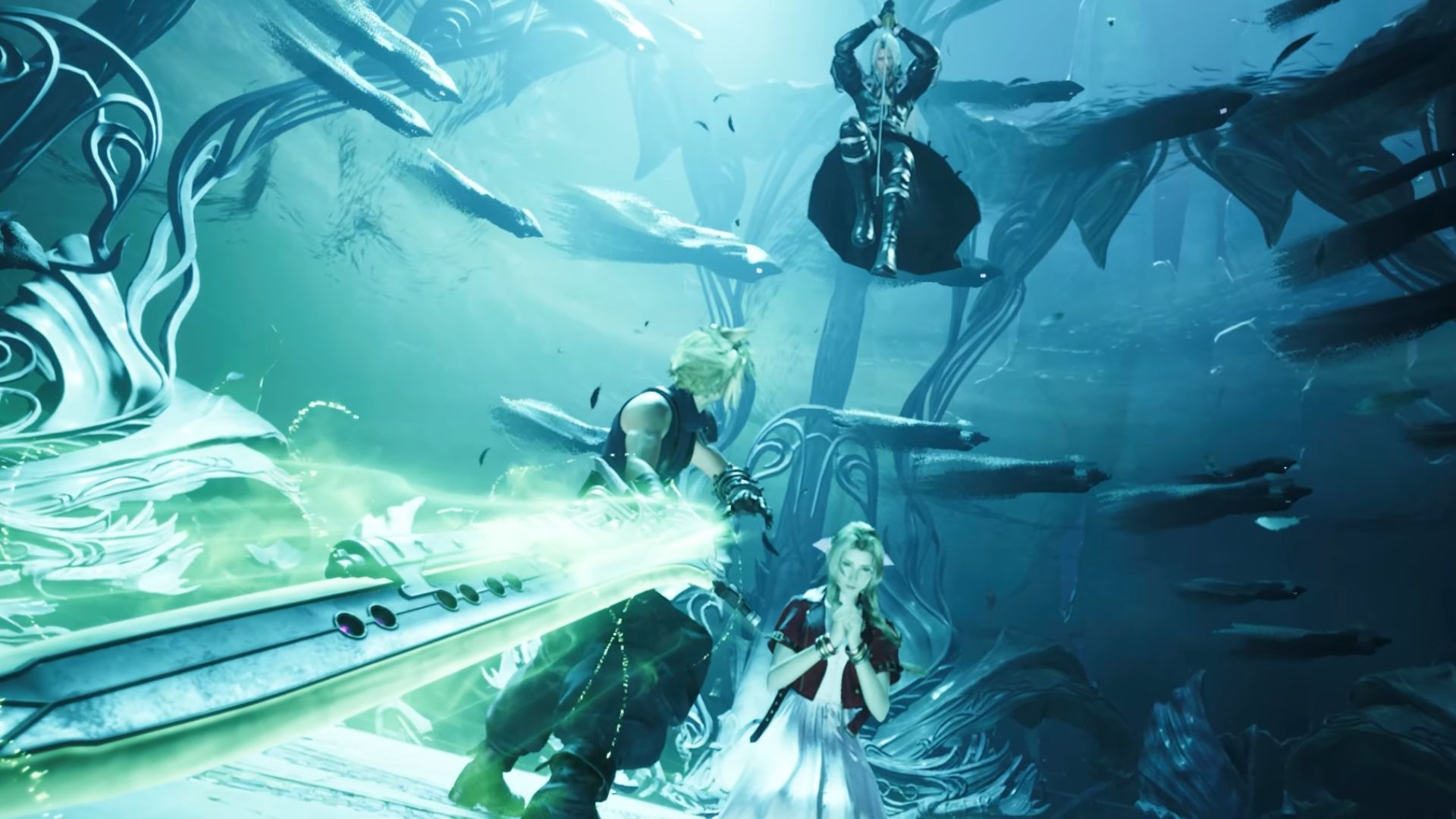
The Temple of the Ancients is significantly different in Final Fantasy VII Rebirth. It’s now the game’s final area and is under attack by Shinra as you attempt to reach the Black Materia at its center.
The Temple has been completely redesigned. It’s no longer a bare, empty area, but a complex, maze-like dungeon with strange, impossible structures. This is a great improvement, as it creates a truly unique and impressive environment that emphasizes the feeling of descending into a nightmare before the final battle with Sephiroth.
So, we finally got the Black Materia, but then Sephiroth messes with Cloud’s head again and makes him try to hand it over! But Aerith snatches it and runs, and honestly, chasing after her was brutal. That whole sequence was seriously heartbreaking, and I just wanted to save her!
Okay, so they totally rebuilt this whole section to be the big finale. It really brings everything together – Aerith’s link to the Lifestream, the different worlds we’ve seen, and it sets up her sacrifice. Plus, this is where Zack’s story finally connects with what’s happening to us. We’re fighting Jenova and Sephiroth in this massive, multi-stage boss battle, and it’s intense! It feels like everything we’ve done has led to this moment.
The story wraps up predictably, but “Rebirth” is still a deeply moving and worthwhile experience.
Read More
- NTE Drift Guide (& Best Car Mods for Drifting)
- All Aswang Evidence & Weaknesses in Phasmophobia
- Diablo 4 Best Loot Filter Codes
- Conduit Crystal Location In Subnautica 2
- Forza Horizon 6: Find the Ohtani Treasure Chest Location
- Where to Find Prescription in Where Winds Meet (Raw Leaf Porridge Quest)
- Boruto: Ikemoto Has Already Hinted At Sasuke’s New Eye After Return
- Best Burst & Full Auto Builds for the M16A4 in BF6
- USD RUB PREDICTION
- Brent Oil Forecast
2026-05-02 17:42