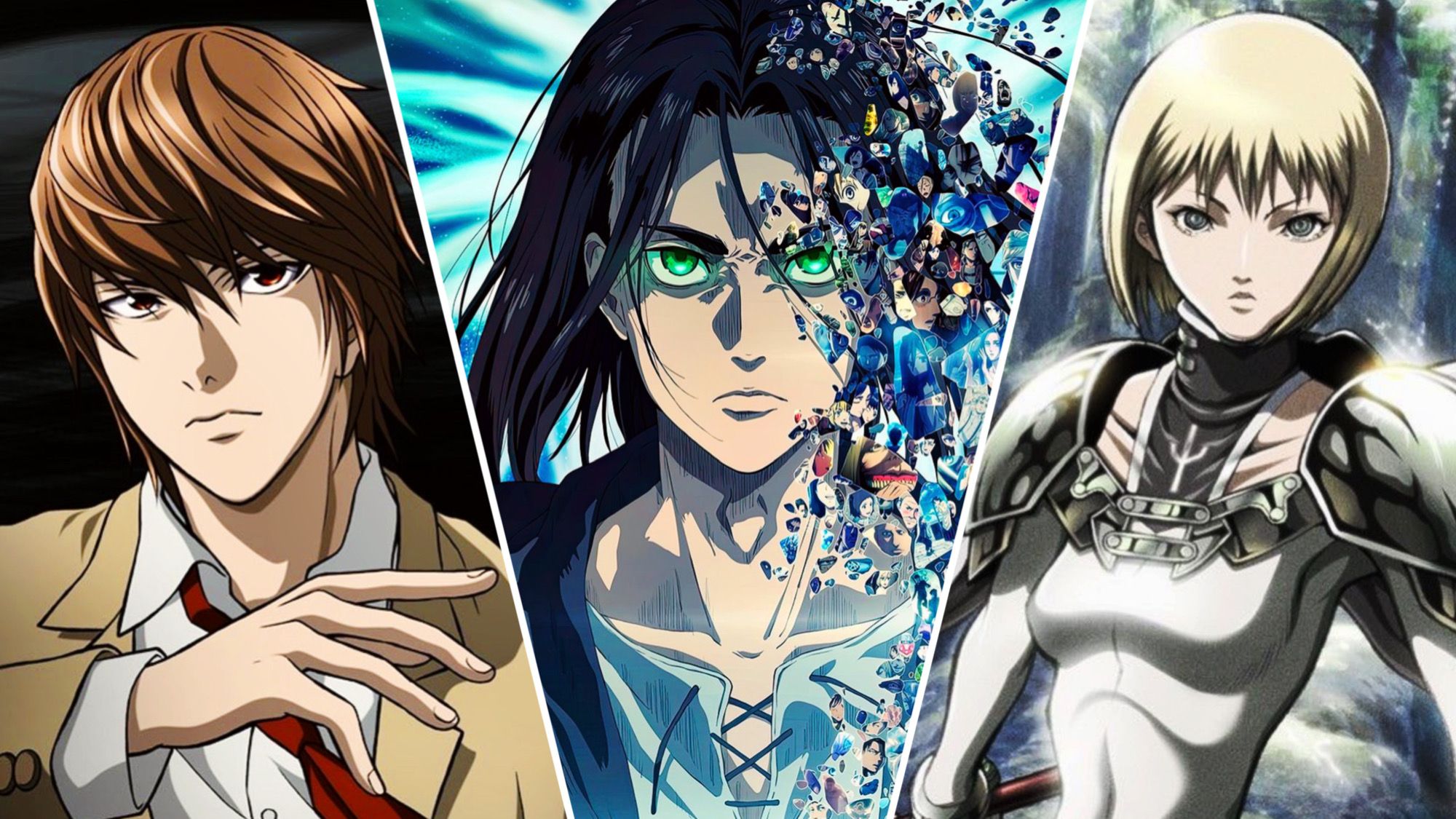
Anime and manga aimed at young boys, known as “shonen,” are incredibly popular. These stories usually include action-packed fights and dramatic storylines. However, modern shonen series have become more complex, leading many people to mistakenly believe they’re actually “seinen,” which is aimed at young men. Some fans assume any anime with a serious tone is automatically seinen, but that’s not true. The distinction between shonen and seinen actually comes down to which magazine the manga was originally published in. Surprisingly, many popular shonen series are often confused as being seinen.
Attack on Titan
- Creator: Hajime Isayama
- Magazine Serialized In: Bessatsu Shonen Magazine
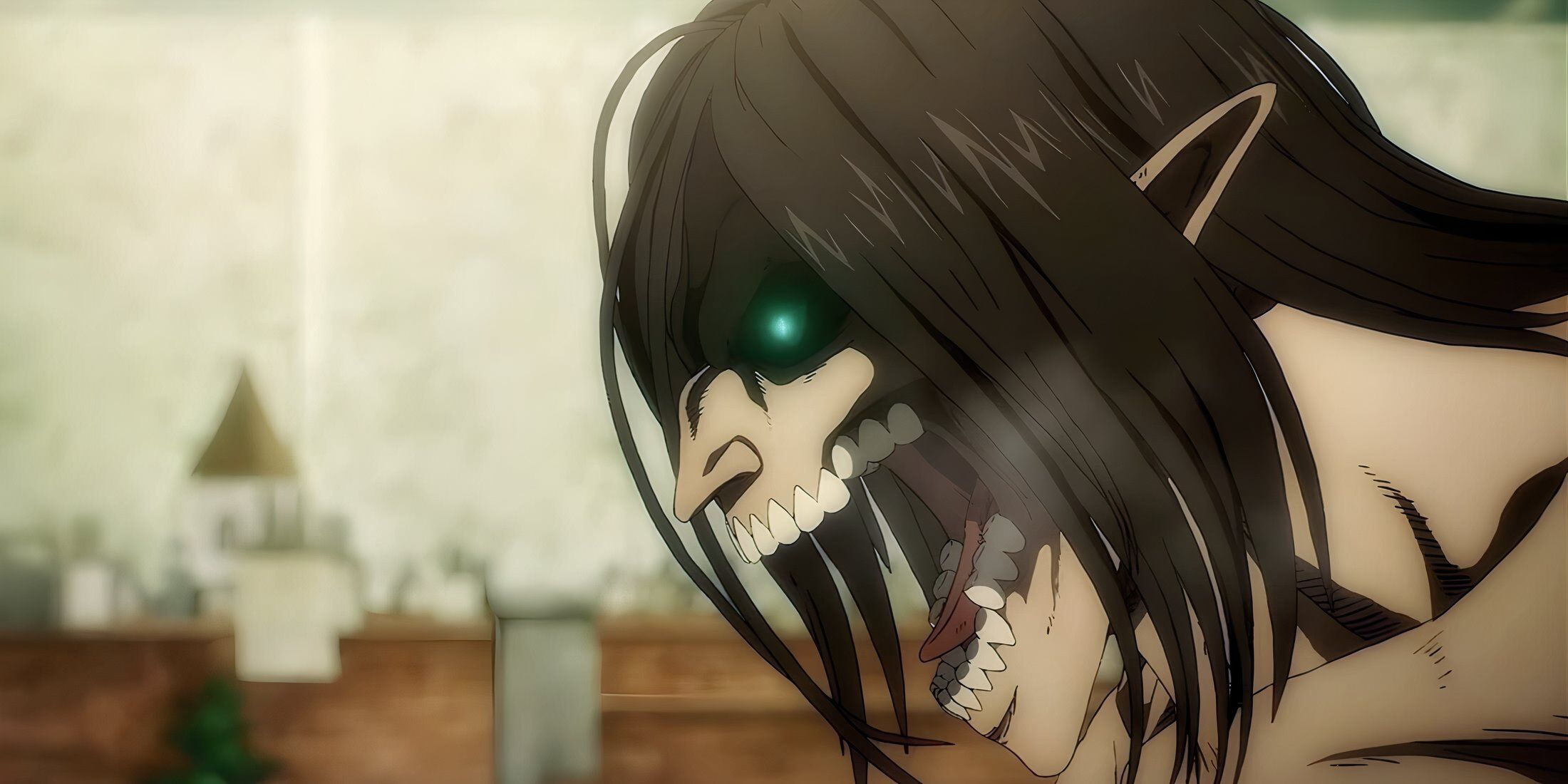
A popular series that many people mistakenly think is seinen is Attack on Titan. A lot of fans believe it falls into that category, likely because of its mature themes and violent content. The series is known for being quite graphic, with scenes of humans being eaten by Titans – creator Hajime Isayama doesn’t hold back on showing these brutal moments.
Hajime Isayama, the creator of Attack on Titan, isn’t afraid to kill off major characters in shocking ways. The series also delves into complex political themes more often than typical action manga aimed at younger audiences. The storyline, particularly starting with the Marley arc, felt more mature and geared towards an older readership. However, despite the story’s content, Attack on Titan is officially considered a ‘shonen’ manga because it was published in Bessatsu Shōnen Magazine, a magazine known for that genre.
The Promised Neverland
- Creator: Kaiu Shirai and Posuka Demizu
- Magazine Serialized In: Weekly Shonen Jump
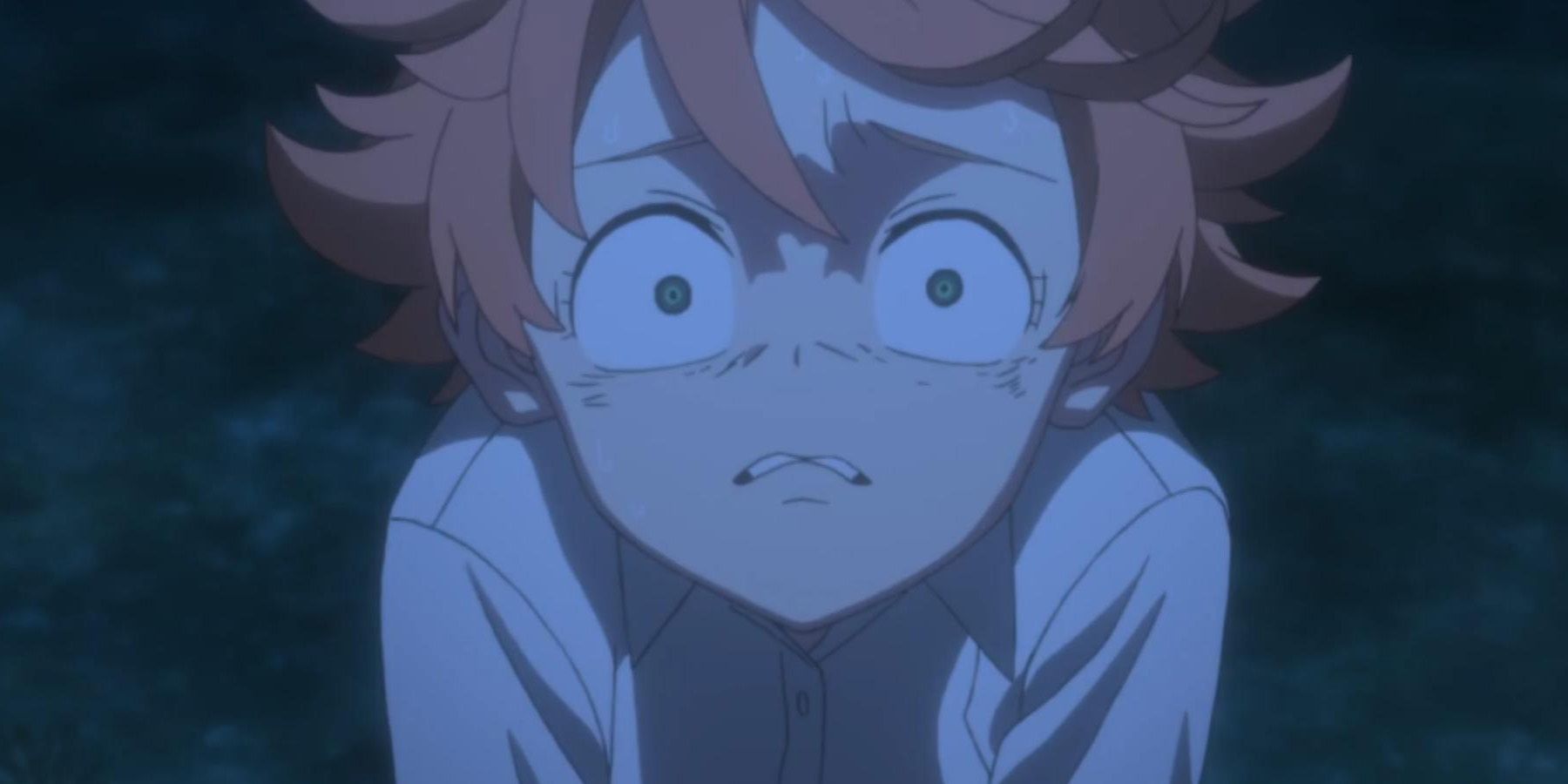
I remember when The Promised Neverland first came out – it really took people by surprise. A lot of fans debated whether it should be categorized as a ‘shonen’ series, arguing it felt more like a ‘seinen’ due to its dark themes. It all boils down to just how intense the story gets. From the very beginning, it was shocking to learn the children at the orphanage weren’t being raised for normal lives, but were actually being grown as food for demons.
The story begins like a scary thriller, focusing on children desperately trying to escape a terrifying fate – being turned into food. Despite its dark and violent themes, it still fits within the shonen genre. The Promised Neverland originally appeared in Weekly Shonen Jump and is considered one of the magazine’s most memorable series.
Claymore
- Creator: Norihiro Yagi
- Magazine Serialized In: Monthly Shōnen Jump, Jump Square
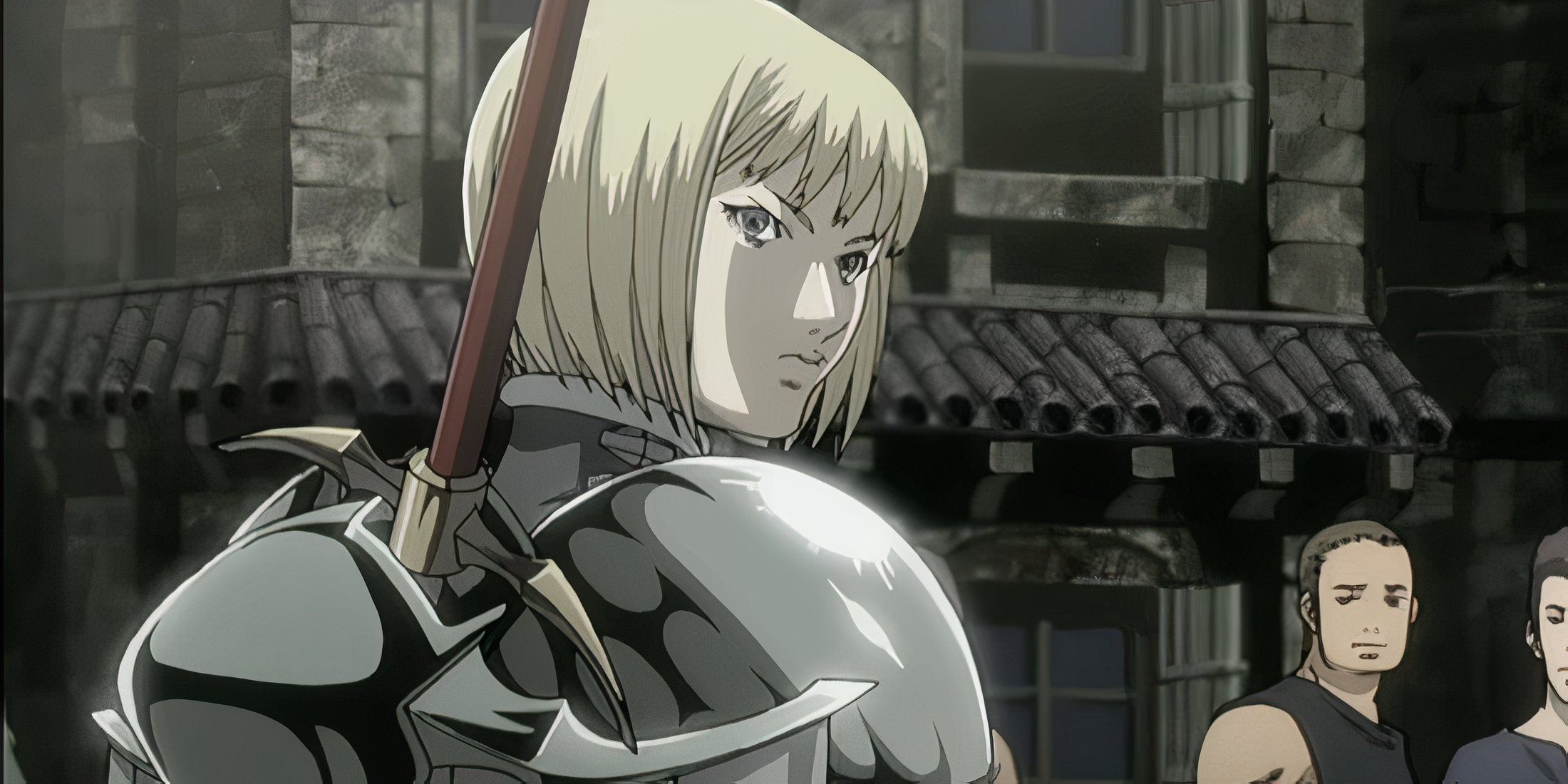
I absolutely adore Claymore, it’s a fantastic series from the 2000s! People often bring up Berserk when talking about it, and it totally makes sense. They’re both really similar in a lot of ways, though they’re aimed at slightly different audiences. Actually, that’s why some fans playfully call Claymore ‘the Shonen Berserk’ – it’s got that same dark, action-packed feel, but with a bit more of a shonen energy!
Most fans don’t realize Claymore is actually a shonen series. Like many shonen stories that seem more mature, this is due to the dark themes and violent content of the original story. Claymore centers on Clare, a warrior who is half-human and half-monster, and her battles against creatures that devour and mimic humans. The fights are often brutal and graphic, giving the series a mature feel. However, it was originally published in two magazines geared towards young male audiences: Monthly Shōnen Jump and Jump Square.
Who’s That Character?  Identify the silhouettes before time runs out.
Results
High Score: 0 —
Death Note
- Creator: Tsugumi Ohba and Takeshi Obata
- Magazine Serialized In: Weekly Shonen Jump
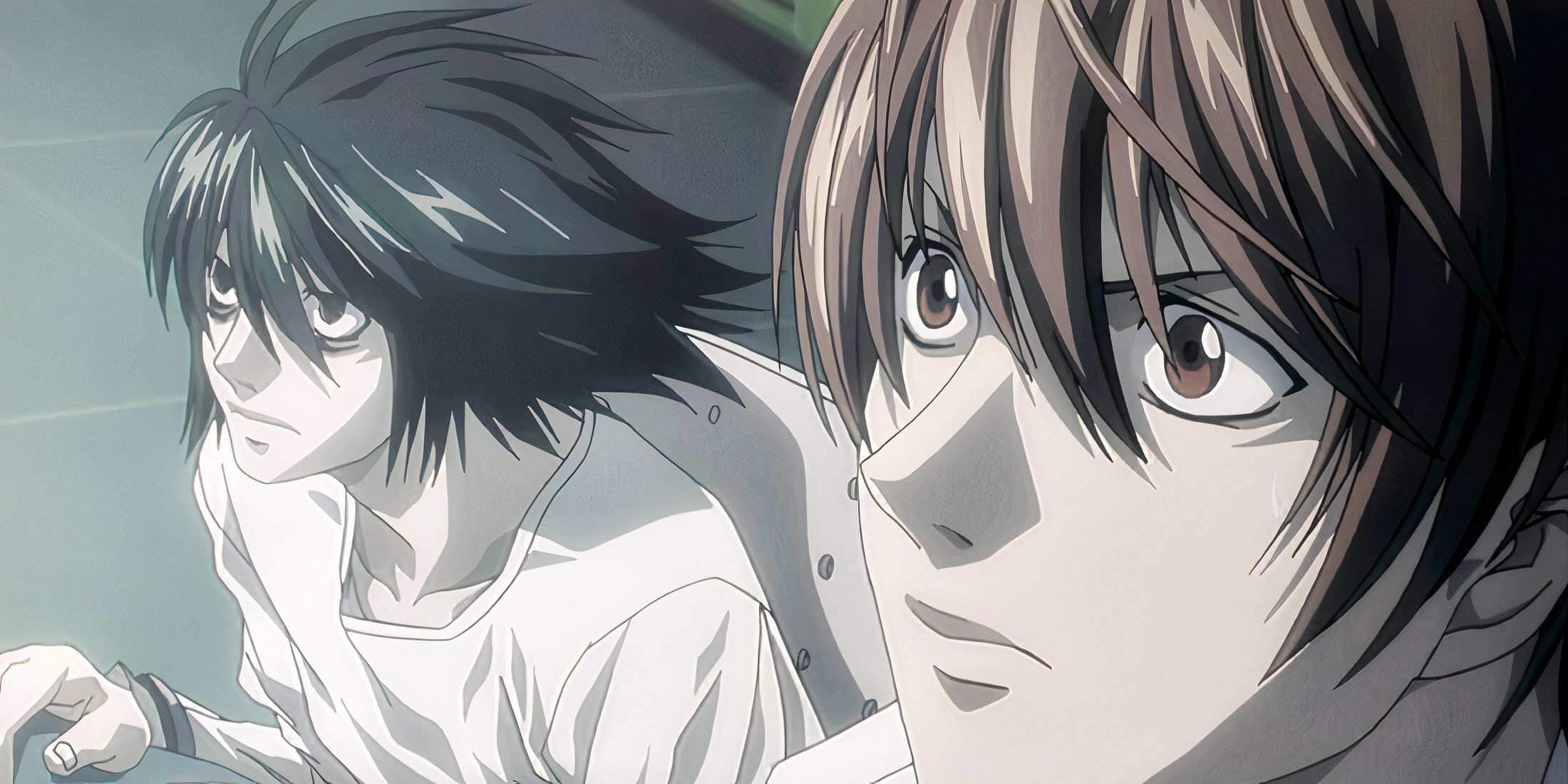
During the 2000s, few anime series became as popular and well-loved as Death Note. The series was a huge hit, and the relationship between the characters L and Light is famously memorable. However, many fans are surprised to learn that Death Note isn’t actually a seinen anime or manga. It’s a shonen series created by Tsugumi Ohba and Takeshi Obata.
Many consider Death Note a seinen manga due to its dark and serious themes. The series is filled with tragic and violent deaths, and rarely offers any comedic relief. Light Yagami uses the Death Note to kill people in brutal ways, leading many to believe it’s aimed at a mature audience, a belief supported by its fanbase. Interestingly, despite its mature content, Death Note was originally published in Weekly Shonen Jump, the same magazine that features popular series like One Piece.
Chainsaw Man
- Creator: Tatsuki Fujimoto
- Magazine Serialized In: Weekly Shonen Jump, Shonen Jump +
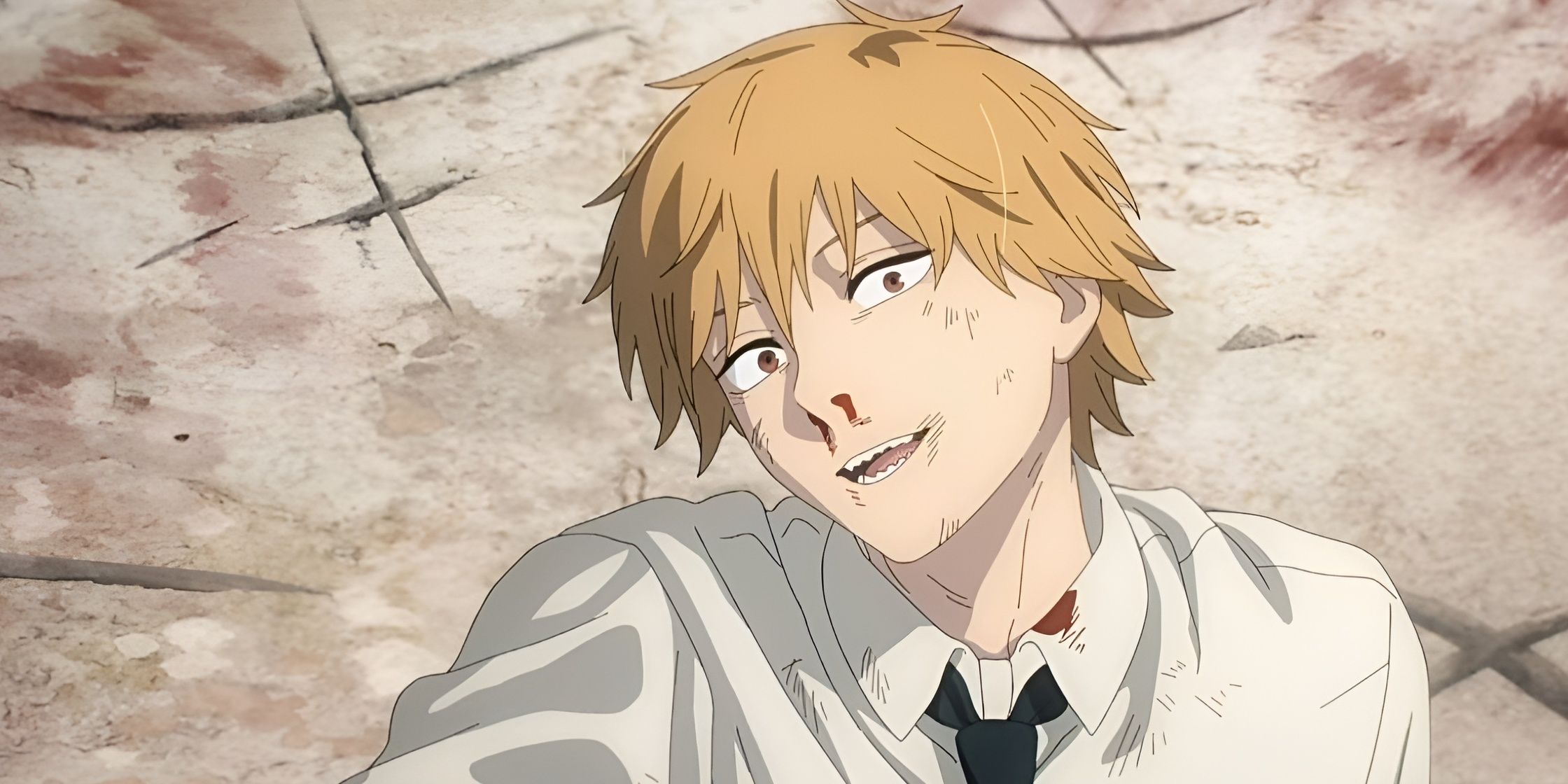
Many fans have debated whether Chainsaw Man fits neatly into a specific genre, but it’s generally considered a shonen series, despite having elements that sometimes feel more mature like those found in seinen manga. The story centers around Denji and features devils and psychological horror, particularly involving the antagonist Makima in the first part. Chainsaw Man is notably more serious and violent than most other shonen series, and it even includes some mature content. However, it was originally published in Shueisha’s Weekly Shonen Jump, and later moved to Shonen Jump +, firmly establishing its shonen classification.
Jojo’s Bizarre Adventure
- Creator: Hirohiko Araki
- Magazine Serialized In: Weekly Shonen Jump (Parts 1 to 6), Ulta Jump (Parts 7 to 9)
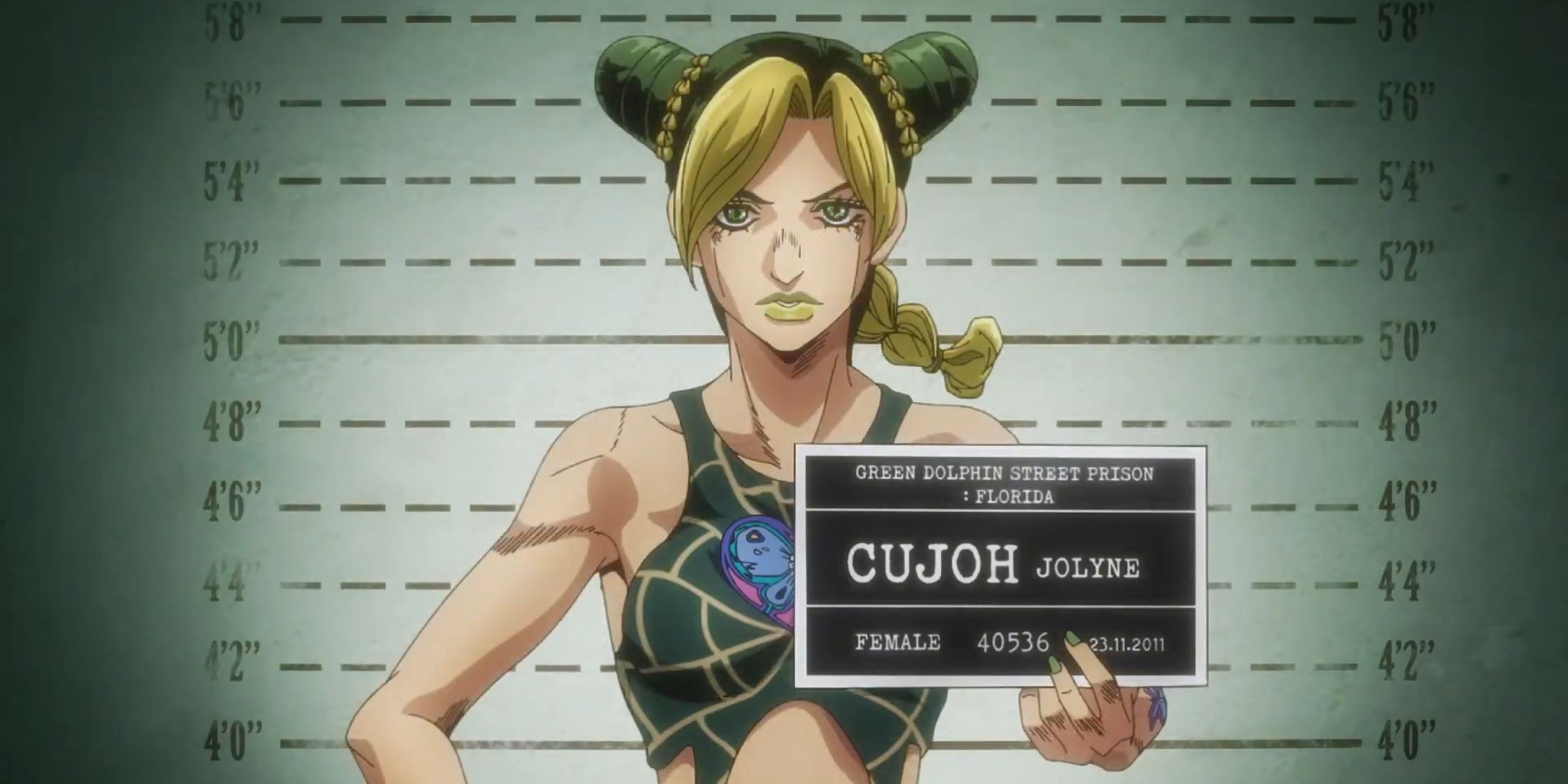
Jojo’s Bizarre Adventure is a little different when it comes to how it’s categorized. While many fans think of it as a ‘Seinen’ manga, that’s not entirely accurate. Some parts of Jojo’s Bizarre Adventure are actually aimed at a younger ‘Shonen’ audience, while the rest are geared towards adults as ‘Seinen’.
Currently, JoJo’s Bizarre Adventure is divided into two categories based on where it was published. Parts 7 and onward are considered “Seinen,” while Parts 1 through 6 are “Shonen.” This difference stems from a change in magazines. The first six parts appeared in Weekly Shonen Jump, but starting with Part 7, the series moved to Ultra Jump, which is aimed at a young adult audience. Despite this shift, JoJo has consistently explored mature themes and maintained its signature blend of humor and intense, serious moments. Dark storylines have always been a part of the series – for example, the backstory of Weather Report – even when it was published in Shonen Jump. The change in magazine hasn’t fundamentally altered the story’s tone or content.
D Gray Man
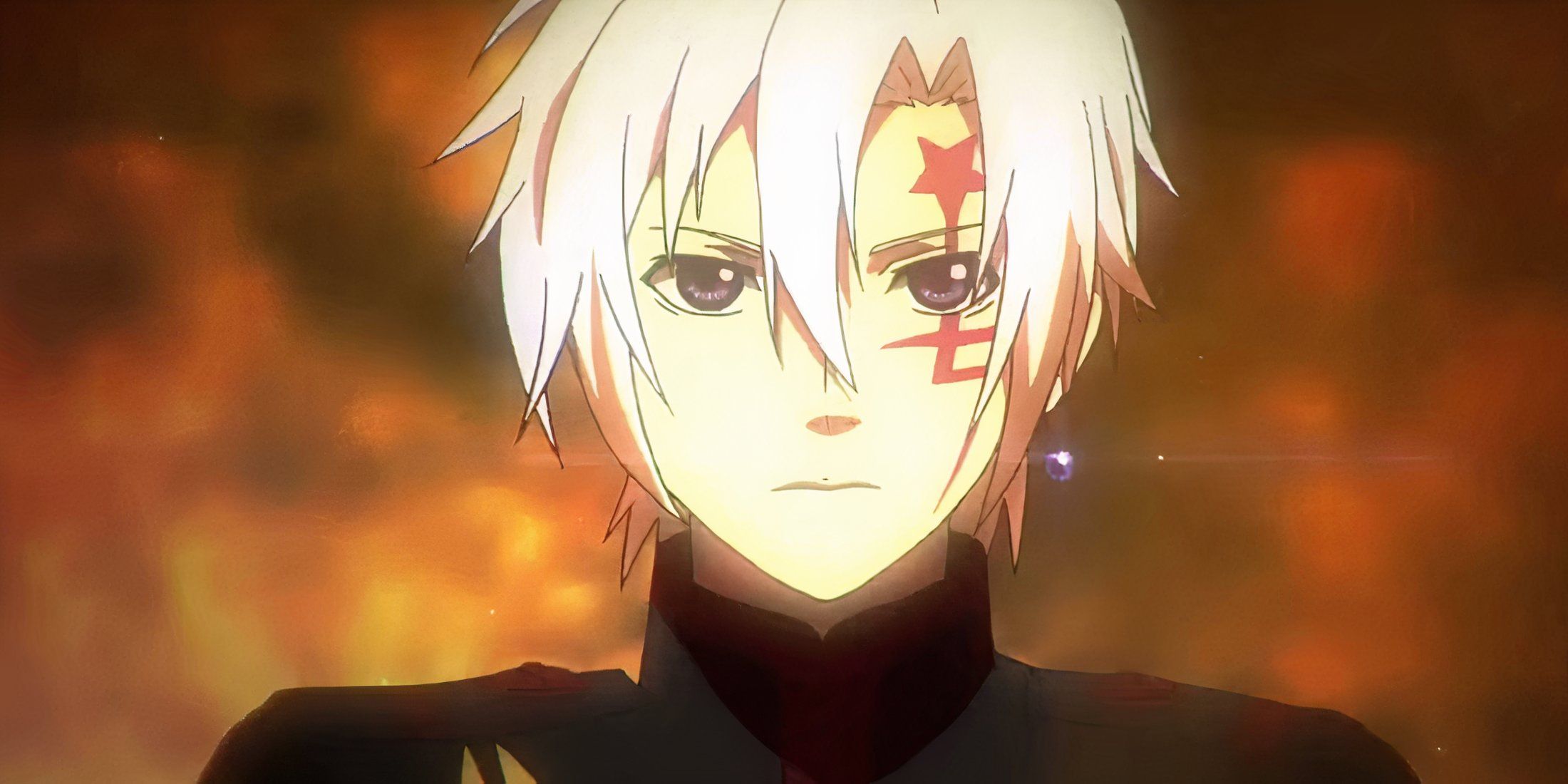
- Creator: Katsura Hoshino
- Magazine Serialized In: Weekly Shounen Jump, Jump Square, Jump SQ.Crown, Jump SQ. Rise
D. Gray Man is a well-known manga created by Katsura Hoshino. It began in 2004 and, although updates are infrequent, it’s still technically continuing. Many fans consider it a seinen series, which makes sense given its consistently darker tone. The story is set in the 19th century, contributing to the anime’s mature atmosphere, and the plot is more complex and serious than typical shonen, focusing on the battle between exorcists and the Black Order.
Considering everything, D. Gray Man is fundamentally a shonen manga, originally published in Weekly Shonen Jump. While it has moved to different magazines over time, it has always remained within the Shonen Jump family, geared towards young male readers.

Read More
- NTE Drift Guide (& Best Car Mods for Drifting)
- How to Get the Wunderbarrage in Totenreich (BO7 Zombies)
- Change Your Perspective Anomaly Commission Guide In NTE (Neverness to Everness)
- How to Beat Turbines in ARC Raiders
- NTE Fan Shows Off Mint Cosplay
- Deltarune Chapter 1 100% Walkthrough: Complete Guide to Secrets and Bosses
- All Nameless Hospital Endings Full Guide In NTE
- Diablo 4 Best Loot Filter Codes
- How to Unlock the Mines in Cookie Run: Kingdom
- Beware! Phishing Emails Are Deceiving Robinhood Users in a Sneaky Plot!
2026-04-21 02:43