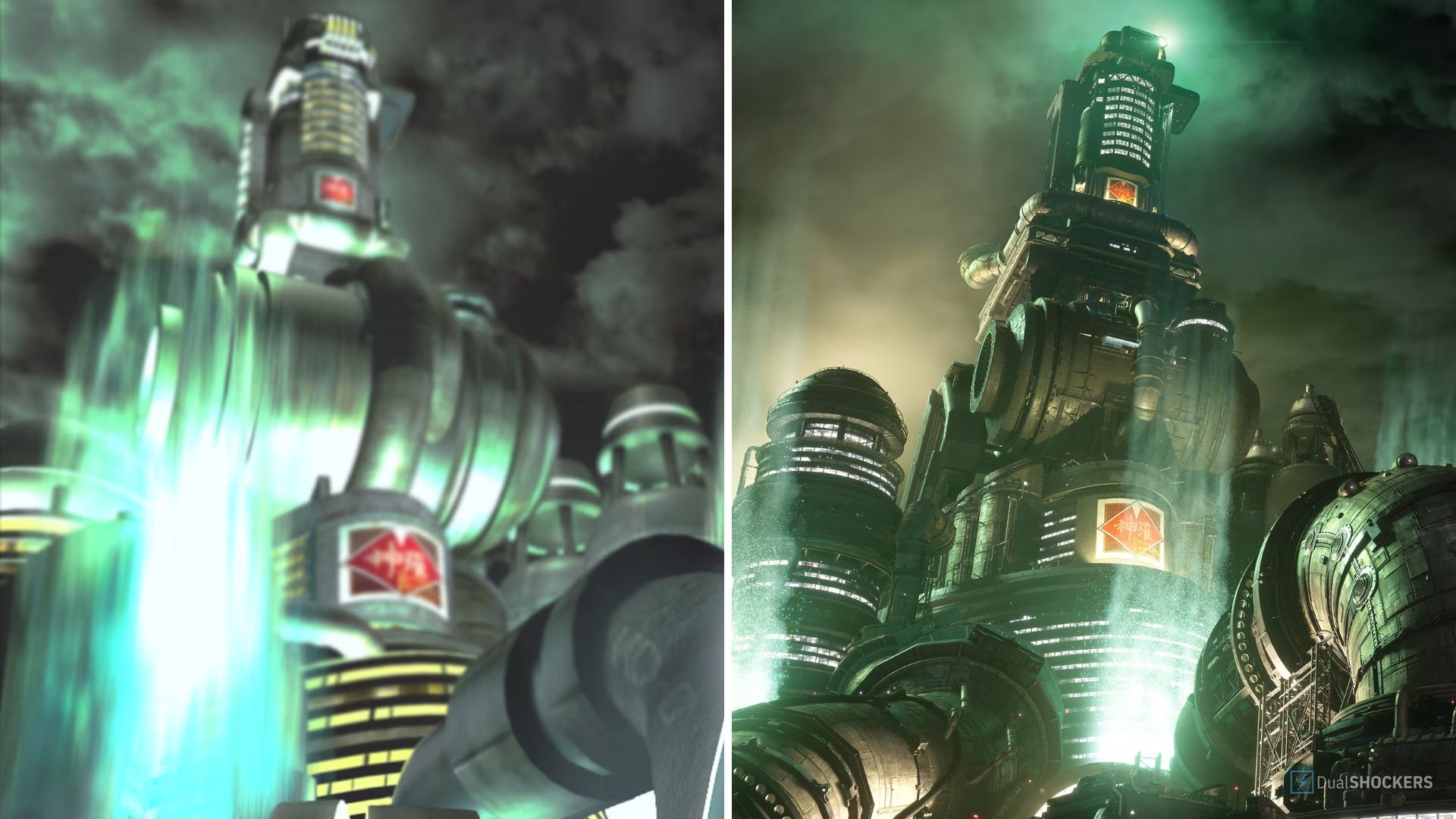
Recreating a legendary RPG like Final Fantasy VII is a huge challenge, as recent attempts have shown. Square Enix has broken the original game into three separate releases, and they’ve made significant story and presentation changes for the new 3D format. We won’t fully understand the reasons behind these changes until the final installment is released.
Locations from the original Final Fantasy VII have been updated in several ways. Some areas have been expanded to fit the new story better, while others have been fleshed out with more background details. Many places also offer new things to do, like minigames and side quests. Plus, the game features completely new areas that showcase just how large the world of FFVII is.
Some of the recent changes have been popular, while others haven’t. Today, I’m going to discuss locations from Final Fantasy VII that feel drastically different in the original game compared to the remakes – whether because of big changes to how they look and are laid out, or because their atmosphere and role in the story have shifted.
10. Crow’s Nest
A Brand-New Location
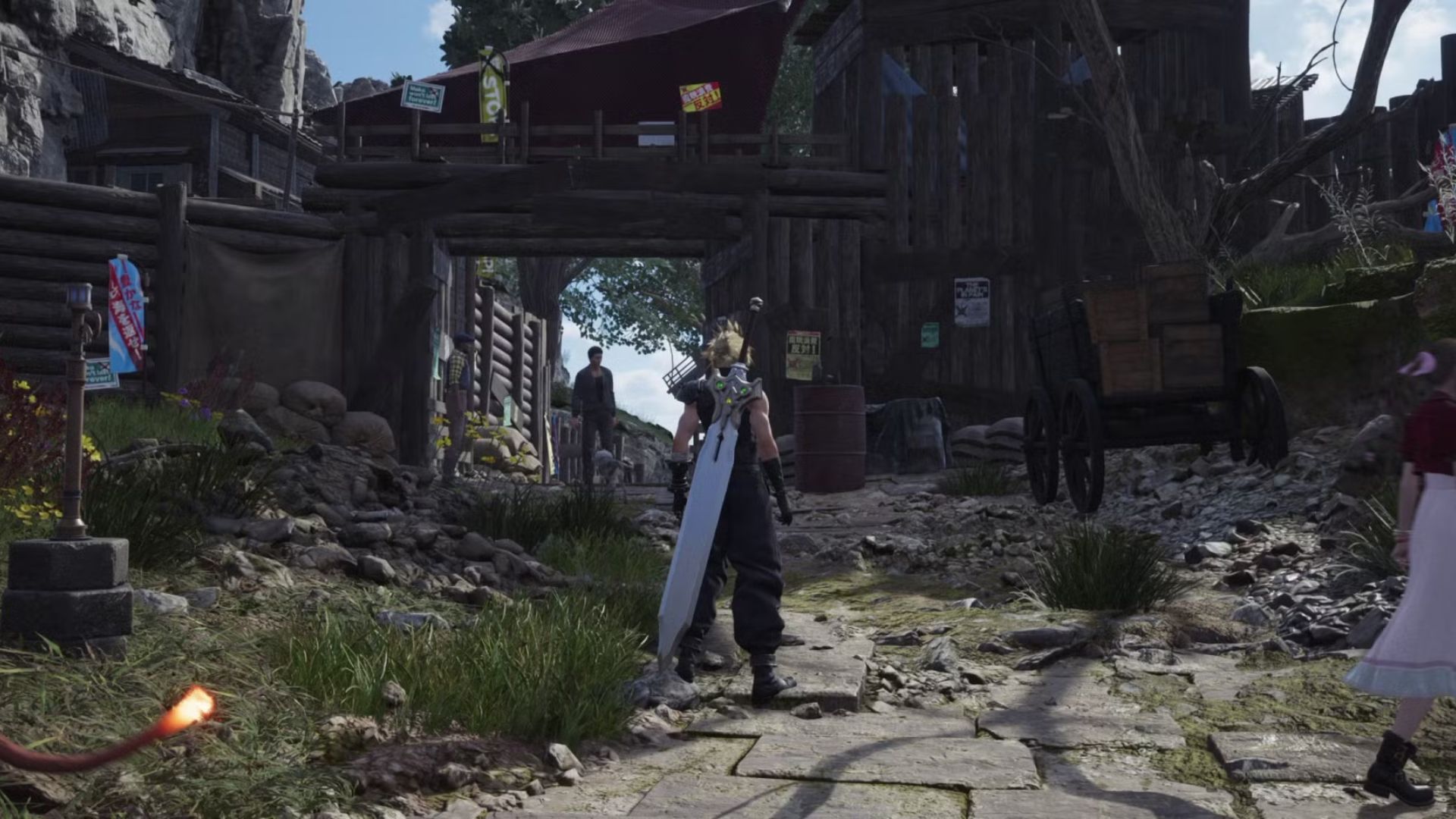
As a huge fan of Final Fantasy VII Rebirth, I was really blown away by the new areas they added! The most exciting thing for me was discovering Crow’s Nest – it’s a totally new settlement near Junon, and it’s completely optional, which makes finding it feel even more special. It’s amazing to explore a place that wasn’t in the original game!
The town is home to people much like those from Under Junon – they don’t have a good opinion of Shinra either. It’s a quickly-built settlement with simple wooden homes and lacks many comforts. Despite that, it’s a friendly place, and a good spot to play Queen’s Blood or pick up some side quests.
9. Cave of the Gi / Village of the Gi
Black Materia Origin
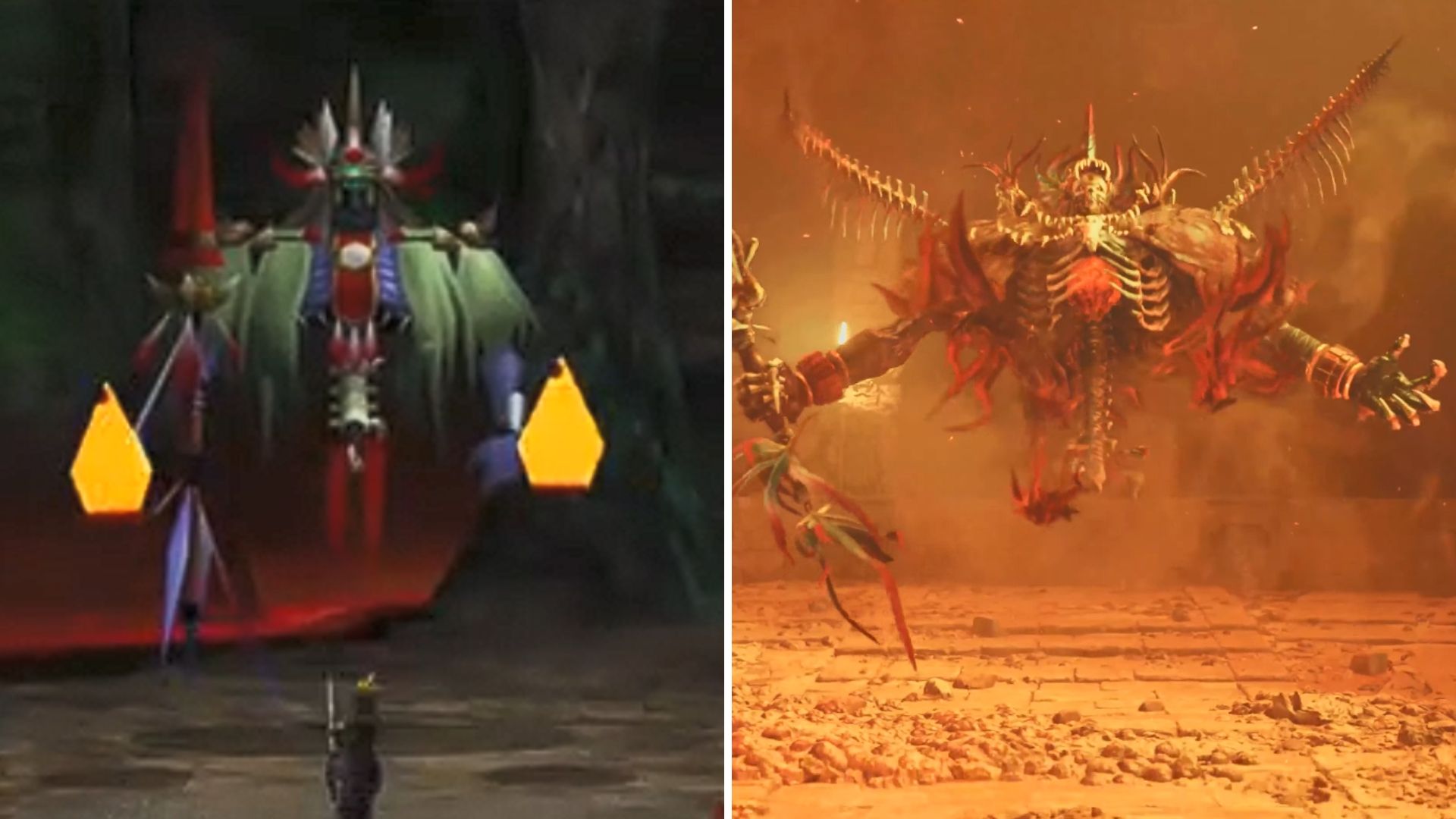
Okay, so getting into some of the newer stuff in the game, there’s this place called the Cave of the Gi that shows up during the Cosmo Canyon section. It really fleshes out the backstory of Final Fantasy VII, especially around the Black Materia and why Seto – Red XIII’s dad – did what he did. In the original game, we just heard about his sacrifice, but this place actually makes you feel how important it was and understand everything he was trying to protect. It adds a lot of emotional weight to the whole story.
The first part of this section serves as a test for Red XIII to prove he’s worthy of becoming a Watcher of the Vale. It’s a completely redesigned area, full of challenges and threats, a big change from the basic cave it was in the original game. We explore it with Red XIII and Barret, ultimately battling Gi Nattak.
Discovering what happened to Seto unlocks a new part of the game focused on the history of the Gi, leading players to the Village of the Gi. This area is designed to expand on the game’s story, but it’s primarily a narrative addition. While interesting for its lore, the village itself is a fairly basic, red-colored cave with little unique visual design.
8. Swamplands
Mandatory Boss Fight
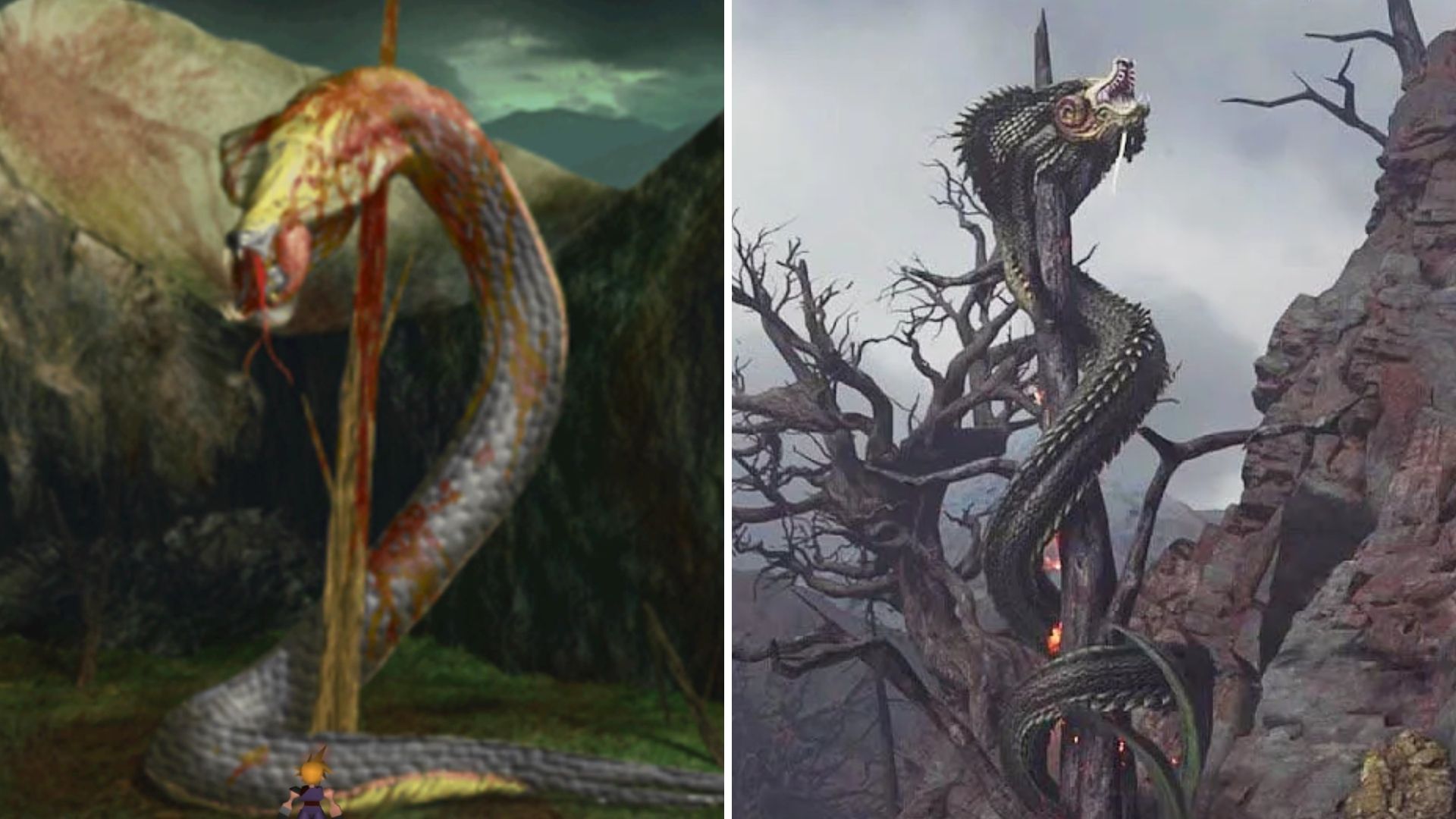
Once we leave Midgar and go through Kalm, we arrive at the Chocobo Farm. Here, we find out we need to catch a chocobo to travel across the marshes and steer clear of the dangerous Midgar Zolom. This part of the game is fairly quick, and the marshes themselves are simply a different look for the overworld map – it’s a pretty simple section.
In the game Rebirth, this location transforms into the Swamplands. It’s not a traditional dungeon, but it’s a much more striking area. You’ll still need a chocobo to get around, but now you can explore different sections, find items, and battle enemies.
Finally, when we meet the Midgardsormr (and its name is now correct!), we actually fight it – a change from the original game where you were supposed to avoid it altogether. The cutscene that follows is different too. Instead of seeing the snake get impaled by Sephiroth, it shows him saving Cloud. Or at least, that’s what I think happens – it’s a little confusing!
7. Nibelheim
Rehabheim
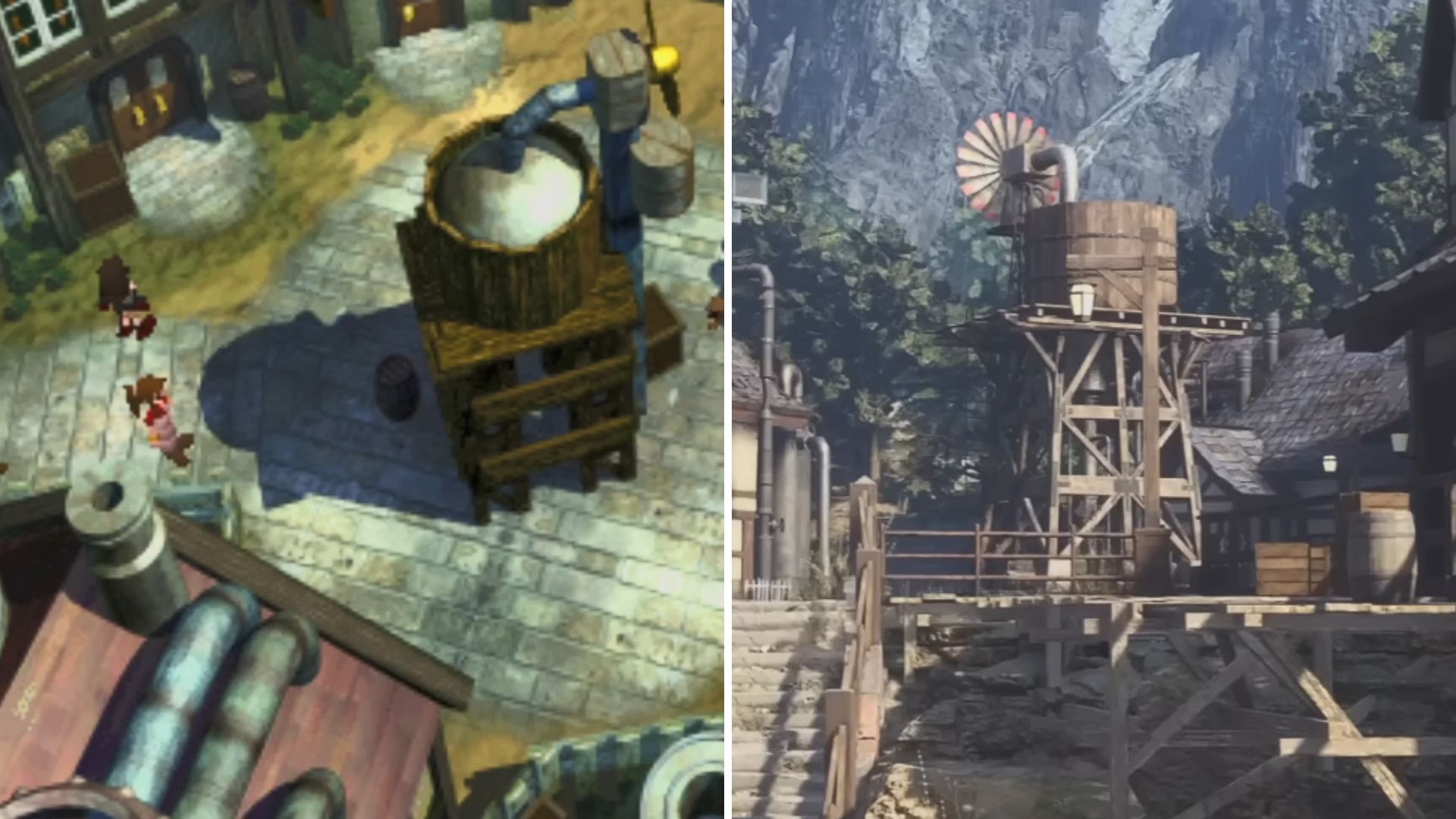
Okay, so Nibelheim is a really important place in both the original Final Fantasy VII and Rebirth. It’s basically the same town in both games, and the story behind it is wild. Years ago, Sephiroth went totally nuts and leveled the place. But Shinra, being the shady company they are, didn’t want anyone to know what really happened. So they rebuilt Nibelheim and filled it with actors pretending to be normal people – a whole fake town to hide the truth!
As a huge fan, it really struck me when Cloud and Tifa came back after so long – it was so weird! Everyone acted like their whole adventure never happened, and it honestly messed with my head. It made me start wondering if Cloud was truly okay, and even if Tifa was remembering things the same way. It’s a really unsettling feeling as a player!
In Rebirth, the scenario is largely similar, but with a crucial change: Nibelheim is now pretending to be a facility run by Shinra, offering treatment for mako poisoning. This explains why you see people in black hoods aimlessly wandering around – it adds to the unsettling mood, and also why no one seems to be helping them.
6. Cosmo Canyon
Tithe Money
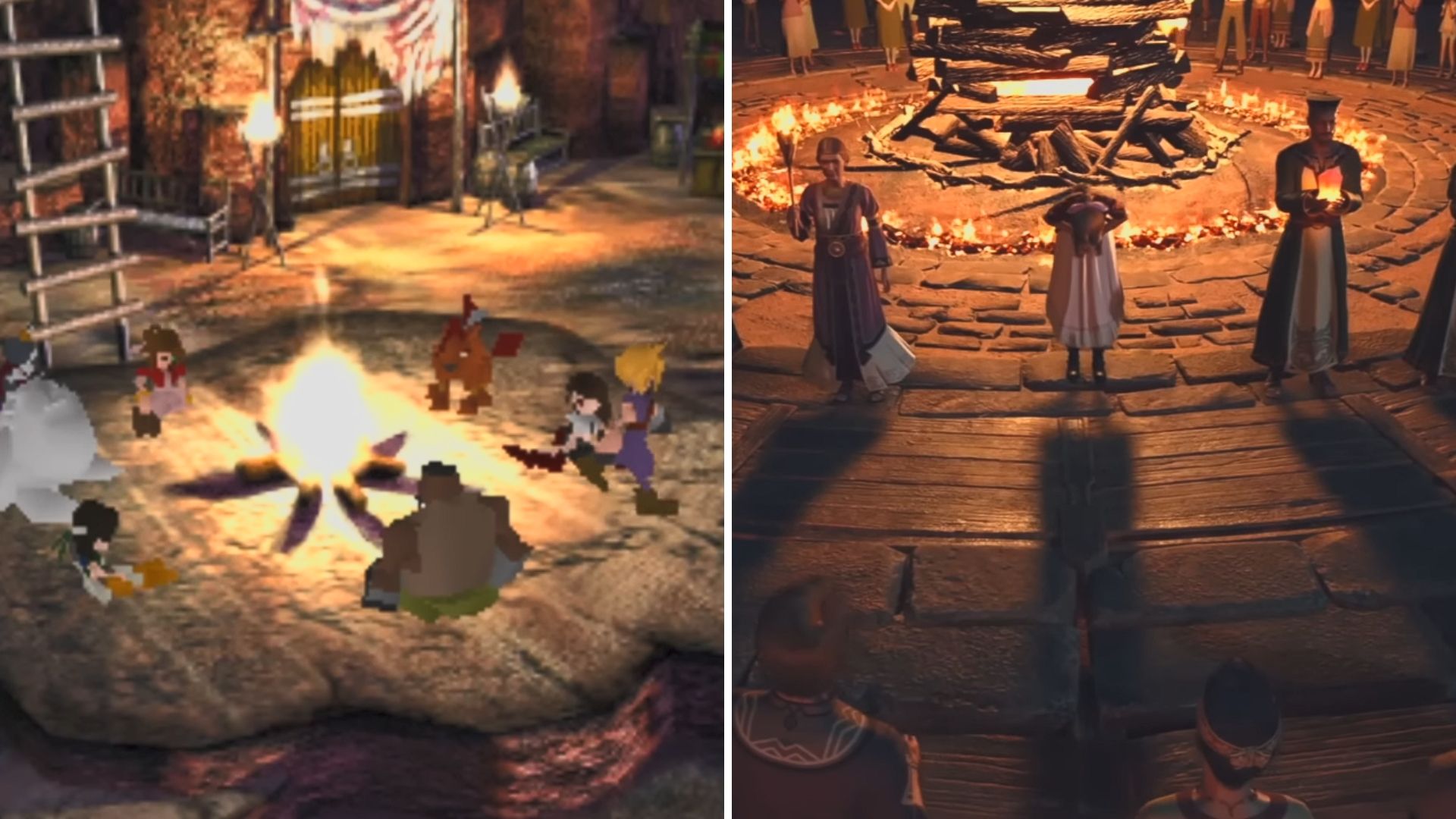
Many fans consider Cosmo Canyon a highlight of Final Fantasy VII because of its rich story, beautiful music, and the chance for the characters to connect. It has a truly mystical and spiritual atmosphere in the original game, and Seto’s story is particularly emotional.
Even after all this time, Rebirth is still a place for quiet thought, but it’s surprisingly vibrant. It feels like a popular spot for visitors, who come to meditate, learn in classes, shop for gifts, and even relax with a drink.
While the increased tourism and organized events in Cosmo Canyon lessen its original sense of mystery, it’s still a worthwhile experience.
5. Wall Market
Temu Las Vegas
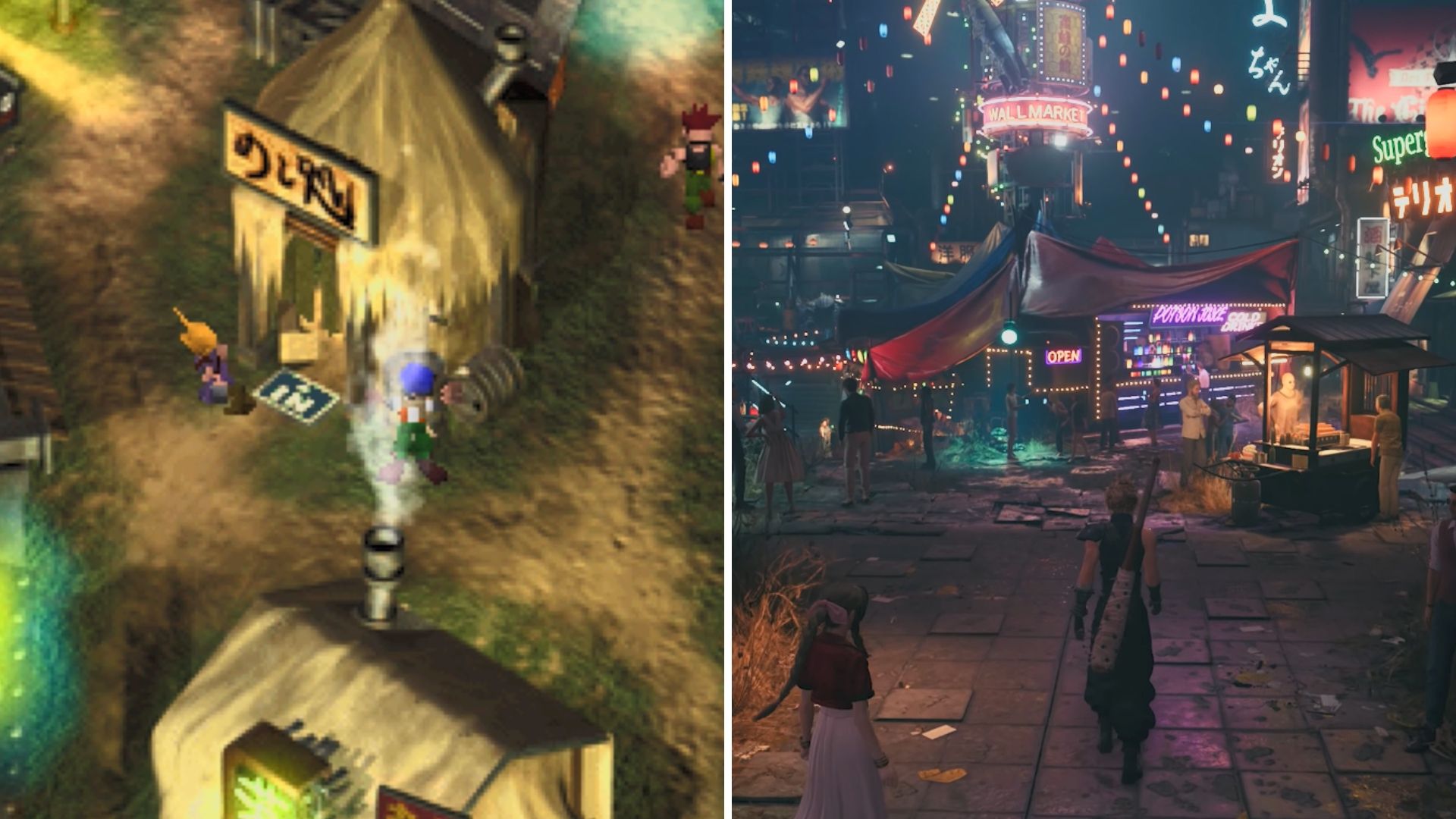
Visiting the slums of Midgar really highlights how difficult life is for the people who live there. While Wall Market seems like a place for entertainment within the slums, it’s still controlled by criminals and has a heavy, unsettling atmosphere.
In Rebirth, Wall Market feels surprisingly inviting – it’s like a vibrant mix of Las Vegas and a slightly edgy entertainment district. I probably wouldn’t visit personally, being married, but you understand what I mean. The moment you enter, you’re greeted by vendors eager to show you what Wall Market has to offer. The buildings are still a little rough around the edges, but they’re lively, colorful, and almost feel designed for tourists.
The atmosphere has changed dramatically. Where the original version made walking down an alley feel incredibly dangerous, like a potential mugging gone wrong, the new version, Rebirth, makes it feel more like a minor inconvenience – you might get ripped off as a tourist, but you’d probably escape unharmed, and maybe even find it amusing.
4. Temple of the Ancients
So. Many. Puzzles
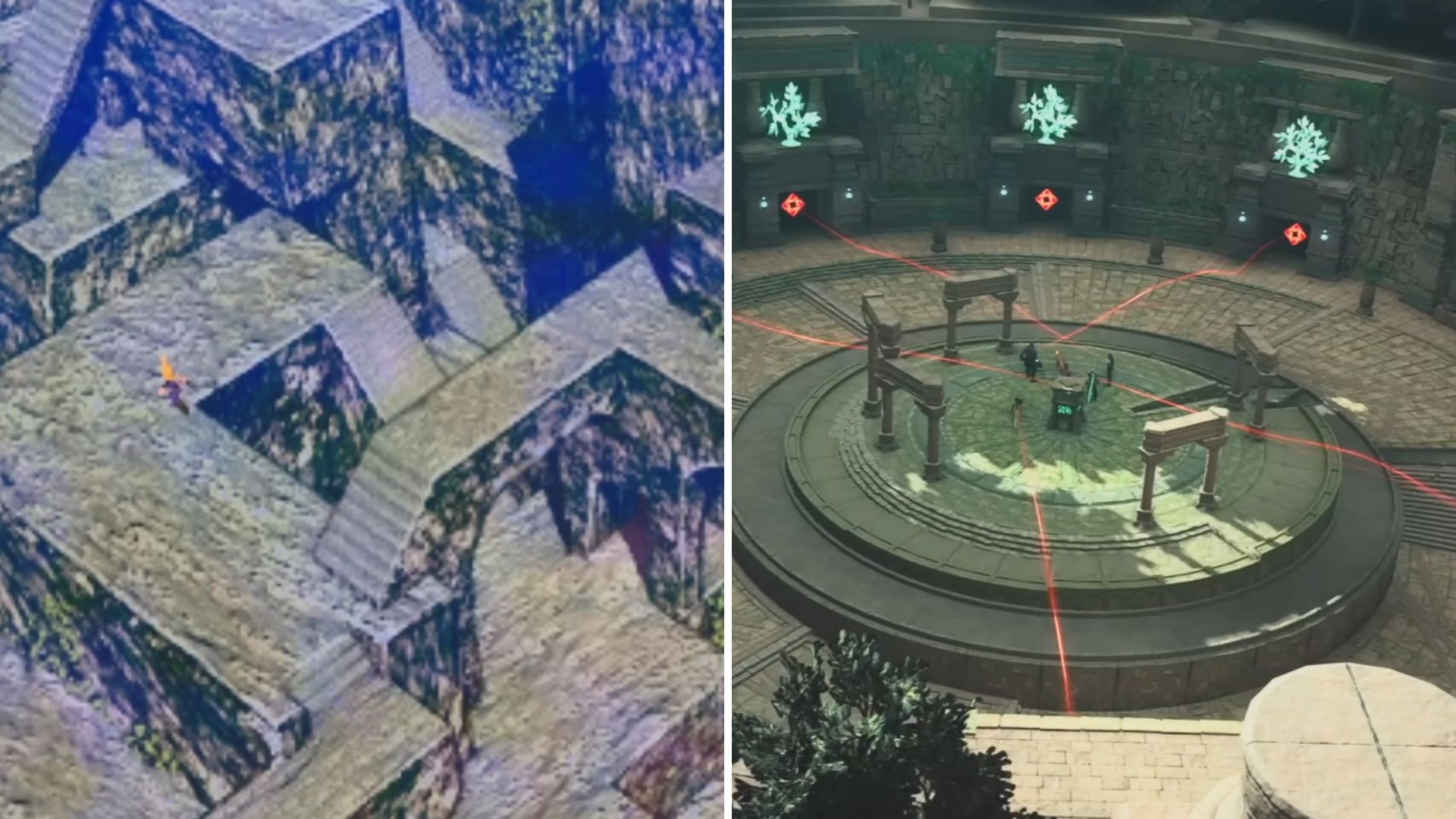
The Temple of the Ancients remains a sizable and occasionally challenging dungeon in both its original form and the remakes. Both versions include puzzles, but the remakes, specifically Rebirth, significantly increase the difficulty with constantly changing layouts and more intricate puzzle designs, whereas the original game kept the puzzles fairly straightforward.
The story’s atmosphere shifts noticeably, with a lot more focus on revealing the history of the Cetra and exploring Cloud’s worsening mental state as he becomes more erratic. The Turks become more important too, both in the story and how you play the game.
The most significant alteration appears at the story’s climax, when Cloud gives Sephiroth the Black Materia. While brief in the original game, this moment is greatly expanded in Rebirth, becoming much more dramatic and introducing complex ideas about alternate universes.
3. Kalm
Not Calm Anymore
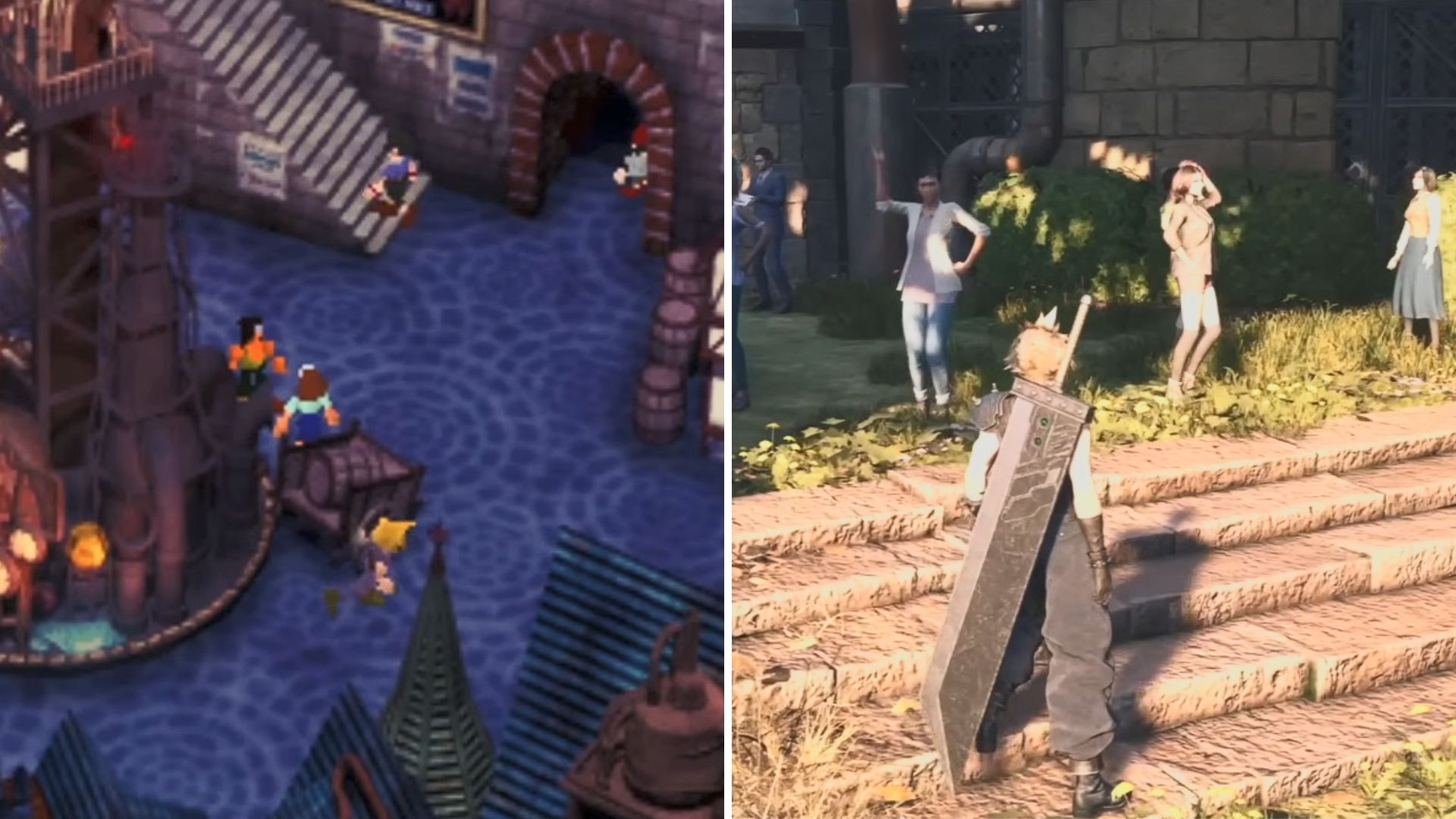
Kalm is the first town you come to after leaving Midgar. I’ll always remember the feeling of finally reaching the open world and stepping into Kalm – it really showed me what the game could be. Originally, in Final Fantasy VII, Kalm was a pretty small place. It just had a few buildings like an inn and a shop, and its main purpose was to let Cloud explain his past.
The town of Kalm gets a huge upgrade in Rebirth, becoming a bustling city with lots of characters, things to do, and side quests. There’s even an exciting escape from Shinra! But for me, the biggest addition is learning about the Queen’s Blood card game.
Subscribe for deeper Final Fantasy VII location analysis
I absolutely love wandering around this new Kalm! It’s so lively, with people working out, tourists snapping photos, and shopkeepers going about their day. This version really captures the spirit of how Rebirth builds on the original game – it’s not just a visual upgrade, but a much richer and more meaningful experience overall.
2. Gongaga
From Small Village to Big Jungle
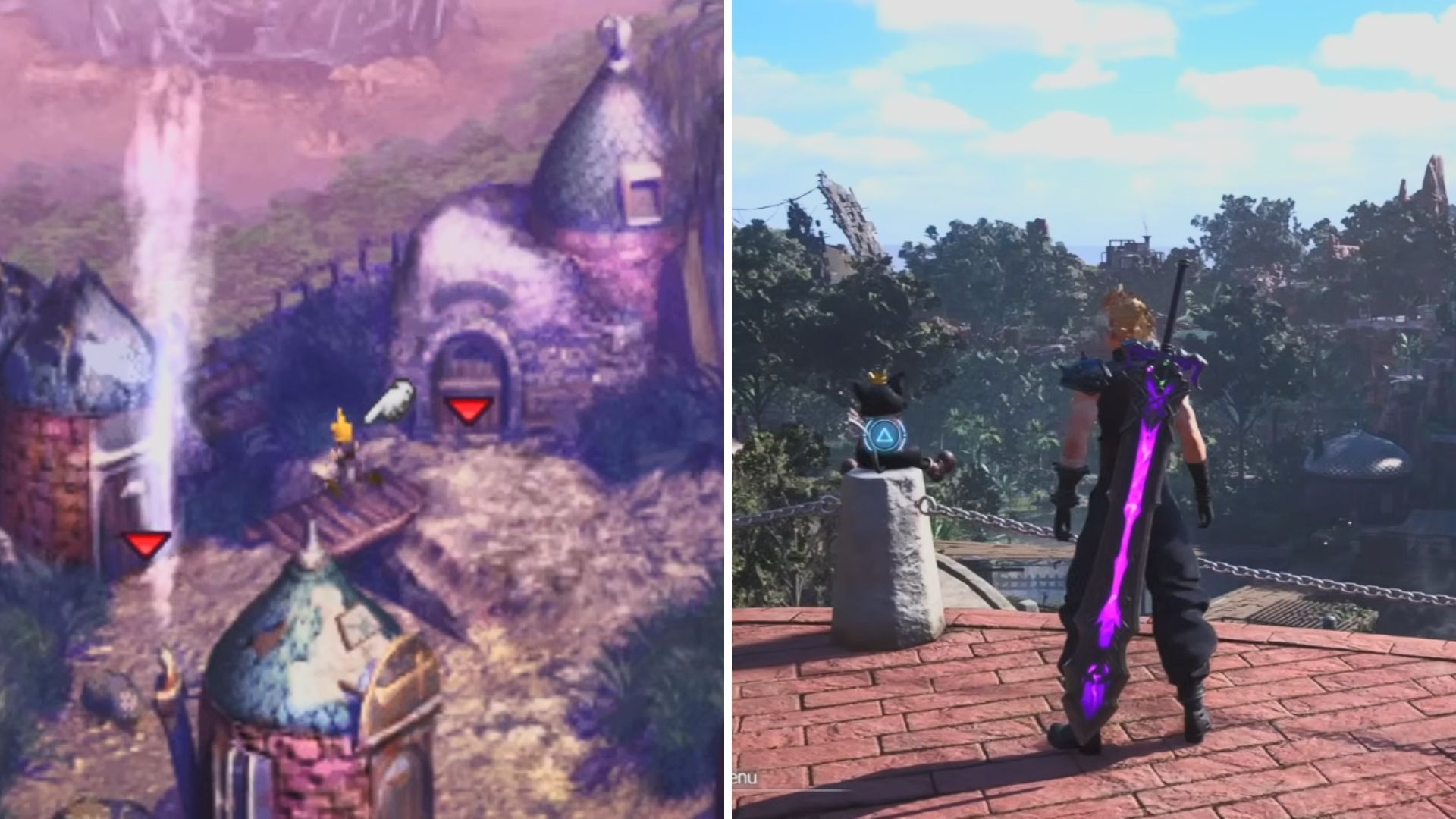
Gongaga is a significantly expanded area that many players, including myself, found challenging. The jungle section, in particular, was confusing and difficult to navigate, and some of the optional quests weren’t very interesting.
The story’s additions are fantastic. While the original game simply showed Gongaga as a small town where we first learned about Zack, the beloved SOLDIER, Rebirth expands on his background considerably. We also meet the new character Cissnei, battle Scarlet, and witness a dramatic encounter with a Weapon that sends Tifa into the Lifestream.
Beyond simply being a location to explore, Gongaga plays a key role in how the characters grow. Whether Square shared too much information too early regarding Tifa’s connection to the Lifestream is open to discussion, but it’s undeniably impactful and emotionally moving to see Cloud gradually come undone.
1. Midgar
Setting of an Entire Game
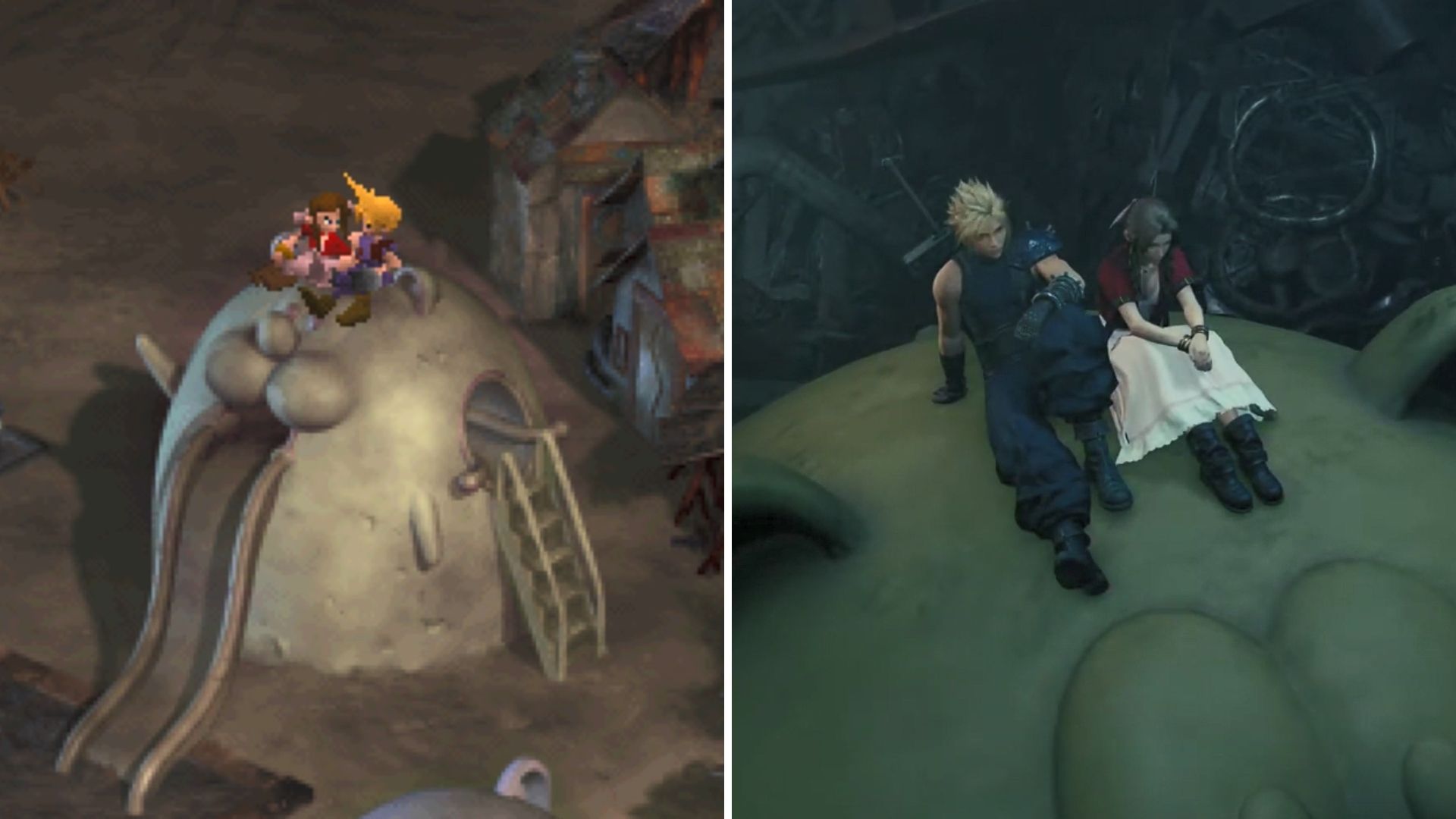
Both games share a similar feel when it comes to Midgar – you still see the rundown slums, the difficult lives of the people, and the stark contrast between rich and poor, like when Barret challenges a Shinra employee. However, the new game is much larger, more detailed, and features a wider range of characters and experiences.
This makes sense, considering the entire Final Fantasy VII Remake is set within the city of Midgar, while the original game only featured it for a small portion of the story.
Throughout the game, you’ll encounter a variety of engaging characters like Johnny, Marle, Kyrie, Leslie, Madam M, and Andrea, each adding depth to the story. There’s also a new side story focused on Jessie in Sector 7, where you’ll battle Roche.
While the core story is familiar, exploring beyond the main missions really shows how expansive Midgar is. This deeper dive strengthens Barret’s character and makes you dislike the Shinra leaders even more. I get why some people were concerned that Remake only focused on Midgar, but the developers definitely made the most of it, creating a truly detailed and immersive city.
Read More
- NTE Drift Guide (& Best Car Mods for Drifting)
- All Aswang Evidence & Weaknesses in Phasmophobia
- Conduit Crystal Location In Subnautica 2
- Where to Find Prescription in Where Winds Meet (Raw Leaf Porridge Quest)
- Diablo 4 Best Loot Filter Codes
- Boruto: Ikemoto Has Already Hinted At Sasuke’s New Eye After Return
- Best Burst & Full Auto Builds for the M16A4 in BF6
- USD RUB PREDICTION
- Deltarune Chapter 1 100% Walkthrough: Complete Guide to Secrets and Bosses
- Brent Oil Forecast
2026-03-20 22:42