
I get completely absorbed by certain games from time to time, and that’s happened three times this year alone – first with Cairn, then Resident Evil Requiem, and now Saros, which I’m about to finish completely. While it’s not flawless, Saros is a fantastic action RPG with roguelike elements, and a great follow-up to the surprisingly good Returnal from 2021. If you haven’t played it, I highly recommend checking it out.
It’s hard to say which of these two games is better, but they definitely offer different experiences. Saros has a more straightforward and clearly presented story than Returnal. While the gameplay is similar, Saros makes some improvements, particularly in how it handles roguelike elements and progression between playthroughs. However, this has led some players to find Saros a bit too easy – a quick check of the game’s subreddit confirms this, although the conversation is becoming more nuanced. This doesn’t really surprise me, because Saros’ approach to difficulty is actually quite thoughtful.
Please be aware that the details below are intentionally kept minimal, but may contain very slight hints about the story and gameplay of Saros.
Is Saros Too Easy? Kind Of
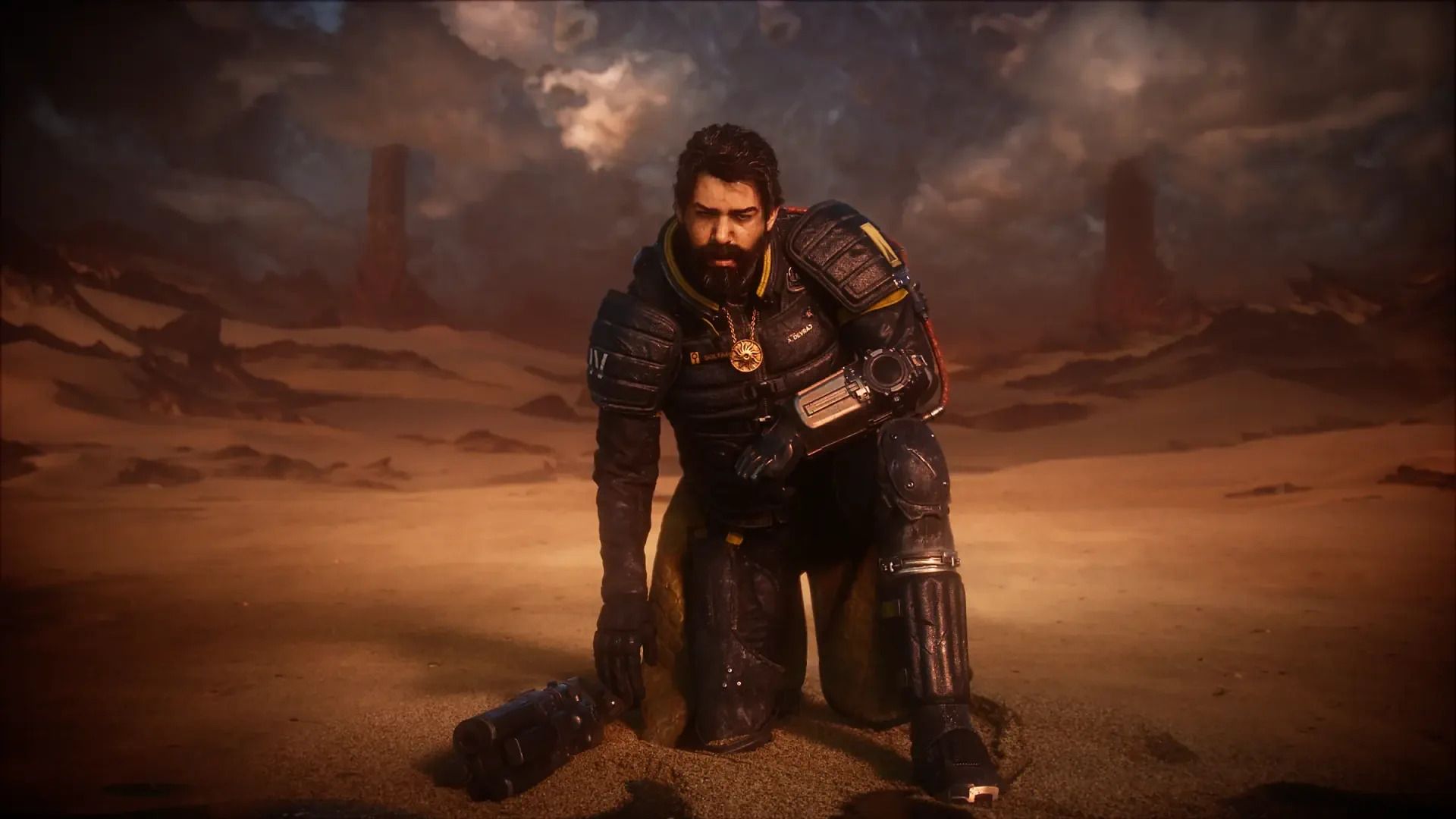
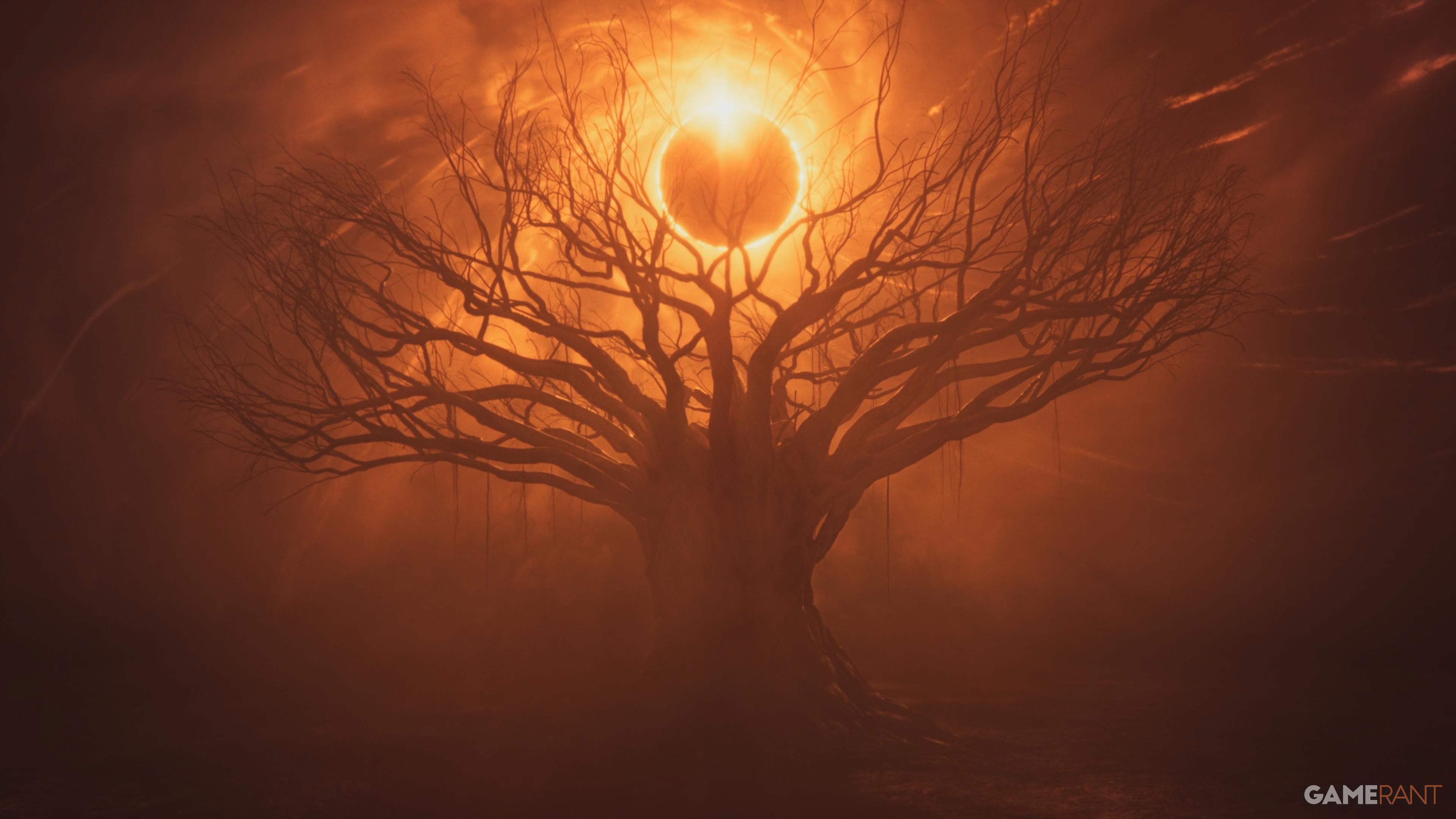
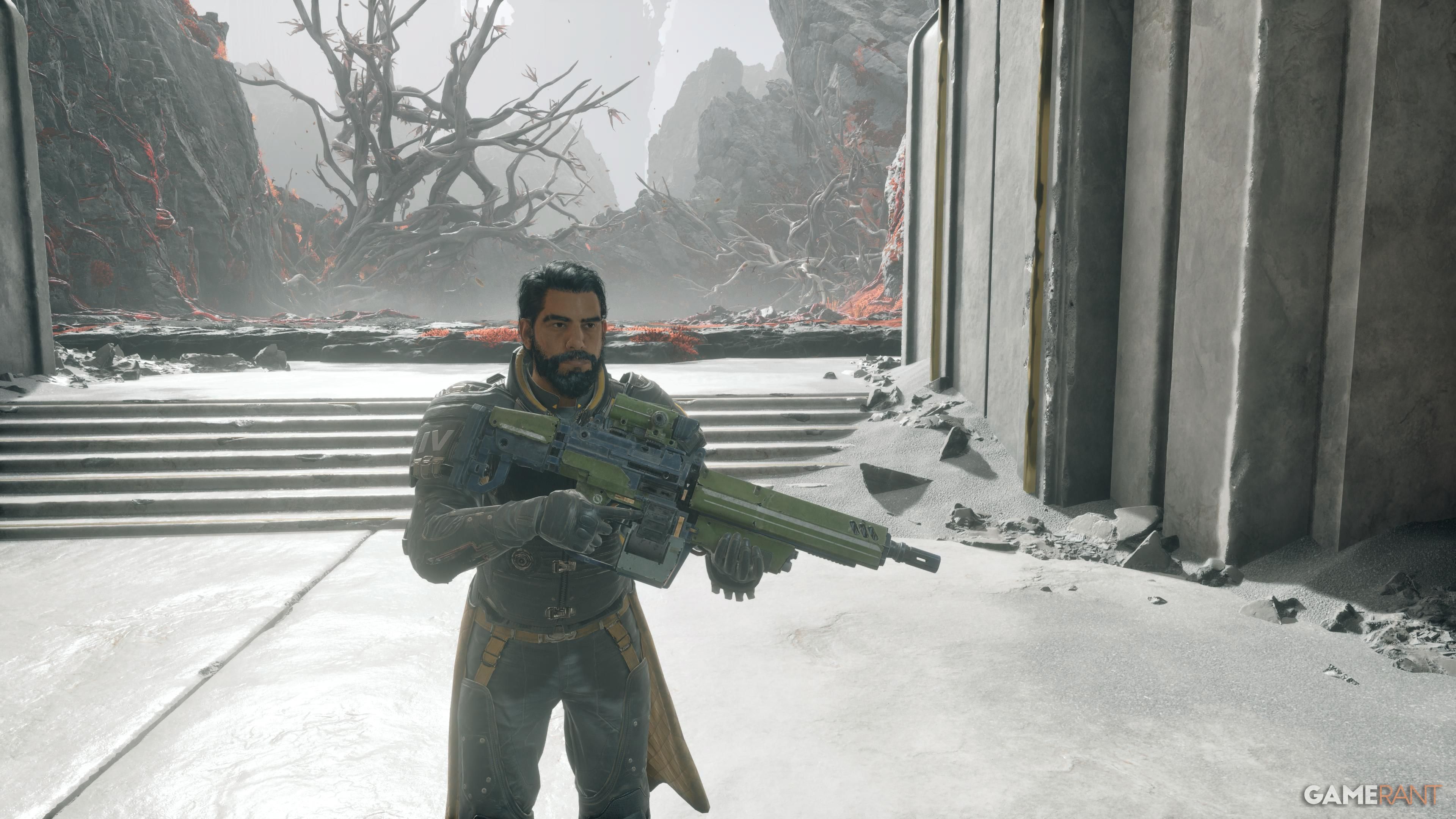
Returnal is a challenging game. Players are often at a disadvantage, and even with upgrades, powerful enemies can quickly defeat them. While the world of Saros is also difficult, the developers have introduced several new features that actually make the game more manageable.
 Rearrange the covers into the correct US release order.
Your Order
Results
— —
Attributes and Proficiency
In Saros, you level up your proficiency by defeating enemies and collecting Lucenite, which acts as experience points. Weapons that drop will then match your current proficiency level. For example, if you’re at level 1, any new weapon you find will also be level 1. If you’re at level 20, the weapons will be level 20. Higher-level weapons are, of course, more effective.
Saros also features three characteristics – Resilience, Drive, and Command – which enhance how weapons function. Think of these as stats similar to those in games like Dark Souls; they modify different aspects of each weapon depending on its type. Every gun has qualities like clip size, damage, reload speed, and bullet velocity, and these stats affect those qualities. For example, a higher Resilience stat might increase a weapon’s area of attack.
Okay, so those stat boosts in Saros aren’t just about making my weapons stronger. Resilience actually increases my max health, which is awesome. Drive helps me get more Lucenite – basically, the stuff I need to upgrade things – and Command makes my shield way better and lets me use my super powerful Power Weapon more often. Honestly, leveling up those stats feels amazing because it leads to this crazy, snowball effect. And the best part? Progress carries over between runs, making everything even more powerful over time!
Skill Tree and Carcosa Modifiers Can Effectively Break Saros
When I began playing Saros, I didn’t find it immediately intuitive, though I picked it up faster than Returnal. I initially thought that was just because the games feel similar to play. However, after only a few hours, Saros started feeling genuinely easy, and I realized it wasn’t about me getting better—it was the game’s system of letting you carry progress between runs that made the biggest difference.
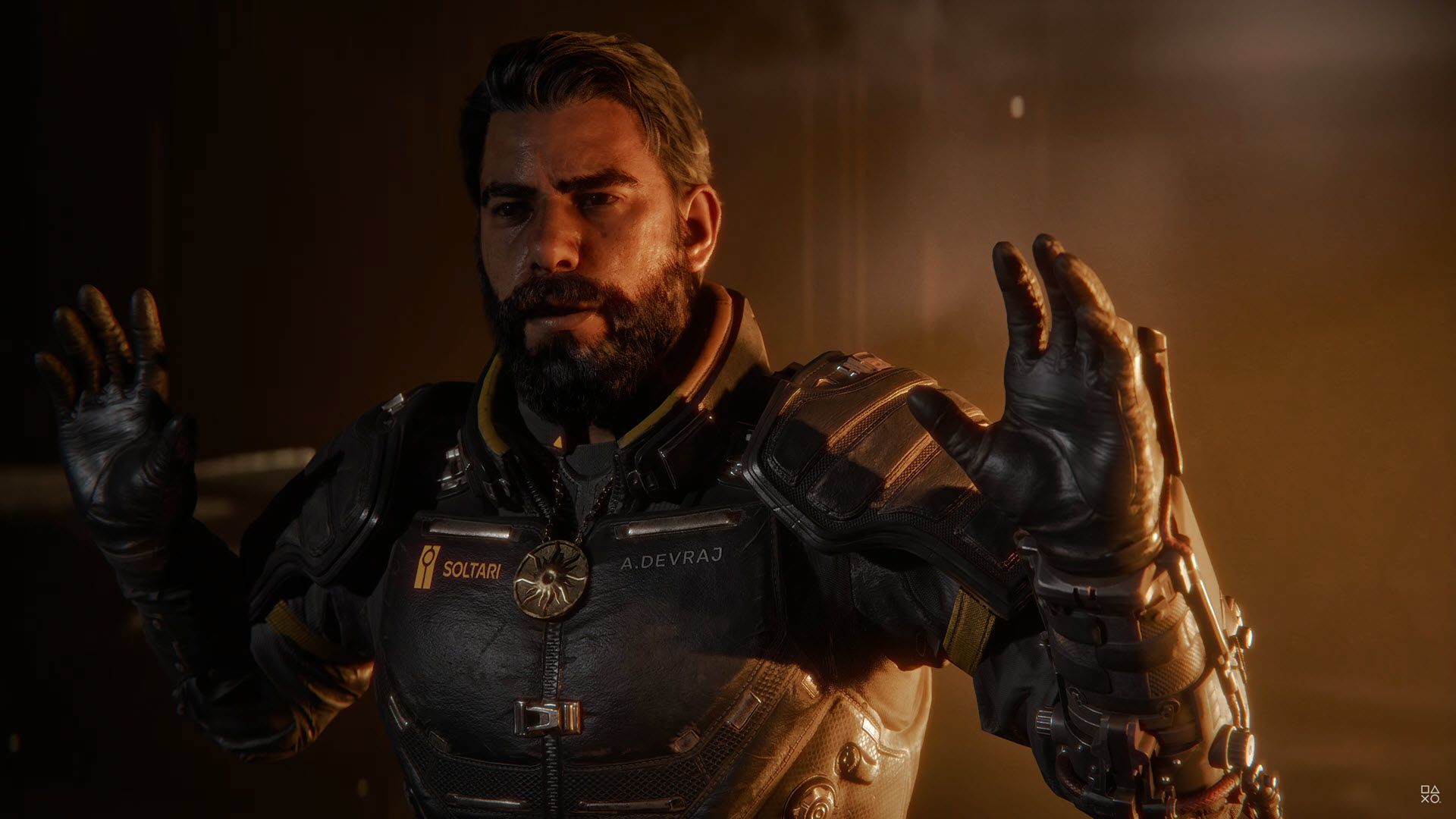
Saros has a robust skill tree that you can progress through quickly, particularly by focusing on Lucenite and Halcyon. Most upgrades increase your base stats and Proficiency, letting you start runs near the end of the game with Proficiency around 30 and all core attributes at 100 or higher. Ultimately, investing in the skill tree simply makes you more powerful, and that power grows rapidly as you play.
The Saros skill tree is completely flexible – you can unlock everything without any drawbacks or difficult choices. Unlike Saros, the Carcosa Modifiers system introduces a balancing element. With Carcosa Modifiers, you can apply up to ten modifiers – five beneficial and five detrimental – but you must balance them to save your selections. For example, you might choose a modifier that boosts upgrade power, but it costs six points and needs to be offset by a negative modifier, such as one that reduces your attack strength.
Critical Mass
Pick games to balance the averages.
Scales
Results
This approach offers a novel way to make Saros cycles more engaging, but it doesn’t really fix the game’s core difficulty problems. It’s surprisingly simple to adjust the Carcosa Modifiers to heavily benefit yourself, particularly by choosing downsides like Lucenite Devaluation or Halcyon Removal, which mostly impact long-term progress. Given how quickly Saros progresses and how much impact it has, these adjustments don’t feel like significant drawbacks in the short run. While you can make the game harder by changing your modifiers, there’s no incentive to do so, and no benefits for choosing more challenging debuffs.
Difficulty in Saros Is a Matter of Perspective
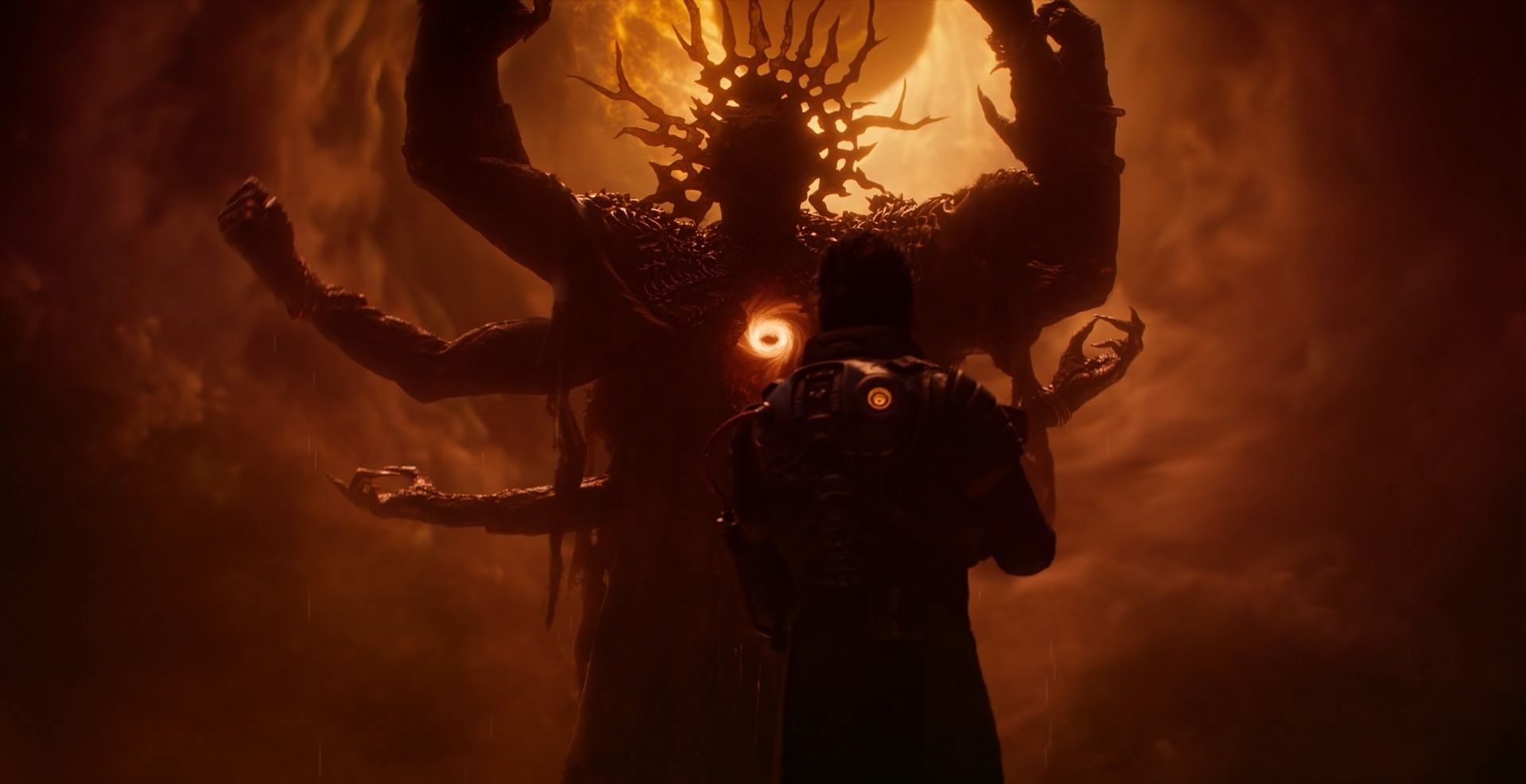
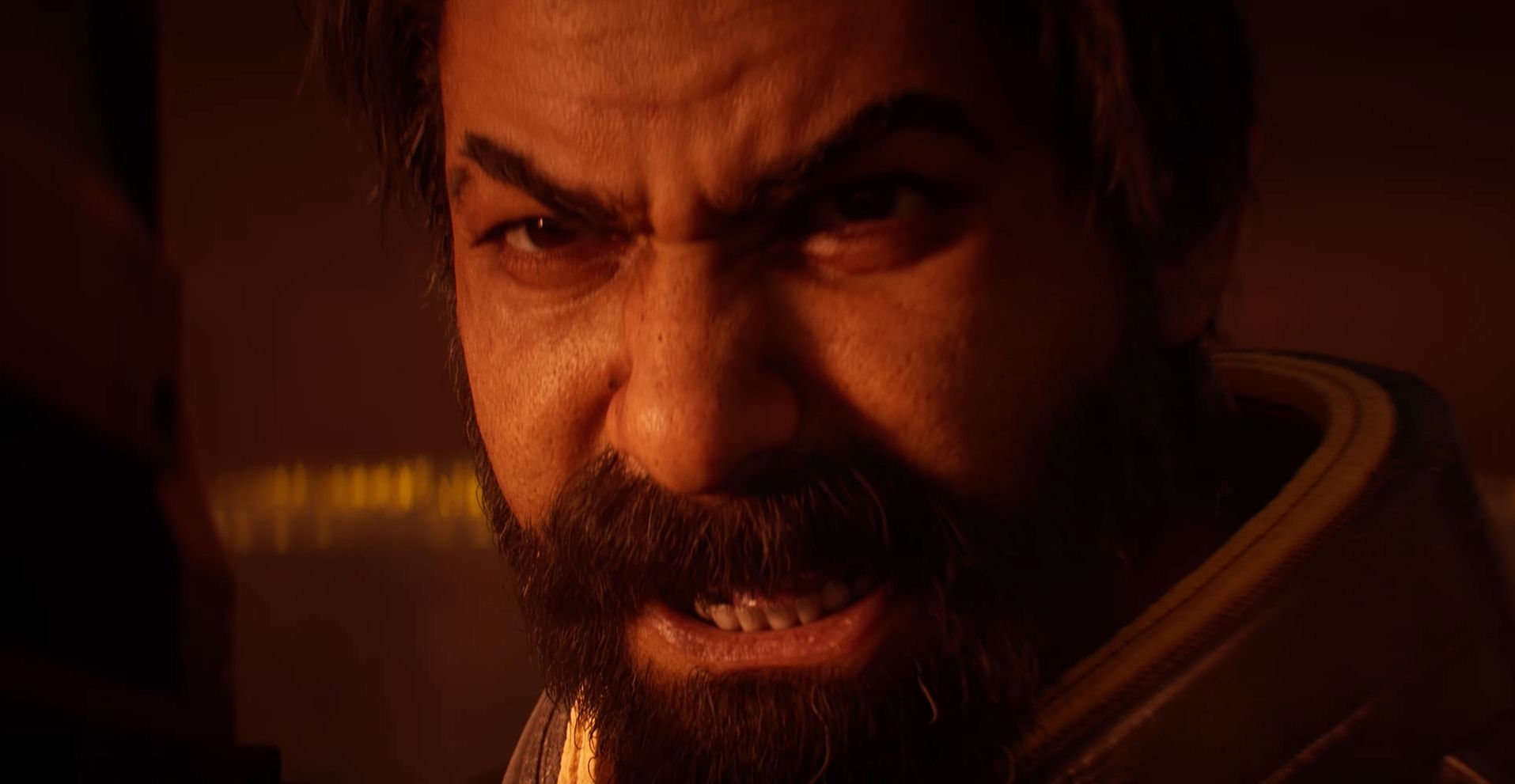

Difficulty in gaming is a complex and personal thing. Many players are finding Saros quite challenging, with some even saying it’s harder than Returnal. Interestingly, the game’s lead actor, Rahul Kohli, suggested players avoid certain helpful features – like positive Carcosan Modifiers and the second life ability – and use fast travel often if they want a tougher experience. While that’s a valid approach, I prefer a game to offer a well-designed challenge rather than requiring me to intentionally handicap myself just to feel challenged.
Whether fast travel helps or hurts your progress in Saros depends on how you play, your skill, and what you prefer. Jumping to a harder area early means you won’t have the best gear yet, putting you at a disadvantage. However, starting in an easier area requires you to survive for a longer time before moving on.
It’s often tough to discuss difficulty in games. In my experience, Saros is noticeably easier than Returnal. I rarely felt truly challenged, consistently defeating area bosses within the first couple of tries. As I unlocked skills and increased my damage output, these boss fights became almost trivial, often ending in just 30 seconds.
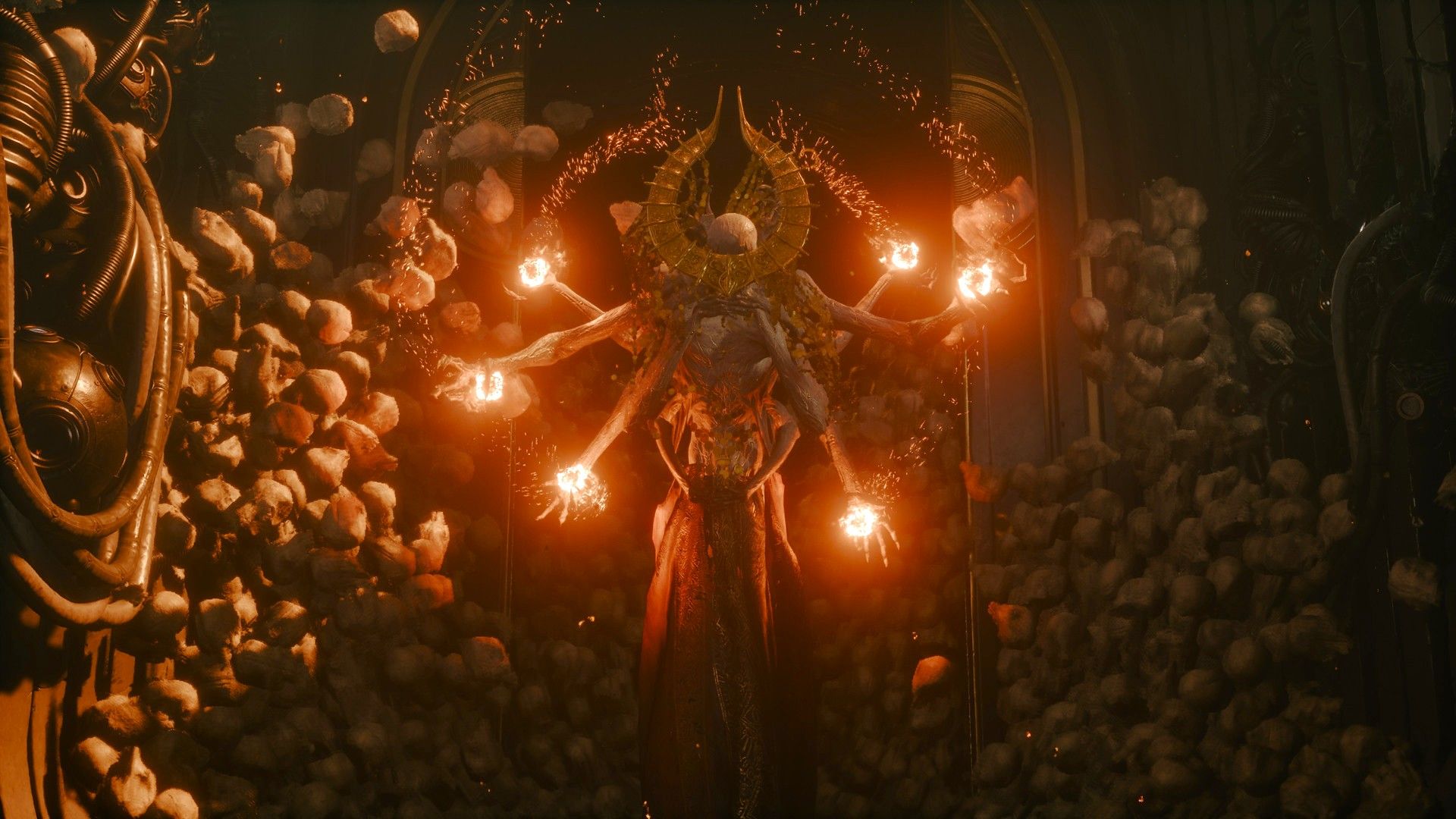
Some players might immediately criticize Saros after hearing this, or think I’m being overly critical. However, the game’s difficulty actually serves a purpose in creating a feeling of empowerment. Without giving away too much of the story, the main character, Arjun, is driven by a flawed desire for power and control. I believe his eventual transformation into an incredibly powerful character isn’t just about gameplay—it connects to the game’s overall themes.
It took me almost 20 hours to finish the main story of Saros. By that point, I’d unlocked almost all the skills and become incredibly strong, even without using the Carcosan Modifiers. I feel like I’ve experienced everything the Saros campaign has to offer, both in terms of story and gameplay. While the game became quite easy after 20 hours, I don’t think every game needs to stay challenging for much longer than that. I’m happy with how my playthrough went and feel like I’ve gotten a complete experience with Saros. It’s okay that it’s now very easy – maybe the game is just meant to be finished, and I can start a fresh playthrough whenever I want.
How Saros Can Solve Its Difficulty ‘Problem’
I’m already dreaming about what Housemarque could do with Saros after launch! They really made Returnal even better with those updates, and I’m hoping they’ll do the same here. Remember the Tower of Sisyphus? That free endless mode they added to Returnal was awesome, and I think something similar would be perfect for Saros. Honestly, with how fast the combat is in this new game, it feels like it would be even better suited to a really challenging endurance mode and competing on leaderboards.
To add more challenge and replayability, the game could benefit from systems like the Pacts of Punishment in Hades, which offer significant rewards for increased difficulty. Even a way to spend the excess Lucenite resource – which players quickly accumulate late in the game – would be great. While a free expansion similar to Returnal would be fantastic, I’d gladly pay for a substantial DLC for Saros. Ultimately, the current difficulty limits how much playtime Saros – a standout game of 2026 – can offer.
Read More
- Change Your Perspective Anomaly Commission Guide In NTE (Neverness to Everness)
- All Nameless Hospital Endings Full Guide In NTE
- Lonely Player Anomaly Commission Guide In NTE (Wandering Puppet Locations)
- Robinhood’s $75M OpenAI Bet: Retail Access or Legal Minefield?
- All Skyblazer Armor Locations in Crimson Desert
- Beware! Phishing Emails Are Deceiving Robinhood Users in a Sneaky Plot!
- Midas Tower ReroRero Phone Booth Location in NTE
- NTE Banners (Current, Next, And Upcoming Banners)
- How to Complete Funny Blocks Game in Infinity Nikki
- Riven Tides Classified Records Keycard Door Location in ARC Raiders
2026-05-05 23:07