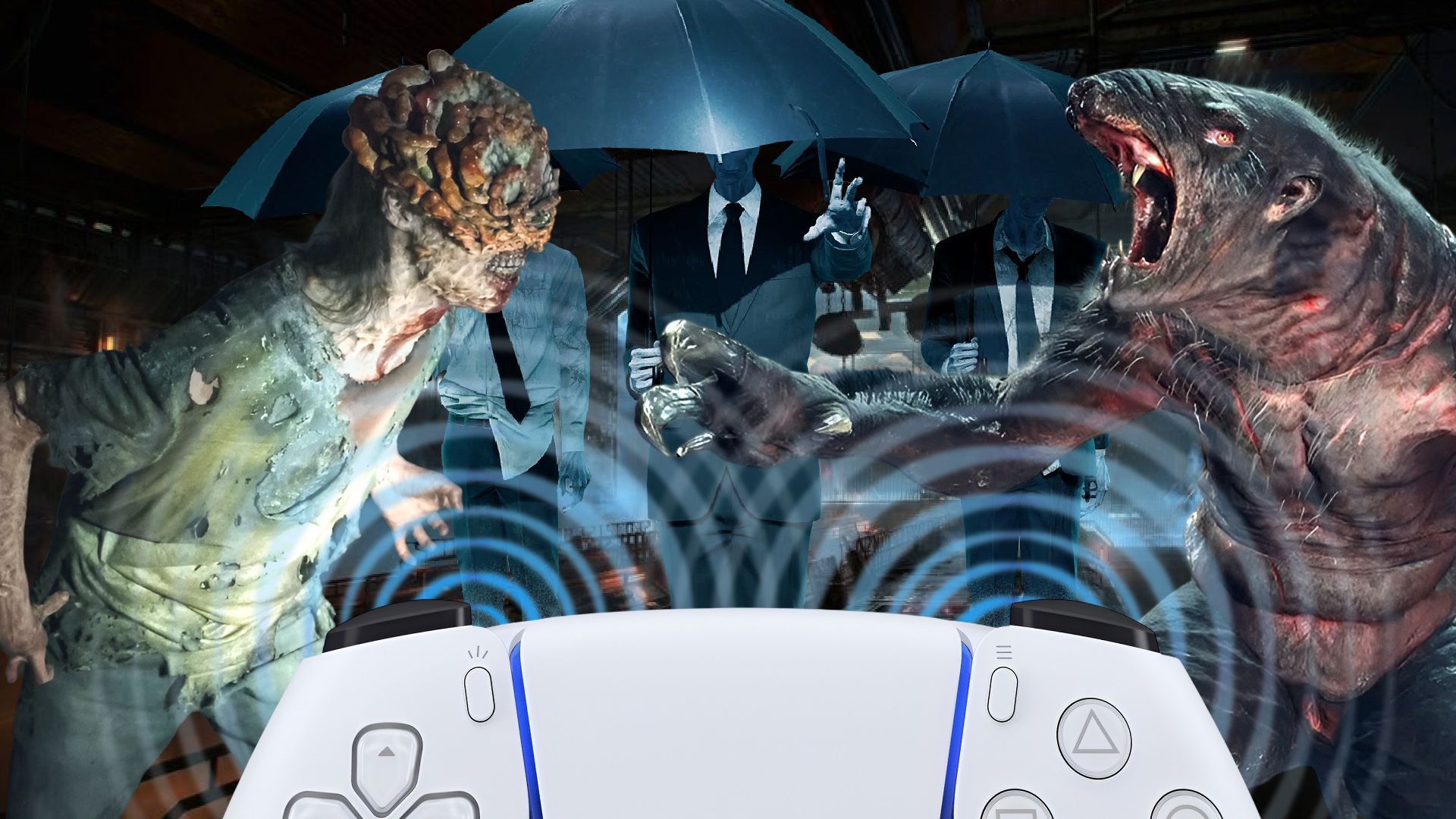
Feeling truly involved in a video game is crucial, and that’s especially true for horror games. Small details can significantly increase the scare factor. While things like sound and lighting are commonly used to build tension, some games are taking immersion to the next level by using the player’s controller itself to create even more terrifying experiences.
The PlayStation 5’s DualSense controllers feature a special vibration technology called haptic feedback, which is more advanced than standard rumble. It creates more detailed and realistic sensations, letting you feel textures and effects within the game more accurately. In horror games, this technology lets developers fine-tune how every action feels – from firing a weapon to just walking around – to build suspense and increase the feeling of dread.
 Rearrange the covers into the correct US release order.
Your Order
Results
— —
10. The Last Of Us Part 1+2
Feeling The Violence

- Adaptive triggers reinforce desperation and exhaustion
- Haptics intensify the emotional tension
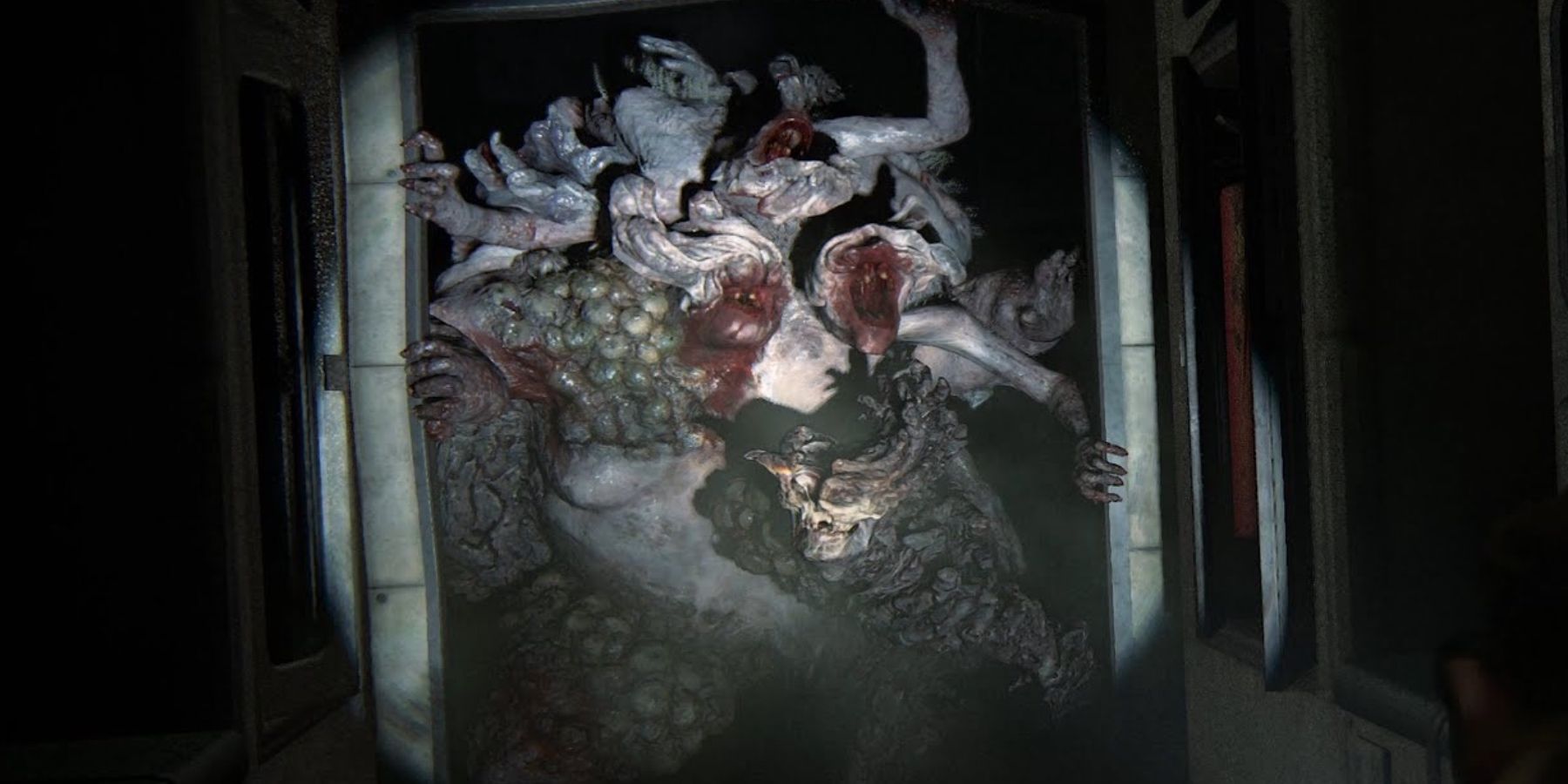
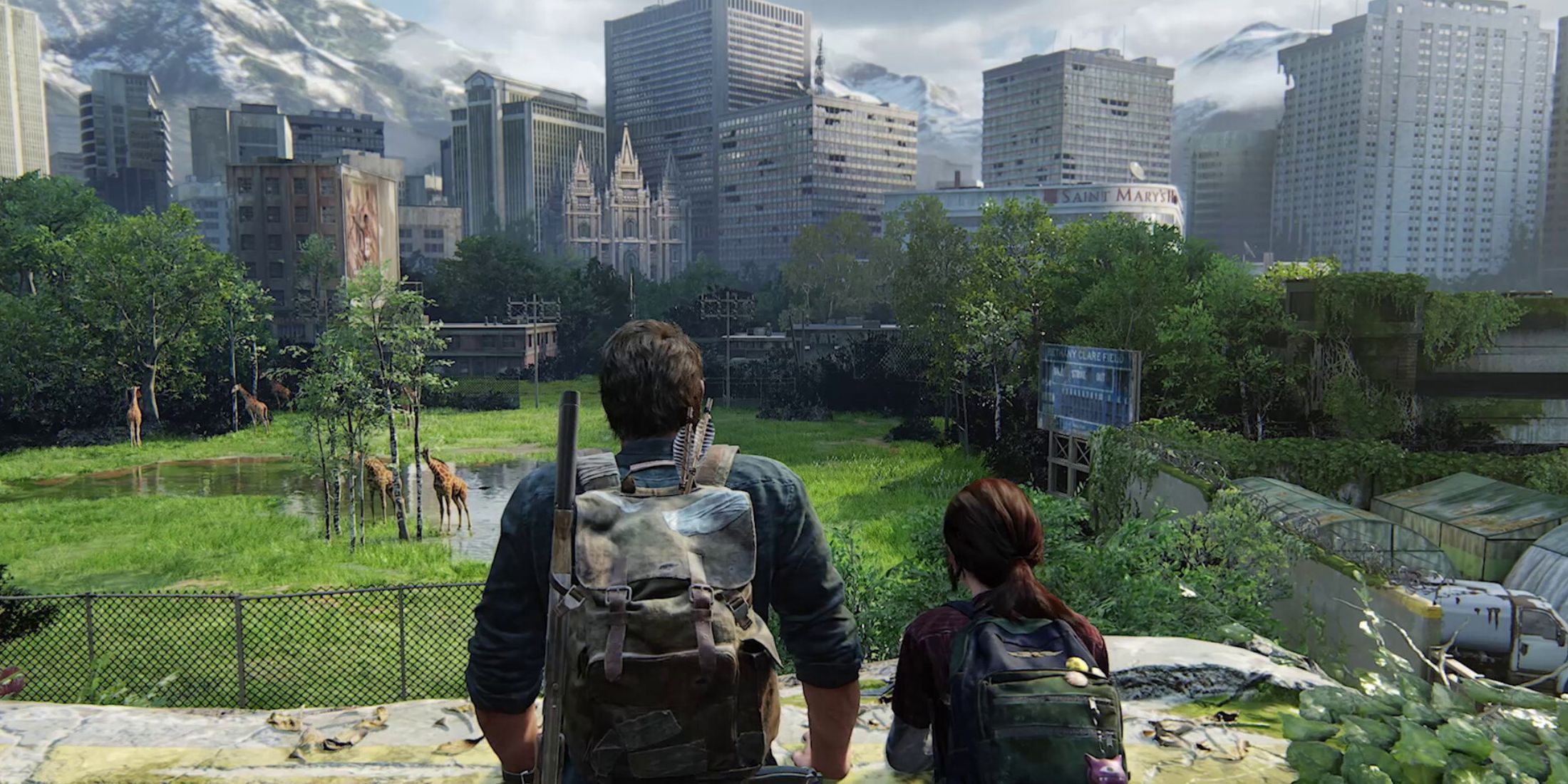
The game The Last of Us really demonstrates what the DualSense controller can do. The adaptive triggers make violent actions feel intensely real, changing how they feel depending on the weapon you’re using. Plus, the controller’s subtle vibrations bring the game world to life, letting you feel everything from your character’s breathing to getting hit.
This implementation works so well because it’s subtle. The haptic feedback isn’t overdone; instead, it builds a constant, underlying tension that really strengthens the unsettling mood of each game. The controller doesn’t just add to the feeling of being there – it becomes a key part of what you experience, making the emotional moments feel much more powerful than they did on older consoles.
9. Dead Space Remake
Every Corner, A New Surprise
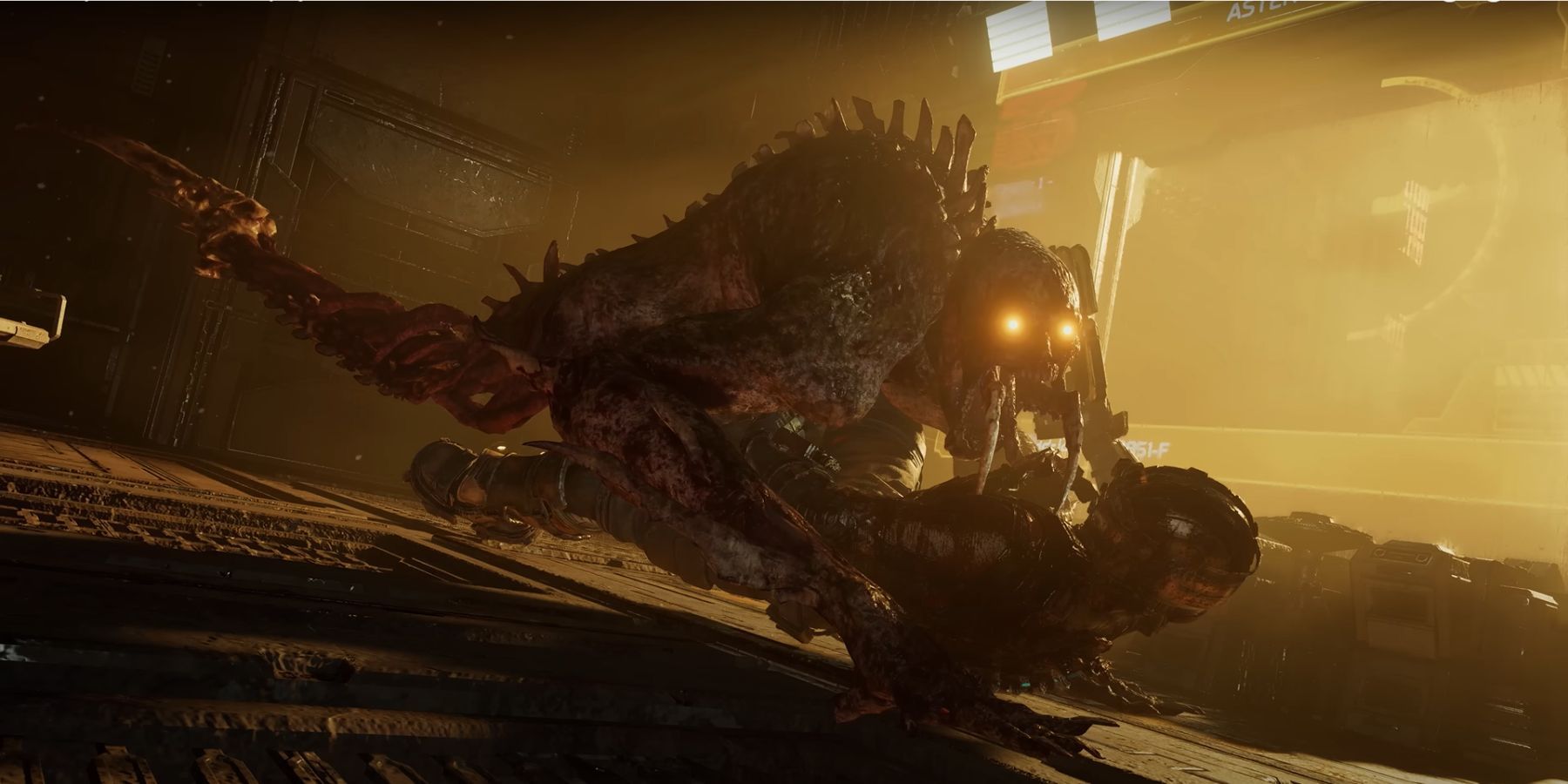
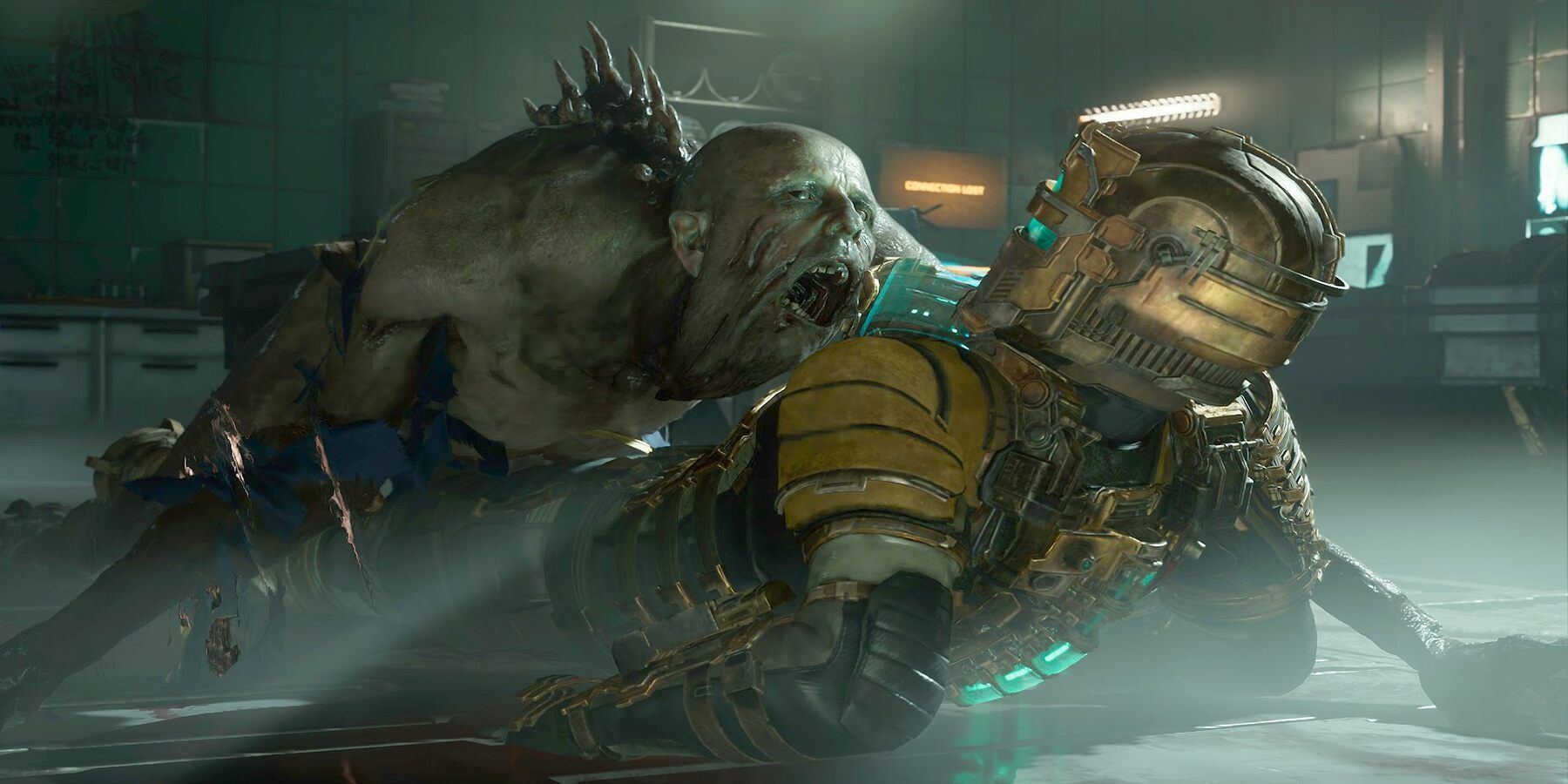
- Vibrations mimic machinery and heartbeats
- Physical strain is added to the combat
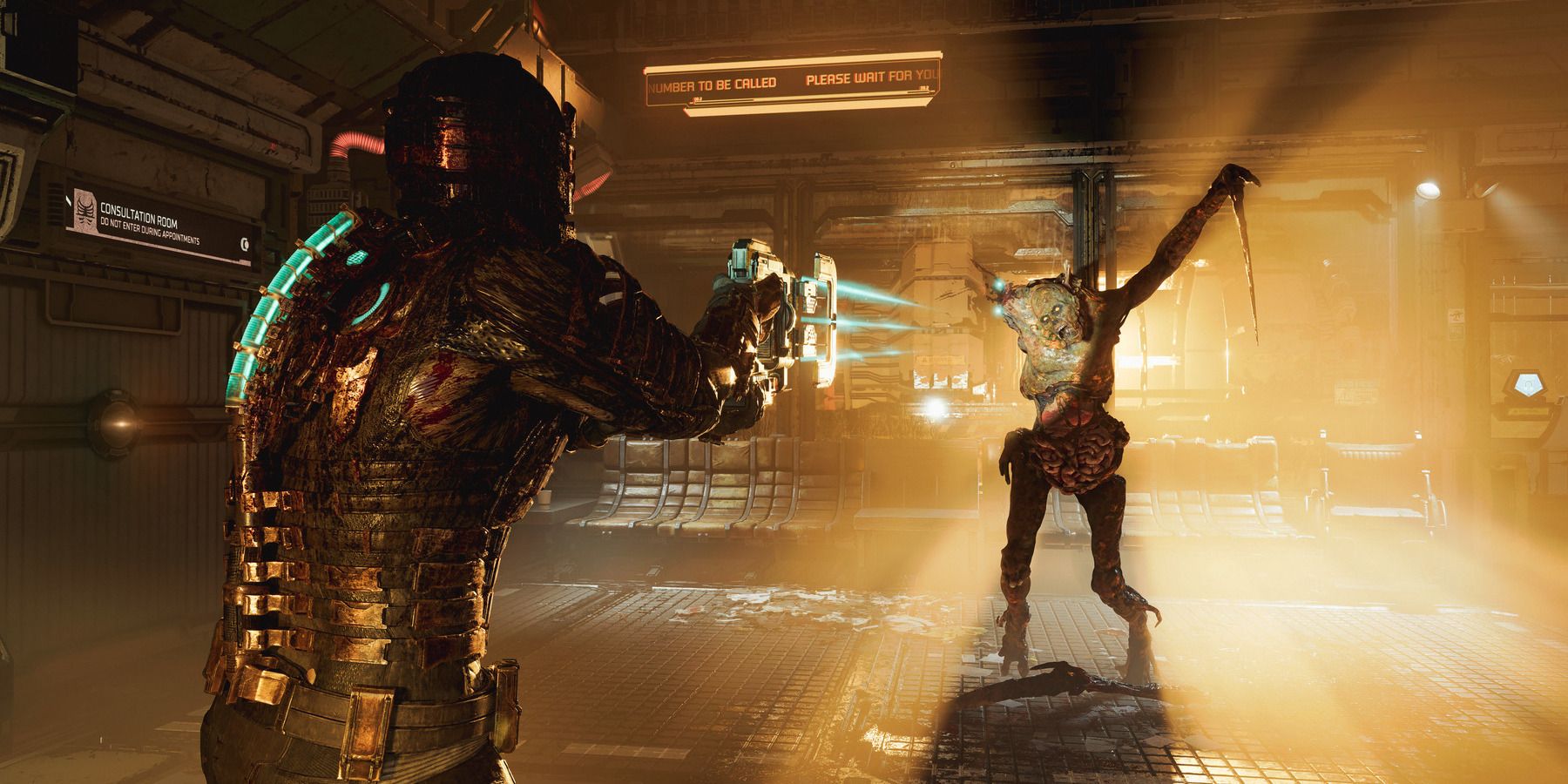
Dead Space cleverly uses the PS5’s DualSense controller to make you feel like you’re actually on the USG Ishimura. The controller vibrates to mimic the ship’s movements, like when riding trams or during emergencies, creating a disturbingly immersive experience that constantly reminds you of the ship’s precarious state.
The game’s combat and technology work together seamlessly, making Isaac’s powerful weapons feel real and impactful. At the same time, his declining health is felt through the controller, which increasingly vibrates and reacts intensely as the game progresses. This creates a truly frightening experience where fear isn’t just seen, but felt, and any brief moments of relief are quickly shattered by the overwhelming intensity.
8. Alan Wake 2
A True Psychological Nightmare

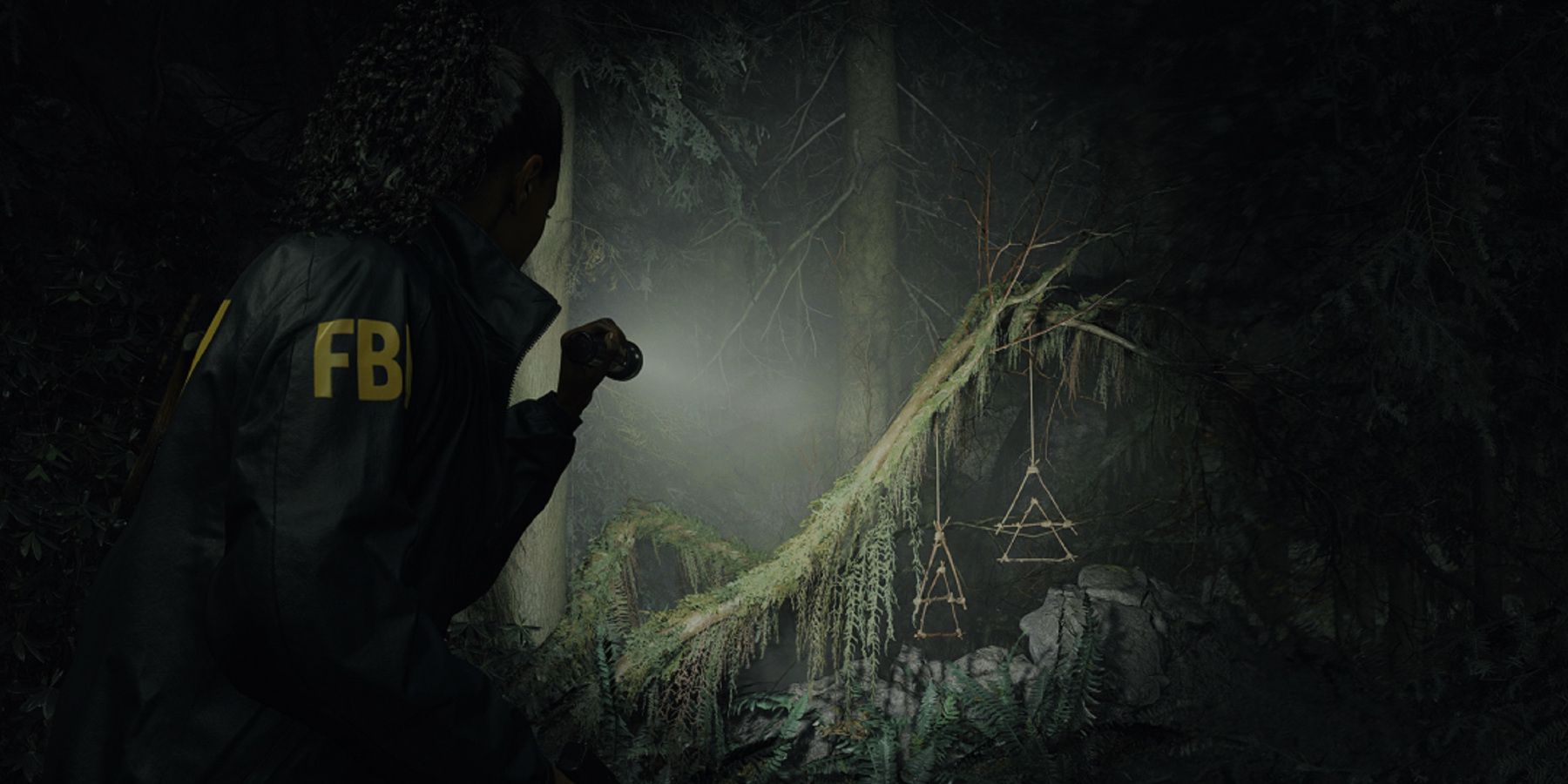
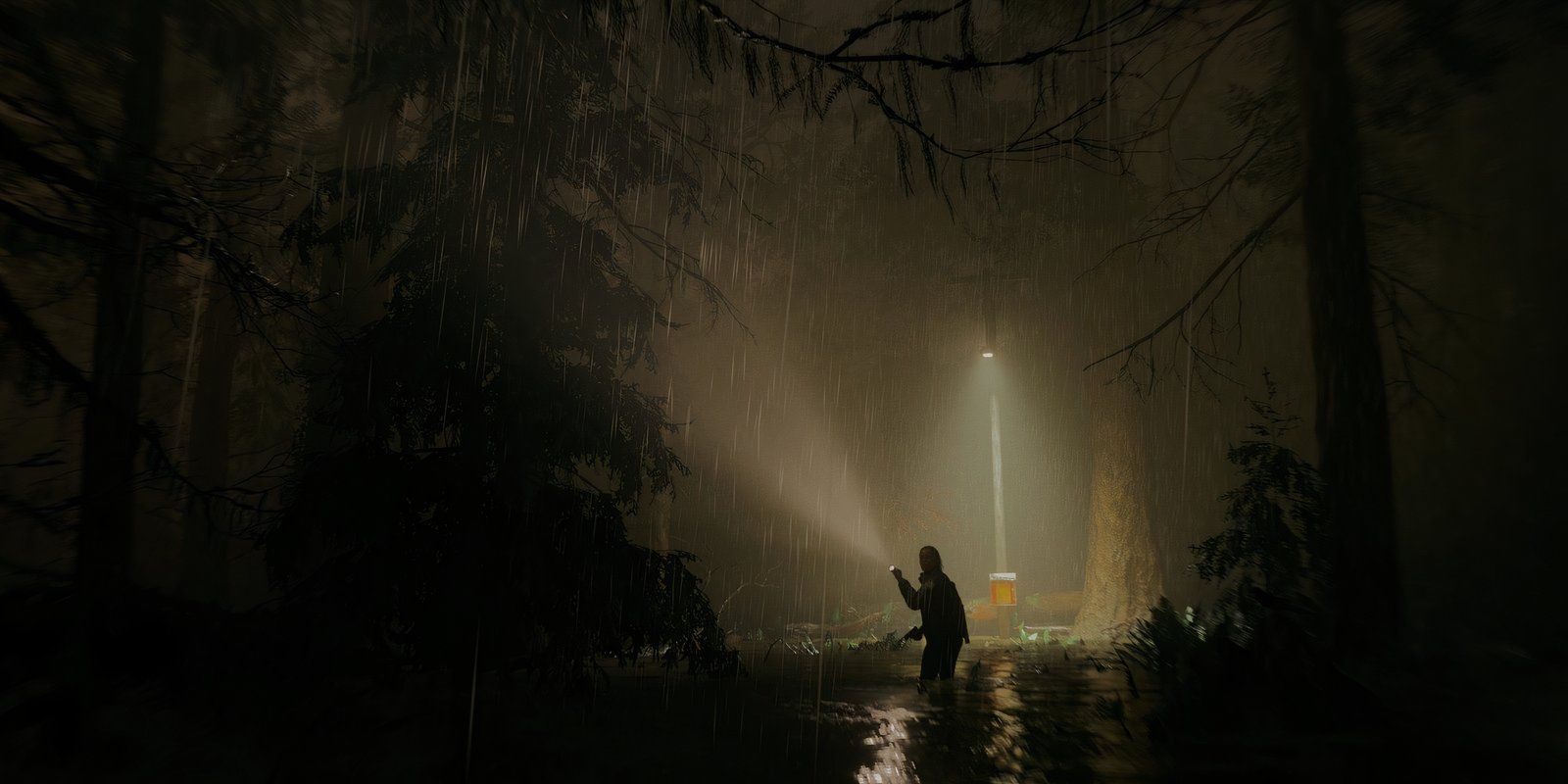
- Highlights shifts between realities
- Environmental feedback destabilizes the player
Alan Wake 2 expertly blends reality and the mind, not just in its story and gameplay, but also through innovative controller features. Sounds and feelings are translated into physical vibrations and sensations in the controller, and even when things are quiet, a subtle background hum keeps you on edge.
This is particularly noticeable when moving between different realities. The subtle changes in vibration emphasize the feeling that the world is transforming. The controller isn’t just something you hold—it actively shapes what the player perceives, blurring the line between what’s real and what’s not.
7. Control
Power That Transcends The Screen
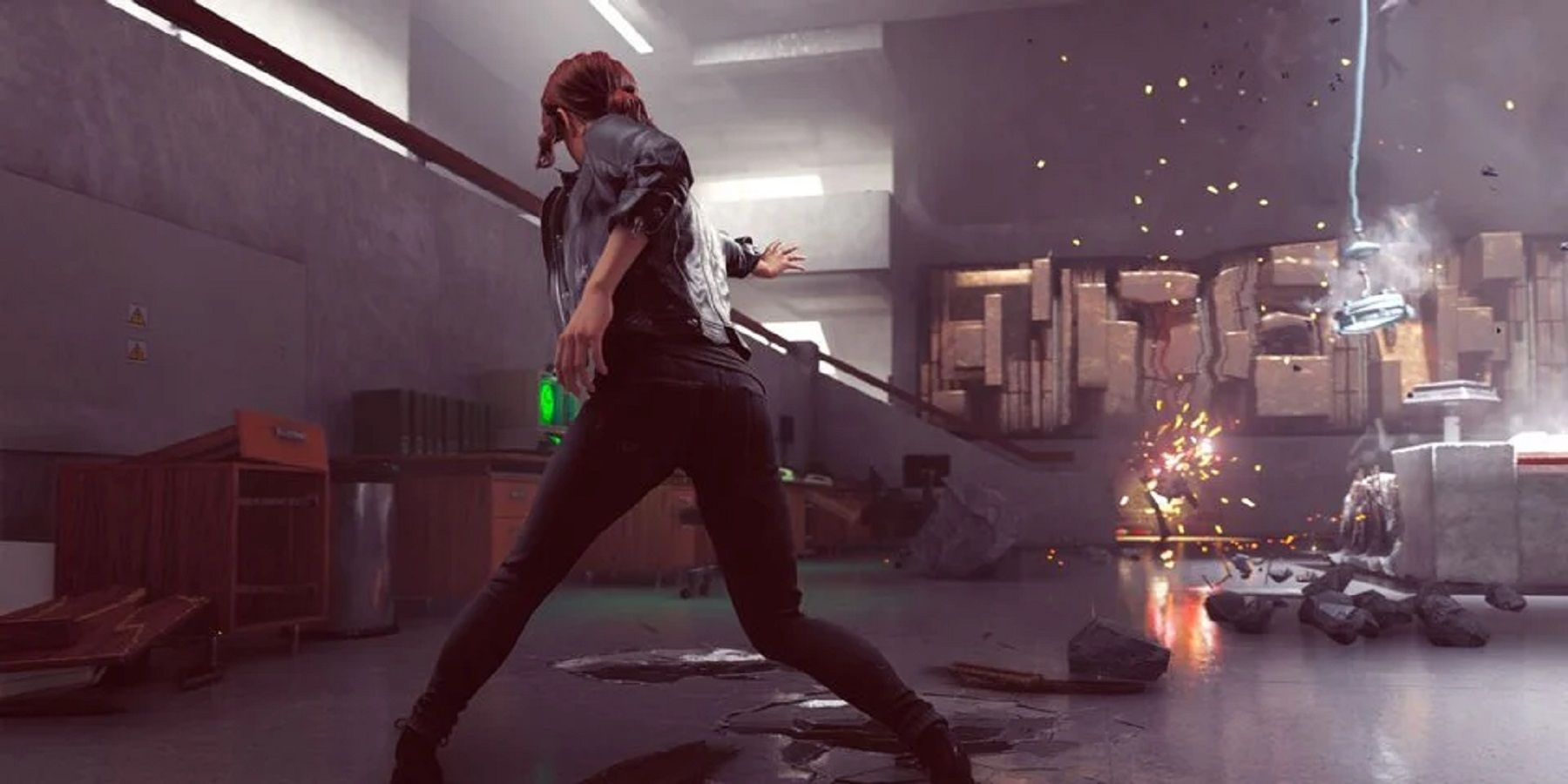
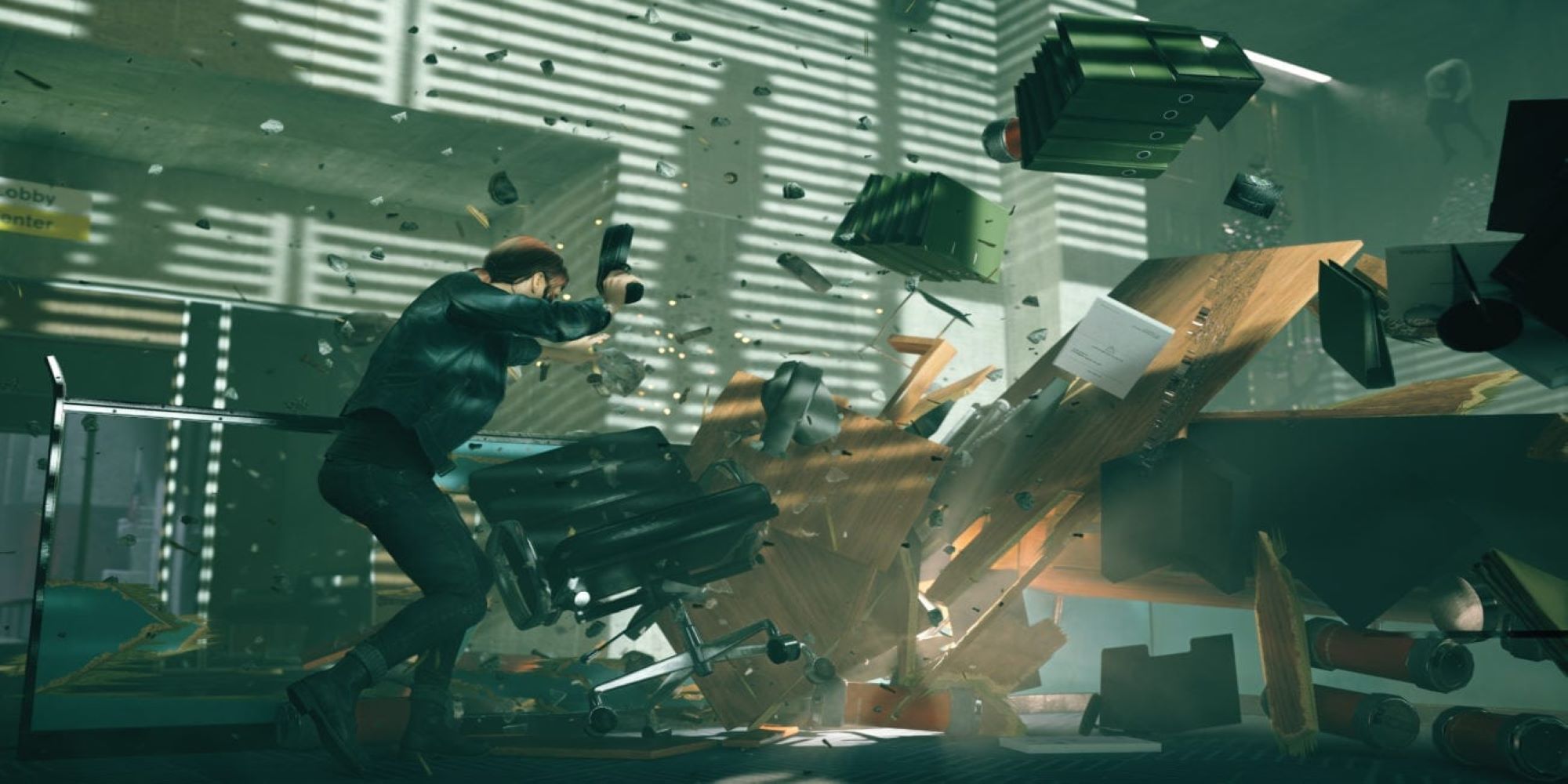
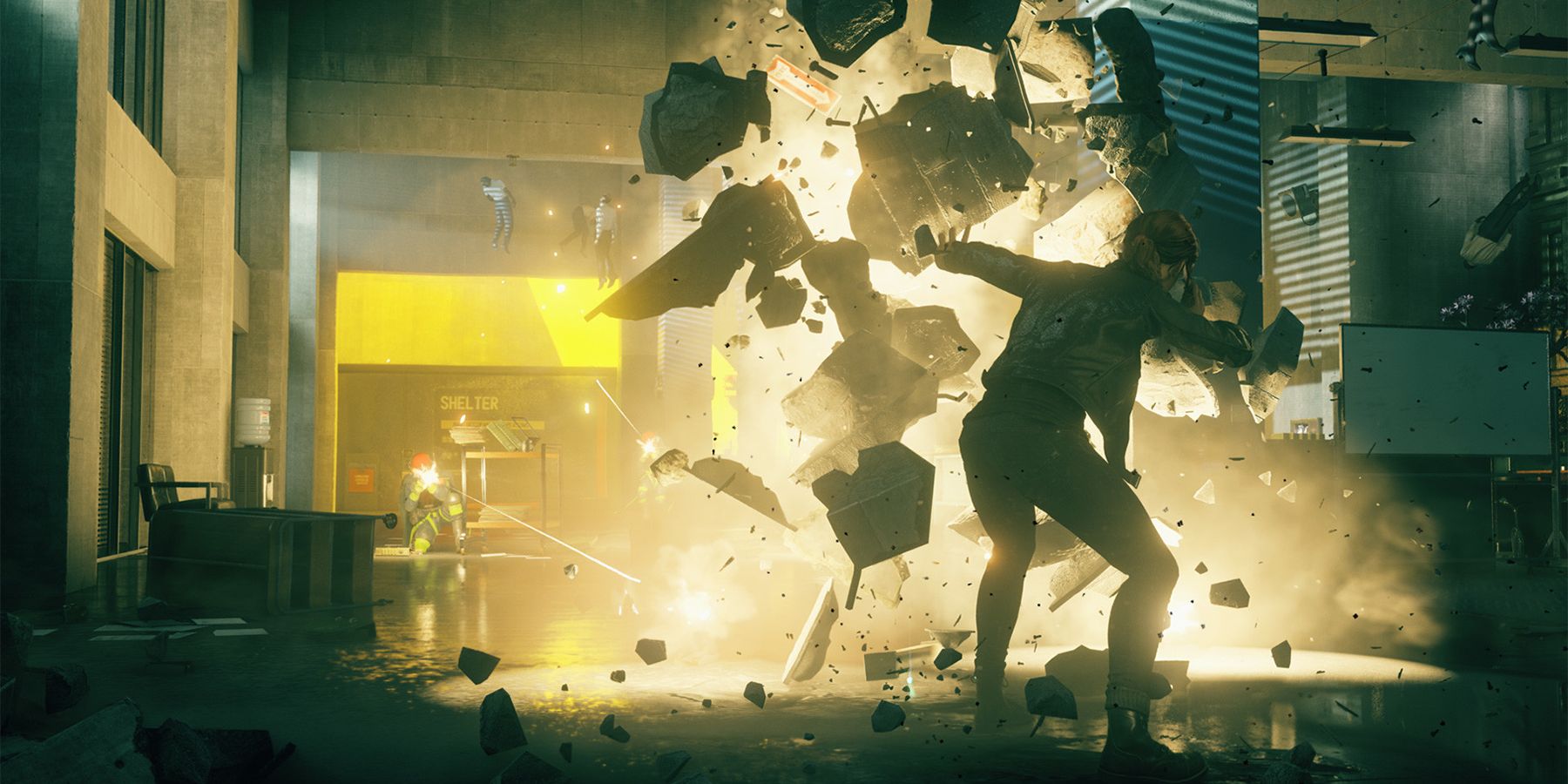
- Layered haptics bring powers to life
- Weight is felt behind every attack
Games that feature supernatural themes are ideal for demonstrating haptic technology, and Control excels at bringing the strange world of the Oldest House to life. The PlayStation DualSense controller doesn’t just respond to fighting; it reacts to the building itself – its changing layout and unusual events – making the whole experience feel unsettling and immersive.
Even with the game’s strange and dreamlike setting, each weapon and throw feels unique thanks to its specific feedback and handling. This focus on how things feel makes the action more real and keeps you grounded, even when the situations become incredibly bizarre.
6. Returnal
Pure Sensory Overload
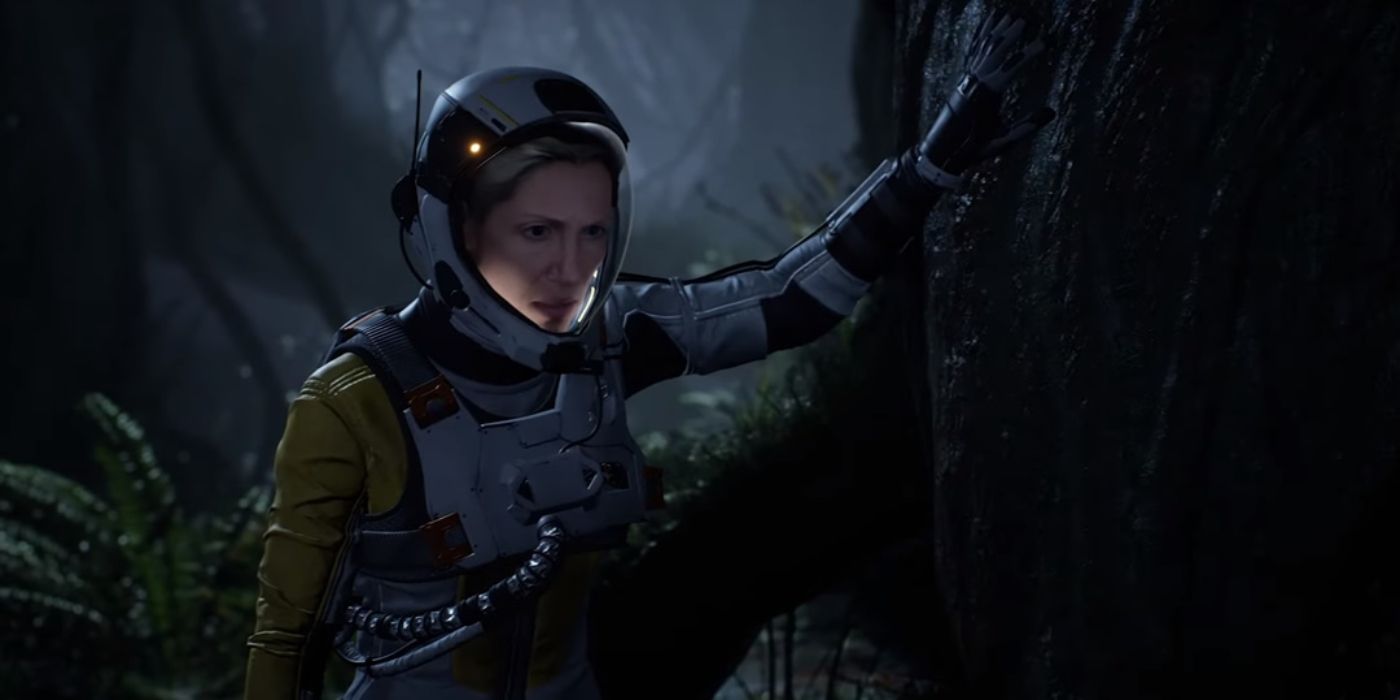
- Weapons function differently thanks to adaptive triggers
- Environmental effects add constant tactical pressure
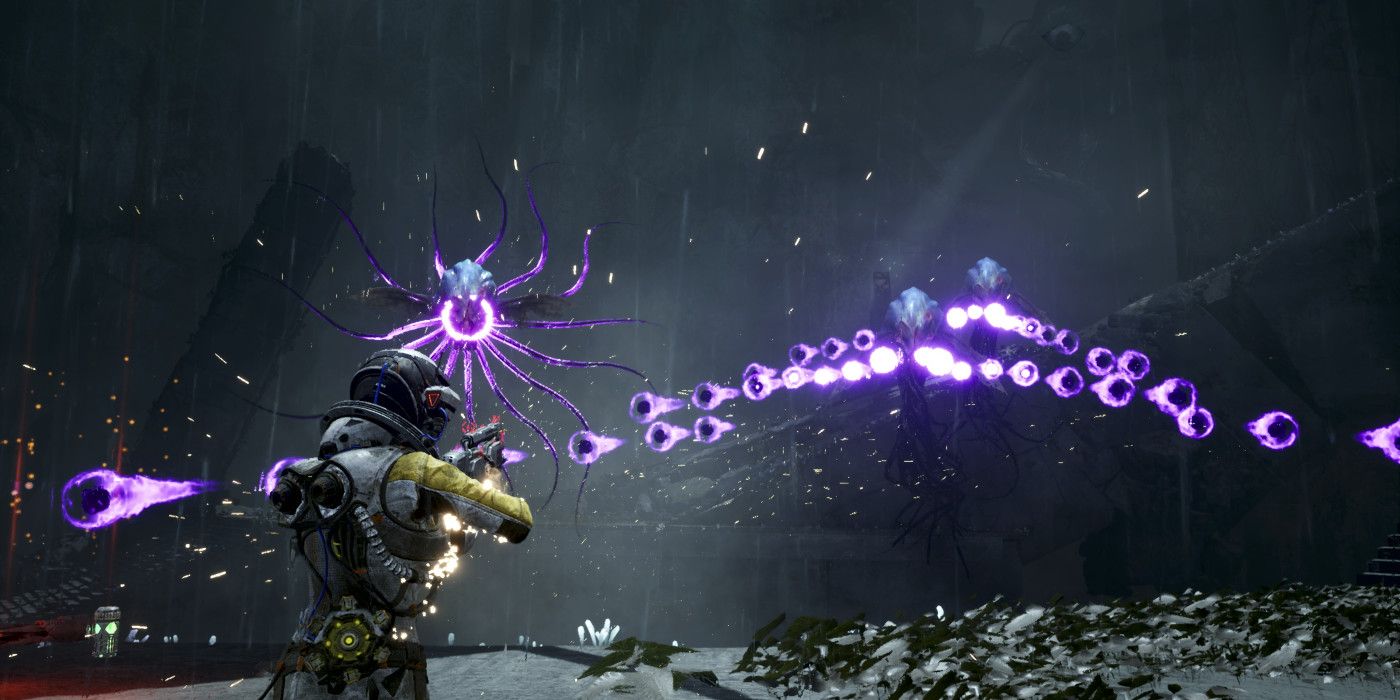
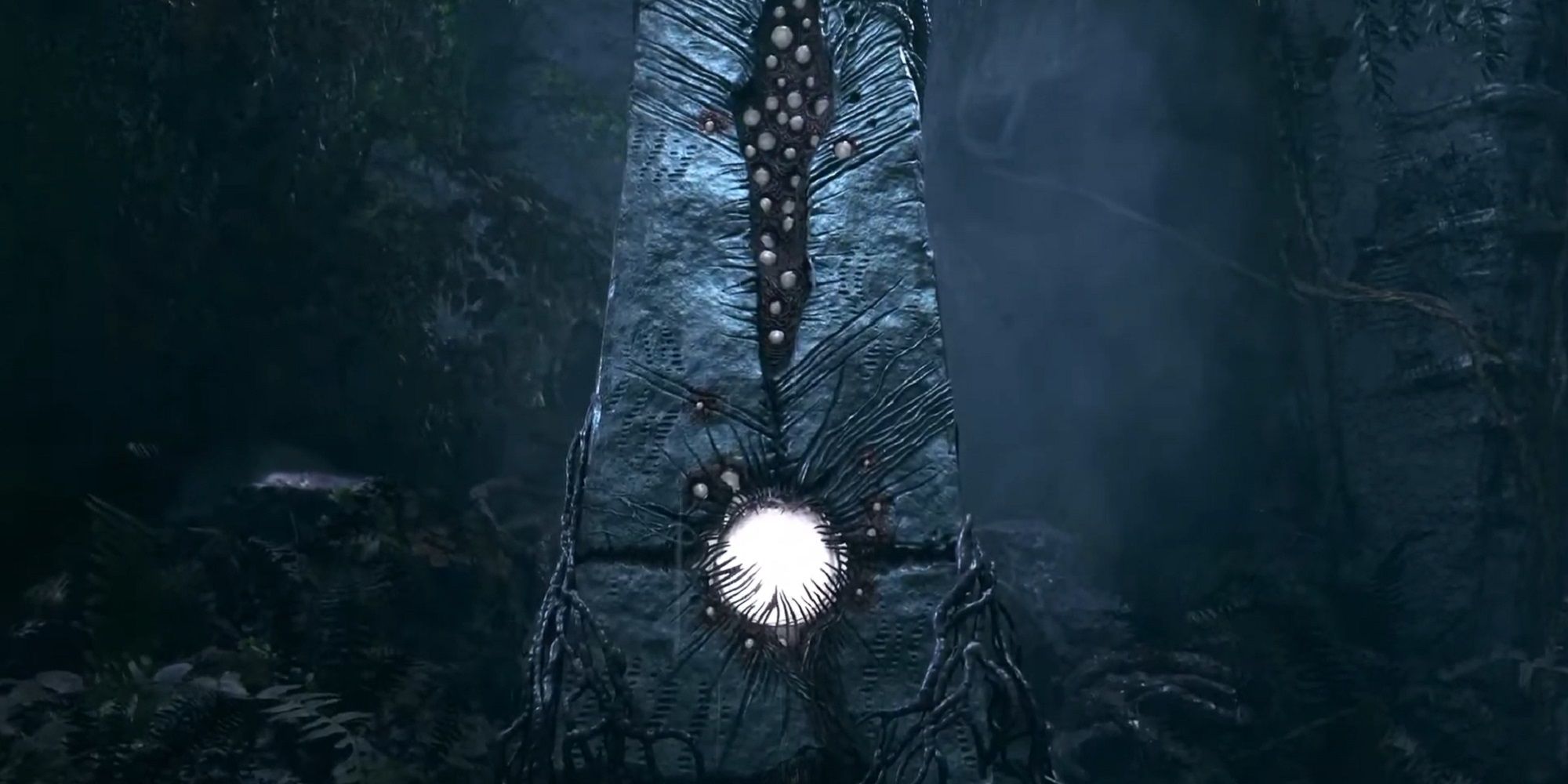
Returnal continues to be a fantastic example of what the DualSense controller can do. It uses the adaptive triggers to make gameplay feel more connected and immersive, especially enhancing the game’s atmosphere. Players can quickly switch firing modes by partially pressing the trigger, without needing to use another button. This small addition makes the game’s already fast-paced action even more captivating.
As a huge fan, what really blew me away was how the haptics completely immerse you in the game world. It’s not just about feeling explosions, it’s like the weather and everything happening around you is constantly touching you, which makes even familiar sci-fi environments feel tense and dangerous. But it goes even deeper – the controller actually reacts to what’s happening emotionally in the story, using vibrations and subtle movements to amplify your feelings and really pull you into the character’s headspace. It’s a game-changer!
5. Metro Exodus
Atmospheric Tension On Another Level

- Isolation and decay are reinforced through physical feedback
- Weapon handling gains additional physicality
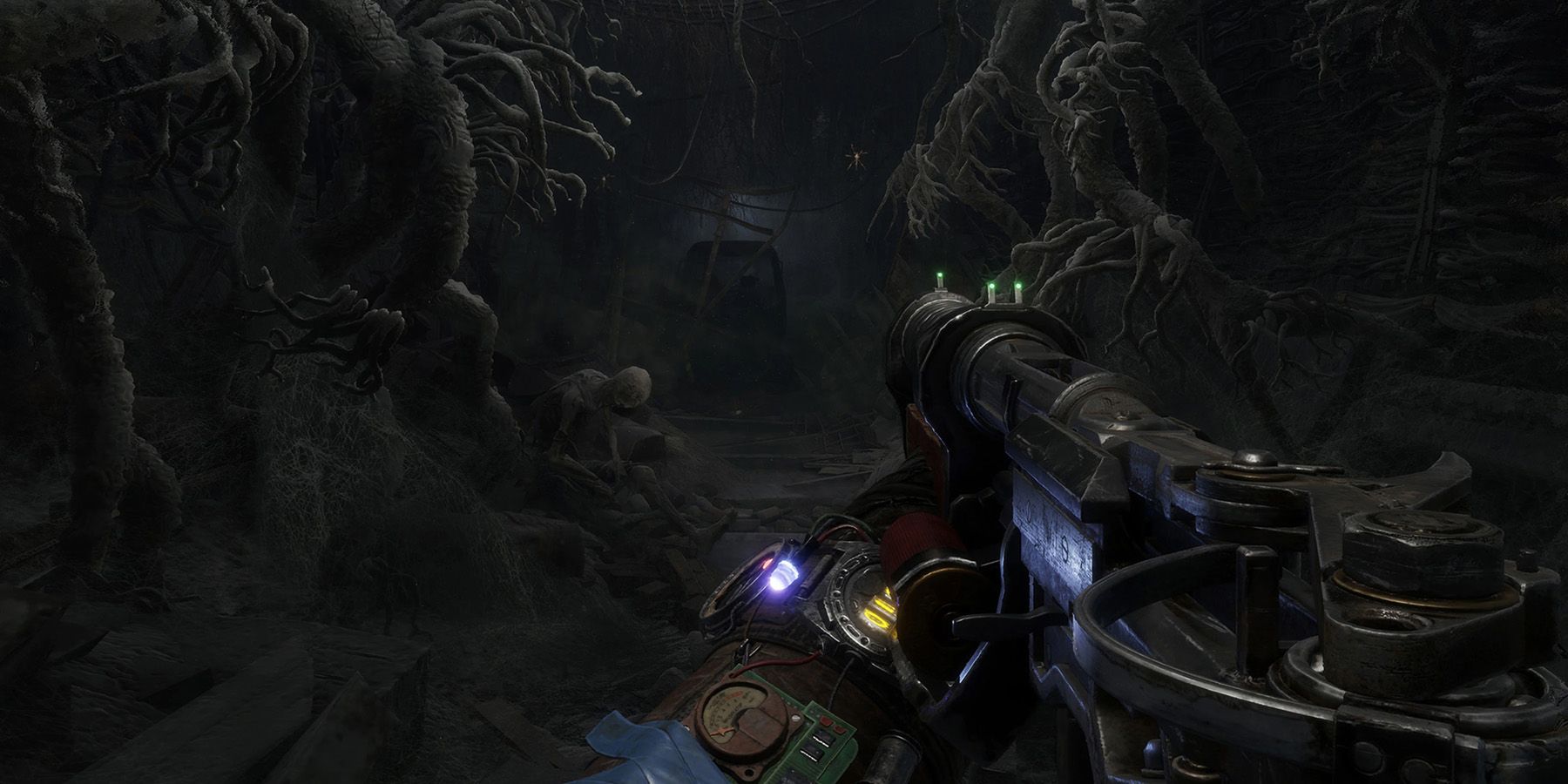
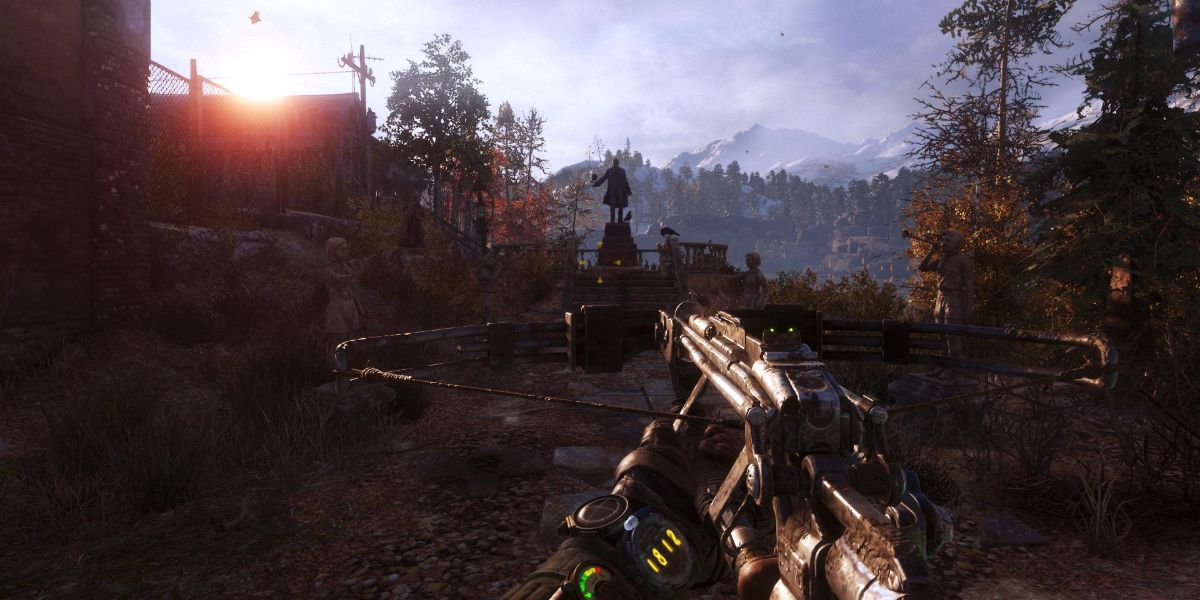
Metro Exodus truly captures a strong atmosphere, and it enhances the game’s bleak world with clever use of the DualSense controller. Instead of relying on obvious effects, it subtly changes the tension in the triggers when you use different weapons, immediately impacting how combat feels. Environmental details, like storms and faraway train noises, add depth to exploration without being distracting, perfectly matching the game’s overall tone.
This game is fundamentally a survival adventure, and it expertly builds tension. The already impressive sound design is amplified by the controller’s haptics, which add a constant, subtle layer of stress that keeps you on edge. Instead of relying on jump scares or constant action, the haptics work quietly to deepen your immersion and enhance the series’ signature slow-paced, methodical gameplay.
4. Ghostwire: Tokyo
Persistent Paranormal Presence

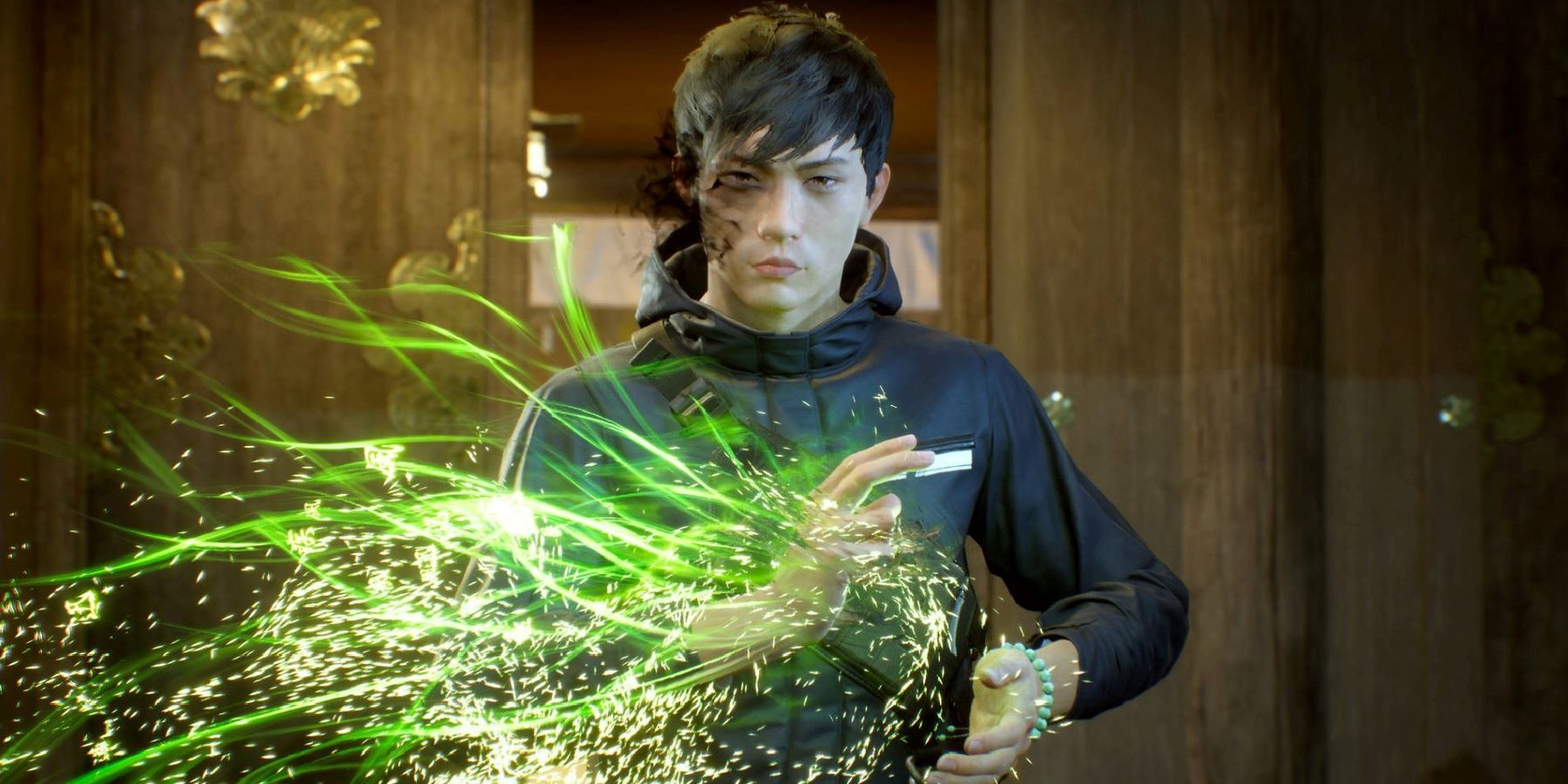
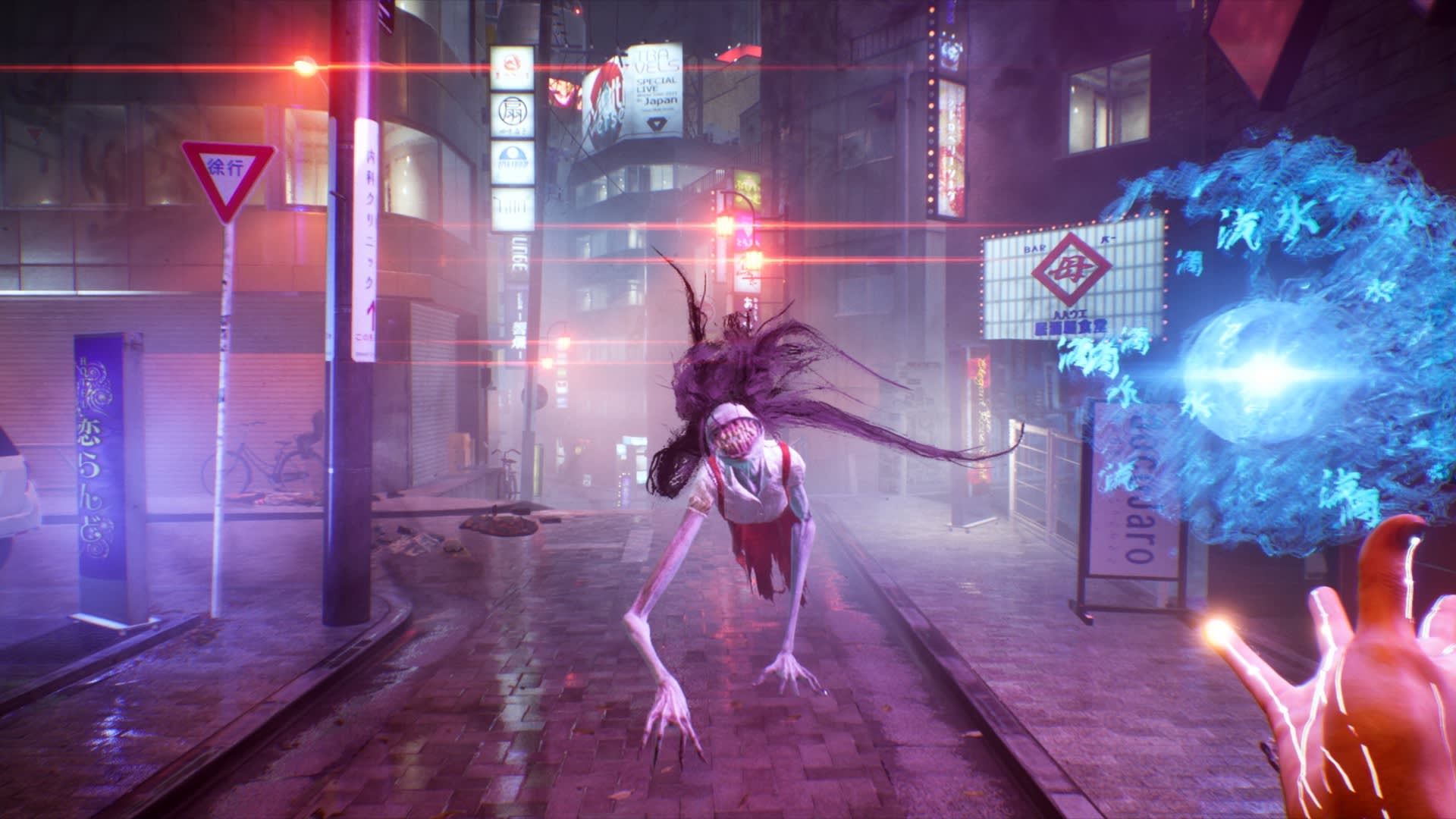
- Spiritual energy is channeled into the player’s hands
- Subtle vibrations indicate environmental anomalies
Ghostwire: Tokyo excels at creating a spooky atmosphere in the city, even during quiet moments. The game’s use of the DualSense controller’s vibrations—responding to spiritual activity, strange happenings, and nearby danger—builds a subtle sense of unease that can quickly escalate into intense action.
Battles feel more immersive thanks to detailed vibrations and resistance changes that match the type of attack being used. The controller doesn’t just react to what you see; it warns you of hidden dangers, transforming even simple walks around the city into tense and unpredictable journeys.
3. Resident Evil Requiem
Experience The Fear
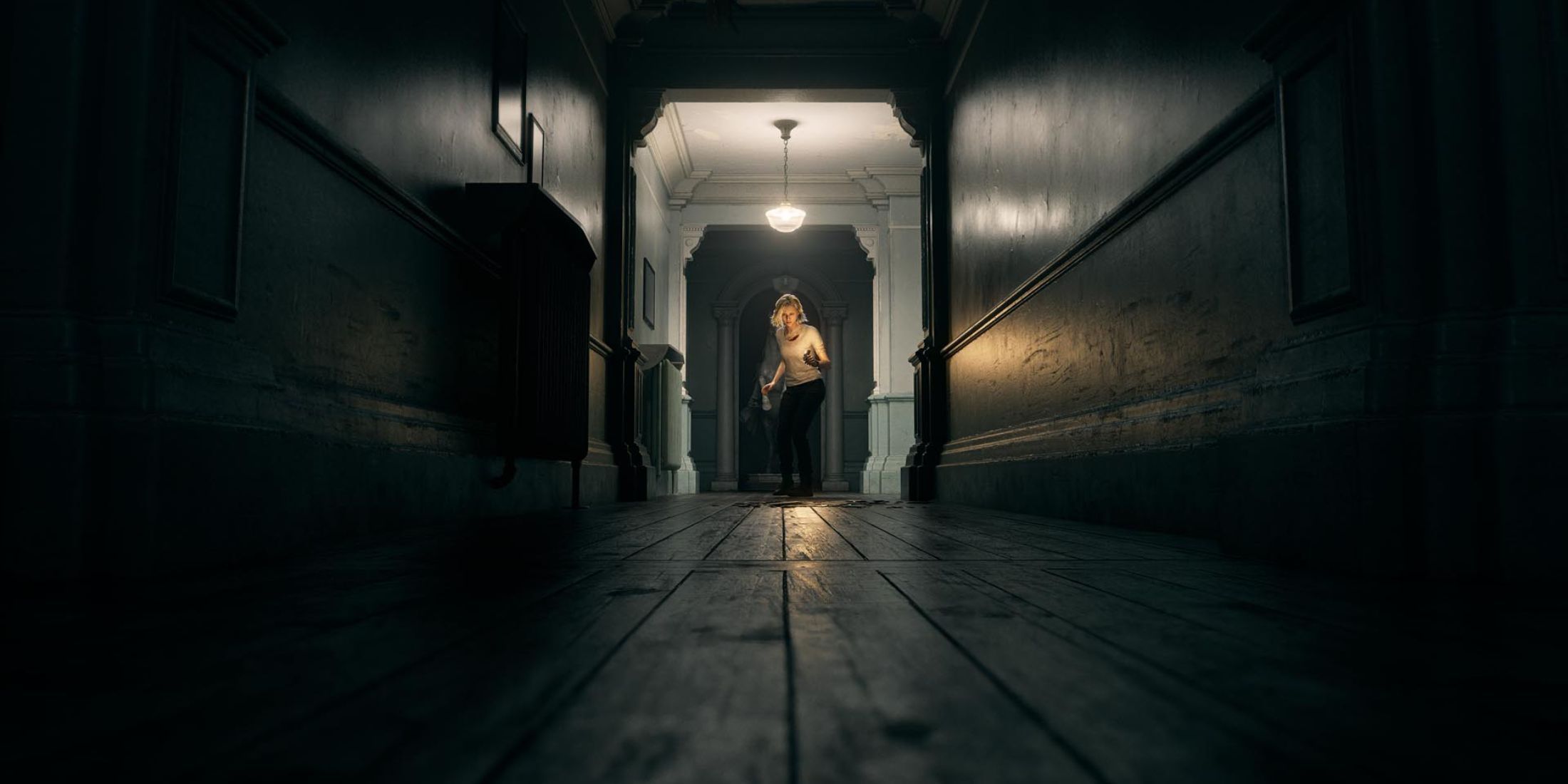
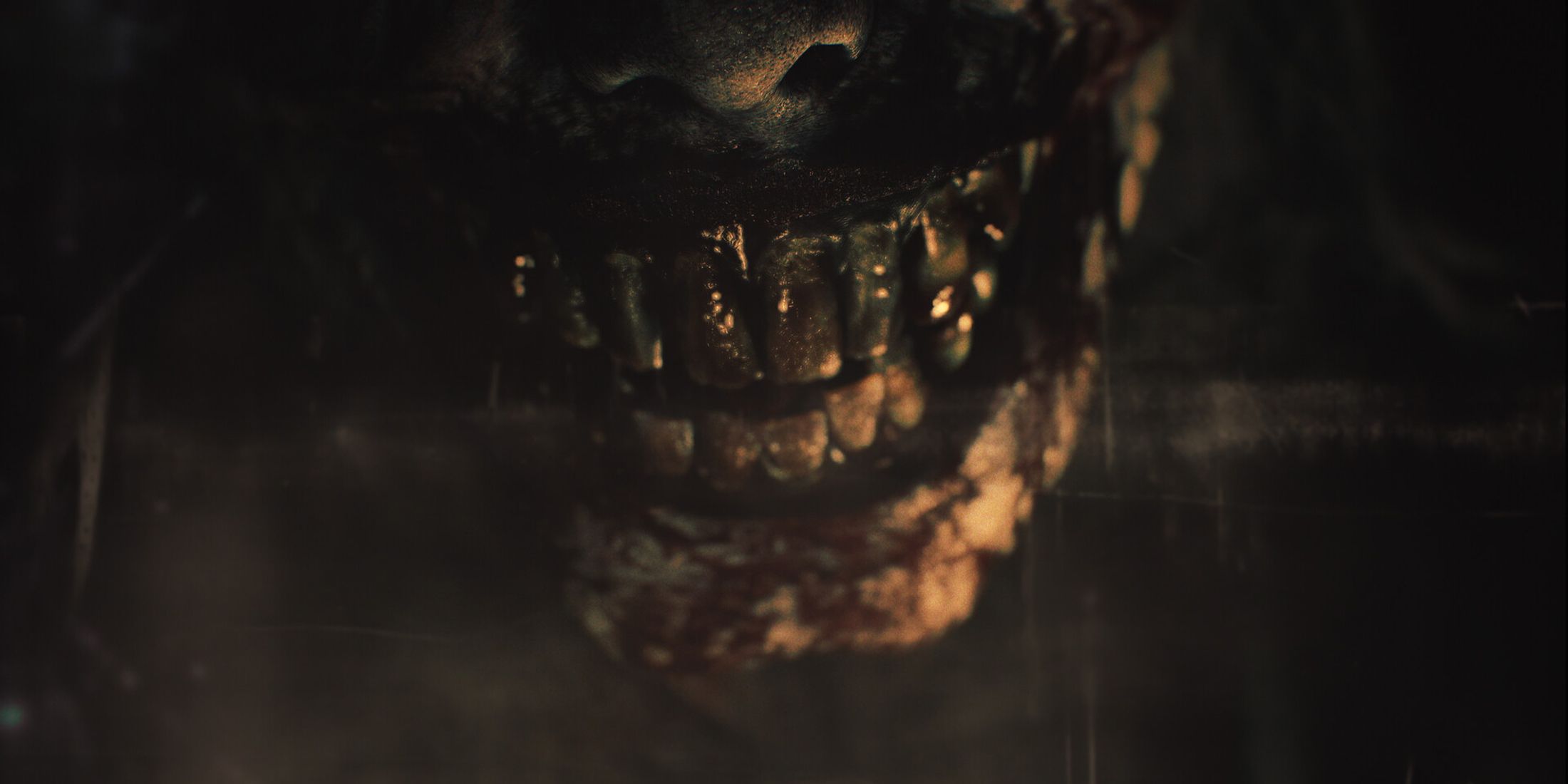
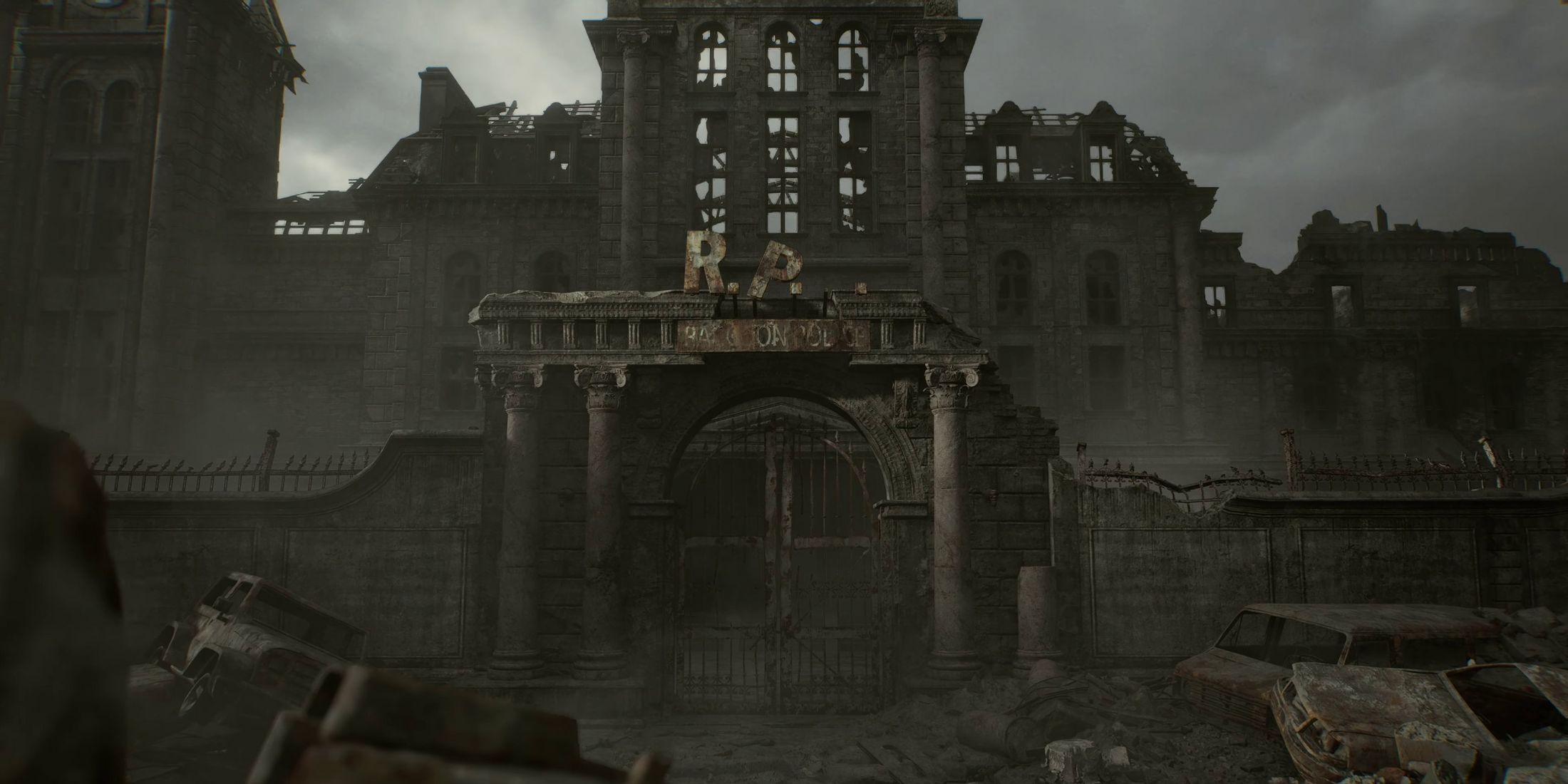
- Hesitation and shakiness are felt through the triggers
- Eerie moments are amplified through vibrations
The Resident Evil series is a cornerstone of survival horror, and Requiem perfectly demonstrates why it’s remained so popular. The game puts you right into the shoes of Grace, who is genuinely terrified from the start. Players feel her fear through subtle details – the small pauses and breaths – creating tension even when no enemies are nearby.
This really gets to the heart of what makes survival horror so good. It’s not just about jumping when a zombie appears; the way the game feels in your hands actually builds tension and makes even just walking around scary. Whether I’m playing in first-person, totally immersed, or in third-person for a bit more breathing room, I can feel the fear creeping in – it’s a full-body experience, honestly. It’s not just what I see, it’s how the game makes me feel.
2. The Callisto Protocol
Plenty Of Room For More Sci-Fi Horror
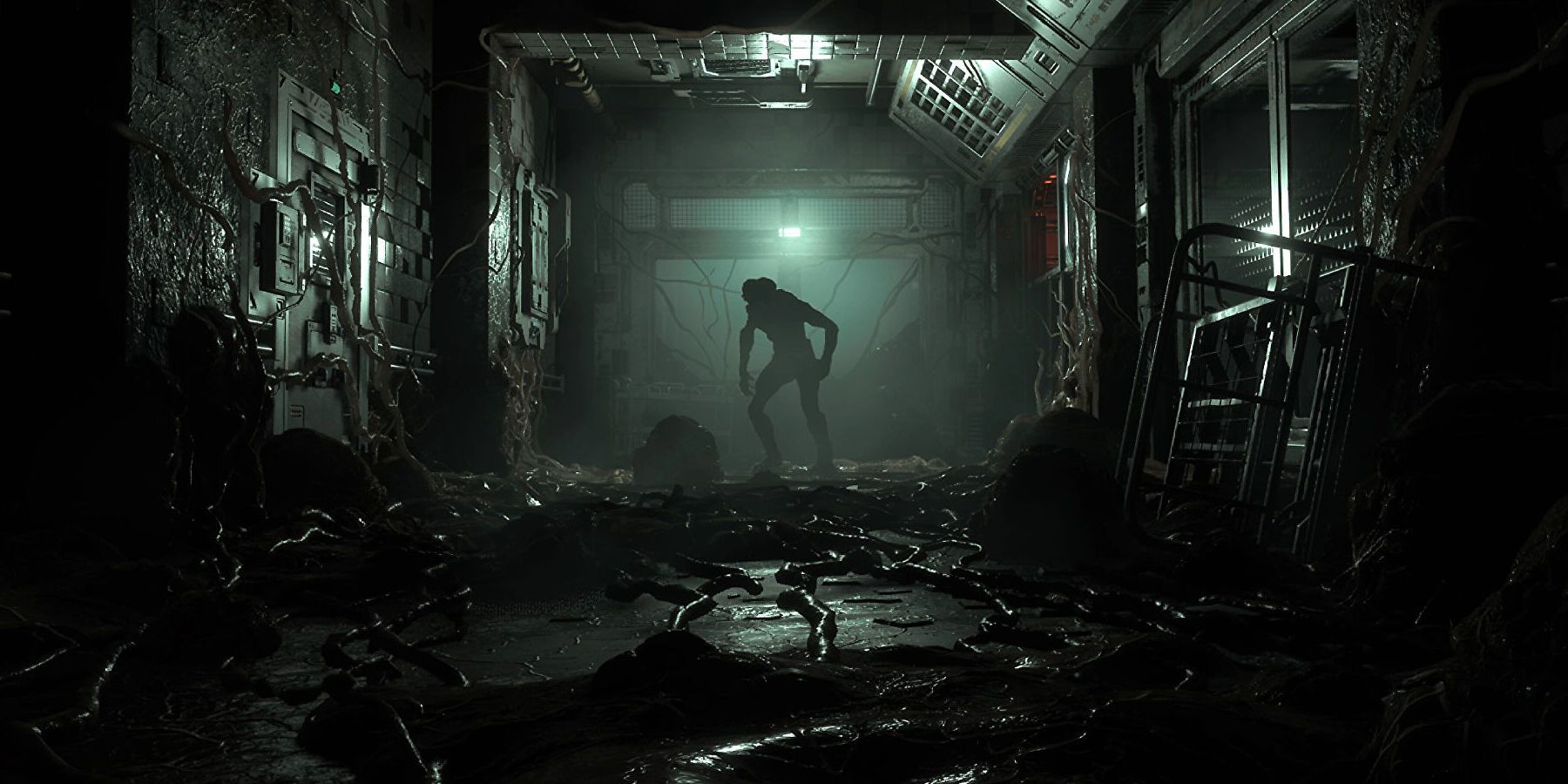
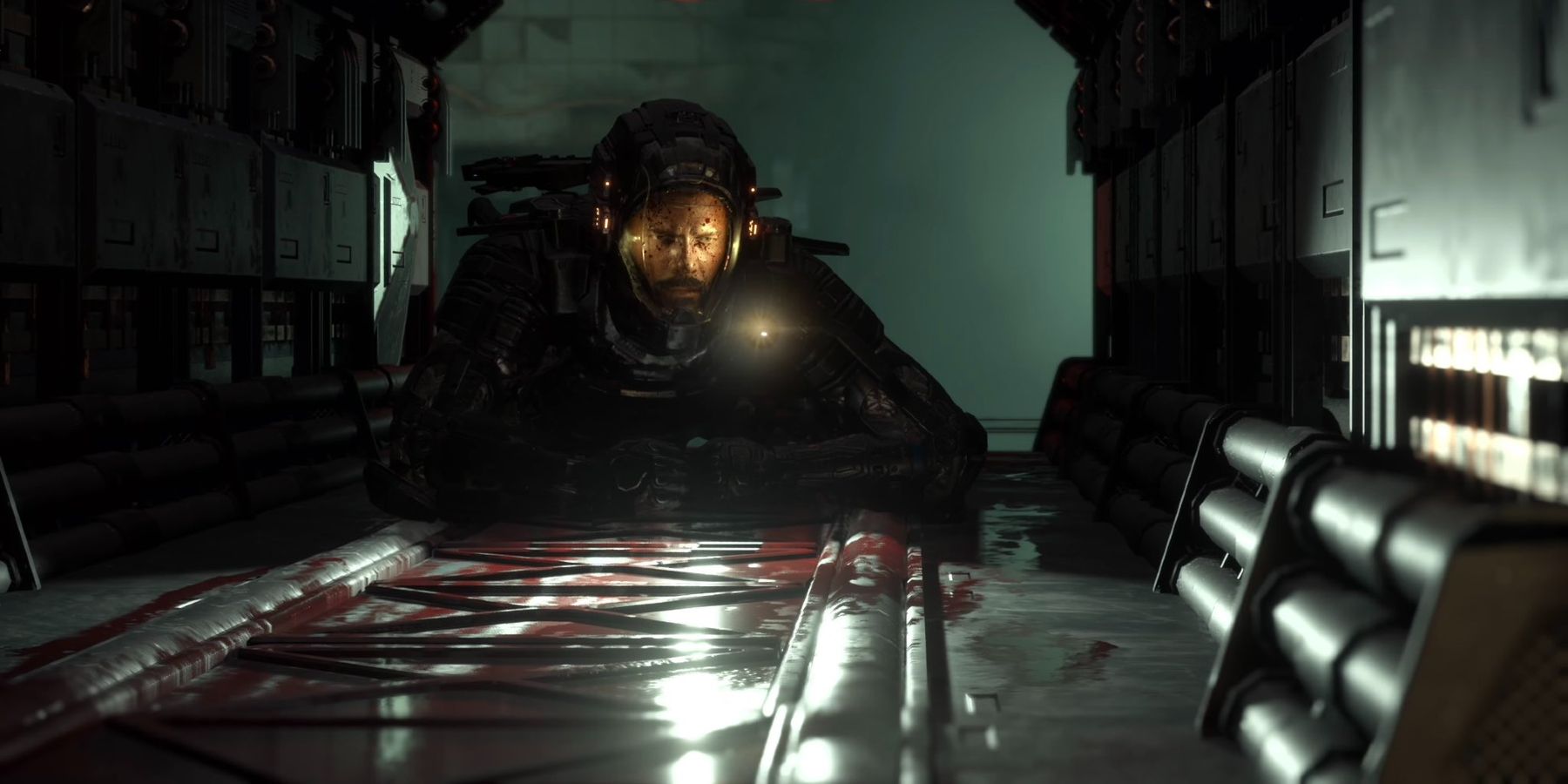
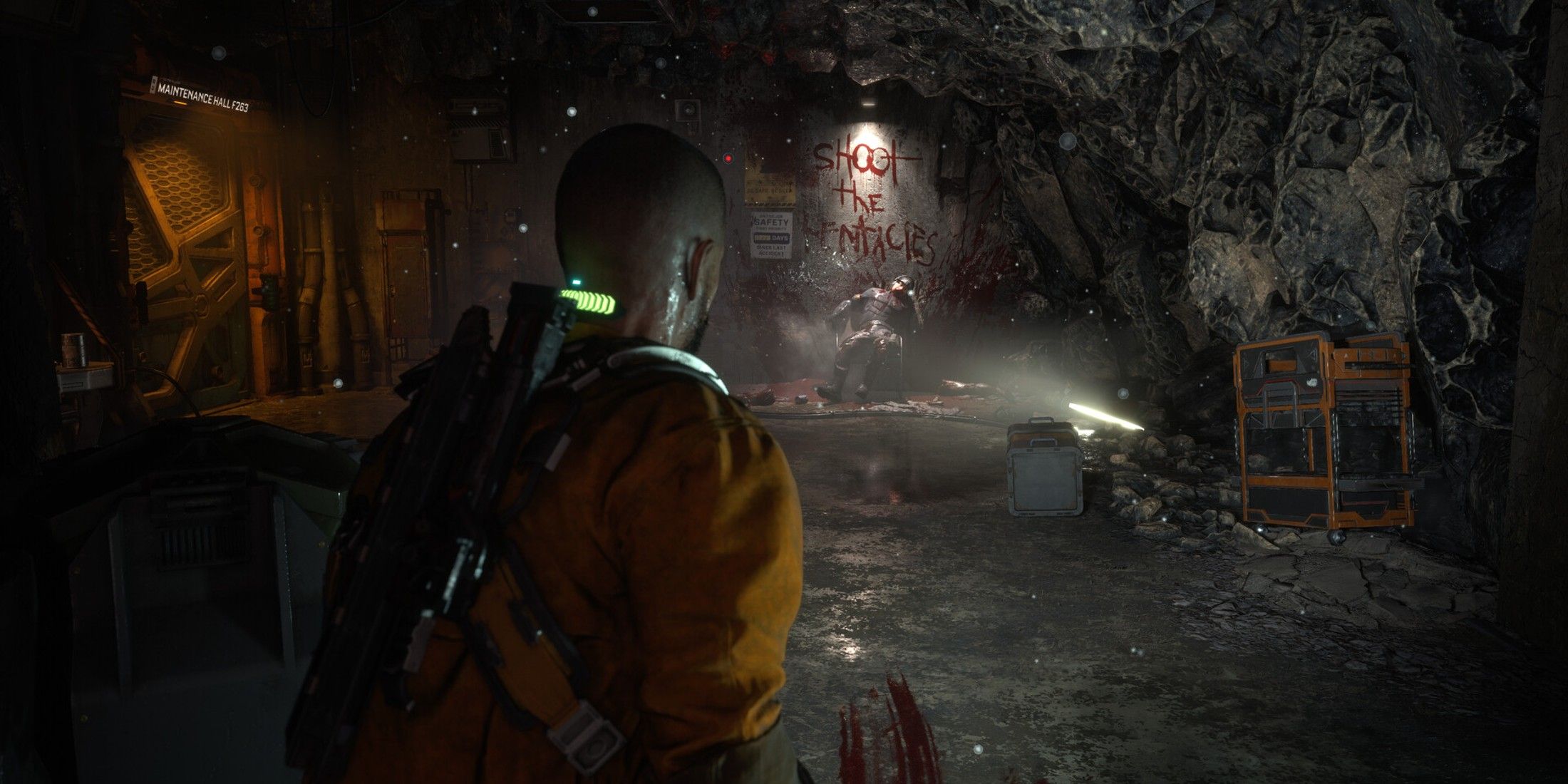
- Heavy vibrations emphasize physical damage
- Claustrophobic combat is made all the more intense
The Callisto Protocol is a brutally physical game, heavily inspired by sci-fi and body horror. Every fight, hazard, and encounter feels impactful and violent thanks to detailed feedback. Unlike standard controllers that simply rumble, the DualSense controller adapts to the specific force and effort of each action, making it feel more realistic.
Similar to other sci-fi horror games, a feeling of being trapped is central to the experience. The constant, low drone of machinery – felt as much as heard through vibrations – heightens this sense of confinement. The horror isn’t just something you watch; it’s something you feel, blurring the line between you and the events unfolding on screen.
1. The Dark Pictures Anthology: House Of Ashes
Scares On A Cinematic Scale
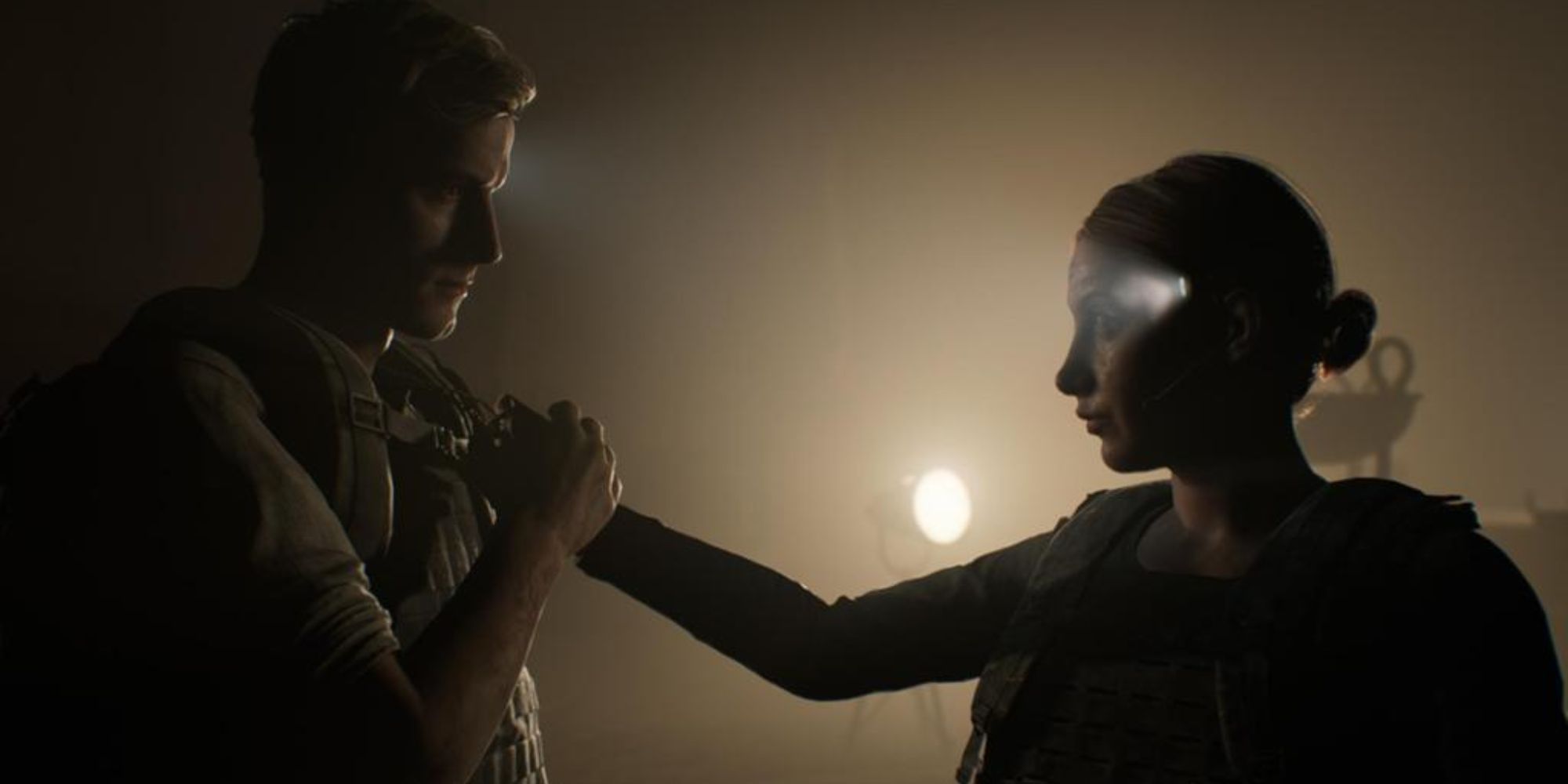
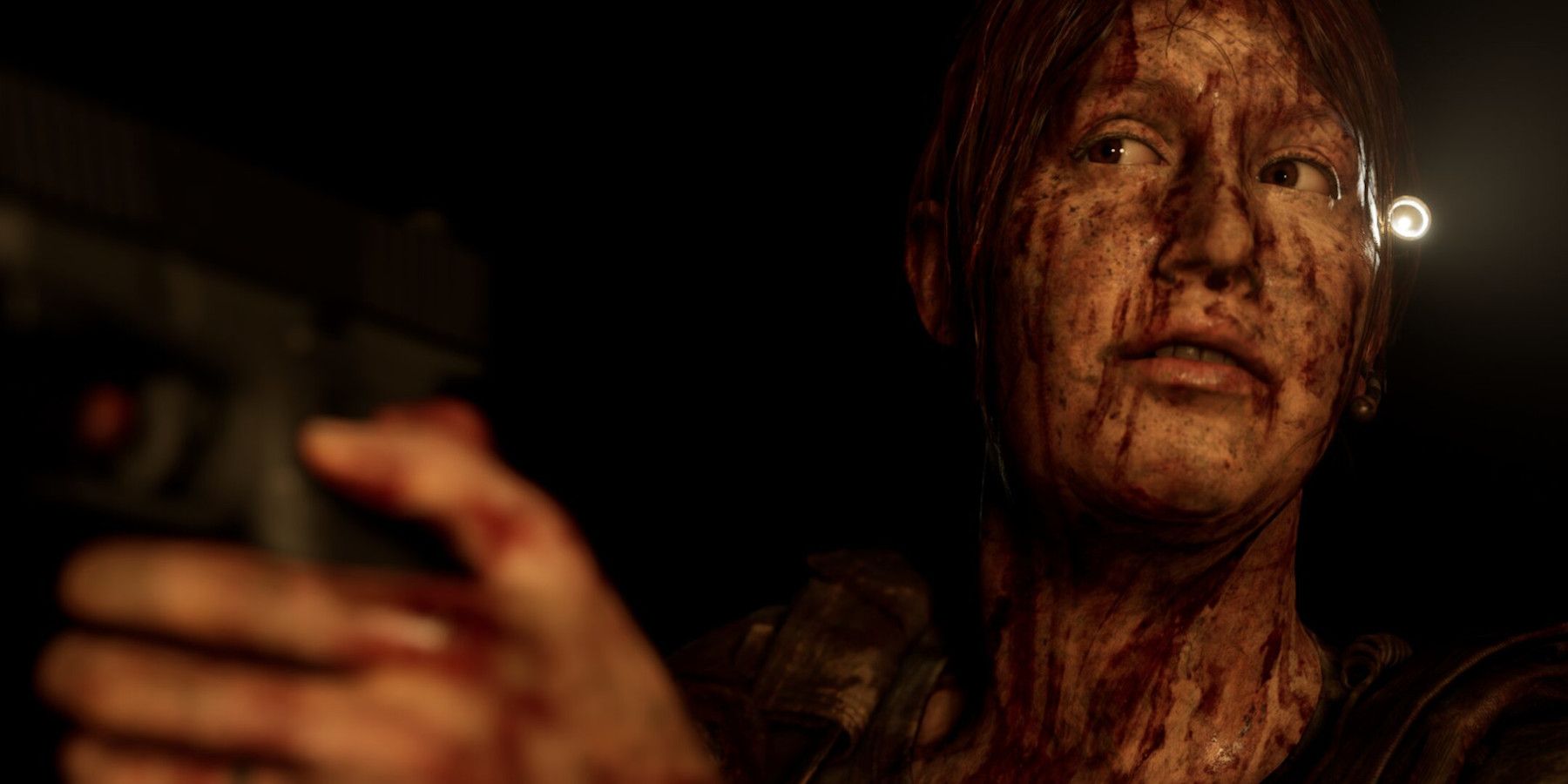
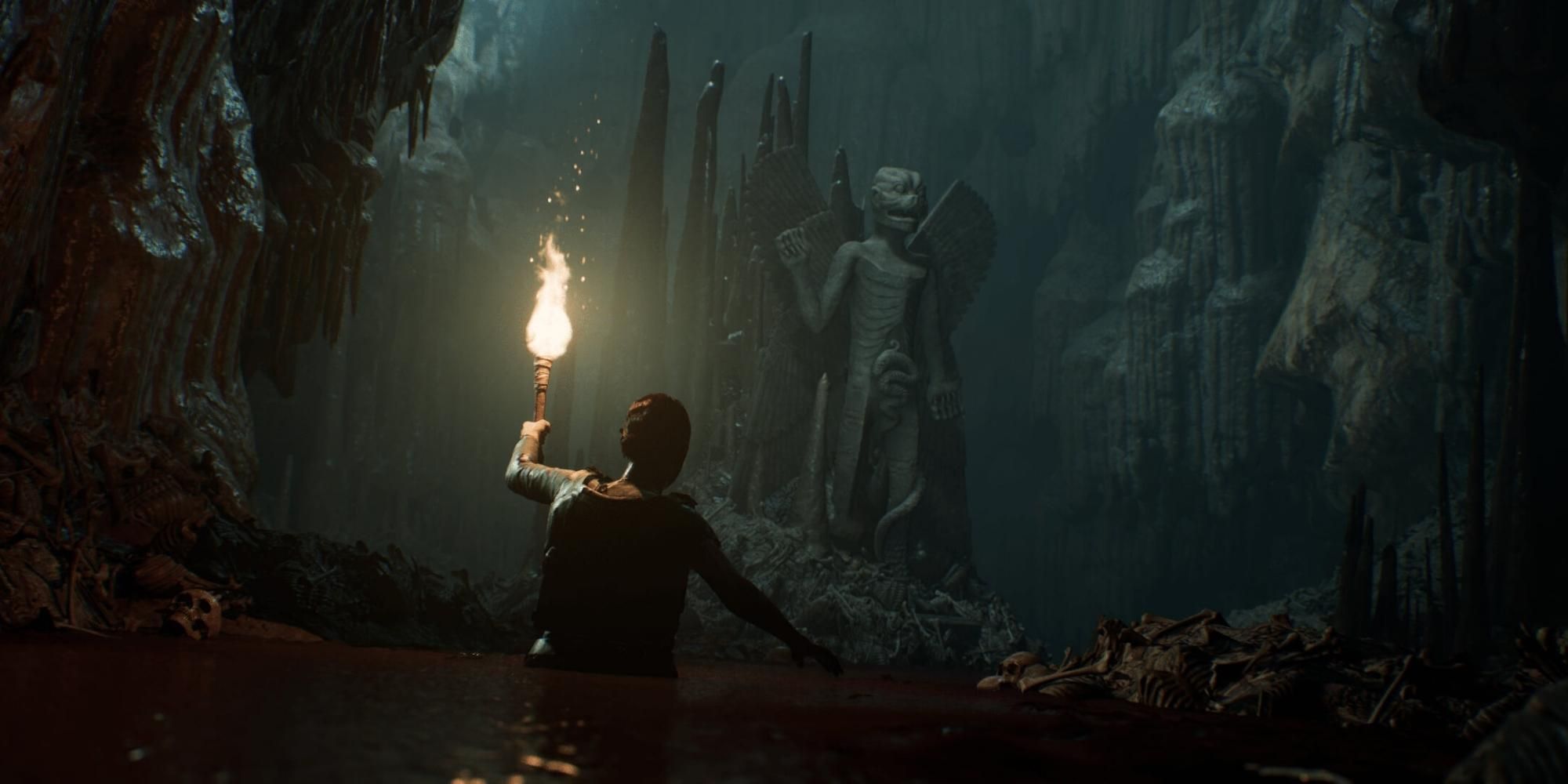
- Quieter moments are turned into suspenseful stretches of gameplay
- Environmental cues warn of danger
House of Ashes, part of The Dark Pictures Anthology, delivers horror with a movie-like feel. Instead of relying on jump scares, it builds a growing sense of dread and fear throughout the game. Even in calmer moments, subtle cues like faint vibrations hint at danger, creating a constant feeling of unease without revealing what’s coming next.
The game focuses on thoughtful choices and building tension, so the controller’s vibrations happen at just the right times – not constantly. These subtle cues create a sense of anticipation and make you feel like danger is lurking, even during quiet moments or conversations.
Read More
- How to Get the Wunderbarrage in Totenreich (BO7 Zombies)
- Change Your Perspective Anomaly Commission Guide In NTE (Neverness to Everness)
- How to Beat Turbines in ARC Raiders
- NTE Drift Guide (& Best Car Mods for Drifting)
- Beware! Phishing Emails Are Deceiving Robinhood Users in a Sneaky Plot!
- Robinhood’s $75M OpenAI Bet: Retail Access or Legal Minefield?
- All Nameless Hospital Endings Full Guide In NTE
- NTE Fan Shows Off Mint Cosplay
- NTE Banners (Current, Next, And Upcoming Banners)
- Deltarune Chapter 1 100% Walkthrough: Complete Guide to Secrets and Bosses
2026-05-10 07:36