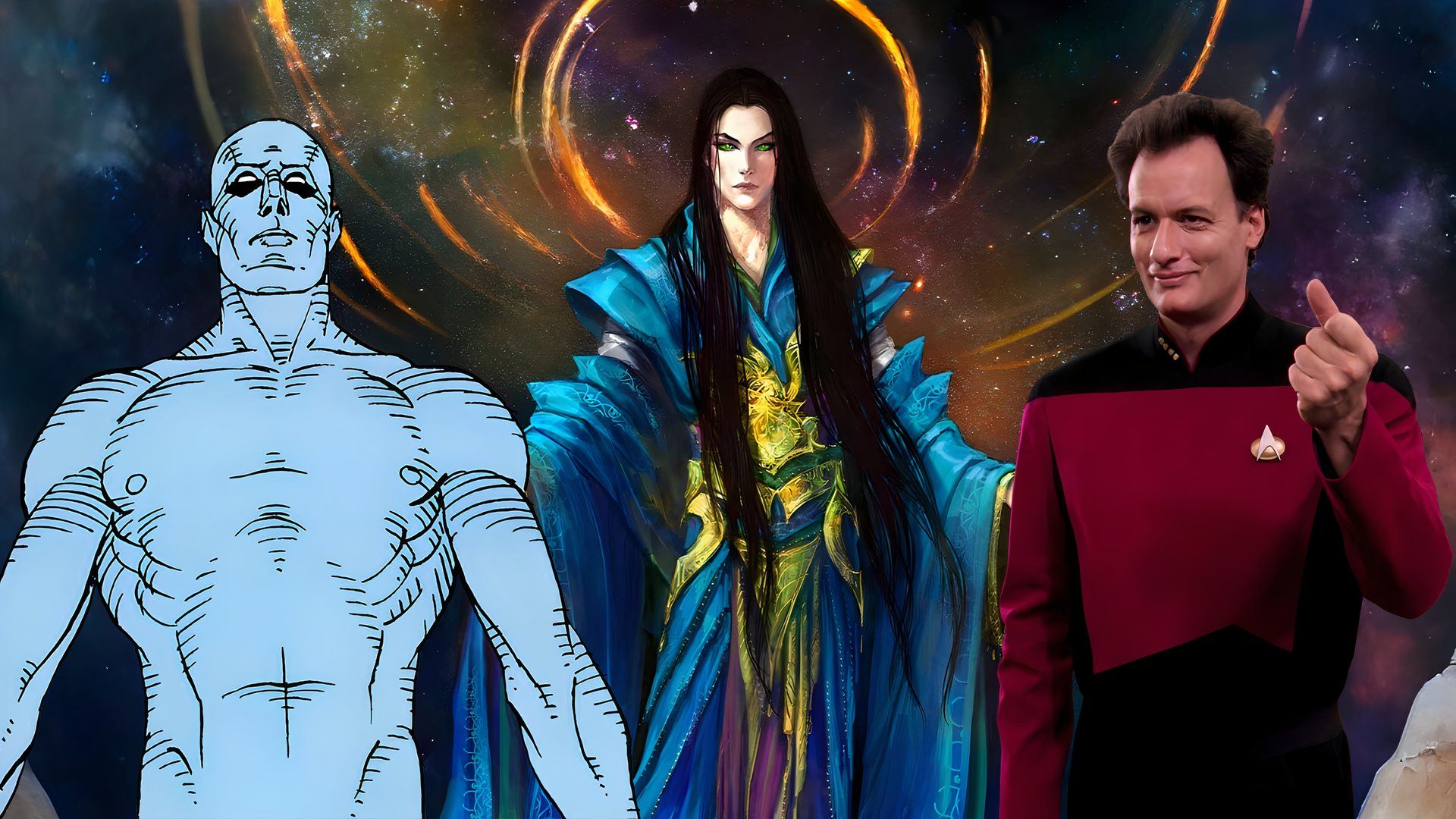
Fantasy, science fiction, and fictional worlds are full of gods who shape events in various ways. In role-playing games like Dungeons & Dragons, gods are often central to major storylines or serve as powerful enemies. Popular series like Percy Jackson portray gods with more human qualities, showing their relationships with demigod children. But gods in fiction aren’t just characters in adventures; the idea of gods as powerful forces is a common theme in many stories.
As a huge fan of mythology and fantasy, I’ve noticed gods pop up everywhere in movies, books, and games. It’s not always the classic Zeus or Odin types either – sometimes they’re the result of crazy science experiments, unbelievably powerful beings, or even characters so strange they feel more like living art than traditional gods, you know, not like the ones Kratos was taking down in God of War. But it always gets me thinking – if you were to try and rank all these fictional gods, which ones really stand out? Not just because they’re well-written, but because of how powerful they are and how much impact they have on their worlds?
10. Doctor Manhattan (Watchmen)
Man-Made God, In All His Ungloriousness
- Product of the Manhattan Project
- Complete control over the intrinsic fields of reality around him
- Showcased his eventual disillusionment with mortal affairs
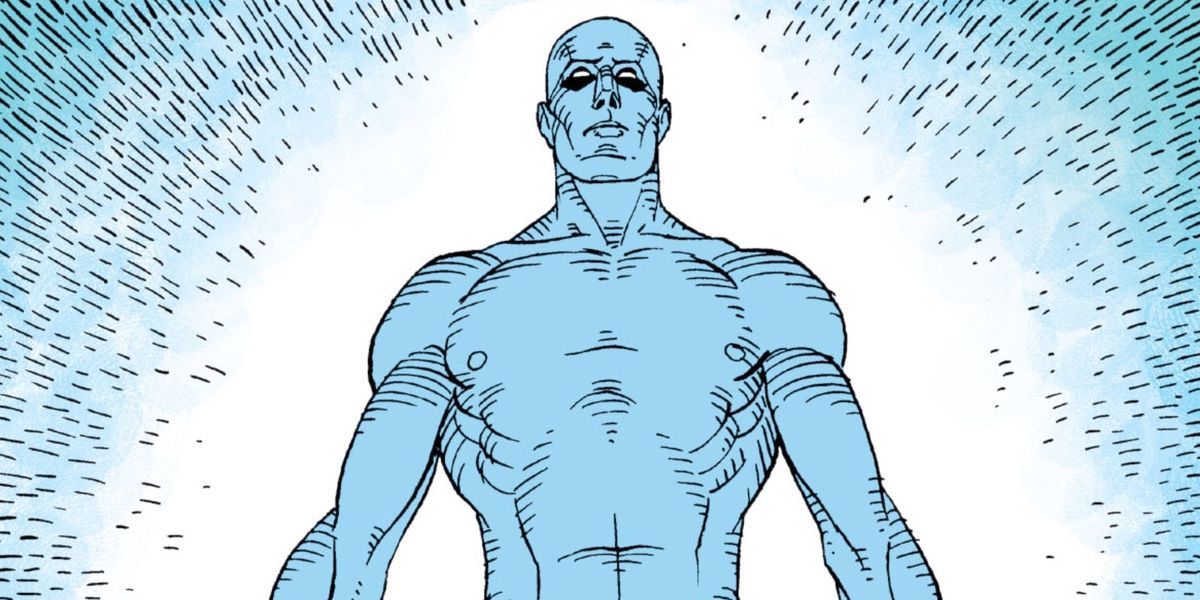
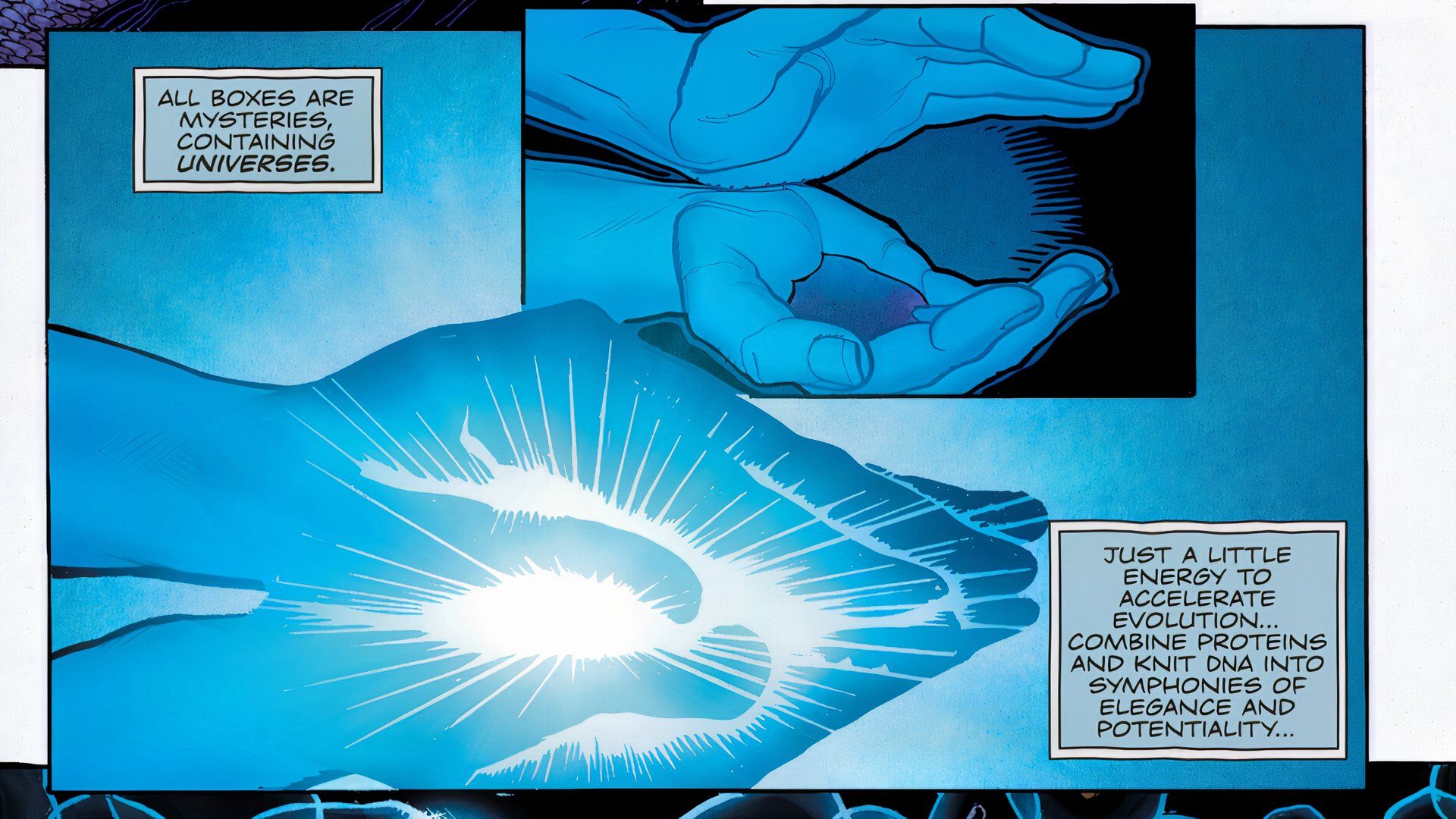
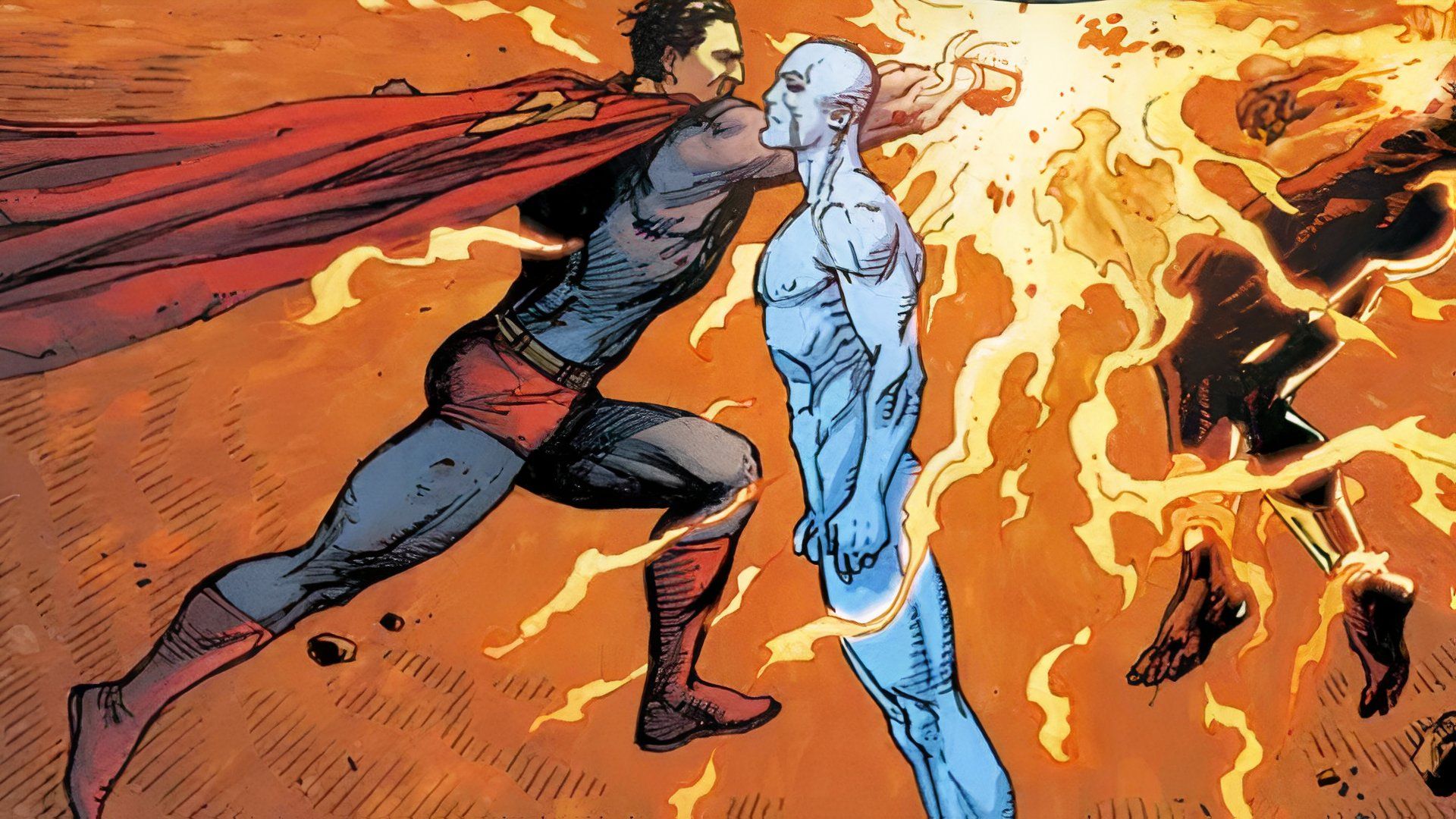
Okay, so the story goes like this: this physicist, Osterman, was working on the Manhattan Project and got stuck in an accident. It basically ripped him apart, but he came back as this totally powerful being called Doctor Manhattan – he’s blue, by the way. The US quickly realized how powerful he was and used him to become a major world power. Then, things got really weird. He sensed the Flash messing with time, which led him to discover this whole multiverse thing beyond the world of Watchmen. And get this – his actions actually stole ten years of life from everyone in the DC universe during the DC Rebirth event. It’s a crazy story, honestly.
Doctor Manhattan stands out from other gods because his powers are clearly visible. He can control matter at its most basic level, allowing him to reshape anything – people, objects, everything – to his will. This ability also makes him nearly immortal; even if destroyed, he can put himself back together. He can instantly travel anywhere using quantum mechanics and even manipulate time to some extent. However, these powers gradually changed how Doctor Manhattan saw life and death, making human concerns seem unimportant. Though he eventually realized living things are incredibly rare and special, his decision to protect Earth stemmed from becoming a god who understood things beyond human comprehension.
9. The Q Continuum (Star Trek)
Reality Manipulators Who Love Testing Living Things
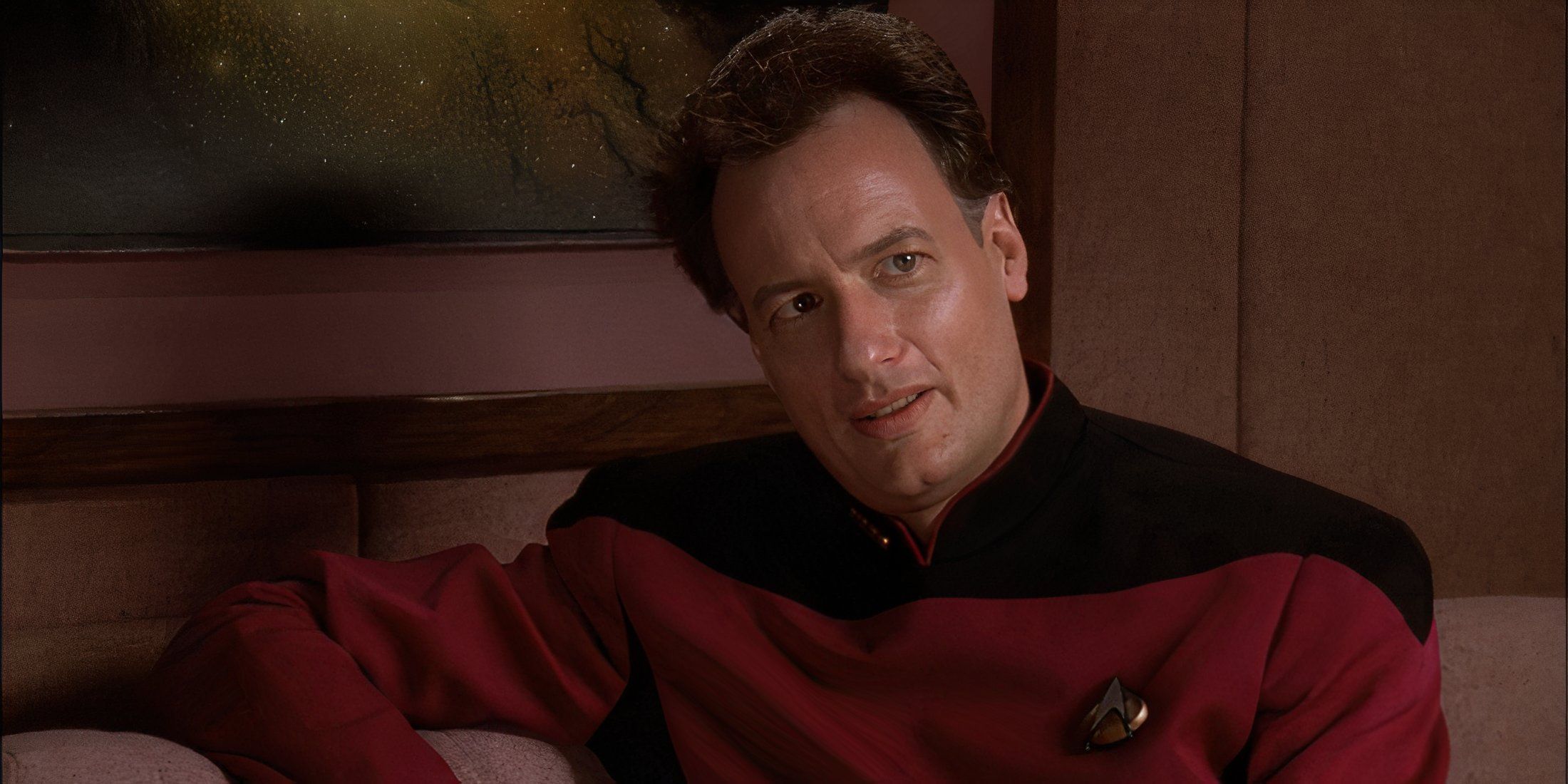
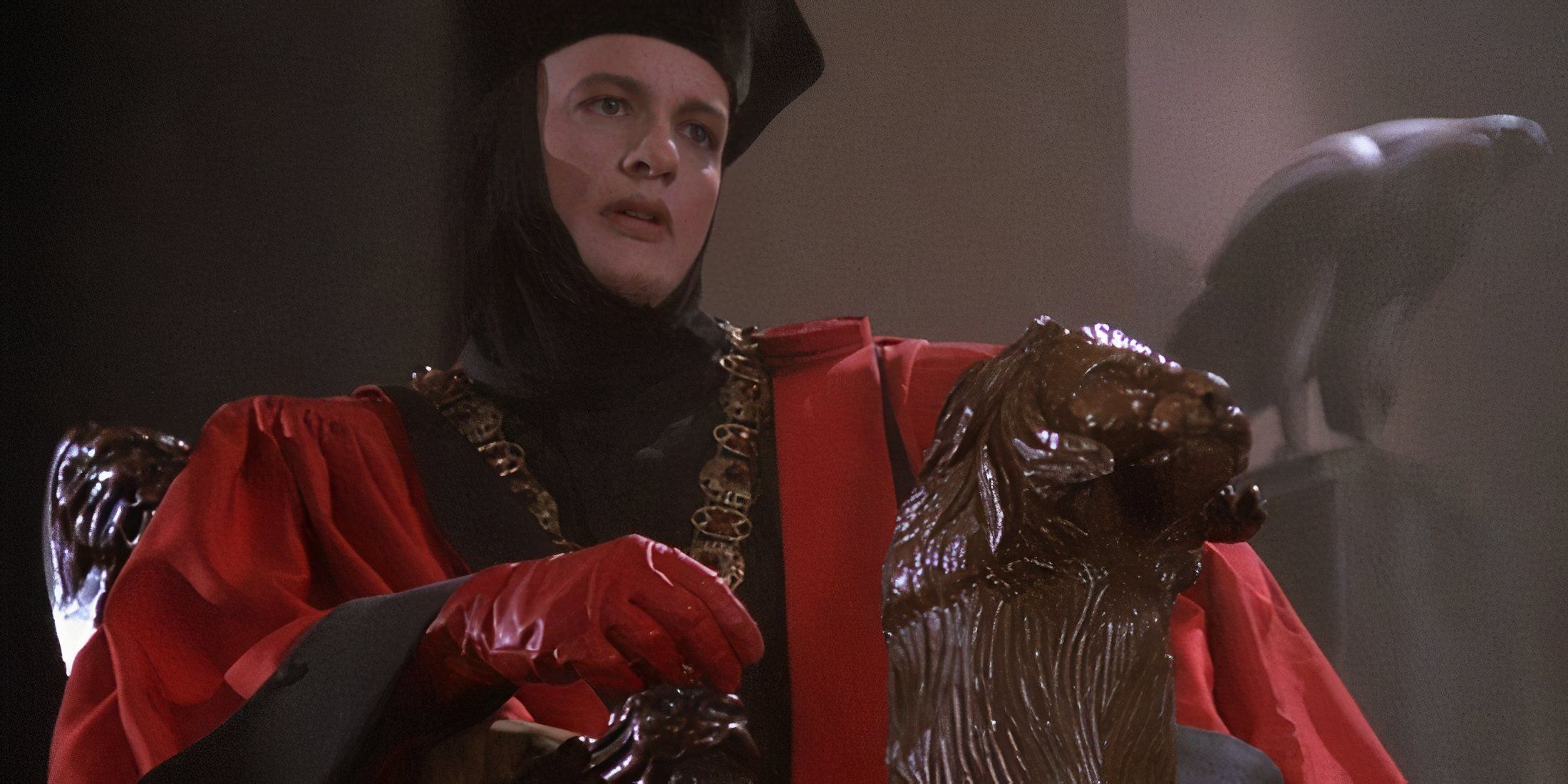
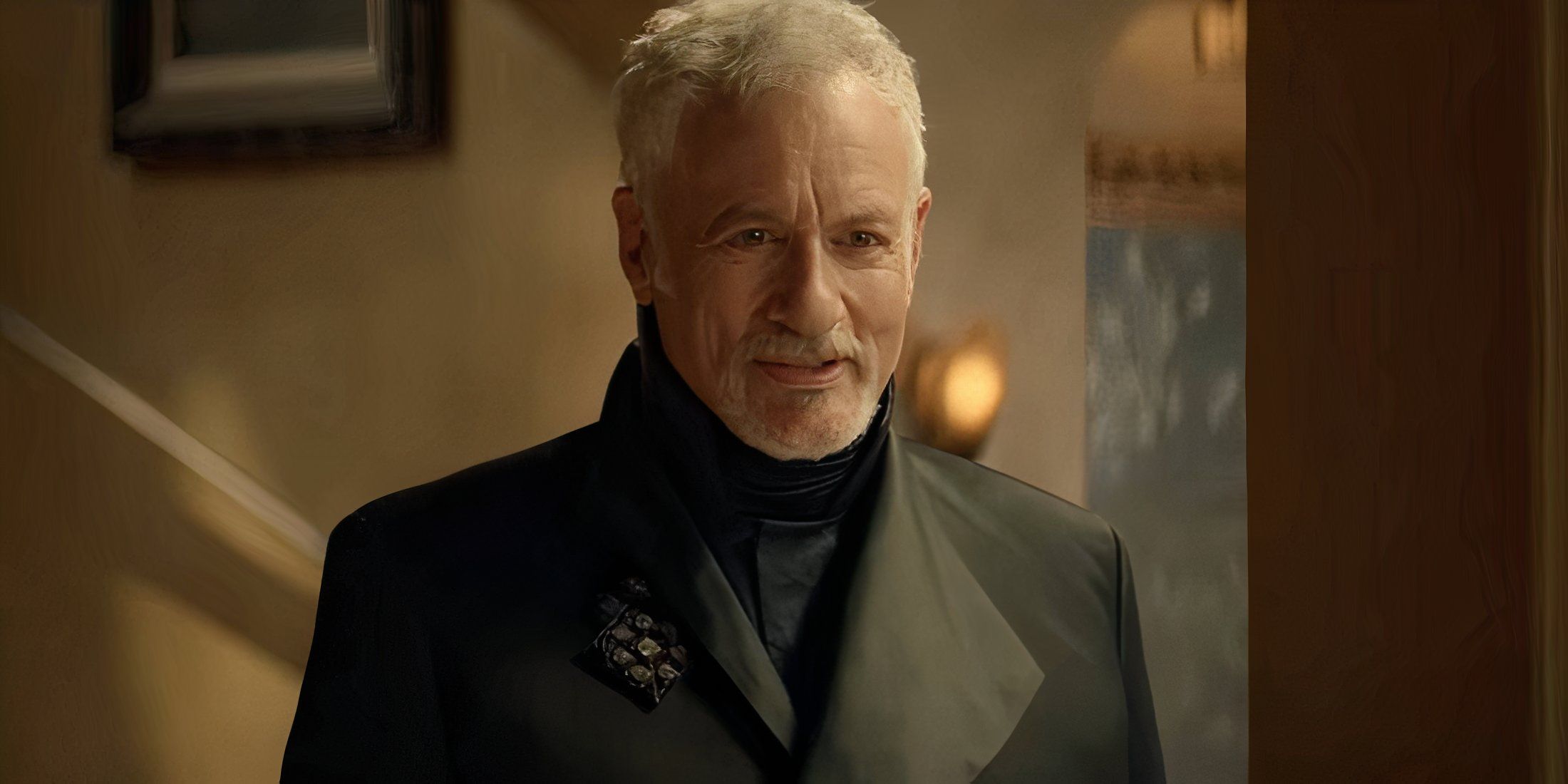
- Residents of an extra-dimensional plane incomprehensible to the known universe
- Possess immense reality-manipulating powers
- Love testing living things
During Captain Jean-Luc Picard’s first mission commanding the Enterprise, the crew met Q, a powerful being from the Q Continuum – a race that can alter reality and exists in another dimension. Q initially wanted to destroy humanity, but Picard convinced him to let humans prove their capacity for growth. What Picard didn’t know was that the entire voyage was a test orchestrated by Q. This created a complex and often strained relationship between Q and several Starfleet officers, including Picard, Kathryn Janeway, and Benjamin Sisko.
The science fiction world of Star Trek struggles to fully understand beings as powerful as the Q, and that’s what makes their encounters with Starfleet so compelling. The Q themselves avoid interfering with the Prophets, equally powerful entities who live within the Bajoran Wormhole. There’s also an established, though unexplored, rivalry between the Q and Guinan’s people. Thanks to John de Lancie’s performance, the Q are shown to be both clever and playful, driven by curiosity and a desire to test those they believe could reach their level of power.
8. Elder Gods (Lovecraft)
The Incomprehensible Equivalents Of The Great Old Ones
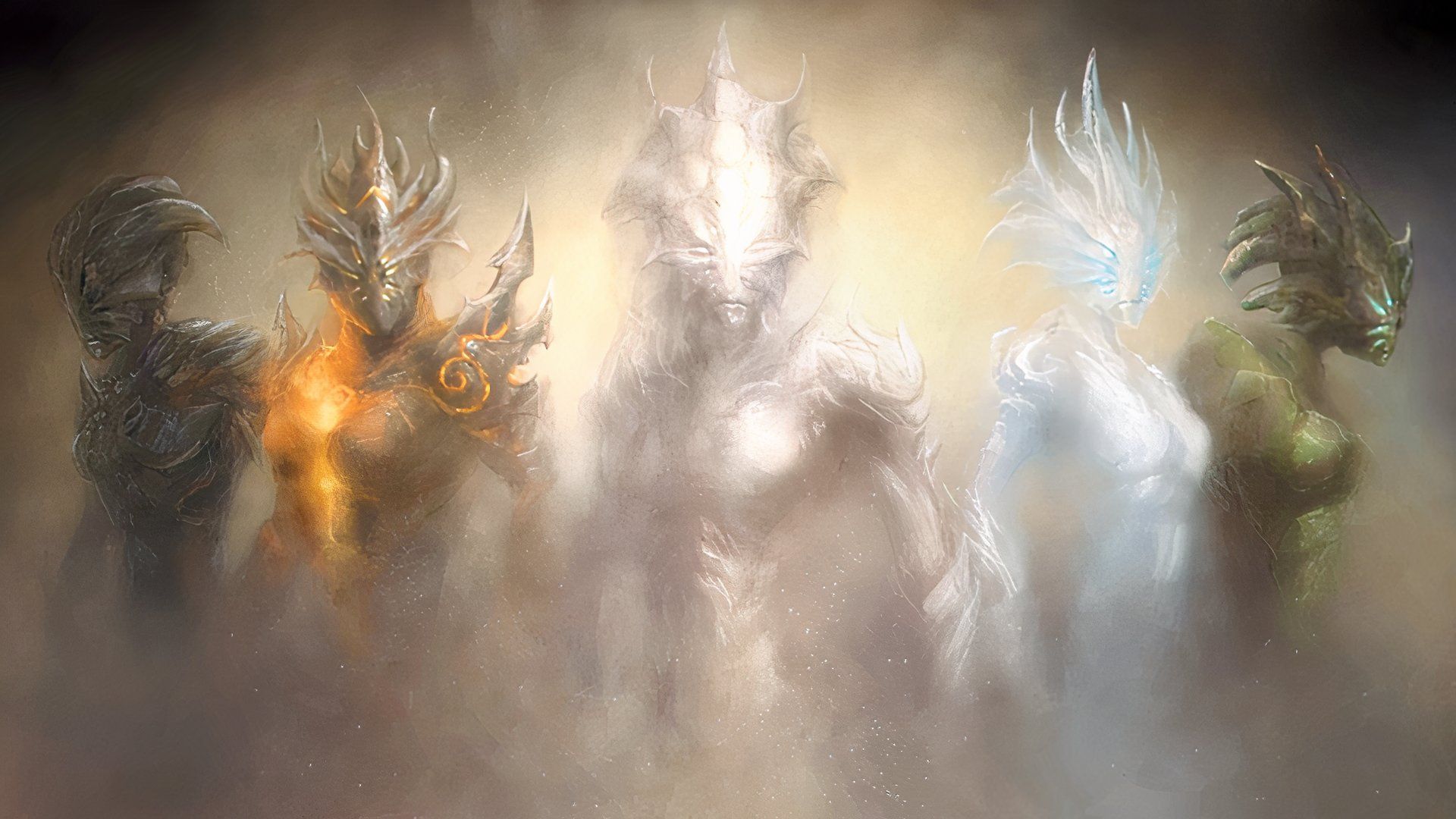
- Extradimensional former rulers of Earth
- Created what would become the Great Old Ones
- Incomprehensibly benevolent, almost equal in power to the Great Old Ones
- Ancestors of psychics
Despite the terrifying creatures in H.P. Lovecraft’s stories, there’s a powerful force opposing them: the Elder Gods. These beings rule a different dimension and are believed to have brought both Earth and themselves into existence. They originally created the Great Old Ones as servants, but a war broke out when the Great Old Ones revolted. After defeating them and banishing them, the Elder Gods moved to a new home near the star Betelgeuse. Interestingly, they are also said to have interbred with early humans, suggesting that some modern psychics may be their descendants.
H.P. Lovecraft brilliantly showed how impossible it is to truly understand a god-like being. However, it’s even more fascinating to find creatures similar to his monstrous gods, but with good intentions. Though not entirely ‘good,’ these beings seem determined to protect Earth, perhaps for reasons far too complicated for us to grasp.
7. Light And Darkness (Destiny)
Fundamental Forces Of The Universe Outside Of It
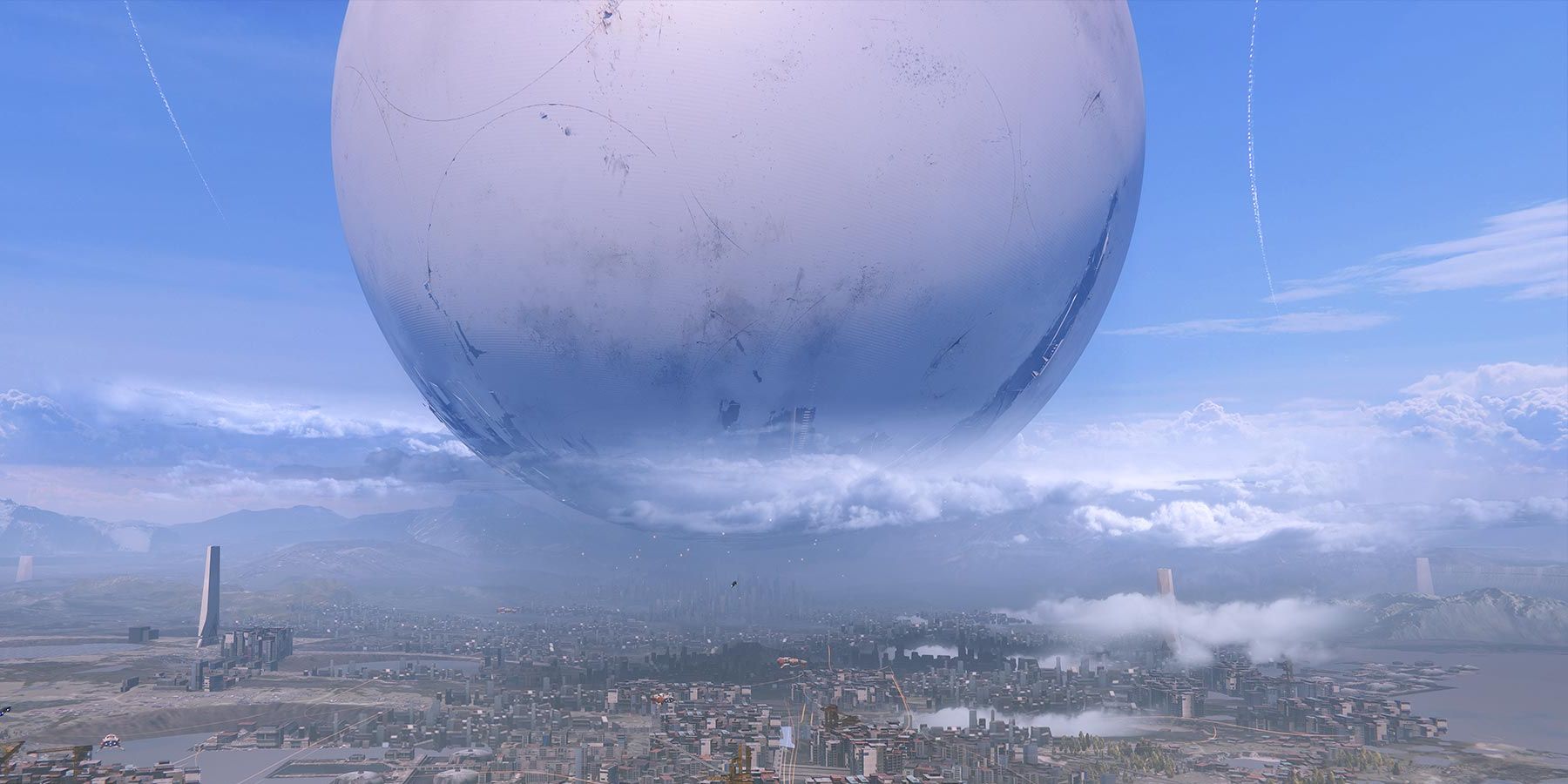
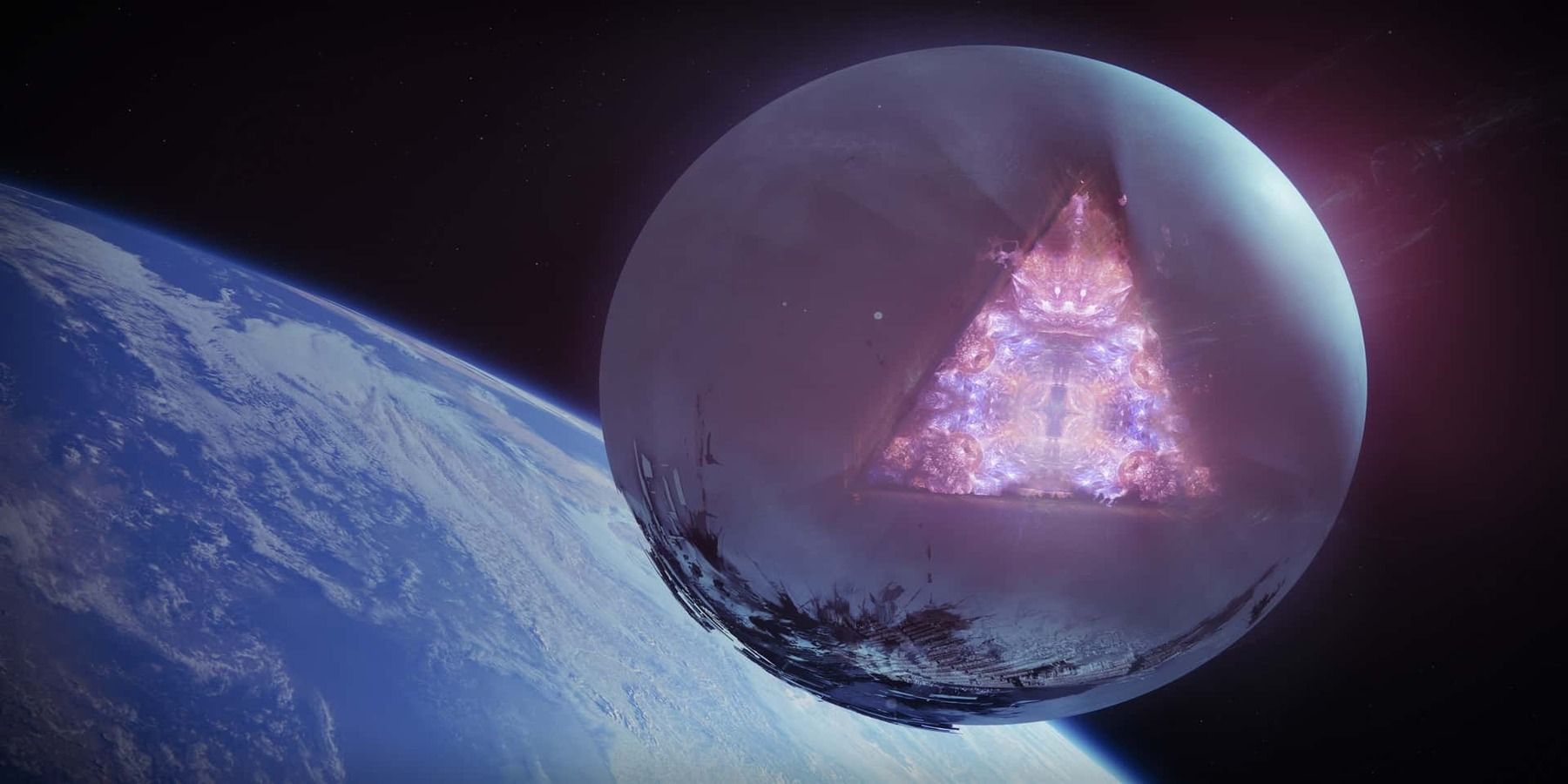
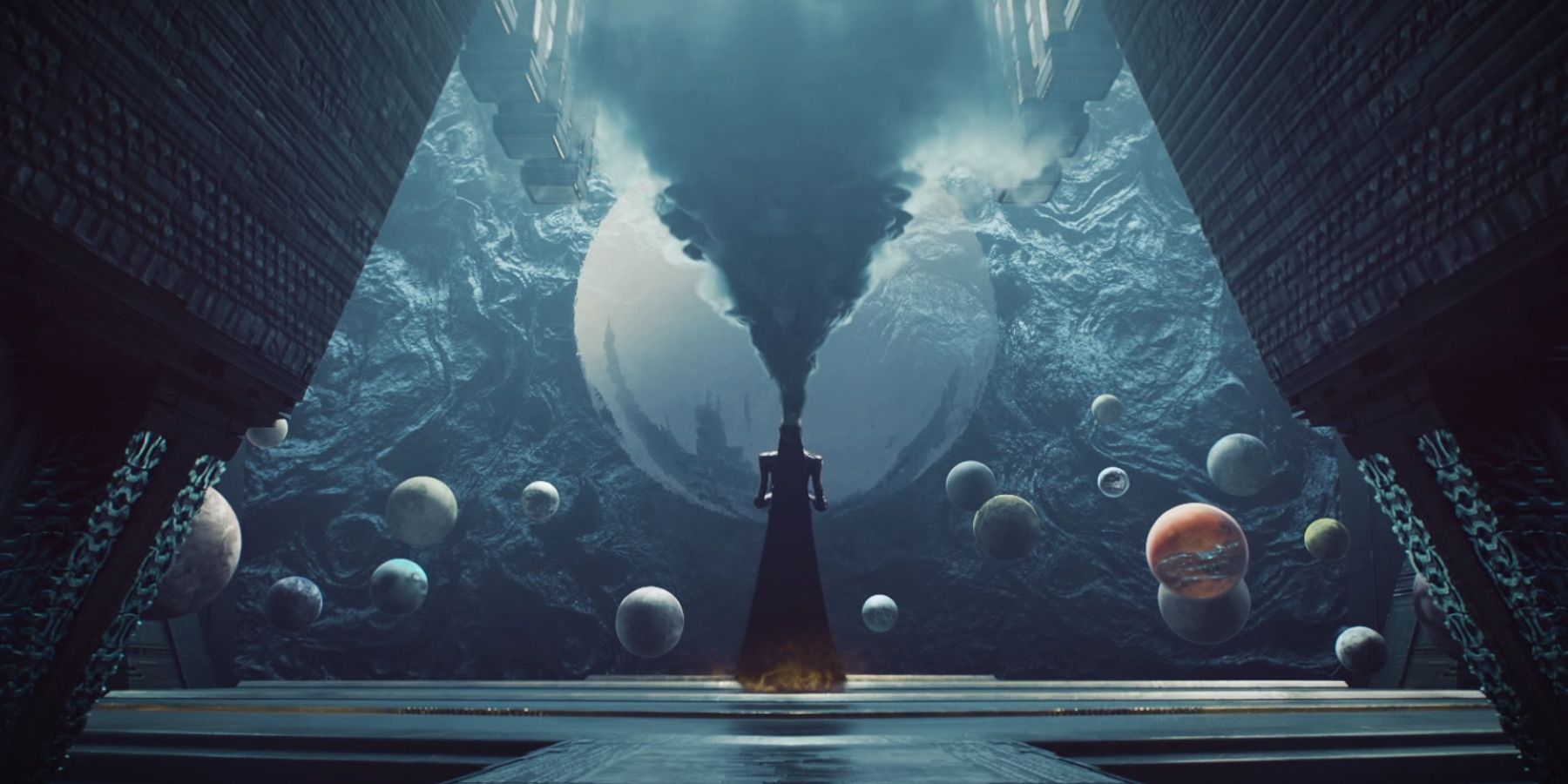
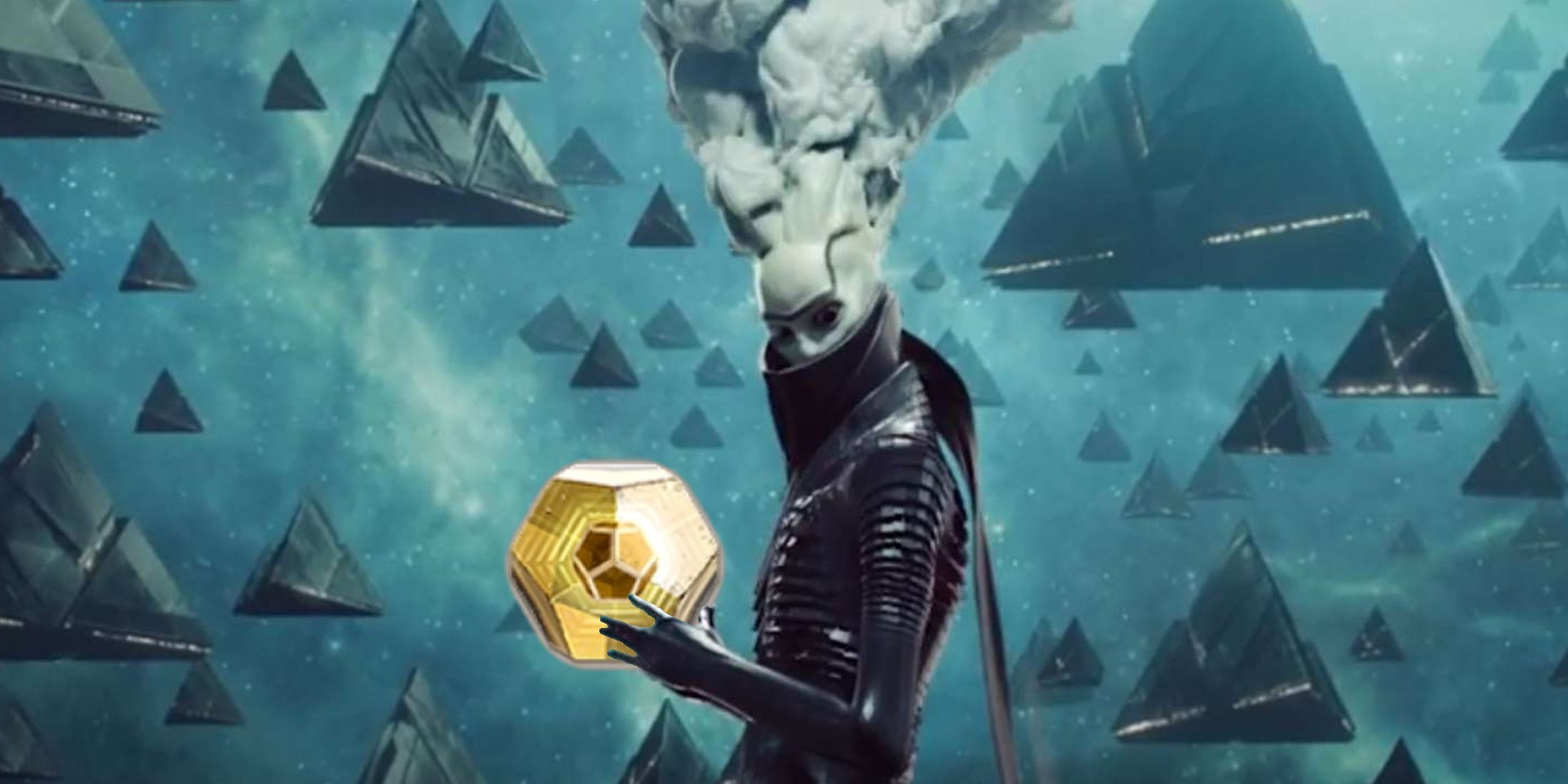
- Paracausal entities that are properties of the mathematical foundation of reality
- Responsible for the creation of the multiverse
- Consists of an ultimate creator and ultimate destroyer
In the game Destiny, players become Guardians, protectors who use a mysterious power called Light to fight against the forces of Darkness and safeguard our solar system. This conflict isn’t new; it’s an ancient struggle tied to the very fabric of reality. Light and Darkness aren’t just powers, but fundamental forces that exist outside the normal rules of cause and effect, almost like the underlying code of the universe. The game’s lore reveals that these forces once experimented with creation, similar to the ‘Game of Life,’ but the Light often found itself losing. Frustrated with repeating the same outcomes, the Light evolved to favor those who embrace change and possibility. The Darkness responded in kind, becoming a force that resists growth and seeks to impose a single, unchanging pattern to preserve what it has.
As a fan, the story they’re telling in Destiny 2 is blowing my mind! It’s not just about shooting and adventures; it feels like the whole universe started as some kind of incredibly complex game or simulation. Apparently, the forces of Light and Darkness were messing around with these simulations, and somehow brought one to life – our universe! That’s why the Light can’t just do things directly; it needs Ghosts and Guardians to act for it, and the Darkness uses the Witness. It’s a really cool way to frame the classic struggle between good and evil, giving the story a surprising amount of philosophical depth that you just don’t see much of in this kind of game.
Who’s That Character?  Identify the silhouettes before time runs out.
Results
High Score: 0 —
6. Eru Iluvatar (The Lord Of The Rings)
A God Who Is More Composer Than Conversationalist
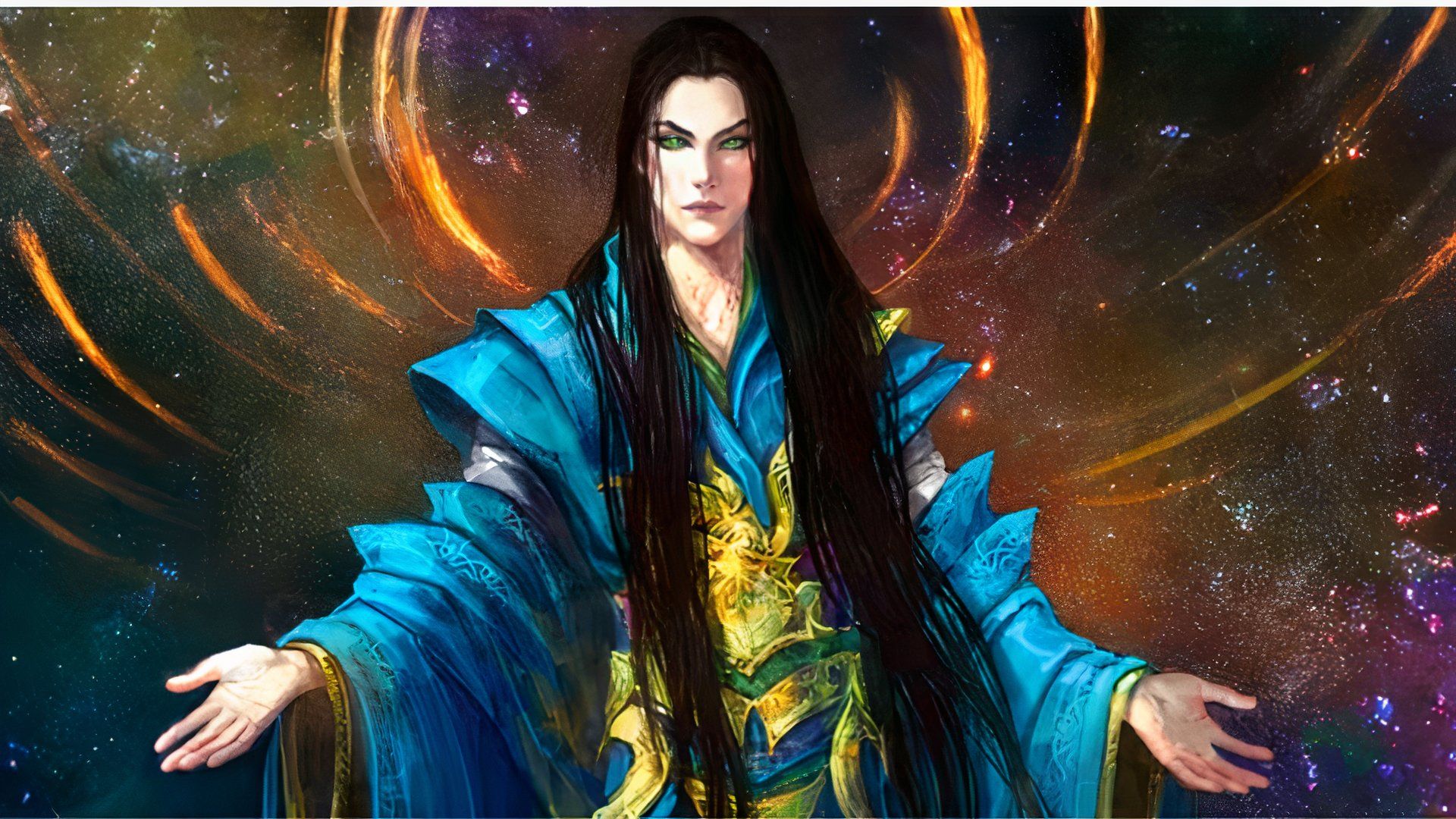
- Communicates his (often-misunderstood) purpose through sound
- Created the world through the Music of the Ainur
- Used the Flame Imperishable to create reality
It’s fitting that The Lord of the Rings, a cornerstone of modern fantasy, offers a unique perspective on gods and the divine. In Tolkien’s world of Arda, people are frequently affected by the Valar and Maiar – powerful, ancient beings created by Eru Iluvatar. Iluvatar created them with his Sacred Fire before shaping the world through a divine Music. Unlike many gods in other stories, Iluvatar is the sole true creator in Tolkien’s mythology. Even the rebellion of his first creation, Melkor, and the resulting imperfections in the world, were all part of the original Music of the Ainur – intended by Iluvatar from the beginning.
Like the God in Catholicism, Eru generally doesn’t directly interfere with the actions of the Ainur, except for what is foretold to happen during Dagor Dagorath, the end of days. What sets Eru apart from many fictional gods is his emphasis on creation through music. He brought the Ainur into being through a kind of sacred music, teaching them to recognize and respond to themes connected to their individual natures, and to work together in harmony to create melodies. These themes ultimately shaped the world of Ea, with the Third theme being especially noteworthy as it outlined the creation and awakening of Elves, Men, and all other creatures.
5. Tiamat (Dungeons & Dragons)
Represents An Evolving God Across The IP
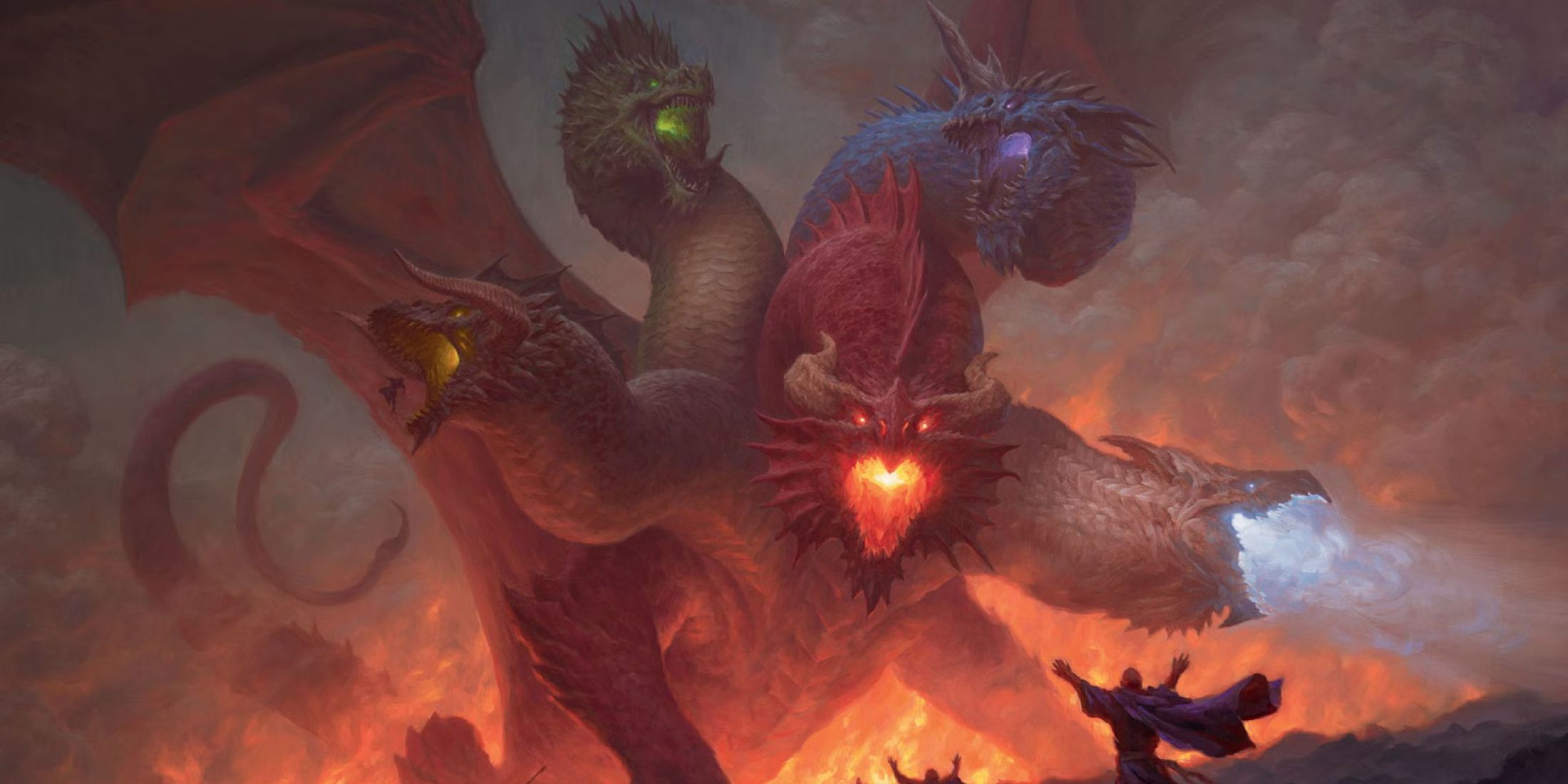
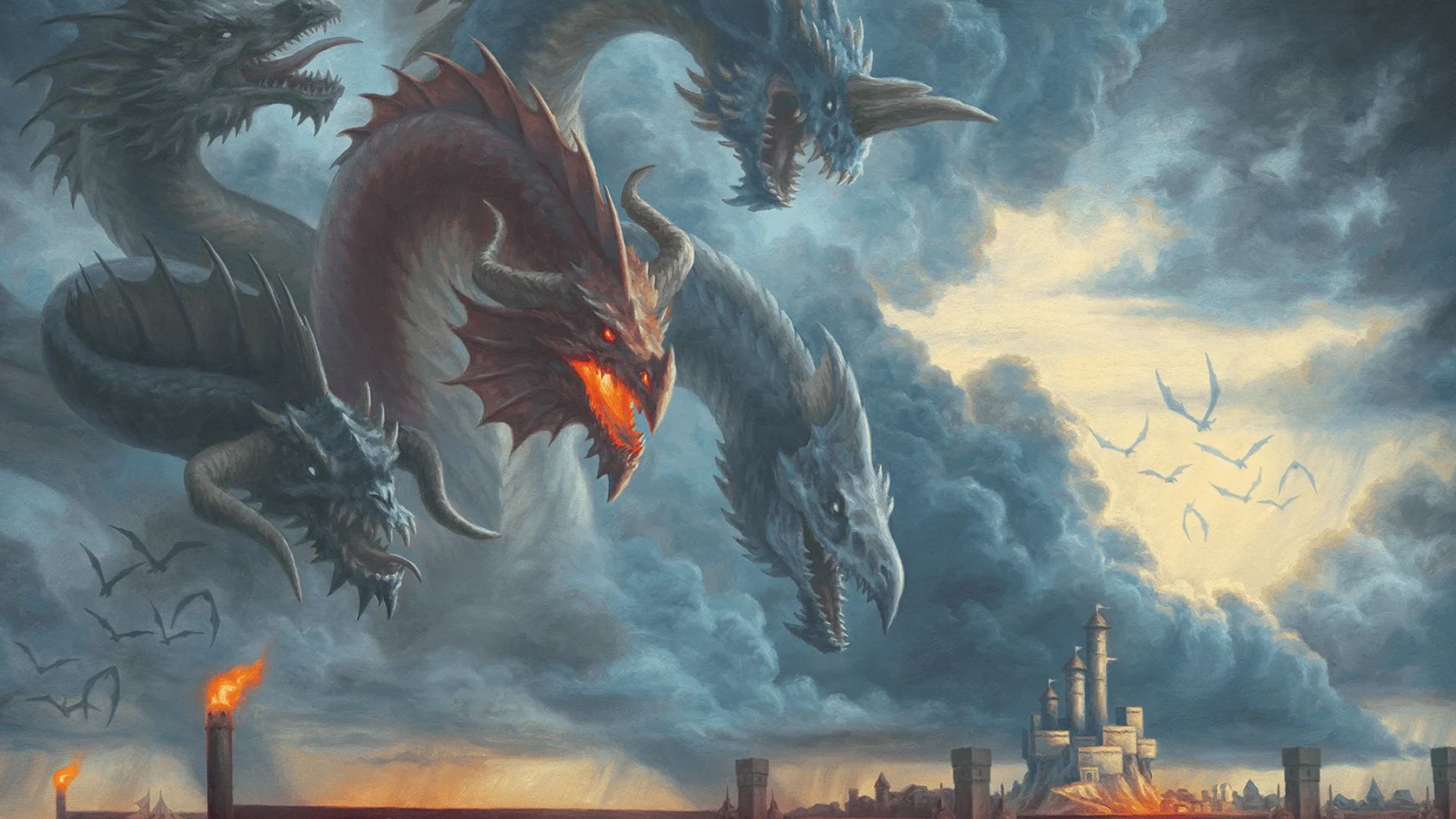
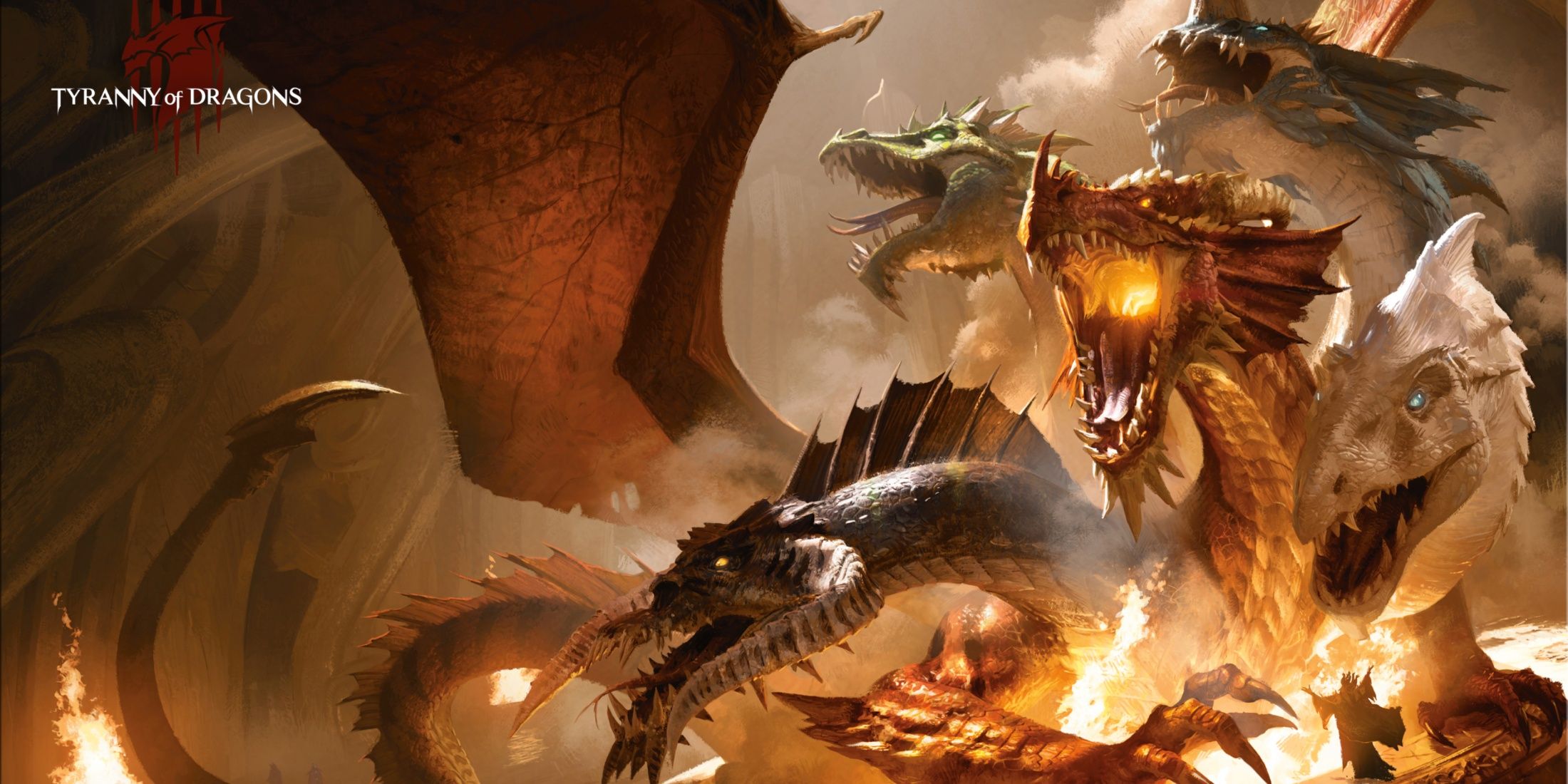
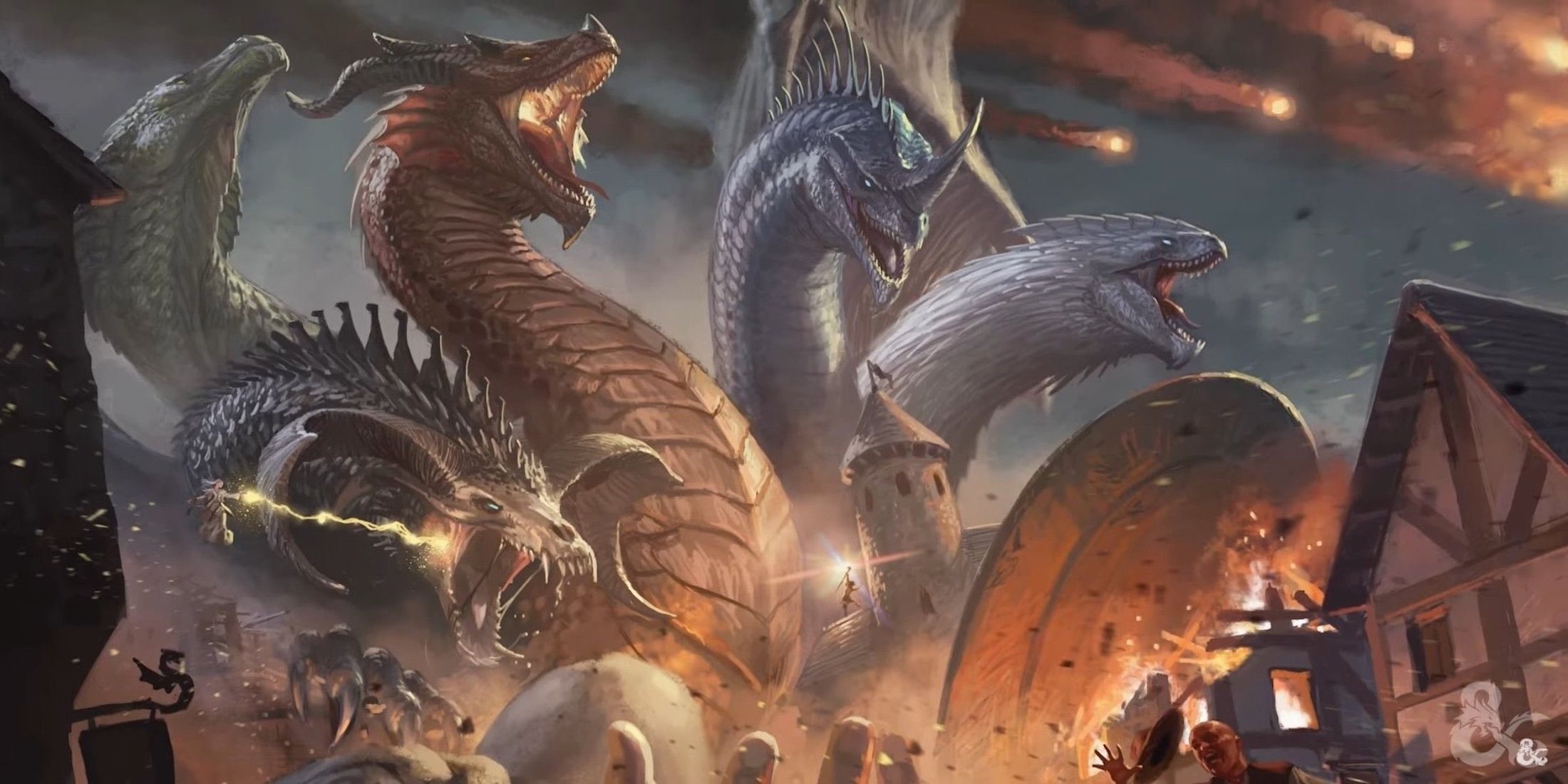
- Evolved from a mere dark dragon creator into an actual deity
- Five-headed creator-god of evil chromatic dragons
- Characterized further in other campaign settings, where she is always a variant of a god of evil
It’s expected that the gods in each Dungeons & Dragons campaign setting are tied to that world’s creation story, but one god has become particularly well-known throughout the game’s overall story: Tiamat. Originally presented as simply the Dragon Queen in early versions of D&D, she was later named Tiamat in Advanced Dungeons & Dragons and established as the Queen of Darkness and ruler of Avernus, the first layer of the Nine Hells. As a dragon god, Tiamat appeared in various rulebooks like the Dungeon Master’s Guide and Draconomicon from the 2nd to 4th editions, but she became a more central figure in the 5th edition.
Tiamat’s enduring popularity stems from how her character has developed and changed throughout the history of the game. Originally appearing as Takhsis, the source of all evil in Dragonlance, she became a terrifying Overlord dragon in Eberron, so powerful that other dragons worshipped her as the god of greed and power. In the Forgotten Realms, she’s evolved from a minor goddess of chaos and greed to a major goddess of evil, and the eternal enemy of her brother, Bahamut.
4. The C’tan And Chaos Gods (Warhammer 40K)
Beings Of Energy And Emotion
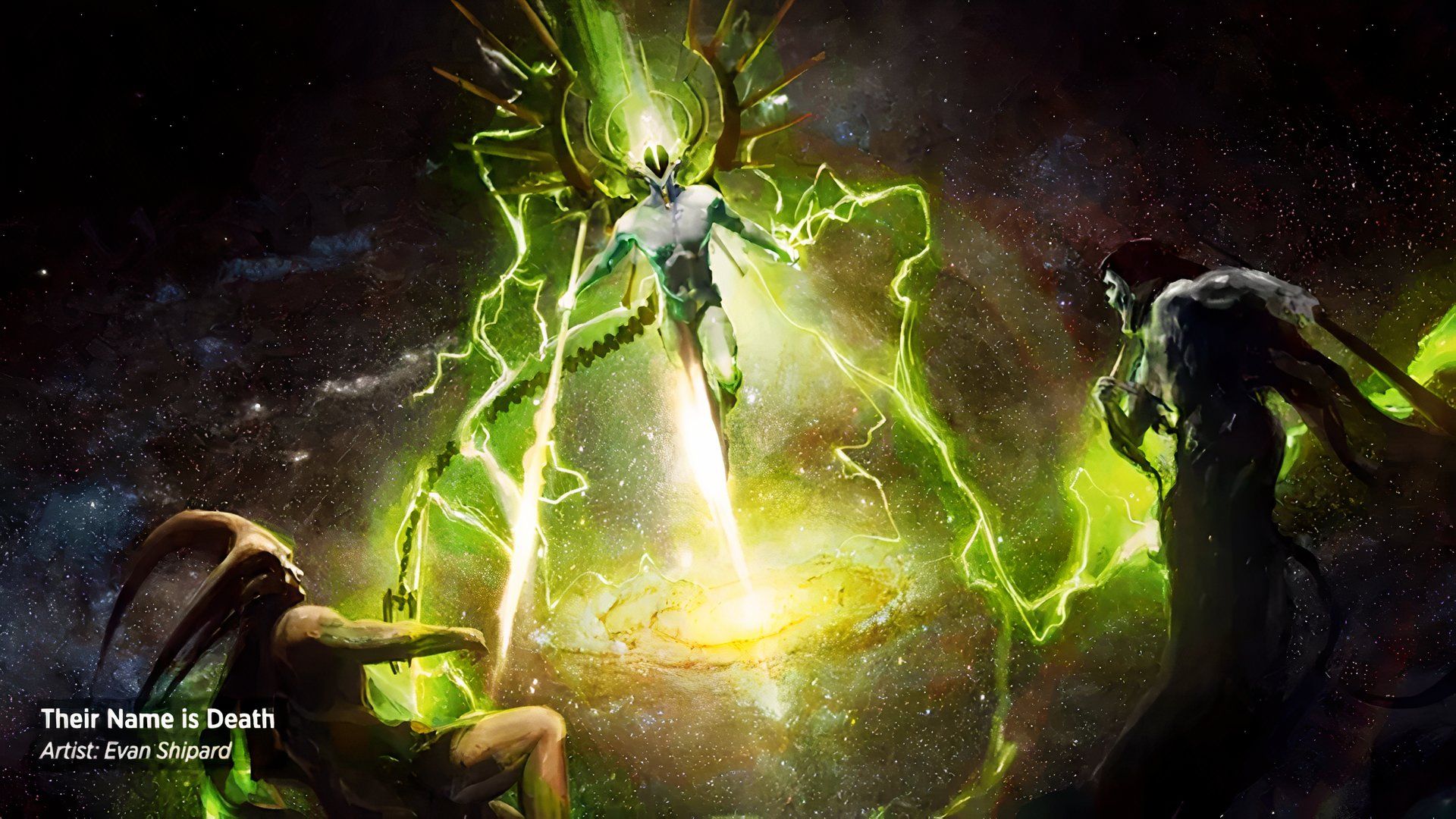
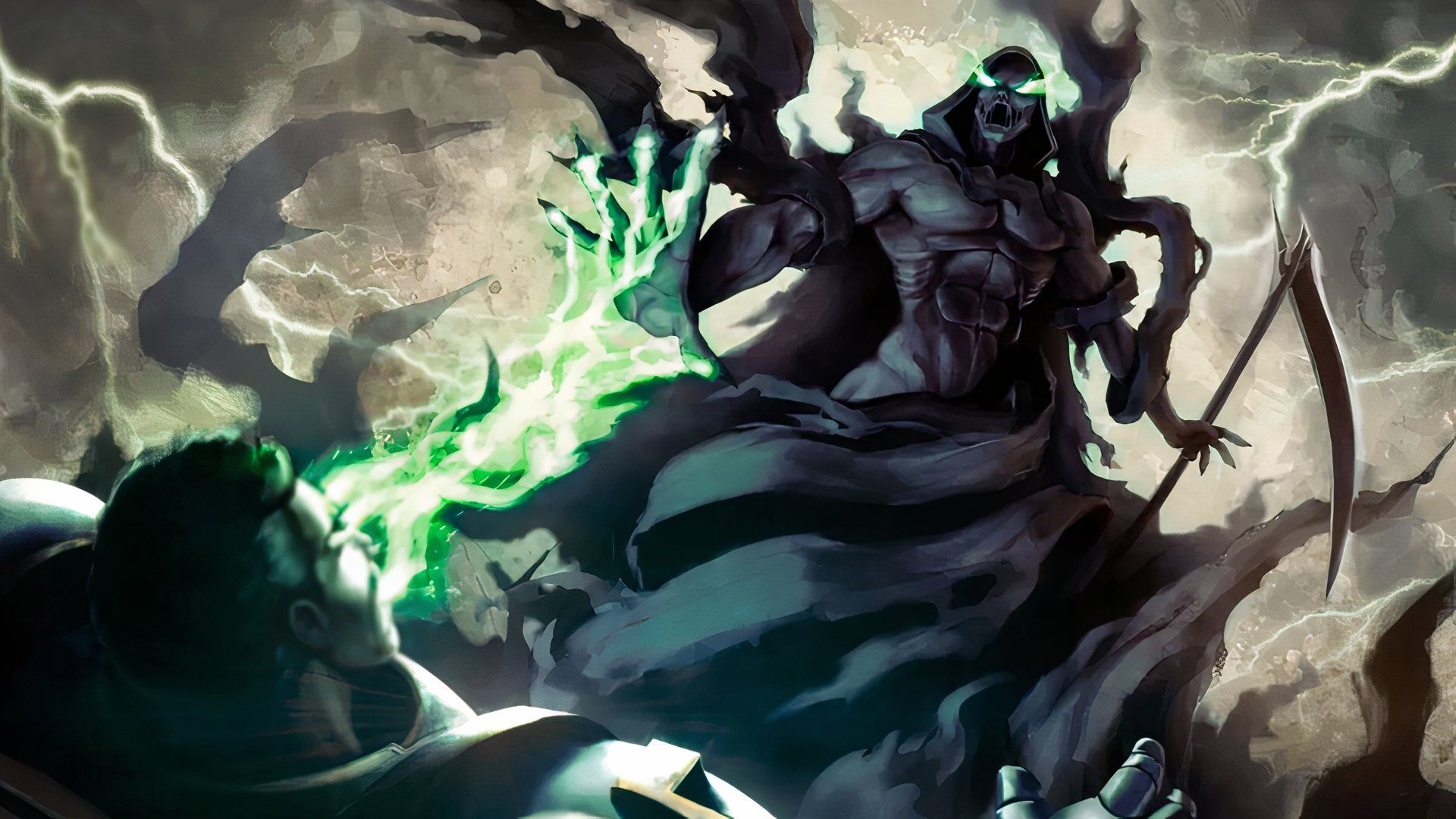
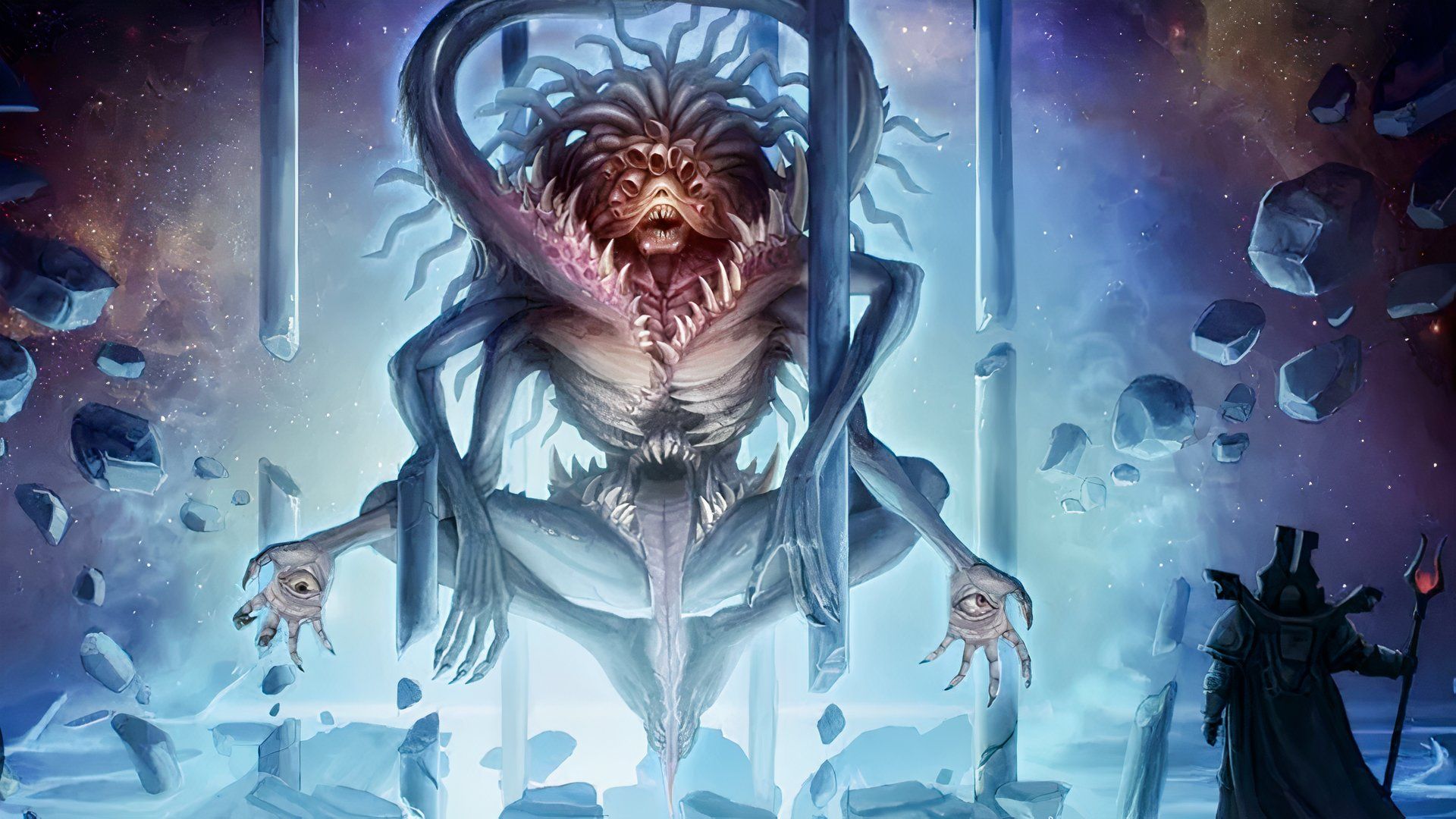
- C’tan were beings as old as the universe itself
- C’tan were star vampires incapable of properly perceiving the material universe
- C’tan needed physical shells made from living metal necrodermis to interact with three-dimensional space
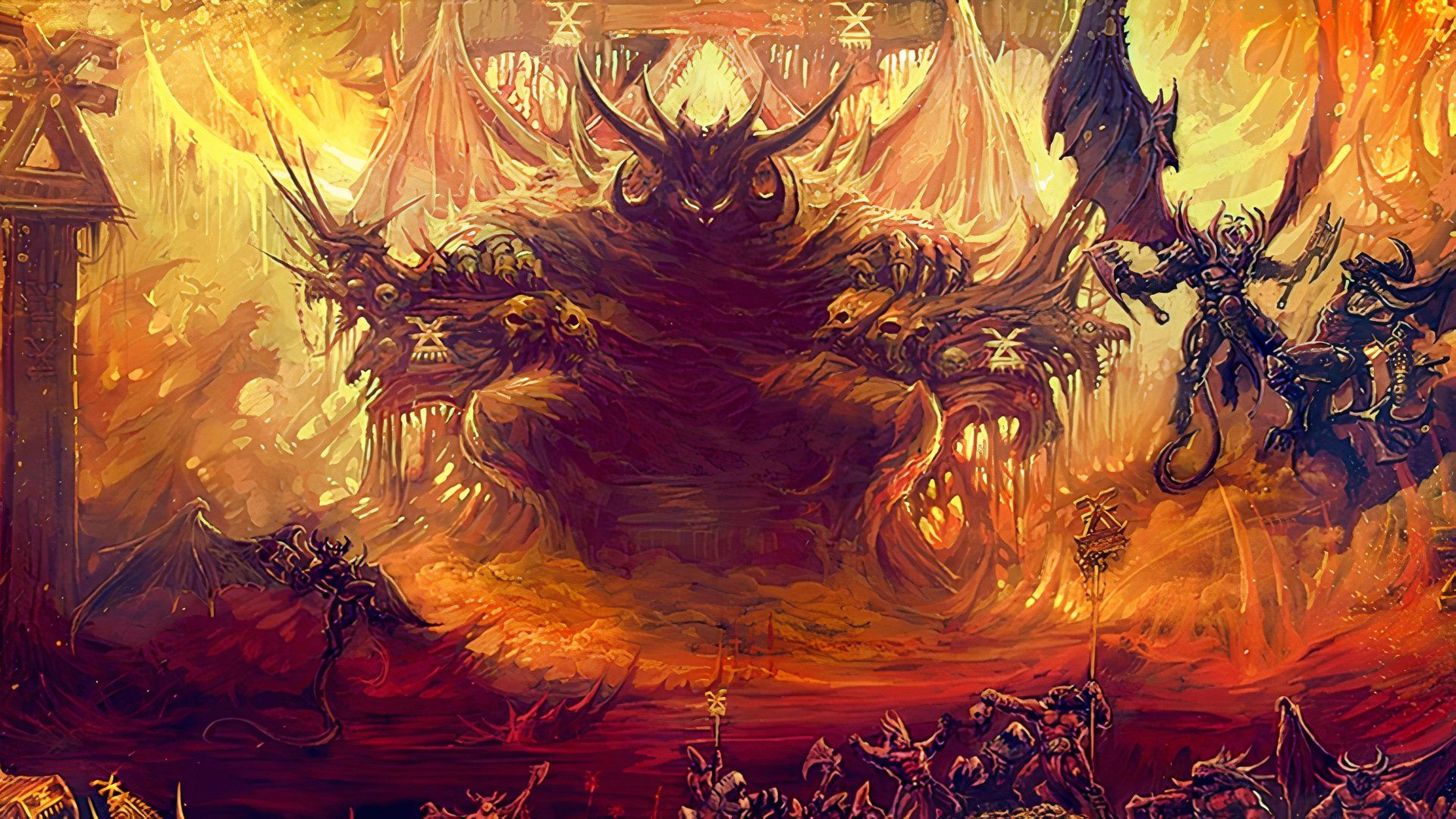
- Chaos Gods arose from the discord within the psychically sensitive Warp
- Chaos Gods require each other for stability (ironically), which means no Chaos God will truly dominate
The terrifying dimension known as the Warp is a major reason why the universe of Warhammer 40K is so grim and frightening, but this wasn’t always the case. Before anything else, there were the C’tan – beings of pure energy nicknamed “star vampires.” Unable to exist naturally in the physical universe, they consumed stars for sustenance. The Necrontyr, a race seeking freedom from the enslaving Old Ones, offered the C’tan metallic bodies to aid in their war. However, the Old Ones ultimately betrayed the Necrontyr, offering them immortality at the cost of their souls. This conflict escalated into the War in Heaven, a massive battle millions of years ago that profoundly shaped the Warhammer 40K universe as it exists today in the 41st Millennium.
When the Necrontyr transformed into the immortal Necrons, serving the C’tan, they nearly wiped out the Old Ones. In response, the Old Ones used their advanced technology to create races deeply connected to the Warp – a realm fueled by emotions that the C’tan despised. This led to the birth of the powerful psychic Aeldari, but also unleashed a constant flow of conflict into the Warp itself. From this chaos emerged the Chaos Gods: Khorne, the god of rage; Nurgle, the god of decay; Tzeentch, the god of change; and eventually, Slaanesh, the god of excess. It’s fitting that Warhammer 40K links war to this origin story, portraying the Chaos Gods as unavoidable consequences of psychic instability and the C’tan as a separate, independent force. This approach gives the story of the Chaos Gods the dark and gritty tone that is unique to the franchise.
3. Arceus (Pokemon)
The Creator Of The Universe Can Be Captured In A Ball

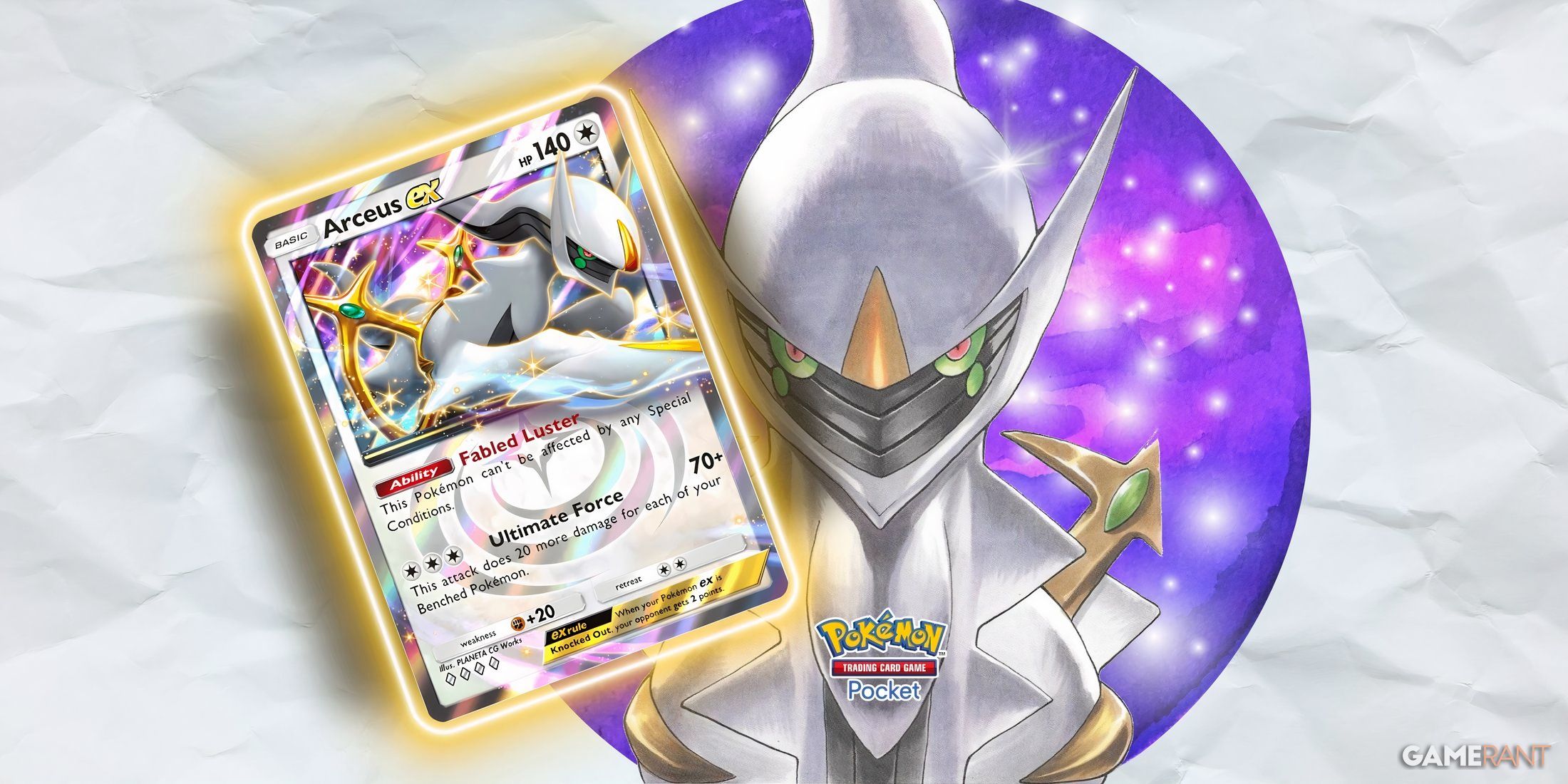

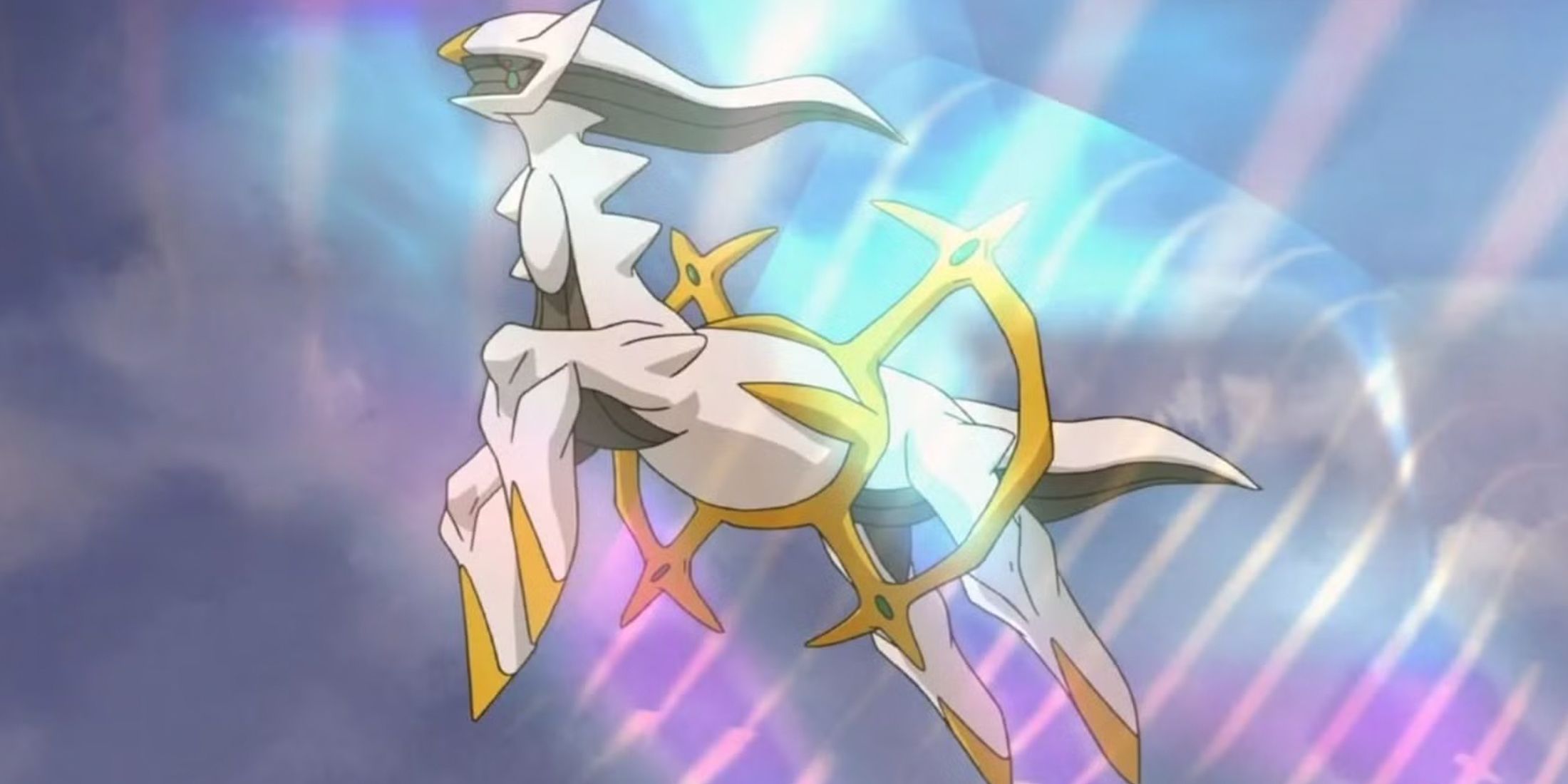
- The deity from which the Pokemon universe came to be
- Has an alternate form for each Pokemon type
- Surprisingly, it allows itself to be caught by the Trainer
Beyond starting Pokemon, players are always most excited about Legendary and Mythical Pokemon in each new game, especially because they often add important details to the overall story of the Pokemon world. A great example is Arceus from Generation 4, which was later revealed to be the creator of the entire Pokemon universe. According to Pokemon mythology, Arceus was the very first Pokemon, born from an egg in the nothingness before everything existed.
Arceus is said to have created Pokémon embodying fundamental aspects of the universe – Dialga representing space, Palkia time, and Giratina antimatter. It also created Mew, which holds the genetic code for all Pokémon, and the trio Azelf, Uxie, and Mesprit, representing willpower, knowledge, and emotion. What’s unique about Arceus is that, unlike many deities in other games, it can actually be caught and battled by players, functioning like any other Pokémon. Special items can even change its appearance to match different Pokémon types. It’s a strange concept – having the creator of the universe at your command, captured using the same technology used for Pokémon like Mr. Mime and Magikarp.
2. The Truth (Fullmetal Alchemist)
One’s And The Universe’s Consciousness
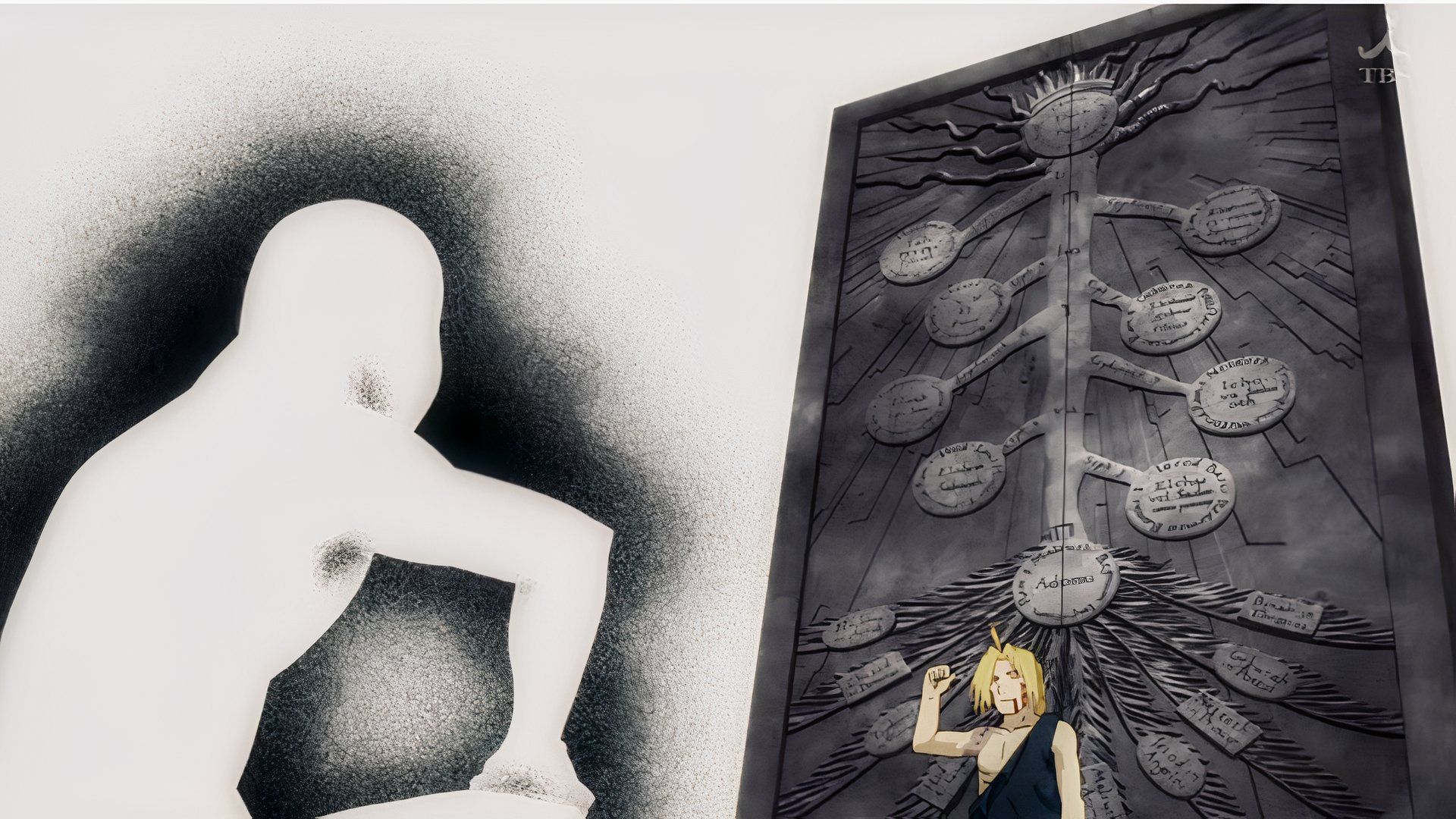
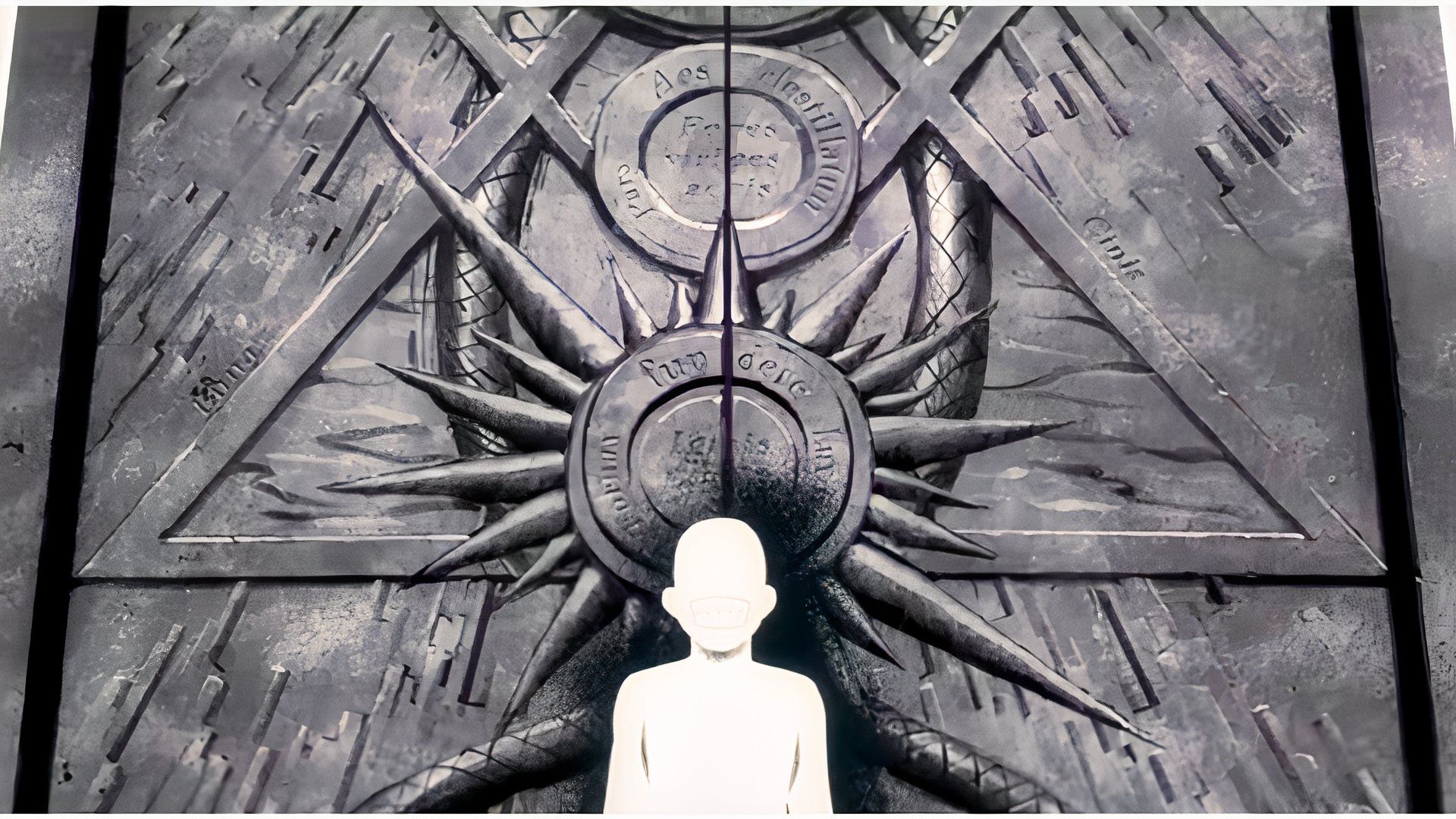
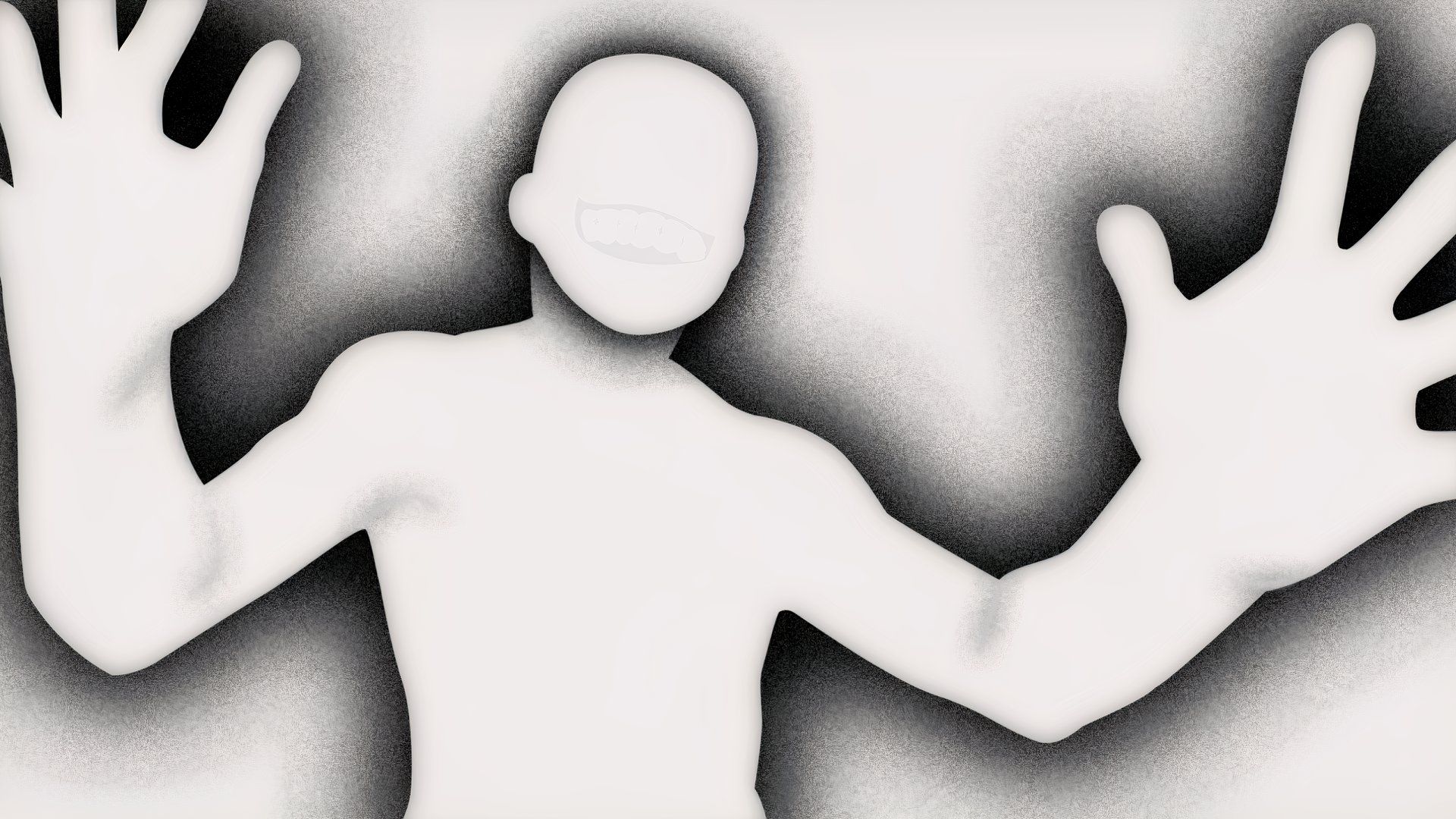
- A metaphorical concept representing the singular and collective unconscious
- Exacts a toll on human transmutation to gain one’s desire
- Never properly explained, only viewed through the consciousness of others
I’m totally hooked on Fullmetal Alchemist! It’s not just an action-packed adventure with the Elric brothers, Edward and Alphonse, searching for the Philosopher’s Stone, but it’s also a really heartbreaking story. You quickly learn about the terrible price they paid trying to bring their mother back to life – Ed lost an arm and a leg, and Al’s soul is trapped inside a suit of armor. It turns out this cost was enforced by something called ‘The Truth,’ this almost god-like being that exists within their minds. It’s such a cool and unique idea, especially in a world where everything runs on alchemy and alkahestry. Honestly, it’s one of the most fascinating concepts I’ve ever seen in anime!
Alchemists who try to transform humans encounter a powerful force representing a fundamental duality. This force, known as the Truth, acts as both a guardian of all knowledge – a reflection of the universe’s shared unconscious – and as the alchemist’s own inner conscience. The story cleverly shows this duality by making the Truth a part of the alchemist themselves, meaning the punishment for trying to create life is whatever the alchemist subconsciously believes they deserve. Once the price is paid, the alchemist receives all the universe’s knowledge, but at a terrible cost: they are permanently scarred and forced to forget most of what they learned, losing something they deeply value in the process.
1. Death (Discworld)
Has More Personality Than Most Other Gods In Fiction
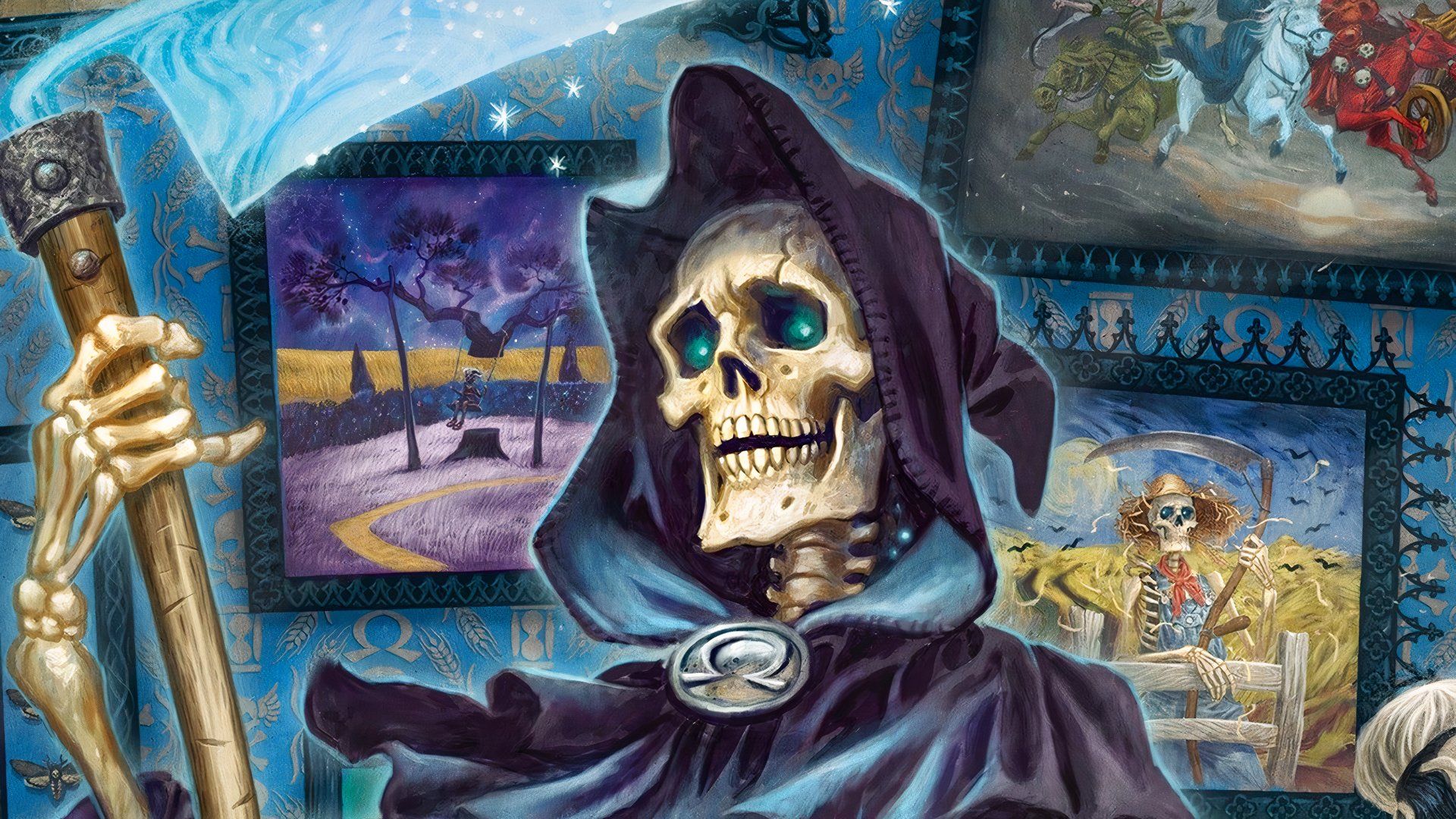
- The personification of belief in the inevitability of death
- Has a cat
- Talks in unquoted small caps
Terry Pratchett’s Discworld is a wonderfully strange and flexible setting, famous for its unique take on gods. In Discworld, gods gain power from people’s beliefs, meaning there are countless gods for every idea or concept. Within this vast cosmology, the most recognizable figure is arguably Death himself. Pratchett’s portrayal of Death appears throughout his other books. He always ‘speaks’ in small capital letters – not to shout, but to emphasize his role as the ultimate and unavoidable end of all things, the one constant in the universe (and because he doesn’t have vocal cords!). What makes Death so compelling is that, unlike many fictional gods, he’s genuinely interested in humans.
Death, a god responsible for guiding souls to the afterlife, has some unusual quirks. He’s a cat lover with a taste for curry, and lives in a Victorian house that’s actually a complex, otherworldly structure existing within his own personal dimension. While dedicated to his job, he’s strangely fascinated by humans and their resilience, even in the face of death. This fascination often leads him to be kind, occasionally granting people a second chance at life – sometimes through a game where he conveniently ‘forgets’ the rules to help those he deems worthy.
Read More
- How to Get the Wunderbarrage in Totenreich (BO7 Zombies)
- Change Your Perspective Anomaly Commission Guide In NTE (Neverness to Everness)
- How to Beat Turbines in ARC Raiders
- NTE Drift Guide (& Best Car Mods for Drifting)
- Robinhood’s $75M OpenAI Bet: Retail Access or Legal Minefield?
- Beware! Phishing Emails Are Deceiving Robinhood Users in a Sneaky Plot!
- NTE Fan Shows Off Mint Cosplay
- All Nameless Hospital Endings Full Guide In NTE
- NTE Banners (Current, Next, And Upcoming Banners)
- Deltarune Chapter 1 100% Walkthrough: Complete Guide to Secrets and Bosses
2026-05-10 10:38